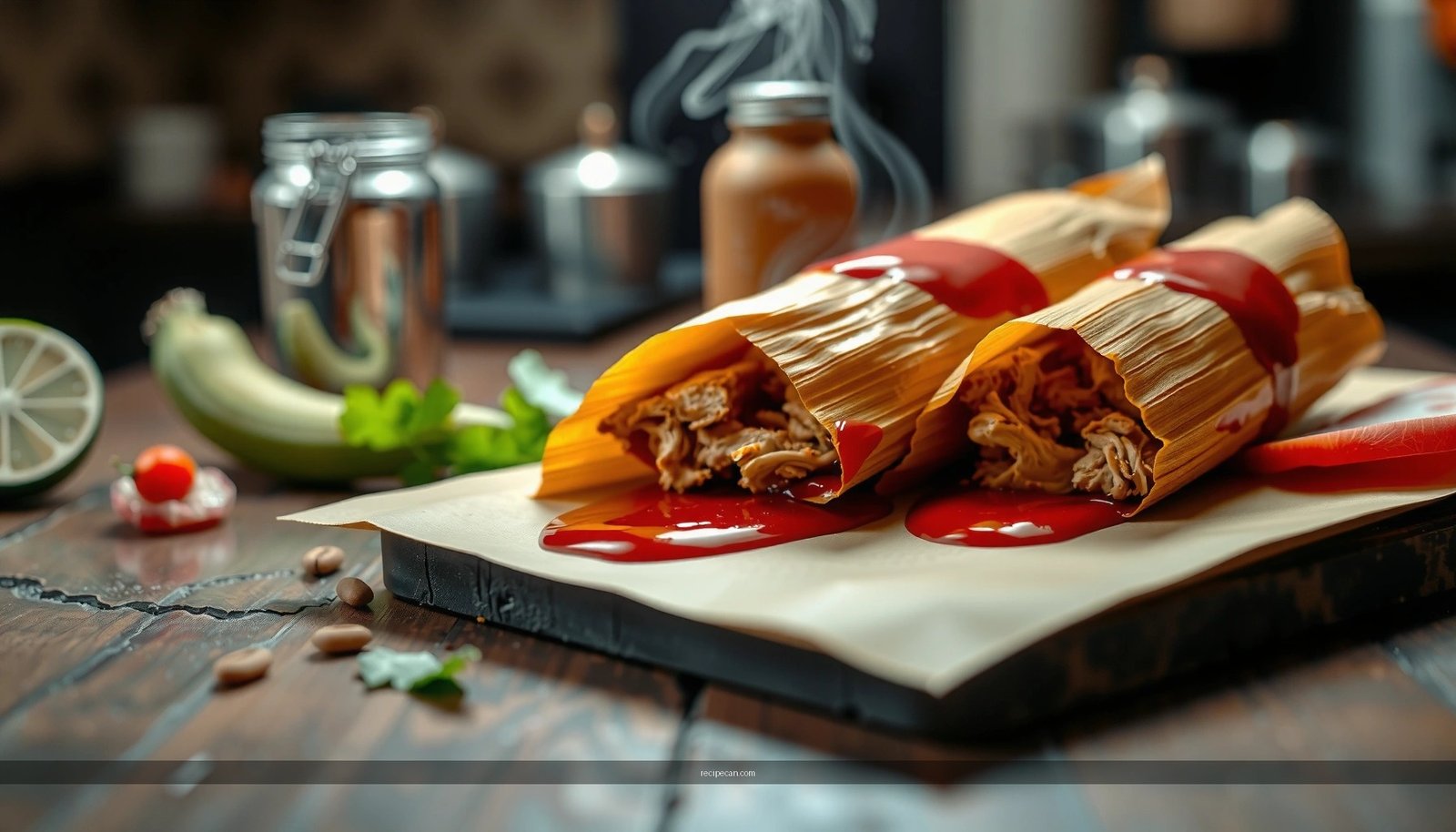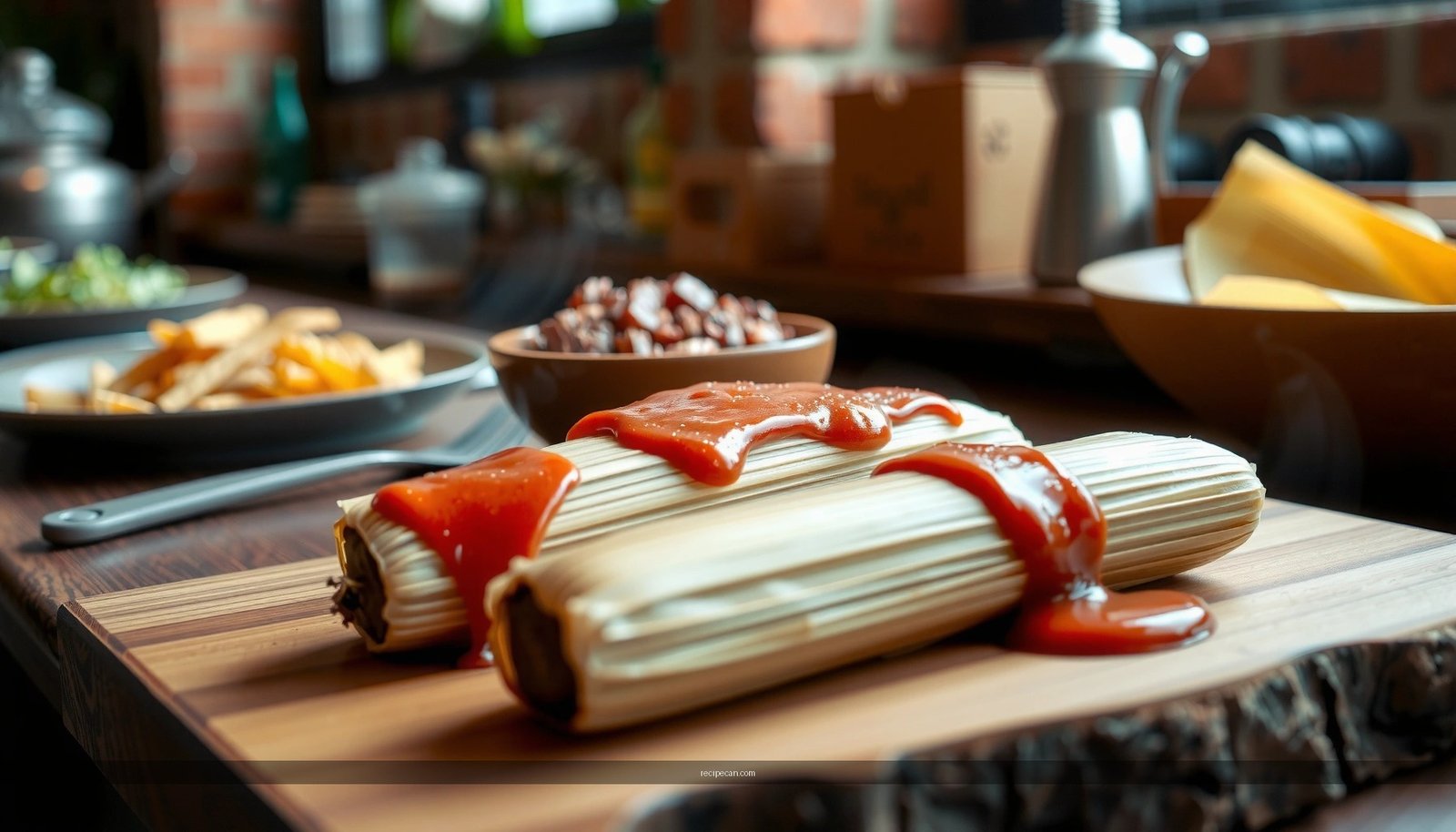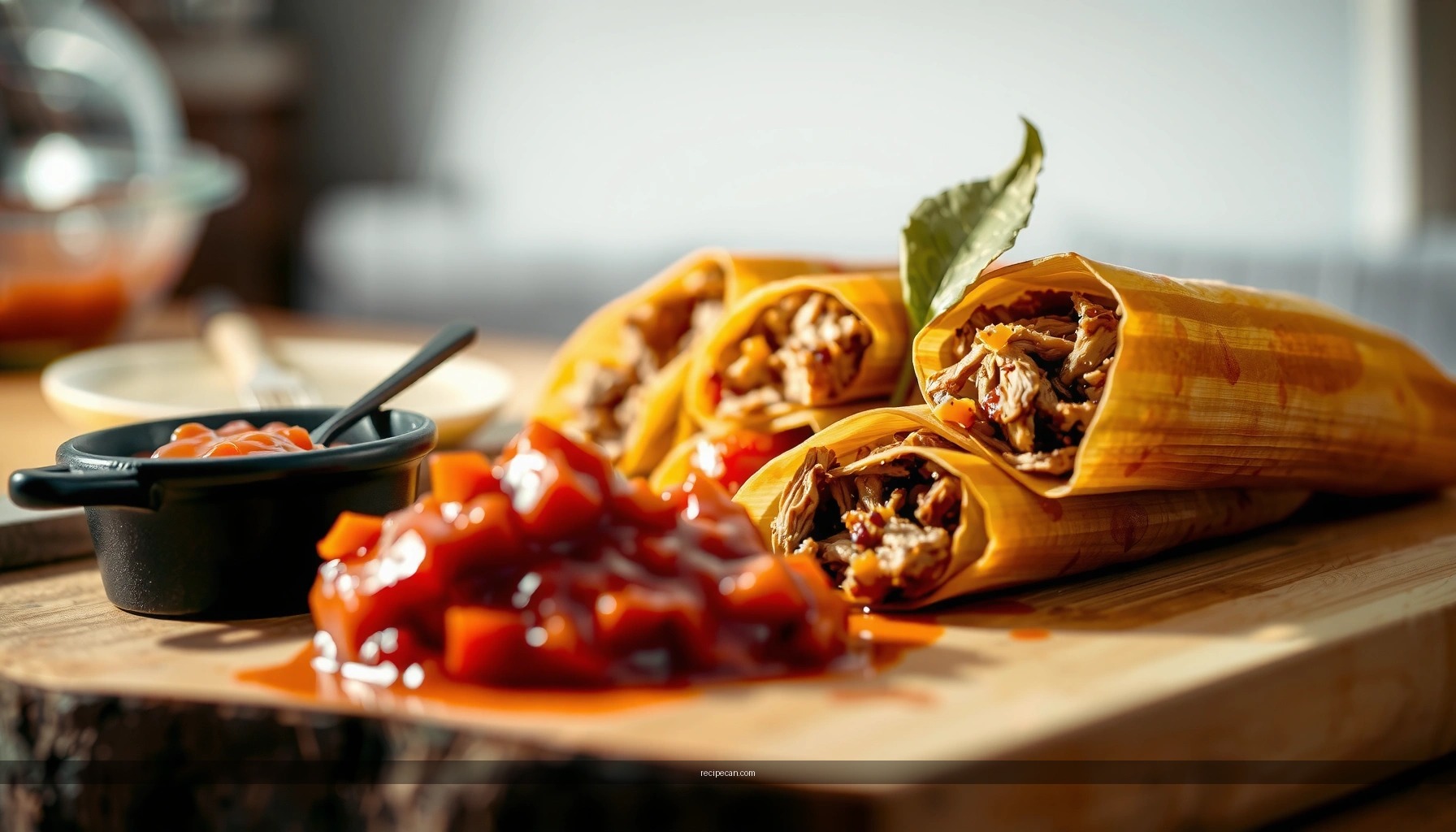
You want a tamale meat recipe that delivers bold, spoonable filling—so here’s the winner: slow-simmered, well-seasoned tamale meat with deep chile and savory aromatics. This guide answers how to make tamale filling that tastes rich, clings together, and stays flavorful after steaming. Follow the steps and you’ll get filling with the right balance of heat, salt, and tenderness.
Make flavorful tamale meat filling by simmering seasoned pork or chicken until fork-tender, then shredding and thickening it with the same cooking juices so it stays moist inside the masa. In the steps below, you’ll learn how to build a bold chile-and-spice base, how long to simmer for the right tenderness, and how to get a juicy (not watery) filling that bakes evenly.
Choose Your Tamale Meat

The best tamale meat filling starts with the right cut. For classic, rich flavor and forgiving texture, use pork shoulder (often called Boston butt). It has enough fat and connective tissue to break down during simmering, which results in shreddable meat and naturally flavorful juices for thickening. For a lighter option—especially if you’re trying to reduce richness—choose chicken thighs (bone-in or boneless). Thigh meat stays juicy and shreds well; chicken breast can work but is easier to dry out if simmer time or moisture management isn’t precise.
Cut size matters. Chop the meat into 1½–2 inch chunks. Smaller pieces cook faster and shred more evenly, but too-small cuts can overcook and turn stringy. Aim for chunks that will become tender within your simmer window while still holding together during shredding.
A practical approach for consistent batches:
– Pork shoulder: trim only excess hard fat; keep enough fat for juiciness.
– Chicken thighs: remove skin if you prefer less fat, but keep the meat intact for better moisture retention.
– Bone-in vs. boneless: bone-in can deepen broth flavor; boneless is faster to shred and portion.
Meat Choice Guide for Tamale Filling (Practical Cook Times)
| # | Meat | Typical Simmer Goal | Fork-Tender Time (Range) | Moisture Risk |
|---|---|---|---|---|
| 1 | Pork shoulder (Boston butt) | Shred easily, glossy juices | 2.0–2.5 hours | Low |
| 2 | Pork shoulder (leaner trimmed) | Tender shred, slightly less fat | 2.0–2.5 hours | Moderate |
| 3 | Chicken thighs (bone-in) | Shredable, juicy fibers | 1.0–1.25 hours | Low |
| 4 | Chicken thighs (boneless) | Fast shred, moist filling | 45–70 minutes | Moderate |
| 5 | Turkey thigh meat | Tender shred, mild flavor | 1.1–1.5 hours | Moderate |
| 6 | Pork butt + added broth | Extra juicy, easy thickening | 2.0–2.75 hours | Low |
| 7 | Lean pork loin | Shred possible, higher dryness risk | 1.0–1.25 hours (stop early) | High |
Prepare the Seasoning Base

A top-tier tamale meat recipe relies on a strong seasoning base that clings to the meat during simmering. Start with aromatics: diced onion and garlic. Cook them briefly in a little oil until they soften and turn fragrant—this step helps mellow harsh raw notes and improves spice integration.
Then build the chile-spice foundation. A reliable combination is:
– Chili powder for color and an “instant chile” profile
– Ground cumin for earthy warmth
– Salt (added early helps season throughout)
– Optional depth with oregano (Mexican oregano often feels particularly “tamale-like”)
For additional complexity, incorporate chopped chiles (mild Anaheim or jalapeño) or salsa. Chiles give a fresher, sharper heat, while salsa can add body and tang (depending on the salsa’s ingredients). Keep heat adjustable: if you add salsa, choose one that matches your target spice level; if you add whole chiles, remove seeds for mildness.
Professional tip for consistent flavor:
– Taste the seasoning base before adding meat. It should be bold—slightly over-seasoned by normal eating standards—because the masa will dilute the overall perceived intensity.
Cook the Meat Until Tender

Tenderness is non-negotiable for tamale filling. Simmering is what transforms tough muscle fibers into shreddable strands and creates the flavorful cooking juices that will later thicken the mixture.
How to know you’ve hit the right point:
– The meat should be fork-tender, meaning a fork slides in with minimal resistance.
– The broth/juices should smell rich and savory, not thin or watery.
– When you test a chunk, it should shred without needing excessive pulling or chopping.
A common simmer range is:
– Pork shoulder: about 2 to 2.5 hours
– Chicken thighs: about 45 minutes to 1.25 hours
Actual time varies with chunk size and pot temperature, so use the fork-tender cue as your primary benchmark.
Crucially, don’t drain the liquid. Keep:
– At least some broth/juices in the pot to maintain moisture in the filling.
– A controlled “simmer reduction” so you can thicken later without drying.
For safety and quality, simmer at a steady, gentle level (not a rolling boil). A rolling boil can break meat down too fast and reduce your ability to control texture.
Build the Tamale Filling Texture
This is where most homemade tamale meat recipes succeed or fail: texture control. The goal is a filling that is juicy but not watery, holds its shape, and spreads without leaking.
Once the meat is tender:
1. Shred thoroughly—use two forks or a mixer on low for a short pulse.
2. Return shredded meat to the pot.
3. Simmer briefly to thicken using the existing cooking juices and starches from reduction.
As the mixture warms, it will naturally cling better to the meat fibers. If it’s still loose, simmer a few more minutes. If it becomes too thick, loosen with a small splash of broth—add gradually so you can re-thicken.
Seasoning adjustment comes at the end of simmering. Taste and make sure the filling is bold enough. Chili and cumin flavors often mellow after mixing with masa, so your filling should taste slightly stronger than you’d want in a taco filling.
Texture checkpoints:
– Spoon test: it should mound slightly rather than flow like soup.
– Spread test: when you spread masa, the meat strip should stay in place rather than bleed liquid.
Assemble and Fill Tamales
Assembling tamales is a controlled portioning task. You’re not just filling—you’re creating layers that cook evenly.
A practical workflow:
– Soak or prep your corn husks (or use proper masa prep if you’re rolling another wrap method).
– Spread a thin, even layer of masa—not too thick, or it won’t cook through evenly.
– Add a strip of meat filling down the center, leaving space at the sides so sealing works cleanly.
– Roll tightly and fold as needed so the tamale holds its structure during steaming.
Don’t overfill. Too much filling increases the risk of leaks and uneven cooking. If your meat mixture is properly thickened, you can portion with confidence. For consistency, use a measuring approach (for example, a standard spoonful count per tamale) so each tamale has similar weight and steaming time.
Also consider uniformity for quality control:
– If you’re making batches for family events or service, rotate rolls so they steam in a consistent rhythm.
– Keep finished tamales covered to avoid drying while you assemble.
Storage and Reheating Tips
Tamale meat filling stores well because it’s mostly protein and reduced cooking juices—two ingredients that reheat more reliably than many fresh sauces.
Refrigeration:
– Cool quickly and transfer filling to an airtight container
– Refrigerate up to 3–4 days
– If the filling thickens too much after chilling, reheat with a splash of broth to restore spreadable consistency.
Freezing:
– Freeze in portion-size containers or freezer bags for easy thawing.
– Thaw in the refrigerator overnight for best texture.
– Reheat gently on the stove, adding a small splash of broth to loosen and rehydrate.
When reheating for tamale assembly, aim for a spreadable, warm filling—not boiling hot—so it doesn’t melt the masa prematurely. Stir frequently to prevent scorching on the bottom.
Tamale meat is all about tender simmering, bold seasoning, and a filling that’s juicy but not watery. Follow the steps to cook, shred, and thicken your meat properly, then assemble tamales with confidence—make a batch today and freeze extras for quick future meals.
Frequently Asked Questions
What cut of meat works best for a tamale meat recipe?
Many people use pork shoulder (or pork butt) because it stays tender during long cooking and shreds easily for tamale filling. Beef chuck is another great option if you prefer a richer, hearty flavor that holds up well when simmered. If you want a faster option, you can use chicken thighs, but cook it until fully tender so the meat is easy to mix into the masa and sauce.
How do you make tamale meat filling that’s flavorful and not dry?
Start by sautéing aromatics like onion and garlic, then add spices (commonly cumin, chili powder, and oregano) and simmer the meat with enough liquid to keep it moist. For tamale meat, the key is slow cooking—either braise or simmer until the meat is tender enough to shred, then reduce the sauce slightly so it clings to the meat. Finish by mixing the shredded meat with some of the cooking liquid and adjust salt so the filling is juicy and well-seasoned.
Why do some tamale meat fillings taste bland, and how can you fix it?
Bland tamale meat usually comes from under-seasoning, watery sauce, or not reducing the cooking liquid enough to concentrate flavor. Add salt gradually during simmering, and let the sauce thicken by reducing it after the meat becomes tender. Taste before assembling the tamales—if it needs more depth, a pinch of salt, extra chili seasoning, or a small amount of tomato or broth can bring the tamale meat recipe to life.
Which spices and chili types pair best with tamale meat?
Classic tamale meat recipes often use chili powders and dried chilies like ancho, guajillo, or chipotle for smoky, warm flavor. A common approach is to toast dried chilies, rehydrate them, then blend into a smooth sauce that the meat simmers in. Combine the chili base with cumin, garlic, oregano, and bay leaf for a well-rounded taste that works across pork, beef, or chicken tamales.
How do you prep and store tamale meat filling for meal prep or freezing?
Let the cooked tamale meat filling cool completely, then store it in airtight containers in the fridge for up to 3–4 days or freeze up to 2–3 months. When reheating, add a splash of broth or water to loosen the sauce and restore moisture, then heat until steaming. If your tamale recipe uses saucy filling, keep it slightly moist after reheating so it doesn’t dry out when assembled and steamed.
References
- Tamale
https://en.wikipedia.org/wiki/Tamale - https://www.britannica.com/topic/tamale
https://www.britannica.com/topic/tamale - Carnitas
https://en.wikipedia.org/wiki/Carnitas - Barbacoa
https://en.wikipedia.org/wiki/Barbacoa - Mole (sauce)
https://en.wikipedia.org/wiki/Mole_poblano - Cochinita pibil
https://en.wikipedia.org/wiki/Cochinita_pibil - Tinga
https://en.wikipedia.org/wiki/Tinga - Google Scholar Google Scholar
https://scholar.google.com/scholar?q=tamale+meat+filling+recipe - Google Scholar Google Scholar
https://scholar.google.com/scholar?q=masa+preparation+tamales+food+science - Google Scholar Google Scholar
https://scholar.google.com/scholar?q=Mexican+tamales+filling+pork+chicken+culinary+techniques