Want a black tea recipe that reliably delivers a perfect cup every time? Follow these easy steps for brewing black tea with the right water temperature, tea-to-water ratio, and steeping time—so it comes out rich, smooth, and not bitter. You’ll learn exactly how to brew a standout mug and adjust fast when your taste runs stronger or lighter.
Make black tea by steeping black tea leaves in hot water for 3–5 minutes, using freshly boiled water and the right tea-to-water ratio so the cup tastes rich—not bitter. This guide gives you an easy black tea recipe you can repeat every time, plus practical adjustments for milder, stronger, iced, or milk-and-sugar styles.
What You Need for a Black Tea Recipe
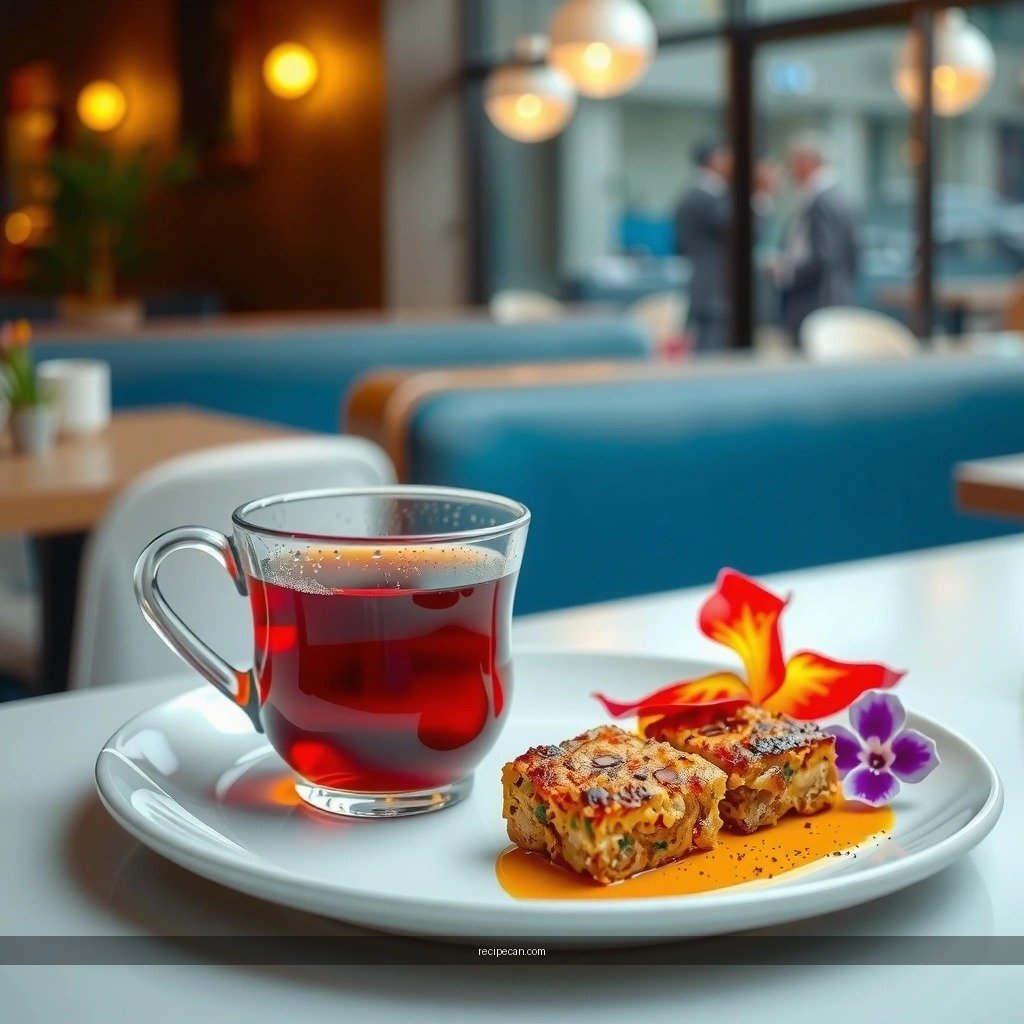
Making black tea is straightforward, but having the right inputs makes the difference between “okay” tea and a consistently flavorful cup. For a reliable base recipe, gather:
– Black tea leaves (loose-leaf) or tea bags and fresh, cold water
– Loose-leaf generally offers more flavor nuance, while tea bags are convenient and consistent.
– Kettle or pot, teacup or mug/teapot, and optional strainer
– A fine strainer matters most for loose-leaf to prevent fine particles from continuing to steep in the cup.
– Optional add-ins: milk, lemon, honey, or sugar
– These don’t “fix” under-extraction or over-extraction, but they can complement the flavor profile once your steeping is dialed in.
How to think like a tea professional (without complicating the process): black tea flavor is largely driven by extraction—how much of the tea’s compounds dissolve into water during steeping. Your ingredients and tools affect extraction (leaf size, water quality, and how long tea stays in contact with hot water).
Quick quality check
– If your water tastes flat or musty, your tea will too—tea is basically “water + extraction.”
– If your tea smells stale (cardboard, muted, or “off”), steeping won’t restore freshness—start with good-quality black tea.
Best Tea-to-Water Ratio
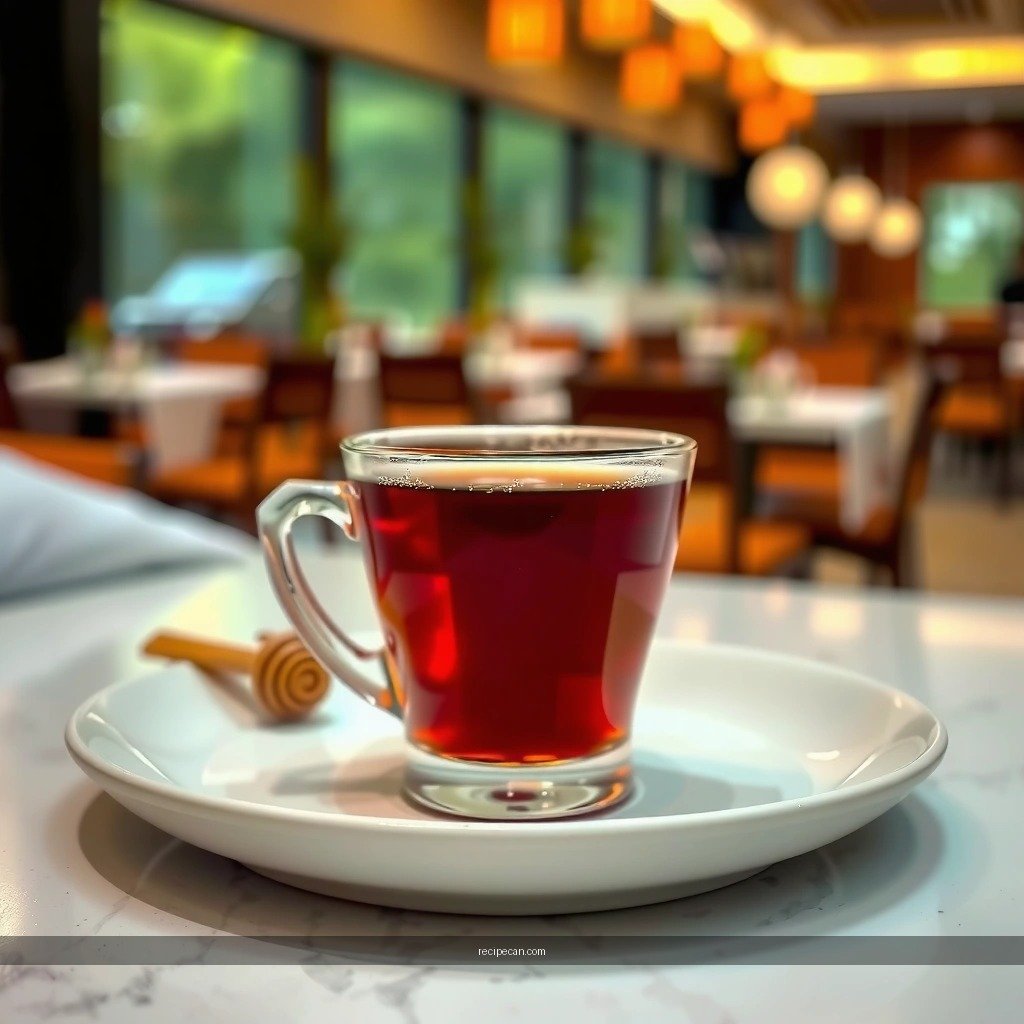
The ratio is the fastest path to a better cup because it controls strength before you even touch steep time. Use the following baseline:
– Use about 1 teaspoon of loose-leaf tea per 8 oz (240 ml)
– If using tea bags, follow the bag label size and quantity
– Many “tea bag” instructions assume a standard mug size; if your mug is larger, brew fewer/ more bags accordingly to keep the strength consistent.
– Measure consistently for repeatable results
– Repeatability is how you find “your perfect cup” rather than endlessly guessing.
Why ratio matters (analytical view)
– Too little tea: you under-extract, and the cup tastes thin or watery.
– Too much tea: you over-extract and can end up with dryness or bitterness even at short steep times.
Practical ratio guide by mug size
– 6 oz (180 ml): ~¾ teaspoon loose-leaf
– 8 oz (240 ml): 1 teaspoon (the baseline)
– 12 oz (355 ml): ~1½ teaspoons
These are starting points—your tea’s leaf size and your preferred intensity may shift the number slightly.
Brewing consistency for teams and households
If you’re making tea for others (or for clients/events), standardize your ratio in a way that’s easy to replicate. For example, brewing multiple cups at once in a small teapot and then pouring individual servings prevents each person from having different steep times—one of the most common sources of “why does mine taste different?”
Steep-Time Effects on Common Black Tea Styles (2.5 g / ~8 oz)
| # | Black Tea Style | Steep Time | Typical Taste Direction | Strength Score |
|---|---|---|---|---|
| 1 | Assam-style (malty) | 3 min | Gentle malt, less tannin | 8.0 ★★★★☆ |
| 2 | Ceylon (bright, brisk) | 3 min | Citrus lift, lighter body | 7.2 ★★★★☆ |
| 3 | Earl Grey (bergamot-forward) | 3–4 min | Aroma stays clean, balanced finish | 7.8 ★★★★☆ |
| 4 | Darjeeling (floral nuances) | 3 min | More florals, less astringency | 7.4 ★★★★☆ |
| 5 | Keemun (winey depth) | 4 min | More body, smooth tannin | 8.4 ★★★★★ |
| 6 | Assam-style (malty) | 5 min | Thicker malt, higher tannin edge | 6.7 ★★★☆☆ |
| 7 | Ceylon (bright, brisk) | 5 min | Brighter but can taste drying | 6.4 ★★★☆☆ |
Water Temperature and Steeping Time
Black tea is forgiving, but temperature and time still determine whether you get a balanced cup or an unpleasant one. Use:
– Freshly boiled water, then steep for 3–5 minutes
– Shorter steep (closer to 3 minutes) = lighter, milder flavor
– Longer steep (closer to 5 minutes) = stronger, bolder taste
– Taste once, then adjust next time (most important “process” tip)
Why “freshly boiled” matters
Freshly boiled water has consistent heat and dissolved oxygen levels, which affects how compounds extract from leaves. If the water has been sitting hot for a long time, it can cool slightly and slightly change the brewing dynamics.
A simple adjustment framework
If your black tea is:
– Too weak: increase either the tea amount (small change) or steep time by ~30–60 seconds.
– Too bitter or dry: shorten steep time by ~30–60 seconds, or reduce tea amount.
Don’t change everything at once—adjust one variable, taste, and then fine-tune.
How to Prepare Black Tea (Step-by-Step)
This is the practical workflow that produces a consistent, well-extracted cup. Follow these steps:
– Heat water (kettle to boil)
– Add tea leaves to the cup/teapot
– Loose-leaf: start with 1 teaspoon per 8 oz (240 ml)
– Tea bags: use the bag quantity on the label for your water volume
– Pour water over the tea source
– Start timing as soon as hot water hits the leaves.
– Steep for 3–5 minutes
– Strain/remove the tea source promptly
– Leaving leaves in contact longer than intended is the #1 reason tea tastes stronger and more bitter than your target.
– Or cool and chill for iced black tea.
Operational tip: timing discipline
Use a phone timer or an inexpensive kitchen timer. The difference between “3 minutes” and “6 minutes” can be substantial, especially with fuller-leaf or tightly packed tea bags.
Iced black tea (same base method, different execution)
You can still steep hot and chill:
1. Brew a standard cup but steep toward the stronger end (about 4–5 minutes).
2. Pour over ice (or cool first, then refrigerate).
This avoids the common problem of iced tea tasting “watery” because ice dilutes a brew that was made too weak.
Flavor Tips and Variations
Once the baseline recipe works, you can tailor flavor without compromising structure. Try these professional-friendly variations:
– Add milk for a classic milk tea profile
– Milk smooths tannin perception and enhances body—especially with Assam and Keemun-style teas.
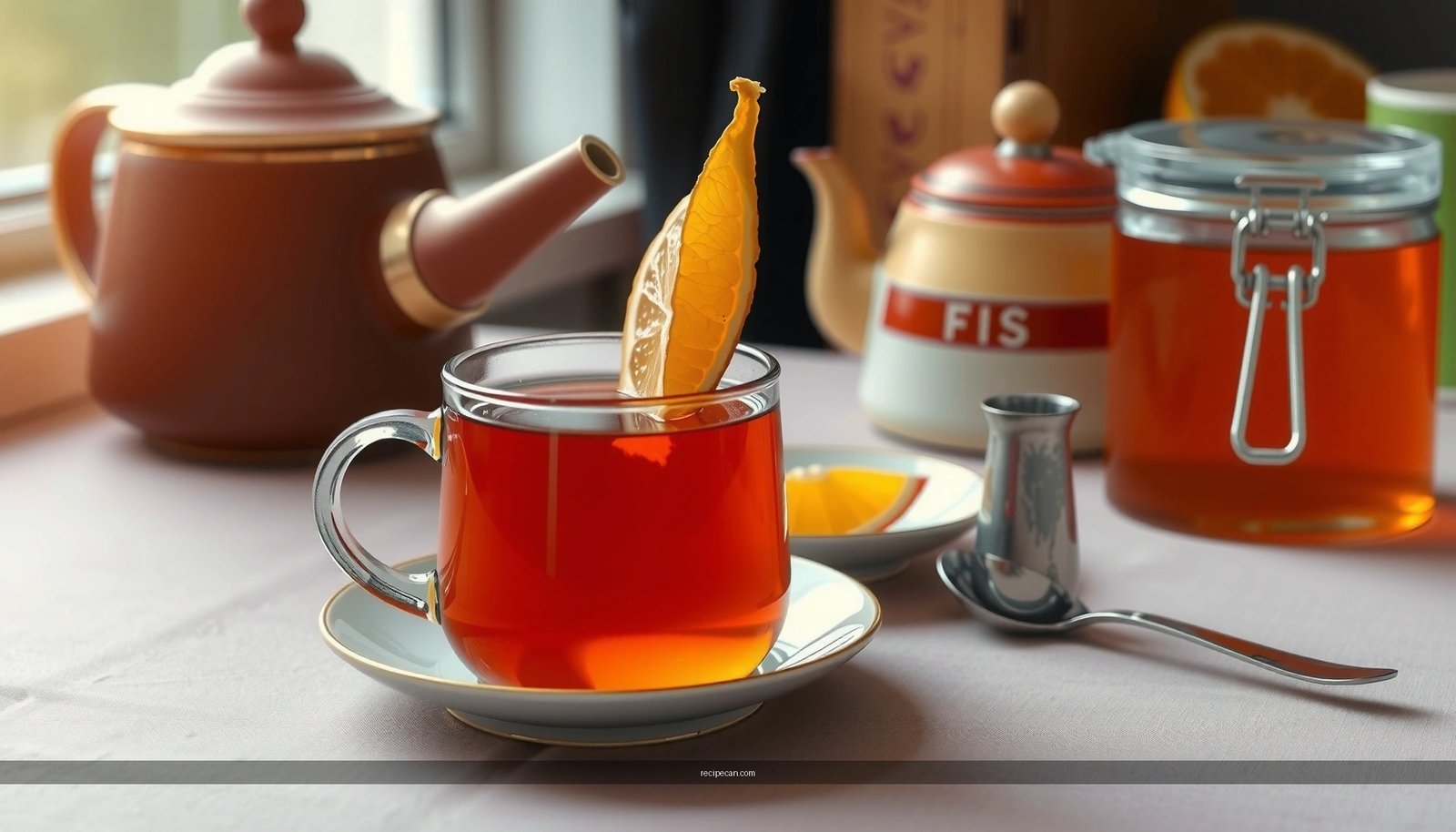
– Add lemon for a brighter, more aromatic cup
– Lemon can make floral and citrus-forward black teas taste more vivid, especially around the 3–4 minute range.
– Sweeten lightly with honey or sugar
– Honey adds floral sweetness; sugar is neutral and lets tea character remain clear.
– If you sweeten, do it after steeping so you’re not altering extraction timing.
– Make iced black tea by steeping stronger then pouring over ice
– Think of it as “compensating for dilution,” so flavor intensity holds up as the ice melts.
Pairing examples for everyday use
– Breakfast / office mornings: Assam-style black tea (malted, robust) with a splash of milk.
– Afternoon meetings: Ceylon or Keemun at ~3–4 minutes for clarity and moderate strength.
– Evening wind-down: Darjeeling-floral profiles are excellent nearer to 3 minutes to keep bitterness low.
Common Mistakes to Avoid
Even with an easy black tea recipe, a few pitfalls regularly cause “bad cup” outcomes. Avoid:
– Over-steeping can make black tea taste bitter or dry
– If you repeatedly steep too long, your palate may start “expecting” bitterness and overcorrect next time.
– Water that isn’t hot enough leads to weak flavor
– If you’re using barely simmering water, expect muted body and a thin finish.
– Using too much tea for your cup size can overpower the taste
– Overly strong black tea often tastes harsh rather than “strong.”
The fastest diagnostic
If you can answer these three questions, you can fix almost any cup:
1. Was the water freshly boiled?
2. Was steep time 3–5 minutes and timed accurately?
3. Did you use the correct tea-to-water ratio?
Black tea is simple: use freshly boiled water and steep 3–5 minutes with the right amount of leaves for a balanced, flavorful cup. Try the basic recipe first, then adjust one variable at a time—steeping time, tea amount, or add-ins like milk, honey, and lemon—until the result matches your exact preference. Brew today, taste intentionally, and you’ll quickly turn “easy tea” into a signature cup.
Frequently Asked Questions
How do I make a basic black tea recipe at home?
Start by boiling fresh water and heating your cup or pot so the temperature stays steady. Use about 1 teaspoon of loose black tea per 8 ounces of water, then steep for 3–5 minutes for a balanced black tea recipe. Strain and serve plain or with milk and sugar to taste. If it tastes too strong or bitter, shorten the steep time next time.
What is the best black tea recipe for iced tea?
Brew your black tea a little stronger than usual (for example, steep 4–6 minutes) so it holds up after cooling. Let it cool to room temperature, then pour over ice and add lemon slices or a simple syrup if desired. For a clear, flavorful iced black tea, strain the tea first and avoid over-steeping. Refrigerate any leftover brewed tea and reuse within 24–48 hours for best flavor.
Which black tea steeping time is best for a stronger or milder cup?
For most people, steep black tea for 3 minutes for a milder flavor and 5 minutes for a more robust black tea recipe. Stronger tea usually comes from longer steeping or using slightly more tea leaves, but going too far can create bitterness. If you want to adjust without bitterness, increase the tea amount slightly and keep the steep time within the 3–5 minute range. Taste and refine based on your preferred brew strength.
Why does my black tea taste bitter, and how can I fix it?
Bitterness in a black tea recipe is often caused by over-steeping, water that’s too hot, or using very finely ground leaves. Try steeping closer to 3 minutes and using water just off the boil (around 200–212°F / 93–100°C). You can also reduce the tea quantity or add milk to mellow harsh notes. Using fresh, properly stored tea leaves will improve flavor consistency.
What milk and sweetener combinations work best with black tea?
Milk and black tea pair especially well in classic styles like English-style with a splash of milk or Turkish tea with stronger brew and sugar. For sweetness, start with a small amount of sugar or honey, and adjust gradually so the tea flavor stays forward. If you’re making a black tea recipe with lemon, consider adding sugar lightly first to balance the acidity. Whether you choose dairy or dairy-free alternatives, stir thoroughly and serve immediately for the best taste.
References
- Google Scholar Google Scholar
https://scholar.google.com/scholar?q=black+tea+brewing+time+temperature+infusion+recipe - Google Scholar Google Scholar
https://scholar.google.com/scholar?q=black+tea+preparation+parameters+polyphenols+extraction - Google Scholar Google Scholar
https://scholar.google.com/scholar?q=black+tea+steeping+guidelines+cup+of+tea+water+ratio - Black tea
https://en.wikipedia.org/wiki/Black_tea - Tea
https://en.wikipedia.org/wiki/Tea#Preparation - https://www.britannica.com/topic/tea
https://www.britannica.com/topic/tea - https://www.nccih.nih.gov/health/black-tea-and-green-tea
https://www.nccih.nih.gov/health/black-tea-and-green-tea - https://pubmed.ncbi.nlm.nih.gov/?term=black+tea+brewing+temperature
https://pubmed.ncbi.nlm.nih.gov/?term=black+tea+brewing+temperature - https://pubmed.ncbi.nlm.nih.gov/?term=black+tea+infusion+time+polyphenol+extraction
https://pubmed.ncbi.nlm.nih.gov/?term=black+tea+infusion+time+polyphenol+extraction - https://www.sciencedirect.com/search?qs=black%20tea%20brewing%20time%20temperature
https://www.sciencedirect.com/search?qs=black%20tea%20brewing%20time%20temperature