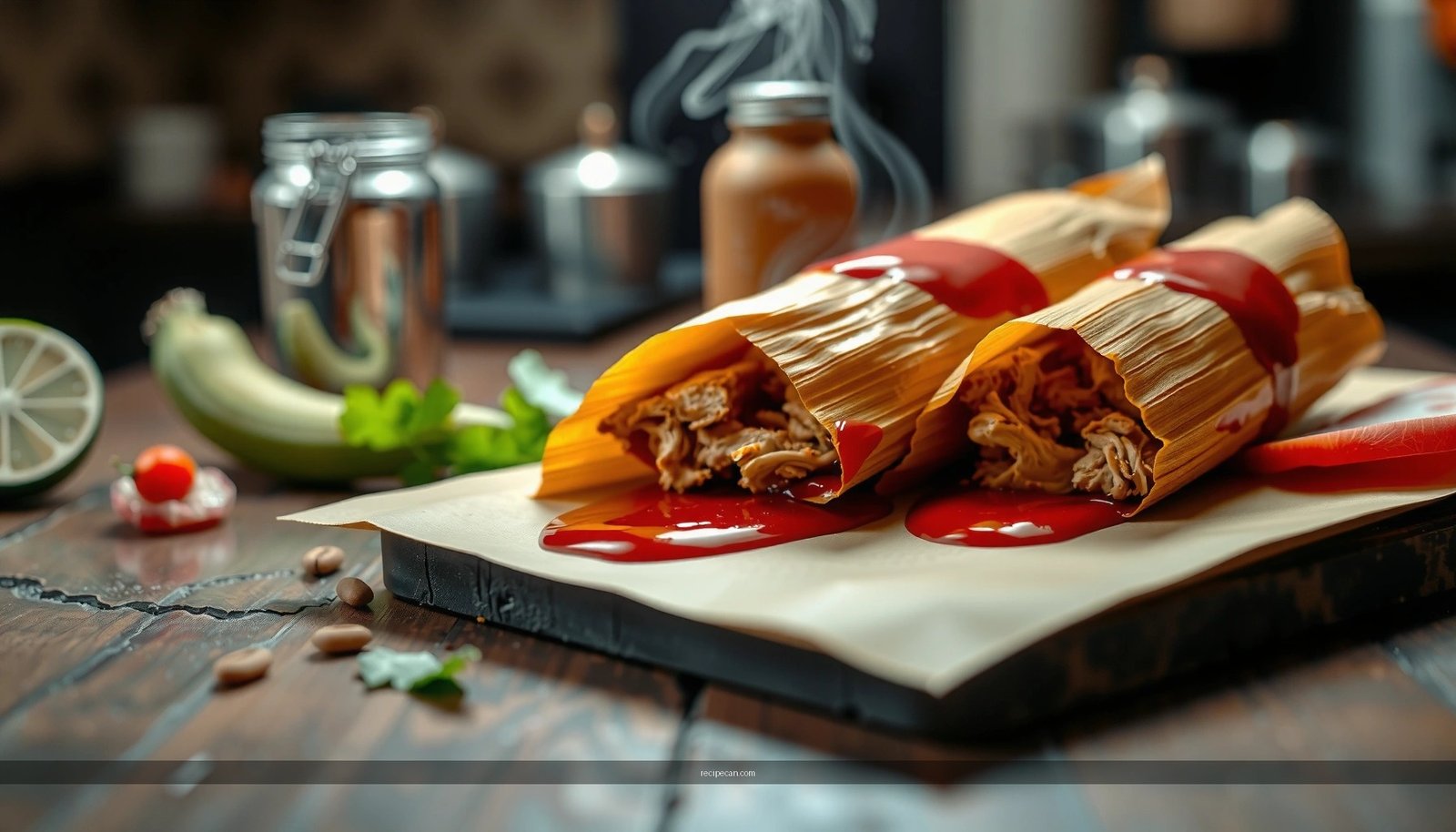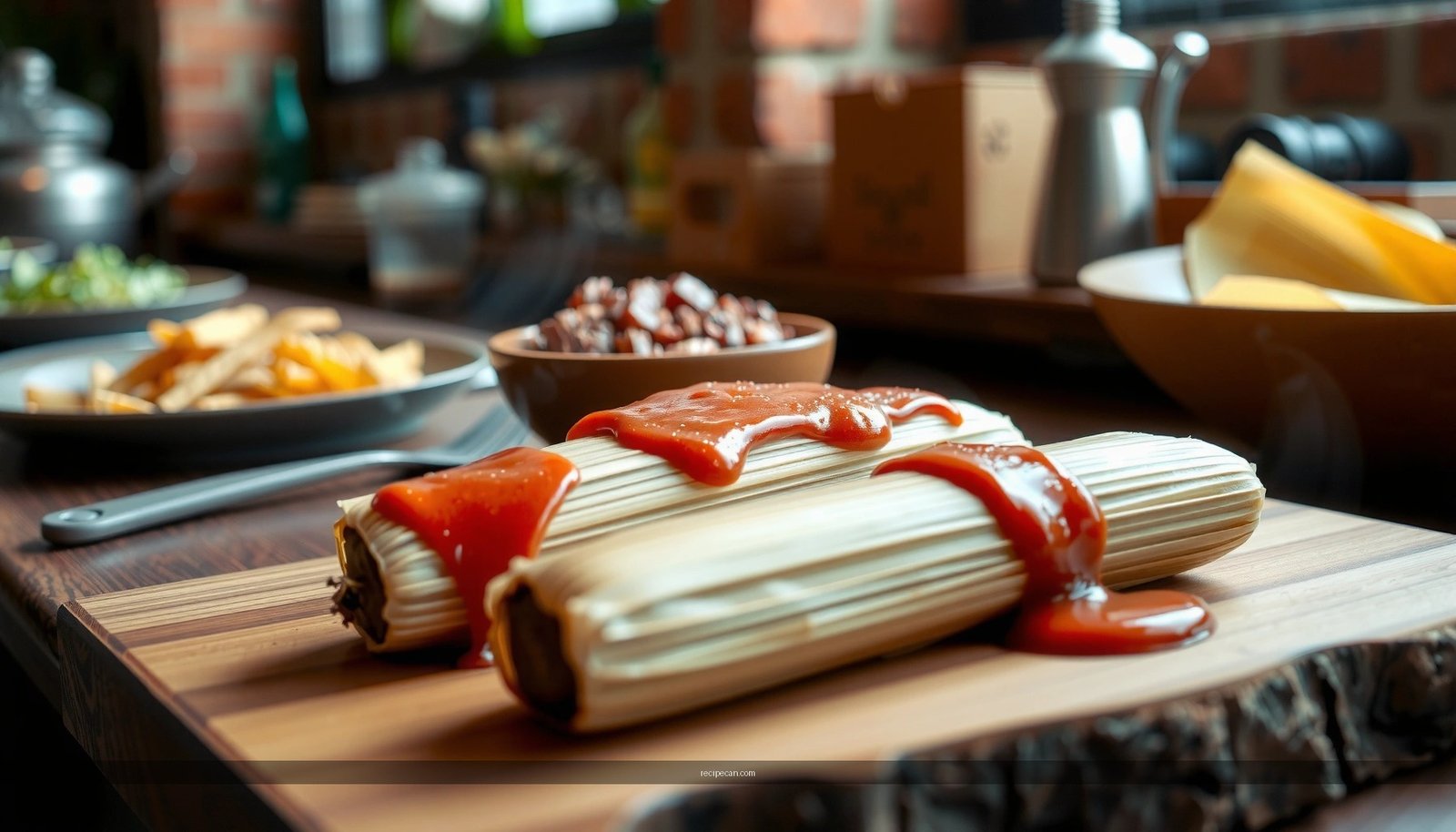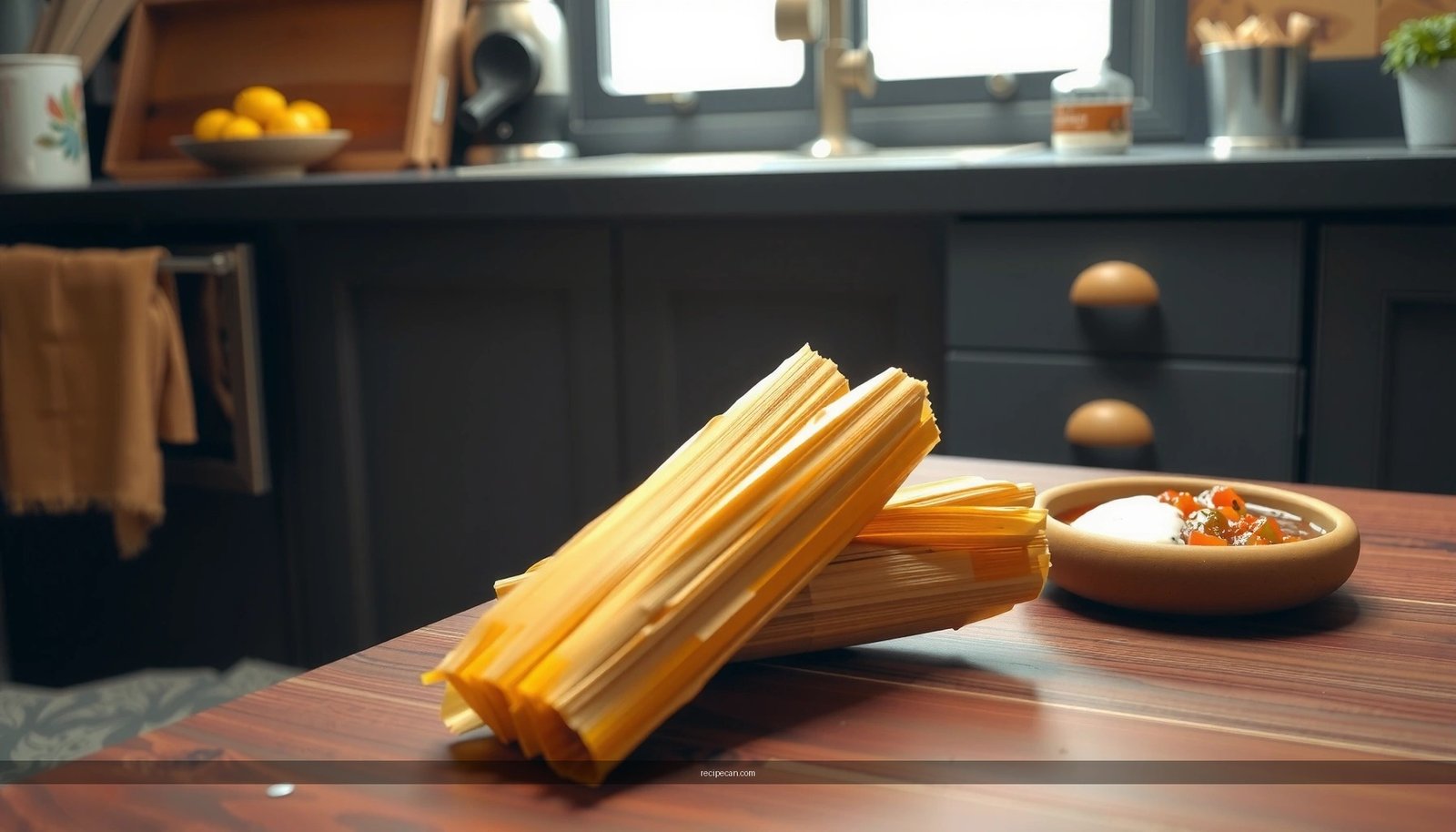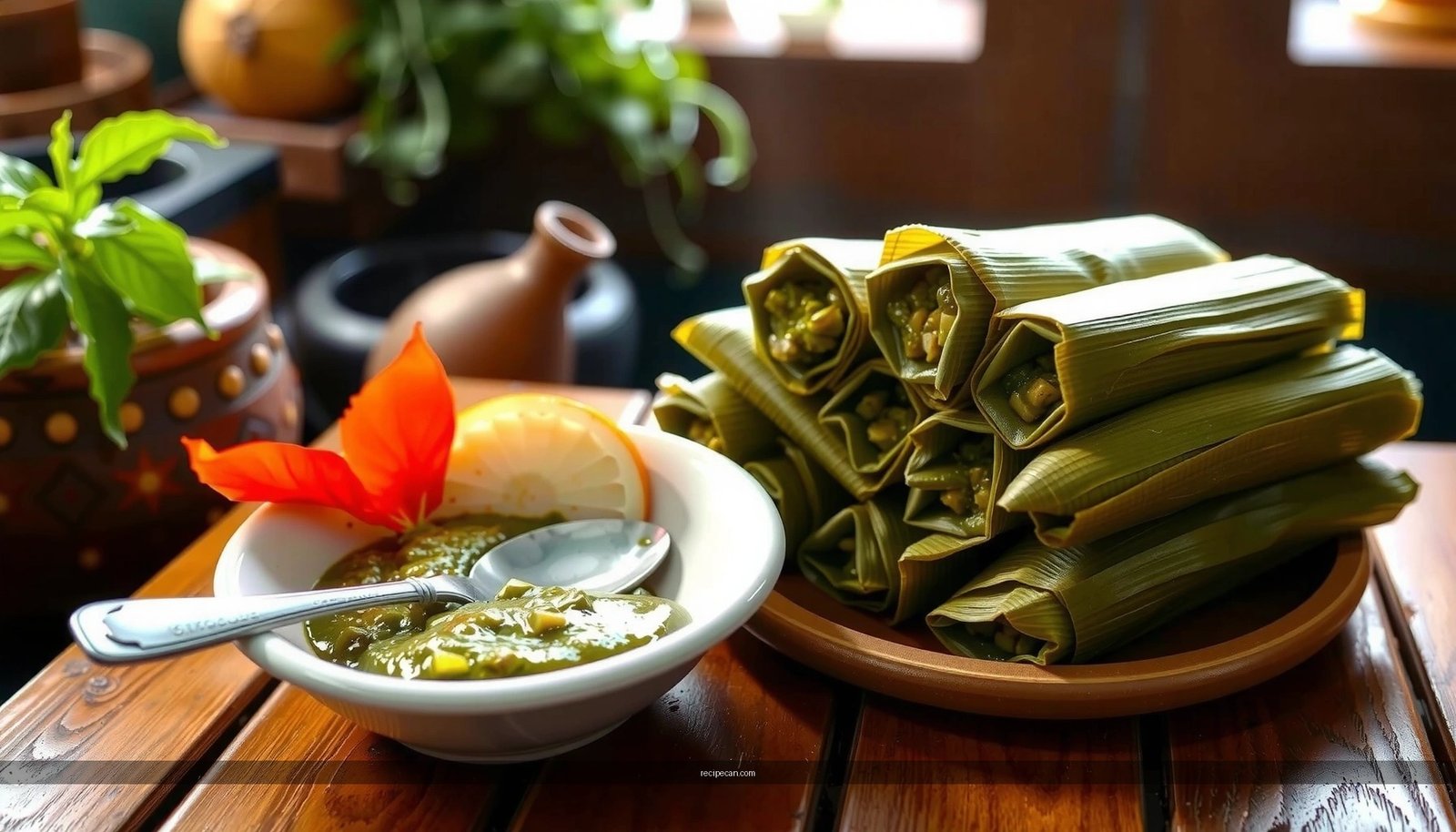
Get a Mexican green tamales recipe that delivers tender masa and flavorful green filling with step-by-step instructions you can follow the first time. This guide walks you through prepping the green sauce, mixing the masa, assembling, steaming, and knowing when your tamales are done. If you want tamales that taste like a real masa-and-sauce classic—without guesswork—this is the winner.
Mexican green tamales are made by spreading tender masa, filling them with a zesty green chile mixture, and steaming until the masa sets and peels cleanly from the husk. Below, you’ll learn how to make a bold green chile sauce, whip and season the masa correctly, assemble tamales that steam evenly, and cook them to a reliable, tender texture—plus storage and reheating tips so your batch tastes fresh days later.
Ingredients for Mexican Green Tamales
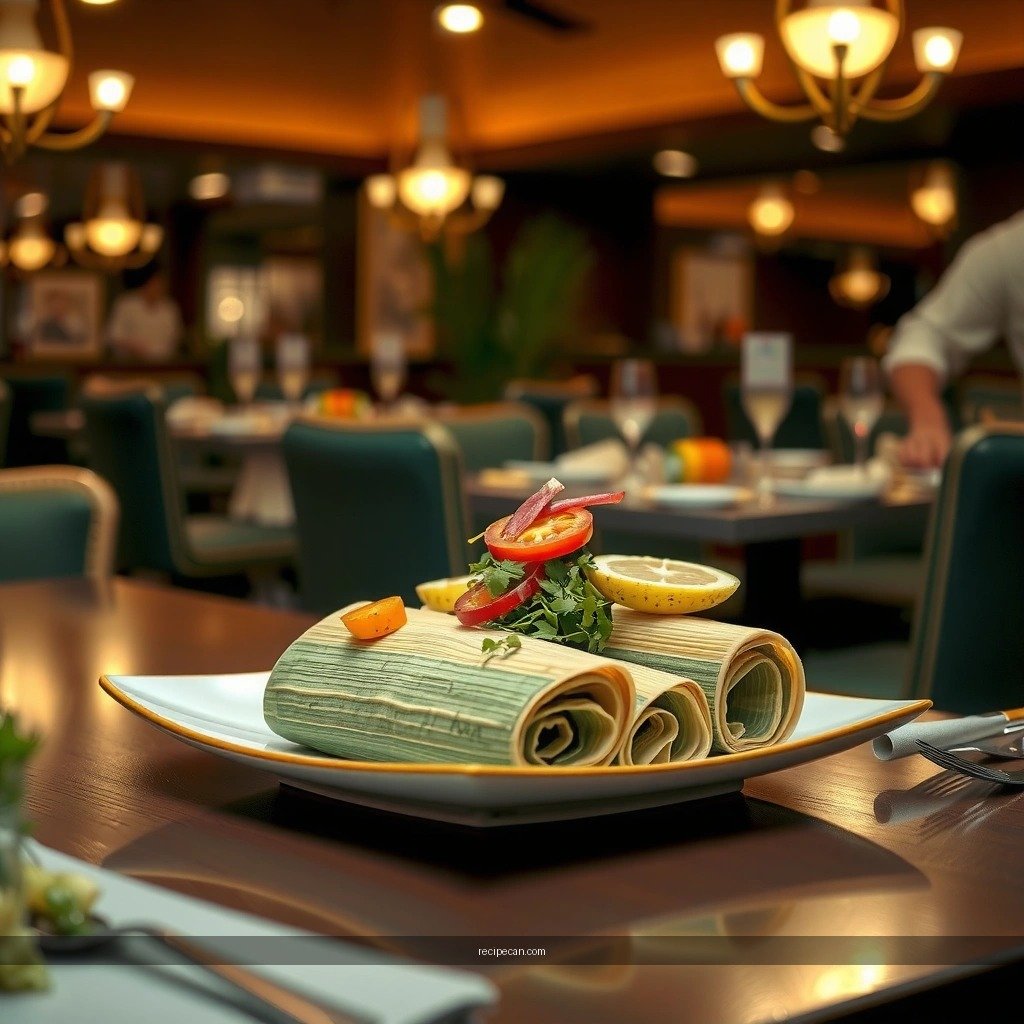
– Gather masa (corn dough), fresh or canned green chiles, and pork or filling of choice
– Stock up on corn husks and salt/seasonings for balanced flavor
To produce authentic Mexican green tamales with dependable results, treat the ingredient list like a workflow: each component has a job, and the tamale will only perform if that job is done well.
Core components
– Masa (corn dough): Use *masa harina* plus fat and warm liquid (for a scratch version), or choose *prepared tamale masa* if you want convenience. The masa’s goal is tenderness and cohesion—so it spreads without tearing and sets firmly after steaming.
– Green chiles for the sauce: Fresh poblano, Anaheim, or tomatillo + chile combinations create depth. If using canned chiles, select “whole green chiles” or mild-to-medium roasted options for a consistent, controllable heat level.
– Filling (pork, chicken, cheese, or veggie): Traditional green tamales are often filled with pork (cooked until juicy and shredded). However, chicken, cheese (like Oaxaca or a blend), or a hearty roasted vegetable filling also work well.
Seasoning reality check
Masa that’s underseasoned tastes flat even if the chile sauce is perfect. Plan on seasoning both:
– Masa (salt + optional spices like cumin)
– Green chile sauce (salt, acidity balance, and heat control)
Corn husks and moisture management
– Corn husks: Dry husks must be soaked thoroughly so they fold without cracking. If they’re too wet, they can slow steaming; if too dry, they tear during wrapping.
– Water for steaming: Keep water at a steady simmer; you want steam, not boiling turbulence.
Make the Green Chile Sauce
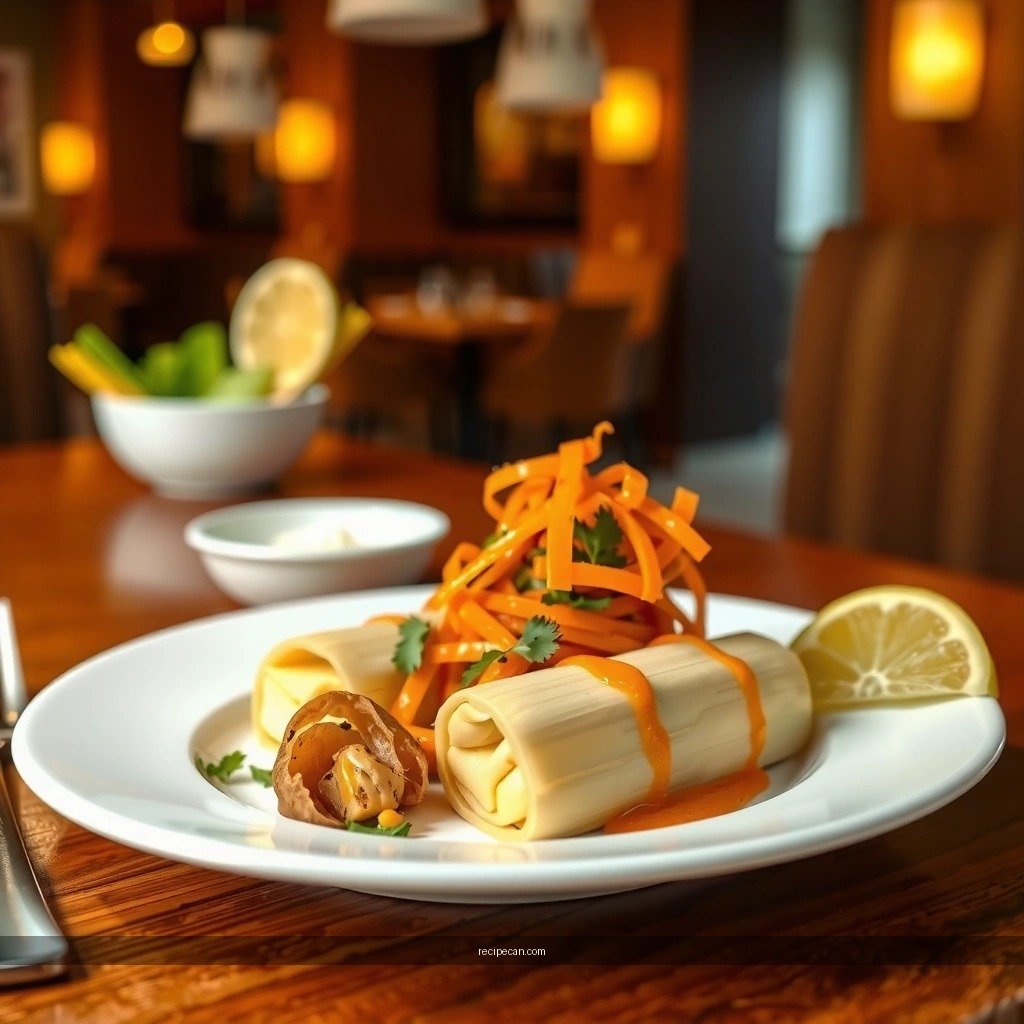
– Blend or simmer green chiles with aromatics like garlic and onion
– Adjust heat and seasoning so the sauce is bold but not overpowering
A great Mexican green tamales recipe starts with a green chile sauce that tastes “finished” on its own. When the sauce is balanced, the tamales taste layered instead of one-note.
Flavor-building method (two reliable paths)
Option A: Simmer for depth
1. Sauté onion (and optionally garlic) until translucent.
2. Add chiles (fresh or canned) plus a splash of broth or water.
3. Simmer 10–20 minutes so flavors meld.
4. Blend until smooth (or partially smooth for texture).
5. Salt to taste and adjust brightness with a small amount of tomato/tomatillo (if using) or a controlled splash of lime juice.
Option B: Blend for consistency
1. Blend chiles with onion/garlic (and tomatillo if desired) plus a little liquid.
2. Heat the blended sauce just long enough to remove raw edge and thicken slightly.
3. Season aggressively but carefully—remember it will mix with fat and masa during cooking.
Heat control that actually works
– If your chiles are very hot, tone down with:
– a bit of onion and simmer time
– a small amount of sweetness (like roasted pepper/tomatillo balance) rather than sugar
– If your chiles are mild, boost complexity with:
– toasted cumin (tiny pinch)
– a touch of oregano
– extra simmer time to concentrate flavor
Quick sauce target
Your sauce should be bold, pourable, and cohesive—not watery. If it’s too thin, it won’t cling to the filling; too thick, and it can cause uneven steaming.
Visual: Sauce vs. Filling Heat Guidance (so you can tailor spice)
Green Chile Sauce Outcome by Chile Choice (Typical Home Prep)
| # | Chile Base (Sauce) | Typical Heat | Best Use | Sauce Goal | Satisfaction |
|---|---|---|---|---|---|
| 1 | Poblano + Roasted Anaheim | Mild–Medium | Pork tamales | Smooth, savory, lightly tangy | ★★★★★ (5/5) |
| 2 | Canned Whole Green Chiles | Mild | Family-friendly batches | Consistent, lightly smoky | ★★★★☆ (4/5) |
| 3 | Tomatillo + Anaheim + Garlic | Medium | Chicken or veggie | Bright, tangy, herbaceous | ★★★★★ (5/5) |
| 4 | Serrano + Tomatillo | Hot | Bold heat lovers | Spicy, tangy, assertive | ★★★☆☆ (3/5) |
| 5 | Jalapeño + Poblano Blend | Medium | Mixed fillings | Balanced spice with smooth finish | ★★★★☆ (4/5) |
| 6 | Spinach + Green Chiles (Cooked Blend) | Mild | Vegetarian tamales | Gentle herbal aroma | ★★★★☆ (4/5) |
| 7 | Green Chile + Tomatillo + Onion | Medium–Mild | Make-ahead meals | Sauce that holds flavor after reheating | ★★★★★ (5/5) |
Prepare the Masa (Corn Dough)
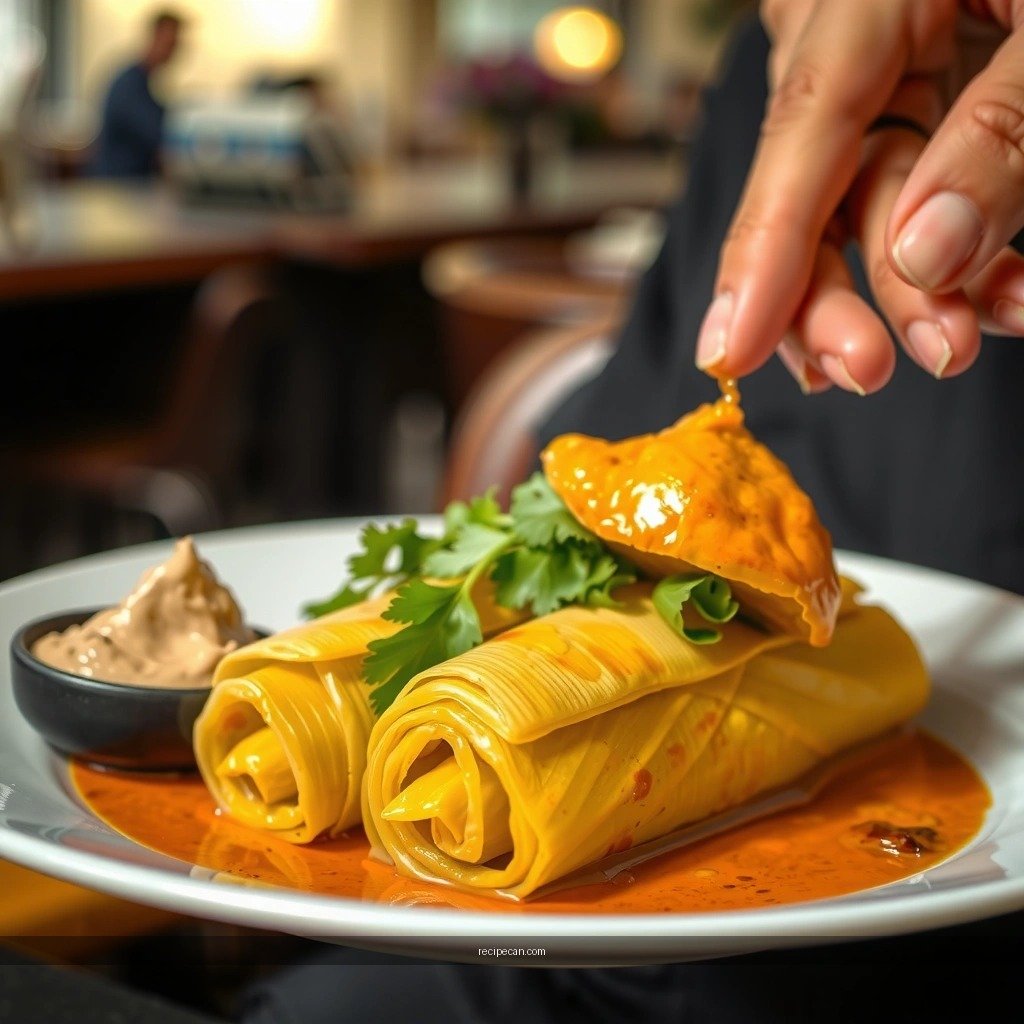
– Whip the masa with fat (lard or oil) until light and spreadable
– Season the masa well so the tamales taste delicious on their own
The masa is the structural and flavor foundation of your tamales. If it’s dense, lumpy, or underseasoned, steaming won’t save it.
What “good masa” looks like
– Texture: Smooth, pliable, and spreadable—like thick frosting.
– Body: Holds shape when spread, but not so dry that it cracks when folded.
– Flavor: Seasoned enough that a plain taste (tiny amount) is enjoyable.
Fat choice and why it matters
– Lard: Traditional, rich mouthfeel; excellent for tender, cohesive masa.
– Neutral oil: Works for a lighter flavor profile; still provides spreadability and helps masa set well.
Seasoning blueprint
At minimum:
– Salt (critical)
– Optionally: cumin or a small pinch of garlic powder
– Enough liquid to reach the right whipping consistency
Mixing and whipping strategy
1. Combine masa and salt.
2. Add warmed liquid gradually (so it hydrates evenly).
3. Whip in fat until the mixture becomes lighter and easier to spread.
Consistency test (practical)
– If masa feels sticky and won’t spread cleanly, it may need a touch more masa or slightly more whipping.
– If it cracks, add a small amount of warm liquid.
Assemble the Tamales
– Spread masa on soaked corn husks, add filling, and fold into a tight wrap
– Keep portions consistent for even cooking
Assembly is where many tamale batches diverge into “excellent” or “uneven.” Consistency is your best friend—both for quality and for scheduling.
Step-by-step assembly approach
1. Soak husks until flexible (commonly 30–60 minutes depending on dryness). Pat them dry if they’re dripping.
2. Spread masa: Use a spoon or small spatula to spread a thin, even layer—enough to seal the filling but not overwhelm the husk.
3. Add filling: Place filling in the center. Avoid overfilling; too much filling can cause leaks and undercooked masa near the edges.
4. Fold and secure: Fold the husk to enclose the masa and filling. Arrange so the seam side is stable.
Filling distribution matters
Aim for the same amount of filling in each tamale. When tamales are uniform in size and fill density, steaming time becomes predictable—and you reduce the risk of hard centers.
Visual: Masa Consistency & Spreadability (Quick Decision Chart)
Masa Spreadability Troubleshooting
| # | What You See | Likely Cause | Fix in 1 Step |
|---|---|---|---|
| 1 | Cracks when you fold | Too dry / insufficient hydration | Add warm broth or water 1 Tbsp at a time, whip 30–60 seconds. |
| 2 | Tears the husk | Masa is too thick and dragging | Thin slightly with warm liquid and spread in thinner layers. |
| 3 | Slides off the husk | Too loose / under-whipped | Whip longer and add masa harina by the teaspoon if needed. |
| 4 | Lumpy spread | Hydration uneven or not mixed enough | Sift masa harina if mixing from dry, then whip until fully smooth. |
Steam and Cook to Perfection
– Arrange tamales upright or layered, then steam until the masa sets
– Check doneness by ensuring tamales peel easily from the husk
Steaming is the final “make it or break it” phase. Timing is less about the clock and more about achieving set masa and moist, tender structure.
Steam setup best practices
– Use a tamale steamer (or a large pot with a rack) so water doesn’t touch the tamales.
– Keep water at a steady simmer and maintain steam level throughout.
– If your batch is large, steam in batches for even cooking rather than crowding.
How to arrange tamales
– Upright (if your pot allows): Helps steam circulation and can improve even cooking.
– Layered (common alternative): Place seam-side down and keep layers consistent thickness.
Doneness test that actually works
– Peel test: When a tamale is done, the masa should peel away from the husk with minimal sticking.
– Masa set: The center should look firm and not feel wet or pasty.
– Texture: Cut one tamale (early in a new batch) to confirm the inside is tender and cooked.
Common steaming pitfalls
– Too little simmer time: Results in gummy masa.
– Too aggressive boiling: Can dry edges or unevenly agitate husks and filling.
– Adding water too often: It drops steam temperature; add water carefully and consistently, not repeatedly.
Storage, Reheating, and Make-Ahead Tips
– Cool completely, then refrigerate or freeze for later
– Reheat by steaming or microwaving with moisture to avoid drying out
Tamales are ideal for meal prep because their flavor often improves after the first rest. The key is cooling properly and reheating with moisture so the masa doesn’t turn dry or brittle.
Cooling and storage
1. Cool completely before wrapping for storage. Trapped heat can create condensation that affects texture.
2. Store in:
– Refrigerator: typically 3–4 days
– Freezer: up to 2–3 months for best quality
Reheating options (choose based on your time)
Best method: Steam
– Place tamales in a steamer with a small amount of water.
– Reheat until warmed through and steamy again.
– This restores the original tender texture.
Quick method: Microwave with moisture
– Wrap tamales in a damp paper towel or lightly mist them.
– Heat in short intervals, turning once if needed.
– Let sit briefly so steam redistributes evenly.
Make-ahead planning for workflow efficiency
– Cook filling and sauce in advance; assemble and steam closer to serving.
– Or fully steam, cool, then freeze—so you can reheat a perfect portion whenever needed.
Practical serving suggestion
For restaurant-style presentation, spoon a small amount of extra green chile sauce over reheated tamales and serve with toppings like:
– crumbled queso fresco
– chopped cilantro
– sliced radishes
– warm tortillas or refried beans
Mexican green tamales come together with a flavorful green chile sauce, well-seasoned masa, and proper steaming for the best texture. Use this layout to cook confidently—from prep to reheating—then make a batch ahead for easy future meals. If you want, tell me your filling preference (pork, chicken, cheese, or veggie) and your spice level, and I’ll tailor the sauce heat guidance and assembly notes to match your exact target.
Frequently Asked Questions
What ingredients do I need for a Mexican green tamales recipe?
A classic Mexican green tamales recipe typically uses fresh tomatillos or green chile sauce, cilantro, garlic, onion, and green salsa verde for flavor. For the masa, you’ll need masa harina, warm broth or water, salt, and usually lard or vegetable shortening for tender tamales. For filling, many cooks use shredded chicken, pork, or cheese with the green chile mixture, plus optional olives or jalapeño slices depending on regional style.
How do I make green tamales masa from scratch that doesn’t tear?
Start by hydrating masa harina with warm broth gradually, then beat it until smooth and spreadable so the masa holds together during steaming. For best texture, many cooks whip in lard or shortening until lighter and fluffy, which helps prevent cracking. If your masa feels dry, add more warm broth by the teaspoon; if it’s too soft, add a little more masa harina. Consistent moisture and well-mixed masa are key for tamales that don’t tear when you wrap and steam.
How long should I steam Mexican green tamales and how do I know they’re done?
In most recipes, Mexican green tamales cook for about 75–90 minutes, depending on tamale size and whether your steamer is fully loaded. They’re usually done when the masa pulls away slightly from the corn husk and feels firm but not dry in the center. If you remove a tamale and the masa is still sticky or wet-looking, steam longer in 10–15 minute increments. Always keep water at a steady simmer so you don’t end up with uneven cooking.
Which green chile or sauce works best for tamales verdes—tomatillo salsa or roasted green chiles?
Either works, but the best choice depends on the flavor you want in your Mexican green tamales recipe. Tomatillo-based salsa verde is tangy and bright, while roasted green chiles deliver a deeper, smoky heat. Many traditional versions combine both—roasting chiles and blending them with tomatillos, cilantro, and garlic—for a balanced taste. Taste your sauce before mixing into the filling so you can adjust salt and heat early.
Why are my green tamales bland or watery, and how can I fix the common mistakes?
Bland tamales are often caused by under-seasoned masa or filling—masa should be salted properly, and salsa verde should taste bold before you add it. Watery tamales usually come from an overly thin sauce or too much liquid in the filling, which can weaken the masa and make the tamales soggy. To fix this, reduce your salsa verde slightly before assembling and drain any excess liquid from cooked fillings like chicken or pork. Also ensure your husks are properly soaked so they steam well and don’t cause uneven texture.
References
- Tamale
https://en.wikipedia.org/wiki/Tamale - Salsa verde
https://en.wikipedia.org/wiki/Salsa_verde - Mole (sauce)
https://en.wikipedia.org/wiki/Mole_verde - Tomatillo
https://en.wikipedia.org/wiki/Tomatillo - Masa
https://en.wikipedia.org/wiki/Masa_harina - Nixtamalization
https://en.wikipedia.org/wiki/Nixtamalization - https://www.britannica.com/topic/tamale
https://www.britannica.com/topic/tamale - Google Scholar Google Scholar
https://scholar.google.com/scholar?q=mexican+green+tamales+recipe - Google Scholar Google Scholar
https://scholar.google.com/scholar?q=tamales+verdes+tomatillo+verde+mole+masa - Google Scholar Google Scholar
https://scholar.google.com/scholar?q=mexican+tamales+nixtamalization+corn+masa+research