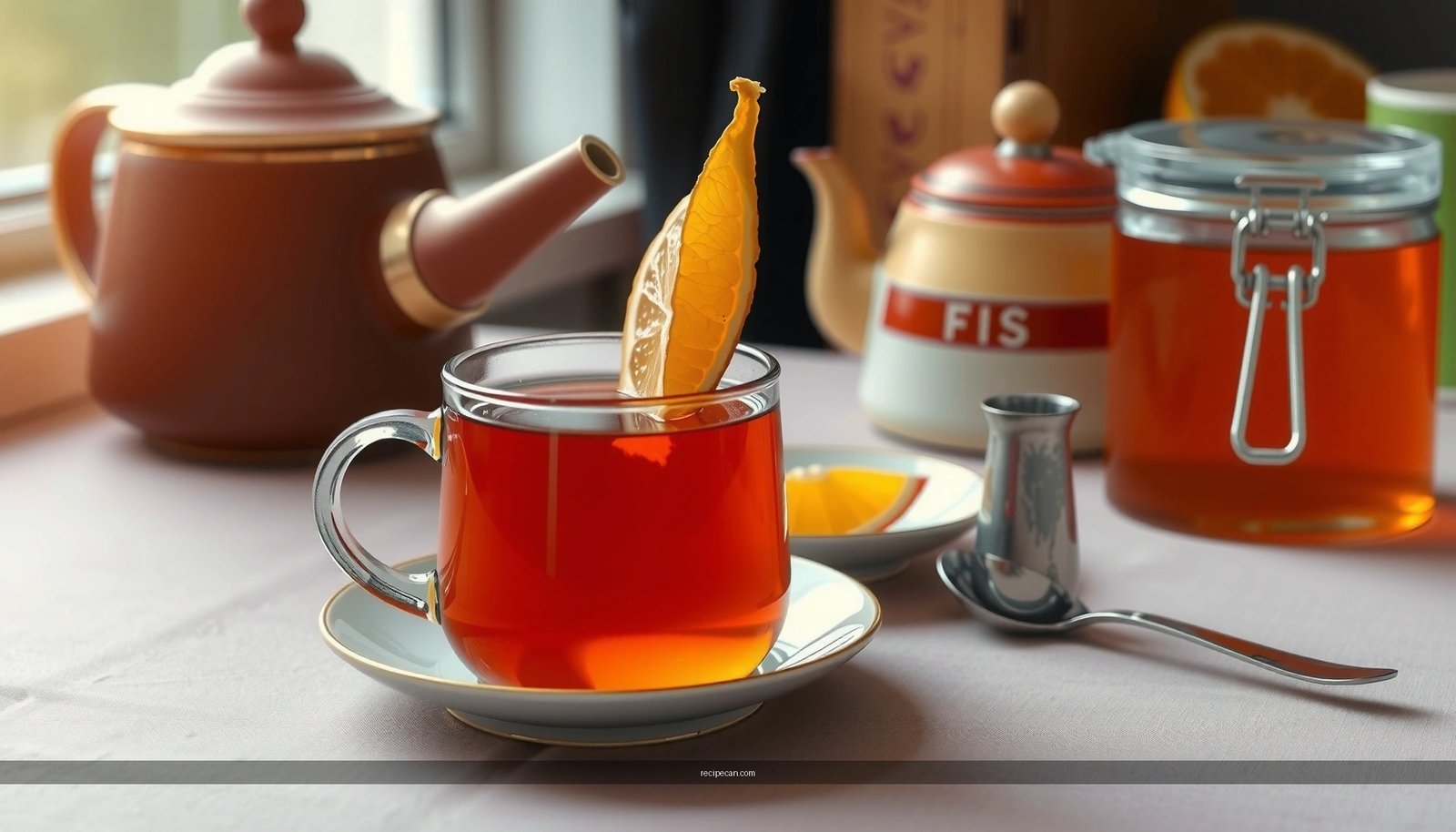
Looking for a recipe pineapple tea you can make fast and taste immediately refreshing? This easy homemade pineapple tea method delivers bright fruit flavor with the right balance of sweetness and tang—no complicated steps, no guesswork. If you want the quickest way to turn fresh or canned pineapple into a drink that tastes like summer, this is your answer.
You can make refreshing pineapple tea quickly by steeping tea (black, green, or herbal) with pineapple, sweetening to taste, and chilling it—no complicated equipment required. In the recipe below, you’ll get the fastest brewing method, plus practical guidance on how to control strength and sweetness, along with optional flavor upgrades like ginger and lemon.
Ingredients for Pineapple Tea
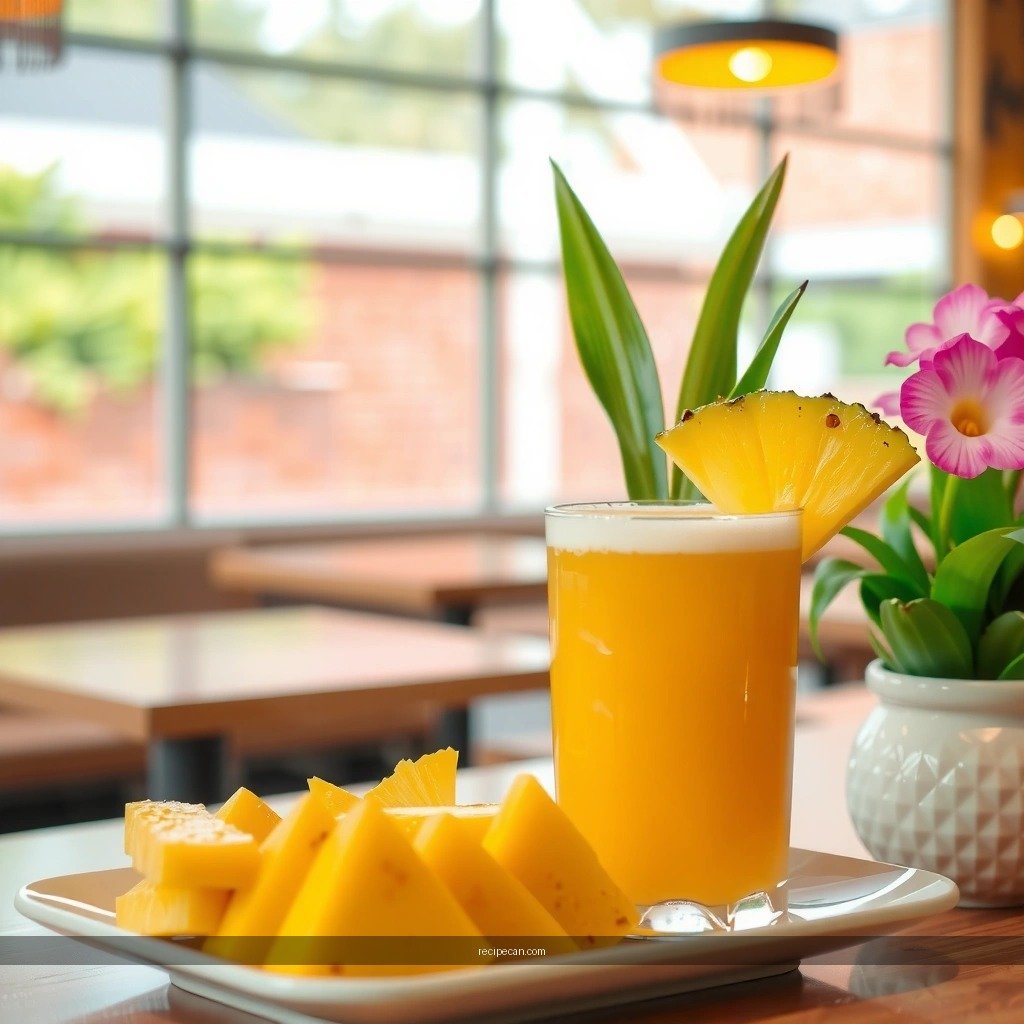
Pineapple tea is built on a simple formula: pineapple + tea + sweetener + chill. The only “decision” that truly affects results is your tea base, because tea strength and bitterness vary widely by type.
– Pineapple (fresh or canned):
– Fresh: pineapple chunks for brighter aroma and a more “tropical” flavor.
– Canned: use canned pineapple chunks or crushed pineapple for convenience; draining well reduces excess syrup unless you want it sweeter.
– Tea base (black, green, or herbal):
– Black tea gives a robust, malty backbone that pairs well with pineapple’s sweetness.
– Green tea stays lighter and cleaner, which makes the pineapple taste feel sharper and more refreshing.
– Herbal tea (rooibos, hibiscus blend, or ginger herbal) removes caffeine considerations and can intensify fruity notes.
– Honey: Adds floral complexity; dissolves best when stirred into warm (not boiling) liquid.
– Sugar: Neutral sweetness; easy to measure and reliable for batches.
– Simple syrup: The smoothest texture for iced tea because it dissolves completely; ideal if you’re making a larger batch or serving immediately.
Optional boost-ins (high impact)
– Ginger: Adds warmth and a subtle bite that balances pineapple sweetness.
– Lemon (or lime): Brightens flavor and reduces the perception of sweetness being “flat.”
– Mint: Works as a garnish or a light infusion (use sparingly so it doesn’t overpower pineapple).
> Practical sourcing tip: If you want a more pronounced pineapple aroma, choose chunks (fresh or canned) rather than juice-only—chunks contribute more natural fruit compounds during simmering or steeping.
Recommended Steeping Time for Pineapple Tea (Taste-Control Guide)
| # | Tea Base | Ideal Steep (min) | Typical Strength | Bitter Risk |
|---|---|---|---|---|
| 1 | Black tea (assam-style) | 3–4 | Bold | ★☆☆☆☆ |
| 2 | Green tea (sencha-style) | 2–3 | Light | ★☆☆☆☆ |
| 3 | Herbal rooibos | 5–7 | Smooth | ★★☆☆☆ |
| 4 | Hibiscus blend | 6–8 | Tart | ★★★☆☆ |
| 5 | Black tea + citrus peel (infused) | 2–3 | Bright | ★☆☆☆☆ |
| 6 | Earl Grey-style black tea | 3 | Fragrant | ★★☆☆☆ |
| 7 | Caffeine-free ginger herbal | 8–10 | Spiced | ★★★☆☆ |
Step-by-Step Pineapple Tea Recipe

This version is optimized for speed and consistency. You’ll briefly simmer pineapple to extract flavor quickly, then steep the tea for the exact time needed to avoid bitterness—especially important when serving over ice.
What you’ll need (for ~4 cups / 1 liter)
– 2 cups pineapple chunks (fresh) or 1 cup canned chunks (plus ~1/2 cup water if packed in juice)
– 4 cups water
– 2–3 tea bags or 2–3 tsp loose tea
– Sweetener to taste (start with 2–4 tbsp honey/sugar or 1/4 cup simple syrup)
– Optional: ginger slices (2–3), lemon wedge (1), mint sprig (optional)
1) Briefly simmer the pineapple
– Add pineapple chunks and 2 cups of water to a saucepan.
– Simmer gently for 5–8 minutes, just until the pineapple softens and the liquid smells strongly fruity.
– This step accelerates pineapple flavor extraction so you don’t need long steeping.
2) Steep the tea
– Remove from heat.
– Add tea bags or loose tea to the hot pineapple liquid (or transfer pineapple liquid to a kettle and top up with remaining water).
– Steep according to your tea type (a safe general range is 2–4 minutes for most green/black teas; see the guide above for finer control).
– If you’re using ginger, you can simmer it with pineapple for the first 5–8 minutes, or steep it with the tea for a softer profile.
3) Strain and sweeten while warm
– Strain out pineapple solids and tea leaves/bags.
– Stir in sweetener while the liquid is warm so it dissolves completely.
– Taste and adjust: iced tea can taste less intense once chilled, so a slightly sweeter “warm” flavor is often correct.
4) Chill thoroughly and serve
– Cool to room temperature, then refrigerate at least 2 hours (or until cold).
– Serve over ice in glasses and garnish if desired.
> Analytical note: If you sweeten after chilling, your sweetener may not fully dissolve, leading to a grainy texture or uneven sweetness. Warm sweetening is the reliability lever.
Flavor Variations to Try
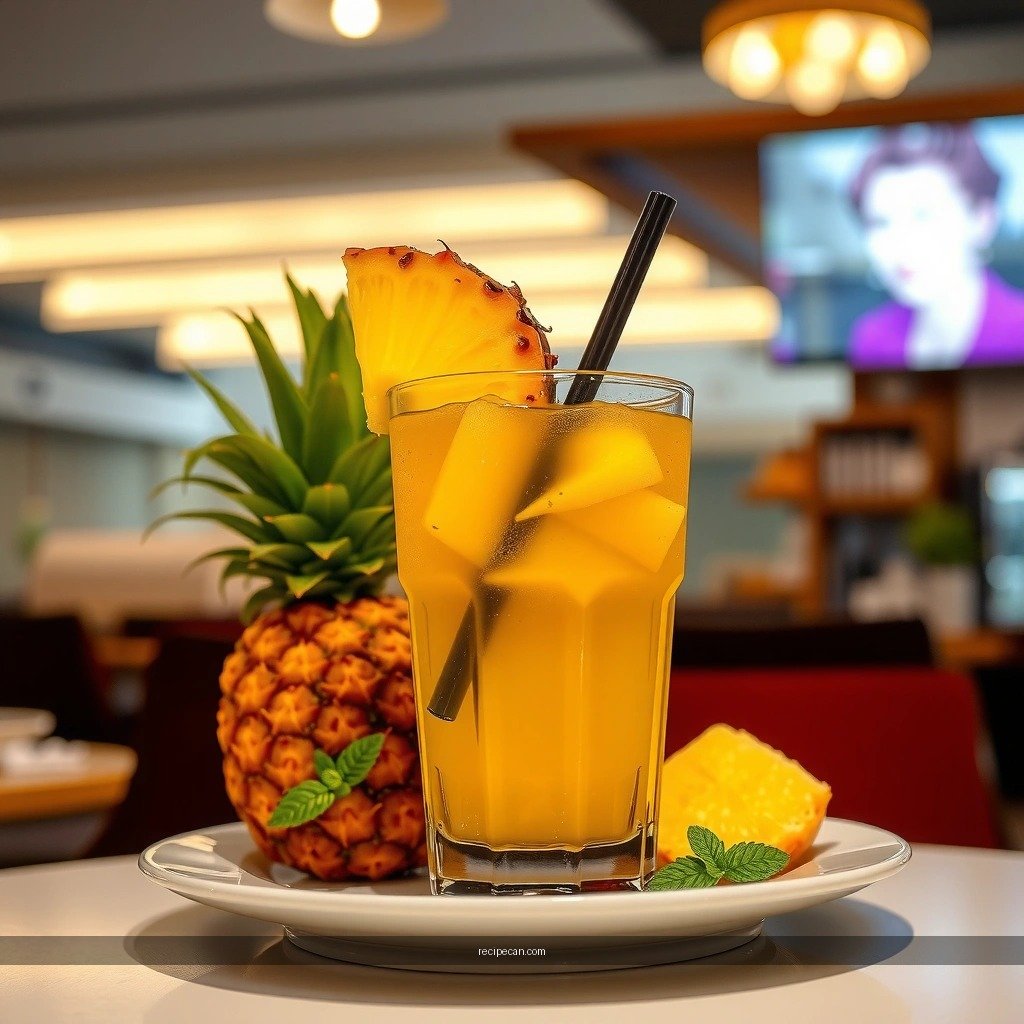
Once the base pineapple tea is working, flavor adjustments are straightforward—think in terms of balancing acidity, aroma, and perceived sweetness.
– Add fresh ginger for a zesty, slightly spicy taste
Slice or lightly bruise 1–2 inches of fresh ginger, then simmer with the pineapple for the first 5–8 minutes. This yields a tea that tastes lively without turning harsh.
– Use lemon or lime juice to brighten the flavor
Add 1–2 tbsp lemon juice after steeping and straining (not during boiling). Citrus added too early can mute aromatic notes. If you want a more “sparkling lemon” vibe, add lemon juice right before serving over ice.
– Try herbal blends (hibiscus or chamomile) for different moods
– Hibiscus makes a naturally vivid, tangy tea; start with a smaller steep time and add more pineapple if it feels too tart.
– Chamomile creates a calm, floral profile that pairs well with honey. Use less sweetener if you’re after a lighter taste.
Serving Ideas and Garnishes
How you serve pineapple tea can be as important as how you brew it—presentation influences aroma release and the perception of freshness.
– Serve cold with ice and pineapple slices
Use large ice cubes if possible; they melt slower and protect flavor intensity over time.
– Garnish with mint leaves or a lemon wheel
Lightly clap mint leaves in your hands to release aroma, then place them on top of the drink (avoid long soaking to prevent bitterness).
– For sparkle, top with soda or sparkling water
Add 2–4 oz sparkling water per serving after the tea is chilled. This keeps pineapple flavor clean while adding an effervescent finish.
> Business-friendly serving note: If you’re preparing for events, batch the tea plain (no carbonation) and add sparkling water at the last minute to maintain consistent texture and taste.
Storage and Reheating Tips
Proper storage preserves aroma and reduces oxidation (which can dull pineapple notes).– Store in a sealed container in the fridge for up to 3–4 days
Refrigerate promptly after cooling. Use glass or food-safe containers with tight lids when possible.
– Keep chunks and tea separately if you want the freshest taste
Pineapple solids can continue infusing flavors over time, which may shift the tea from bright to more cooked/tangy.
– Reheat gently if serving warm (avoid boiling aggressively)
Warm gently on low heat, stirring occasionally. Boiling can increase bitterness and soften pineapple aroma.
Troubleshooting Common Issues
Pineapple tea is forgiving, but a few variables can change the outcome. Here’s how to diagnose quickly and correct.
– If it’s too strong or bitter
– Reduce steeping time next batch.
– Switch to a lighter tea base (green or rooibos) or use fewer tea bags.
– For ongoing batches, dilute with a small amount of water or unsweetened pineapple water.
– If it tastes flat
Flat pineapple tea usually lacks aroma intensity or brightness.
– Add more pineapple flavor (a bit more simmered pineapple, then strain).
– Add a small squeeze of lemon or lime juice to “lift” the flavor.
– If it’s not flavorful enough
– Simmer pineapple a little longer (up to 10 minutes).
– Strain thoroughly so you’re tasting the concentrated liquid, not diluted solids or weak tea extraction.
When you follow this pineapple tea recipe—pineapple plus tea, sweeten to taste, then chill—you’ll get a bright, refreshing drink every time. Make a batch for the week, try one flavor variation (ginger or lemon are the highest-impact upgrades), and serve it cold with your favorite garnish for a consistent, crowd-friendly result.
Frequently Asked Questions
What is pineapple tea and how does it taste?
Pineapple tea is a flavorful herbal or tea-based drink made by infusing tea leaves or herbal ingredients with pineapple flavor (often using fresh pineapple, pineapple juice, or pineapple chunks). Depending on the recipe pineapple tea you choose, it can taste bright, sweet-tart, and lightly tangy with a refreshing aroma. Many versions are caffeine-free if they use herbal bases, making it a popular alternative to sugary drinks.
How do you make recipe pineapple tea at home with fresh pineapple?
To make homemade pineapple tea, simmer fresh pineapple chunks in water for about 5–10 minutes, then steep the mixture for another 5 minutes for stronger flavor. For a tea-style version, you can add black or green tea during the last 2–3 minutes of simmering or steeping. Strain, then sweeten lightly with honey or sugar if needed, and finish with lemon juice for balance.
Why does pineapple tea sometimes turn cloudy, and how can you fix it?
Pineapple tea can become cloudy because pineapple contains natural enzymes and suspended fruit particles that release during heating and steeping. If you want a clearer recipe pineapple tea, strain through a fine mesh sieve and let it rest for a few minutes before serving. Avoid boiling aggressively for long periods, and use less fruit pulp for a smoother look.
Which pineapple tea recipe is best for iced tea—hot-brewed or no-cook?
For iced pineapple tea, the best results usually come from a hot-brew method because it extracts flavor more evenly and dissolves sweeteners quickly. Brew your pineapple tea base, chill it promptly, then serve over ice with fresh pineapple slices if desired. If you prefer no-cook, use pineapple juice plus steeped tea or herbal infusion in cool water and give it more time to develop flavor.
Best way to sweeten and flavor recipe pineapple tea without making it too sugary?
Start with small amounts of natural sweeteners like honey or brown sugar, then add pineapple for sweetness already built in. You can enhance flavor without extra sugar by adding lemon or lime juice, a pinch of cinnamon, fresh ginger slices, or mint leaves. Taste and adjust after steeping so your pineapple tea stays refreshing rather than syrupy.
References
- Google Scholar Google Scholar
https://scholar.google.com/scholar?q=pineapple+tea+recipe - Google Scholar Google Scholar
https://scholar.google.com/scholar?q=bromelain+heat+stability+boiling - Google Scholar Google Scholar
https://scholar.google.com/scholar?q=pineapple+infusion+herbal+tea - Pineapple
https://en.wikipedia.org/wiki/Pineapple - Tea
https://en.wikipedia.org/wiki/Tea - Herbal tea
https://en.wikipedia.org/wiki/Herbal_tea - Tea
https://en.wikipedia.org/wiki/Tea_preparation - Bromelain: Usefulness and Safety | NCCIH
https://www.nccih.nih.gov/health/bromelain - https://pubmed.ncbi.nlm.nih.gov/?term=bromelain+digestive+health
https://pubmed.ncbi.nlm.nih.gov/?term=bromelain+digestive+health - Pineapple | Description, History, Fruit, Plant, & Facts | Britannica
https://www.britannica.com/plant/pineapple