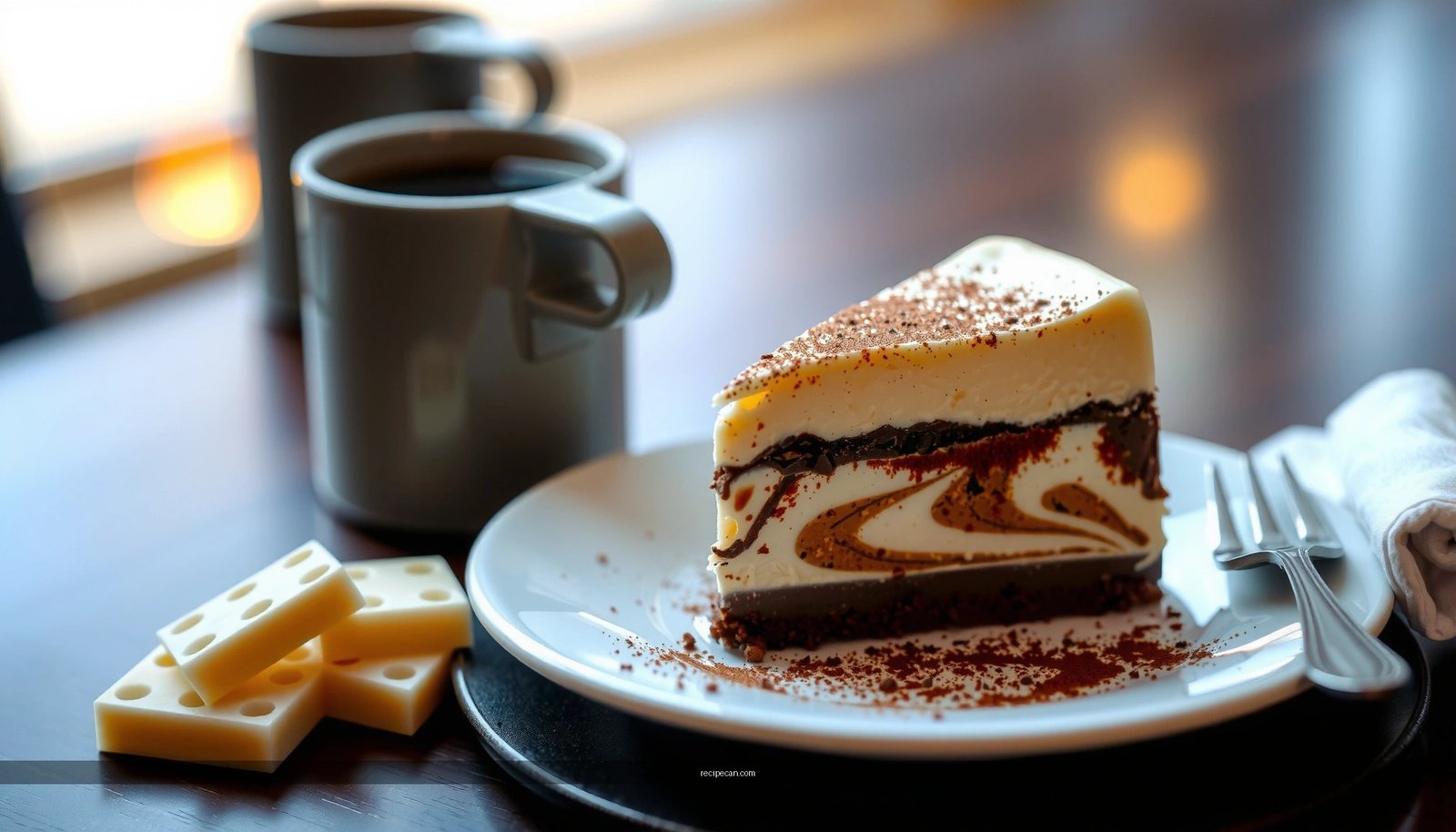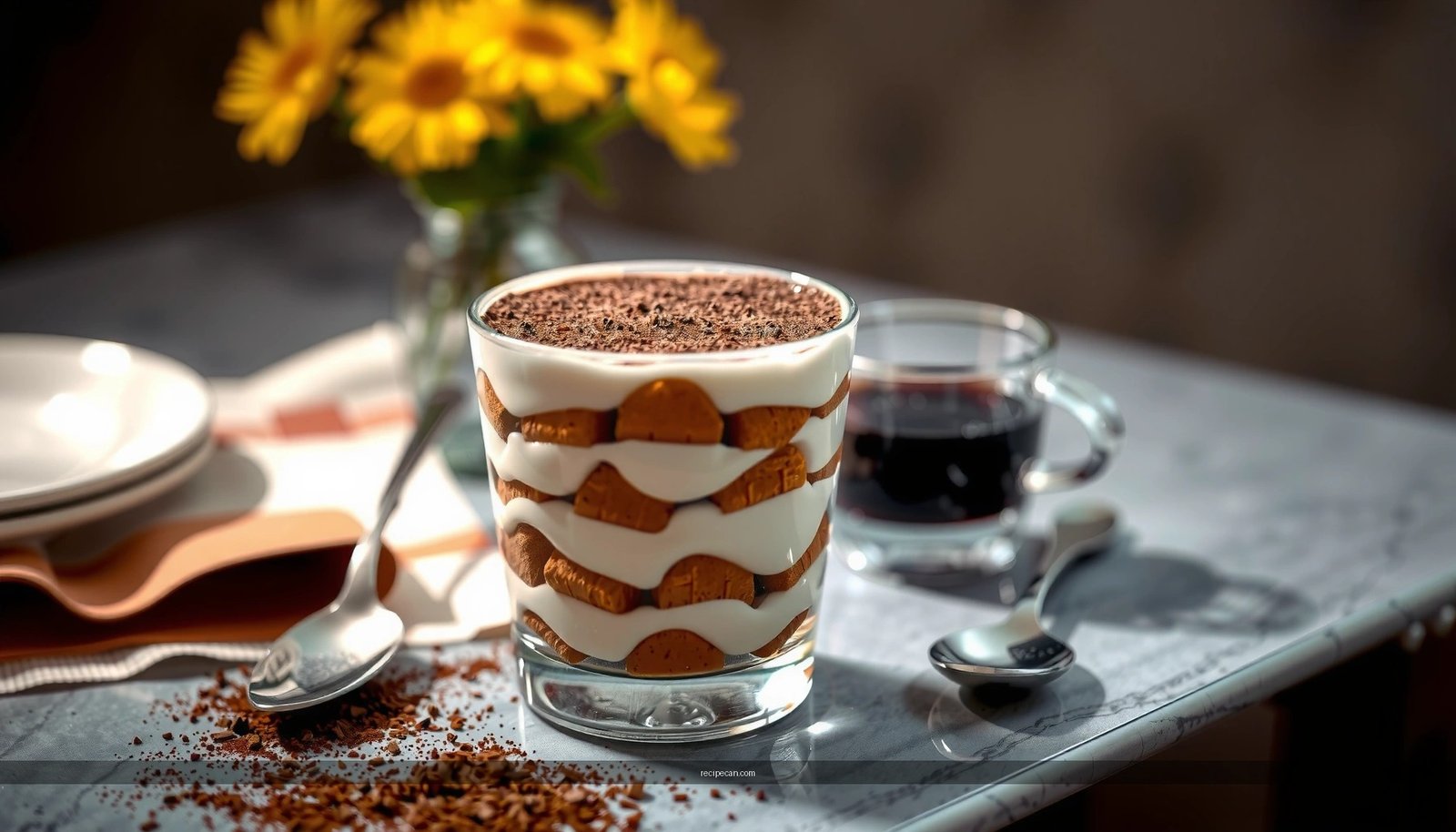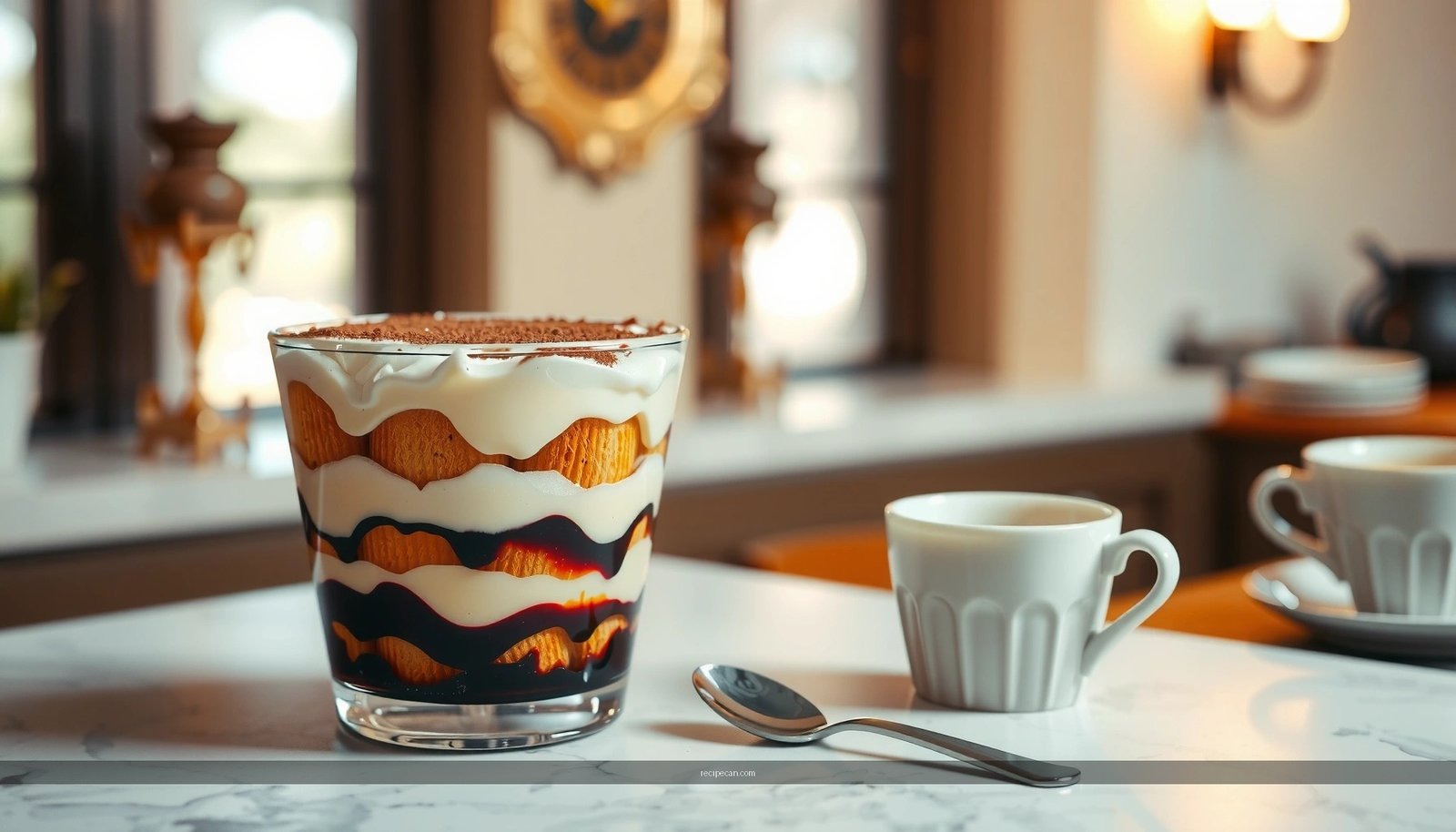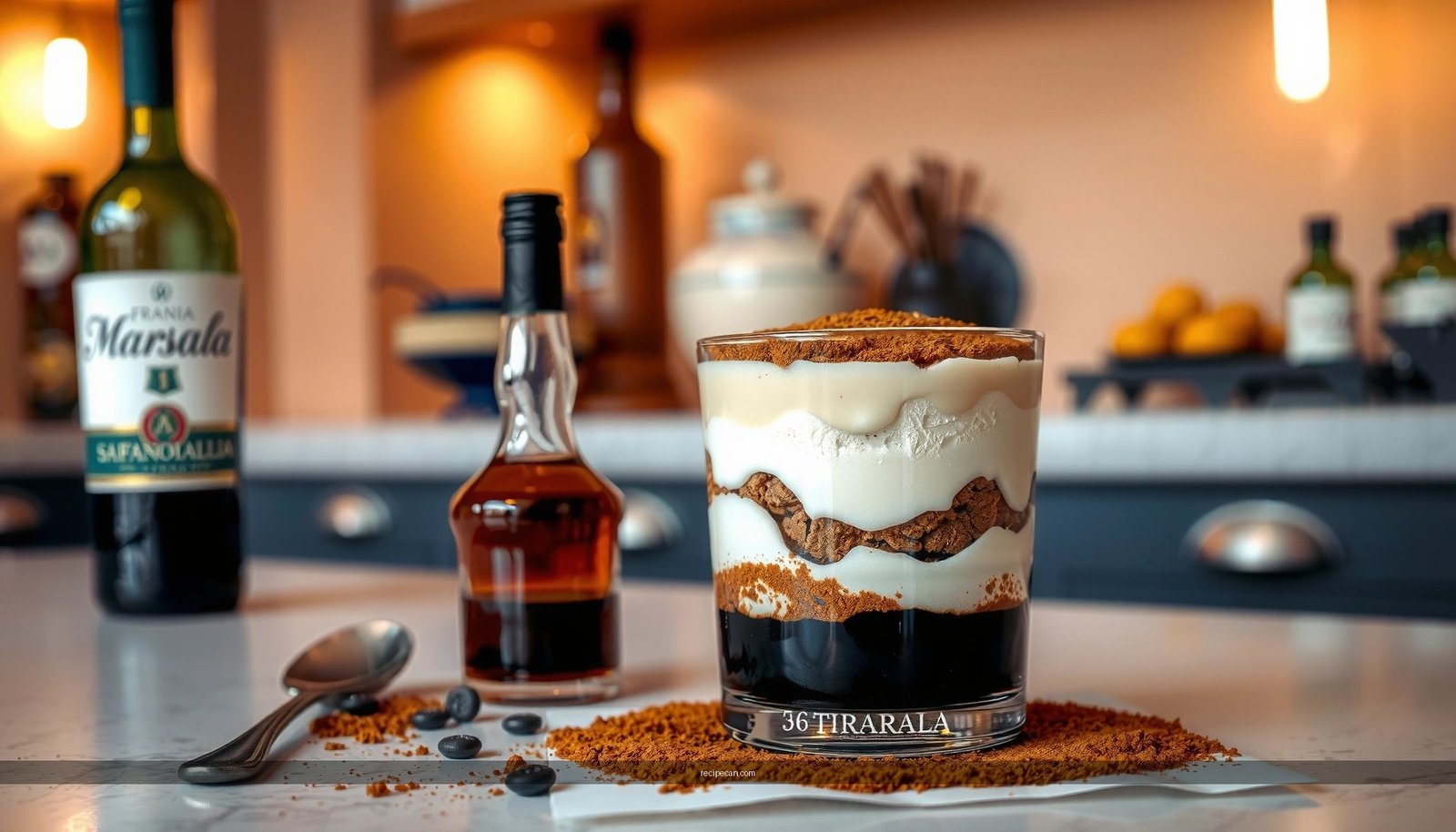
Decide exactly how much alcohol goes into a tiramisu recipe—and which one to use—so your filling tastes rich instead of boozy. For most home cooks, Marsala (about 2 to 3 tablespoons per 6–8 servings) delivers the classic, caramel-cocoa depth without overpowering the mascarpone. If you want sharper punch with less sweetness, use espresso-free coffee liqueur at roughly the same amount, but reduce slightly to avoid a harsh finish.
Alcohol is optional in tiramisu, but using a small amount of the right spirit (typically 1–2 tablespoons per batch) can meaningfully deepen the coffee-and-cream flavor without making the dessert taste “boozy.” The best results come from choosing an alcohol that matches espresso/cocoa (coffee liqueur), tradition (Marsala), or a nutty accent (Amaretto), then measuring carefully and resting the tiramisu so the flavors meld.
Best Alcohol for Tiramisu
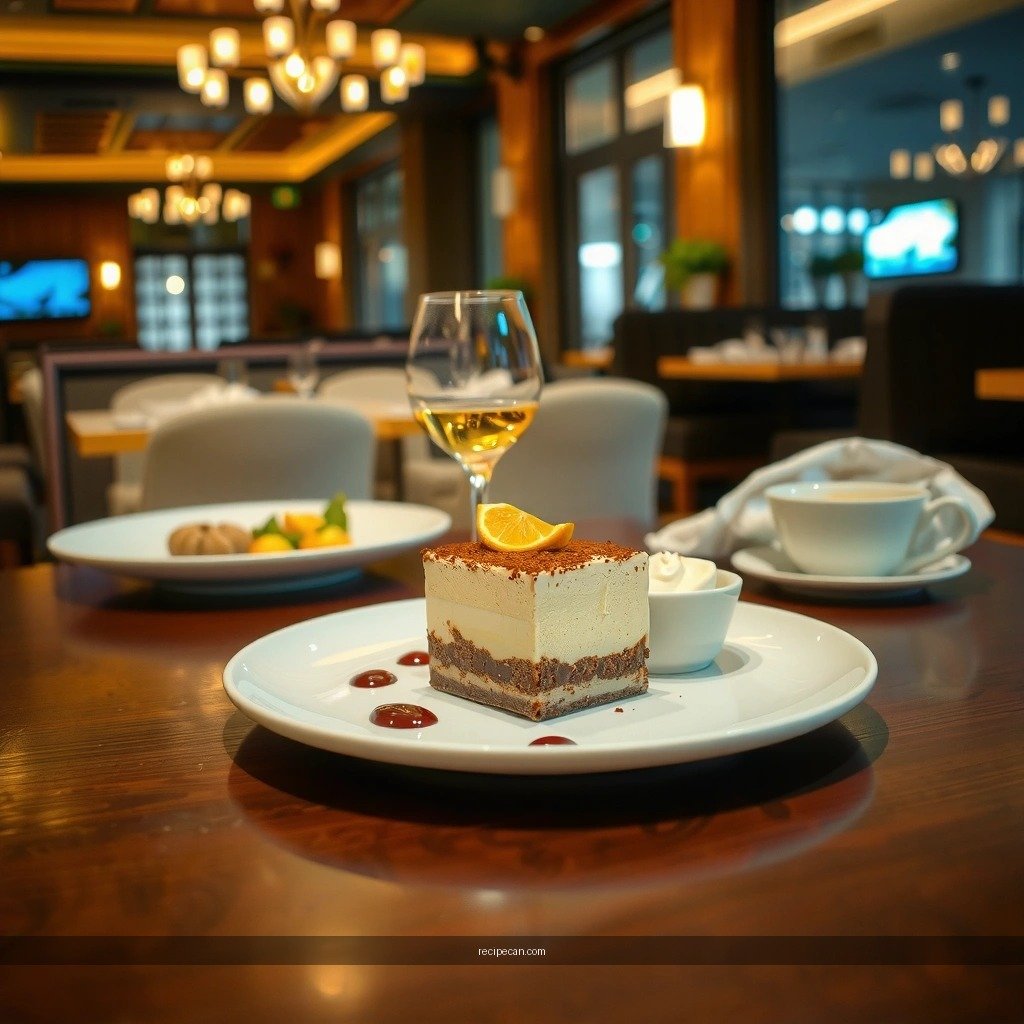
Choosing alcohol for tiramisu is less about “adding alcohol” and more about adding flavor that belongs in a classic coffee dessert. Because tiramisu relies on mascarpone’s richness and ladyfingers’ absorbent texture, the alcohol needs to be aromatic (so it doesn’t fade), compatible with coffee/chocolate (so it doesn’t clash), and used sparingly (so it doesn’t thin the filling or overpower the palate).
– Coffee liqueur (e.g., Kahlúa) complements espresso and cocoa
Coffee liqueurs typically combine roasted coffee notes with caramelized sugar and spice. That makes them one of the most straightforward picks for tiramisu because they amplify what’s already there—espresso and cocoa—while adding a rounded sweetness that feels “dessert-like,” not “spirity.”
– Marsala wine adds a traditional, slightly sweet note
Marsala is a fortified wine with a naturally warm profile (often caramel, dried fruit, and vanilla-like warmth). It’s commonly used in traditional tiramisu variants because it contributes depth without requiring extra sugar syrups in many recipes. When used lightly, it reads as richness rather than alcohol.
– Amaretto offers a nutty flavor that pairs well with mascarpone
Amaretto’s almond-like aromatics work beautifully with mascarpone and cocoa. It can make tiramisu feel closer to an almond-caramel or amaretti cookie flavor profile. Use it thoughtfully—its sweetness and almond intensity can dominate if you go too heavy.
Quick reference: “fit” and dosage guidance (per typical tiramisu batch)
Alcohol Pairing Guide for Tiramisu (Flavor Match & Dosage)
| # | Alcohol option | Typical ABV | Flavor direction | Best dosage (tablespoons) | Tiramisu fit |
|---|---|---|---|---|---|
| 1 | Coffee liqueur (Kahlúa-style) | 20–36% | Roasted coffee, caramel | 1.5 tbsp | ★★★★★ ★★★★★ |
| 2 | Marsala (dry or sweet) | 15–20% | Caramel, dried fruit, vanilla warmth | 1.5 tbsp | ★★★★☆ ★★★★☆ |
| 3 | Amaretto | 21–28% | Almond, marzipan, sweet spice | 1.0 tbsp | ★★★☆☆ ★★★☆☆ |
| 4 | Baileys-style Irish cream | 15–17% | Creamy, vanilla, light coffee notes | 0.75–1.0 tbsp | ★★★☆☆ ★★★☆☆ |
| 5 | Bourbon (infused or plain) | 35–45% | Oak, vanilla, caramelized sugars | 0.5–0.75 tbsp | ★★☆☆☆ ★★☆☆☆ |
| 6 | Espresso liqueur | 15–30% | Strong coffee aroma, sugar-forward | 1.0–1.25 tbsp | ★★★★☆ ★★★★☆ |
| 7 | Coffee-flavored rum | 20–35% | Coffee + sugar + molasses notes | 0.75–1.0 tbsp | ★★★☆☆ ★★★☆☆ |
How Much Alcohol to Add
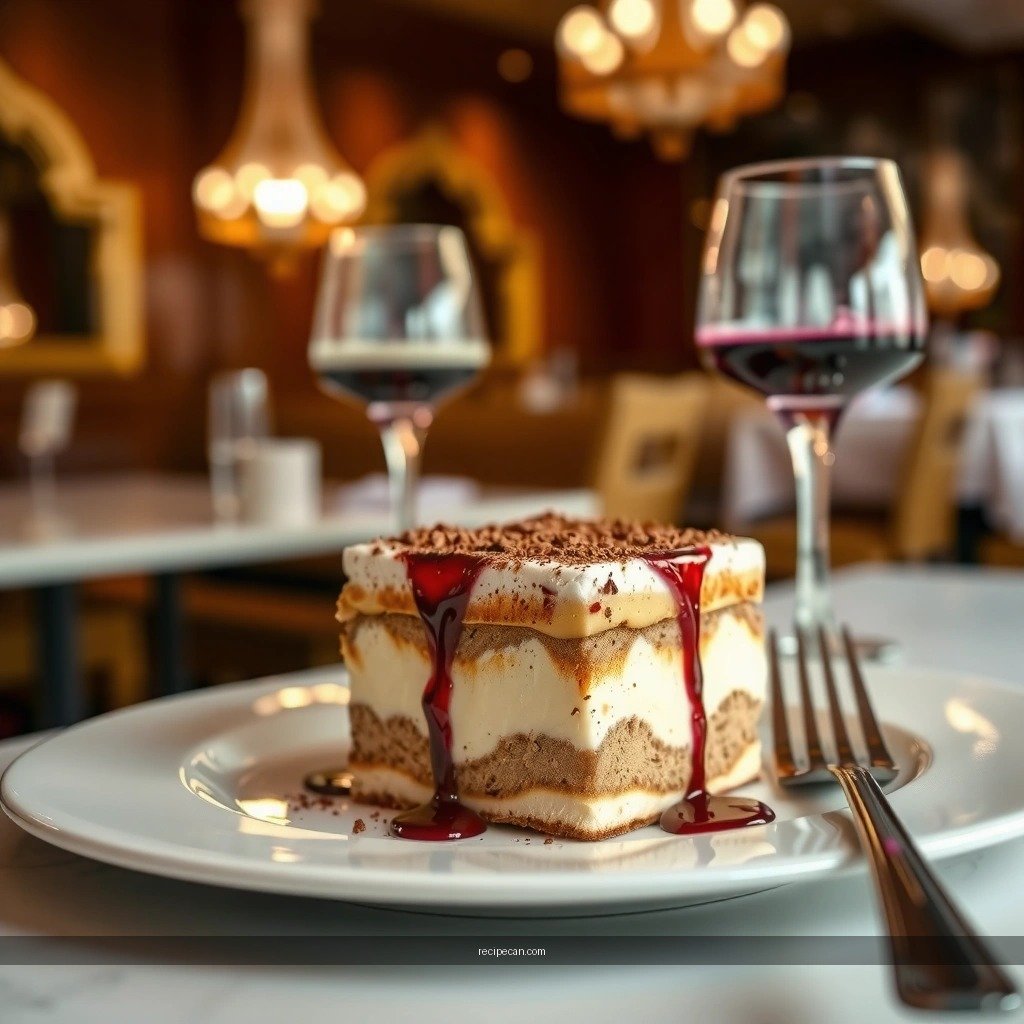
For tiramisu, the target is flavor intensity, not “proof.” A common mistake is adding too much early on, which can make the soaked ladyfingers taste harsh and the cream taste looser.
– Use about 1–2 tablespoons per batch of tiramisu (or per pan, depending on size)
As a rule of thumb, 1 tablespoon is the “barely there, still classic” zone; 2 tablespoons is where many people start to notice the alcohol as a distinct flavor.
– Start small—too much can overpower the coffee and cream
Coffee and cocoa provide bitterness and depth; mascarpone brings richness. Alcohol adds aroma and sweetness, but high amounts can shift the dessert toward “liqueur-forward,” especially with sweeter products.
– Consider adding gradually and tasting the soaked ladyfingers mixture
Make your coffee (or espresso concentrate) and add the alcohol off to the side. Dip one corner of a ladyfinger (or a test piece), then evaluate: if it tastes balanced on its own, it will usually work in the full dessert after chilling.
A practical workflow: begin with 1 tablespoon, then adjust after you’ve soaked a few ladyfingers for the first layer. If you’re using a very concentrated or very sweet liqueur, lean closer to 1 tablespoon even if your recipe normally calls for the upper range.
How to Incorporate Alcohol Without Soggy Layers
Alcohol and coffee both affect how quickly ladyfingers soften. You want them to absorb flavor, not to dissolve into a watery base.
– Briefly dip or brush ladyfingers so they absorb flavor, not water
Ladyfingers should be just pliable. If you dip too long, the structure collapses and the dessert can become loose or grainy as it chills.
– Mix alcohol into the coffee for even distribution
Stir alcohol into the hot or warm coffee so it integrates fully. This reduces the risk of “hot spots” where one section tastes much stronger than another.
– Let the tiramisu rest so flavors meld while the texture sets
Resting (usually 4–6 hours in the fridge) allows liquid absorption to stabilize and gives the mascarpone-cocoa-espresso flavors time to harmonize. Even when you use alcohol, the chilled rest is what makes tiramisu taste cohesive rather than separated.
Operational tip for consistency: if your tiramisu is for a group, you can pre-brew espresso, mix in the chosen alcohol, and chill the soaking liquid slightly. Cooler liquid can slow over-softening while still delivering flavor.
Alcohol-Free Tiramisu Options
Not every setting needs alcohol—workshops, family events, or dietary preferences often call for a non-alcohol version. The key is replacing flavor intensity, not simply removing liquid.
– Substitute with extra espresso, coffee concentrate, or coffee syrup
If you remove alcohol, increase coffee strength. Coffee concentrate is especially useful because it delivers robust flavor without adding excessive volume.
– Add vanilla, almond extract, or cocoa to mimic warmth and richness
If you’re skipping Amaretto, a small amount of almond extract can recreate that aromatic note. For Marsala-like warmth, vanilla extract plus a slightly deeper cocoa can help approximate the “roundness” people associate with fortified wine desserts.
– Use decaf if you want a caffeine-free dessert while keeping the flavor profile
Decaf espresso or decaf coffee concentrate works well for tiramisu’s characteristic taste. You’ll preserve the coffee aroma that defines the dessert even when serving caffeine-sensitive guests.
A balanced alcohol-free method: use strong espresso (or concentrate) plus a small amount of vanilla (and almond extract only if it complements your chosen flavor direction). Then keep the soaking time identical to the alcoholic version to preserve texture.
Common Mistakes to Avoid
Even experienced cooks can run into predictable problems when adding alcohol to tiramisu. These pitfalls are usually texture or balance issues.
– Adding alcohol directly to mascarpone can thin the texture
Mascarpone is rich and delicate. When alcohol hits it directly (especially in larger amounts), it can destabilize the mixture’s body and make the filling feel looser.
– Soaking ladyfingers too long leads to a runny tiramisu
The most common texture failure is over-soaking. The dessert should set in the fridge, but it can’t fully “recover” from structurally dissolved ladyfingers.
– Using strong or overly sweet liqueurs can make the dessert unbalanced
High-proof spirits (or very sugary liqueurs) can dominate the coffee and cocoa. If the liqueur tastes sweet on a spoon, it may overwhelm tiramisu—particularly if your coffee is not bold enough.
Rule of thumb: choose a liqueur you would enjoy in a small taste, but reduce quantity compared to your instinct. Tiramisu amplifies flavors through layering and chilling.
Storage and Flavor Timing
Tiramisu is a make-ahead dessert, and timing strongly affects the final flavor profile—especially when alcohol is involved.
– Chill at least 4–6 hours for the alcohol (or coffee) flavors to settle
During refrigeration, the soaked ladyfingers absorb more of the surrounding coffee/cream environment, and the mascarpone firms up. If you cut too soon, you’ll taste more “separated components” than the integrated finish.
– Tiramisu tastes best the next day as flavors deepen
Many people find day-two tiramisu more harmonious: the bitterness of cocoa mellows, the coffee aroma integrates, and any alcohol notes become less sharp.
– Cover and refrigerate promptly to keep the texture firm
Oxygen exposure can dull aroma and soften surfaces. Cover it well to maintain the creamy structure and preserve the dessert’s signature coffee-and-cocoa bouquet.
If you’re serving later the same day, aim to assemble in the morning or early afternoon, then refrigerate until serving time. That schedule gives the alcohol or coffee enough contact time to deliver a consistent result.
When using alcohol in a tiramisu recipe, keep the amount modest and choose options like coffee liqueur or Marsala for the best balance. If you prefer, swap alcohol for stronger coffee, coffee concentrate, or flavor extracts to keep the same signature taste. Pick your alcohol (or alternative), measure carefully, and chill before serving for the creamiest, best-flavored results.
Frequently Asked Questions
What alcohol is typically used in a tiramisu recipe?
The most common alcohol in tiramisu is Marsala wine, which adds a sweet, fortified flavor to the mascarpone. Many recipes also use coffee liqueur like Kahlúa for a stronger mocha taste, or rum for a warmer, richer profile. In classic versions, Marsala is especially popular because it complements espresso and ladyfingers without overpowering them.
How do you add alcohol to tiramisu without making it too boozy or watery?
Start by mixing a small amount of alcohol with the coffee or espresso soaking liquid, then dip the ladyfingers briefly so they absorb flavor rather than become soggy. A common approach is to use only a few tablespoons per batch and adjust to taste after assembly. If you’re concerned about excess liquid, use less coffee and allow the tiramisu to chill long enough for flavors to mellow.
Why does alcohol matter in tiramisu, and does it change the flavor?
Alcohol in tiramisu helps round out the bitterness of espresso and enhances the richness of mascarpone, creating a more balanced, complex dessert. It also boosts perceived flavor intensity from coffee and cocoa, making the tiramisu taste “deeper” rather than just sweet. Even small amounts of Marsala or coffee liqueur can noticeably change the overall aroma.
Which alcohol works best for a nontraditional tiramisu twist?
For a fruity, aromatic twist, try Amaretto (almond liqueur) because it pairs well with coffee and cocoa. For a more intense coffee flavor, coffee liqueur like Kahlúa is often the best choice since it strengthens the espresso notes. If you prefer a classic Italian direction but can’t find Marsala, a mild rum can work well—just use a light hand to avoid overpowering the mascarpone.
What’s the best way to make alcohol-free tiramisu while keeping the same taste?
You can omit alcohol entirely, but to keep the flavor close to a traditional tiramisu recipe, replace the missing liqueur/fortified wine with extra espresso or strong coffee syrup. For a “boozy” vibe without alcohol, look for alcohol-free Marsala or coffee-flavored syrups, and add vanilla for depth. Chill the tiramisu longer (at least 4–6 hours) so the coffee flavor integrates smoothly and the texture firms up.
References
- Tiramisu
https://en.wikipedia.org/wiki/Tiramisu - Marsala
https://en.wikipedia.org/wiki/Marsala - List of liqueur brands
https://en.wikipedia.org/wiki/Coffee_liqueur - Tiramisu | Meaning, Ingredients, Origin, Desserts, & Taste | Britannica
https://www.britannica.com/topic/tiramisu - Google Scholar Google Scholar
https://scholar.google.com/scholar?q=alcohol+in+tiramis%C3%B9+recipe+marsala+coffee+liqueur - Google Scholar Google Scholar
https://scholar.google.com/scholar?q=tiramisu+alcohol+content+study - Google Scholar Google Scholar
https://scholar.google.com/scholar?q=how+much+alcohol+remains+after+cooking+desserts - https://pubmed.ncbi.nlm.nih.gov/?term=tiramis%C3%B9+alcohol
https://pubmed.ncbi.nlm.nih.gov/?term=tiramis%C3%B9+alcohol - https://pubmed.ncbi.nlm.nih.gov/?term=residual+alcohol+in+cooking
https://pubmed.ncbi.nlm.nih.gov/?term=residual+alcohol+in+cooking - https://pubmed.ncbi.nlm.nih.gov/?term=alcohol+retention+in+food
https://pubmed.ncbi.nlm.nih.gov/?term=alcohol+retention+in+food