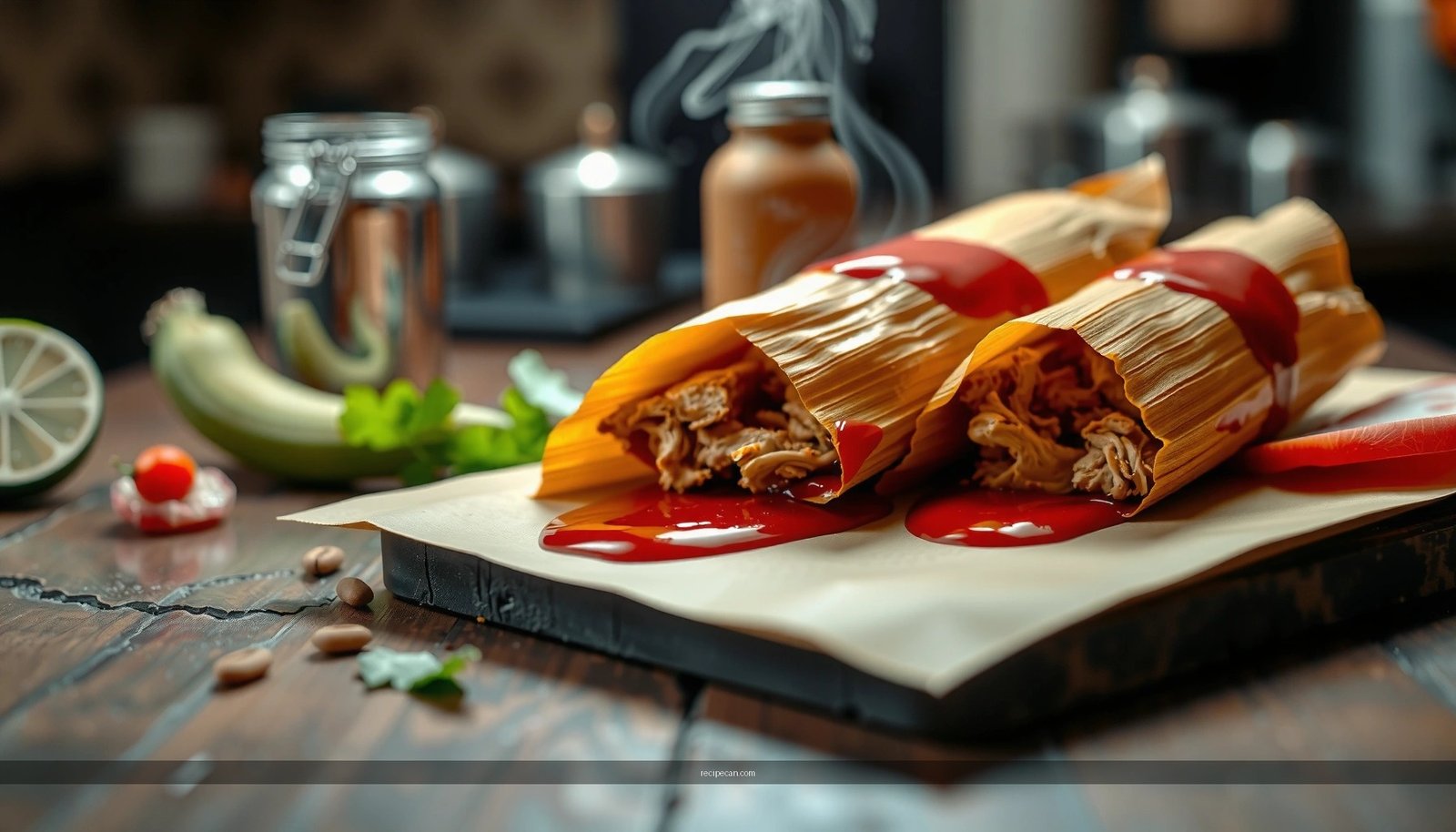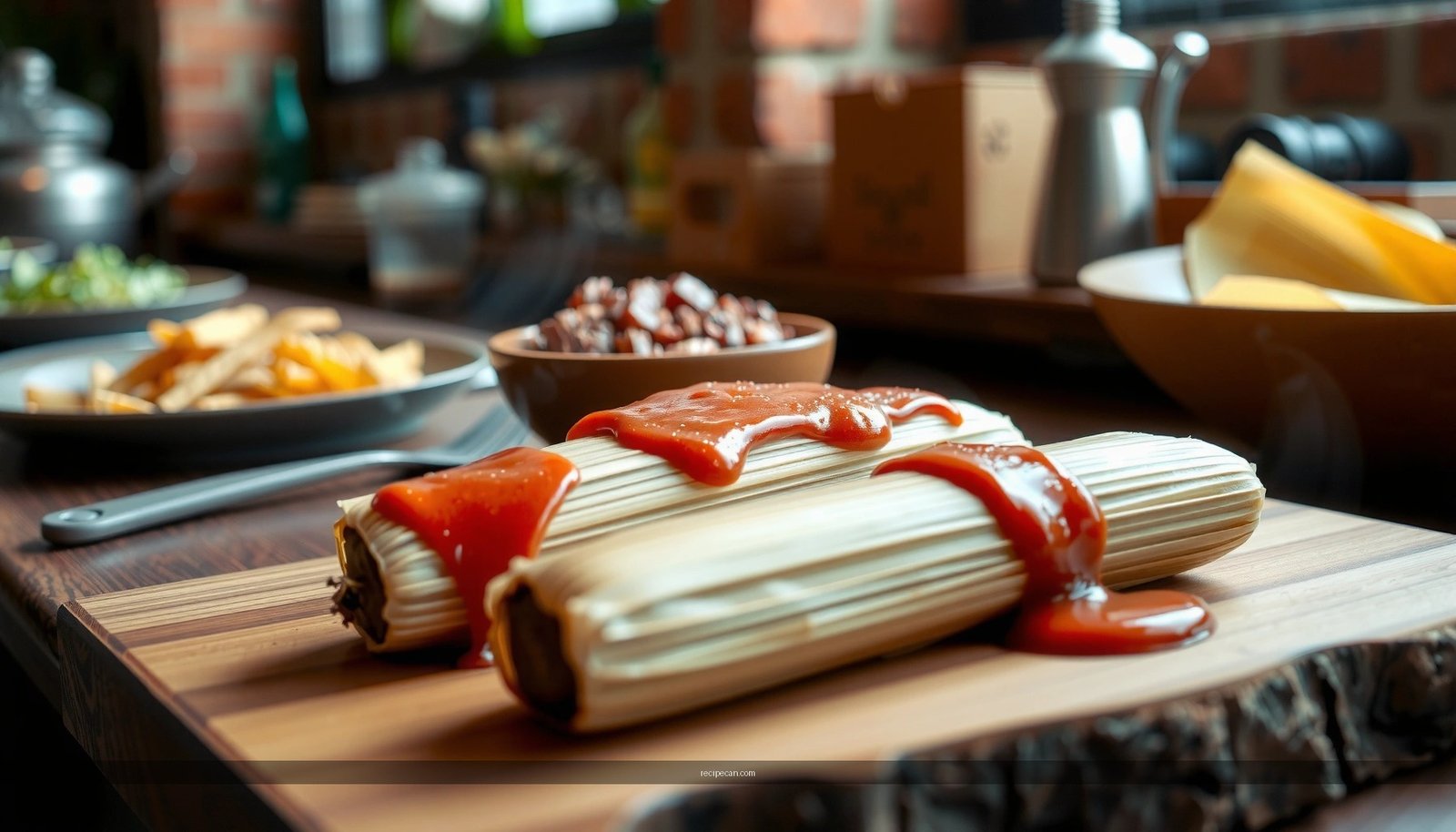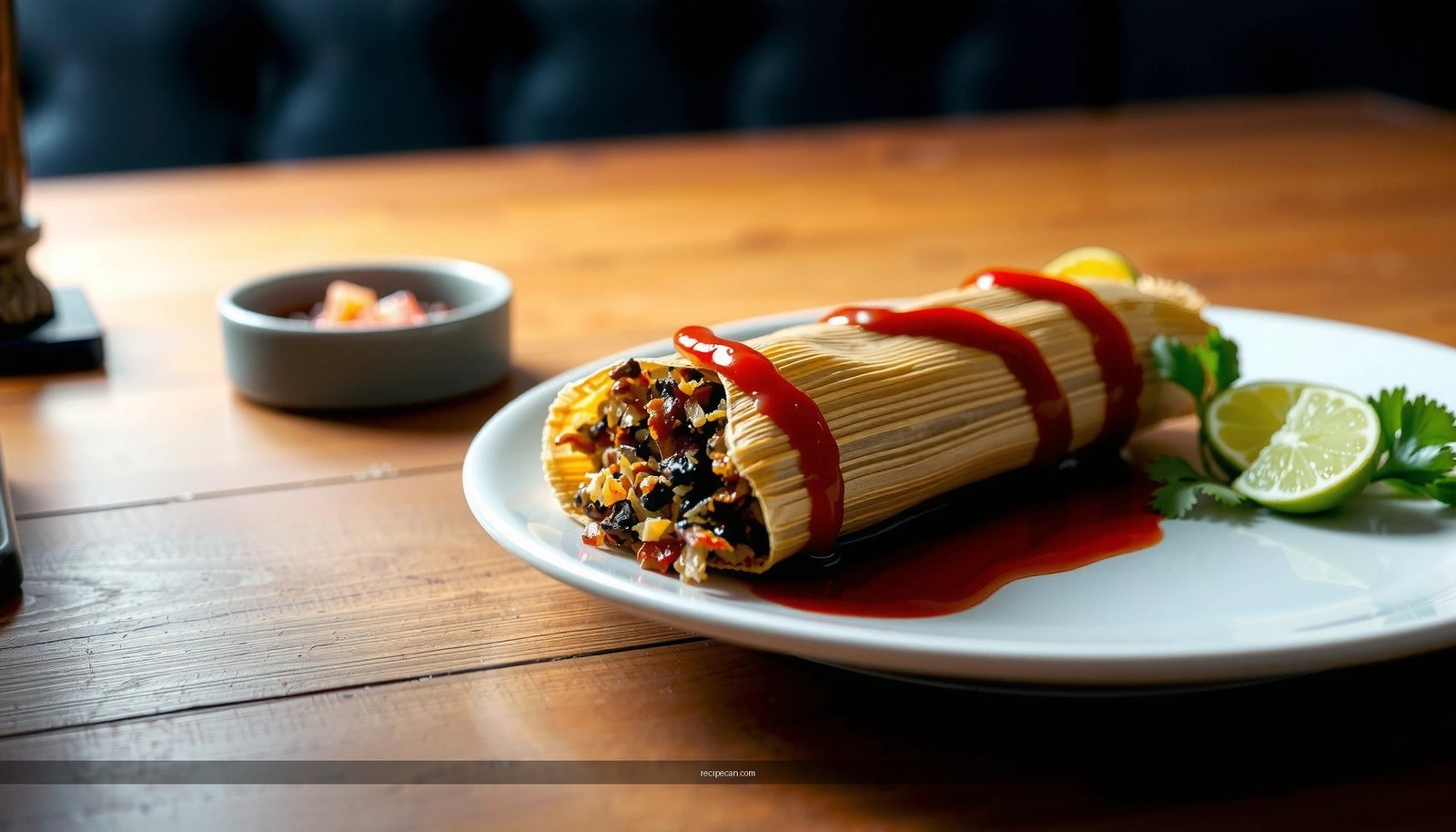
Get a black folks hot tamales recipe that delivers real heat and deep, savory flavor without turning your kitchen into a long-haul project. This version shows you exactly how to make spicy tamale masa, fold in a bold filling, and steam until tender every time. If you want tamales that taste like they came from the stove of someone who knows, follow this method.
Hot tamales are best made by soaking corn husks, building a thick chili filling, then steaming until the masa is tender—so they’re juicy and spicy in every bite. Below is a practical, step-by-step Black Folks hot tamales recipe that walks you through masa, filling, wrapping, and steaming for reliable results at home.
In many Southern and Black community traditions, hot tamales aren’t just “one more holiday food”—they’re a centerpiece that rewards technique. The key is consistency: pliable masa that spreads without tearing, a chili filling thick enough to stay put, and steam timing that cooks the masa through without drying it out. Use this guide to make restaurant-level hot tamales with heat you can dial up or down.
Gather Ingredients and Equipment
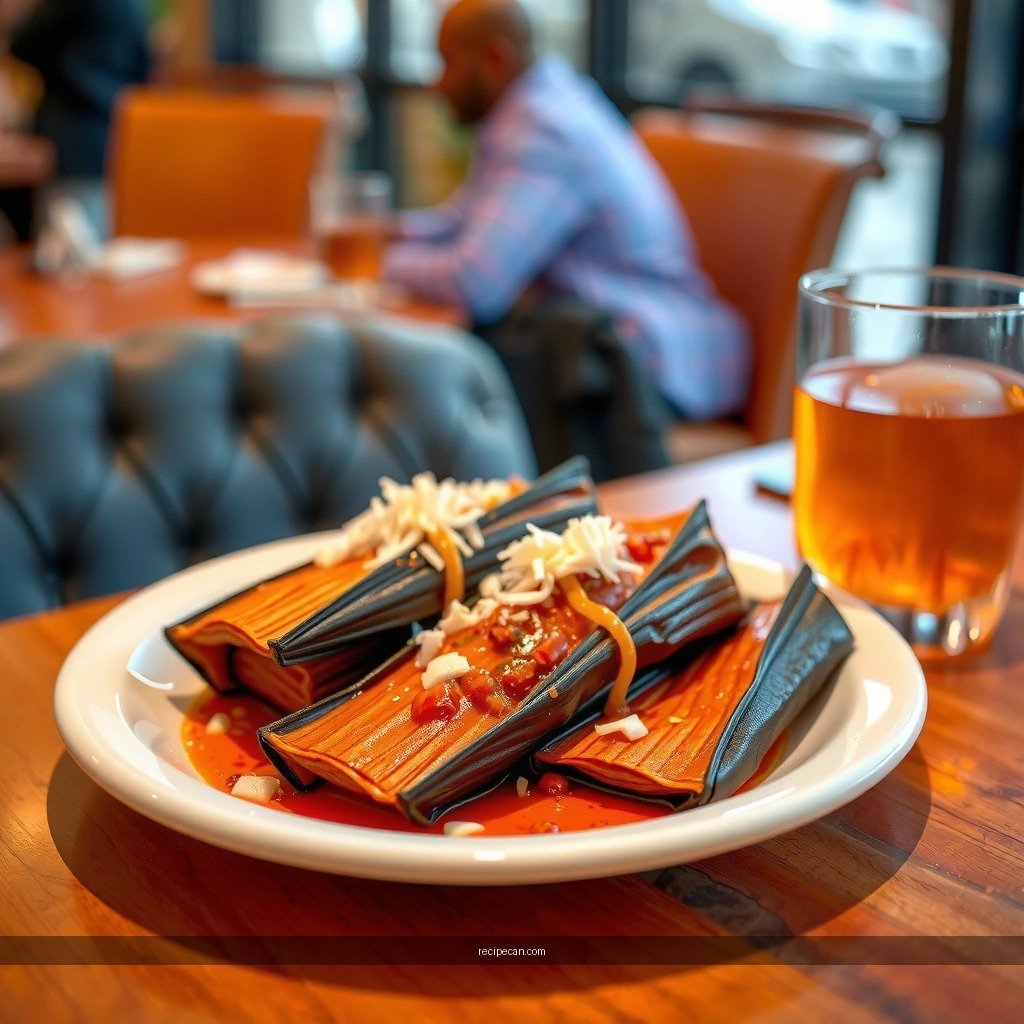
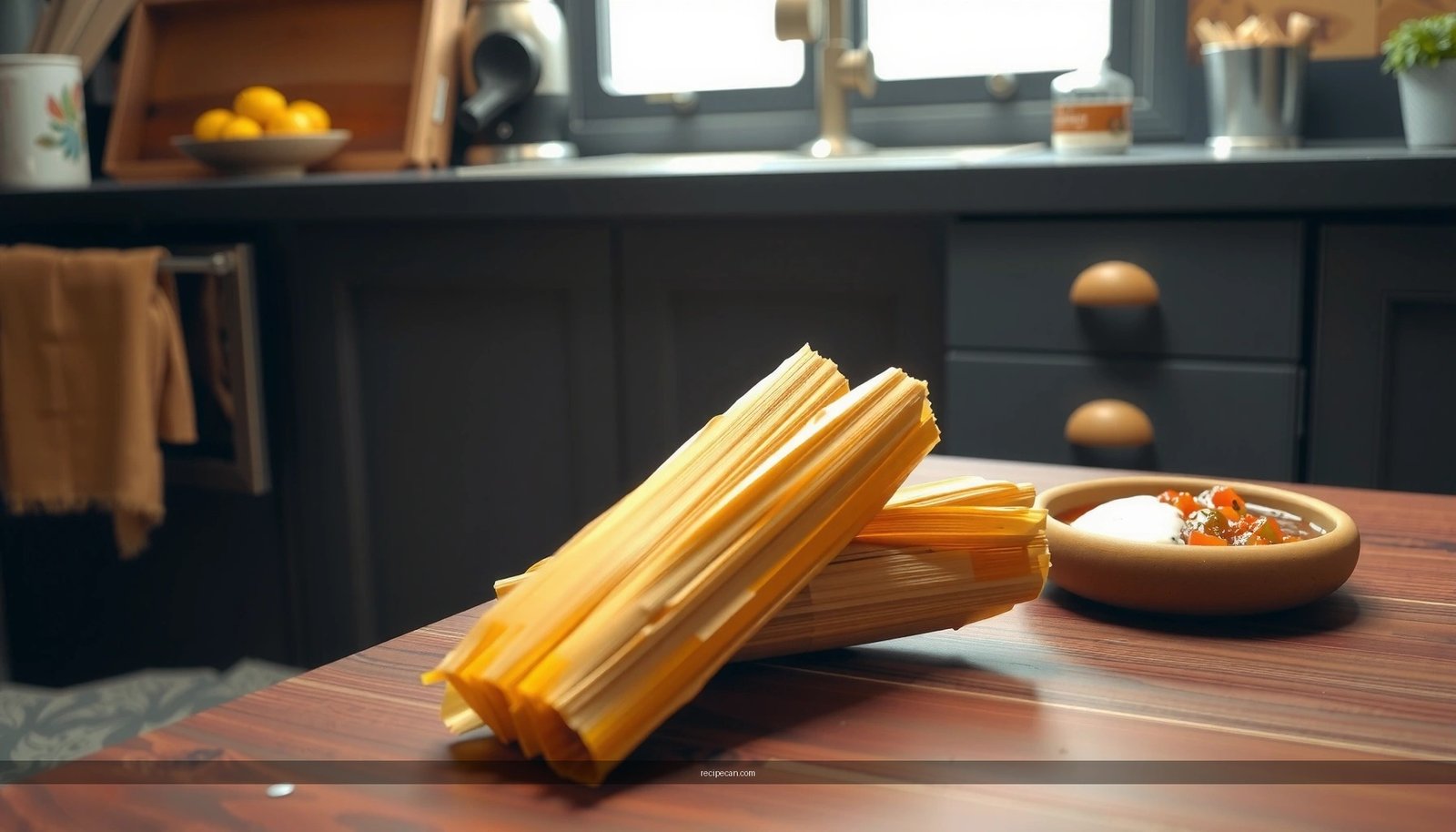
– Corn husks, masa dough, and chili spices make the base of great hot tamales
– Have a steamer, ties (or strips), and a bowl for mixing ready before you start
Before you start, treat hot tamales like a production: prep what you need so you’re not improvising while wrapping dozens of pieces. In this recipe, you’ll use masa dough (masa harina + fat) and a chili-forward filling that creates that signature spicy, juicy interior.
Core ingredients (what matters most)
1. Corn husks (for soaking): Whole dried corn husks work best because they steam reliably and wrap cleanly.
2. Masa dough: Look for plain masa harina and mix with warm liquid and fat (or use prepared masa dough if you have it).
3. Fat for masa: Lard or neutral vegetable shortening keeps masa tender and helps it release from the husk.
4. Chili building blocks: Dried chilies (like guajillo and/or árbol), chili powder, garlic, onion, and stock/broth for depth.
5. Salt and acid: Salt is non-negotiable for balanced flavor; a small touch of vinegar or citrus (optional but helpful) brightens chili taste.
Equipment checklist (so assembly is smooth)
– Large pot steamer with a rack (or a tamale steamer insert)
– Ties/strips for sealing (extra husk strips or commercial kitchen twine)
– Large mixing bowls
– Baking sheet or tray for holding wrapped tamales
– Spoon/spatula for spreading masa
– Clean kitchen towels (for handling hot steamer steam and preventing sticking)
Practical prep tip: Start soaking husks and get your steamer ready before you mix masa. If you’re rushing, the husks may tear and masa may dry out while you’re waiting.
Hot Tamales Planning Guide (Yield, Cook Time, and Batch Scaling)
| # | Batch Size | Typical Yield | Total Steaming Time | Moisture Target | Steamer Burn Risk |
|---|---|---|---|---|---|
| 1 | 2 dozen (24) | 24 tamales | 60–75 min | Water level up to rack | Low |
| 2 | 30–36 | 30–36 tamales | 75–90 min | Check water every 20–25 min | Moderate |
| 3 | 40–48 | 40–48 tamales | 90–105 min | Keep steady simmer, not rolling boil | Medium |
| 4 | Batch with 2 steam rounds | 32–40 total | Each round 70–85 min | Rotate pot position if hot spots occur | Low |
| 5 | Half batch (12) | 12 tamales | 50–65 min | Avoid too much water in base | Low |
| 6 | Thicker tamales (more masa) | Same count, slower cooking | +10–20 min | Test for clean pull on husk | Medium |
| 7 | Re-steam day-after | Any count | 20–30 min | Steam just until hot in center | Low |
Make the Masa
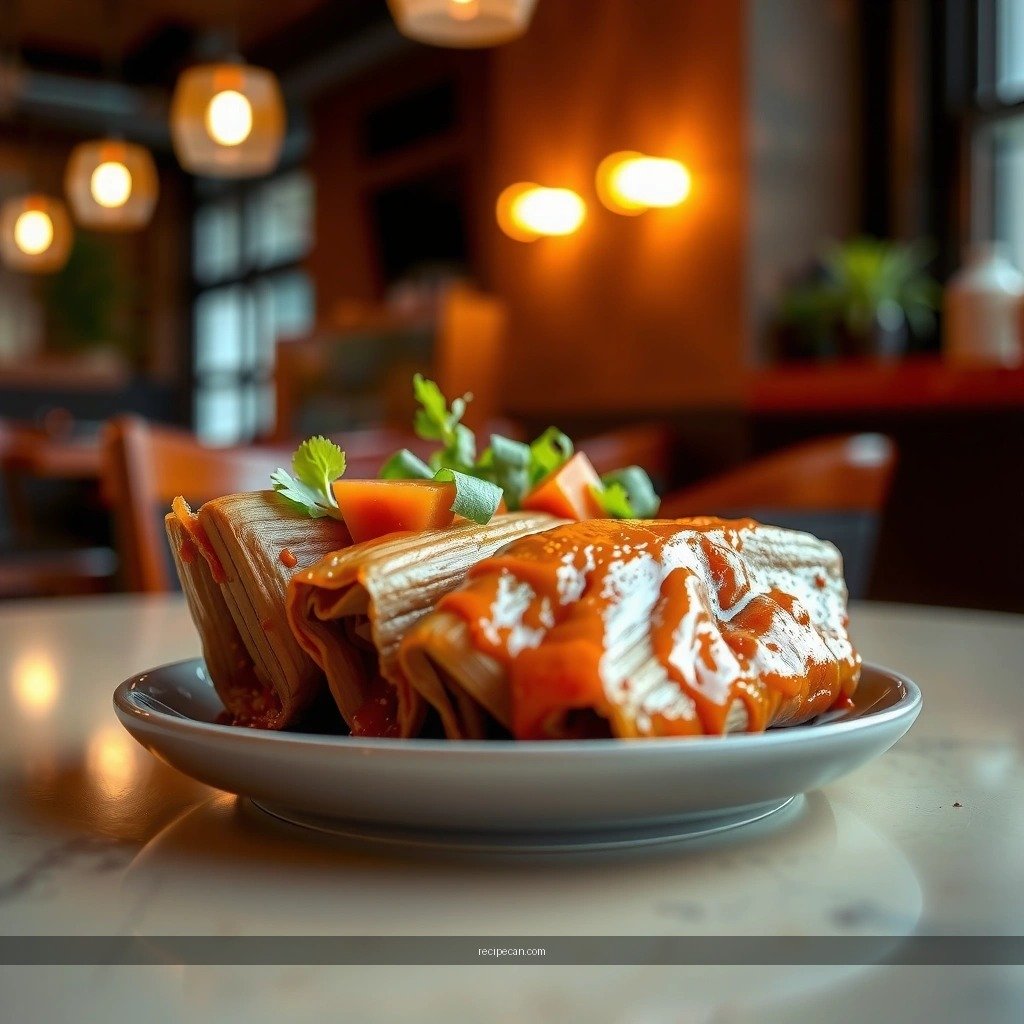
– Mix masa with broth or warm water until spreadable and flavorful
– Season the masa well so every bite tastes balanced, not bland
In hot tamales, masa is the foundation—so seasoning and texture control are everything. A common mistake is mixing masa too stiff or under-seasoned. Stiff masa can tear when spread, while under-seasoned masa tastes flat even if the filling is spicy.
Target masa texture
– Spreadable like soft peanut butter or smooth mashed potatoes.
– It should spread in a thin, even layer without clumping.
Flavor strategy for “balanced” masa
1. Use warm broth instead of plain water for more depth (chicken or vegetable broth).
2. Add salt gradually and taste a small amount.
3. Incorporate fat (lard or shortening) so masa stays tender during steaming.
4. Optional but effective: a pinch of baking powder for lighter texture (small amounts only).
Step-by-step masa method
1. In a bowl, combine masa harina with warm broth.
2. Mix thoroughly until smooth, scraping down the sides.
3. Add fat and seasoning (salt, and if you like, mild spices such as cumin or garlic powder).
4. Adjust with broth until spreadable.
5. Cover masa with a damp towel while you prep the filling so it doesn’t dry out.
Quality checks before wrapping
– If masa cracks while spreading, it’s too dry—add a little warm broth.
– If masa looks watery, it’s too loose—fold in more masa harina 1 tablespoon at a time.
Prepare the Spicy Hot Filling
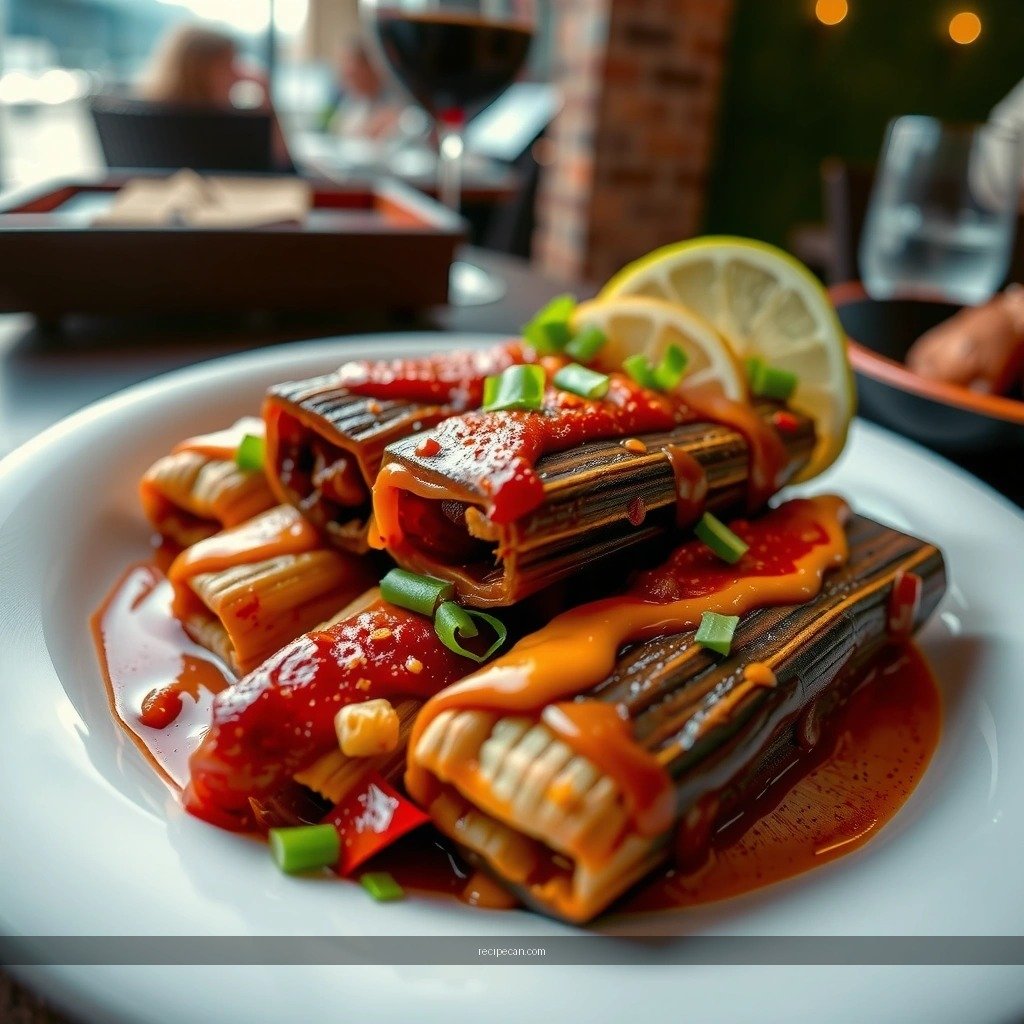
– Cook a chili-forward mixture (often with onions, garlic, and peppers) for deep flavor
– Keep it thick enough to hold inside the tamales while steaming
The filling is where your “hot” flavor lives. For the classic hot tamales profile, build chili depth first, then balance with aromatics and salt. Whether you use meat (like pork or shredded beef) or keep it vegetarian, the technique is the same: cook it down until it’s thick.
A reliable chili filling formula
– Chilies: dried guajillo for smokiness + dried árbol or similar for heat
– Aromatics: onion and garlic
– Liquid: broth or water to blend chilies into a sauce
– Thickener: reduced cooking time (often enough), or a small amount of masa to thicken if needed
– Seasoning: salt, and optional acid (a teaspoon of vinegar or a squeeze of lime) to brighten chili richness
How to cook it thick (the non-negotiable part)
1. Toast dried chilies briefly (30–60 seconds) to wake up flavor—don’t burn.
2. Soak in hot water until softened, then blend into a smooth paste.
3. Sauté onion and garlic until fragrant.
4. Add chili paste and cook down until darker and glossy.
5. Add your protein (if using) and simmer until the filling is thick enough to mound.
6. If the filling is loose, keep simmering—steaming will loosen it further.
Heat control without sacrificing flavor
– Want “spicy but flavorful,” not just hot? Use more guajillo and less árbol, and let onions and garlic carry aroma.
– Want maximum heat? Increase hotter chilies gradually and taste your sauce after it reduces.
Assemble and Wrap the Tamales
– Spread masa on soaked husks, add filling, and fold securely
– Tie or secure the wraps so they stay closed during steaming
Assembling tamales is where your consistency shows. The goal is a sealed pocket with filling inside and no gaps where steam and liquid can penetrate.
Wrapping basics that prevent blowouts
1. Soak husks until pliable (usually 1–2 hours, depending on dryness).
2. Pat husks dry so they don’t add excess water to your masa.
3. Spread masa in an even layer—thin enough to cook through but thick enough to support the filling.
4. Add a line or small mound of filling near one end (not too close to the edges).
5. Fold and seal the seam side so it won’t open during steaming.
Tying
– Use a narrow strip of husk to tie across the middle or near the folded end.
– Tie snugly but not so tight that you squeeze the filling out.
Best practice: If you’re making a large batch, assemble in stations—masa spreaders in one area, filling portioners in another, and wrappers near the steamer tray. This keeps masa from drying and improves speed.
Steam Until Tender
– Arrange tamales upright (or as recommended) and steam consistently
– Check for doneness by testing masa texture and making sure filling heats through
Steaming is the final act of control. Too little time and you’ll get gummy masa; too much time and the texture can go dry. Your tamales should steam at a steady simmer, not a violent boil.
Set up the steamer correctly
– Place tamales upright if your method supports vertical steaming; otherwise arrange as recommended for your pot size.
– Keep water at a safe level (up to the rack, not soaking the bottoms unless your method says otherwise).
– Cover tightly to trap steam.
Doneness testing (use multiple signals)
1. Masa texture: It should feel tender and not dense.
2. Husk release test: When you pull at a corner, masa should separate cleanly without wet streaks.
3. Filling heat-through: Cut one tamale open—filling should be fully hot and steamy in the center.
How to avoid common steaming problems
– Dry tamales: check water level every 20–25 minutes for larger batches.
– Uneven cooking: rotate the stack if your pot has hotspots.
– Soggy bottoms: don’t submerge the tamales in boiling water.
If your first batch takes longer than expected, note the time and adjust for the next round. Tamale steaming is not one-size-fits-all—it depends on thickness, moisture, and batch density.
Serve, Store, and Reheat
– Serve hot with salsa, hot sauce, or sides like beans and rice
– Store leftovers and reheat by steaming or microwaving with a damp paper towel
Hot tamales taste best fresh, but leftovers can be excellent if you reheat properly. The main goal is to re-steam moisture back into the masa without turning the filling greasy or cold in the center.
Serving ideas that match the spice profile
– Salsa or pepper sauce: classic pairing for chili tamales
– Hot sauce: for heat lovers who want more “kick” on demand
– Sides: red beans, black-eyed peas, rice, or sautéed greens
– Fresh element: a squeeze of lime or chopped onions can cut through richness
Storage
– Cool tamales to room temperature.
– Refrigerate in an airtight container for up to 3–4 days.
– Freeze in freezer-safe bags or containers for up to 2–3 months.
Reheating methods
– Best: steam 15–25 minutes for refrigerated tamales (or 25–35 minutes for frozen), until hot through.
– Microwave backup: wrap in a damp paper towel and heat in short intervals to prevent drying.
For food-service consistency, steaming is the most reliable. For home convenience, microwave reheating with a damp towel still preserves texture reasonably well.
Quick tips to troubleshoot your hot tamales
Even experienced cooks adjust as they go—especially with spice level and masa hydration. Here are fast fixes:
– Masa too thick: add broth 1 tablespoon at a time.
– Masa too thin: add masa harina gradually until spreadable.
– Filling leaking: reduce chili until thicker before assembly.
– Tamales hard after steaming: steam longer and ensure steady simmer (not rapid boiling).
– Tamales bland: salt the masa and filling separately; seasoning must be layered.
Hot tamales come out right when you season the masa, build a thick spicy filling, and steam them until fully tender. Follow these steps, taste as you go, and adjust the heat to your preference—then share your finished batch with family and friends.
Frequently Asked Questions
What’s a classic black folks hot tamales recipe and what makes it “hot”?
A classic black folks hot tamales recipe typically uses seasoned masa (dough) and a spicy filling like shredded pork or chicken with a robust chili sauce. The “hot” flavor usually comes from dried chiles (like guajillo and chile de árbol) plus garlic, cumin, and a touch of vinegar or broth for depth. Using a chile-forward filling and adding chili to the masa helps the tamales stay spicy throughout, not just in the center.
How do I make hot tamales at home without the masa turning out too dry or too sticky?
Start with masa harina and hydrate gradually with hot broth, mixing until it forms a soft, spreadable consistency. If your masa feels dry, add more warm broth a little at a time; if it’s too sticky, let it rest briefly and adjust with a small amount of masa harina. A key step is testing with the back of a spoon—well-made masa should spread and hold shape for your black folks hot tamales recipe.
Why are dried corn husks harder to work with, and how can I prep them for easy folding?
Dried corn husks can be stiff and crack if they’re not soaked long enough, which makes wrapping messy and can cause tamales to separate. Soak husks in warm water until pliable (often 30–60 minutes), then pat them dry so excess water doesn’t thin your masa. For best results, choose large, flexible husks and keep a few extra soaked in case some tear during assembly.
Which chile peppers are best for a spicy filling in black folks hot tamales recipe?
For a flavorful but controllable heat, use a mix of mild and hot dried chiles such as guajillo (for body and color) plus chile de árbol (for heat). You can also add ancho or pasilla for smokiness and roundness, then blend with garlic, onion, broth, and spices. Taste the sauce before filling the tamales so you can dial the heat up or down for your crowd.
Best way to steam hot tamales so they cook evenly and don’t fall apart?
Steam tamales upright (or in a covered pot with a rack) and add water carefully so it doesn’t boil over into the tamales. Plan on several hours of steaming, checking water levels and rotating the batch if needed for even cooking, especially for thicker tamales. They’re done when the masa pulls away from the husk easily—this is the best indicator for your black folks hot tamales recipe.
References
- Google Scholar Google Scholar
https://scholar.google.com/scholar?q=tamales+recipe - Google Scholar Google Scholar
https://scholar.google.com/scholar?q=traditional+tamales+corn+masa+nixtamalization - Google Scholar Google Scholar
https://scholar.google.com/scholar?q=chile+sauce+tamales+preparation - Tamale
https://en.wikipedia.org/wiki/Tamale - Masa
https://en.wikipedia.org/wiki/Masa_harina - Nixtamalization
https://en.wikipedia.org/wiki/Nixtamalization - Husk
https://en.wikipedia.org/wiki/Corn_husk - https://en.wikipedia.org/wiki/Mole_(sauce
https://en.wikipedia.org/wiki/Mole_(sauce - https://www.britannica.com/topic/tamale
https://www.britannica.com/topic/tamale - https://scholar.google.com/scholar?q=black+folks+hot+tamales+recipe Google Scholar
https://scholar.google.com/scholar?q=black+folks+hot+tamales+recipe