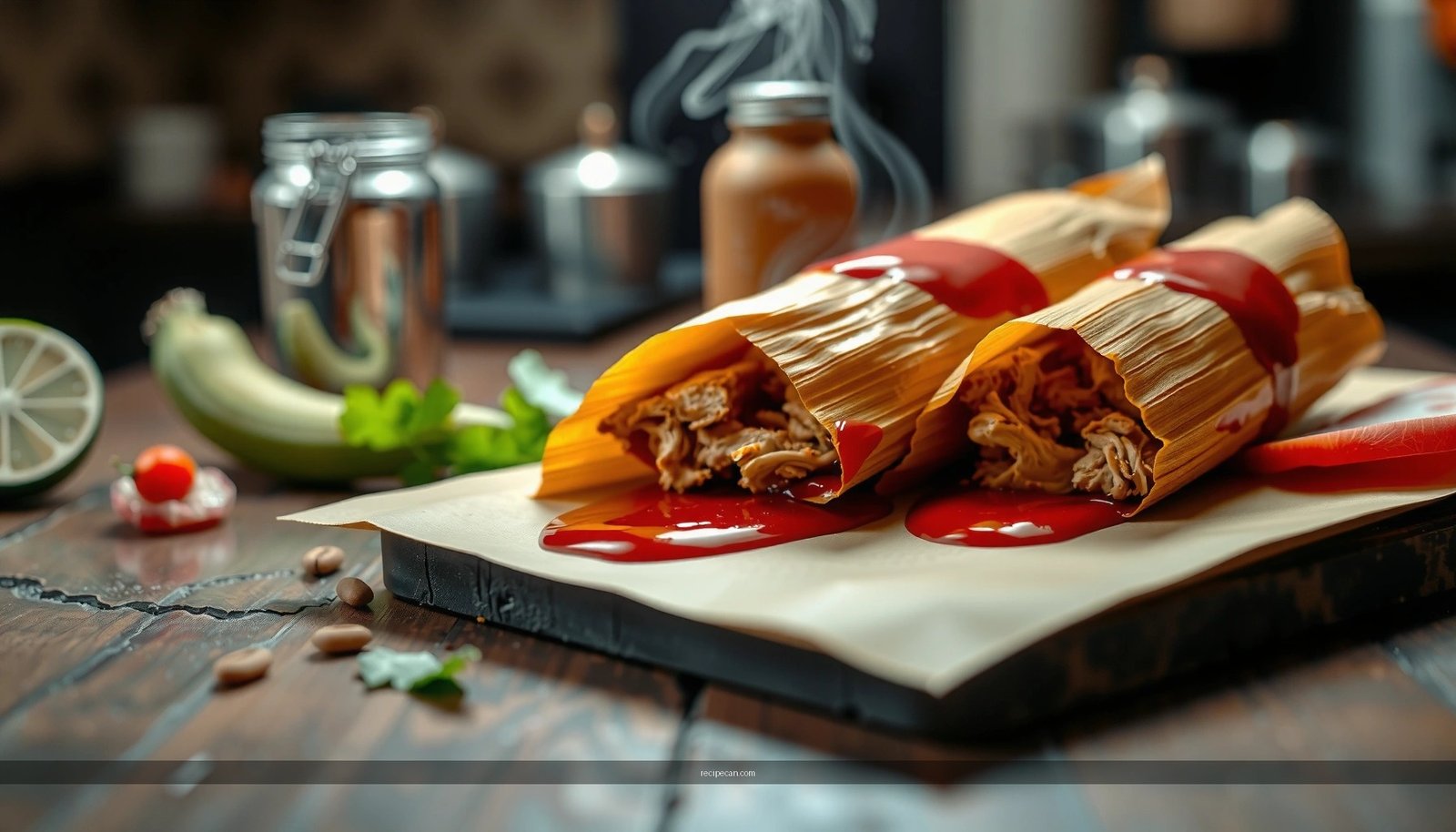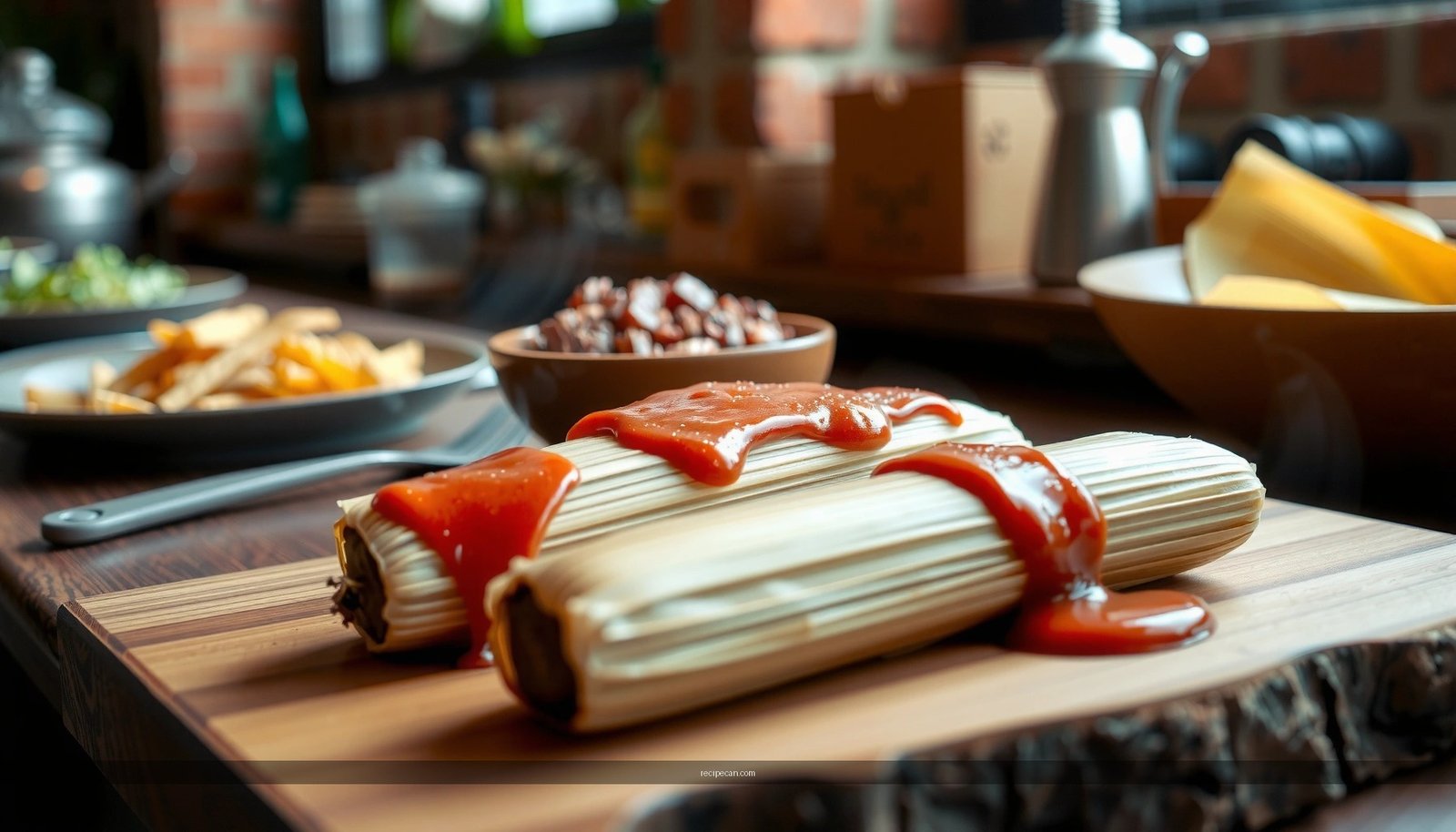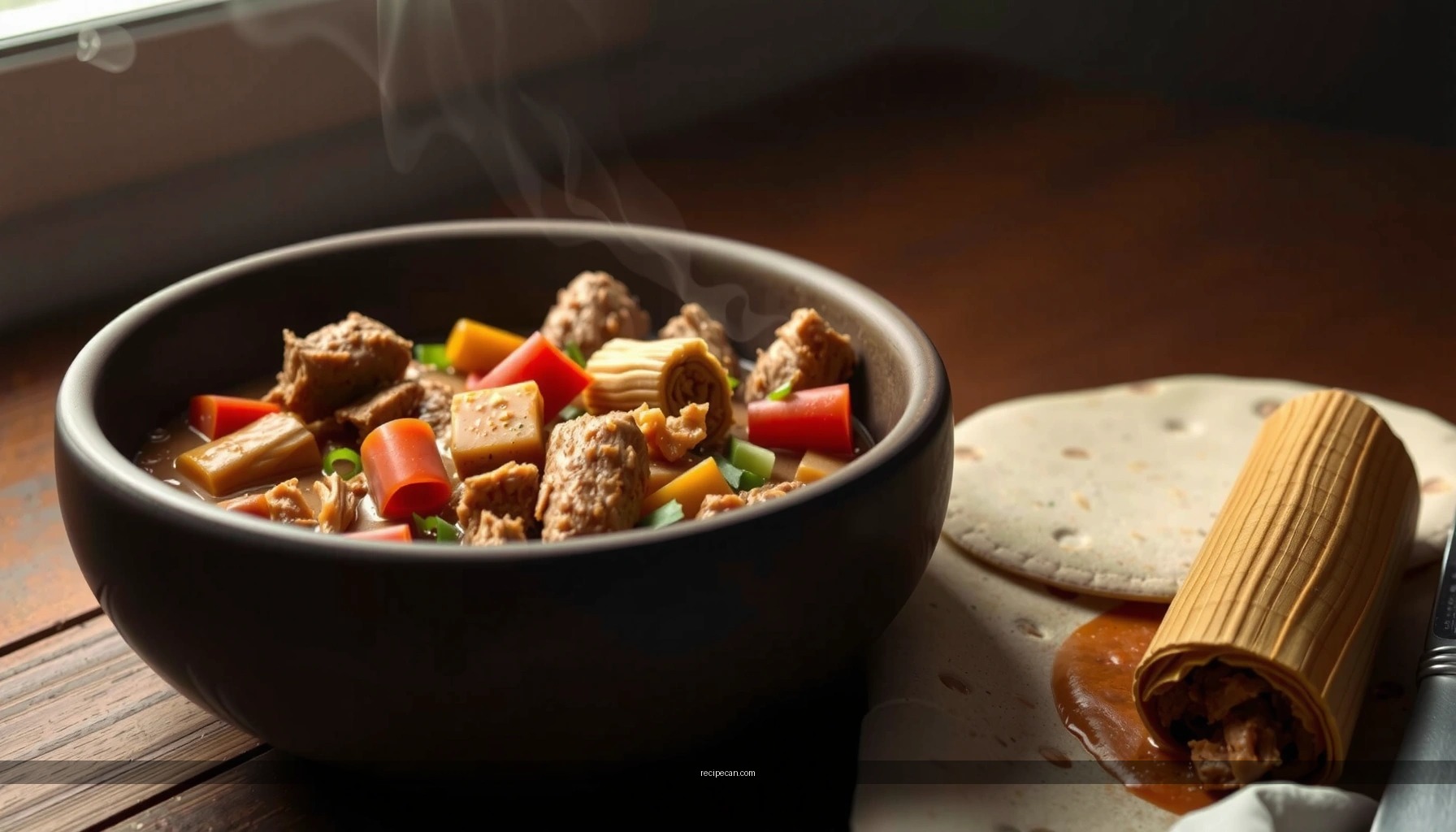
This meat recipe for tamales delivers the bold, authentic tamale meat filling you want—tender, well-seasoned, and packed with smoky flavor. You’ll learn the exact cooking steps, including how to brown the meat, build a chile-rich sauce, and simmer until it turns spoonable. Follow this method and you’ll get filling with the right balance of heat, tang, and moisture so your tamales taste great from first bite to last.
Make tamale meat filling by simmering seasoned pork (or chicken) until fork-tender, then shredding and re-coating it with a thickened chili-based sauce. This approach delivers the two qualities tamales require—bold flavor and a moist, cohesive filling that spreads cleanly without turning watery.
Choose Your Meat and Best Cuts
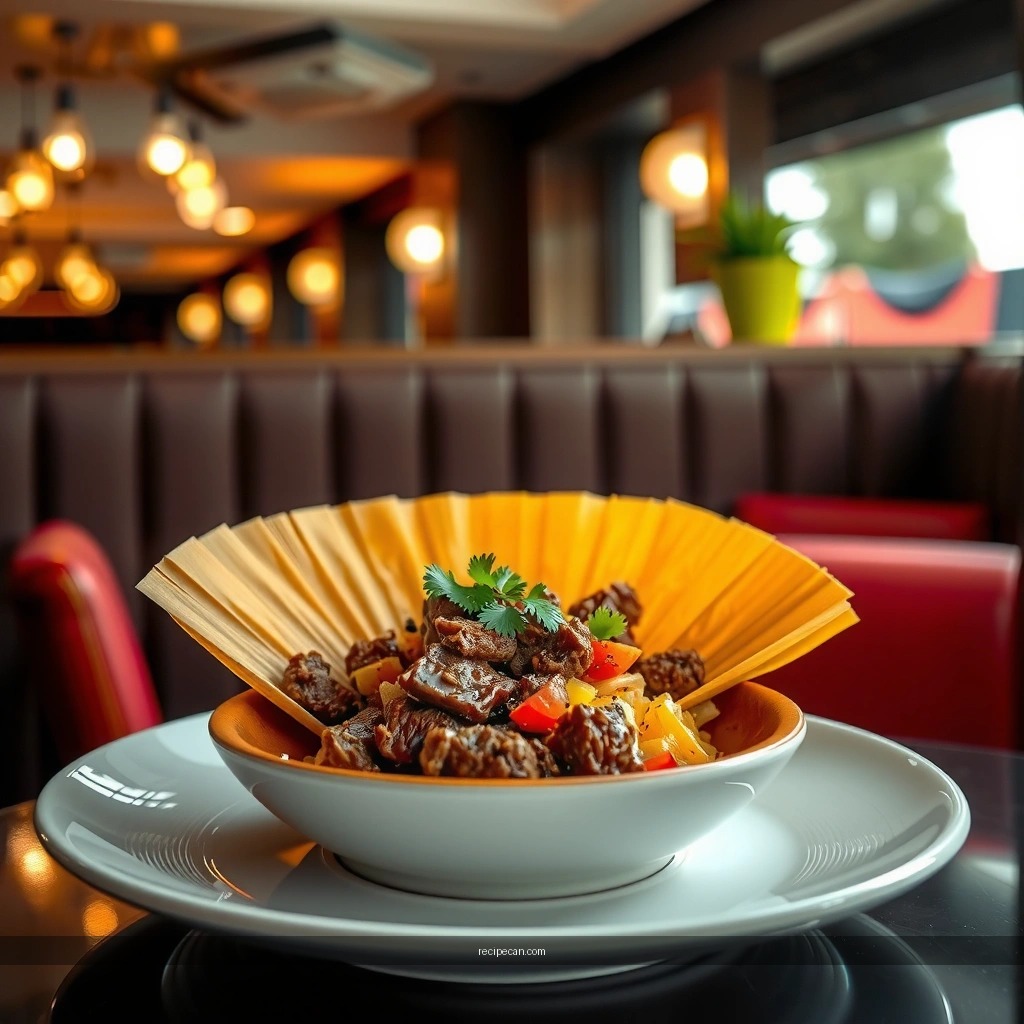
The “right” tamale meat starts with tenderness and shred quality. For traditional pork tamales, the most forgiving choice is a cut that contains enough fat and connective tissue to break down during a low, slow simmer. When you cook it properly, you get strands of meat that cling together and stay juicy inside the masa.
– Pork shoulder or pork butt works best for tender, juicy tamale filling
These cuts (often sold interchangeably) are rich in intramuscular fat and collagen. As they simmer, collagen converts into gelatin, which naturally thickens juices and helps the shredded meat stay moist. The result is a filling that’s flavorful without being greasy.
– You can also use chicken, but simmer until fully tender before shredding
Chicken tamale meat is popular for lighter flavor profiles and faster prep. Chicken thighs usually outperform breasts because they retain moisture better during simmering. If you use breast meat, cook longer and keep an eye on liquid levels so it doesn’t dry out.
Practical guidance:
If you’re planning for a large batch, choose a cut that holds tenderness reliably. Pork shoulder and chicken thighs both tolerate long simmer times—important if you’re cooking tamales over multiple steps or working around masa prep.
Tamale Meat Cut Comparison for Simmer + Shred (Typical Kitchen Performance)
| # | Meat cut | Typical low-slow simmer to fork-tender | Shred yield (after simmer) | Tamale filling value | Moisture retention score |
|---|---|---|---|---|---|
| 1 | Pork shoulder / pork butt | 2.5–3.5 hrs (braise/simmer) | 75–85% | ★★★★★ | 9.3 / 10 |
| 2 | Pork picnic (upper shoulder) | 2.25–3.25 hrs | 72–82% | ★★★★☆ | 8.8 / 10 |
| 3 | Pork shank (for richer fat rendering) | 3–4.5 hrs | 60–75% | ★★★★☆ | 8.2 / 10 |
| 4 | Chicken thighs | 60–90 min | 70–80% | ★★★★☆ | 8.6 / 10 |
| 5 | Chicken breasts | 75–105 min (watch closely) | 65–75% | ★★★☆☆ | 7.1 / 10 |
| 6 | Pork loin (leaner alternative) | 1.25–2 hrs (risk if overcooked) | 60–70% | ★★☆☆☆ | 6.2 / 10 |
| 7 | Beef chuck (non-traditional but effective) | 2.5–3.5 hrs | 68–78% | ★★★☆☆ | 6.9 / 10 |
Seasoning Base for Tamale Meat
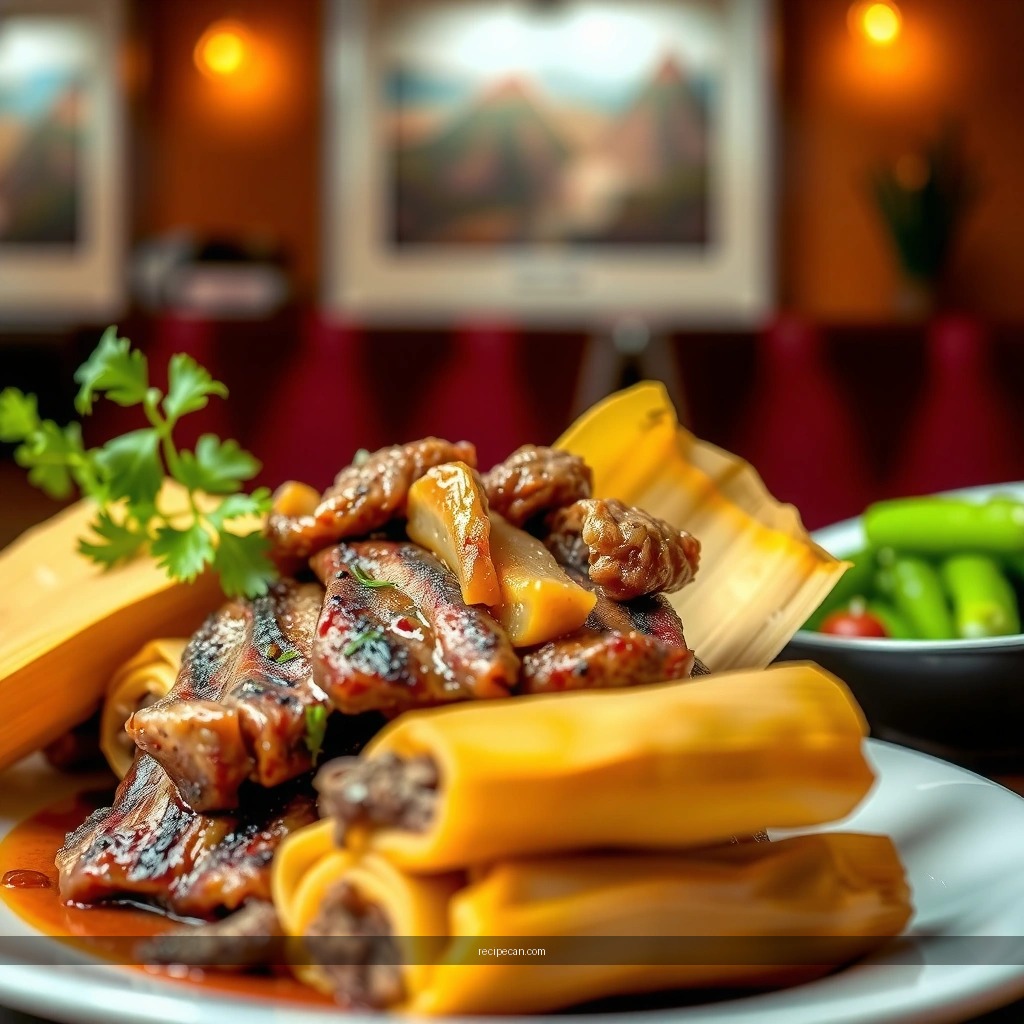
A great tamale meat filling tastes layered—not just spicy. Build your base with aromatics first, then add toasted-earthy spices and chili flavor. Whether you use pork or chicken, your seasoning strategy remains the same: aroma + depth + controlled heat.
– Use garlic, onion, cumin, chili powder (or dried chilies), and salt for deep flavor
Garlic and onion provide the “foundation” that makes chile taste richer rather than sharp. Cumin adds a warm, toasted note that complements both red and green chile blends. Chili powder (or a dried chile paste) delivers color and the characteristic tamale heat profile.
– Add a splash of broth or tomato-based sauce to balance heat and richness
Chili can taste harsh if it’s not tempered. A small amount of broth, tomatillos, or tomato sauce smooths the spice and rounds the flavor so the sauce coats every piece of meat.
Actionable seasoning build (works for both pork and chicken):
1. Sauté or bloom onion + garlic in a little oil.
2. Stir in cumin + chili powder (or ground dried chilies) for 30–60 seconds.
3. Deglaze with broth and simmer briefly so the spice hydrates and melds.
Heat control tip:
If you’re using dried chilies, blend them with broth until smooth, then strain for a cleaner sauce. If you prefer chili powder, start with less than you think you need—salt and simmering will intensify flavor.
Cook, Simmer, and Shred the Meat
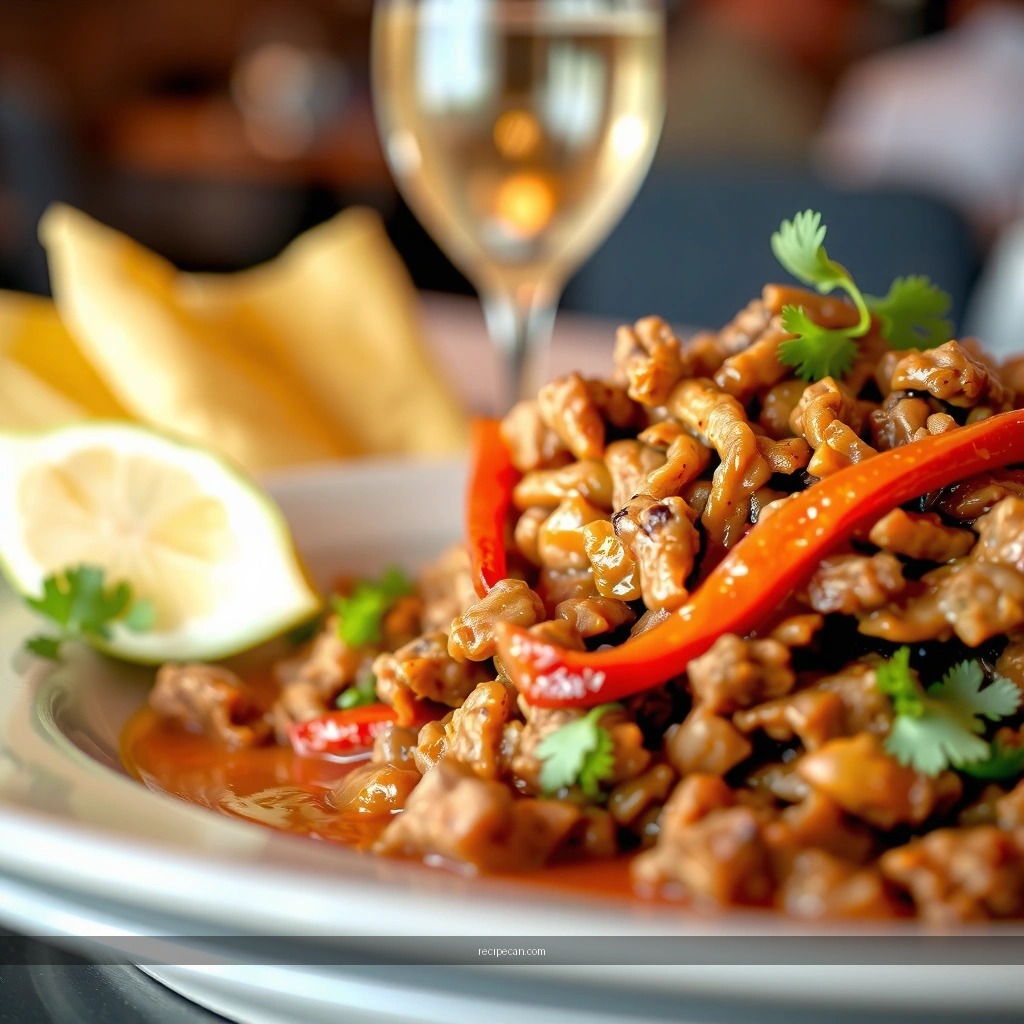
Tenderness is the difference between a flavorful tamale filling and a filling that eats like pot roast. Simmering is where your collagen turns into gelatin, creating natural body. That body is what helps meat stay moist when wrapped in masa and steamed.
– Simmer meat low and slow until fork-tender
Keep the simmer gentle—too aggressive can make meat stringy and break the texture. You’re aiming for meat that pulls apart easily with a fork and has a soft, almost silky resistance.
– Shred while warm, then skim off excess fat if needed for a clean filling
Shredding is easiest when the meat is hot. If your pork renders a lot of fat, skim the surface juices after the meat is removed (or after sauce simmering) so the filling remains cohesive rather than oily.
Food-quality control points:
– Fork-tender means shreddable. If it resists, continue simmering in 15–20 minute increments.
– Don’t over-reduce the cooking liquid before you build the sauce. If it’s too concentrated, it can make the filling salty and reduce sauce spreadability.
Build the Tamale Meat Sauce
Once the meat is tender, sauce building turns “seasoned meat” into “tamale meat.” This is the stage where you thicken enough for adherence but keep the filling moist—not wet.
– Combine your chili/seasoning mixture with broth and simmer briefly to thicken
Think of it as creating a coating. A short simmer—often 5–15 minutes—hydrates the chilies and lets the sauce reduce to a consistency that clings to meat.
– Return shredded meat to the pot and coat it evenly with sauce
Coat thoroughly and let it sit for a few minutes off heat (or on low heat) so the strands absorb flavor.
Consistency checkpoint:
When you stir, the sauce should lightly coat the spoon and cling to shredded meat instead of pooling in a separate puddle. If it’s too thin, simmer a bit longer. If it’s too thick, loosen with broth in small splashes.
Assemble: How Much Filling to Use
Assembly is where good tamale meat becomes memorable. The quantity needs to support the masa without causing steam to escape through excess liquid. A consistent portion also helps tamales cook evenly.
– Spread a thin layer of masa, then add a consistent line or mound of meat filling
A thin masa base prevents gaps and helps the filling sit securely. For the filling, use a measured motion so each tamale gets similar distribution.
– Keep filling moist but not watery to avoid soggy tamales
Watery filling increases steam in the wrong places, softening or separating masa. Thickened chili sauce and properly simmered meat solve most sogginess issues.
Practical portioning tip:
If you’re making multiple tamales, portion the meat using a spoon measure (for example, a consistent tablespoon count). You’ll get better results than “eyeballing,” especially if you’re cooking for a group.
Texture and Flavor Tips
The best tamale meat filling is refined during and after simmering—not just at the start. Use tasting and cooling to lock in the right balance.
– Taste and adjust seasoning after simmering (salt and chili balance matter most)
Chili flavor can mellow as it simmers, while salt becomes more noticeable as moisture evaporates. Taste the sauce with the meat inside the pot. Then adjust with salt or a touch more chili if needed.
– Let the filling cool slightly so it thickens and is easier to portion
Hot filling can look looser than it will be after resting. Cooling helps the sauce set just enough for clean spreading and better tamale structure.
Two “pro” outcomes to aim for:
1. Flavor stability: The filling tastes strong on its own because masa can mute some flavors during steaming.
2. Moisture retention without leakage: The filling feels juicy but doesn’t drip sauce when spooned.
The best meat recipe for tamales comes down to tender simmered meat, well-seasoned sauce, and a thick, flavorful filling. Use these steps to achieve juicy, non-watery meat that locks in flavor with every tamale. Pick your meat, follow the seasoning and simmer directions, and start assembling your next batch—your ideal tamale filling is ready to cook.
Frequently Asked Questions
What’s the best meat recipe for tamales that works for pork, chicken, or beef?
The best meat recipe for tamales depends on the filling you want: pork is classic and richly flavored, chicken is lighter, and beef can be hearty if cooked low and slow. For pork or beef, simmer the meat until tender, then shred and mix with a thickened salsa or adobo-style sauce. Chicken tamales also work well when the meat is cooked with onions, garlic, and spices, then shredded and mixed into a slightly saucy filling.
How do I make a flavorful pork tamale meat filling from scratch?
Cook pork shoulder with onion, garlic, bay leaves, and broth until very tender, then shred. Brown the shredded pork briefly with some of the cooking liquid and stir in chili sauce (like guajillo/ ancho) plus spices such as cumin and oregano for a bold tamales meat recipe. Let the mixture reduce until it clings to a spoon so it doesn’t make the masa soggy, then season to taste with salt.
How can I prevent tamale meat from drying out or soaking the masa?
If your meat is too dry, add a small amount of warm cooking broth or sauce while mixing, then simmer briefly to re-thicken. To avoid soaking the masa, keep the filling relatively thick—think “spreadable but not watery.” Also cool the meat filling completely before assembling tamales so excess moisture doesn’t transfer into the masa.
Why do some tamales meat fillings use red chili sauce, and which chilies taste best?
Red chili sauce helps create tamales meat with deep, smoky flavor and a natural richness that holds the filling together. Commonly used chilies include guajillo for mild to medium warmth, ancho for a sweeter roasted taste, and pasilla for deeper complexity. For a balanced meat filling, blend the chilies with garlic, onion, and broth, then strain if you want a smoother texture.
Which cooking method is best for tender shredded tamale meat—stovetop, slow cooker, or pressure cooker?
Stovetop and slow cooker methods are great for building flavor over time, usually giving very tender shredded meat for tamales. A pressure cooker is faster and still produces excellent tenderness, often requiring fewer hours while keeping the meat juicy. Regardless of method, cook until the meat shreds easily, then reduce the sauce in a pan so your tamales meat filling stays thick and flavorful.
References
- Google Scholar Google Scholar
https://scholar.google.com/scholar?q=tamales+meat+filling+pork+recipe - Google Scholar Google Scholar
https://scholar.google.com/scholar?q=tamales+beef+chile+sauce+filling+recipe - Google Scholar Google Scholar
https://scholar.google.com/scholar?q=mexican+tamales+filling+preparation+meat+and+chile - Tamale
https://en.wikipedia.org/wiki/Tamale - https://www.britannica.com/topic/tamale
https://www.britannica.com/topic/tamale - https://www.bbc.co.uk/food/recipes/tamales_102208
https://www.bbc.co.uk/food/recipes/tamales_102208 - https://cooking.nytimes.com/guides/62-how-to-make-tamales
https://cooking.nytimes.com/guides/62-how-to-make-tamales - https://www.theguardian.com/food/2016/dec/12/how-to-make-tamales
https://www.theguardian.com/food/2016/dec/12/how-to-make-tamales - tamales – Search Results – PMC
https://www.ncbi.nlm.nih.gov/pmc/?term=tamales - Evaluation of Pain – WHO Guidelines for the Pharmacological and Radiotherapeutic Management of Ca…
https://www.ncbi.nlm.nih.gov/books/NBK537489/