Get a McCormick French toast recipe that delivers crisp edges, a tender custardy center, and reliable flavor without guesswork. This easy classic breakfast method shows you exactly how to use McCormick seasonings to make every slice taste homemade—whether it’s a weekday morning or a weekend brunch. If you want the quickest path to French toast that actually holds up on the plate, this is the one.
Make McCormick French toast by whisking eggs, milk, and McCormick spices, then soaking thick bread briefly and cooking it on a buttered skillet until golden—crispy outside, custardy inside. This recipe gives you a reliable batter-to-pan method with clear timing and temperature guidance, so you can reproduce café-style results at home without guesswork.
Ingredients for McCormick French Toast
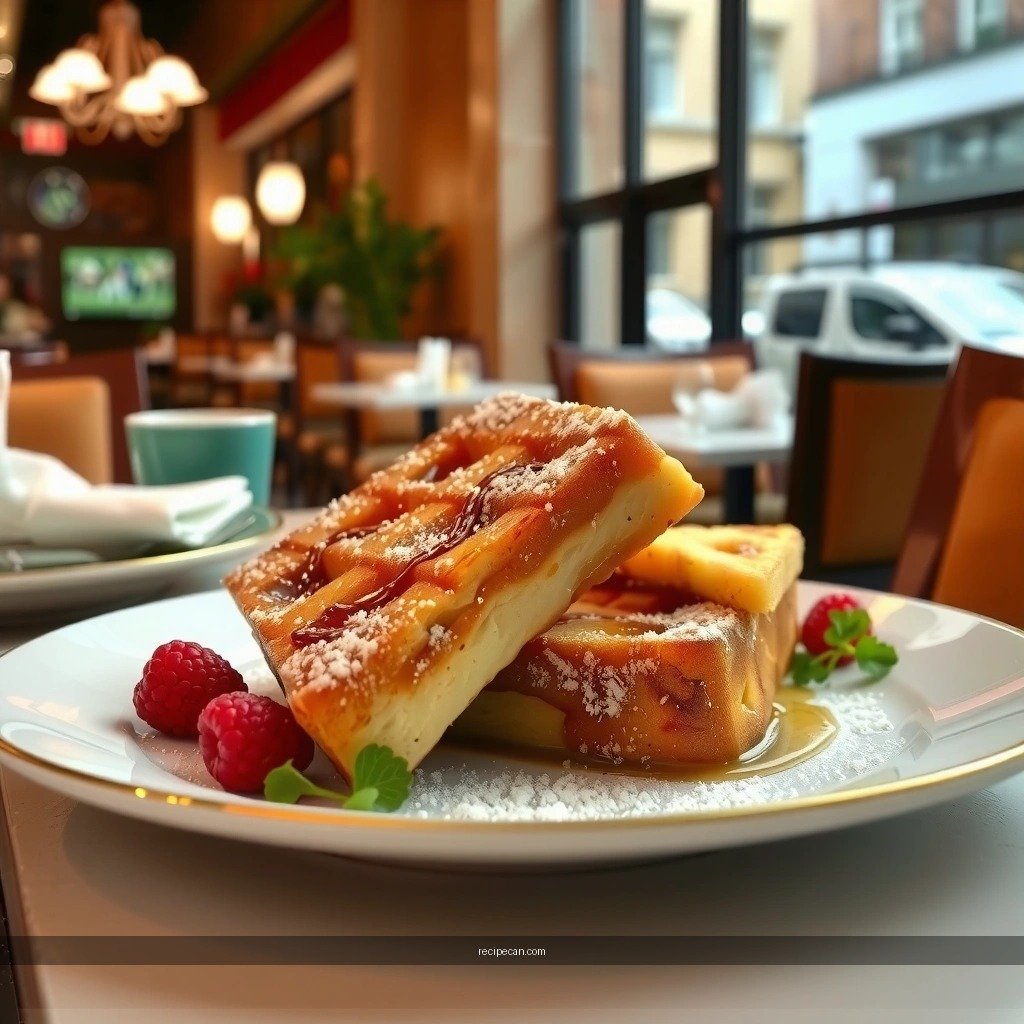
– Gather bread, eggs, milk, butter, and your McCormick seasonings (like cinnamon and vanilla).
– Choose thick-sliced bread for better soaking and a richer texture.
A classic French toast succeeds or fails based on two things: bread selection and custard balance. For bread, thick slices (about 3/4 to 1 inch) hold up better during soaking, allowing the custard to penetrate without turning the slices into mush. Brioche is ideal for a tender, rich crumb, while challah offers a similar richness with a slightly firmer structure. If you want a more traditional, less sweet profile, Texas toast or a sturdy sourdough-style loaf can work well—just ensure the bread is sturdy enough to absorb custard.
For the custard, aim for a ratio that coats the bread fully but doesn’t saturate it beyond control. Most home cooks find success with eggs + milk as the base, then using McCormick spices to deliver aroma, warmth, and that “breakfast classic” flavor.
Recommended ingredients (serves ~4):
– Thick-sliced brioche/challah (8 slices)
– Large eggs (4)
– Whole milk (1 cup) or half-and-half for extra richness
– Unsalted butter (for the skillet; plus a small amount in the batter if desired)
– McCormick Cinnamon Ground (1–2 tsp)
– McCormick Vanilla Extract (1–2 tsp)
– Salt (a pinch to balance sweetness)
– Optional: McCormick Nutmeg Ground (1/4 tsp) for a deeper custard profile
If you prefer a more dessert-like French toast, you can also add a small amount of sugar (e.g., 1–2 tbsp) to the batter—but keep it modest so the toast browns without burning.
French Toast Doneness Targets (Skillet Method)
| # | Bread Style | Soak Time (sec) | Cook per Side (min) | Best Result |
|---|---|---|---|---|
| 1 | Brioche | 25–35 | 2:15–3:00 | Deep golden crust, soft center |
| 2 | Challah | 20–30 | 2:00–2:45 | Custardy bite without sogginess |
| 3 | Texas Toast | 35–45 | 2:45–3:30 | Crisp edge, balanced sweetness |
| 4 | Sourdough (sturdy) | 45–60 | 3:00–4:00 | Tougher bread becomes tender |
| 5 | Stale/Day-Old Bread | 30–45 | 2:15–3:30 | Best custard absorption control |
| 6 | Sandwich Bread (soft) | 10–20 | 1:45–2:30 | High risk of sogginess |
| 7 | Gluten-Free (sturdy loaf) | 25–35 | 2:15–3:15 | Soft center with careful handling |
Make the French Toast Batter
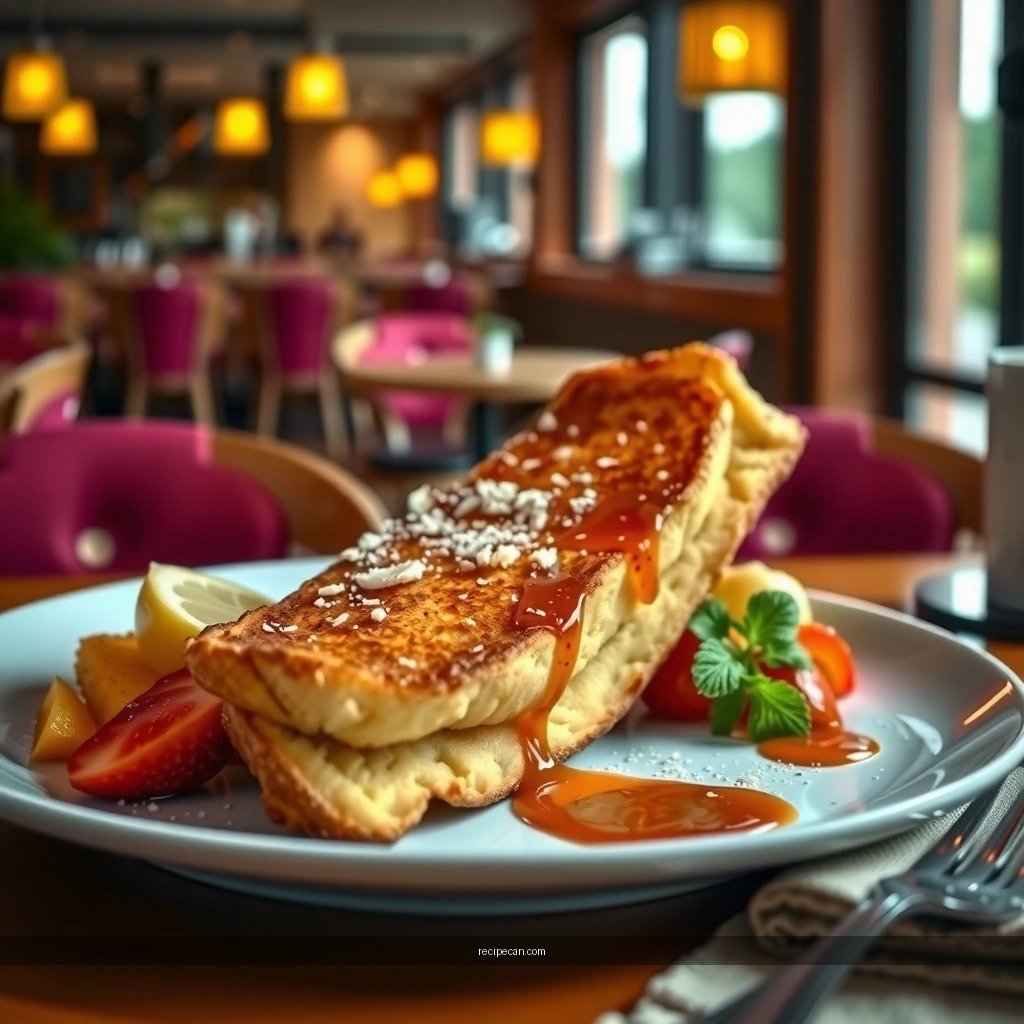
– Whisk eggs and milk until smooth, then add McCormick spices to taste.
– Let the mixture sit briefly so the flavors blend.
The batter is where flavor is engineered. Start by whisking eggs and milk until fully smooth—no streaks of egg white. Then add McCormick spices: cinnamon for warmth, vanilla for aromatic sweetness, and salt to sharpen the overall profile. If you’re using nutmeg, add it now for a custard-like depth.
A key step many cooks skip is letting the custard rest for 3–5 minutes after seasoning. This brief rest hydrates the spices (especially cinnamon) and helps distribute flavor evenly, which improves consistency across each slice.
Professional-style batter workflow
1. Whisk eggs and milk thoroughly (30–45 seconds).
2. Add McCormick cinnamon, vanilla, salt (and nutmeg if using).
3. Taste the batter for seasoning balance—remember that bread will dilute it slightly.
4. Rest 3–5 minutes while you preheat the skillet.
Preheating matters just as much as mixing. Heat your skillet to medium and melt a thin layer of butter; you want it sizzling gently, not smoking aggressively. When the pan is properly warmed, the custard begins setting quickly, which locks in a custardy center without over-browning the outside.
Soak and Cook for Perfect Crisping
– Dip bread slices in the custard, soaking lightly to avoid sogginess.
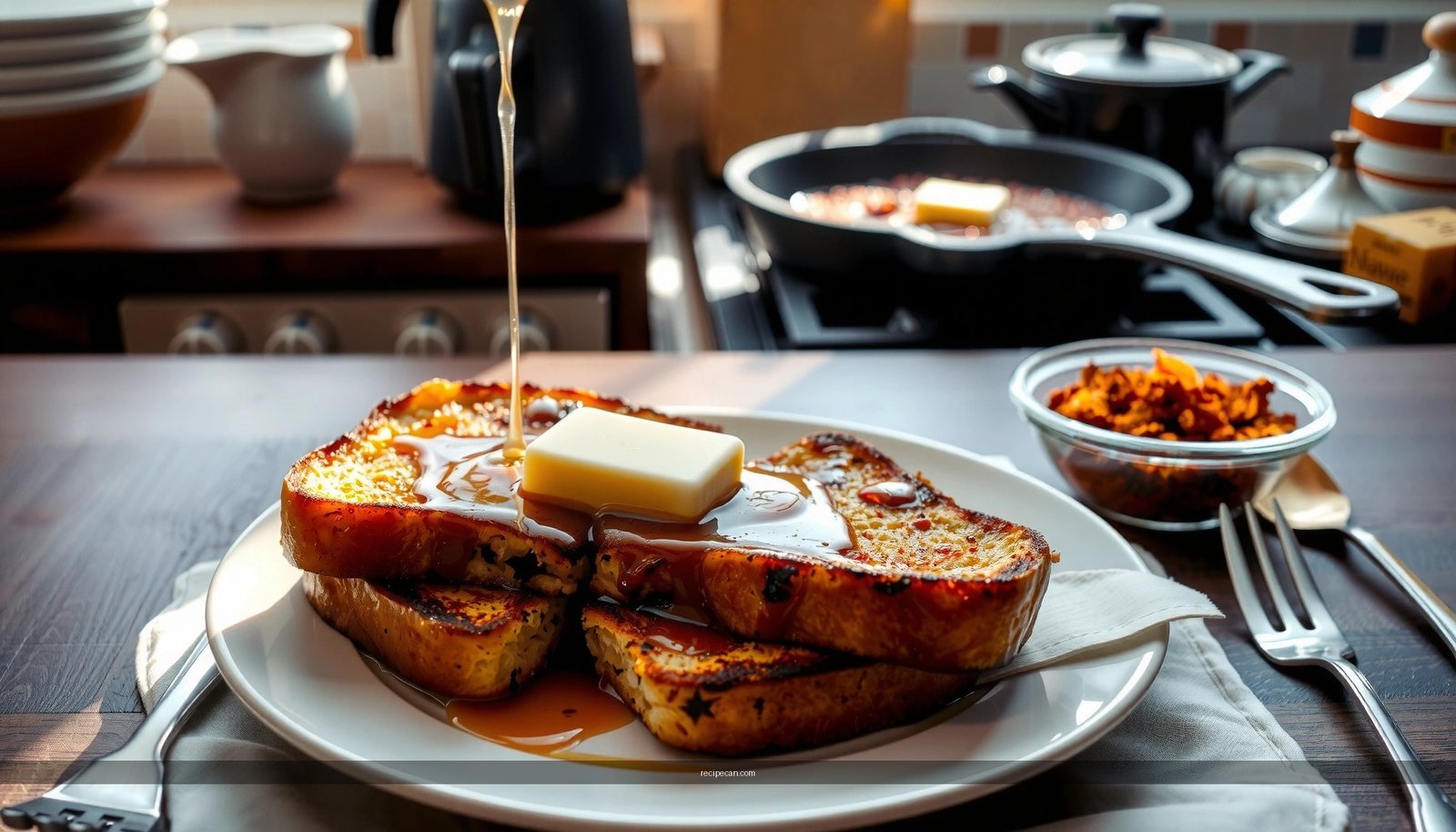
– Cook on a buttered skillet over medium heat until browned on both sides.
For best results, soak with control. You’re aiming for coating and penetration, not soaking until the bread falls apart. Dip each slice for about 10–45 seconds per side depending on bread density, then let excess batter drip back into the bowl. Thicker, richer breads can handle a slightly longer soak; softer sandwich bread needs shorter contact to prevent sogginess.
Then place the bread on the preheated buttered skillet. Resist the urge to press it down—gentle contact is enough. Cook until you see edges turn golden and the surface firms up enough to flip cleanly. Flip once and cook the second side until evenly browned.
How to tell it’s time to flip
– Bottom side has turned a deep golden brown.
– The surface looks slightly set rather than wet.
– The slice releases easily when nudged with a spatula.
If your French toast browns too fast, reduce heat to medium-low. If it browns too slowly, raise heat slightly but keep an eye on the center. Because French toast is an egg-based custard, you’re not only chasing color—you’re also cooking through the custard.
Timing and Temperature Tips
– Keep heat medium to prevent burning while ensuring the center cooks through.
– Flip once when the bottom is golden and set for even browning.
Temperature is the lever behind crisp edges and custardy interiors. Medium heat provides the right balance: the outside browns while the egg custard sets gradually. High heat may color the bread quickly but leave the center undercooked or watery.
Practical timing guidance
– Plan for roughly 2–4 minutes per side depending on bread thickness.
– Cook in batches if needed—overcrowding lowers the pan temperature and produces pale, uneven toast.
Flip strategy
– Flip once when the first side is golden and set.
– Multiple flips cool the pan and can lead to inconsistent browning.
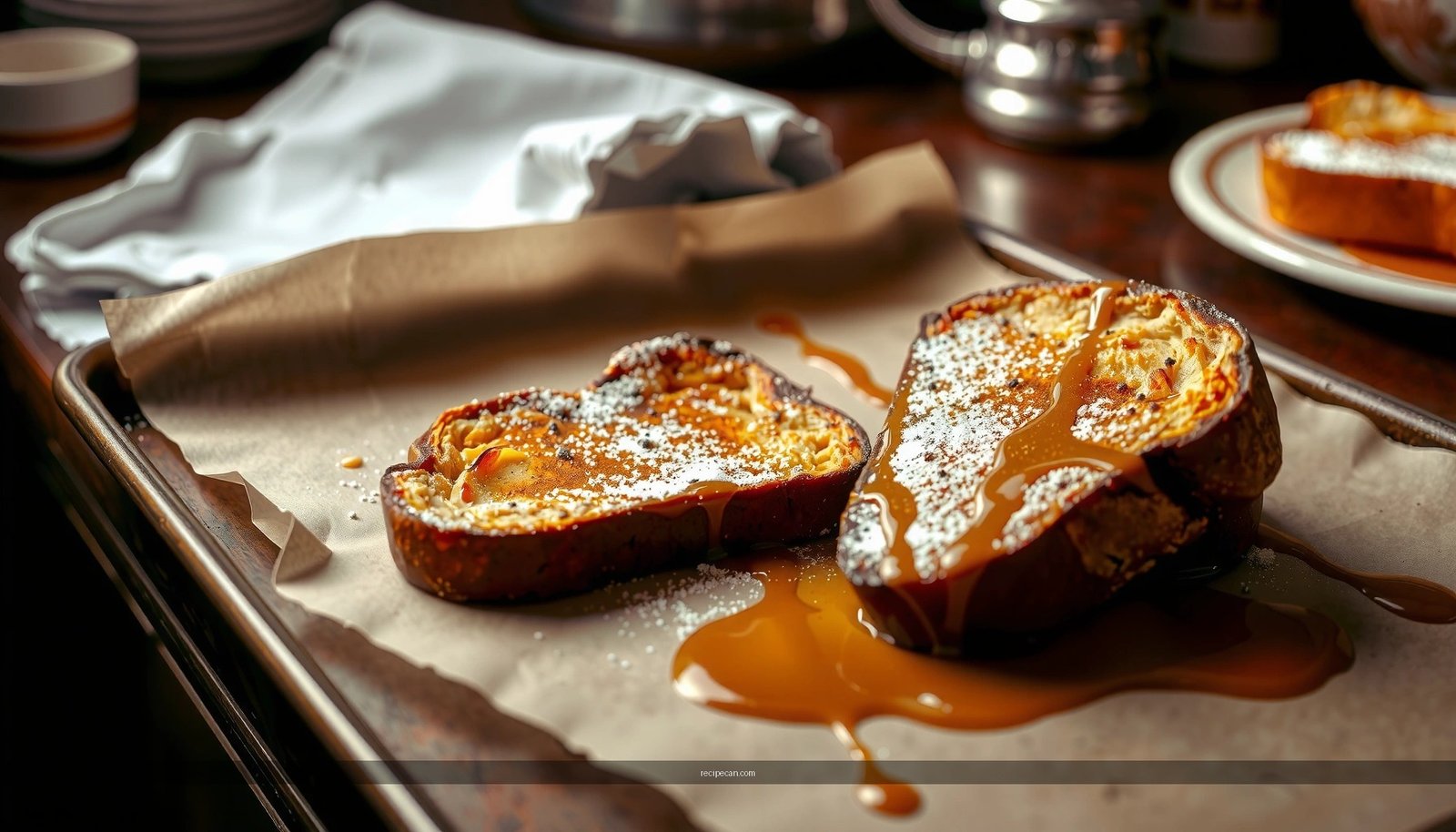
If you’re cooking a larger batch, keep finished slices warm in a low oven (about 200°F / 95°C) on a rack (not directly on a plate) to preserve crispness. This approach is especially helpful for weekend brunch or meal-prep days.
Serving Ideas and Toppings
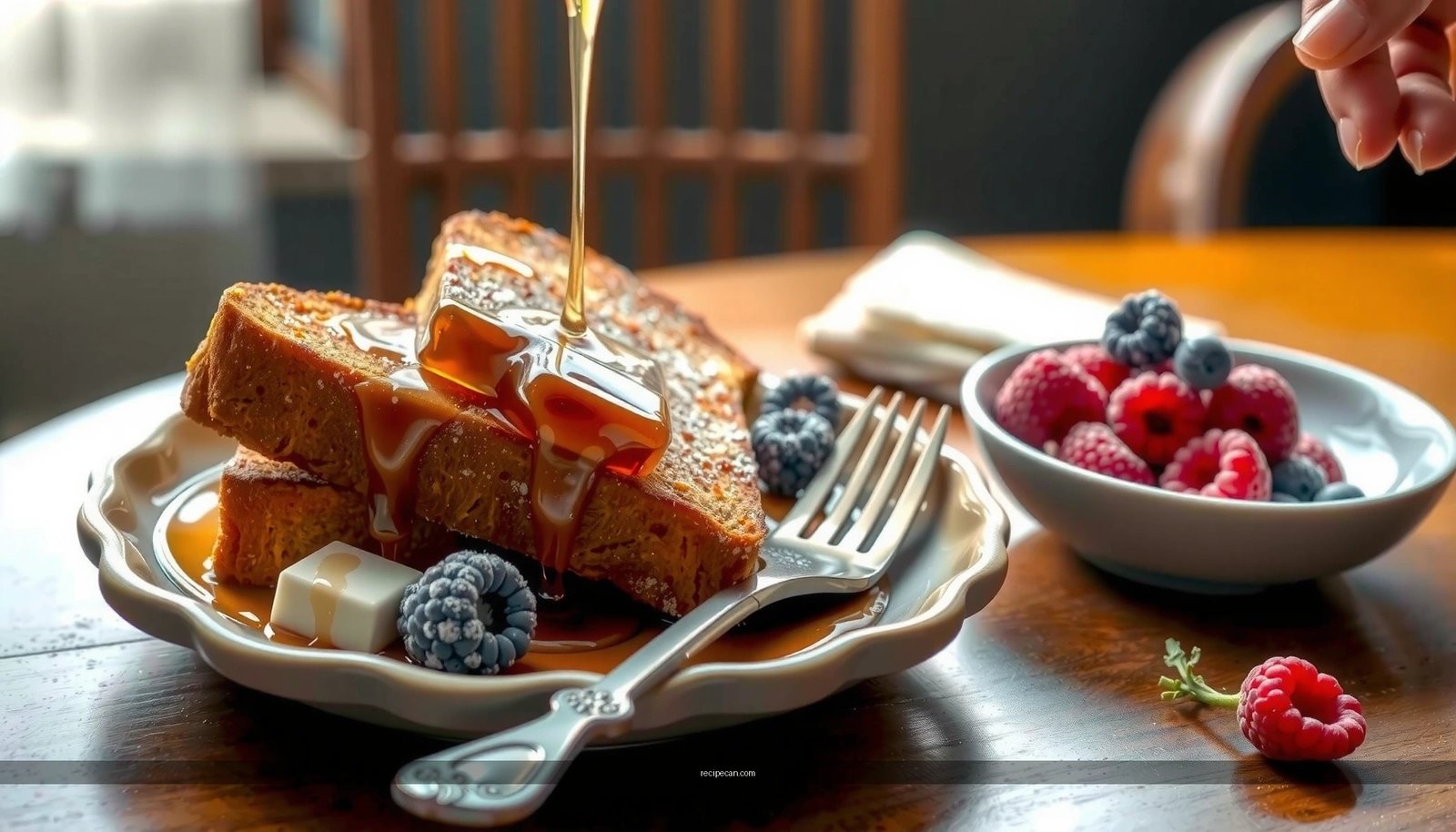
– Serve with maple syrup, powdered sugar, or fresh fruit for classic flavor.
– Add whipped cream or a cinnamon-sugar topping for extra sweetness.
French toast is versatile enough for both classic and elevated flavor profiles. The key is matching toppings to the spice profile in your batter. Since this recipe uses McCormick cinnamon and vanilla, you can lean into warm, familiar flavors.
Classic combinations (high reliability)
– Maple syrup + a pinch of cinnamon
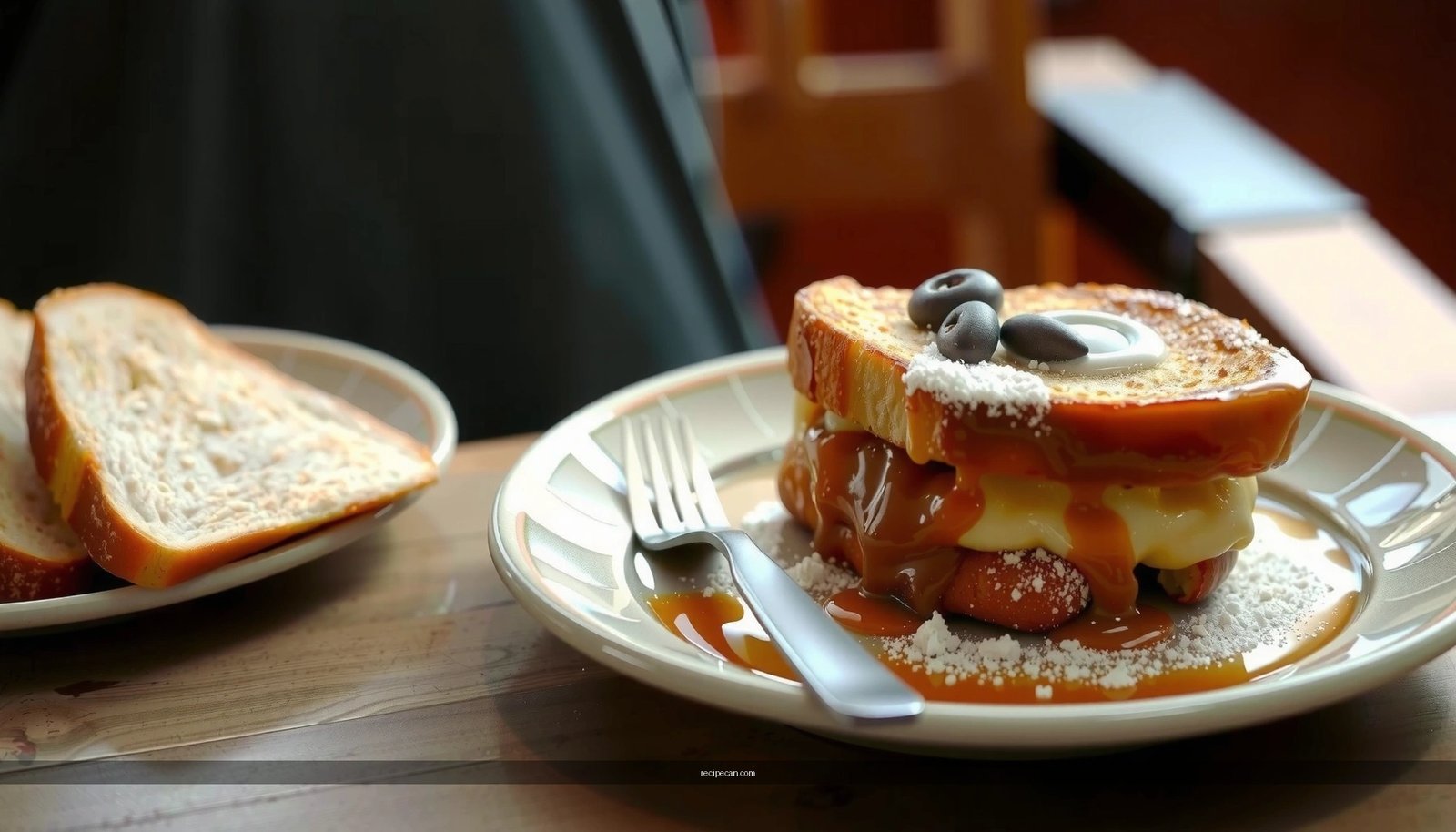
– Powdered sugar for a clean, elegant finish
– Fresh berries (strawberries, blueberries, raspberries) to add brightness and reduce sweetness heaviness
Elevated options (still easy)
– Whipped cream and sliced bananas for a dessert-leaning breakfast
– Cinnamon-sugar blend (especially if you want more “bakery” aroma without changing the base recipe)
– A drizzle of honey plus toasted pecans or walnuts for crunch
For a more “café” feel, consider warming your syrup slightly before serving. Warm syrup clings better and melts into the custardy center.
Storage and Reheating
– Store leftovers in an airtight container in the fridge for up to 2–3 days.
– Reheat in a toaster oven or skillet to restore crisp edges.
French toast can be reheated successfully, but the method matters. The fridge firms up the custard and can soften the crust if reheated improperly. For best texture, use dry heat—think toaster oven or skillet—rather than a microwave alone.
Storage
– Cool French toast completely before sealing in an airtight container.
– Refrigerate for up to 2–3 days.
Reheating methods
– Toaster oven: 350°F / 175°C for about 6–10 minutes (until warmed through and edges regain crispness).
– Skillet: medium-low heat with a light butter touch; warm each side 1–2 minutes.
Microwave note (use sparingly)
Microwaving is fastest, but it often softens the crust. If you do use it, re-crisp afterward in a toaster oven for 1–2 minutes.
<|endoftext|>Frequently Asked Questions
What is the best McCormick French toast recipe for crispy outside and fluffy inside?
The key is using a thick-cut bread and soaking it just long enough so the egg mixture fully penetrates without turning soggy. Mix McCormick cinnamon, a pinch of McCormick nutmeg (optional), eggs, milk, and vanilla, then cook on a preheated skillet with butter until golden brown on both sides. For extra crispiness, let the soaked bread sit 1–2 minutes per side before cooking and avoid overcrowding the pan.
How do you make McCormick French toast with cinnamon that isn’t too sweet?
Start with a modest amount of McCormick cinnamon and balance it by using whole milk or half-and-half plus a little salt to round out the flavor. If you use vanilla, keep the quantity small, and skip added sugar in the custard unless your bread is very plain. Taste the egg mixture before cooking a test slice, then adjust with a little more cinnamon or a pinch of salt as needed.
Why is my McCormick French toast soggy, and how can I fix it?
Soggy French toast usually comes from either oversoaking the bread or cooking at too low a temperature. Dip quickly and let excess custard drip off, and cook on medium-high heat so the exterior sets while the interior stays tender. Using day-old bread (or lightly toasting fresh bread) also helps absorb the McCormick French toast batter without collapsing.
Which McCormick spices pair best with French toast for a classic bakery flavor?
McCormick cinnamon is the cornerstone for traditional French toast flavor, but you can elevate it with nutmeg and a touch of cloves or allspice for warmth. Vanilla extract enhances the “bakery” aroma, while a small pinch of salt makes the spices taste richer and more balanced. If you want a safer option, use cinnamon plus nutmeg and adjust the intensity based on how bold you like your McCormick French toast.
How do you reheat McCormick French toast so it tastes fresh again?
For best results, reheat in a skillet or oven rather than the microwave to keep the crust from going limp. Warm slices in a lightly buttered skillet over low-medium heat for 1–2 minutes per side, or bake at 325°F until heated through. If you batch-make McCormick French toast, cool it on a rack first so it doesn’t steam, then reheat when ready to serve.
References
- French toast
https://en.wikipedia.org/wiki/French_toast - Custard
https://en.wikipedia.org/wiki/Custard - Maillard reaction
https://en.wikipedia.org/wiki/Maillard_reaction - https://en.wikipedia.org/wiki/Egg_(food
https://en.wikipedia.org/wiki/Egg_(food - Cinnamon
https://en.wikipedia.org/wiki/Cinnamon - https://www.britannica.com/food/french-toast
https://www.britannica.com/food/french-toast - Easy French toast recipe | Good Food
https://www.bbcgoodfood.com/recipes/french-toast - Google Scholar Google Scholar
https://scholar.google.com/scholar?q=McCormick+french+toast+recipe - Google Scholar Google Scholar
https://scholar.google.com/scholar?q=french+toast+recipe+egg+custard+technique - Google Scholar Google Scholar
https://scholar.google.com/scholar?q=maillard+reaction+cinnamon+food+chemistry