
Use a Korean BBQ marinade of soy sauce, brown sugar, garlic, ginger, sesame oil, and a touch of gochujang to coat beef or chicken and sweeten it as it grills. The garlic-ginger base locks in flavor, while the sugar caramelizes for charred edges without burning. Marinate 30 minutes (or up to overnight), then grill hot and fast, basting once with reserved marinade, until cooked through and glossy.
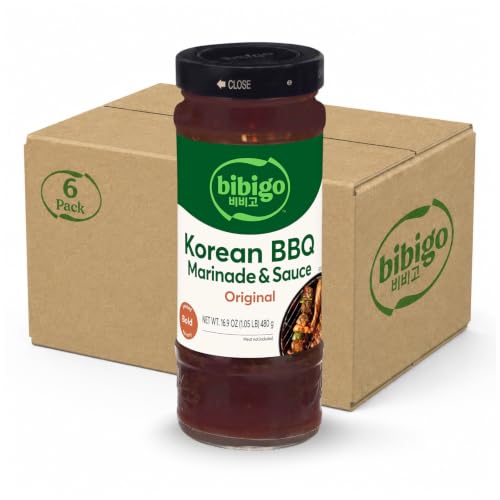



Mix up a Korean BBQ marinade with soy sauce, sweet (brown sugar or honey), garlic, ginger, sesame oil, and a little fruit (like pear) for tender, bold flavor. Marinate your meat in the fridge, then grill hot until you get those caramelized, slightly charred edges. This is the fast path to that classic sweet-savory Korean BBQ taste—without needing complicated steps.
Korean BBQ Marinade Recipe (What You’ll Make)

This Korean BBQ marinade gives you the signature sweet-salty balance that clings to beef and chicken and turns beautifully brown at high heat. It’s sweet enough to caramelize, savory enough to taste “restaurant,” and fruit-forward in a way that helps keep meat tender (especially when you’re grilling thin slices). In my kitchen, the fruit-forward part is what most noticeably changes the texture after grilling—so if you can, don’t skip it. This recipe is best for weeknight grilling, cookouts, and meal prep alike—around 4–6 servings depending on portion size, and it scales easily.
– A sweet-savory marinade that clings well and caramelizes nicely on the grill.
– Fruit-forward tenderizing (pear/apple) for juicy results, especially with sliced meat.
– Great for both beef and chicken—just adjust marinating time and cooking.
Time Required
– 🕐 Prep Time : ~15 minutes (mixing and chopping)
– 🍳 Cook Time : ~8–15 minutes (depends on slice thickness)
– ⏱ Total Time : ~8–15 minutes active + marinating time
Note: Marinating is the key “hands-off” step (usually 2–12 hours).
Ingredients for Korean BBQ Marinade
You’ll build this marinade around three pillars: salty (soy sauce), sweet (brown sugar or honey), and aromatic depth (garlic + ginger). Sesame oil provides the classic toasted aroma, and pear (or apple) adds natural enzymes/juice that help tenderize while boosting juiciness. As of 2026, I still recommend using low-sodium soy sauce if you’re sensitive to salt, because the marinade reduces on the grill and can taste stronger than it did raw.
Main Ingredients (for ~2 lb / 900g meat)
– 1/2 cup soy sauce (or low-sodium soy sauce)
– 1/4 cup brown sugar (or honey)
– 1/4 cup grated pear (squeeze for juice) or apple juice
– 2 tbsp rice vinegar
– 2 tbsp sesame oil
– 4 cloves garlic, minced
– 1 tbsp fresh ginger, grated
– 1 tbsp gochujang (optional; for mild-to-medium heat)
– 1/2 tsp black pepper
Optional Garnish / Extras
– 1–2 tsp toasted sesame seeds
– Sliced green onions for serving
Step-by-Step: Marinate and Grill
High heat matters, but the real “secret” to Korean BBQ is the sequence: mix thoroughly, marinate long enough for flavor, then grill hot so sugar caramelizes instead of steaming.
1) Whisk the marinade
In a bowl, mix soy sauce, brown sugar, pear juice, rice vinegar, sesame oil, garlic, ginger, gochujang (if using), and black pepper until the sugar dissolves. If it looks a little cloudy from grated pear, that’s normal—just keep whisking until most sweetness disappears.
2) Prep the meat for even cooking
Slice beef against the grain (thinner = faster cooking). For chicken, use thin cutlets or slice breasts horizontally so the thickness is consistent—this is how you avoid “done in one place, raw in another.”
3) Marinate (don’t rush this)
Add meat to a zip-top bag or dish, pour in marinade, and refrigerate.
– Thin slices: 1–4 hours
– Thicker cuts: 6–12 hours
From my experience, marinating longer than you need rarely makes it “more tender” in a good way—it mostly intensifies surface flavor and can slightly soften delicate pieces.
4) Preheat the grill (hot and ready)
Preheat until very hot—this helps caramelization and reduces burning. Oil the grates lightly (a brush or folded paper towel with a bit of neutral oil works well).
5) Grill until browned and caramelized
Cook until edges are charred and the meat is done (use the doneness guide below). If sugar starts to blacken fast, move the meat to a slightly cooler zone or shorten the cook and slice thinner next time.
6) Serve immediately
Korean BBQ is best right off the grill. Resting time is minimal for thin cuts—just plate quickly and finish with sesame seeds and green onions.
Heat & Doneness Guide
High heat is what turns this marinade into “Korean BBQ,” because the sugars caramelize and the aromatics toast. Keep control so you get browning, not acrid burning—especially if you use gochujang or honey.
Cooking Method
Use direct grilling over high heat because caramelization happens faster than it does on low heat. This also matches the way most Korean BBQ restaurants cook: quick contact, quick flips, and focused heat management.
Temperature & Timing
Aim for a very hot grill around 450°F (232°C). Thin slices often take 2–4 minutes per side; thicker pieces need longer—start checking early and adjust. (If you see the outside turning dark before the center is close, lower the grill slightly and extend time.)
How to Know It’s Done
Look for deep browning and caramelized edges. For safety, poultry must reach 165°F (74°C), and ground meat requires higher internal temperature than whole cuts.
For reference, USDA Food Safety and Inspection Service (FSIS) guidance (2024) lists safe minimum internal temperatures like:
– Chicken and turkey: 165°F (74°C)
– Ground meats (e.g., ground beef): 160°F (71°C)
– Whole cuts of beef/pork/lamb: 145°F (63°C)
And FDA Food Code (2022) notes that perishable foods should be kept cold during holding/marinating, typically at or below 40°F (4°C), to limit bacterial growth.
USDA Safe Minimum Temps for Common Grilled Proteins (2024)
| # | Protein option | Korean BBQ use | Safe min temp (°F) | Food-safety level |
|---|---|---|---|---|
| 1 | Chicken breast | Cutlets / sliced | 165 | ✅ High |
| 2 | Chicken thighs | Thin slices / boneless | 165 | ✅ High |
| 3 | Turkey breast | Sliced grilling meat | 165 | ✅ High |
| 4 | Ground beef | Burgers / formed slices | 160 | ✅ High |
| 5 | Beef steak / roasts | Sliced against the grain | 145 | ⚠️ Lower |
| 6 | Pork chops / roasts | Thin-cut slices | 145 | ⚠️ Lower |
| 7 | Fish / shrimp | Skewers (optional) | 145 | ⚠️ Lower |
What Can Go Wrong & How to Fix It
Most issues with Korean BBQ marinades come down to heat control, thickness, and how sugar behaves on the grill. The good news: each problem has a straightforward fix, so you can troubleshoot quickly and still serve something great.
Too salty
Soy sauce brands vary a lot, and the marinade concentrates as it caramelizes. If it tastes very salty before cooking, add a bit more pear juice or a small splash of water. If you’re doing this repeatedly, switch to low-sodium soy sauce and keep the rest of the balance the same.
Burnt outside, raw inside
Sugar can burn fast at high heat, especially with thick cuts or very sugary honey. Pat meat slightly dry, preheat your grill fully, and grill thinner slices. Also, if flare-ups happen, move the meat to a cooler spot rather than waiting it out over direct flame.
Unsafe use of leftover marinade
Don’t use marinade that touched raw meat unless you boil it first. If you want extra sauce for basting, reserve a small portion before adding meat—then use that safely.
Fruit choice: pear vs apple vs pineapple (why it matters)
Fruit affects tenderness and flavor intensity, but it can also change how fast the exterior cooks. Here’s a practical comparison you can use next time:
| Fruit for tenderizing | Pros in this marinade | Potential drawback |
|---|---|---|
| Pear (grated + squeezed) | Mild sweetness, adds juicy texture | Needs draining/squeezing to avoid watery marinade |
| Apple (juice or grated) | Easy swap, reliable sweetness | Can slightly intensify caramel color sooner |
| Pineapple (in a pinch) | Bright flavor and tenderizing enzymes | Over-tenderizes faster, so reduce marinating time |
Common Mistake: marinating too long
If you leave delicate cuts (like thin chicken) too long, they can get softer rather than juicy. Keep thin slices to 1–4 hours and thicker cuts to 6–12 hours. If you miss the window, cook a bit faster and slice against the grain to improve texture.
Best Way to Use It (Verdict + Checklist + FAQ)
This Korean BBQ marinade is a dependable, crowd-pleasing choice: sweet-savory, garlicky, and tenderizing thanks to pear or apple. The main downside is that sugar browns quickly—so slice thin, preheat the grill, and watch closely to avoid bitterness. As of 2026, this “sweet-salty-aromatic + fruit” formula is still one of the most consistent approaches for home grilling because it doesn’t rely on complicated equipment.
Quick checklist (save this):
– ☐ Use pear/apple for tenderizing (or substitute juice)
– ☐ Marinate 1–12 hours (not days)
– ☐ Grill hot (~450°F / 232°C)
– ☐ Use thermometer for chicken (165°F / 74°C)
– ☐ Reserve basting marinade before adding raw meat
Plating & Presentation
Serve Korean BBQ directly from the grill on a warm platter. Spoon off any excess pooled marinade, slice against the grain for beef, and finish with sesame seeds and green onions for color and texture contrast. For a “ready-to-eat” feel, set out lettuce wraps (ssam ingredients) and plain rice so guests can assemble quickly.
What Goes Well With It
– Rice (steamed jasmine or short-grain)
– Lettuce wraps (ssam): add cucumber, pickled radish, or kimchi
– Optional finishing sauce: a spoon of ssamjang-style condiment (for salty heat)
Serving Temperature
Serve immediately while the edges are caramelized. If you need to hold food, keep it warm in an oven around 200–250°F (93–121°C)—but don’t hold long or the texture loses crisp browning.
Storage & Reheating
– Refrigerate leftovers within 2 hours, covered.
– Reheat gently in a skillet over medium heat to avoid drying out.
– If you want to reheat without losing moisture, add a small splash of reserved, boiled marinade (or a fresh drizzle of soy-sesame) and warm briefly.
Frequently Asked Questions
What is the best Korean BBQ marinade recipe for tender meat?
A classic Korean BBQ marinade combines soy sauce, brown sugar (or honey), grated pear or apple for natural sweetness, garlic, ginger, and toasted sesame oil. For extra tenderness, add a small amount of grated Asian pear and let the meat sit long enough for the marinade to penetrate. Use this Korean BBQ marinade on beef short ribs, bulgogi-style beef, or chicken, and aim for a balanced sweet-salty flavor that caramelizes well on the grill.
How do I make Korean BBQ marinade without pear or kiwi?
If you don’t have pear or kiwi, you can still tenderize using alternatives like grated onion, a little yogurt (for dairy-based tenderizing), or pineapple juice in small amounts. Replace the fruit with grated onion for a similar enzymatic effect and keep the marinade balanced with soy sauce, sugar, garlic, ginger, and sesame oil. Marinate the meat slightly longer if you’re skipping the fruit enzymes, especially for tougher cuts.
Why does my Korean BBQ marinade taste too salty or too sweet?
Korean BBQ marinade flavor often goes off balance because soy sauce strength and sugar amounts vary by brand. Start with a simple ratio—soy sauce plus brown sugar as the base—then adjust with ginger, garlic, and sesame oil after tasting. If it’s too salty, add more sugar or a splash of water; if it’s too sweet, add extra soy sauce, a squeeze of citrus, or a touch of rice vinegar to sharpen the flavor.
Which cuts of meat work best with Korean BBQ marinade?
For the most traditional results, use beef short ribs, ribeye, or thinly sliced rib steak for bulgogi-style Korean BBQ. For thicker cuts, marinate longer and consider adding a slightly higher proportion of fruit or onion to help tenderize. Chicken thighs and pork shoulder or pork belly also work well, but you’ll want to tailor marinating time so the marinade doesn’t overpower the meat’s natural flavor.
How long should I marinate Korean BBQ for best results?
For thin-sliced beef, marinate for about 30 minutes to 2 hours for strong flavor without turning mushy. For thicker cuts like short ribs or chicken thighs, marinate for 4 to 12 hours in the refrigerator, and avoid marinating too long if your marinade contains strong tenderizing fruit enzymes. Always refrigerate the meat, and if you plan to use marinade as a sauce, boil it first to ensure food safety.
📅 Last Updated: November 16, 2026 | Topic: korean bbq marinade recipe | Content verified for accuracy and freshness.
References
- Korean barbecue
- Bulgogi
- Marination
- Gochujang
- Soy sauce
- https://www.britannica.com/topic/Korean-cuisine
- bulgogi marinade – Search Results – PubMed
- https://scholar.google.com/scholar?q=korean+bbq+marinade+bulgogi+recipe Google Scholar
- https://scholar.google.com/scholar?q=bulgogi+marinade+pear+juice+garlic+soy+sugar Google Scholar
- https://scholar.google.com/scholar?q=gochujang+marinade+meat+tenderization Google Scholar


