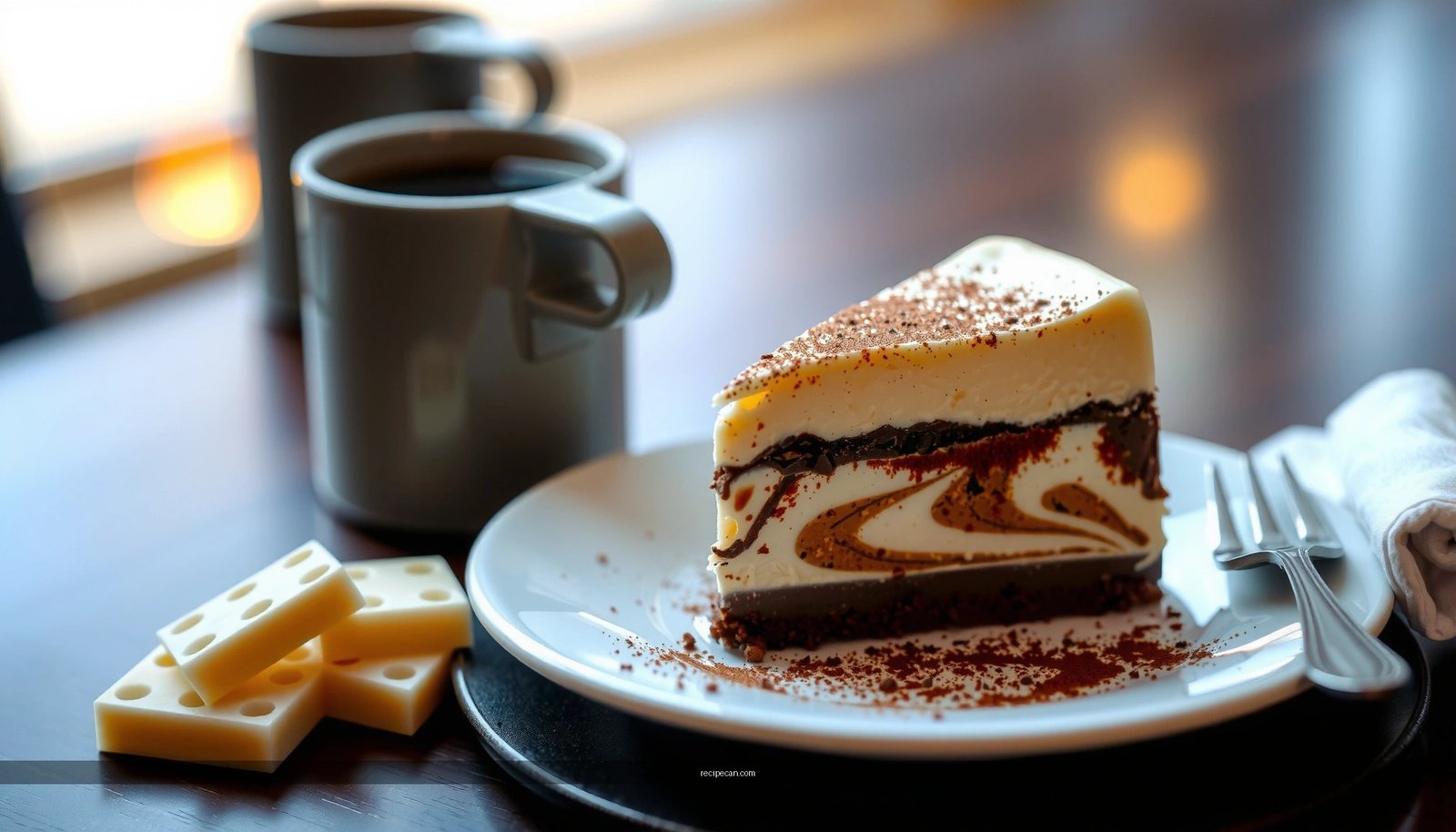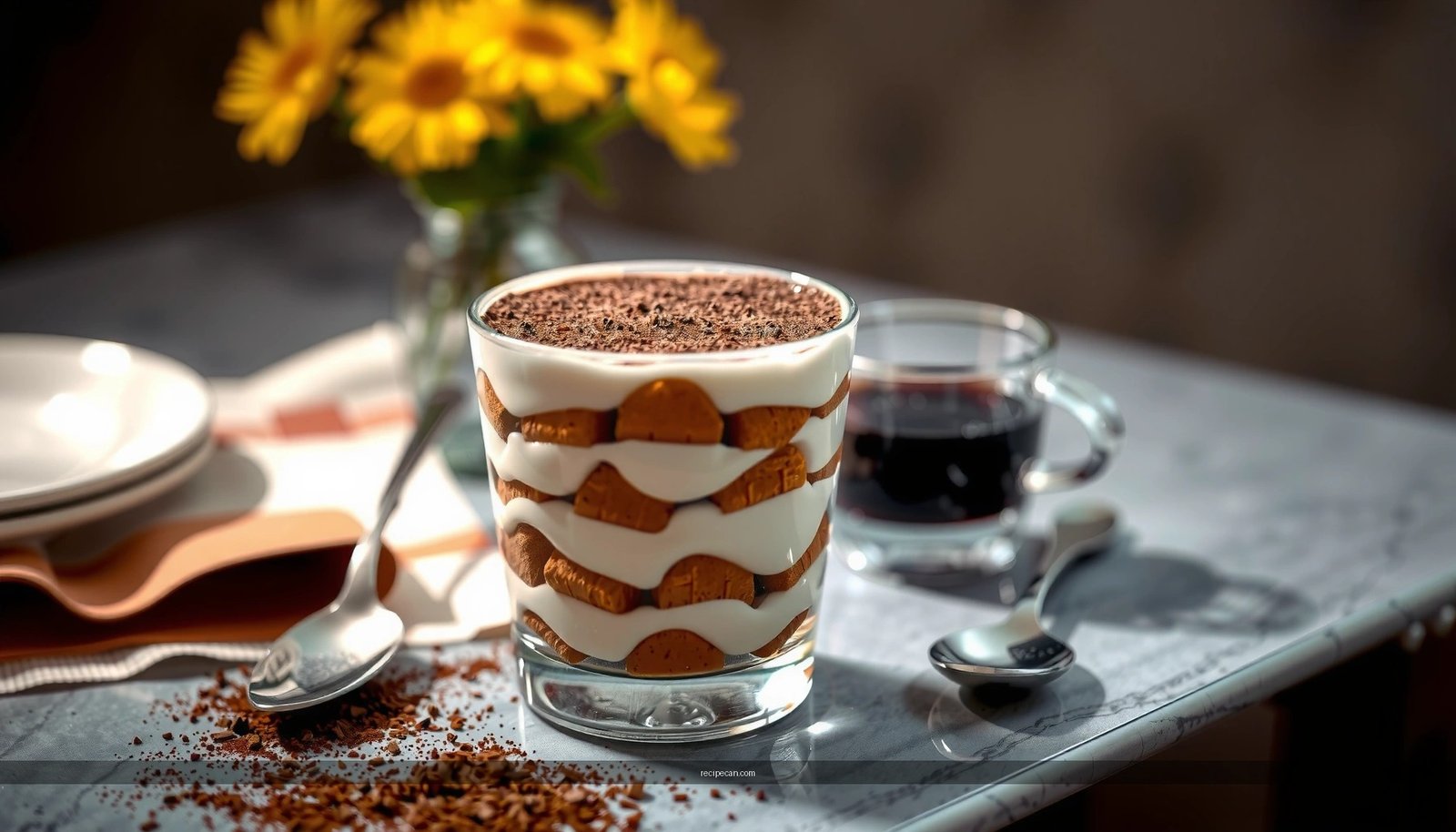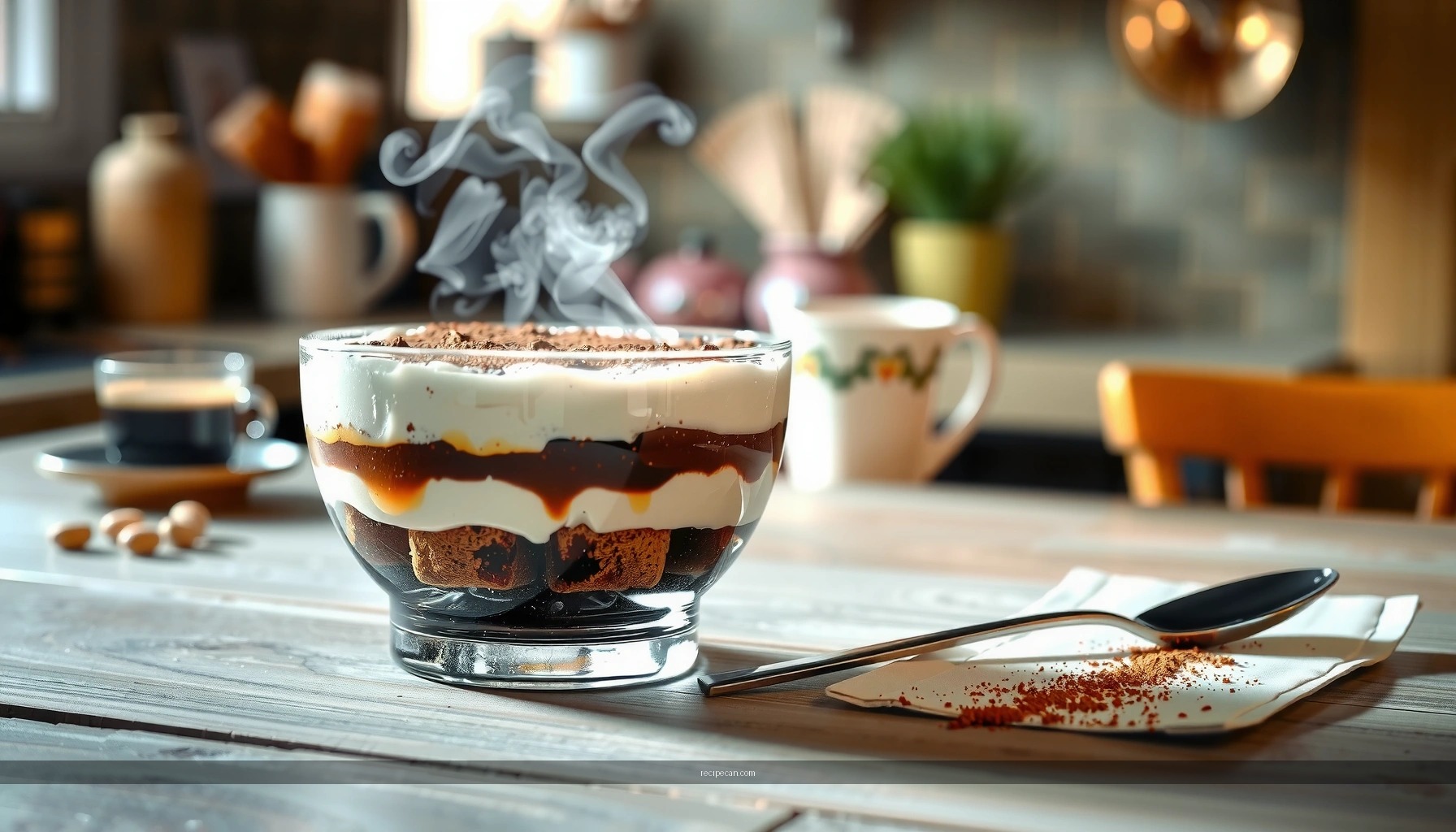
This easy tiramisu dessert recipe delivers the creamy classic you want with simple, foolproof steps—no fancy technique required. You’ll learn exactly how to layer espresso-soaked ladyfingers with mascarpone cream, then chill it to set the texture and deepen the flavor. If you’re searching for a straightforward way to make tiramisu at home that tastes like the real deal, this is the quickest path.
Make creamy tiramisu at home with straightforward steps: brief ladyfinger dipping, a smooth mascarpone cream, and a proper chill time. This recipe keeps the process efficient—no complicated techniques—so you can assemble a classic espresso-flavored dessert that slices cleanly and tastes even better the next day.
Easy Ingredients for Tiramisu Dessert
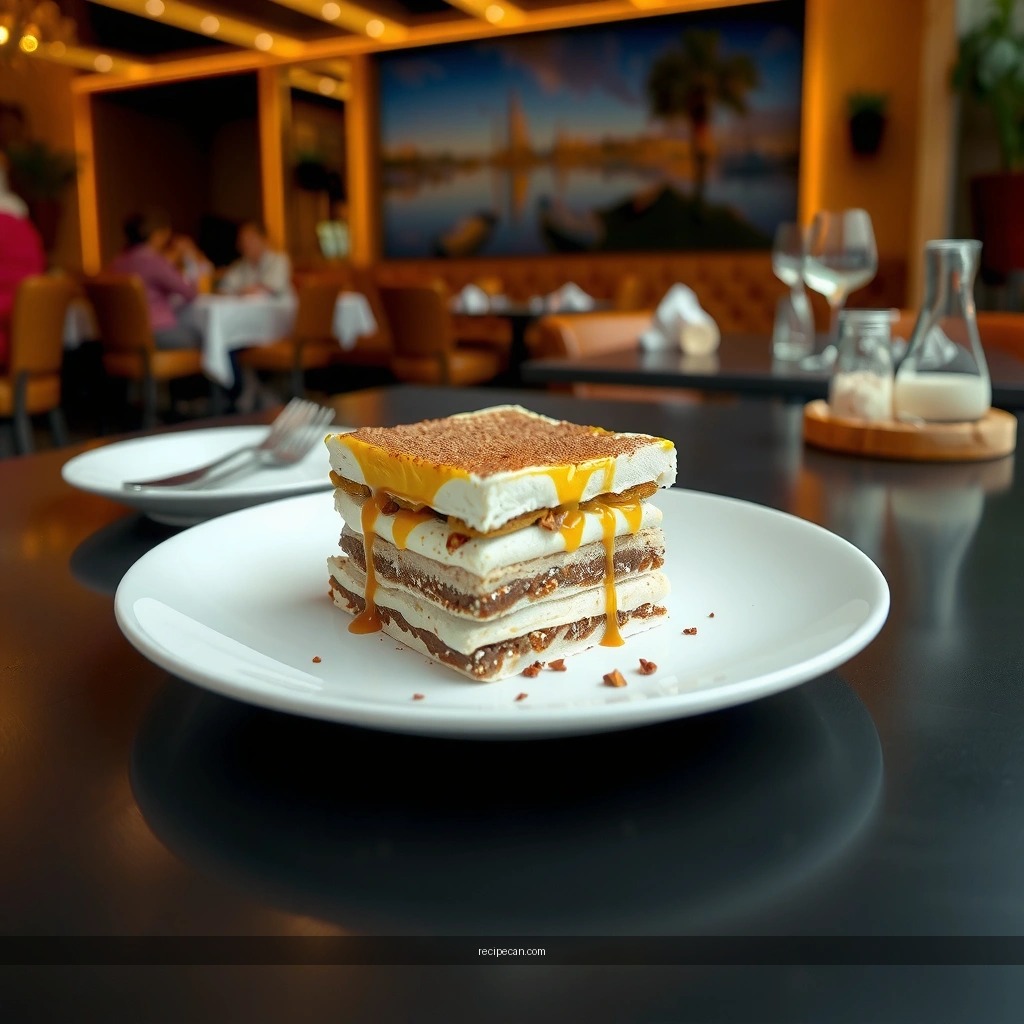
Tiramisu is essentially three components working together: espresso (or strong coffee) flavor, mascarpone-based cream, and cocoa finishing. The good news for a beginner-friendly tiramisu dessert recipe is that you don’t need exotic ingredients—just the right balances.
– Mascarpone: The star dairy. Choose a full-fat mascarpone for a stable, luxurious texture.
– Espresso or strong coffee: Use freshly brewed espresso if possible; otherwise, strong coffee works beautifully.
– Ladyfingers: They absorb coffee quickly. Savoiardi-style ladyfingers are the classic choice.
– Cocoa powder: Use unsweetened cocoa for the authentic bitter-sweet finish.
Optional (depending on your style and comfort level):
– Egg-based version (traditional feel): Some recipes use eggs for a richer, lighter cream.
– Eggless option (simpler handling): Many modern recipes skip eggs while keeping the cream stable and spreadable.
Simple pantry add-ins:
– Sugar (for sweetness and balancing coffee bitterness)
– Vanilla (optional but recommended for warmth and aroma)
– Pinch of salt (helps the mascarpone flavor “pop”)
For a business-like approach to quality control, it helps to think in “functions” rather than ingredients: coffee provides intensity, mascarpone provides body, ladyfingers provide structure, and cocoa provides contrast. When you treat the recipe like a set of controllable variables, success becomes repeatable.
Quick Prep: Make the Coffee Soak

The coffee soak is where many home cooks accidentally ruin texture—usually by soaking too long. For a creamy tiramisu experience, your goal is *quick contact*, not saturation.
– Brew strong espresso/coffee and let it cool slightly (warm coffee can melt fat and soften the cream prematurely).
– Optional alcohol: A small splash of Marsala, dark rum, or coffee liqueur can deepen flavor. If you’re serving kids or prefer alcohol-free, simply omit it.
– Keep it lightly soaked:
– Dip each ladyfinger quickly (think 1–2 seconds per side).
– You want the surface moistened but the center still holding structure.
– If the ladyfinger starts to fall apart instantly, your coffee is too hot or your dipping time is too long.
A practical benchmark: after dipping, the ladyfingers should look slightly darkened and glossy, not limp and swollen. That brief soak is the difference between “classic creamy layers” and “coffee pudding.”
Coffee Strength Guide for a Balanced Tiramisu Soak
| # | Coffee Method | Typical Strength | Best Use in Tiramisu | Serving Match |
|---|---|---|---|---|
| 1 | Espresso (single shot) | ~6–9 g dose | Classic intensity | ★★★★★ |
| 2 | Espresso lungo | ~30–45 ml | Slightly softer bite | ★★★★☆ |
| 3 | Moka pot (3-cup) | High extraction | Rich flavor base | ★★★★☆ |
| 4 | Aeropress (inverted, strong) | ~1:6 brew ratio | Controlled strength | ★★★★☆ |
| 5 | Stovetop strong coffee | Extra grounds | Budget-friendly option | ★★★☆☆ |
| 6 | Cold brew concentrate | Concentrated | No-hot-needed convenience | ★★★★☆ |
| 7 | Instant espresso powder | Fast reconstitution | Time-saving backup | ★★★☆☆ |
Whip the Tiramisu Cream

Your cream should be smooth, thick, and spreadable—not runny. A stable mascarpone mixture ensures the dessert holds shape when you slice it.
Eggless approach (simpler and fast):
– Blend mascarpone with sugar (and vanilla if using) until smooth.
– Scrape the bowl thoroughly to eliminate graininess from sugar.
– If the mixture feels too stiff, loosen it slightly with a teaspoon of cold coffee—just enough to keep it spreadable.
Egg-based approach (for a more traditional texture):
– Use whipped eggs (typically whipped whites, folded carefully) or a yolk-and-whites structure depending on your method.
– The key process control is gentle folding:
– Stir to combine thoroughly, then switch to folding to preserve air bubbles.
– Overmixing will deflate the texture and make it denser than you want.
Regardless of method, use the same operational rule: stop mixing once the cream is uniform and glossy. Overwhipping mascarpone can make it grainy or overly stiff, which makes layer assembly harder and can lead to uneven texture.
Assemble the Easy Tiramisu Dessert
Assembly is the moment where technique becomes “product outcome.” The goal is to create distinct layers that don’t collapse and don’t turn soggy.
– Dip ladyfingers briefly, then layer in a dish:
– Dip quickly, then place immediately.
– Work methodically so your coffee doesn’t cool too far or evaporate.
– Spread mascarpone cream evenly over the first layer:
– Use an offset spatula for consistency.
– Spread to the edges for clean slices later.
– Repeat layers:
– Typically 2–3 layers depending on your pan size.
– Finish with cocoa powder on top:
– Sift cocoa for a fine, even coating.
– Add cocoa at the end so it stays crisp rather than melting into the cream.
If you want the cleanest results, chill the assembled dessert for a short window (even 15–30 minutes) before the final cocoa finish—this firms the top layer and makes the cocoa sit beautifully.
Chill Time for Best Flavor
Chilling isn’t optional for tiramisu; it’s the “setting stage.” During refrigeration, the ladyfingers absorb coffee evenly while the cream firms into a cohesive sliceable structure.
– Refrigerate at least 4 hours: Minimum for flavor melding.
– Overnight is even better: Coffee distributes more consistently, and the mascarpone flavor becomes more integrated.
– Cover well:
– Prevents fridge odors.
– Avoids surface drying, which can create a slightly dull or grainy top layer.
– Slice and serve cold:
– For perfect portions, wipe your knife between cuts.
A useful operational tip: if your household tends to open the fridge frequently, keep it covered and avoid stacking heavy items on top of the container. Temperature stability helps protect texture—especially if you use an eggless version that relies on chilled fat structure.
Easy Tips and Variations
Once the core method is mastered, variations let you customize without risking the structure.
Time-saving upgrades:
– Use store-bought espresso concentrate when you’re short on time.
– Dilute concentrate to taste so the soak remains balanced (too strong can overpower mascarpone; too weak can taste watery).
Flavor expansions:
– Cocoa + chocolate shavings for a richer finish.
– Coffee drizzle topping just before serving for a “fresh coffee aroma” effect.
– Add a tiny pinch of cinnamon to the cocoa for a warm, dessert-like complexity.
Diet and convenience:
– Make an eggless version for simpler prep and handling.
– If serving a crowd, label the topping choices (e.g., “extra cocoa” or “alcohol-free coffee”) so guests can choose confidently.
The strategic takeaway: keep the layer mechanics the same (brief dipping, even cream distribution, thorough chilling), then vary flavor with toppings and soak enhancements rather than changing the structural components midstream.
Tiramisu dessert is easiest when you focus on quick assembly, brief ladyfingers dipping, and enough chilling time for the flavors to set. Follow these simple steps, choose your preferred cream method, and serve your creamy classic chilled—then try a variation next time.
Frequently Asked Questions
What is the easiest tiramisu recipe without eggs?
An easy egg-free tiramisu recipe typically uses mascarpone mixed with whipped cream (or sweetened Greek yogurt) plus coffee-soaked ladyfingers. Combine mascarpone and sugar, fold in whipped cream for a light, creamy texture, then layer with espresso-dipped ladyfingers and a cocoa dusting. This approach skips tempering eggs and still delivers classic tiramisu flavor with less risk and effort.
How do I make tiramisu quickly using store-bought ingredients?
To make tiramisu dessert faster, use store-bought mascarpone and pre-packaged ladyfingers, and brew strong espresso or instant espresso for the coffee mixture. Quickly dip each ladyfinger for 1–2 seconds (don’t soak too long) and assemble in a dish in layers of coffee-soaked cookies and mascarpone cream. Chill at least 4–6 hours so the easy tiramisu sets and the flavors meld.
Why does my tiramisu turn watery, and how can I prevent it?
Watery tiramisu usually happens when ladyfingers are soaked too long or when the mascarpone mixture is too loose. Dip each ladyfinger briefly—just enough to coat—then drain off excess coffee before layering. For a stable dessert, whip cream to soft peaks before folding into mascarpone, and keep the mixture chilled until assembly.
What type of coffee is best for an easy tiramisu?
The best coffee for tiramisu dessert is strong espresso or a dark, bold coffee you can brew into a concentrated shot. If you don’t have espresso, use instant espresso granules dissolved in hot water to create a similar intensity. For added depth, some people mix in a small splash of coffee liqueur, but it’s optional for a classic yet easy tiramisu recipe.
Which mascarpone substitute works best if I can’t find mascarpone?
If you can’t find mascarpone, the closest substitute for an easy tiramisu recipe is full-fat cream cheese softened and blended until smooth. You can also use mascarpone-style dairy alternatives, but choose ones that are thick and creamy to avoid runny layers. For best results, sweeten and whip your substitute lightly so the tiramisu cream holds its shape and stays scoopable after chilling.
References
- Tiramisu
https://en.wikipedia.org/wiki/Tiramisu - Mascarpone
https://en.wikipedia.org/wiki/Mascarpone - Ladyfingers (biscuits)
https://en.wikipedia.org/wiki/Savoiardi - Espresso
https://en.wikipedia.org/wiki/Espresso - Custard
https://en.wikipedia.org/wiki/Custard - https://en.wikipedia.org/wiki/Ladyfinger_(biscuit
https://en.wikipedia.org/wiki/Ladyfinger_(biscuit - Tiramisu | Meaning, Ingredients, Origin, Desserts, & Taste | Britannica
https://www.britannica.com/topic/tiramisu - Google Scholar Google Scholar
https://scholar.google.com/scholar?q=easy+tiramisu+recipe - Google Scholar Google Scholar
https://scholar.google.com/scholar?q=mascarpone+cream+tiramis%C3%B9+egg+safety+food+science - Google Scholar Google Scholar
https://scholar.google.com/scholar?q=savoiardi+ladyfingers+tiramis%C3%B9+espresso+coffee+soaking