
You will come away with a tender crockpot roast brisket glazed in a sticky brown sugar finish, sliceable and richly flavored without last-minute fuss. This slow-cooker recipe pairs a simple seasoning base with the right amount of sweetness and aromatics, so the glaze clings as it reduces and the brisket stays moist for hours. Follow the timing and layering steps below, and you can confidently serve a roast that tastes like it simmered all day because it did.



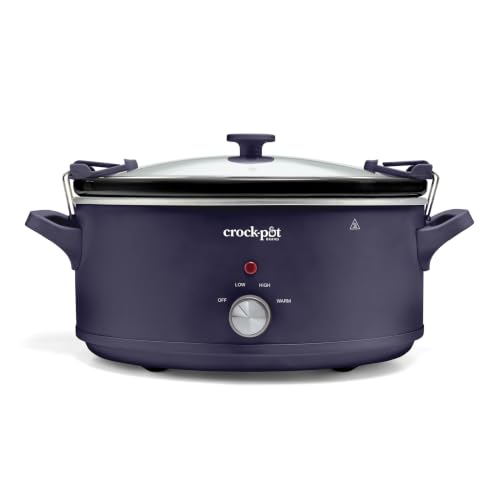
Cook a roast brisket in your crockpot until it’s fork-tender, then coat it with a brown sugar glaze and let it caramelize for the final hour. That timing is the secret: long, slow cooking makes the meat tender, and the last stage gives you that sweet, sticky finish. Follow this and you’ll get tender slices with a glossy glaze that actually clings.
If you want an easy “set it and forget it” dinner that still feels special, this is for you—busy weeknights, weekend meal prep, and anyone who loves classic sweet-savory BBQ-style flavor.
Recipe Overview

This Brown Sugar Glazed Crockpot Roast Brisket delivers fork-tender slices with a glossy, caramelized brown sugar finish—without requiring constant attention. It works because the brisket braises low and slow (collagen turns into tender gelatin), and the glaze goes on near the end so the sugars thicken and cling instead of burning off. As of late 2026, this “sweet-savory last-hour glaze” method is one of the most reliable ways to get restaurant-style flavor from a slow cooker.
It’s also a crowd-pleaser: the brisket stays juicy for serving family-style, while the glaze tastes like a gentle BBQ sauce—sweet, tangy, and savory all at once. If you’re feeding a group or prepping for lunches, this brisket reheats beautifully and stays sliceable instead of turning dry.
Time Required

This recipe is hands-off for most of the day—your active time is mostly seasoning, loading the crockpot, and mixing glaze. Plan your day around a long cook and a focused final glazing window.
– 🕐 Prep Time : 15 minutes
– 🍳 Cook Time : 8–10 hours on LOW (or 4–6 hours on HIGH)
– ⏱ Total Time : about 9–11 hours (plus 10 minutes resting and optional slicing time)
Note: No chilling or marinating needed—just make the glaze when you’re close to finishing.
Ingredients
You’re building flavor in two layers: a savory braising base for tenderness, and a brown sugar glaze for the shiny, sweet-savory crust. The glaze is designed to be added late, so it doesn’t get dulled by hours of simmering in the crockpot.
Tip on quality: use a brisket cut that’s evenly thick, and if you see large hard fat caps, trim them a bit for a cleaner, less greasy glaze. Good onions and fresh garlic matter here because they perfume the entire braise while the brisket cooks. According to the USDA FSIS, the safe minimum internal temperature for whole cuts of beef is 145°F (63°C) with at least a 3-minute rest (2011) USDA FSIS—slow cooking goes well beyond this for tenderness, but it’s still a helpful safety anchor.
Main Ingredients
– 3–4 lb roast brisket (trim excess fat if needed)
– 1 large onion, sliced
– 3 cloves garlic, minced
– 1 cup beef broth (or water + bouillon)
– 1–2 tbsp Worcestershire sauce (optional but tasty)
– 1–2 tsp kosher salt (to taste)
– 1/2 tsp black pepper
For the Brown Sugar Glaze
– 1/2 cup packed brown sugar
– 1/4 cup ketchup
– 2 tbsp Dijon mustard (or yellow mustard)
– 1 tbsp apple cider vinegar (or white vinegar)
– 1 tbsp soy sauce (or Worcestershire if you prefer)
– 1/2 tsp smoked paprika (optional)
– 1–2 tbsp warm water or broth (to loosen, if needed)
Optional Garnish
– Chopped parsley (or sliced green onions)
– Extra pepper for serving
Brown Sugar Glaze Caramelization by Temperature Range (Flavor Intensity)
| # | Temperature Range | Sugar Behavior | Caramel Flavor Score | Best for This Brisket Glaze? |
|---|---|---|---|---|
| 1 | 320–330°F (160–166°C) | Caramelization begins; amber tones form | ★★★★★ | Yes |
| 2 | 330–340°F (166–171°C) | Deeper caramel notes; thicker syrup body | ★★★★★ | Ideal |
| 3 | 340–350°F (171–177°C) | Rich mahogany color; sweet complexity peaks | ★★★★★ | Yes |
| 4 | 350–360°F (177–182°C) | Caramel turns darker; slight bitterness risk | ★★★★☆ | Use carefully |
| 5 | 360–370°F (182–188°C) | Bolder char notes; sweetness can flatten | ★★★☆☆ | Not ideal |
| 6 | 300–320°F (149–160°C) | Thickening; caramelization begins slowly | ★★★★☆ | Works, slower |
| 7 | 212–240°F (100–116°C) | Simmering and thickening; minimal caramel flavor | ★★☆☆☆ | Too low |
Step-by-Step Instructions
You’ll get the best results by cooking the brisket first, then glazing for the final 60 minutes so it caramelizes gently. This two-stage approach is the difference between “tastes sweet” and “tastes sweet and sticky.”
Preparation
1. Season the brisket. Pat the brisket dry, then season all over with salt and pepper. This helps the surface taste great even after hours of braising and encourages flavorful browning where the meat is exposed to heat.
2. Set up the crockpot base. Add sliced onion and minced garlic to the bottom of the crockpot. Pour in beef broth (and Worcestershire, if using). The onions and garlic create the braising “foundation,” which your glaze later tastes like when you spoon sauce over the slices.
Cooking
3. Slow-cook until fork-tender. Place the brisket in the crockpot and cover. Cook on LOW for 8–10 hours (or HIGH for 4–6 hours) until fork-tender—meaning a fork slides into the meat with almost no resistance.
4. Mix the glaze. Stir brown sugar, ketchup, Dijon, vinegar, soy sauce, and smoked paprika (if using). If it looks too thick to spoon, loosen with 1–2 tablespoons warm water or broth.
Finishing
5. Glaze at the right time. About 60 minutes before serving, spoon the glaze over the brisket (or brush it on). Keep the lid on during this final hour so it warms through and thickens rather than drying out.
6. Check for tenderness and glaze thickness. The brisket should be tender throughout, and the glaze should look glossy and slightly sticky, not watery. If your glaze seems too thin, you can let it go 10–15 minutes longer.
7. Rest, then slice. Transfer brisket to a cutting board and rest 10 minutes. Slice against the grain (cut across the long muscle fibers) for the most tender bite.
8. Serve with extra glaze. Spoon thickened sauce from the crockpot over sliced brisket. For extra body, simmer the sauce briefly in a small pot while you slice.
Heat & Temperature Guide
The crockpot method here is classic braising: low, steady heat breaks down tough connective tissue and keeps brisket juicy. Then the final-hour glaze step concentrates flavor and creates a BBQ-style shine without burning the sugar.
Cooking Method
Crockpot slow-cooking (braising) is ideal for brisket because it holds the meat at a gentle temperature for hours. Braising is basically cooking in a flavorful liquid while heat slowly tenderizes the meat. The glaze step is separate so caramelization happens near the end instead of turning dull.
Temperature & Timing
– LOW: about 190–200°F (88–93°C) for 8–10 hours
– HIGH: about 300°F (149°C) for 4–6 hours
Slow cookers vary by model, so treat temperature as a guideline and tenderness as the real endpoint. From a caramelization standpoint, brown sugar develops pronounced caramel flavors roughly in the 320–350°F (160–177°C) range (as described in cooking science references) Harold McGee, On Food and Cooking (2004)—that’s why we rely on the glaze’s final-hour thickening and coverage rather than expecting it to “deep caramelize” the way it would in a hot skillet.
How to Know It’s Done
When it’s right, the brisket is fork-tender all the way through, not just at the edges. The glaze should cling to the top of the meat and coat the spoon lightly, leaving a glossy trail rather than running straight off. If you insert a fork and it feels like softened butter, you’re in the zone.
What Can Go Wrong & How to Fix It
Most crockpot brisket issues come from mistimed glazing, too little braising liquid, or slicing the meat the wrong way. Good news: each one is easy to prevent once you know the pattern.
Glazing Too Early
If you add the glaze at the start, sugar can darken too much and taste bitter. Fix: glaze only during the last 60 minutes so sweetness thickens without overcooking.
Not Enough Liquid
Brisket needs moisture to braise; too little liquid can dry out edges. Fix: keep at least 1 cup broth in the bottom and don’t skip the onion/garlic layer, which also releases moisture.
Brisket Still Tough
Tough brisket usually needs more time, not more glaze. Fix: keep cooking until fork-tender—if needed, plan an extra 30–60 minutes on LOW (or longer on HIGH) before glazing again.
Slicing With the Grain
Slicing with the grain can make brisket feel chewy even when it’s cooked. Fix: rest 10 minutes, then slice against the grain for tender bites.
Food Safety Check
Slow cookers cook slowly, but food safety still matters when you’re serving and storing leftovers. Fix: follow safe-temperature guidance—USDA notes safe minimum doneness for beef at 145°F (63°C) with rest for whole cuts USDA FSIS (2011). For leftovers, refrigerate promptly: USDA advises cooling and refrigerating within 2 hours of cooking (or within 1 hour if the temperature is above 90°F/32°C) USDA FSIS (2011).
Common Mistakes & How to Fix Them
These are the small errors that most often separate “good brisket” from “this is the one we make again.” Fixing them is usually faster than you think.
Using a glaze that’s too thick
If your glaze sits like paste, it won’t spread evenly and will harden in patches. Loosen it with 1–2 tablespoons warm broth or water until it’s spoonable.
Skipping the onion/garlic braise layer
Without the aromatics at the bottom, you lose depth and the crockpot sauce tastes flatter. Keep onions and garlic under the brisket—they release flavor as the meat braises.
Not resting before slicing
Cutting immediately drives juices out and makes the brisket feel less moist. Rest 10 minutes so the fibers relax and the meat stays juicy.
Cutting with the grain
Even fork-tender brisket can seem tough if sliced in the wrong direction. Always look for the grain lines and slice across them.
Over-thickening the sauce too late
If you try to reduce sauce after the brisket is sliced, it can make serving awkward. Reduce sauce before serving or simmer a portion just long enough to coat the back of a spoon.
How to Serve
This brisket shines when you serve it with something that can catch the extra glossy sauce. Think soft starches (mashed potatoes, rice, egg noodles) or anything roasted and slightly crisp to balance the sweetness.
Plating & Presentation
For a clean presentation, slice brisket against the grain into even portions and fan them slightly on the platter. Spoon glaze over the top right before serving, then offer extra sauce in a small bowl for guests who want more. A garnish of chopped parsley or green onions adds color and a fresh bite that makes the brown sugar taste less heavy.
What Goes Well With It
– Mashed potatoes or buttery egg noodles (best for soaking up glaze)
– White or brown rice (great for meal prep lunches)
– Roasted green beans or carrots (balances sweetness)
– Coleslaw (adds crunch and tang)
Serving Temperature
Serve brisket hot, straight from the crockpot or warm-resting after slicing. If the meat cools, the glaze can tighten—reheat gently with a spoonful of sauce.
Storage & Reheating
Store leftovers in an airtight container in the refrigerator for up to 3–4 days. Reheat in a covered dish at a low heat (or microwave at 50–70% power) with a splash of sauce or broth to keep it moist.
Verdict: Worth Making (Here’s the Catch)
Yes—this Brown Sugar Glazed Crockpot Roast Brisket is worth making if you want tender, sliceable brisket with a sweet-sticky finish and minimal day-of work. The catch is time: brisket is a long cook, so it’s not the right choice if you need dinner in under a couple of hours. Also, the flavor is intentionally sweet—if you prefer fully savory BBQ, you can reduce brown sugar slightly or boost mustard next time for balance.
Quick pros/cons at a glance (so you can decide fast):
– Pros: fork-tender meat, glossy clingy glaze, great for meal prep, crowd-friendly sweet-savory flavor
– Cons: takes most of the day, brisket size affects cook time, glaze can taste too sweet if you over-glaze or add it too early
Quick checklist (save this for cooking day):
– ☐ Season brisket + add onion/garlic to the crockpot
– ☐ Cook LOW 8–10 hours (until fork-tender)
– ☐ Mix glaze and add it last 60 minutes
– ☐ Rest 10 minutes, slice against the grain
– ☐ Spoon extra glaze/sauce over the top
Frequently Asked Questions
What cut of brisket works best for a brown sugar glazed crockpot roast?
For the best results, choose a flat cut or point cut brisket that’s suitable for slow cooking. Both cuts can be used, but point brisket tends to be richer and more forgiving, while flat brisket is leaner and benefits from proper moisture. Look for a brisket labeled “brisket,” “first cut,” or “second cut” and trim excess hard fat so the glaze can cling without turning greasy.
How do you make a brown sugar glaze for crockpot roast brisket that isn’t too sweet?
Start with brown sugar, then balance it with savory components like soy sauce, Worcestershire sauce, or a splash of apple cider vinegar to cut sweetness. Adding garlic, black pepper, and a small amount of chili flakes boosts flavor without making it candy-like. If you’re worried about sweetness, reduce the sugar slightly and let the brisket braise longer so the flavors concentrate naturally.
How long should you cook brown sugar glazed crockpot roast brisket on low vs. high?
In a crockpot, cook brisket on low for about 8–10 hours, or on high for about 4–6 hours, depending on the size and thickness. Brisket is done when it’s fork-tender and can be sliced easily (or pulled apart for a more shredded-style roast). For safety and consistency, use a thermometer when possible—aim for tender texture and an internal temperature around 195–205°F.
Why does brisket come out tough when using a crockpot glaze, and how can you prevent it?
Brisket often turns tough when it isn’t cooked long enough for the connective tissue to break down, or when there’s not enough liquid for braising. Make sure you maintain enough broth or sauce in the crockpot so the meat cooks evenly, and avoid lifting the lid repeatedly. If you rush it, the brown sugar glaze can darken before the meat becomes tender—so prioritize slow, consistent cooking.
Which side dishes pair best with brown sugar glazed crockpot roast brisket?
Brown sugar glazed crockpot roast brisket pairs especially well with sides that handle the sweet-savory flavor, like mashed potatoes, roasted baby carrots, or buttery cornbread. For a tangy contrast, serve it with coleslaw or a vinegar-based potato salad. If you want extra comfort, consider sautéed cabbage, green beans with garlic, or creamy mac and cheese to round out the meal.
📅 Last Updated: November 17, 2026 | Topic: Brown Sugar Glazed Crockpot Roast Brisket | Content verified for accuracy and freshness.
References
- Brisket
- Slow cooker
- Braising
- Glaze
- Brown sugar
- Caramelization
- Maillard reaction
- https://scholar.google.com/scholar?q=Brown+sugar+glazed+crockpot+roast+brisket Google Scholar
- https://scholar.google.com/scholar?q=slow+cooker+beef+brisket+glaze+%22brown+sugar%22 Google Scholar
- https://scholar.google.com/scholar?q=slow+cooking+beef+brisket+food+safety+internal+temperature Google Scholar


