
Grilled BBQ chicken breast comes out best when you start with even thickness, grill hot-and-fast, then brush with BBQ sauce near the end so it doesn’t burn. Aim for a safe internal temp of 74°C / 165°F, and let the chicken rest before slicing for maximum juiciness. This article gives you a simple, reliable recipe style you can repeat all summer.
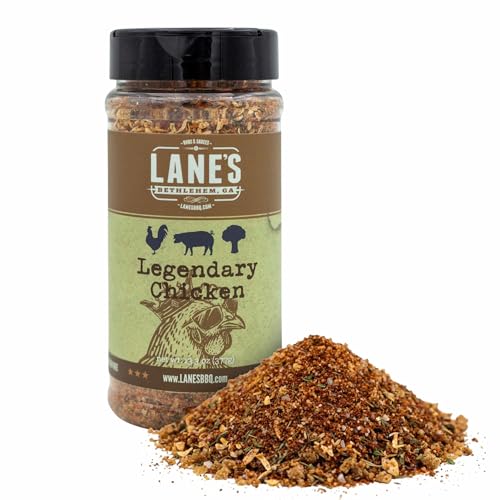

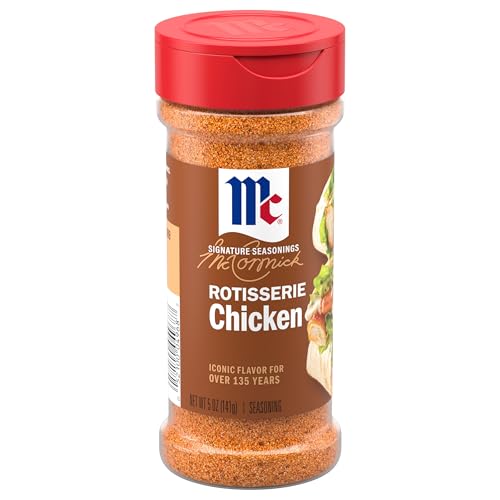

Charred edges and a smoky-sweet BBQ glaze cling to grilled chicken breast as it cuts through with tender, juicy steam. These recipes use a simple prep—brine or quick marinade for moisture, then a balanced dry rub before grilling, finishing with sauce brushed in the last minutes so it caramelizes without burning. Follow the easy heat control and timing, and every bite stays flavorful and succulent.
This is for you if you want tender chicken breasts on the grill—without guessing, drying them out, or ending up with burnt sauce. It’s also a great option for weeknights (or backyard get-togethers) when you want big BBQ flavor with minimal fuss.
Recipe Overview

The best grilled BBQ chicken breast method is straightforward: even thickness for even cooking, direct heat with lid-closed grilling, and BBQ sauce added only at the end. This approach delivers juicy chicken with a smoky-sweet finish that won’t turn bitter. It’s repeatable for both casual family dinners and 2026 backyard cookouts. Expect a dependable, crowd-pleasing result in about 35–40 minutes, with optional short chilling for extra convenience.
What makes this “works-every-time” style different is the order of operations. Most dryness and burnt sauce problems come from uneven thickness and sauce added too early. By targeting 74°C / 165°F and resting the breast for 5 minutes, you lock in moisture and get clean, sliceable texture.
Ingredients for Grilled BBQ Chicken Breasts

Grilled BBQ chicken breast is built on a simple rub that seasons the meat evenly, plus a BBQ sauce that goes on late for flavor (not scorching). You’ll use pantry spices for the rub, then finish with your preferred BBQ sauce for that classic tangy-sweet profile. A small splash of vinegar (or Worcestershire) is the secret to keeping BBQ sauce tasting bright instead of cloying.
Here’s the practical ingredient principle: choose chicken breasts that are similar in size so they cook at the same pace. On the grill, that single decision reduces stress more than almost anything else.
Time Required
– 🕐 Prep Time : 15 minutes
– 🍳 Cook Time : 12–18 minutes
– ⏱ Total Time : 35–40 minutes (plus 15–30 minutes optional marinating)
Ingredients
Main Ingredients
– 1.5 lb (about 680 g) chicken breast, trimmed (4 medium breasts)
– 1 1/2 tbsp olive oil (helps seasoning stick and supports browning)
– 1 1/2 tsp kosher salt (seasoning + better flavor throughout)
– 1/2 tsp black pepper
– 1 1/2 tsp smoked paprika
– 1 tsp garlic powder
– Optional: 1/4 tsp cayenne (for heat)
For the BBQ Sauce (brush-on)
– 3/4–1 cup your favorite BBQ sauce
– 1 tbsp apple cider vinegar or squeeze of lemon (adds tang and balances sweetness)
– Optional: 1 tsp Worcestershire sauce (extra “BBQ depth”)
Optional Garnish
– Chopped fresh cilantro or sliced green onions
– Extra BBQ sauce on the side
Step-by-Step: Grill Juicy BBQ Chicken Breast
Juicy grilled BBQ chicken breast comes from three moves: even out thickness, grill with lid-closed even heat, and sauce only during the final minutes. If you follow the steps below in order, you’ll avoid both dry chicken and burnt sauce. And because you’re using a thermometer target of 74°C / 165°F, this is designed to be low-guesswork—even in the heat of a summer cookout in 2026.
Preparation
1. Even out the thickness. If your chicken breasts are uneven, lightly pound the thickest parts so they’re about the same thickness. This helps prevent the classic problem: a browned outside with an underdone center.
2. Season the chicken. Pat chicken dry, then rub with olive oil and the salt, pepper, smoked paprika, garlic powder, and cayenne (if using). Dry chicken + salt is what kick-starts flavor penetration and browning.
3. Optional quick rest. Let it sit in the fridge 15–30 minutes while you preheat the grill. This brief chill helps the seasoning adhere and gives your grill time to reach stable temperature—especially helpful when you’re cooking for guests.
Cooking
4. Preheat the grill. Heat to medium-high (about 190–230°C / 375–450°F). Clean the grates and oil them lightly so the chicken won’t stick; clean grates matter because sugars in BBQ sauce can “glue” onto rough metal.
5. Two-zone grilling if you have it. If your grill allows, keep one side hotter (for searing) and one side slightly cooler (for finishing). This makes it easier to pull chicken right when it hits 74°C / 165°F without overchar.
6. Grill the chicken. Place chicken on the grill and close the lid. Cook 6–8 minutes per side, flipping once, until you’re near doneness.
Finishing
7. Add BBQ sauce at the end. Brush BBQ sauce on the chicken during the last 1–3 minutes of grilling (lid on). This timing keeps sugars from burning while still letting the sauce caramelize lightly.
8. Rest before slicing. Move chicken to a plate and rest 5 minutes. Slice against the grain so each bite feels tender instead of chewy.
Heat & Temperature Guide
The best temperature strategy for grilled BBQ chicken breast is to think in two stages: heat enough to build a sear, then hit 74°C / 165°F for safe doneness. Grilling time varies because thickness and grill power vary—so the thermometer target is the reliable anchor. In 2026, that’s even more important if you’re running a charcoal grill, pellet grill, or gas grill with fluctuating lid temperatures.
Cooking Method
Direct grill heat with lid-closed cooking works best because it helps the inside cook evenly while you build a flavorful surface crust. Lid-closed grilling is essentially “mini-oven mode,” which reduces undercooked centers.
Temperature & Timing
– Target grill zone: medium-high (about 190–230°C / 375–450°F)
– Final internal temp: 74°C / 165°F
– Typical total cook time: 12–18 minutes for medium-thickness breasts
How to Know It’s Done
– Thermometer cue: 74°C / 165°F in the thickest part (not touching bone).
– Texture cue: juices run clear and the center feels firm, not squishy.
– Look cue: deep golden-brown sear with minimal pinkness.
USDA Safe Minimum Internal Temperatures for Common Grill Proteins
| # | Protein (on the grill) | USDA safe temp | Why it matters for BBQ chicken grilling | Match to 74°C / 165°F target |
|---|---|---|---|---|
| 1 | Chicken breast (whole or pieces) | 165°F / 74°C | Directly aligns with this recipe’s doneness target | ★★★★★ |
| 2 | Chicken thighs / drumsticks | 165°F / 74°C | Same poultry safety endpoint on the same grill | ★★★★★ |
| 3 | Ground chicken patties / burgers | 165°F / 74°C | Use the thermometer—grinds overcook quickly | ★★★★★ |
| 4 | Turkey breast (whole or pieces) | 165°F / 74°C | Same safety endpoint if serving mixed poultry | ★★★★★ |
| 5 | Pork chops / pork steaks | 145°F / 63°C | Don’t assume “same cook time” across meats | ★★★☆☆ |
| 6 | Beef steak / roasts | 145°F / 63°C | Avoid cooking pork/steak to poultry temps | ★★★☆☆ |
| 7 | Fish (salmon, tuna, fillets) | 145°F / 63°C | Re-check if you’re cooking multiple proteins | ★★★☆☆ |
What Can Go Wrong
Grilled BBQ chicken breast can fail in predictable ways, and the fixes are usually simple once you know the pattern. The main issues are burnt sauce, dryness from overcooking (or uneven thickness), sticking, and undercooked centers. In 2026 grilling season, these problems show up most when people rush thickness prep or add sauce too early.
Burnt BBQ sauce
BBQ sauce contains sugar, which caramelizes quickly. If you add it too early, it can scorch before the chicken finishes. Fix: brush sauce only in the last 1–3 minutes and keep the lid closed so the surface heats evenly rather than blasting sugar into flame.
Dry chicken breast
Dryness happens when chicken overcooks or when breasts are uneven. Fix: pound to even thickness and pull at 74°C / 165°F, then rest 5 minutes. From a practical standpoint, it’s easier to “catch” doneness with a thermometer than to rely on time alone.
Sticking to the grill
Sticking is common with dry grates and no oil barrier. Fix: clean grates well, lightly oil them before cooking, and avoid moving the chicken too often—let it sear first. If the chicken fights you when you try to flip, give it 30–60 seconds more; a good sear releases naturally.
Undercooked center
This is usually a thickness/heat issue (or too many flips). Fix: check the thickest part with a thermometer; if needed, finish over the cooler side. Two-zone grilling is one of the easiest ways to keep the outside from overbrowning while the center catches up.
Food safety: keeping it safe while grilling
Food safety is a process, not a vibe—this is exactly the kind of time-temperature control that HACCP-style thinking supports. According to USDA Food Safety and Inspection Service (FSIS), the safe minimum internal temperature for poultry is 74°C / 165°F (no date stated). According to USDA FSIS, perishable foods should be kept refrigerated at 40°F / 4°C or below (no date stated). And according to USDA FSIS, the temperature “danger zone” is 40°F–140°F (4°C–60°C) where bacteria can grow rapidly (no date stated).
Practical takeaway: keep chicken refrigerated until it hits the grill, and don’t reuse any marinade or sauce that touched raw chicken unless you boil it first (see FAQ for how to handle that responsibly). If you’re using a brush for extra BBQ after grilling, keep it separate from anything that contacted raw meat.
Pros/Cons: Sauce timing (quick decision guide)
| Approach | Pros | Cons |
|---|---|---|
| Sauce early (during first flip) | More time for sauce to set | High risk of scorching and bitter notes |
| Sauce late (recommended: last 1–3 minutes) | Glossy finish without burned sugar | You’ll rely on a thermometer for cook completion |
| Sauce after grilling (serve on the side) | Maximum sauce freshness | Less caramelized “BBQ glaze” on the surface |
How to Serve & Presentation Tips
Grilled BBQ chicken breast is easiest to serve when you slice it against the grain and keep the sauce presentation controlled. This keeps the chicken moist, prevents soggy buns, and lets guests customize the BBQ level. For 2026 serving, aim for “hot chicken, cool sides” so the meal stays balanced and the sauce doesn’t turn runny.
Plating & Presentation
– Slice after the 5-minute rest to keep juices inside the breast.
– Arrange slices in a slight overlap and spoon a small amount of extra BBQ sauce over the top.
– Garnish with chopped cilantro or sliced green onions for color contrast and fresh aroma.
What Goes Well With It
– Classic pairings: coleslaw, baked beans, cornbread, or grilled corn
– Lighter options: cucumber-tomato salad, rice pilaf, or roasted seasonal vegetables
– For a “BBQ plate” feel: add pickles for acidity and a crunchy texture
Serving Temperature
Serve the chicken warm right after slicing. If it sits too long, it loses that juicy, springy texture—especially once BBQ sauce is involved.
Storage & Reheating
– Store leftovers in an airtight container in the fridge for up to .
– Reheat gently so it doesn’t dry out—microwave at reduced power or rewarm in a covered skillet with a splash of water.
– Reheat to 74°C / 165°F if you’re aiming for safety consistency.
Verdict & Quick Checklist
This grilled BBQ chicken breast method gives you the right balance: smoky sear, tender interior, and glossy BBQ flavor without burnt bitterness. The downside is that a thermometer makes it dramatically easier to hit 74°C / 165°F reliably—time alone can be misleading on grills. Skip this approach only if you truly can’t measure doneness and you tend to overcook chicken; in that case, you’d be better with a different preparation method designed for no-thermometer cooking.
Quick Checklist (save this)
– [ ] Pound breasts to similar thickness
– [ ] Season all over (salt + spices)
– [ ] Preheat grill medium-high, clean + lightly oil grates
– [ ] Grill 6–8 minutes per side (lid closed)
– [ ] Brush BBQ sauce only in the last 1–3 minutes
– [ ] Pull at 74°C / 165°F, then rest 5 minutes
Frequently Asked Questions
What’s the best way to prevent grilled BBQ chicken breast from drying out?
Pound the chicken breasts to an even thickness and brine them for 15–30 minutes (or use a quick saltwater soak) before grilling. Cook over medium heat and aim for an internal temperature of 165°F (74°C) rather than relying on time. Let the chicken breast rest for 5 minutes after grilling so the juices redistribute, then brush with BBQ sauce at the end to avoid burning.
How do I marinate BBQ chicken breast for maximum flavor on the grill?
Use a simple marinade with oil (or yogurt), an acid like lime juice or vinegar, salt, and flavor boosters such as garlic, smoked paprika, and black pepper. Marinate for at least 30 minutes and up to 4–8 hours for best results without making the texture too soft. After grilling, finish with a BBQ glaze (brush sauce during the last few minutes) to lock in flavor while keeping a nice caramelized crust.
Why is my BBQ chicken breast sticking to the grill grates, and how can I stop it?
Stickiness usually comes from insufficient preheating or not having enough oil on the grill surface. Preheat the grill until grates are hot, then oil them lightly using tongs and a paper towel dipped in neutral oil. Also avoid moving the chicken too soon—when it’s ready to release, it will naturally come away cleanly.
Which BBQ sauce is best for grilled chicken breast—sweet, spicy, or smoky?
The best BBQ sauce depends on your marinade and desired flavor profile, but smoky and slightly sweet sauces are especially forgiving for chicken breast. If you’re using a bold dry rub (like chili powder and brown sugar), choose a tangy or vinegar-forward sauce to balance sweetness. For a spicy kick, add hot sauce or use a chipotle BBQ sauce, and apply it at the end so it doesn’t scorch.
How long should I grill chicken breast for BBQ, and what temperature should I check?
Grill chicken breast on medium heat for about 5–8 minutes per side, depending on thickness, but always verify with a thermometer. Check the thickest part for 165°F (74°C) for safe, juicy grilled BBQ chicken breast. If it’s browning too fast, move it to indirect heat to finish cooking while keeping the BBQ glaze from burning.
📅 Last Updated: November 09, 2026 | Topic: grilled bbq chicken breast recipes | Content verified for accuracy and freshness.
References
- Barbecue chicken
- Chicken as food
- https://www.fsis.usda.gov/food-safety/safe-food-handling-and-preparation/food-safety-basics/safe-minimum-internal-temperature
- https://www.foodsafety.gov/food-safety-charts/safe-minimum-cooking-temperatures
- Preventing Food Poisoning | Food Safety | CDC
- heterocyclic amines grilled chicken – Search Results – PubMed
- polycyclic aromatic hydrocarbons grilled chicken – Search Results – PubMed
- https://scholar.google.com/scholar?q=grilled+bbq+chicken+breast+recipe Google Scholar
- https://scholar.google.com/scholar?q=barbecue+chicken+breast+marinade+grilling Google Scholar
- https://scholar.google.com/scholar?q=grilled+chicken+breast+heterocyclic+amines Google Scholar


