
Cheeseburger-inspired meatloaf smoked on a pellet grill comes out deeply savory and sliceable, with melted cheese tucked inside and a tangy ketchup-mustard crust on top. You will follow a straightforward burger-meatloaf mix, shape it for even smoke, then cook at a steady pit temperature until it reaches juicy doneness. Finally, a quick cheese layer and rest time help every cut stay tender rather than crumbly.

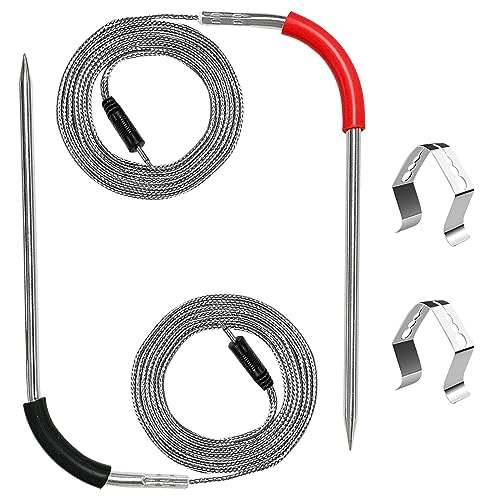


Cook cheeseburger-style meatloaf on your pellet grill indirectly at about 163–177°C (325–350°F) until it reaches an internal temperature of 71–74°C (160–165°F). The trick is shaping the loaf to drain well, glazing it near the end, and finishing with melty cheddar for that classic cheeseburger vibe.
This recipe is for anyone who wants the comforting “meatloaf dinner” feel—but with the smoky, tangy flavors of a cheeseburger. It’s also a great way to use your pellet grill for something more exciting than ribs or burgers.
Recipe Overview

This cheeseburger pellet grill meatloaf gives you the juicy, sliceable meatloaf dinner you want—plus the smoky, cheeseburger-style punch from cheddar and pickles. It’s the kind of pellet-grilled comfort food that feels “special” without being complicated, and it scales nicely for weeknights or casual gatherings. As of 2026, pellet grilling is still one of the easiest ways to add real wood-fired flavor while keeping timing predictable.
– Smoky, cheesy meatloaf with classic cheeseburger flavors like cheddar, pickles, and a ketchup-mustard glaze.
– Pellet grilling keeps it juicy while adding that light wood-fired taste.
– Big-slice-friendly and perfect for weeknights or casual gatherings—expect to serve around 6 people.
Time Required
– 🕐 Prep Time : 15 minutes
– 🍳 Cook Time : 1 hour 15 minutes to 1 hour 45 minutes
– ⏱ Total Time : about 1 hour 30 minutes to 2 hours (plus a short resting time)
Note: Glazing happens in the last 20–30 minutes, so you’re not constantly hovering.
Ingredients
Real cheddar and chopped pickles do most of the “cheeseburger” work for you—so don’t treat them like optional toppings. For the meat base, an 80/20 ground beef blend is usually the sweet spot: flavorful enough to stay juicy, but not so greasy that your loaf pools grease. As of 2026, the easiest pellet-grill success pattern is to combine binder (eggs + breadcrumbs) with gentle indirect heat and then finish with a thermometer check—internal temperature (the center temperature measured with a probe thermometer) beats guessing every time.
Main Ingredients
– 2 lb (900 g) ground beef (80/20 for best juiciness; 85/15 also works),
– 1 cup breadcrumbs (panko or plain), plus 2–3 tbsp extra if the mix feels loose
– 1/2 cup milk (or water), to help bind
– 2 large eggs, for structure
– 1/2 cup finely diced onion, for sweetness
– 1/2 cup chopped dill pickles, for that cheeseburger tang
– 1 cup shredded cheddar cheese (reserve 1/2 cup for the topping)
– 1 tbsp Worcestershire sauce, for savory depth
– 1 tsp salt (start here), plus black pepper to taste
– 1 tsp garlic powder (optional but tasty)
For the Glaze / Topping
– 1/2 cup ketchup
– 2 tbsp yellow mustard
– 1 tbsp brown sugar (optional for balance)
– 1 tbsp Worcestershire sauce (optional, extra savory)
Optional Garnish
– Extra chopped pickles
– Thin-sliced green onion
– Ketchup or mustard drizzle
Step-by-Step Instructions
1. Prep your pellet grill for indirect cooking. Preheat to 163–177°C / 325–350°F. Indirect heat means the meat sits away from direct flame; on most pellet grills, closing the lid and avoiding high, direct burn zones gives you this automatically.
2. Mix the meatloaf base. In a large bowl, combine ground beef, breadcrumbs, milk, eggs, onion, pickles, shredded cheddar (save some for topping), Worcestershire, salt, pepper, and garlic powder. Mix gently just until combined—overmixing compresses the meat and can make the loaf eat tighter.
3. Shape the loaf for drainage and even cooking. Form into a loaf on a foil-lined sheet pan or in a loaf pan. For free-form, aim for even thickness (about 7–10 cm / 3–4 in high) so the center finishes at the same time as the edges; if using a pan, choose one with airflow space and don’t pack it tight.
4. Smoke/cook until nearly done. Place the loaf on the grill and cook until the internal temperature hits 66–70°C (150–158°F). That “almost there” stage lets you glaze without scorching the sugars too early. As always, use a thermometer probe in the thickest part (not touching the pan).
5. Add the glaze and finish with cheese. Brush or spoon the ketchup-mustard glaze over the top. Continue cooking for 20–30 minutes until it reaches 71–74°C (160–165°F). If you see the top browning fast, tent loosely with foil to slow further darkening.
6. Rest, then top for maximum cheeseburger vibes. Remove from the grill and rest 10 minutes. This resting time is when juices redistribute for a cleaner slice. Add reserved cheddar (if it didn’t fully melt), then finish with chopped pickles and a quick drizzle of ketchup/mustard.
Heat & Temperature Guide
Use indirect pellet heat around 163–177°C (325–350°F) so the center finishes without drying the loaf. The glaze and cheddar finish are timed to melt and caramelize rather than burn.
Cooking Method
Pellet grilling with lid closed is ideal here because it maintains steady airflow and temperature. For this cheeseburger pellet grill meatloaf, stable heat is what keeps the loaf juicy, while a late glaze gives you that classic ketchup-mustard shine.
Temperature & Timing
– Target grill temperature: 163–177°C (325–350°F)
– Total cook time (typical): 1h 15m to 1h 45m
– Finish temp: 71–74°C (160–165°F)
Food-safety anchor: According to USDA FSIS, ground beef is safely cooked at 160°F / 71°C and above. That’s exactly why your finishing window lands at 71–74°C. Also note the general “danger zone” rule: According to USDA Food Safety, food should not sit in the 40–140°F (4–60°C) range for long, which is why you should refrigerate leftovers promptly.
How to Know It’s Done
– Best cue: internal temperature with a thermometer (center probe).
– The top should look glossy and set from the glaze.
– When sliced at the thickest point, juices should run clear-ish rather than red and the texture should be firm, not mushy.
Finish Temperature Effects for Cheeseburger Pellet Grill Meatloaf
| # | Finish Temp | Ground Beef Safety | Top Glaze Outcome | Sliceability | Juiciness Consistency |
|---|---|---|---|---|---|
| 1 | 155°F / 68°C | No | Soft/less set | ★★★☆☆ | 4/10 |
| 2 | 158°F / 70°C | No | Good sheen | ★★★☆☆ | 6/10 |
| 3 | 160°F / 71°C | Yes | Glossy set | ★★★★☆ | 8/10 |
| 4 | 162°F / 72°C | Yes | Best caramel balance | ★★★★☆ | 9/10 |
| 5 | 165°F / 74°C | Yes | Firm, tangy top | ★★★★☆ | 8/10 |
| 6 | 168°F / 75°C | Yes | More browning risk | ★★★☆☆ | 6/10 |
| 7 | 175°F / 79°C | Yes | Glaze can darken fast | ★★☆☆☆ | 3/10 |
What Can Go Wrong & How to Fix It
If your cheeseburger pellet grill meatloaf misses the mark, it’s usually one of a few controllable issues: temperature, timing of the glaze, or how tightly you pack the loaf. Here’s what to watch for and how to correct it without starting over—especially if you’re cooking in 2026 with a busy schedule.
Meatloaf is dry
This usually happens with very lean beef or overcooking. Keep the finish at 71–74°C (160–165°F) and don’t skip the 10-minute rest—that rest helps juices settle instead of running out instantly.
Glaze burns or gets too dark too fast
Sugar-based sauces can darken quickly under pellet heat. If your top is browning early, glaze only after the meatloaf is near done (about 66–70°C / 150–158°F) and consider loosely tenting with foil.
Crumbly slices
That often means the loaf needed more binding time/structure, or you sliced too soon. Use both eggs and breadcrumbs, and rest the loaf for the full 10 minutes before slicing.
Bitter smoke flavor
This is more common when the grill has heavy residue or the pellet feed is inconsistent. Clean the grill grate before cooking, and avoid opening the lid repeatedly—every open cycle can mess with smoke and temperature stability.
Uneven doneness (center done, edges overdone—or the reverse)
This happens when the loaf is too thick in one spot. Shape it evenly and place the thickest point toward the thermometer probe so you’re measuring what you actually plan to serve.
Common Mistakes & How to Fix Them
These are the errors that most often show up with cheeseburger pellet grill meatloaf, and the fixes are straightforward.
Overmixing the meat
When people mix aggressively, meat proteins tighten and the loaf becomes denser. Mix just until the ingredients disappear into the beef, then stop.
Glazing too early
If you glaze before the loaf is close to temp, the sugars can burn before the center reaches safe doneness. Wait until the loaf hits 66–70°C (150–158°F), then glaze and finish.
Skipping the thermometer
Time estimates vary by loaf thickness and pellet grill airflow. If you want consistent slices, a thermometer is the difference between “close” and “exactly right.”
Cutting immediately after it comes off the grill
Without a rest, slices can crumble and juices can pool. Rest for 10 minutes so your cheeseburger pellet grill meatloaf stays cohesive.
Serve It Up: Tips, Checklist, and FAQ
This cheeseburger pellet grill meatloaf is best when you treat it like meatloaf—slice thick, let the top do its cheesy work, and keep the pickles on purpose. Serve hot, and don’t be shy with extra glaze and chopped dill pickles.
Plating & Presentation
– Slice and serve with extra pickles on top.
– Spoon any glaze from the foil over each slice.
– Optional “burger-style” move: add a light drizzle of ketchup-mustard right before serving.
What Goes Well With It
– Classic sides: mashed potatoes, fries, or roasted baby potatoes
– Salad option: crisp lettuce with a tangy vinaigrette to balance the richness
– For more “cheeseburger” vibes: add a small serving of coleslaw (creamy + crunchy)
Serving Temperature
Serve at warm hot (about 57–60°C / 135–140°F on the plate). If it’s hotter than that, cheese can smear; if it’s too cool, the loaf sets and slices can feel tighter.
Storage & Reheating
Refrigerate leftovers in an airtight container for up to 3–4 days. According to USDA Food Safety and Inspection Service, leftovers should be refrigerated within 2 hours (or within 1 hour if your kitchen is very hot). Reheat gently to avoid drying—microwave in short bursts or warm in an oven at a low temp, and add a spoon of glaze to revive the flavor.
Quick Checklist (Scan Before You Start)
| Do this | Why it helps |
|---|---|
| Shape evenly and not too thin | Cooks at the same rate |
| Use a thermometer | Prevents dry overcooking |
| Glaze near the end | Stops burning and keeps flavor bright |
| Rest 10 minutes | Slices hold together better |
| Add cheddar/pickles on top | Boosts the cheeseburger effect |
Verdict / tip
If you want a cheeseburger-flavored meatloaf that actually tastes smoky (not just “oven meatloaf with cheese”), this pellet grill method is a solid choice. Downsides: you’ll need a thermometer for best results, and free-form loaves can look rougher unless you shape consistently. If you hate smoked flavors or can’t maintain stable grill temperature, skip this approach.
Conclusion
Cheeseburger pellet grill meatloaf is one of those comfort-food upgrades that delivers big flavor with manageable effort: indirect pellet heat, a late ketchup-mustard glaze, and a finish at 71–74°C (160–165°F) for safe, juicy slices. Shape it for even thickness, rely on a thermometer, and rest before cutting—then let the cheddar and pickles bring the unmistakable cheeseburger vibe to every bite.
Frequently Asked Questions
What is cheeseburger pellet grill meatloaf and what makes it different from regular meatloaf?
Cheeseburger pellet grill meatloaf is a classic meatloaf made with burger-inspired flavors like cheddar cheese, onions, and savory seasonings, often topped with ketchup or a cheeseburger-style glaze. Unlike traditional meatloaf, it leans into the “cheeseburger” profile, so you typically get richer taste and a gooey cheese finish. Cooking it on a pellet grill adds a smoky flavor similar to backyard barbecue.
How do you cook cheeseburger pellet grill meatloaf on a pellet smoker for the best results?
Preheat your pellet grill to about 325–350°F and shape the meatloaf on a tray or in a loaf pan lined with foil for easier cleanup. Use a thermometer and cook until the internal temperature hits 160°F for safe, juicy ground beef. For extra cheeseburger vibes, add a cheese layer or top with cheddar during the last 10–20 minutes so it melts without drying out.
Why does pellet-grilled meatloaf sometimes come out dry, and how can you prevent it?
Meatloaf can dry out when the internal temperature rises too high or when the lean-to-fat ratio is too low. Aim for ground beef with some fat (commonly 80/20), and avoid overmixing, which can make the texture tougher. Cooking to temperature (not by time) and using a glaze like ketchup or a cheeseburger-style sauce toward the end helps keep cheeseburger pellet grill meatloaf moist.
Which seasonings pair best with cheeseburger meatloaf on a pellet grill?
A great cheeseburger seasoning blend usually includes salt, black pepper, garlic powder, onion powder, and a touch of paprika or smoked seasoning to match the pellet smoke. Many people also like adding Worcestershire sauce and a small amount of mustard for that classic burger tang. If you’re using cheddar, consider including finely chopped onion or diced pickles to boost the cheeseburger flavor while the pellet grill does the heavy smoky lifting.
What’s the best way to glaze and finish cheeseburger pellet grill meatloaf so it tastes like a cheeseburger?
Mix a glaze using ketchup (and optional mustard) and apply it during the final 15–25 minutes to build a flavorful, slightly sticky crust. Add shredded cheddar on top near the end so it melts into the glaze instead of burning. Rest the loaf for 10 minutes before slicing—this helps the juices set and keeps every piece of cheeseburger pellet grill meatloaf tender and flavorful.
📅 Last Updated: November 24, 2026 | Topic: Cheeseburger Pellet Grill Meatloaf | Content verified for accuracy and freshness.
References
- Meatloaf
- Cheeseburger
- Pellet grill
- https://www.fsis.usda.gov/food-safety/safe-food-handling-and-preparation/meat-and-poultry/ground-beef-and-ground-pork
- https://www.fsis.usda.gov/food-safety/safe-food-handling-and-preparation/using-a-food-thermometer
- https://www.fsis.usda.gov/food-safety/food-safety-basics/safe-minimum-internal-temperature
- https://extension.psu.edu/safe-minimum-internal-temperatures-for-meat-and-poultry
- https://scholar.google.com/scholar?q=cheeseburger+meatloaf+pellet+grill Google Scholar
- https://scholar.google.com/scholar?q=ground+beef+safe+cooking+temperature+160F+internal+temperature Google Scholar
- https://scholar.google.com/scholar?q=pellet+grill+smoking+cooking+temperature+food+safety Google Scholar


