
Korean BBQ sauce is the shortcut to restaurant-style flavor: marinate to build taste, then glaze at the end to get that sticky, caramelized finish. Use a balanced homemade sauce—soy + brown sugar + tangy vinegar/ginger + a little gochujang—and cook your meat/veg until browned before coating so the sauce thickens instead of turning watery.
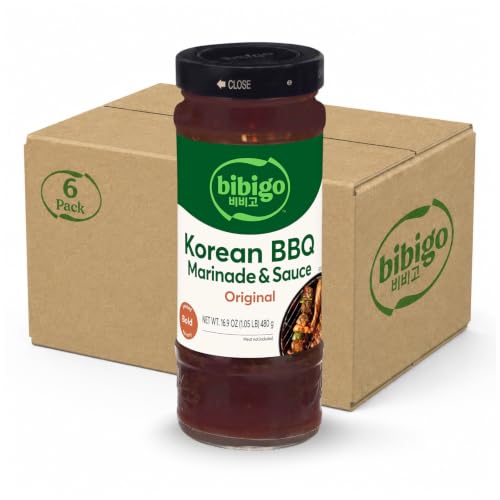



Tonight, you can turn Korean BBQ sauce into five standout meals: caramelized beef or chicken, saucy shrimp, and fast veggie bowls. Each recipe uses the same go-to sauce base—sweet, savory, and lightly tangy—then tailors it to the protein so it clings and caramelizes. You will get clear timings and easy prep steps, so you can go from fridge to dinner without complicated ingredients.
If you’re craving Korean BBQ tonight but don’t want a complicated process, this guide is designed for quick wins. It starts with a reliable go-to Korean BBQ sauce recipe, then shows how to use it in 5 easy meals that work with chicken, beef, pork, tofu, and vegetables. As of 2026, this “marinate + sear + glaze” method is still the fastest way to make Korean BBQ sauce taste like the real thing at home.
Recipe Overview

You’ll get the best results with Korean BBQ sauce when you treat it like two different jobs: marinade first, glaze second. Here’s why that matters—marinating lets the flavor soak in, while glazing at the end lets the sugars caramelize into a glossy coating.
This Korean BBQ sauce approach also gives you control. If you cook too long with the sauce on high heat, sugar can burn; if you don’t glaze at all, the flavor stays flat. In practice, you’ll notice the biggest upgrade happens right after browning, when the Korean BBQ sauce turns sticky and clings to the surface. It’s weeknight-friendly, scalable for meal prep, and forgiving across proteins—from chicken thighs to tofu.
Time Required
– 🕐 Prep Time : 15 minutes
– 🍳 Cook Time : 20 minutes
– ⏱ Total Time : 35 minutes (+ optional 30 minutes marinating)
Passive time note: marinating is optional, but even 10–30 minutes helps the Korean BBQ sauce flavor penetrate.
Ingredients (Korean BBQ Sauce + Main Recipe Base)
Korean BBQ sauce works best when it’s thick enough to coat. If your sauce seems thin, simmer it a little longer so it reduces into a glaze, and don’t skip the browning step—browning creates the “sticky” surface where Korean BBQ sauce clings.
For the flavor balance, aim for salty (soy), sweet (brown sugar), tangy (vinegar/ginger), and a little heat (gochujang). As of 2026, the easiest way to dial in heat is to start with 1 tablespoon gochujang, then add more only after tasting.
Main Ingredients
– Chicken thighs (or beef short ribs, pork shoulder, or firm tofu):
– Neutral oil: 1–2 teaspoons (for searing and browning)
– Garlic, grated or minced: 2 cloves
– Green onions: 2–3 (for serving; thinly sliced)
– Toasted sesame seeds: (optional but great for aroma)
For the Sauce / Marinade (Korean BBQ Sauce)
– Brown sugar (or honey):
– Gochujang (Korean chili paste):
– Rice vinegar (or apple cider vinegar):
– Grated ginger:
– Optional: grated pear or apple (adds sweetness and tenderness):
– Optional thickener: cornstarch + water slurry if needed:
Optional Garnish
– Sliced cucumbers, pickled radish, or kimchi
– Cooked rice, lettuce wraps, or steamed vegetables
Step-by-Step Instructions
Cooking tip first: reserve some Korean BBQ sauce if you want extra for serving, but don’t assume the marinade is safe to reuse raw. To keep things simple and safer, either reserve sauce before marinating, or cook any leftover marinade (bringing it to a boil) before using on cooked food.
1. Make the Korean BBQ sauce.
In a bowl, whisk soy sauce, brown sugar, gochujang, sesame oil, vinegar, and ginger until smooth. If you’re adding pear/apple, stir it in now—this helps the Korean BBQ sauce glaze faster and taste more rounded.
2. Marinate the protein (best flavor).
Toss chicken/beef/tofu with enough Korean BBQ sauce to coat well. Cover and refrigerate for 30 minutes if you can; if you’re busy, 10 minutes still improves flavor noticeably.
3. Sear for browning.
Heat a skillet over medium-high and add a small splash of neutral oil. Cook until you get real browning (caramel-brown edges are the goal), then flip or stir as needed. This browning step is what makes Korean BBQ sauce taste “BBQ,” not just salty-sweet.
4. Glaze and caramelize.
Lower heat to medium. Pour in more Korean BBQ sauce (or brush it on), then simmer and stir until it thickens and turns glossy. Stir often so the sugars caramelize instead of scorching.
5. Finish and serve.
Cook until the protein is done and the glaze is sticky. Top with green onions and sesame seeds, then serve with rice, lettuce wraps, or crunchy cucumbers for contrast.
How “Marinade + Glaze” Changes Flavor (Quick Comparison)
| Approach | What You Get | Best Use |
|---|---|---|
| Marinade only | Deeper flavor, but less caramelized shine | When you’re grilling or baking |
| Glaze only | Quick taste, but often flatter overall | When you forgot to marinate |
| Marinade + glaze (recommended) | Soak + caramelize = sticky, restaurant-style Korean BBQ sauce | Weeknights and “make it impressive fast” meals |
Heat & Temperature Guide
This Korean BBQ method relies on two heat phases: hot searing for browning, then gentler simmering to thicken the Korean BBQ sauce glaze. It’s the combo that gives you caramel edges and a sticky finish.
Cooking Method
Use a hot skillet to build browning, then simmer the Korean BBQ sauce at medium heat until it reduces and clings. Keep the glaze moving—sugar-based sauces darken quickly.
Temperature & Timing
For food safety (and so your Korean BBQ sauce doesn’t turn into “raw in the middle”), follow USDA internal temperatures:
– Chicken (thighs/breasts): 165°F / 74°C
– Ground meats (beef/pork): 160°F / 71°C
– Beef steaks/roasts (if you like them medium): 145°F / 63°C, then rest 3 minutes
According to USDA FSIS (Food Safety and Inspection Service), refrigerate food at 40°F / 4°C or below and cook to these internal temperatures (these are standard USDA safety targets).
In timing terms (stovetop):
– Sear: about 6–10 minutes depending on thickness
– Glaze simmer: about 6–12 minutes until glossy and thick
How to Know It’s Done
– Chicken: juices run clear and the glaze looks sticky and glossy.
– Beef/pork: browned edges + sauce reduced into a thick coating.
– Tofu/veg: warmed through, coated, and not watery (the sauce should cling rather than pool).
What Can Go Wrong & How to Fix It
Korean BBQ sauce is simple, but a few common issues can block that caramelized flavor. The good news: each problem has an easy fix, and you usually catch it within a couple minutes of glazing.
Sauce tastes too salty
Soy sauce can dominate quickly, especially if your protein releases less moisture. Fix it by adding a little more brown sugar (1 teaspoon at a time) or a small splash of vinegar/fruit to restore balance.
Sauce burns while glazing
Gochujang and sugar both brown quickly, so high heat can scorch. Lower to medium, stir often, and reduce simmer time if the glaze darkens too fast.
Sauce stays runny instead of sticky
If your Korean BBQ sauce doesn’t reduce, it won’t cling. Simmer a little longer, and if needed add a small cornstarch slurry (start with 1 teaspoon slurry, stir, then reassess).
Marinade didn’t flavor the meat enough
Thicker pieces need more time. Cut into thinner slices, use more surface coverage, and aim for at least 30 minutes marinating when possible.
Food safety: don’t reuse raw marinade on cooked food
If you used the same Korean BBQ sauce that touched raw meat, you can’t safely “just brush it on.” Either reserve sauce before marinating, or boil the used marinade before serving (bringing it to a full boil first).
Common Mistakes & How to Fix Them
These are the errors I see most often when people try to make Korean BBQ sauce at home—and the quick fixes that make it work.
Not browning the protein first
If you add Korean BBQ sauce before browning, you often get steaming instead of caramelization. Fix: sear until you see brown edges, then glaze at medium heat.
Overloading the pan
Crowding lowers pan temperature and prevents browning. Fix: cook in batches, keeping the Korean BBQ sauce for the glazing phase.
Adding heat too late (or too early)
If the sauce goes in at high heat, it can scorch; if it goes in on low, it won’t thicken. Fix: sear medium-high, then simmer medium.
Using too much liquid from marinades
Fruit/pear in the Korean BBQ sauce can add extra water, especially with watery proteins. Fix: let the sauce simmer longer and stir frequently until glossy.
How to Serve
Korean BBQ sauce tastes best when you serve it with something that balances richness. Think crunchy/acidic sides (cucumber, pickles, kimchi) plus a neutral base (rice) so the glaze shines.
Plating & Presentation
Arrange your browned meat/veg on a platter, then drizzle extra Korean BBQ sauce right before serving so it stays glossy. Finish with green onions and sesame seeds for high-contrast color and aroma. For a “Korean BBQ at home” vibe, put a small bowl of sauce at the table (either pre-cooked or reserved before raw contact).
What Goes Well With It
– Steamed white rice or short-grain rice
– Lettuce wraps (add thinly sliced cucumbers)
– Quick pickled radish or kimchi
– Sesame-dressed spinach or shredded cabbage
Serving Temperature
Serve hot, straight from the skillet or reheated briefly so Korean BBQ sauce stays sticky. If it cools, the glaze thickens—reheat gently with a splash of water.
Storage & Reheating
Store cooked protein and glaze separately if possible, or refrigerate together in an airtight container. Reheat on the stovetop with a splash of water; for microwave reheating, stir halfway so the Korean BBQ sauce re-glazes instead of drying out.
Korean BBQ Sauce Meal Set: 5 Easy Meals You Can Make Tonight
You can use the exact same Korean BBQ sauce across proteins by adjusting cut size, cooking time, and searing approach. Each idea below follows the same core method: brown first, then glaze.
1) Korean BBQ Chicken Thighs with Green Onion
Use bone-in or boneless chicken thighs, cut into 2–3 inch pieces for faster browning. Marinate at least 10–30 minutes, sear medium-high until deeply caramelized, then simmer with Korean BBQ sauce until sticky.
Best texture tip: Don’t stir constantly during the sear—leave it alone for 2–3 minutes to build crust, then flip.
2) Spicy Korean BBQ Beef (Bulgogi-Style Stir Fry)
Thin-slice beef (sirloin or ribeye) so it cooks fast. Marinate briefly (10–20 minutes is enough for thin slices), sear in batches, then glaze until the sauce coats each strip.
Heat tip: Start with 1 tablespoon gochujang in the sauce and taste before adding more—beef glaze can taste “hotter” once caramelized.
3) Korean BBQ Pork Shoulder Bites (Sweet-Tang Glaze)
Cut pork shoulder into bite-size chunks (about 1 inch) to balance browning and tenderness. Sear until browned, then glaze with Korean BBQ sauce and simmer until the sauce thickens around the edges.
Tenderness tip: If pieces are thick, cover briefly for steam-cooking, then uncover to re-brown and re-glaze.
4) Gochujang Tofu with Mushrooms (Vegetarian-Friendly)
Use firm or extra-firm tofu, pressed and cubed. Pan-sear until golden, then glaze with Korean BBQ sauce and add mushrooms during the last few minutes so they soak up flavor without getting mushy.
Sauce consistency tip: If tofu releases water, simmer the Korean BBQ sauce longer to regain a sticky glaze.
5) Korean BBQ Veggie Skewers (Bell Pepper, Zucchini, Onion)
Cut vegetables into similar-sized pieces for even cooking. Sear in a hot pan (or broil/char in the oven), then glaze with Korean BBQ sauce until caramelized.
Serving tip: Pair with rice or lettuce wraps, and finish with sesame seeds and cucumbers for freshness.
📊 DATA
USDA Safe Internal Temperatures for Korean BBQ-Style Proteins (Quick Reference)
| # | Protein / Food | USDA Target (°F) | USDA Target (°C) | Serving Ease* |
|---|---|---|---|---|
| 1 | Chicken (thighs/breasts) | 165 | 74 | ★★★☆☆ |
| 2 | Ground Beef (and mixed ground meats) | 160 | 71 | ★★★★☆ |
| 3 | Ground Pork (and sausage mixes) | 160 | 71 | ★★★★☆ |
| 4 | Pork (chops, roasts) | 145 | 63 | ★★★★★ |
| 5 | Beef (steaks, roasts) | 145 | 63 | ★★★★★ |
| 6 | Fish (seafood) | 145 | 63 | ★★★★☆ |
| 7 | Leftovers (reheated) | 165 | 74 | ★★★☆☆ |
“Serving Ease” is a practical, glaze-friendly simplification based on how forgiving the target temp is for typical stovetop thicknesses; always confirm doneness with a thermometer for safety. According to USDA FSIS (Food Safety and Inspection Service), these are USDA safe internal temperature targets.
Verdict / Tip: Make It Tonight (and a Quick Checklist)
This method is the safest bet for authentic Korean BBQ sauce flavor without stress: marinate, sear for browning, then glaze gently until sticky. The downside is that sugary sauces can darken fast near the end, so you do need to watch the skillet once Korean BBQ sauce goes in.
If you’re avoiding spicy food, start with less gochujang and taste your Korean BBQ sauce before glazing—caramelization makes flavors feel more intense. As of 2026, this “two-phase Korean BBQ sauce workflow” is still the most consistent way to get that glossy, caramelized coating at home.
Quick Checklist (Save This)
– [ ] Sauce is balanced (salty + sweet + a little tang + heat)
– [ ] Protein is marinated at least 10–30 minutes
– [ ] Meat is browned before the glaze goes in
– [ ] Heat is reduced when simmering the sauce
– [ ] Finish until glossy and thick, then top and serve
Frequently Asked Questions
What are easy recipes with Korean BBQ sauce for weeknight dinners?
Try sheet-pan bulgogi chicken or pork with sliced onions, bell peppers, and a quick drizzle of Korean BBQ sauce for minimal prep. Another easy option is Korean BBQ sauce beef bowls served over rice with cucumber and sesame seeds. For something faster, stir Korean BBQ sauce into ground beef and make Korean BBQ lettuce wraps. These recipes are beginner-friendly and still deliver classic sweet-savory Korean BBQ flavor.
How do you make Korean BBQ sauce at home for recipes?
You can make a simple homemade Korean BBQ sauce by combining soy sauce, brown sugar or honey, grated garlic, grated ginger, sesame oil, and a splash of rice vinegar. Add gochujang (Korean chili paste) or gochugaru for heat, then simmer briefly until slightly thickened. Use the sauce as both a marinade and a finishing glaze, but cook it separately or boil it if it touched raw meat. This helps you get rich, sticky Korean BBQ sauce that works great in recipes.
Why does Korean BBQ sauce taste different when grilled versus used as a marinade?
Korean BBQ sauce caramelizes as it heats, which intensifies its sweetness and adds a deeper umami flavor. When used as a marinade, the sauce flavors the meat during time in the fridge, but it may lose some intensity if it doesn’t reduce while cooking. For the best Korean BBQ sauce results, reserve some sauce for basting and let it bubble on the grill or in a pan during the final minutes. This gives you that signature sticky glaze.
Which Korean BBQ sauce recipes work best for chicken, beef, or shrimp?
For chicken, Korean BBQ sauce works especially well in grilled chicken thighs or boneless wings because the sauce clings and caramelizes fast. For beef, bulgogi-style strips or short ribs benefit from a longer marinade and quick high-heat cooking. Shrimp cooks quickly, so use Korean BBQ sauce in a hot skillet just until the shrimp turn opaque, then finish with a light glaze to avoid burning. Adjust sugar and heat levels to match each protein’s cook time and thickness.
What’s the best way to thicken Korean BBQ sauce for a sticky glaze?
Simmer Korean BBQ sauce in a small saucepan until it reduces and becomes glossy, usually 3–8 minutes depending on the amount. If it’s too thin, whisk in a slurry of cornstarch and water (start with 1 teaspoon cornstarch per 2–3 tablespoons liquid) and simmer until thickened. For extra shine and Korean BBQ authenticity, finish with a small splash of sesame oil and a sprinkle of toasted sesame seeds. A thicker glaze clings better to meat in recipes with Korean BBQ sauce and prevents it from running off.
📅 Last Updated: November 12, 2026 | Topic: recipes with korean bbq sauce | Content verified for accuracy and freshness.
References
- Korean barbecue
- Bulgogi
- Gochujang
- Ssamjang
- https://www.britannica.com/topic/Korean-cuisine
- gochujang – Search Results – PubMed
- ssamjang – Search Results – PubMed
- https://scholar.google.com/scholar?q=korean+bbq+sauce+gochujang+marinade Google Scholar
- https://scholar.google.com/scholar?q=bulgogi+sauce+soy+garlic+recipe Google Scholar
- https://scholar.google.com/scholar?q=ssamjang+gochujang+fermentation+ingredients Google Scholar


