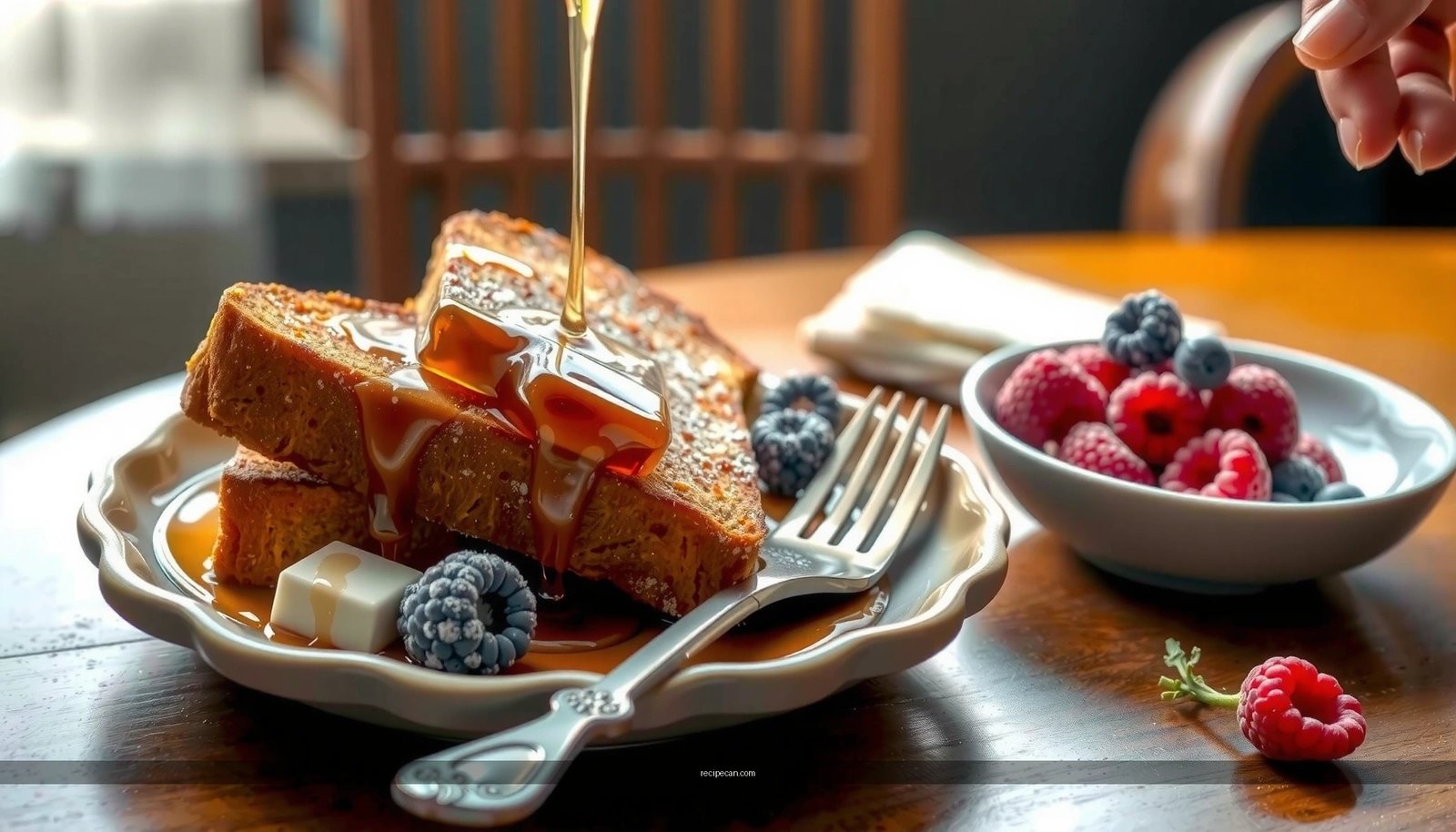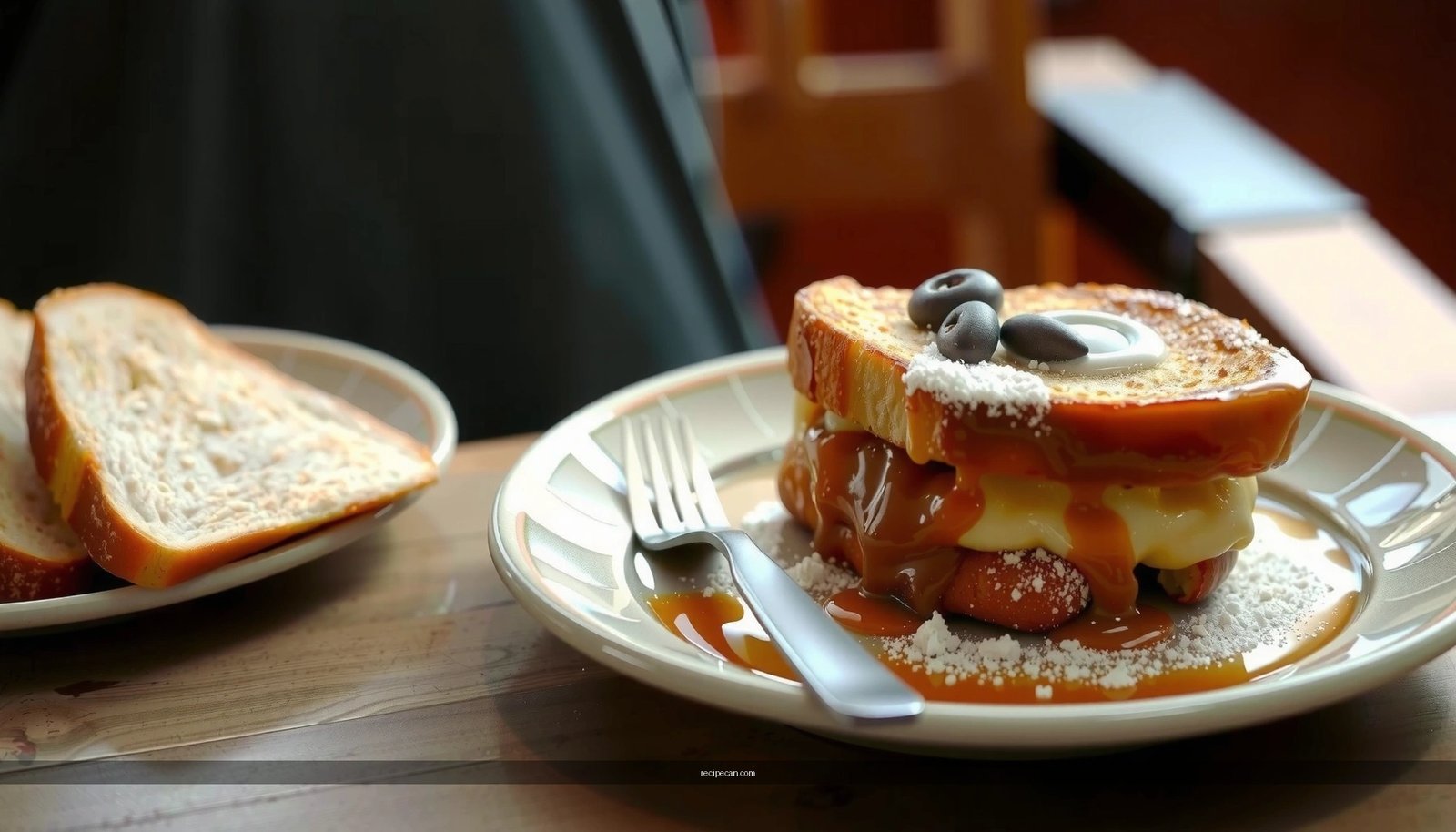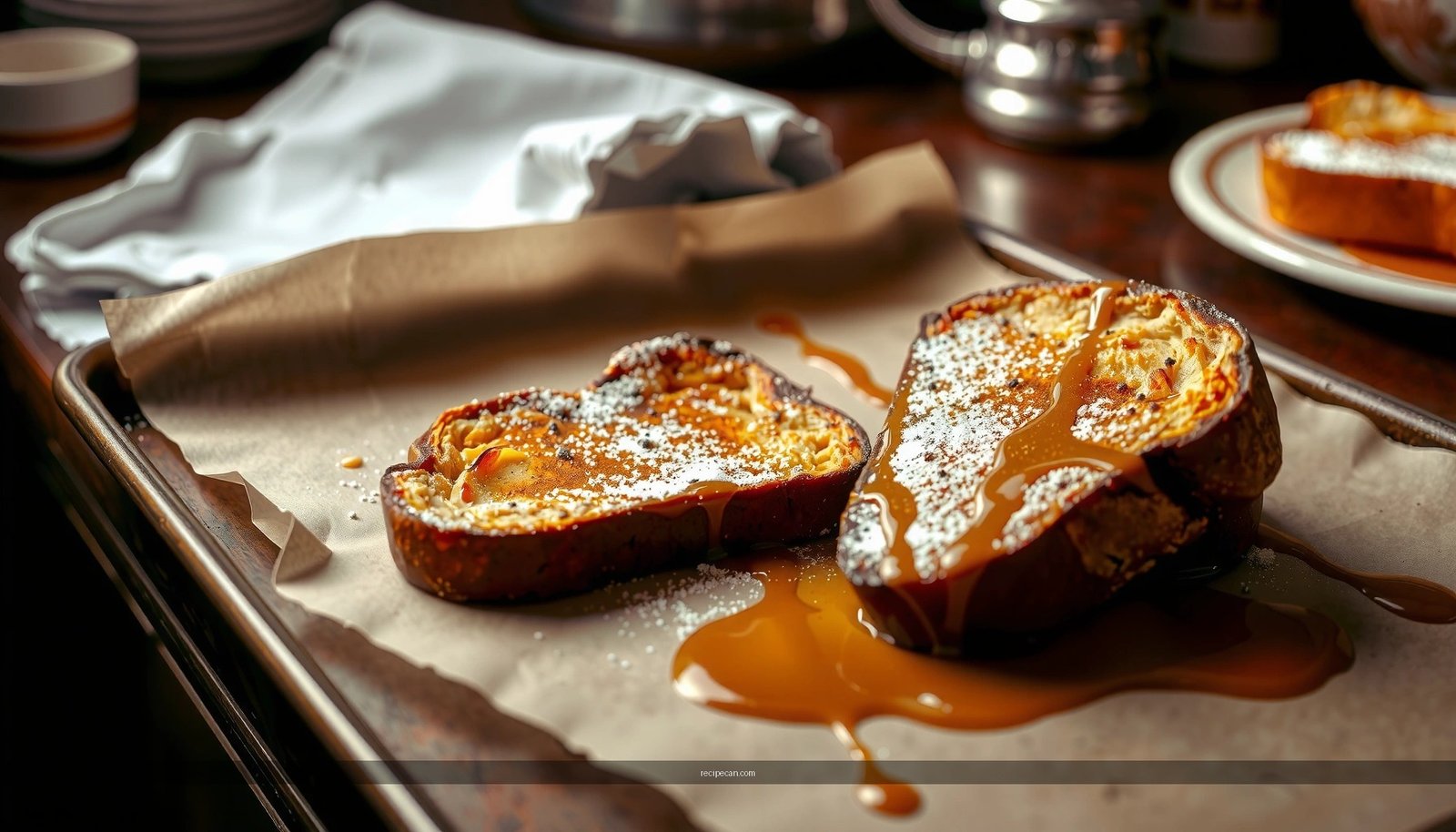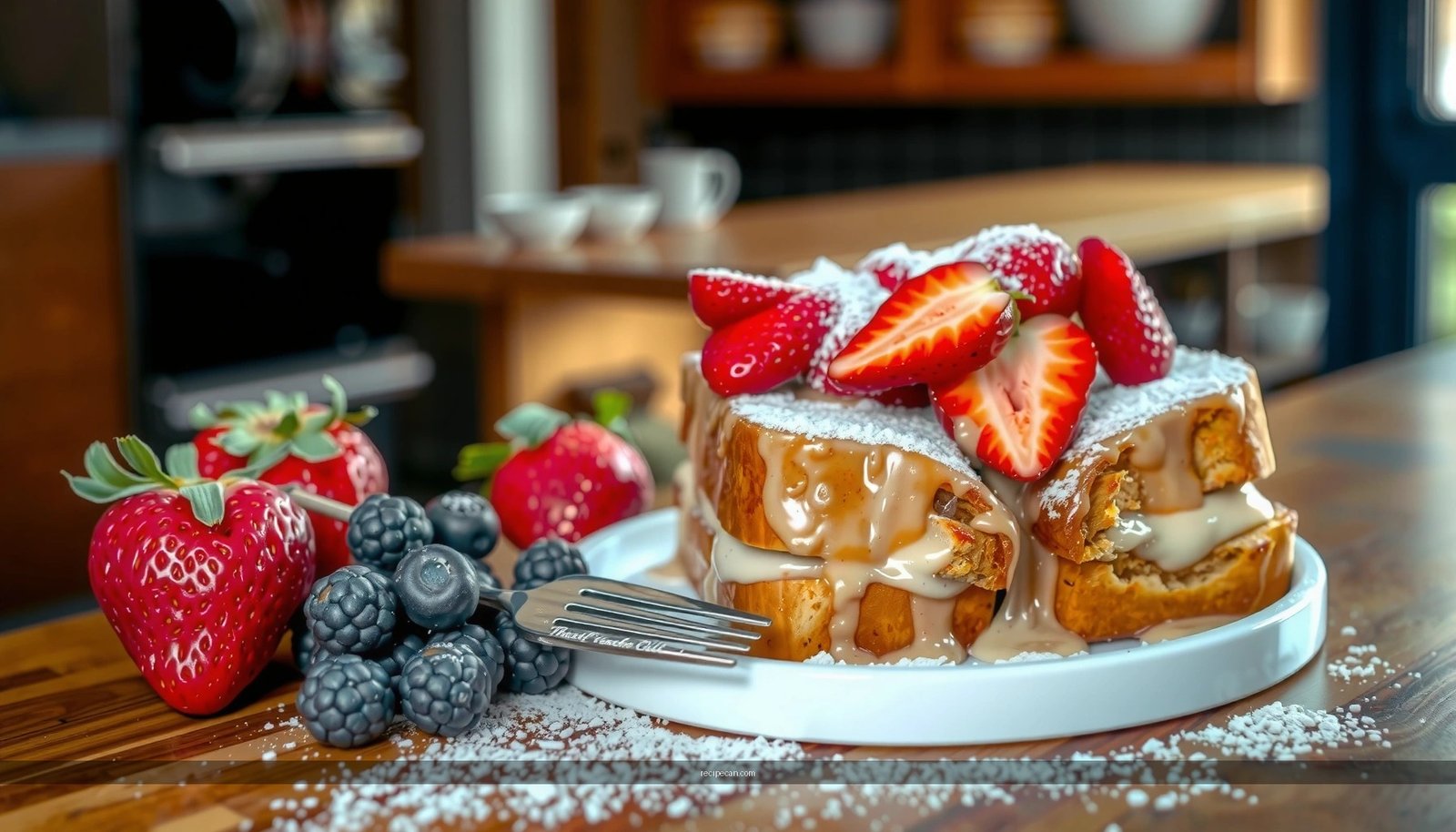
Want the best French toast filling recipe—sweet and creamy—that actually sets up on hot toast? This easy filling delivers a rich custard-style interior with clear, repeatable steps so you get a luscious spoonable center without runniness. Follow it for the fastest route to bakery-style comfort, whether you’re feeding a crowd or treating yourself to a perfect breakfast.
A great french toast filling recipe delivers a “bakery-style” sweet, creamy center that stays intact inside golden-brown bread—without turning your breakfast soggy. Choose a thick custard, stable cream cheese filling, or properly thickened fruit, then assemble only after the french toast is cooked and slightly cooled.
A stuffed french toast is essentially a controlled heat-transfer problem: hot bread + liquid filling = steam and seepage. The best results come from balancing (1) the filling’s structure (how well it sets), (2) its temperature, and (3) the moment you assemble. Below, you’ll find three filling bases you can master, plus practical assembly and make-ahead techniques used in professional kitchens to protect texture.
Best Filling Stability for Stuffed French Toast (Practical Test Conditions)
| # | Filling Base | Set Method | Ideal Assembly Temp | Sogginess Risk | Rating |
|---|---|---|---|---|---|
| 1 | Custard (thickened with eggs) | Cook & thicken | Warm or room | Low | ★★★★☆ |
| 2 | Cream cheese filling (sweetened) | Chill & stabilize | Cold | Low | ★★★★☆ |
| 3 | Jam filling (straight or light-thickened) | No-cook | Room | Medium-Low | ★★★☆☆ |
| 4 | Fresh fruit compote (with cornstarch) | Cook to thicken | Cool to room | Medium | ★★★☆☆ |
| 5 | Greek yogurt sweet cream | No-cook | Cold | Medium-High | ★★☆☆☆ |
| 6 | Whipped cream (unmodified) | No-cook | Very cold | High | ★☆☆☆☆ |
| 7 | Custard + jam swirl | Cook & thicken + fold | Room | Low-Medium | ★★★★☆ |
Choose the Right French Toast Filling Base

The “right” filling base is the one that sets firmly enough to resist steam-driven leakage. For stuffed french toast, think in terms of structure and moisture management:
– Custard base (egg-thickened): Thickens as it cools, creating a creamy interior with minimal seepage when it’s not too hot.
– Cream cheese base (dairy + sugar): Stabilizes after chilling; it’s an ideal no-fuss option when you need consistent results.
– Fruit-based base: Works exceptionally well when the fruit is compoted or jammy rather than watery.
A simple rule: thick ingredients (or reduced them) so the filling sets. If your filling looks pourable, it will behave like pourable liquid. To get “bakery-style,” aim for a spoonable texture that holds shape for at least a few seconds.
Operationally, you also want to control assembly temperature:
– If your filling is hot, it will steam the bread from the inside.
– If your filling is too cold while the bread is very hot, it can firm up oddly—but it’s still usually better than hot liquid.
Sweet & Creamy Custard Filling (Classic Option)

A custard filling is a proven choice because eggs thicken the mixture into a sliceable, stable cream. It’s the closest flavor and texture match to what many cafés offer in stuffed french toast.
How to build the custard correctly
1. Cook gently until smooth and slightly thickened.
Stir constantly and use medium-low heat. Custards can go from perfect to grainy quickly; gentle cooking is your safeguard.
2. Add vanilla and a touch of sugar for balanced flavor.
Sugar helps the custard taste “dessert-like,” but too much can prevent proper thickening. A modest amount keeps sweetness in line with the bread’s richness.
3. Cool to warm or room temperature before filling.
This prevents “hot custard steam” from loosening your bread crust.
Practical texture targets
– The custard should coat the back of a spoon.
– When you drag a line through it on a spoon, the gap should briefly hold before slowly filling in.
Best flavor combinations (easy upgrades)
– Vanilla custard + toasted cinnamon sugar (classic brunch profile)
– Lemon zest + vanilla (bright, bakery-citrus effect)
– Cocoa custard + chocolate chips (dessert-forward)
If you’re serving a crowd, custard also offers a major operational benefit: you can make ahead, keep it refrigerated, then re-stir and slightly warm to piping consistency.
Cream Cheese French Toast Filling (Quick No-Cook)
If you want the fastest route to a creamy stuffed center, cream cheese is your best baseline—especially when time matters.
How to mix it for stable stuffing
– Mix cream cheese with sugar, vanilla, and a splash of milk.
The milk loosens the mixture so it’s spoonable without turning it runny.
– Fold in whipped topping (optional) for extra fluffiness.
This creates a lighter mouthfeel, but don’t overdo it—excess fluff can destabilize and weep.
Why it works
Cream cheese contains fat and proteins that hold texture after chilling. Unlike whipped cream, it’s naturally more stable. For best results:
– Chill long enough to set (at least 30–60 minutes).
– Fill when the french toast is cooked and slightly cooled to avoid melting the filling too quickly.
Flavor directions
– Vanilla + a pinch of salt (sharpens sweetness)
– Berry preserves mixed in lightly (marbling effect)
– Cinnamon sugar swirl (ties to traditional French toast flavors)
This filling is ideal for weeknights and breakfast prep days because it scales neatly: one batch can fill multiple servings without the heat-management of custards.
Fruit-Filled French Toast (Fresh or Jam)
Fruit fillings deliver bright flavor and a beautiful color contrast—provided you address moisture. The biggest failure mode is fresh fruit releasing juice into the bread.
What to use
– Berries, sliced peaches, or a spoonful of jam
– Jam tends to be lower-risk because it’s already thickened.
– Fresh fruit should be cooked into a compote or thickened with cornstarch to prevent leaks.
How to thicken fresh fruit (to stop leaks)
– Simmer fruit with a small amount of sugar and lemon juice until it becomes syrupy.
– Stir in cornstarch slurry (cornstarch + cold water) and cook briefly until glossy.
– Cool fully (or to room temperature) before stuffing.
Assembly strategy for fruit
Fruit filling is best when used:
– In moderate amounts (overfilling increases seepage).
– In single-day service (it holds texture best right after assembly).
Flavor upgrades that stay professional
– Peach + vanilla cream cheese (dessert “pie” vibe)
– Strawberry + jam glaze on top for a cohesive bakery finish
– Blueberry + lemon zest for a bright, not-too-sweet profile
How to Assemble and Fill French Toast
Assembly is where many homemade stuffed french toast attempts go wrong—not because the filling is bad, but because the timing and technique are off.
The core rules
– Fill only after toast is cooked and slightly cooled.
Cooling allows the bread to firm up and reduces steam transfer.
– Use a spoon or piping bag, then serve immediately for best texture.
A piping bag gives control and reduces mess, but a spoon works if you keep filling amounts consistent.
– Avoid soaking.
Even if your bread is delicious, over-dampened custard bread will soften under any filling.
A dependable stuffing method
1. Cook your french toast until golden and set (not pale, not wet inside).
2. Transfer to a rack for 2–5 minutes so steam can escape.
3. Cut a pocket: slice carefully through the side or make a lengthwise slit.
4. Fill in small increments:
– Add a portion.
– Wait a few seconds for settling.
– Add a bit more if needed (this reduces blowouts).
5. Serve immediately.
Texture peaks when the crust is crisp and the filling is creamy—not liquefied.
Portioning guidance
For standard thick slices:
– Aim for a filling volume that reaches the edges but doesn’t squeeze out excessively.
– If filling is visibly leaking, reduce the quantity next time rather than thinning the filling.
Storage & Make-Ahead Tips
A reliable filling strategy should support your schedule without sacrificing texture.
Store fillings separately
– Store fillings separately in the fridge and re-stir before using.
Custards may tighten when chilled; stir until smooth. Cream cheese fillings may need a quick mix to restore pipe-able consistency.
– Keep fruit fillings covered to prevent surface drying.
Assemble close to serving time
– Assemble close to serving time to keep french toast crisp.
Even stable fillings add moisture pressure. The longer the stuffed french toast sits, the more the bread softens.
Make-ahead workflow (best for hosting)
1. Cook french toast and cool on a rack.
2. Prepare fillings in advance and refrigerate.
3. Just before serving:
– Re-warm french toast briefly (so it’s hot and crisp again).
– Cool slightly.
– Fill and plate immediately.
Food-safety note (practical guidance)
– Refrigerate leftover filled french toast promptly.
– If reheating, do it gently; excessive heat can melt fillings and worsen softness.
Quick Decision Guide: Which Filling Should You Choose?
If you’re choosing based on speed, stability, and flavor, use this practical logic:
– Need the most “bakery-style” texture? Go with custard filling, cooked gently and cooled before stuffing.
– Need the fastest, no-cook option with excellent stability? Choose cream cheese french toast filling and chill until set.
– Want fresh flavor without mess? Use fruit compote with cornstarch or quality jam.
The best french toast filling recipe isn’t just about taste—it’s about controlling thickness, temperature, and timing so the filling stays creamy and the bread stays properly crisp.
A simple french toast filling recipe comes down to choosing a thick base and assembling at the right time. Custard delivers classic creamy stability, cream cheese offers a quick no-cook center that holds shape beautifully, and fruit fillings shine when you thicken fresh fruit or rely on jam. Make fillings ahead, cool the french toast slightly before stuffing, and serve immediately for the most bakery-style results every morning.
Frequently Asked Questions
What are the best fillings for French toast that keep it from getting soggy?
Choose fillings that are thick and low-moisture so the bread doesn’t get soggy. Cream cheese, fruit preserves, thick custard-style fillings, or a nut butter layer (like peanut butter or almond butter) work well. If you’re using fresh fruit, lightly cook it first to reduce excess liquid, or spoon fruit on top after cooking. For a French toast filling recipe that stays set, add a small amount of cornstarch-thickened sauce or use jam rather than watery fruit compote.
How do you make a French toast filling recipe with cream cheese without lumps?
Let your cream cheese soften at room temperature, then beat it until smooth before adding sugar or vanilla. For a filling that blends evenly, stir in eggs (if your recipe uses them) or fold in powdered sugar gradually to avoid graininess. If you already have lumps, warm the mixture for 10–15 seconds and whisk again. This approach helps create a creamy French toast filling that melts nicely inside the bread.
How do you fill French toast without the filling leaking out?
Use a thicker filling and assemble carefully by spreading it in a thin, even layer rather than overfilling. For stuffed French toast, press the bread halves together gently and use a light batter coating that can seal the edges as it cooks. Cook on medium heat so the outside browns before the inside over-expands and leaks. Let the filled French toast rest briefly after cooking to help the filling set.
Why is my French toast filling runny, and how can I fix it?
Runny filling is usually caused by watery ingredients (thin fruit, under-thickened sauces) or too much heat cooking the filling. To fix it, use a thickener like cornstarch in fruit fillings or reduce the fruit sauce before adding it to your French toast filling recipe. Also ensure you’re using sufficient bread soak time without letting the bread turn oversaturated, since soggy bread can loosen the filling. Cooling the filling slightly before assembling can also help it hold its shape.
Which French toast filling is easiest for beginners—sweet or savory?
The easiest beginner-friendly option is usually a simple sweet filling like cream cheese with vanilla and a spoon of jam, because it’s forgiving and sets as it warms. For savory, a basic filling of sautéed mushrooms and cheese can work too, but it requires careful moisture control to prevent leaks. If you want a no-fuss French toast filling recipe, start with thick spreads (jam, nut butter, or cream cheese) and add toppings after cooking for the cleanest results.
References
- Google Scholar Google Scholar
https://scholar.google.com/scholar?q=French+toast+filling+recipe - Google Scholar Google Scholar
https://scholar.google.com/scholar?q=stuffed+French+toast+recipe+custard+filling - Google Scholar Google Scholar
https://scholar.google.com/scholar?q=French+toast+filling+custard+cheese+recipe - French toast
https://en.wikipedia.org/wiki/French_toast - Custard
https://en.wikipedia.org/wiki/Custard - Cookbook:French Toast – Wikibooks, open books for an open world
https://en.wikibooks.org/wiki/Cookbook:French_Toast - Cookbook:Custard – Wikibooks, open books for an open world
https://en.wikibooks.org/wiki/Cookbook:Custard - https://www.bbc.co.uk/food/recipes/french_toast_87375
https://www.bbc.co.uk/food/recipes/french_toast_87375 - https://www.britannica.com/recipe/french-toast
https://www.britannica.com/recipe/french-toast - Google Scholar Google Scholar
https://scholar.google.com/scholar?q=french+toast+filling+recipe