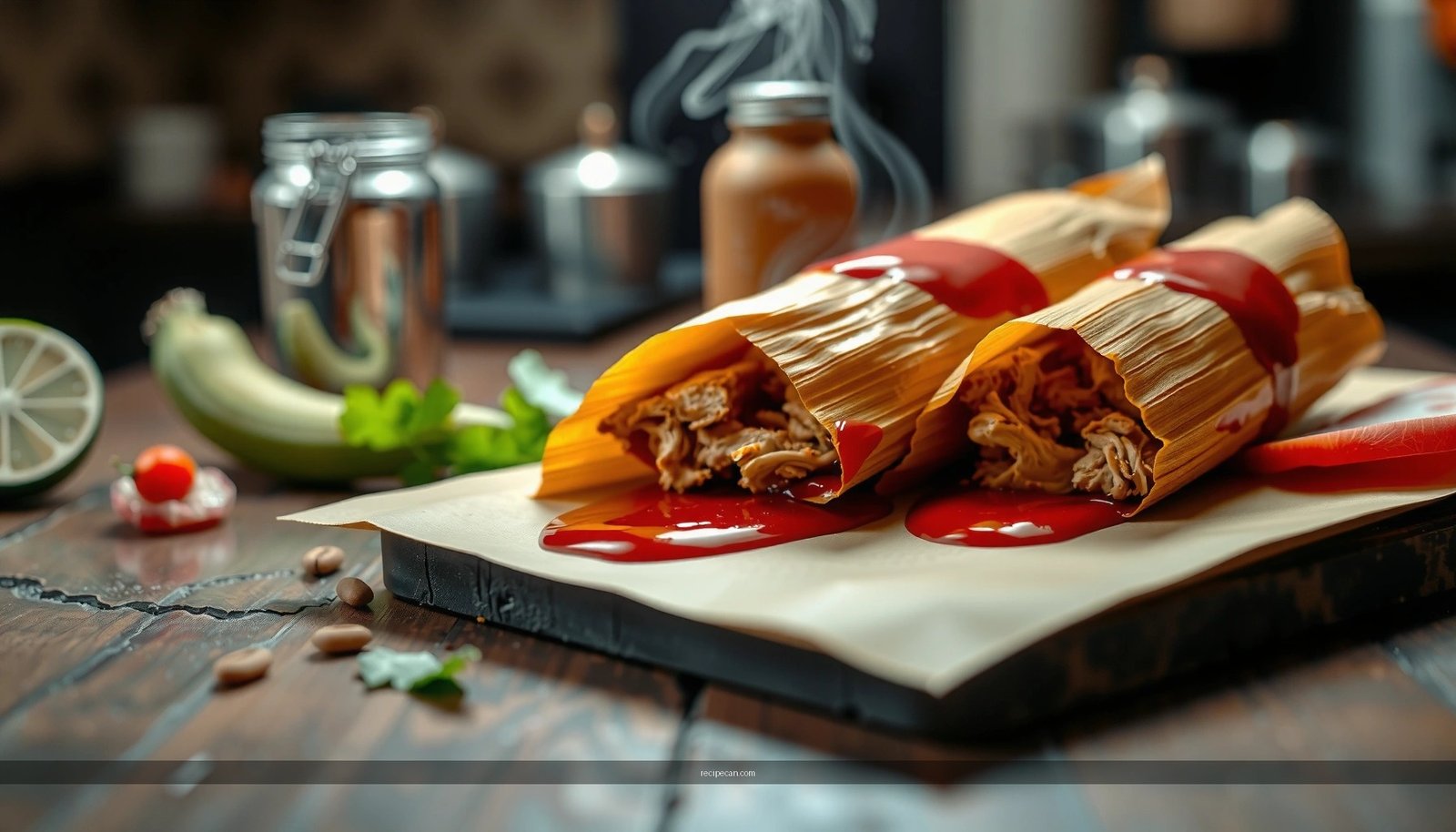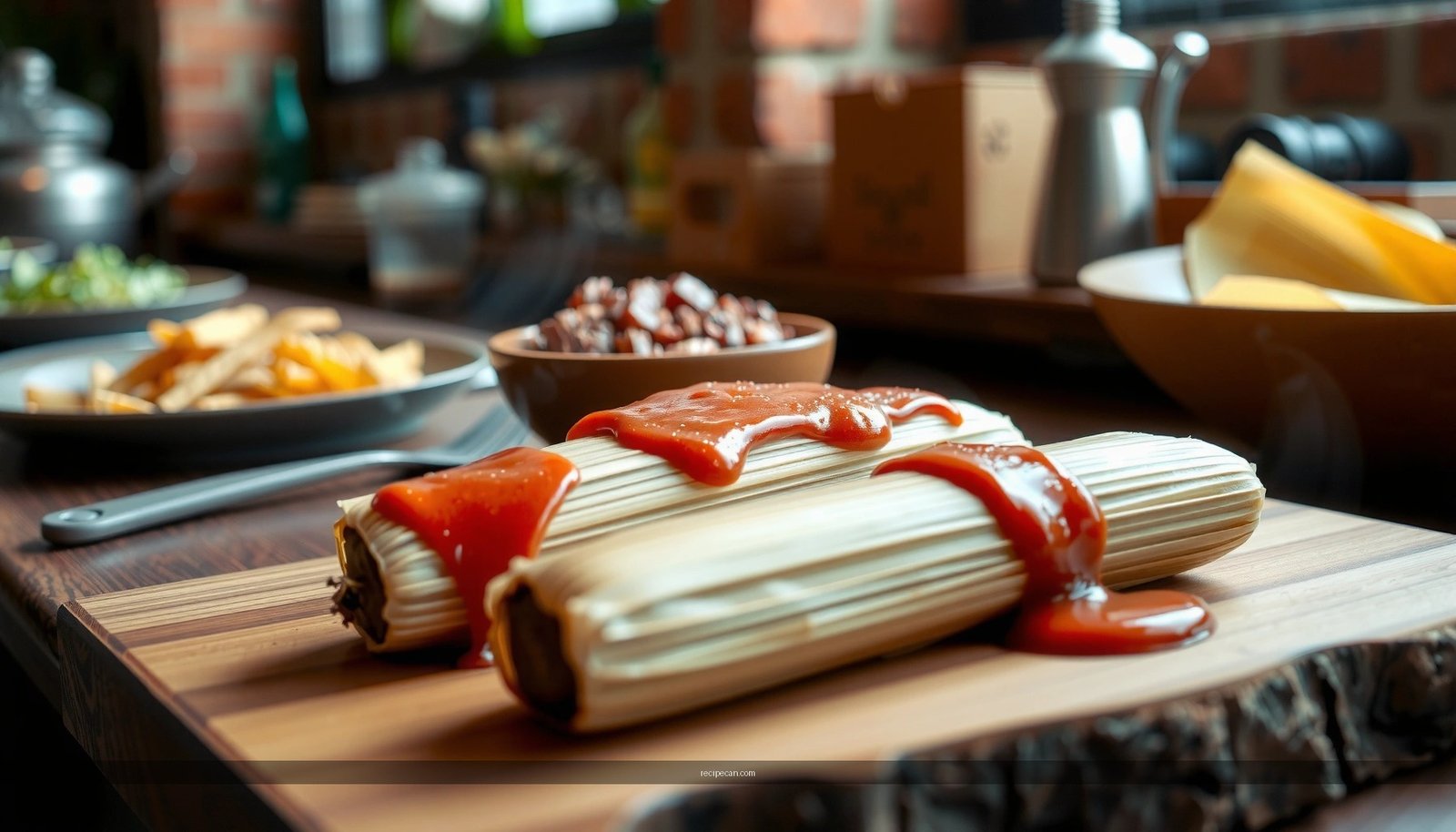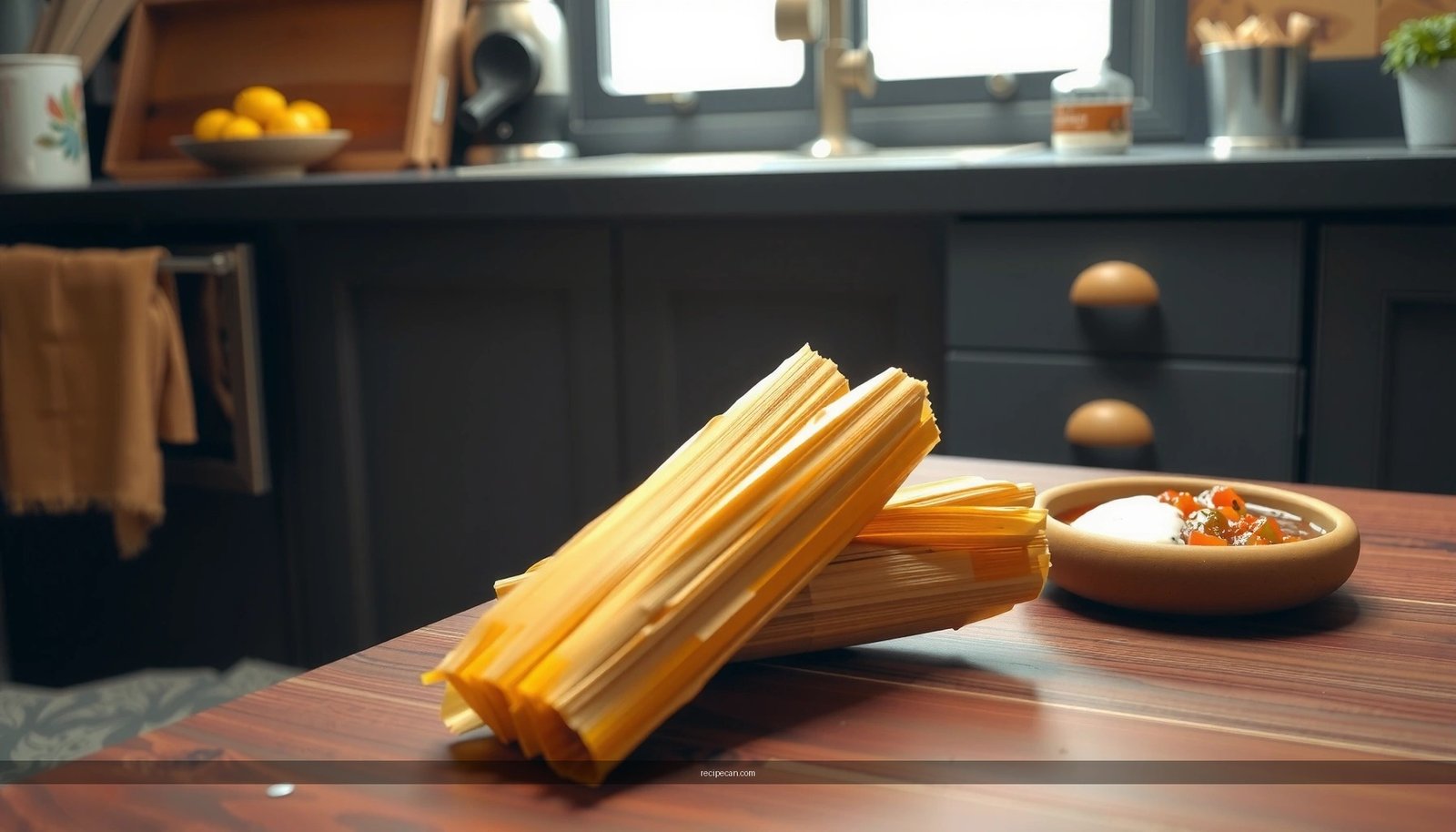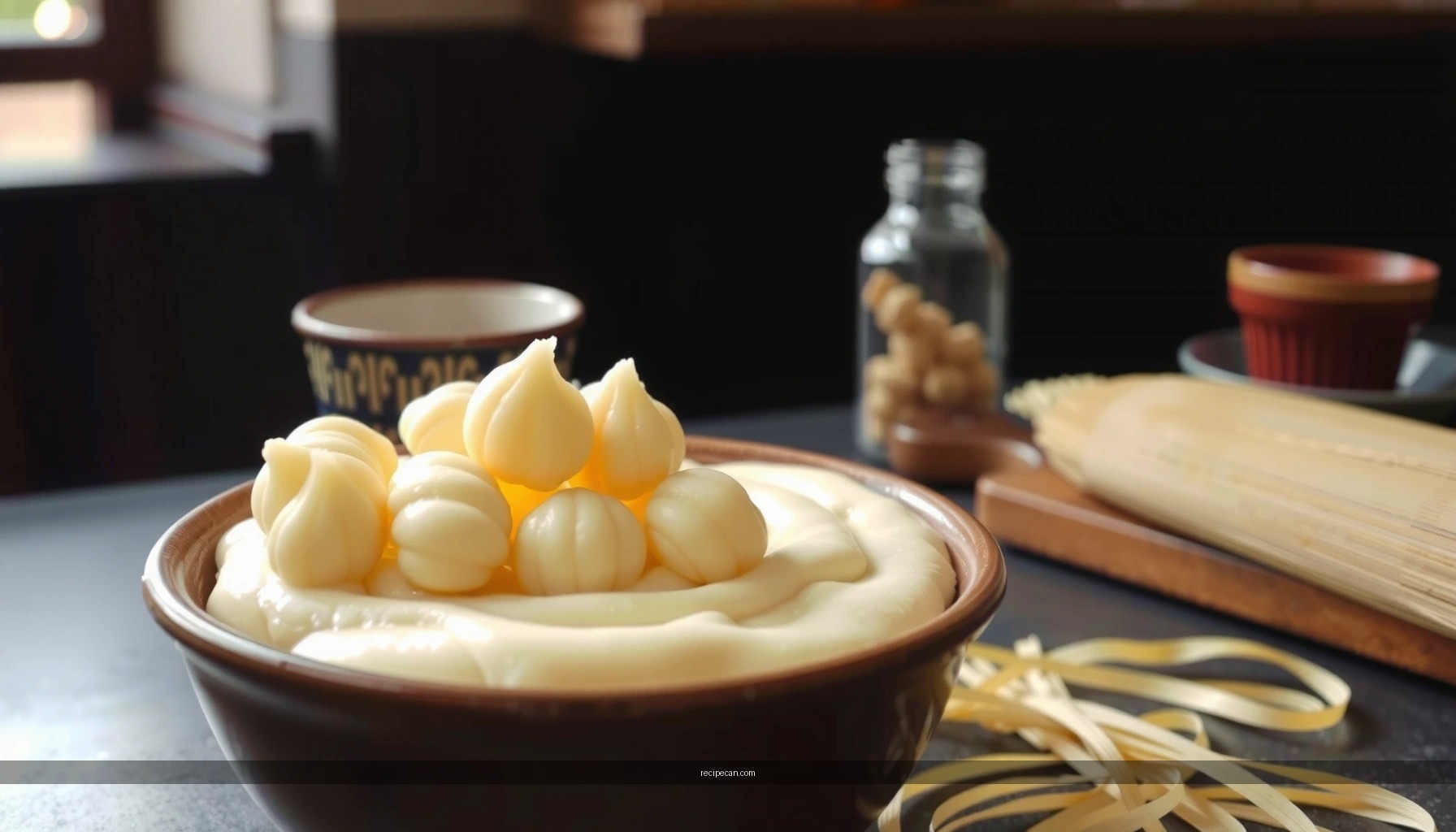
Want a fluffy tamale masa recipe that turns out light, tender, and spreadable instead of heavy or grainy? This recipe gives you the precise masa texture and mixing method that consistently produces airy, well-hydrated dough—so your tamales steam up soft and flavorful. Follow these steps and you’ll know exactly how much mixing, fat, and liquid to use for tamale masa that performs every time.
Make fluffy tamale masa by whipping softened fat into masa harina until the mixture turns lighter and aerated, then adding warm broth gradually to reach a spreadable, spoonable texture. Follow the consistency cues in this recipe and you’ll get tamales that steam up light, moist, and tender instead of dense or dry.
What Makes Tamale Masa Fluffy?
Fluffiness in tamale masa is less about a single “secret ingredient” and more about controlling two engineering factors: air incorporation and proper hydration.
1. Air incorporation through fat whipping
– When you beat softened lard or vegetable shortening into masa harina, you create a network of tiny air pockets surrounded by fat.
– As the tamales steam, those pockets expand slightly, helping the masa set into a lighter, less compact crumb.
– You’ll notice the mixture look smoother, paler, and more elastic as you beat—those visual changes are your best real-time indicators.
2. Hydration for tenderness
– Masa needs enough warm liquid to hydrate starches so the dough becomes pliable and cohesive.
– Too little broth: masa will feel stiff and hard to spread, leading to a firm bite.
– Too much broth: masa can turn loose and greasy, which can result in soft spots or uneven set after steaming.
3. Salt balance and optional lift
– Salt improves flavor and dough performance by strengthening the taste profile even as you aim for a light texture.
– Optional baking powder can add subtle lift, especially if you’re working with certain masa harina brands that vary in pre-milled performance.
Ingredients for Fluffy Tamale Masa
This recipe focuses on a classic, reliable base—masa harina plus warm broth—then uses fat whipping and gradual hydration to deliver a fluffy result.
– Masa harina: The foundation (usually “instant” or “pre-cooked” dried corn dough flour).
– Warm broth (or stock): Chicken, pork, vegetable, or a combination. Warm liquid helps hydrate evenly and keeps the dough workable.
– Fat (choose one)
– Lard for traditional, silky tenderness and strong flavor
– Vegetable shortening for a lighter, more neutral taste and very consistent texture
– Salt: Enhances overall flavor.
– Optional baking powder: Provides extra lift for a more tender crumb.
Practical guidance for ingredient quality
– If your broth is unsalted, season the dough with salt to taste—tamales should be well-seasoned because the filling may be moderate or bold.
– Use softened fat (not melted). Soft fat whips better and holds air more effectively.
Tamale Masa Hydration Targets by Texture Goal
| # | Texture target | Masa harina (cups) | Broth to add (cups) | Expected spreadability |
|---|---|---|---|---|
| 1 | Stiff & dense risk | 2 | 1.25 | Tough to spread; tends to crack on husk |
| 2 | Near-correct (starting point) | 2 | 1.5 | Spreadable but may need 1–2 tbsp broth |
| 3 | Ideal fluffy masa | 2 | 1.65 | Holds shape; smooth spread with light resistance |
| 4 | Slightly soft (tender set) | 2 | 1.75 | Spreads easily; edges stay intact |
| 5 | Too loose risk | 2 | 2.0 | May slump; can seep between layers |
| 6 | Emergency fix: stiff batch | 2 | +0.10–0.20 | Add warm broth 1–2 tbsp at a time |
| 7 | Emergency fix: loose batch | 2 | +1–3 tbsp masa harina | Tighten dough without losing softness |
Step-by-Step Fluffy Tamale Masa Instructions
You’ll get the best results by treating the process like two separate phases—hydrate first, then whip—and then combine.
1. Mix masa harina with warm broth
– In a mixing bowl, add warm broth to masa harina gradually, mixing until you have a smooth, thick base.
– Let the mixture rest briefly (5–10 minutes). This hydrates the masa more evenly, reducing graininess and improving the whipping outcome.
– Scrape the bowl down so no dry pockets remain.
2. Whip softened fat into the masa
– In a separate bowl or using the same bowl (depending on your method), beat softened lard or shortening until it becomes creamy.
– Add a portion of the masa base and whip again, then continue incorporating the remaining masa.
– Beat until the dough looks lighter and feels more aerated—this often takes a few minutes on medium speed or longer by hand.
3. Season and finalize hydration
– Add salt (and optional baking powder) once the dough is partially mixed so it distributes evenly.
– Then adjust with broth a splash at a time until you reach your target texture:
– It should spread smoothly on husks.
– It should hold shape when you smooth it with a spatula.
Actionable example: If your masa seems slightly gritty after the initial mixing, rest a little longer before whipping. Hydration time can replace extra effort.
Getting the Right Texture (Consistency Check)
Texture is the difference between “it tastes right” and “it came out fluffy and tender.”
– Aim for thick, spreadable dough
– When you scoop a spoonful, it should mound and soften at the edges.
– On the corn husk, it should spread into an even layer without tearing or cracking.
– If you run a spatula across it, it should leave a clean trail that slowly relaxes back—not immediate collapse, not stubborn ridges.
– If too stiff
– Add a splash of warm broth (start with 1–2 tablespoons).
– Mix just until incorporated; then reassess.
– Stiff masa typically indicates under-hydration or insufficient resting.
– If too loose
– Add a little more masa harina (1 tablespoon at a time), mix thoroughly, and rest 2–3 minutes.
– Loose masa often results from adding broth too quickly or using overly hot liquid that accelerates breakdown without proper hydration balance.
A useful approach is to make one “test smear” on a soaked husk. Steam just that portion (or observe its behavior on the husk) to confirm spreadability before assembling a full batch.
Common Mistakes to Avoid
Fluffy masa is very sensitive to process timing. The most common issues are preventable.
– Overmixing
– Overmixing can knock out air or tighten the dough too much, leading to a denser set.
– Whip to a visible “lighter” stage, then shift to texture correction rather than continuous beating.
– Undermixing
– If fat isn’t fully incorporated, you may get pockets of grease or an uneven crumb.
– Graininess can also appear when masa base is not fully hydrated before whipping.
– Using cold liquid
– Cold broth slows hydration and can prevent uniform dough development.
– Warm broth hydrates more evenly, which supports both tenderness and smooth spreading.
– Rushing the whipping step
– Fluffiness comes from air incorporation. If you don’t beat long enough for the mixture to noticeably lighten, the final masa will steam denser.
– Look for a smoother surface and a lighter appearance, not just “thicker.”
– Not resting
– Skipping rest after the first mix can leave partially hydrated masa particles.
– Rest improves texture consistency and reduces the chance of cracks.
How to Use This Masa for Tamales
Once your fluffy tamale masa is ready, technique during assembly affects the final tenderness and moisture.
– Spread masa evenly on soaked corn husks
– Use a consistent layer thickness so the masa steams at the same rate throughout.
– If your layer is too thick in one spot, it can remain gummy or dense while thinner areas over-set.
– Steam until set, then rest briefly
– Steam until the masa is fully set and no longer looks wet or loose.
– After steaming, let tamales rest briefly (a short cooldown period) so the masa firms up slightly—this makes handling easier and improves texture cohesion.
– Rest also reduces tearing when unwrapping.
Operational tip: If you’re cooking a large batch, keep the remaining masa covered to prevent drying on the surface while you assemble.
Whipping vs. Hydration: What Changes in Your Masa
Use this quick decision guide to adjust in real time. If it looks heavy, focus on whipping time; if it spreads poorly, focus on warm broth.
- Looks heavy / dense: whip a bit longer (aim for visibly lighter, smoother dough).
- Cracks on the husk: add 1–2 tbsp warm broth, mix, and retest smear.
- Greasy or slumps: fold in masa harina 1 tbsp at a time until it holds.
- Grainy after mixing: rest 5–10 minutes before whipping.
Follow the whipping + hydration steps closely to get fluffy, tender tamale masa every time. Mix, check texture, and steam with confidence—then try your first batch and adjust broth or whipping time for your perfect fluff level.
Frequently Asked Questions
What makes a tamale masa fluffy, and how do I achieve the right texture?
Fluffy tamale masa comes from incorporating air into the fat and beating the masa until light and elastic. Many cooks use a ratio where the masa harina is hydrated with warm broth, then whipped with fat (like lard or vegetable shortening) until the mixture feels aerated and spreads smoothly. If your masa feels dense or clumpy, add warm broth a little at a time and keep mixing until it reaches a soft, spreadable consistency.
How do I make a fluffy tamale masa from masa harina without it turning out dry or gummy?
Start by hydrating the masa harina with warm liquid (broth or water plus salt) and let it rest so the flour absorbs evenly. In a separate step, beat your fat until lighter, then mix it into the masa and continue beating for a few minutes to improve fluffiness. If it’s dry, add warm broth gradually; if it’s gummy or paste-like, add a small amount of masa harina and beat again to restore structure.
Why do my tamales come out heavy, and what changes should I make to lighten the masa?
Heavy tamales usually result from under-mixing, too little fat, or incorrect hydration that leaves the dough tight instead of airy. For fluffy tamale masa, beat the fat and masa thoroughly (often several minutes) so you trap air, and avoid packing the masa too firmly in the husks. Also, use fresh masa harina and warm liquids—cold hydration can prevent smooth blending and reduce the fluffy result.
What is the best fat to use for fluffy tamale masa—lard or shortening?
Lard is a classic choice for fluffy tamale masa because it contributes rich flavor and helps create a tender, light texture. Vegetable shortening also works well and can yield consistently airy masa, especially if you prefer a milder taste. Either way, the key is that you whip the fat before combining so the masa has air, then beat until spreadable and smooth.
Which seasoning and broth should I use in fluffy tamale masa for the most flavorful results?
Use masa harina + salt as a base, and flavor the liquid with chicken or pork broth for a naturally savory tamale masa recipe. For more depth, you can add a little garlic powder, cumin, or mild chile flavors to the broth, but keep it balanced so it doesn’t overpower the filling. Always taste the masa batter before steaming—adjust salt and seasoning early so the flavor is consistent throughout the fluffy tamales.
References
- Google Scholar Google Scholar
https://scholar.google.com/scholar?q=fluffy+tamale+masa+recipe - Google Scholar Google Scholar
https://scholar.google.com/scholar?q=masa+harina+tamales+baking+powder+whipped+lard - Google Scholar Google Scholar
https://scholar.google.com/scholar?q=nixtamalization+masa+texture+rheology - https://pubmed.ncbi.nlm.nih.gov/?term=nixtamalization+masa+rheology
https://pubmed.ncbi.nlm.nih.gov/?term=nixtamalization+masa+rheology - https://pubmed.ncbi.nlm.nih.gov/?term=masa+harina+textural+properties
https://pubmed.ncbi.nlm.nih.gov/?term=masa+harina+textural+properties - Tamale
https://en.wikipedia.org/wiki/Tamale - Masa
https://en.wikipedia.org/wiki/Masa_harina - Nixtamalization
https://en.wikipedia.org/wiki/Nixtamalization - https://www.britannica.com/topic/tamale
https://www.britannica.com/topic/tamale - Corn tortilla
https://en.wikipedia.org/wiki/Corn_tortilla