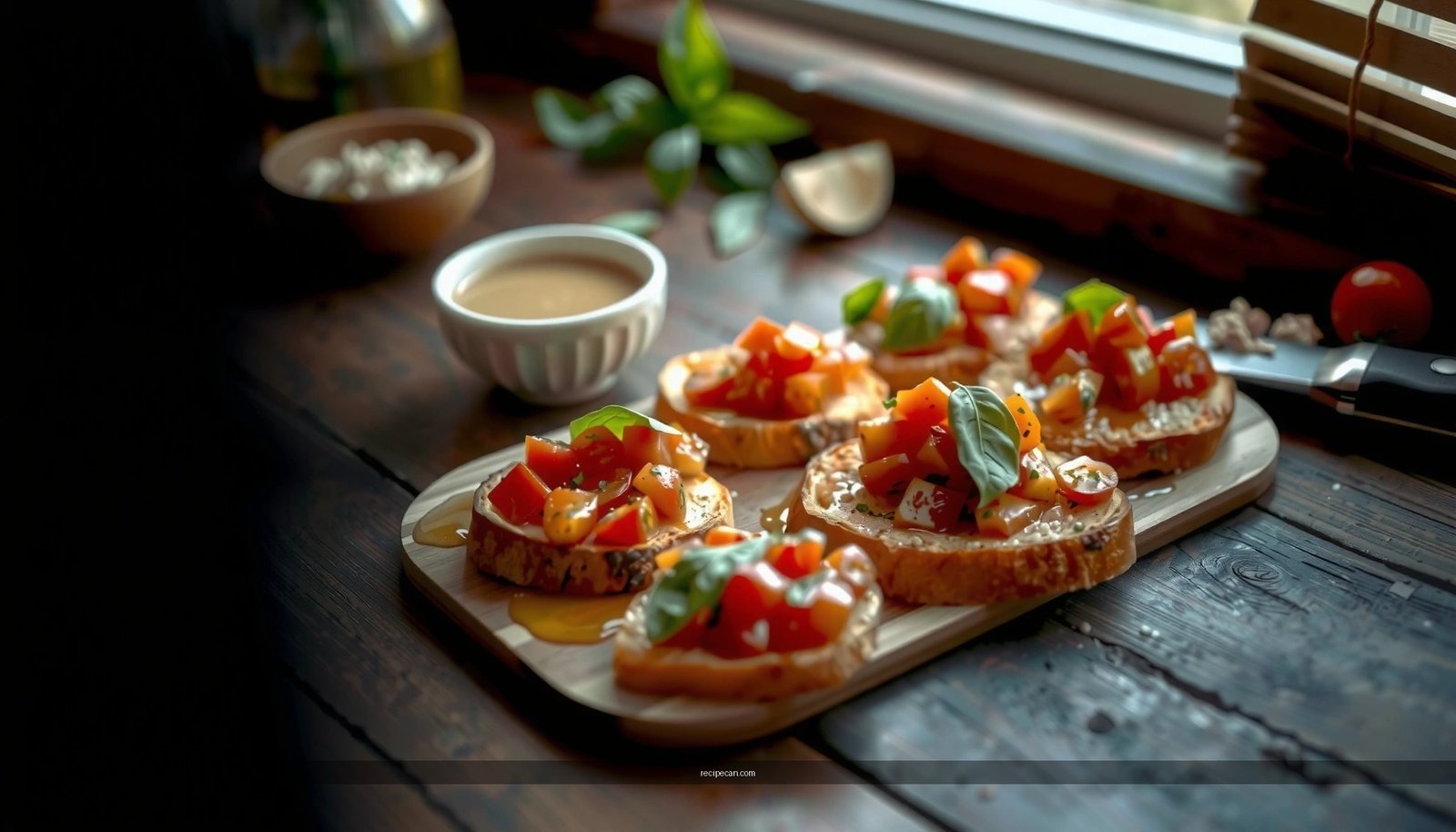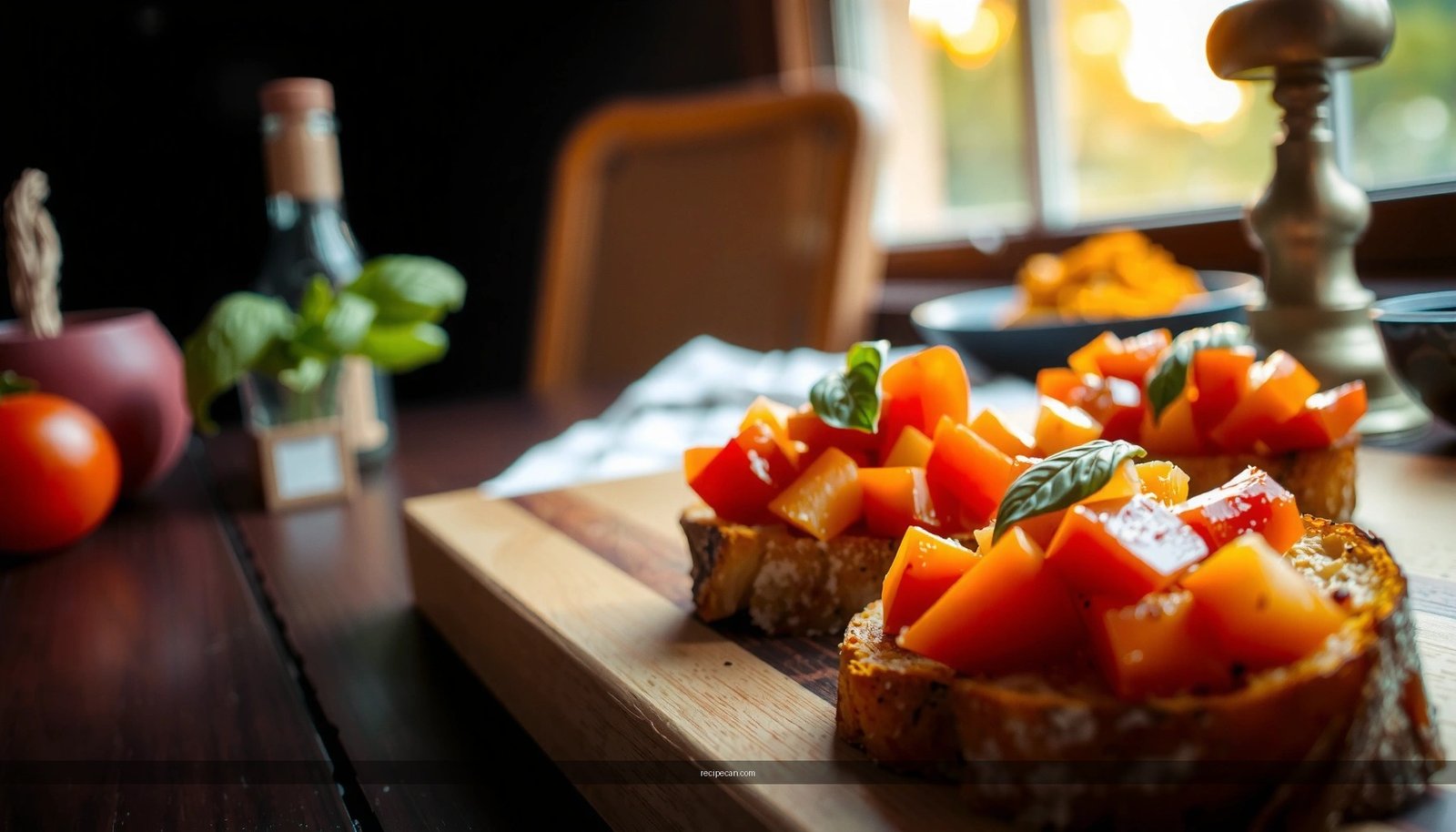
Want the best bruschetta recipe bread for classic bruschetta at home? This guide tells you exactly how to toast the right bread to get crisp edges and a tender center, then top it with a bright tomato-garlic mixture that tastes like it came from an Italian kitchen. Follow the steps once and you’ll know you’ve nailed the balance of crunch, freshness, and seasoning—no guesswork.
Toast or broil crusty bread until crisp, then top it immediately with a bright tomato-garlic mixture, olive oil, and fresh basil. That bread-to-topping timing—plus the right loaf—creates the classic contrast of crunchy bruschetta base and juicy, flavorful topping.
Choose the Right Bruschetta Recipe Bread
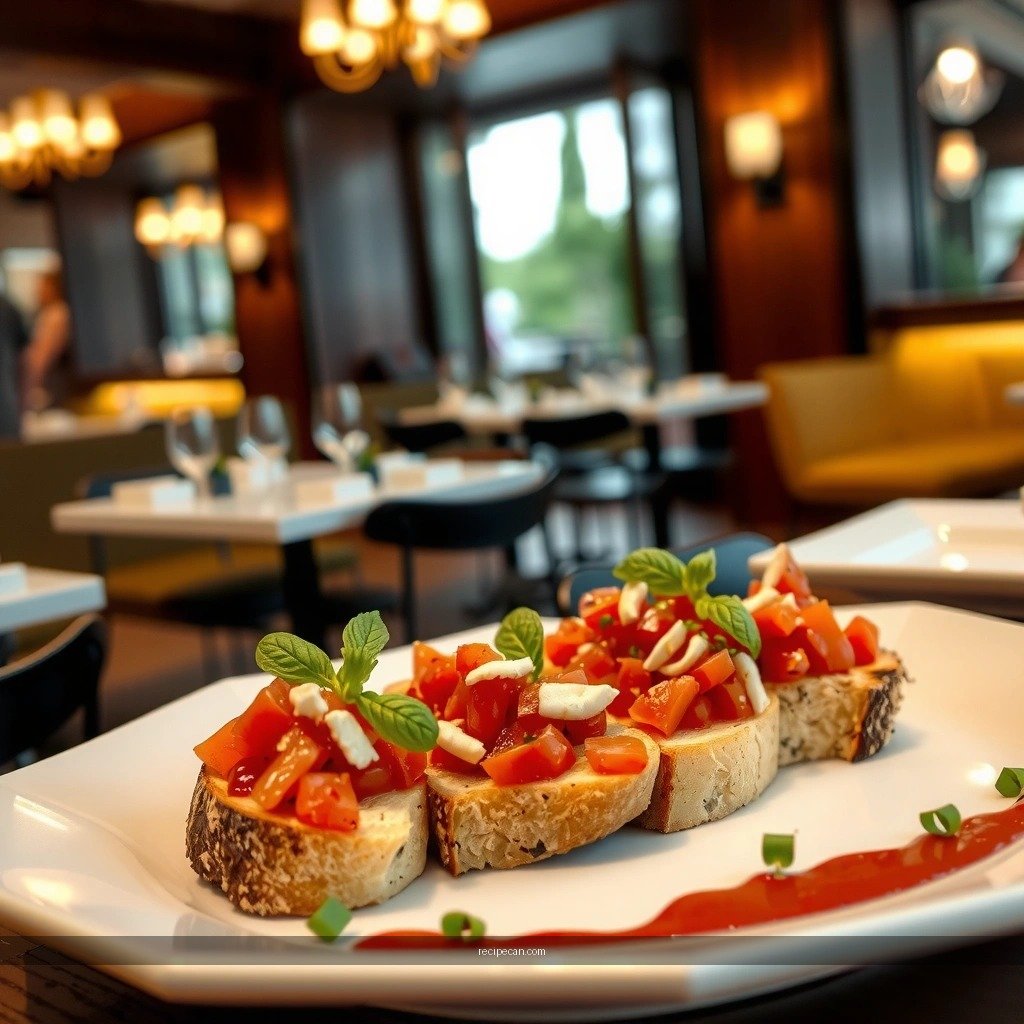
The bread is the foundation of classic bruschetta. The goal is texture: the outside should crisp quickly, while the center stays tender enough to feel pleasant (not bone-dry). That’s why “soft bread” often fails—either it turns leathery before toppings warm up, or it absorbs liquid and collapses.
– Use crusty Italian bread like ciabatta or a baguette for a crisp bite
Ciabatta is great because its open crumb toasts into irregular, crisp edges. A baguette offers a more uniform crunch and is easier to slice evenly.
– Cut into thick slices so the inside stays tender after toasting
Aim for about 3/4 to 1 inch (2–2.5 cm) thick slices. Thinner slices can toast too aggressively and become brittle, especially under a broiler.
– Aim for sturdy bread that can hold toppings without getting soggy
Bruschetta bread should be firm and dry enough to resist immediate saturation. Day-old bread works best because it has less surface moisture. If your loaf is very fresh, toast a little longer and finish with oil right after toasting so the bread forms a thin barrier.
Practical buying tip: look for a loaf labeled “artisan,” “crusty,” or “Italian,” with a firm crust and minimal sweetness. Avoid sandwich breads—they’re designed to stay soft.
Best Bread Types for Classic Bruschetta (Texture & Performance)
| # | Bread type (what to buy) | Crisp edge | Sogginess resistance | Slice thickness | Serving rating |
|---|---|---|---|---|---|
| 1 | Ciabatta | ★★★★★ | High | 1/2–1 in | 9.4/10 |
| 2 | Baguette (classic) | ★★★★☆ | High | 3/4–1 in | 9.1/10 |
| 3 | Sourdough boule | ★★★★☆ | Medium–High | 1/2–1 in | 8.7/10 |
| 4 | Italian loaf (day-old) | ★★★☆☆ | Medium | 3/4–1 in | 8.2/10 |
| 5 | Rye (crisp-toasted) | ★★★☆☆ | Medium | 1/2–3/4 in | 7.5/10 |
| 6 | Ciabatta rolls (for small bites) | ★★★★☆ | Medium–High | Cut in half | 8.9/10 |
| 7 | Sliced sandwich bread | ★☆☆☆☆ | Low | Any thickness | 6.1/10 |
Prepare the Bread Toasting Method
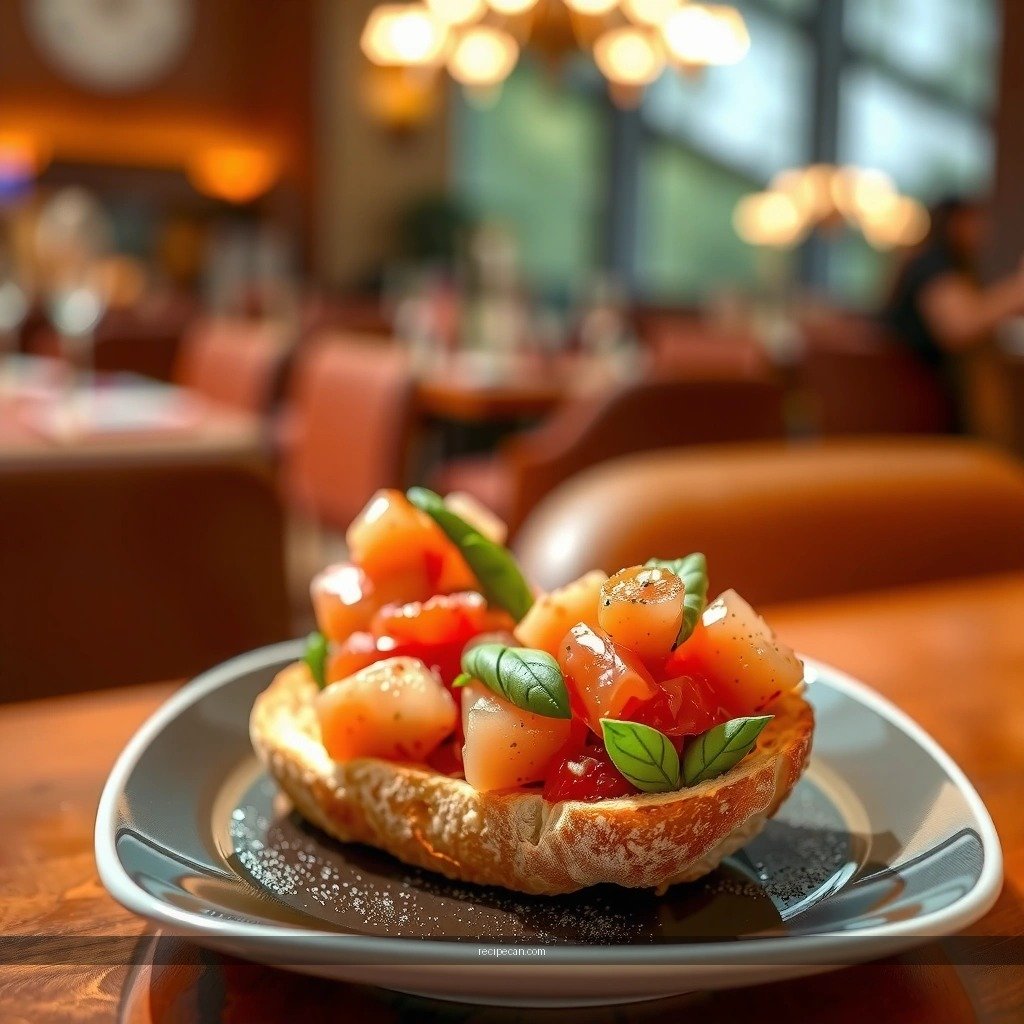
Toasting is where bruschetta becomes “classic.” The crisp surface must form before moisture from tomato reaches the bread. Whether you broil or toast, focus on controlled browning—not just warming.
– Toast or broil until golden and crisp on the edges
Use a hot oven (around 425°F / 220°C) or broil briefly for color. Rotate once if your oven browns unevenly. For broilers, watch closely—bread can go from golden to burnt in seconds.
– Rub warm bread with garlic for instant flavor
The technique matters: rub immediately after toasting so the garlic oils melt slightly into the crust. This avoids raw garlic bite while still delivering the signature aroma.
– Drizzle olive oil right after toasting for a balanced base
Add olive oil while the bread is warm. The oil helps create a subtle barrier and boosts mouthfeel, ensuring the bread stays crisp longer.
Common failure points (and fixes):
– Bread browns but doesn’t crisp: increase time slightly or use broil for the final 1–2 minutes.
– Bread gets too hard: slice thicker, lower heat, or stop earlier—toppings will add moisture that softens the center.
Make the Classic Tomato Topping
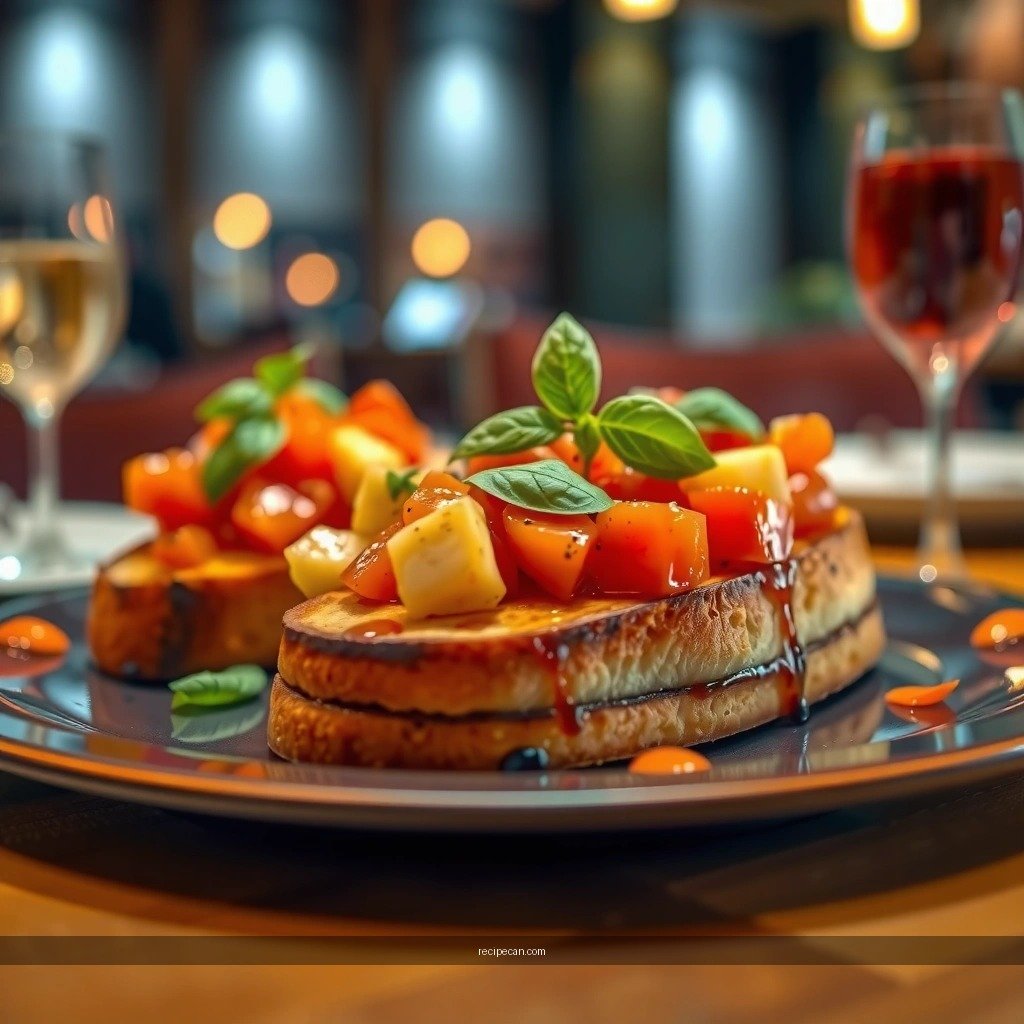
A classic bruschetta topping is simple: tomato, garlic, olive oil, basil, and seasoning. The most important analytical point is moisture management—tomato releases liquid, and that liquid can soak into bread fast.
– Dice tomatoes and season with salt, pepper, and a pinch of sugar if needed
Salt draws out juices, which you can either embrace (for a saucier topping) or manage by draining after. A pinch of sugar balances acidity in especially sharp tomatoes.
– Add minced garlic, olive oil, and chopped basil
Garlic should be minced finely enough to distribute evenly. Olive oil rounds sharpness and carries basil’s aroma. Add basil at the end so it stays vibrant.
– Let the mixture sit briefly so flavors blend and juices develop
Give it 10–20 minutes at room temperature. This is long enough for salt and garlic to permeate, but short enough to avoid a fully watery bowl.
Pro-level control: If your tomatoes are very juicy, remove some liquid before topping bread. Alternatively, keep juices in reserve and spoon only as needed per slice.
Assemble Bruschetta Like a Pro
Assembly is the timing-sensitive step. A great bruschetta is engineered for the last minute: you want the bread crisp at first bite and the topping juicy but not pooling into a soggy layer.
– Spoon topping onto bread just before serving to prevent sogginess
If you’re hosting, toast bread and pre-mix toppings, then assemble in waves. For parties, set up a topping station so you can top quickly.
– Use a slotted spoon if you want less pooling liquid
This is the simplest moisture management method. It preserves the tomato flavor while limiting extra juice on the crust.
– Finish with extra olive oil, basil leaves, or a touch of balsamic (optional)
A final drizzle boosts gloss and helps flavors “seal” onto the bread. Balsamic should be used lightly—think accent, not dominance—especially if your tomatoes are already sweet.
Serving workflow (efficient and consistent):
1. Toast/broil bread.
2. Garlic-rub and oil.
3. Keep bread on a rack (not stacked on a plate).
4. Assemble toppings right before guests arrive.
Flavor Variations for Bruschetta Bread
Once you nail the classic tomato bruschetta, variations become an exercise in balance—adding richness, smokiness, or savory depth while keeping the bread crisp.
– Try mozzarella or burrata for a creamy, rich version
Add mozzarella for clean slices and a classic melt. Burrata is silkier and best with slightly firmer bread so it doesn’t collapse.
– Add olives or roasted peppers for a Mediterranean twist
Chopped olives add briny contrast that complements sweet tomatoes. Roasted peppers bring smoky sweetness—excellent for guests who prefer less acidity.
– Use white beans or mushrooms as savory alternatives
White beans (like cannellini) can be smashed with olive oil and lemon to create a creamy base. Mushrooms add umami; sauté them first to remove excess water.
Variation strategy: keep “wet” ingredients in check. If you add something high-moisture (like roasted tomatoes, sautéed vegetables, or creamy cheeses), reduce excess liquid or spread a thin layer so the bread still crisps.
Serving and Storage Tips
Even with perfect technique, bruschetta is best served immediately. Storage is really about separating components so each part retains its intended texture.
– Serve immediately for the best crisp-to-tender contrast
The ideal experience happens within minutes of assembly. If you wait too long, tomato juices soften the crust.
– Store topping separately from bread to keep it from getting soggy
Refrigerate tomato topping in a covered container. Bring it close to room temperature before serving for best flavor.
– Re-toast bread quickly if needed, then add fresh toppings
If you must hold toasted bread for a short time, re-toast briefly to refresh crispness. Then top with fresh or gently warmed topping.
How far ahead can you prepare?
– Bread: toast up to a few hours ahead and store on a rack (re-crisp before serving).
– Topping: mix up to a day ahead, but expect slightly more liquid—drain or spoon carefully at assembly time.
To make great bruschetta, toast the bread until crisp, season it with garlic and olive oil, and top with fresh tomato mixture right before serving. Follow the bread + topping timing closely for the best texture and flavor. Try the classic tomato version first, then experiment with mozzarella, olives, or roasted peppers—share your favorite combination and make your next appetizer unforgettable.
Bruschetta is at its best when the technique is deliberate: choose a crusty loaf that toasts into a sturdy, crisp base; toast or broil until golden at the edges; season warm bread with garlic and olive oil; and assemble with tomato topping only at the last moment. Get those steps right, and you’ll reliably serve the classic crunchy base with juicy, flavorful toppings—exactly the experience bruschetta is meant to deliver.
Frequently Asked Questions
What bread is best for a bruschetta recipe?
The best bread for bruschetta is a crusty, sturdy loaf like Italian ciabatta, rustic sourdough, or an Italian baguette. These breads hold up well under grilling and don’t turn soggy when topped with tomatoes. Choose slices that are about 1-inch thick so you get a crisp edge and a tender center, which makes the bruschetta recipe bread easier to manage and eat.
How do you toast bruschetta bread so it stays crispy?
Preheat a grill or oven to high heat, then toast the bread until golden and crisp, usually 2–4 minutes per side depending on thickness. Rub the hot bread lightly with garlic and drizzle with olive oil immediately after to boost flavor and help protect against sogginess. Avoid topping too early—assemble just before serving so your bruschetta recipe bread remains crunchy.
Why do you rub garlic on bruschetta bread before adding tomatoes?
Garlic-rub bruschetta bread infuses the crust with a mellow, savory flavor that balances the acidity and sweetness of the tomato topping. Rubbing garlic on hot bread (instead of mixing it into the sauce) prevents the garlic from becoming harsh or overly raw. This step is a classic technique that makes the bruschetta recipe taste more authentic and well-rounded.
How can I stop tomato topping from making my bruschetta recipe bread soggy?
Pat chopped tomatoes dry, and if they’re very juicy, remove excess seeds and liquid before mixing. Toss the tomato topping with salt, then let it sit briefly and drain any extra moisture, or use a thicker tomato mixture like bruschetta tomato salad with less liquid. Serve immediately after spooning the tomatoes onto toasted bread, and consider keeping the topping separate until the last minute.
Which olive oil and toppings pair best with bruschetta recipe bread?
Use extra-virgin olive oil for drizzling, since it enhances the toasted bread flavor and complements tomato, basil, and garlic. Popular toppings include fresh basil, mozzarella or burrata, balsamic glaze, and a sprinkle of flaky salt, all of which add richness and contrast to the acidity of tomatoes. For an easy upgrade, add a finishing drizzle of olive oil and fresh herbs right after assembling for maximum aroma in your bruschetta recipe bread.
References
- Bruschetta
https://en.wikipedia.org/wiki/Bruschetta - Crostini
https://en.wikipedia.org/wiki/Crostini - Toast
https://en.wikipedia.org/wiki/Toast - List of toast dishes
https://en.wikipedia.org/wiki/Grilled_bread - Ciabatta
https://en.wikipedia.org/wiki/Ciabatta - Tomato
https://en.wikipedia.org/wiki/Tomato - Olive oil
https://en.wikipedia.org/wiki/Olive_oil - Google Scholar Google Scholar
https://scholar.google.com/scholar?q=bruschetta+recipe+bread - Google Scholar Google Scholar
https://scholar.google.com/scholar?q=ciabatta+bruschetta+bread - Google Scholar Google Scholar
https://scholar.google.com/scholar?q=toasting+garlic+on+bread+bruschetta