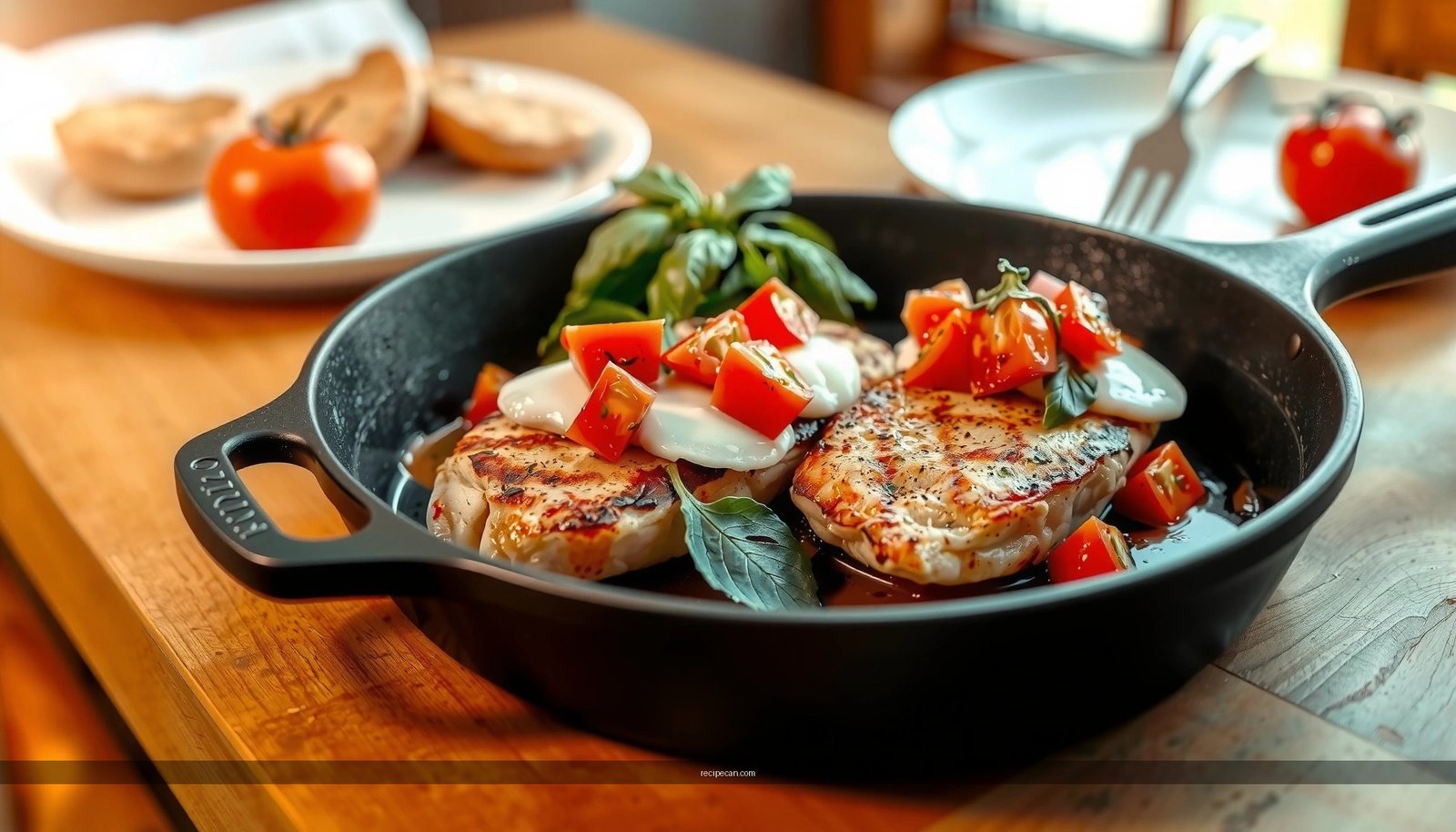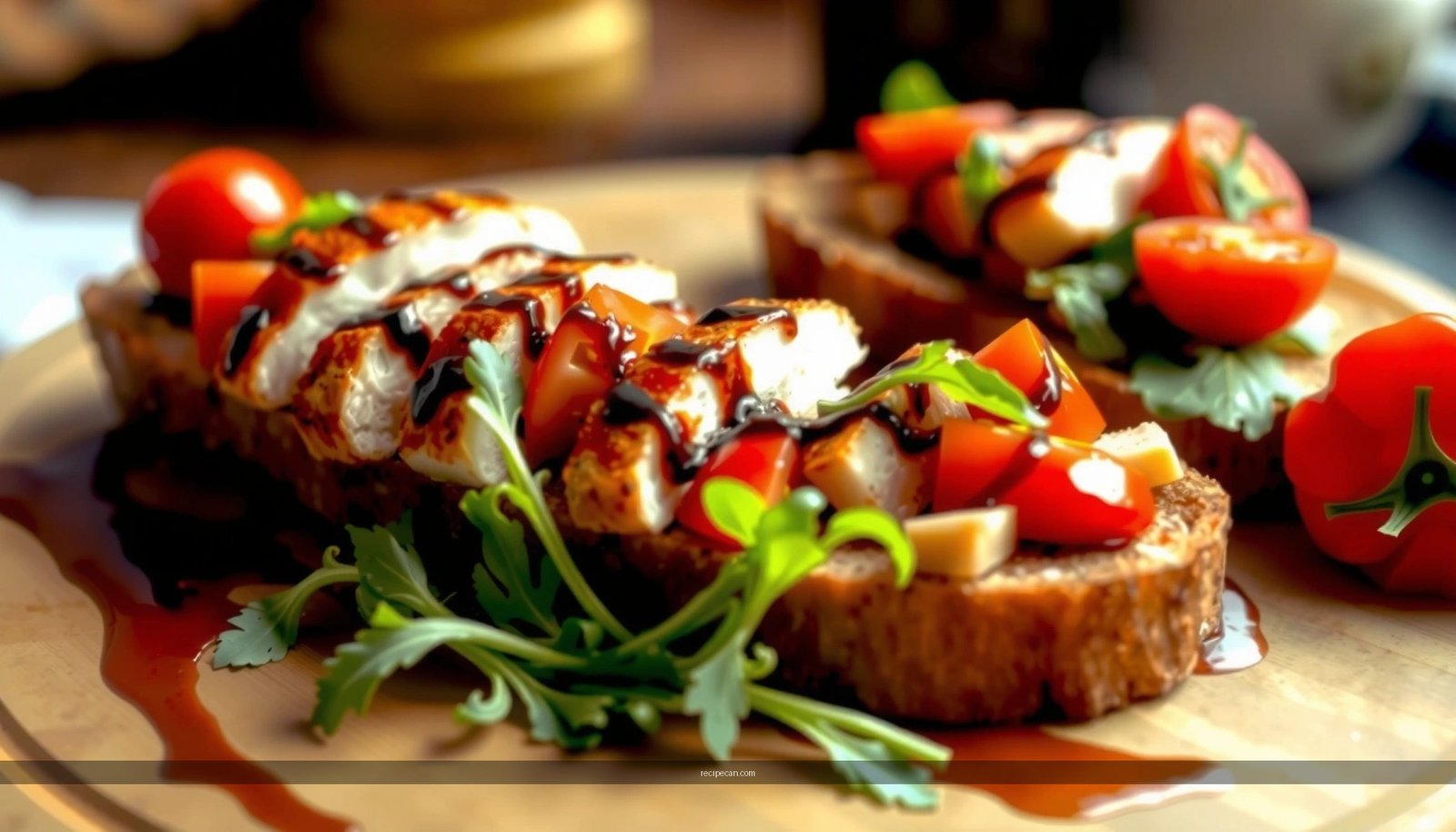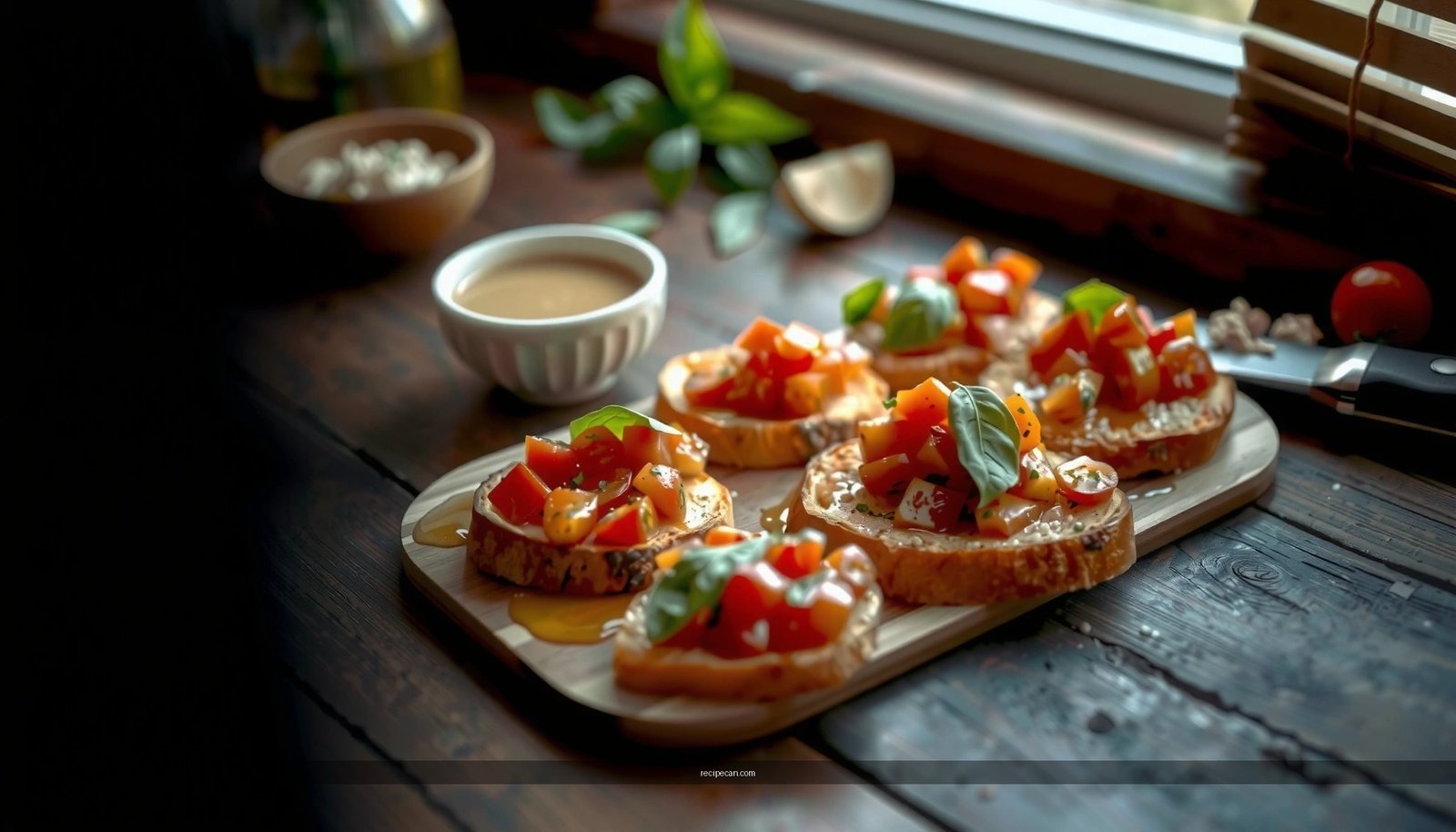
If you’re searching for a Cooper’s Hawk bruschetta recipe that tastes fresh and lands the timing right, this one delivers a clear winner. You’ll get easy topping combinations—plus exact steps for building and serving before the bread gets soggy. By the end, you’ll know how to replicate that restaurant-style bite at home with minimal fuss.
Cooper’s Hawk bruschetta is all about crisp bread, a chunky tomato-basil topping, and timing your assembly so the crust stays firm. Use ripe tomatoes marinated briefly with garlic, basil, and a bright acid (vinegar or lemon), then toast and top right before serving for restaurant-style flavor without sogginess.
Ingredients for Cooper’s Hawk Bruschetta
Start with ingredients that contribute flavor and texture in the same way a good restaurant kitchen does—bold, fresh, and balanced rather than heavy. For this Cooper’s Hawk bruschetta-inspired version, you’ll rely on high-quality produce and a simple dressing that turns diced tomatoes into a cohesive topping.
– Gather ripe tomatoes, fresh basil, garlic, olive oil, and vinegar or lemon
– Choose tomatoes that are fragrant and slightly soft: Roma, vine-ripened, or heirloom all work well.
– Fresh basil should be aromatic (not dark and tired), and garlic should be sharp—either finely minced or grated.
– Use crusty bread (baguette or ciabatta) for proper crisping
– The bread must be sturdy enough to toast without turning brittle. Ciabatta is airy but durable; baguette slices crisp beautifully at the edges.
– Optional add-ins: salt, pepper, red pepper flakes, and a finishing cheese drizzle
– Salt brings out the tomato’s sweetness.
– Black pepper adds depth, and red pepper flakes provide optional heat.
– A finishing drizzle of feta-style crumbles, shaved Parmesan, or a light cheese swipe (if you like a “brighter” finish) can elevate the dish.
Pro tip for sourcing (especially if you’re hosting): If tomatoes aren’t at peak ripeness, reduce the acid slightly and add a small pinch of sugar to balance. Bruschetta is forgiving, but the topping must taste vivid—not flat.
Bruschetta Topping Build (Prep-to-Serve) by Ingredient Role
| # | Component | Typical Amount (for ~8 slices) | Taste Impact (★ 1–5) | Texture Risk |
|---|---|---|---|---|
| 1 | Ripe tomatoes (diced) | 2 cups | ★★★★☆ | Moderate (can weep if early) |
| 2 | Fresh basil (torn) | 1/2 cup | ★★★★★ | Low (keeps structure) |
| 3 | Garlic (minced/grated) | 1–2 cloves | ★★★★☆ | Low (small amount) |
| 4 | Olive oil | 2–3 tbsp | ★★★★☆ | Low (coats tomatoes) |
| 5 | Acid (vinegar or lemon) | 1–1 1/2 tbsp | ★★★★★ | Low (brightness) |
| 6 | Salt & pepper | 1/2 tsp salt + pepper | ★★★☆☆ | Low |
| 7 | Finishing cheese drizzle | 2–4 tbsp grated/shaved | ★★★☆☆ | Moderate (can soften topping) |
Step-by-Step Bruschetta Topping
The topping is where most homemade attempts go wrong—either the tomatoes are cut too small (leading to fast breakdown) or the mix sits too long (making it watery). To capture that “Cooper’s Hawk” vibe—fresh, bright, chunky—follow a disciplined topping workflow.
– Dice tomatoes evenly and mix with garlic, basil, olive oil, and acid
– Dice into bite-sized pieces (roughly 1/2-inch chunks).
– Add garlic early so it can bloom in the oil and soften sharpness.
– Tear basil rather than mincing; tearing releases fragrant oils and keeps flecks of green.
– Season to taste and let the mixture rest briefly for flavor to meld
– Rest for 10–20 minutes. This short marination is enough to integrate garlic and acid without dissolving the tomato structure.
– If you’re making for a group, hold the rest of your prep (toasting bread) until the topping’s near ready—this is the timing lever that prevents sogginess.
– Keep it fresh and chunky for the most “restaurant-style” texture
– Avoid letting the topping sit at room temperature for long after mixing.
– If you have to delay, refrigerate the topping separately and warm/toast at the end—then assemble immediately.
Analytical timing insight: Tomatoes release liquid proportional to both time and how finely they’re cut. Chunkier dice + short rest = brighter tomatoes and less free juice sloshing onto the bread.
How to Toast the Bread Perfectly
The bread should be crisp, sturdy, and able to hold topping without collapsing. Toasting isn’t just about browning—it’s about evaporating surface moisture so the crust acts like a barrier.
– Slice bread and toast until crisp and golden at the edges
– Aim for deep golden edges and a dry, firm surface.
– Use a hot oven or grill pan; slow heating can dry the edges while leaving moisture in the center.
– Avoid over-toasting so the bread remains pleasantly sturdy
– Over-toasting turns the slice too brittle, and it will fracture under toppings.
– If you notice dark, overly hard edges, reduce time or increase heat slightly for faster crisping.
– Brush lightly with olive oil (if desired) before toasting
– A thin olive oil coating promotes browning and flavor without making the bread greasy.
– If you skip oil, focus on thorough toasting—bread texture will carry the dish.
Fast method (high success): Toast just until the surface is crisp and the edges are golden, then stop. Bruschetta bread doesn’t need to bake long; it needs to be dry enough to resist the tomato’s moisture.
Assemble for Best Texture (No Sogginess)
This section is the “make it taste like a restaurant” step: top at the last moment. Even perfectly prepared topping will seep if it sits on bread.
– Spoon topping onto toasted bread just before serving
– Portion with a spoon that lets you place tomatoes and basil evenly rather than dumping excess liquid.
– Toss gently so tomato juices don’t flood the crust too early
– Stir just enough to distribute oil and acid.
– If the bowl has noticeable liquid pooling, spoon the solids first; you can drizzle a little juice over the top later if needed.
– Serve immediately for the crunch-to-topping balance
– The ideal experience is crunch first, then juicy tomato in the bite.
– If service runs longer than expected, re-toast bread briefly and hold toppings separately until the last minute.
Hosting workflow:
Toast bread while toppings rest. Keep topping covered but separate from bread. Assemble in batches as guests arrive.
Flavor Variations You Can Try
Once the base is reliable, variations let you match personal taste (and a “signature” feel) while keeping the dish balanced.
– Add a touch of balsamic for deeper sweetness
– Use 1–2 teaspoons, not more—balsamic can quickly dominate bright tomato flavor.
– Increase heat with red pepper flakes or extra black pepper
– Add flakes gradually and taste after resting; acid can amplify perceived heat.
– Try a light finish with balsamic glaze or shaved cheese (optional)
– Finish with a thin drizzle, not a heavy layer. Too much cheese can mask herbs and make bites feel heavier.
Quality control rule: Any variation should preserve the contrast between crisp bread and fresh, chunky topping. If your variation makes the topping feel heavy or watery, adjust portioning or reduce rest time.
Serving Tips and Pairings
Bruschetta works best as a purposeful starter—simple, shareable, and bright—so plan sides that complement acidity rather than compete with it.
– Serve as a quick starter with wine-friendly sides or mixed olives
– Consider marinated olives, roasted nuts, or a small charcuterie selection for texture variety.
– Pair with a light salad, soup, or charcuterie board
– A citrusy arugula salad or a tomato-free green soup keeps the menu coherent.
– If you’re serving soup, choose something light (broth-based or herb-forward) so the bruschetta remains the star.
– Make a small batch first to dial in your tomato and acid balance
– Different tomatoes vary in sweetness and acidity.
– Taste your topping after the 10–20 minute rest; that’s when the garlic-oil-acid balance “clicks.”
Business-style recommendation: For events, keep a standardized “batch size” and track how much you add of acid and salt. Consistency matters when you’re scaling up.
Cooper’s Hawk bruschetta comes down to fresh tomato topping, properly toasted bread, and assembling right before serving. If you follow the key logic—chunky dice, brief marination, crisp toast, and last-minute topping—you’ll achieve the signature bright flavor and crunch-to-juicy balance that makes bruschetta feel special rather than soggy.
Frequently Asked Questions
What is a Cooper’s hawk bruschetta recipe and what makes it different from classic bruschetta?
A Cooper’s hawk bruschetta recipe is a flavor-forward twist on classic Italian bruschetta, typically built around a roasted or marinated “hawk” style topping such as grilled vegetables, herbs, and a punchy sauce. The standout difference is the bolder, more savory profile—often featuring smoky elements, a tangy base (like balsamic or tomato), and fresh herbs for brightness. It’s designed to stand up as a hearty appetizer while still using bruschetta’s signature toasted bread and topping format.
How do you make Cooper’s hawk bruschetta at home without watery toppings?
Start by properly roasting or sautéing your vegetables until moisture cooks off, then let the mixture cool before spooning onto toasted bread. Use a thick base—such as strained tomato, a reduced balsamic glaze, or a well-drained topping—so the bread doesn’t get soggy. Assemble right before serving (or serve toppings on the side) and finish with fresh herbs and a drizzle of olive oil to keep the texture crisp.
Which bread is best for Cooper’s hawk bruschetta—baguette, ciabatta, or sourdough?
Ciabatta and baguette are popular choices because they toast well and have enough structure to hold a chunky Cooper’s hawk bruschetta topping. Sourdough adds tang and a deeper flavor that pairs nicely with savory herb-and-tomato mixtures, but it can be softer if sliced too thick. For best results, cut thick slices, toast until crisp, and rub the bread lightly with garlic if you want a more traditional bruschetta taste.
Why does Cooper’s hawk bruschetta taste better when the flavors are “marinated” first?
Letting the topping sit briefly—like 15 to 30 minutes—helps the herbs, garlic, and any tangy components (lemon juice, vinegar, or balsamic) meld into a cohesive flavor. This also improves seasoning distribution, which can be tricky when toppings are cooked quickly. Even without a long marinade, resting the mixture before assembling a Cooper’s hawk bruschetta can elevate it from “good” to restaurant-quality.
Best ways to serve and store Cooper’s hawk bruschetta for meal prep or parties?
For parties, toast bread just before serving and keep the Cooper’s hawk bruschetta topping separate so the crust stays crisp. You can prep the topping in advance and refrigerate it in an airtight container for up to 2 to 3 days; rewarm gently if needed, then cool before serving. If you must store assembled bruschetta, expect some loss of crunch—best practice is to assemble on demand for optimal texture.
References
- Cooper’s hawk
https://en.wikipedia.org/wiki/Cooper%27s_hawk - Cooper’s hawk | bird | Britannica
https://www.britannica.com/animal/Coopers-hawk - https://www.allaboutbirds.org/guide/Coopers_Hawk/overview
https://www.allaboutbirds.org/guide/Coopers_Hawk/overview - Bruschetta
https://en.wikipedia.org/wiki/Bruschetta - Italian cuisine | Britannica
https://www.britannica.com/topic/Italian-cuisine - Google Scholar Google Scholar
https://scholar.google.com/scholar?q=Cooper%27s+hawk+Accipiter+cooperii+diet - Google Scholar Google Scholar
https://scholar.google.com/scholar?q=bruschetta+recipe+tomato+garlic+olive+oil - Google Scholar Google Scholar
https://scholar.google.com/scholar?q=Italian+antipasto+bruschetta+bread+toasting - Google Scholar Google Scholar
https://scholar.google.com/scholar?q=cooper’s+hawk+bruschetta+recipe - cooper’s hawk bruschetta recipe – Search results
https://en.wikipedia.org/wiki/Special:Search?search=cooper’s+hawk+bruschetta+recipe