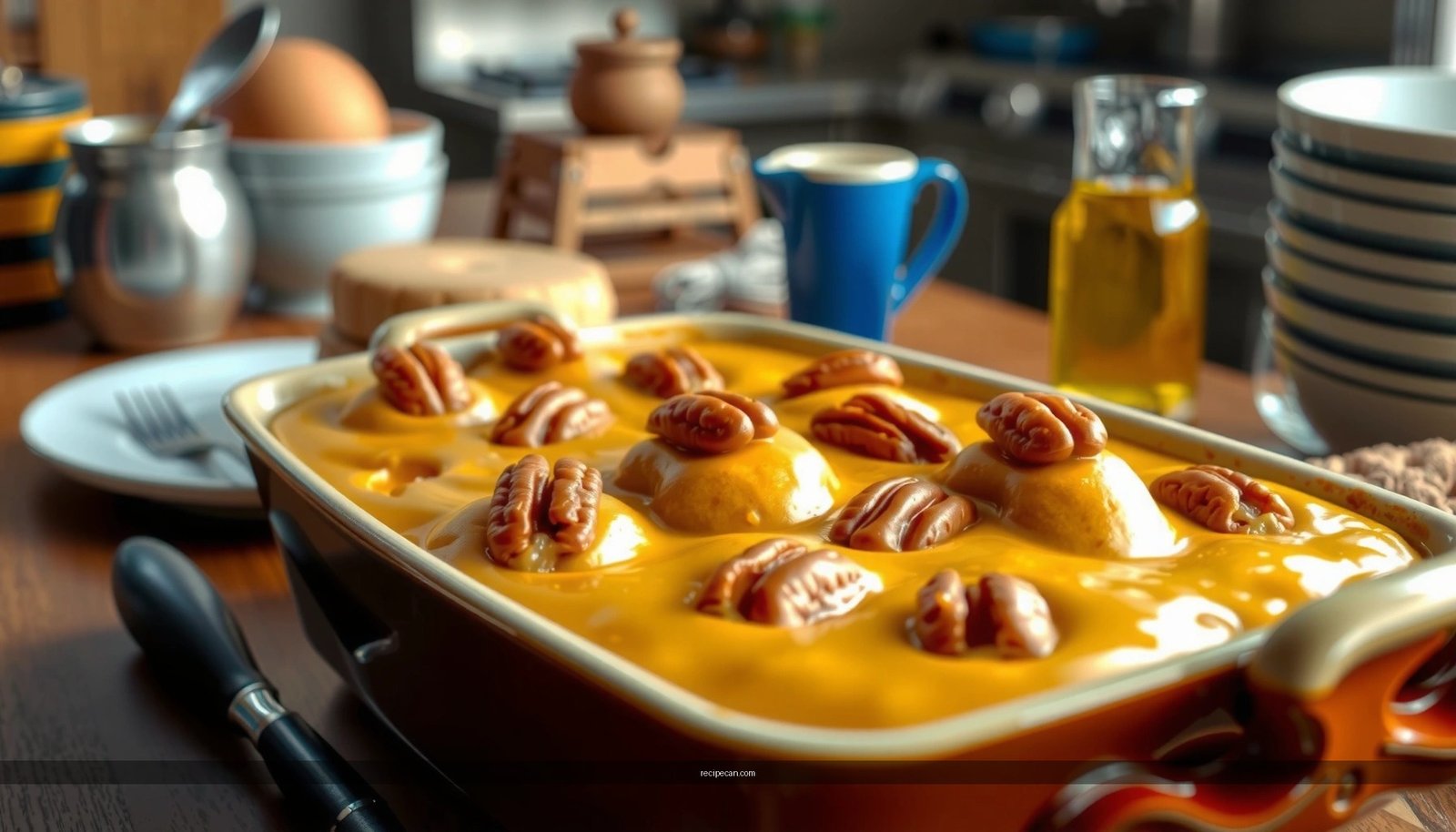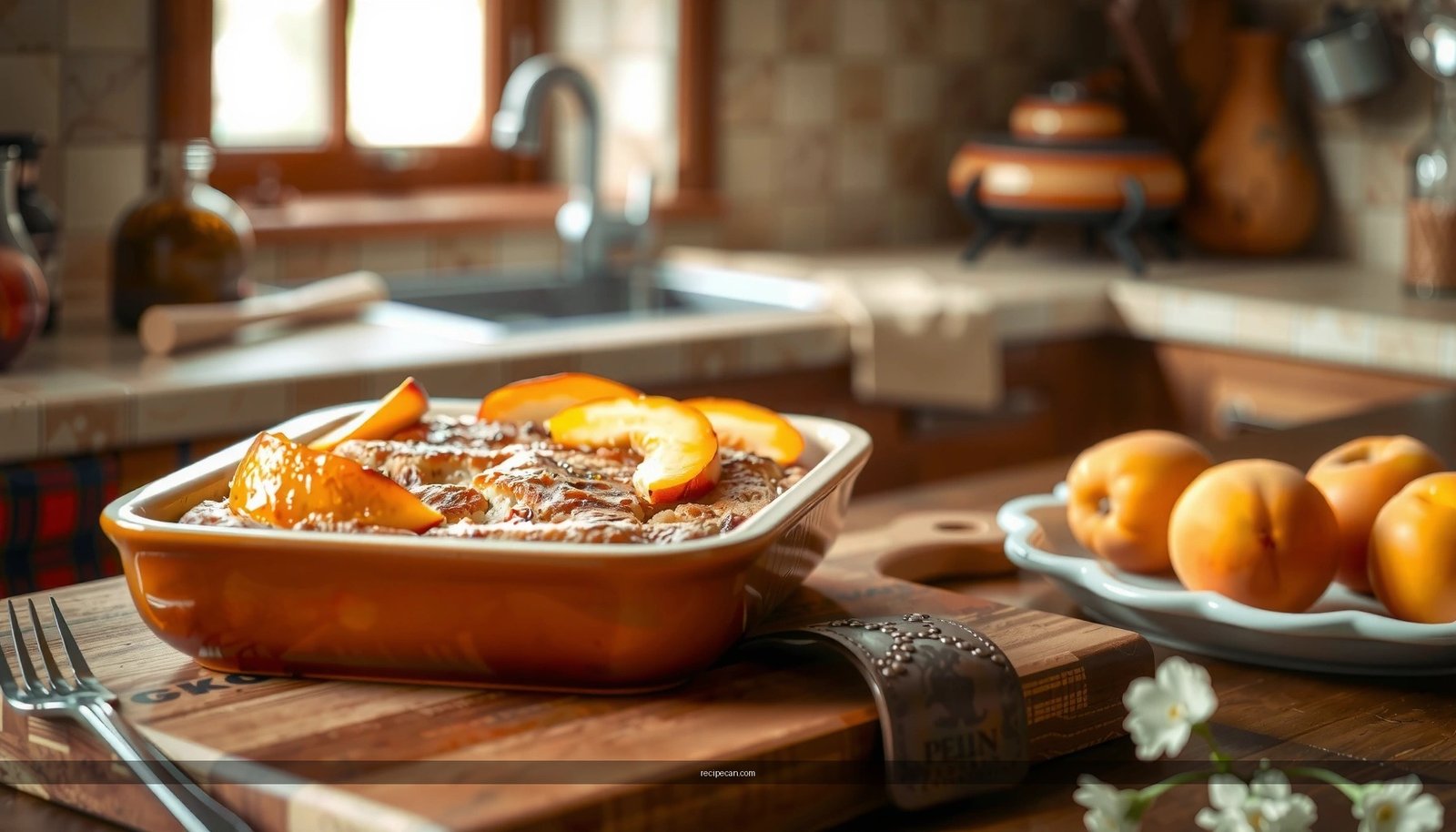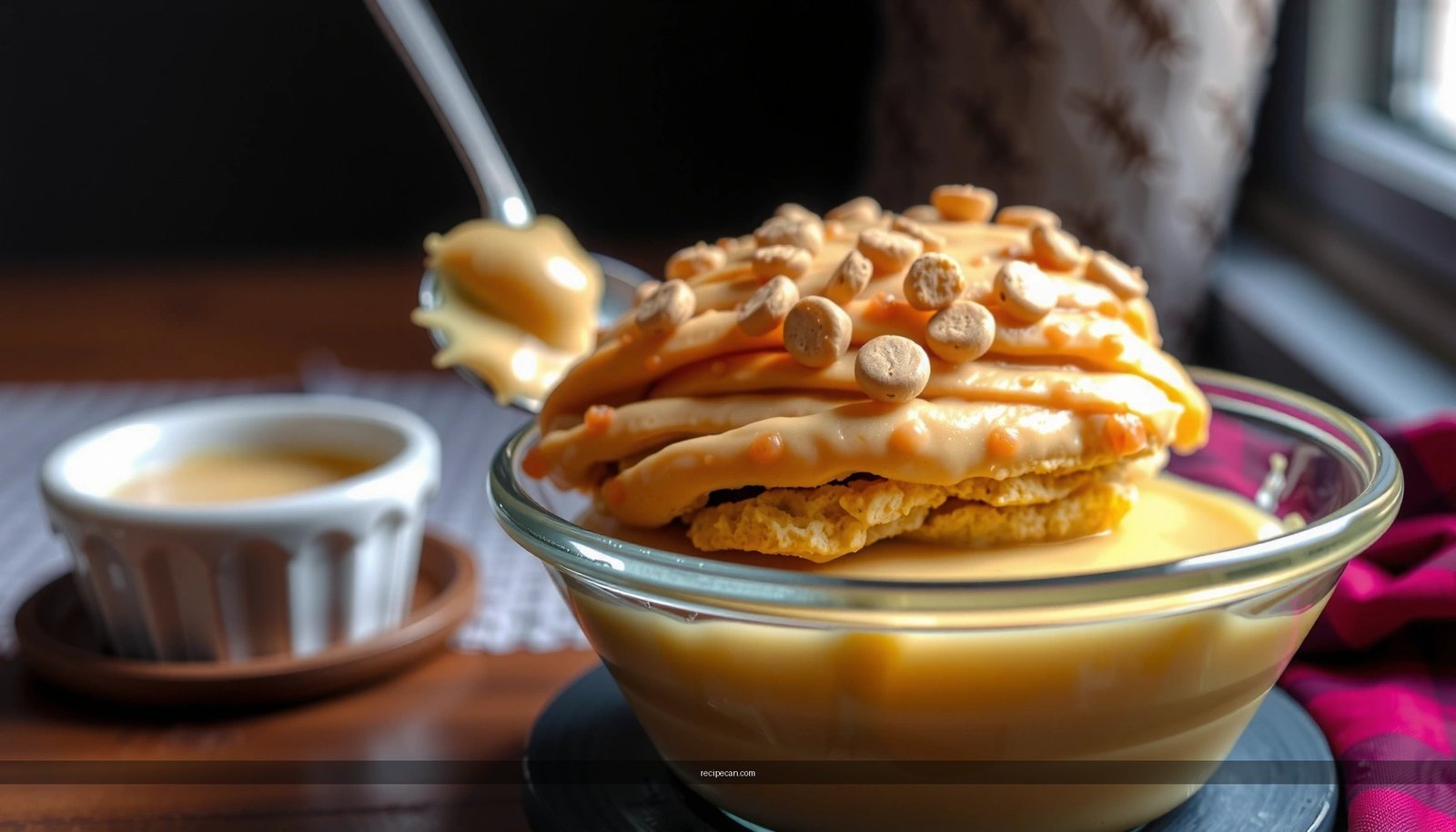
Looking for a biscuit pudding recipe that delivers a creamy, classic dessert every time? This easy method walks you through the exact steps to turn biscuits into a rich, spoonable pudding without guesswork. You’ll get the right texture, sweetness, and consistency—ideal when you want comfort-food results with minimal effort.
A biscuit pudding is a reliable, classic dessert made by softening biscuits in a creamy custard and setting it until sliceable. If you balance biscuit absorbency with a properly thickened custard (and choose whether you’ll cook, bake, or chill), you’ll get a rich, spoonable—yet still firm—finish every time.
Choose Your Biscuits and Base

– Pick sturdy biscuits that won’t turn to mush too quickly
– Decide whether you want a soaked, layered, or baked-style pudding
– Gather milk/cream and any sweeteners before you start
Start by selecting biscuits with the right structure. Biscuit pudding succeeds when biscuits soften enough to be tender but retain enough body to create “layers” rather than turning the dessert into uniform mush. In practice, that means choosing biscuits with moderate fat and a consistent crumb—especially if you’re planning a no-bake, chilled version.
1) What “sturdy” means in biscuit terms
Sturdy biscuits typically have:
– Higher fat content (shortbread-like) or tighter crumb (digestives)
– Less airflow and fewer large bubbles (which trap moisture and collapse)
– A thickness that gives you time to soften evenly without dissolving
2) Soaked vs layered vs baked-style
Different bases create different textures:
– Soaked / brief soak: Biscuits are quickly softened in warmed milk or custard and then layered. Best for a pudding that’s creamy but still slices.
– Layered without pre-soaking: You build alternating layers of biscuits and custard, letting time do the softening. Best when you want a firmer, more “structural” dessert.
– Baked biscuit pudding: Custard thickens and sets in the oven, while biscuits soften as heat drives liquid into the crumb. Best for a firmer, traditional pudding-like edge.
3) Build your “liquid plan” before you start
A common failure point is using too much custard for the biscuit mass. Instead of thinking “more cream is better,” think “enough liquid to soften.” Measure your dish capacity and aim for custard depth that reaches the biscuit surfaces, not so deep that biscuits float or separate.
Biscuit Softening in Warm Custard (60–70°C): Typical Results
| # | Biscuit type | Softening time | Best pudding style | Texture rating |
|---|---|---|---|---|
| 1 | Digestive biscuits | 7–10 min | Layered + chilled | ★★★★★ |
| 2 | Shortbread | 10–14 min | Baked | ★★★★☆ |
| 3 | Plain tea biscuits | 4–7 min | Brief soak + assemble | ★★★☆☆ |
| 4 | Sponge fingers | 2–4 min | Chilled + lighter spoon texture | ★★☆☆☆ |
| 5 | Ginger biscuits | 6–9 min | Layered + spiced custard | ★★★★☆ |
| 6 | Milk biscuits | 5–8 min | Quick soak | ★★★☆☆ |
| 7 | Butter cookies | 8–12 min | Baked or chilled | ★★★★☆ |
Use this as a decision shortcut: if you want clean slices after chilling, prioritize biscuits in the 7–14 minute softening window (digestives, butter cookies, shortbread). If you prefer a looser, dessert-spoon texture, biscuits that soften faster can work—but reduce soak time.
Make the Creamy Custard Filling
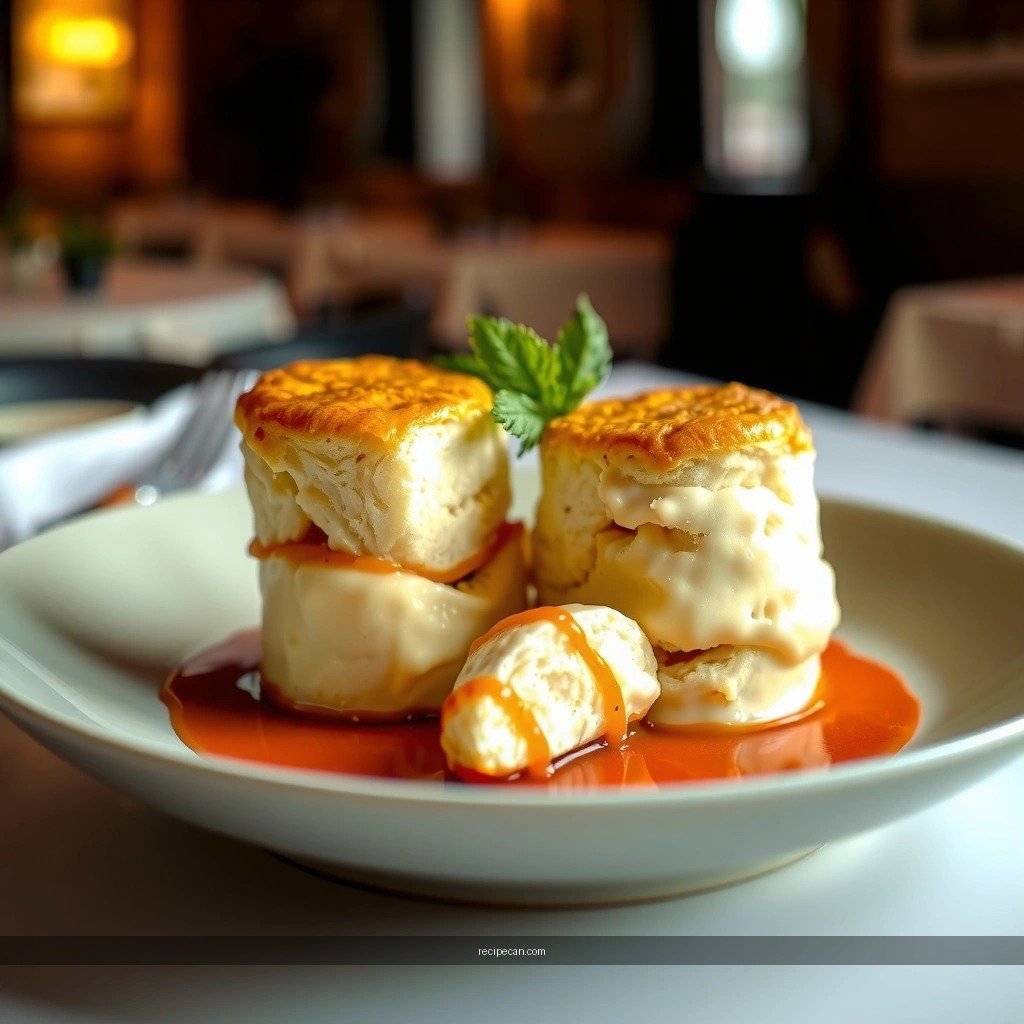
– Heat milk/cream gently to prevent curdling
– Thicken with a custard base (cornflour/egg or similar) until glossy
– Flavor with vanilla, nutmeg, or cinnamon for classic warmth
The custard is the “engineering” of biscuit pudding. Biscuits provide structure; the custard provides stability. To get both, you need a custard that thickens fully and becomes silky—not grainy.
1) Gentle heat is non-negotiable
Whether you use cornflour (cornstarch) or egg yolk, overheating is what causes problems:
– Dairy can curdle when it’s heated too fast or at too high a temperature.
– Egg-based custards can scramble if they’re not tempered.
Practical method (cornflour approach)
– Whisk a small amount of cold milk/cream with cornflour until smooth (no lumps).
– Warm the rest of the milk/cream with sugar and flavorings.
– Slowly pour in the slurry while whisking, then simmer until glossy and thick enough to coat a spoon.
– Turn off the heat immediately once it reaches a pudding-like consistency.
2) Thicken to a “coating” stage, not a paste stage
Custard that’s too thick will set into something rigid, and the biscuits won’t soften properly. Aim for a smooth, glossy texture that holds shape but still drapes easily.
3) Flavoring without disturbing texture
Add classic warm spices late in cooking:
– Vanilla: stir in after thickening, or simmer briefly to avoid dull aroma.
– Nutmeg/cinnamon: use carefully; they can turn bitter if over-simmered.
– Salt (a small pinch): brightens sweetness and improves perceived creaminess.
Custard-to-biscuit logic (a reliable baseline)
A good starting point for a standard family dish is to use enough custard to reach and slightly wet the biscuit layers throughout. Too little liquid leaves dry centers; too much liquid yields runny, drifting layers. If you’re unsure, you can always bake longer or chill longer—but you can’t fully “unmix” excess moisture.
Assemble the Biscuit Pudding
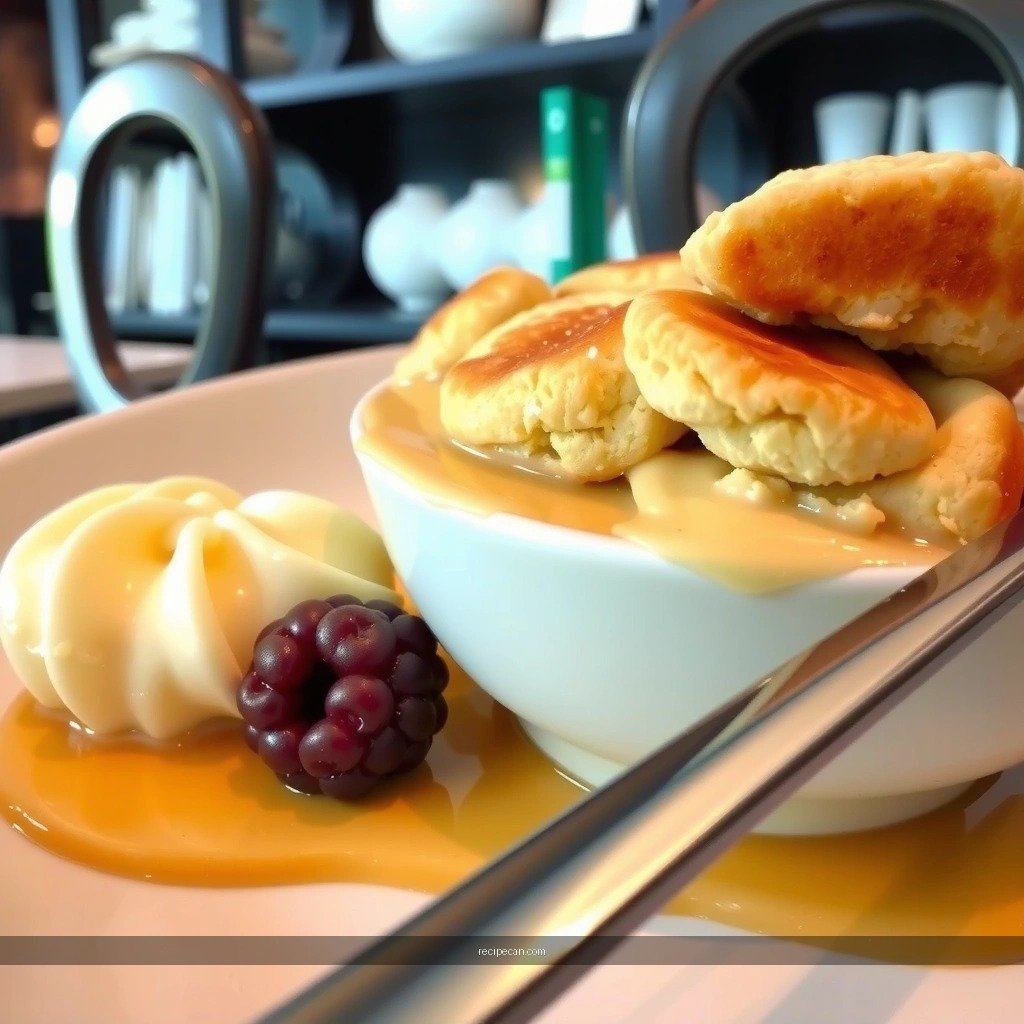
– Layer biscuits and custard evenly for consistent texture
– Use enough liquid to soften, but avoid over-saturation
– Tap the dish to remove air gaps and settle layers
Assembly determines whether you get that desirable contrast: soft biscuit edges with a custard center that feels cohesive, not watery.
1) Layer for uniform softening
– Break biscuits if needed so layers are level and cover the surface evenly.
– Distribute custard thoroughly, especially at the corners, where dryness often appears.
2) Avoid over-saturation by controlling coverage
A helpful test: after assembly, biscuits should look moistened but not submerged like they’re in soup. If biscuits float or all the custard pools at the bottom, reduce your custard volume next time or switch to a more sliceable bake/chill method.
3) Remove air gaps
Air creates uneven softening and causes some portions to remain firm while others become mushy. Tap the dish gently on the counter to settle layers. If you’re using multiple layers, lightly press the top layer with the back of a spoon—just enough to ensure contact.
4) Choose your timing strategy
– If you’re doing a chilled pudding, allow enough time for biscuits to absorb. Short chilling will look creamy but remain too firm in the biscuit core.
– If you’re baking, assembly time can be shorter because heat and thick custard development will soften biscuits effectively.
Cook, Chill, or Bake to Set
– Simmer briefly if your method thickens on the stove
– Bake until just set for a firmer, pudding-like finish
– Chill for a no-fuss, creamy result with clean slices
This is where biscuit pudding becomes flexible. You can set it using the method that best fits your schedule and texture preference.
Stove method (simmer and serve or cool)
– Simmer custard until thick, then combine with biscuits briefly (or assemble immediately if biscuits are already stable).
– This route is best for a softer, spoonable dessert where perfect slicing is less critical.
Baked method (traditional, firmer, more “pudding-like”)
– Bake until the custard is set around the edges and slightly wobbles in the center.
– Over-baking can dry the custard and soften flavor. Aim for “just set,” then cool and/or chill.
Chilled method (no-fuss, controlled absorption)
– Cover and refrigerate until fully set.
– Chilling improves sliceability because gelatin-like thickening (from the starch/egg system) firms up and biscuits continue absorbing liquid until texture balances.
Texture target to remember
If you want clean slices: bake or chill longer. If you want creamy spoonability: stop earlier and serve slightly under “firm set.” This is why the same biscuit pudding can taste excellent in two different ways—depending on set time.
Serving Ideas and Toppings
– Finish with whipped cream, fresh fruit, or grated chocolate
– Add caramel sauce or berry compote for extra flavor
– Serve chilled for best structure and taste
Toppings aren’t just decoration—they can correct or enhance the dessert profile.
Best topping pairings
– Whipped cream: adds lightness and makes vanilla custard taste even richer.
– Fresh berries or stewed fruit: counterbalances sweetness and introduces acidity (especially good with cinnamon or nutmeg).
– Grated chocolate: works with baked versions where the dessert is firmer and needs a bit of bitterness depth.
– Caramel sauce: complements digestives, ginger biscuits, and butter cookies. Use sparingly so the caramel doesn’t overwhelm custard thickness.
– Berry compote: gives a restaurant-style finish with minimal effort.
Serving temperature matters
Chilled pudding usually slices best and has the most defined biscuit-custard contrast. If you’ve baked it, let it cool briefly first; the custard will firm up as it cools.
Troubleshooting Common Issues
– If it’s too runny, simmer/thicken the custard longer next time
– If it’s too dry, add a splash more milk/cream to the filling
– If biscuits are too soft, reduce soak time or choose firmer biscuits
Even a reliable recipe can vary depending on biscuit brand, milk fat content, and dish size. Use these fixes as a structured diagnostic approach:
Problem: Too runny or doesn’t slice cleanly
Common causes:
– Custard under-thickened (not simmered to glossy stage)
– Biscuit type that absorbs less during chilling (needs more time or a firmer custard)
– Not enough chill/bake time for the starch/egg system to fully set
Fix:
– Next time, simmer the custard until it coats a spoon clearly.
– Chill longer (overnight if possible) before slicing.
– If using cornflour, ensure the slurry is fully cooked through; raw starch won’t set reliably.
Problem: Too dry or biscuits feel chalky/firm
Common causes:
– Custard amount too low for your biscuit layer thickness
– Biscuit soak time too short (especially for chilled versions)
– Over-baking (custard moisture evaporates)
Fix:
– Add a splash more milk/cream next time.
– For a batch you already made, gently warm a small portion of milk and stir it into loosen the custard, then refrigerate again to re-set.
– Reduce bake time and target “just set.”
Problem: Biscuits are too soft, mushy, or collapsing
Common causes:
– Biscuits chosen soften too quickly (tea biscuits, sponge fingers)
– Custard is too hot during assembly or biscuits pre-soaked too long
– Excess chilling time with very fast-softening biscuits
Fix:
– Reduce soak time and assemble more quickly.
– Choose a sturdier biscuit (digestives, butter cookies, shortbread).
– Use the baked method if you want biscuits to soften while the custard sets firmly around them.
Biscuit pudding is all about building the right balance between soaked biscuits and a thick, creamy custard. Follow the steps for choosing biscuits, thickening properly, and setting with the right method (cook, bake, or chill), then top and serve for a classic dessert you can trust—try making one today and adjust your texture to your taste.
Frequently Asked Questions
What’s the best biscuit pudding recipe for a creamy, set texture?
Look for a biscuit pudding recipe that uses evaporated milk or condensed milk plus whole milk to create a custard-like base. Add beaten eggs (or egg yolks) and bake until the center is just set to avoid curdling or a runny finish. For a more traditional “set” pudding, let it cool fully and chill for a few hours before serving.
How do you make biscuit pudding without it turning soggy?
Use crushed biscuits or lightly soften them by dipping in milk for only a second, rather than soaking them for long. If baking, assemble the pudding quickly and bake soon after mixing so the biscuits don’t collapse into a paste. You can also layer by alternating biscuit crumbs and custard, which helps maintain texture in every bite.
Why does my biscuit pudding come out watery, and how can I fix it?
Watery biscuit pudding usually happens when the custard isn’t thick enough or the pudding wasn’t baked long enough. Make sure you simmer or bake until the mixture coats the back of a spoon, and don’t rush the chilling step—many biscuit pudding recipes firm up significantly as they cool. If it’s already watery, you can reheat and cook the mixture gently with a thickener like cornstarch, then bake or chill again.
Which biscuits are best for biscuit pudding—digestives, Marie biscuits, or tea biscuits?
Digestives are great if you want a slightly buttery flavor and a richer pudding base, while Marie biscuits are a classic choice that gives a sweet, light texture. Tea biscuits work well for a balanced sweetness and sturdy structure when layered in a biscuit pudding recipe. Choose biscuits that are crunchy and not too thick, and crush consistently so the custard binds evenly.
How long should you bake biscuit pudding, and do you serve it warm or cold?
Bake most biscuit pudding recipes in a moderate oven (around 160–180°C / 325–350°F) until the edges look set and the center jiggles slightly. Cooling time matters—let it rest first, then chill for at least 2–4 hours to help the pudding set properly. Serve it cold for the best slices and creamy texture, though a warm version can work if your recipe is more custard-like and less heavily set.
References
- https://en.wikipedia.org/wiki/Pudding_(food
https://en.wikipedia.org/wiki/Pudding_(food - Bread pudding
https://en.wikipedia.org/wiki/Bread_pudding - Biscuit
https://en.wikipedia.org/wiki/Biscuit - https://www.britannica.com/topic/pudding-food
https://www.britannica.com/topic/pudding-food - https://www.bbc.co.uk/food/search?q=biscuit%20pudding
https://www.bbc.co.uk/food/search?q=biscuit%20pudding - https://www.theguardian.com/search?q=biscuit%20pudding
https://www.theguardian.com/search?q=biscuit%20pudding - https://www.nytimes.com/search?query=biscuit%20pudding
https://www.nytimes.com/search?query=biscuit%20pudding - Google Scholar Google Scholar
https://scholar.google.com/scholar?q=biscuit+pudding+recipe - Google Scholar Google Scholar
https://scholar.google.com/scholar?q=biscuit+pudding+UK - Google Scholar Google Scholar
https://scholar.google.com/scholar?q=bread+pudding+custard+recipe