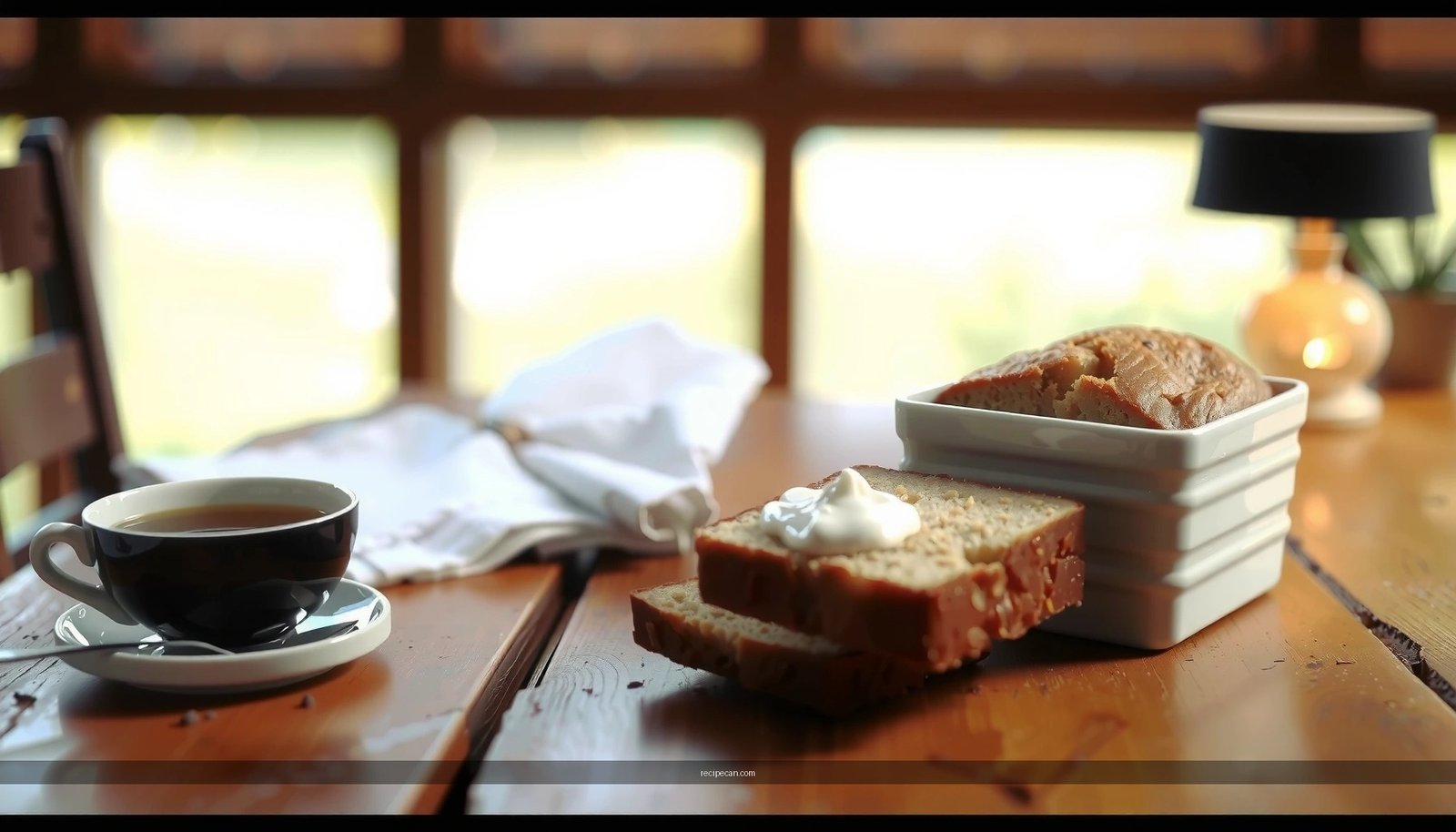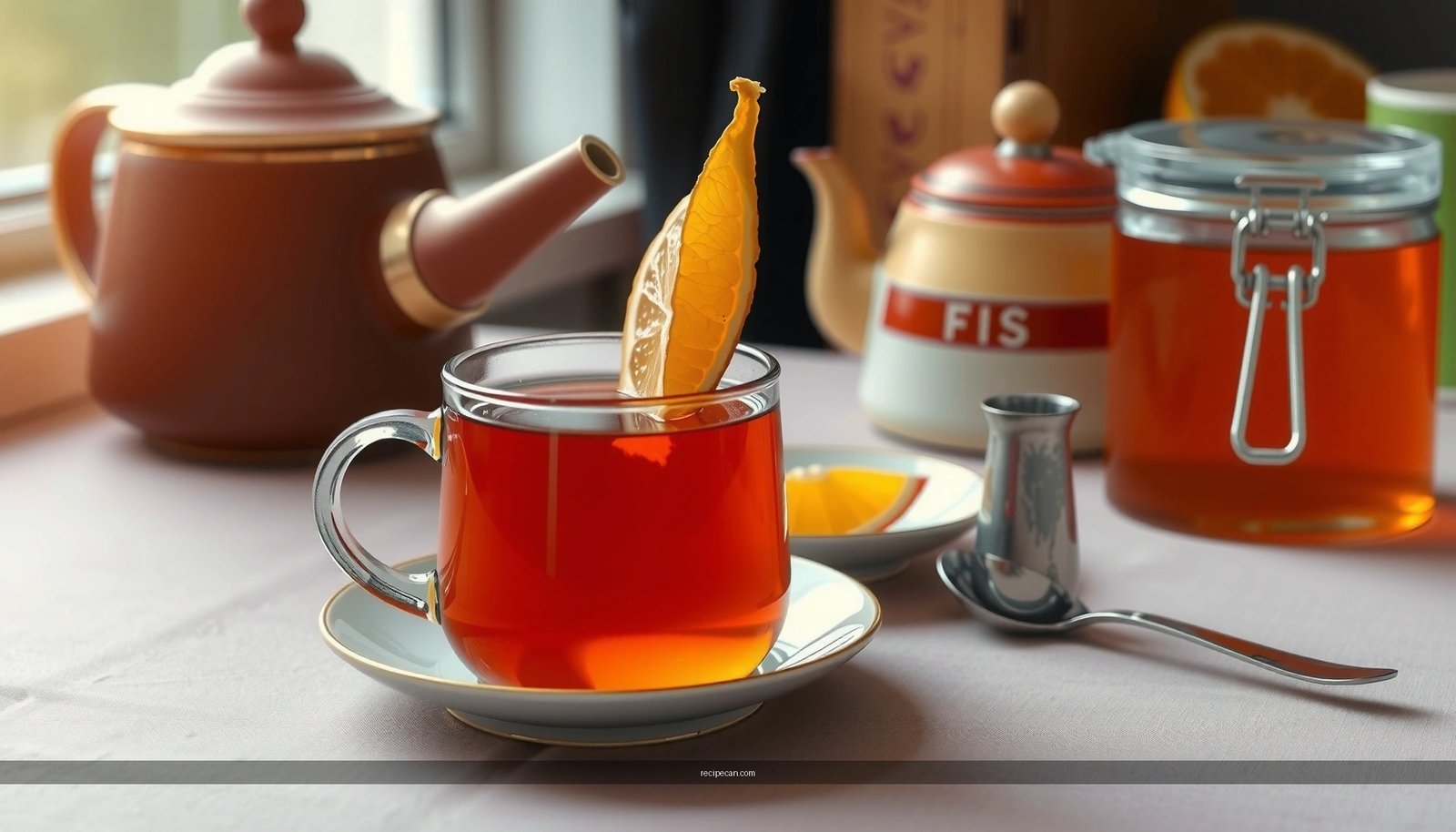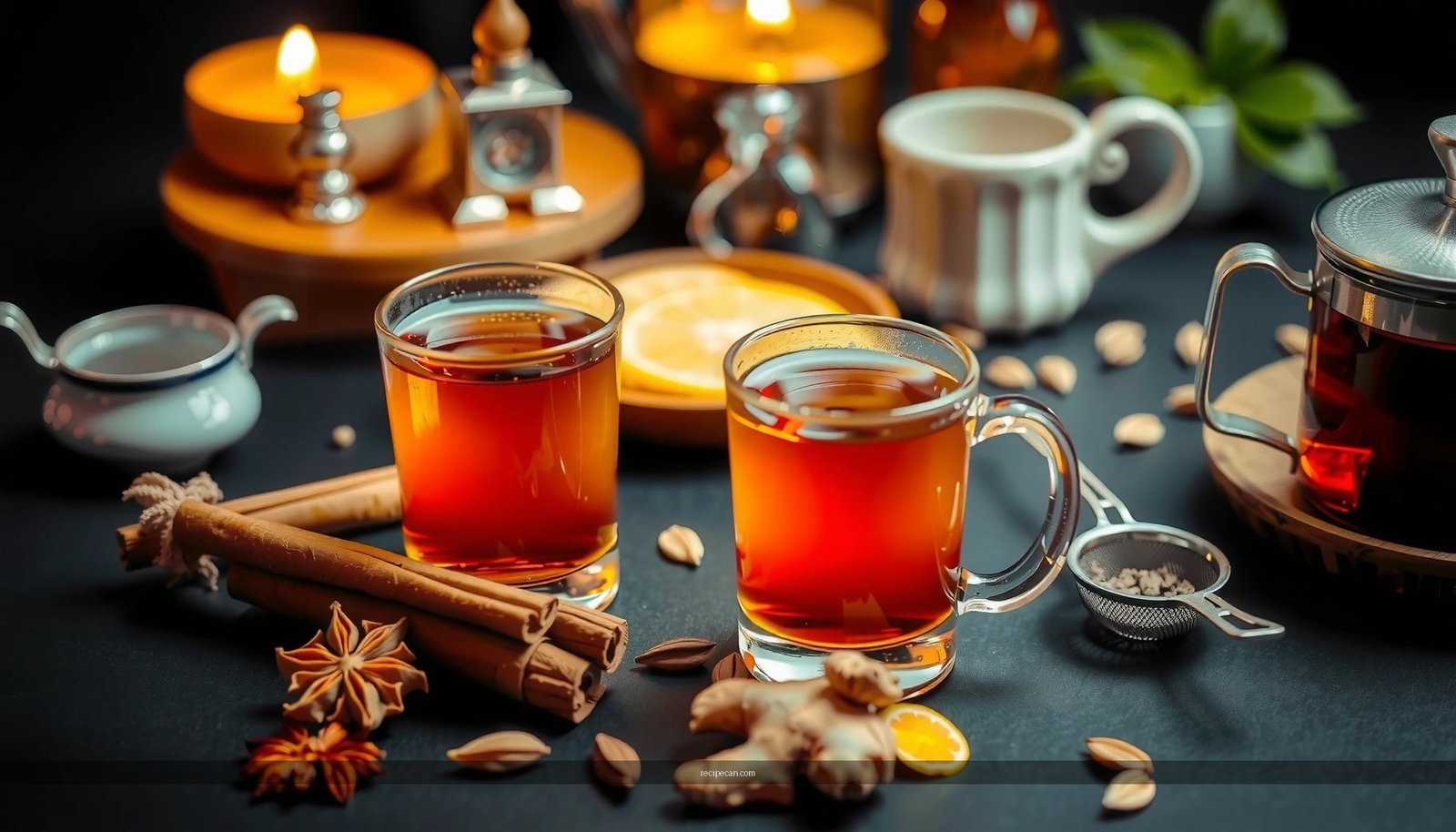
Get the best chai tea recipe with a step-by-step method that delivers a rich, spiced cup every time. This guide answers whether you’ll get the bold, aromatic flavor you want—by telling you exactly how to build it with the right spices, tea, and simmering times. If you follow these instructions, you’ll produce a chai that’s thick, fragrant, and balanced, not watered down or flat.
The best chai tea recipe is a controlled simmer of black tea with milk plus ginger, cinnamon, cardamom, and cloves—then sweetened to taste. If you follow the exact order (bloom spices first, simmer gently, and steep without overdoing it), you’ll get that signature warm, aromatic “chai” flavor every time.
Choose Your Ingredients for the Best Chai Tea

A great chai is less about “secret ingredients” and more about building the right flavor architecture: tea for body, spices for top notes and warmth, and milk for roundness. When you choose each component deliberately, the final cup tastes balanced rather than harsh or one-dimensional.
Start with tea strength.
– Use black tea (assam, darjeeling, or a classic breakfast blend). Stronger tea leaves produce a deeper base that can hold up to bold spices.
– If you’re using bagged tea, choose one labeled “strong” or use more bags or less water to maintain intensity.
Pick spices for aroma, not just flavor.
– Fresh ginger (grated or thinly sliced) adds brightness and a clean heat.
– For spices, you’ll get the most lift from either freshly ground cardamom and cinnamon (if available) or high-quality ground spices stored away from light and heat.
Decide your milk and sweetener upfront.
– Dairy milk creates a classic creamy mouthfeel; oat milk makes a naturally sweet, mellow chai; almond milk is lighter and can make spices feel sharper unless you balance sweetness.
– Sweeteners vary in how they “sit” in the cup: sugar and honey dissolve quickly; brown sugar adds caramel notes; maple syrup adds woody sweetness.
Actionable ingredient targets (use as a baseline).
For a “standard mug” (about 12 oz / 350 ml), aim for:
– Black tea: 2 tsp loose leaf (or 1–2 strong tea bags)
– Fresh ginger: 1 to 2 tsp grated (or 4–6 thin slices)
– Cinnamon: 1 small stick or 1/2 tsp ground
– Cardamom: 3–4 pods, lightly crushed (or 1/4 tsp ground)
– Cloves: 2–3 whole cloves (or a small pinch of ground)
– Milk: 1/2 to 2/3 cup depending on desired richness
– Water: enough to make the base (about 6–8 oz for the mug)
Get the Spice Base Right

This is where chai becomes “restaurant-grade.” The goal is to bloom spices—gently warming them in the presence of moisture—so their essential oils dissolve into the liquid. Blooming first also prevents the common problem of “spices that taste muted or dusty.”
Simmer ginger with spices to bloom flavor.
A practical approach: combine water, ginger, cinnamon, cardamom, and cloves, then bring it to a gentle simmer. Avoid aggressive boiling; it can make ginger taste sharp and thin out spice nuance.
Add water first, then bring to a gentle simmer.
Starting with room-temperature or cool water gives you more even extraction. Once simmering begins, keep it steady—think light bubbles, not a rolling boil.
Adjust spice strength with scaling.
– If you love ginger-forward chai, increase ginger first (up to about double) before you touch the cloves.
– Cardamom is the “aromatic backbone.” Scaling it slightly changes the entire perfume of the cup.
– Cloves are potent: add conservatively. Even a small increase can dominate and create a medicinal edge.
Why gentle simmer matters (analytical view).
Cardamom and cinnamon release different compounds at different temperatures. A sustained gentle simmer extracts warmth without pushing bitter notes forward. Meanwhile, milk is introduced later so it doesn’t curdle or scorch and so it can emulsify the flavors into a silky texture.
Chai Flavor Levers for a Balanced Cup (Per 350 ml / 12 oz)
| # | Flavor Lever | Baseline | Taste Impact | Effect vs Baseline |
|---|---|---|---|---|
| 1 | Ginger (grated) | 1–2 tsp | Bright heat + clean aroma | Boosts vibrancy |
| 2 | Cardamom (pods, crushed) | 3–4 pods | Perfume + “chai” signature | Improves top notes |
| 3 | Cinnamon (stick or ground) | 1 stick / 1/2 tsp | Warm sweetness + depth | Adds cozy body |
| 4 | Cloves (whole) | 2–3 cloves | Spice snap + resinous warmth | Can overpower quickly |
| 5 | Spice-base simmer time | 6–8 minutes | Extraction without bitterness | Max aromatics |
| 6 | Tea steep after adding tea | 2–4 minutes | Richness without harshness | Over-steep turns bitter |
| 7 | Milk simmer (after combining) | 3–5 minutes | Creamy integration + aroma | Smooth, stable body |
Brew the Tea and Combine With Milk
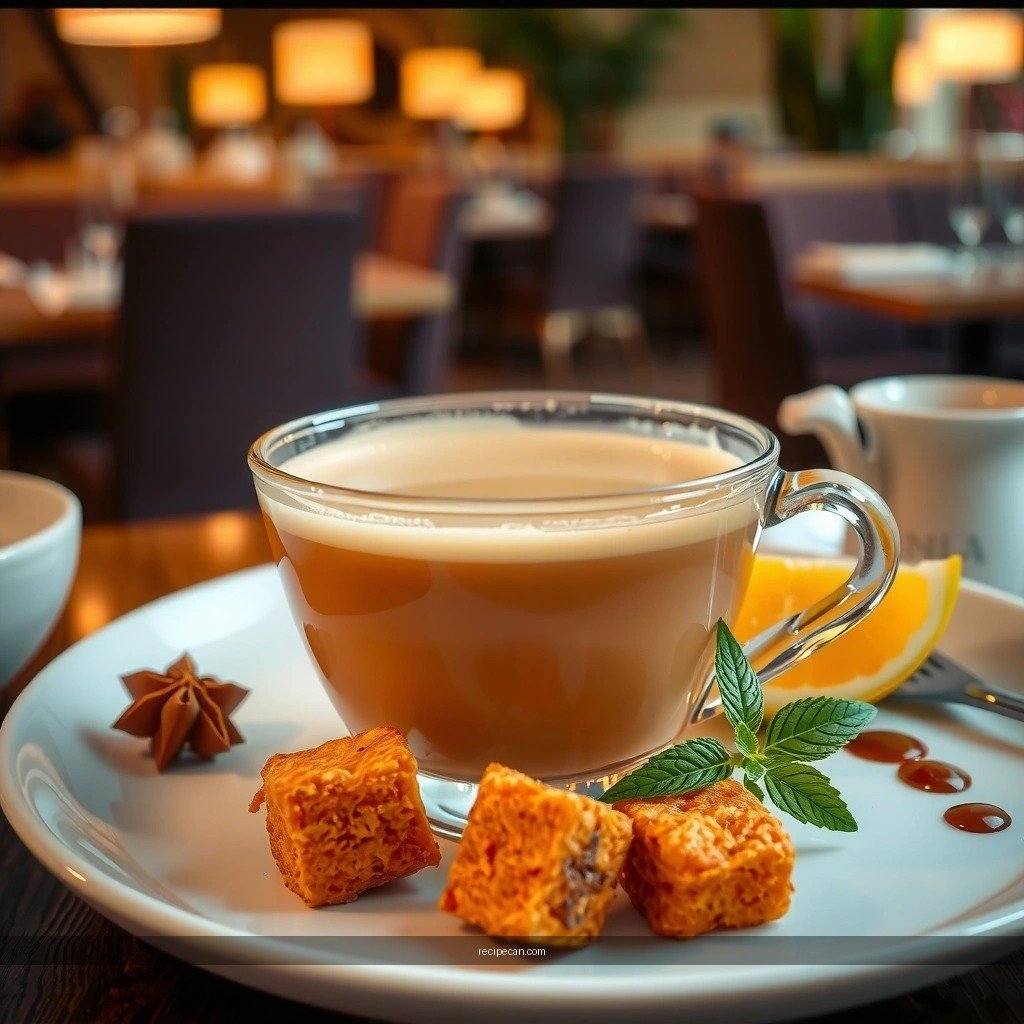
Once your spice base is aromatic, you’ll add the tea—this step determines whether your chai tastes bold or bitter.
Add tea to the spiced liquid and steep briefly (don’t over-steep).
– After the spice base has simmered (typically 6–8 minutes), add your black tea.
– Steep for 2–4 minutes. Longer steeping increases tannins, which can push chai toward dryness and bitterness.
Stir in milk and simmer gently until creamy and fragrant.
Pour in milk and reduce heat immediately. Then simmer 3–5 minutes, stirring occasionally. This short simmer helps the flavors emulsify without scorching.
Keep heat low to avoid scorching and preserve smooth taste.
Milk proteins can stick and burn at higher temperatures. A low, controlled heat protects flavor clarity and maintains the velvety texture chai is known for.
Quick process you can follow (one mug).
1. In a small saucepan, combine water, ginger, cinnamon, cardamom, and cloves.
2. Simmer gently 6–8 minutes.
3. Add black tea; steep 2–4 minutes.
4. Stir in milk; simmer 3–5 minutes.
5. Turn off heat, taste, sweeten if needed, and strain.
Sweeten and Finish for Perfect Balance
Sweetness is not just “adding sugar.” It affects how you perceive spice intensity and tea strength. Add sweetener with intention so the cup remains layered rather than flat.
Sweeten at the right time so flavors blend without tasting flat.
– If you sweeten only at the end without blending, crystals may not fully dissolve and sweetness can feel separated.
– Sweeten either during the final 1–2 minutes of gentle simmer or off-heat after straining, then stir thoroughly and let it sit for 30–60 seconds.
Taste and adjust after simmering.
Chai changes while it warms: spice brightness softens slightly and milk rounds out. Taste once after milk is incorporated, then adjust:
– If it tastes too intense: reduce cloves or ginger next time; for now, add a touch more milk or sweetness.
– If it tastes muted: increase tea strength slightly or extend spice-base simmer by 1 minute next batch.
Strain for a smoother cup or keep spices for a bold texture.
– For a clean, cafe-style chai, strain through a fine mesh sieve.
– For a more rustic, full-bodied version (common in home styles), you can keep some suspended spice particles—just be consistent.
Serve It Hot (or Make It Your Way)
Presentation influences perceived quality. A proper serve also helps maintain aroma and texture.
Serve with foam/cup warming for a café-style experience.
Warming your cup reduces temperature drop and keeps spices fragrant longer. If you like a foamier mouthfeel, froth milk separately (especially with oat milk) or vigorously stir after combining.
Try variations to match different palates.
– Extra ginger: raise by 1/2 tsp grated for a brighter kick.
– Vanilla: add 1/4 tsp vanilla extract off-heat for a smooth, dessert-like profile.
– Pinch of pepper: a tiny amount of black pepper can sharpen spice complexity—use sparingly so cloves don’t dominate.
Make ahead: reheat gently to keep spices lively.
Chai holds up well for batch prep. Store in the fridge and reheat on low, stirring often. Avoid boiling; gently warming preserves the aromatic top notes.
Troubleshooting: Fix Common Chai Tea Issues
Even with a great recipe, chai can drift. Use these targeted fixes instead of guessing.
– Too bitter? Shorten steeping time and reduce tea amount slightly. If you steeped longer than 4 minutes, reduce to 2–3 minutes next time and consider using slightly less black tea per cup.
– Too weak? Simmer spices longer and steep tea briefly but properly. Extend the spice simmer by 1–2 minutes, and keep tea steep within 2–4 minutes—strong chai comes from extraction timing, not long steeping.
– Not aromatic? Bloom spices first and ensure simmer stays gentle. If spices were added late or boiled aggressively, essential oils can shift toward harshness. Confirm ginger and spices simmer before the tea goes in.
If your chai tastes “flat,” that usually means you need either (1) a stronger tea base, (2) a slightly longer spice bloom, or (3) sweetener added with enough mixing time—start by adjusting one variable at a time.
Warm, spiced, and comforting chai is all about the right simmer time and spice balance. Follow the steps above, taste as you go, and tweak sweetness and steeping to match your preference—then brew a batch today and enjoy the best chai tea recipe in your own kitchen.
Frequently Asked Questions
What is the best chai tea recipe at home?
A classic best chai tea recipe uses black tea, milk, water, ginger, cinnamon, cardamom, cloves, and black pepper, then simmers the spices to fully release flavor. Start by steeping black tea with the spices in water, add warm milk, and simmer briefly so the mixture turns creamy and aromatic. Sweeten to taste with jaggery or brown sugar, then strain for a smooth chai tea cup.
How do I make the perfect spiced chai tea without it tasting bitter?
To avoid bitterness, keep black tea steeping time short and use a gentle simmer instead of a rolling boil. Fresh ginger and warm spices should be bloomed in water for 5–10 minutes, then add the tea leaves for only 2–3 minutes before adding milk. Strain the chai tea and taste before adding extra sweetener to keep the flavor balanced.
Why does my chai tea taste weak, and how can I make it stronger?
Weak chai tea usually comes from under-steeping the tea or not steeping the spices long enough to extract their oils. For a stronger chai tea recipe, use fresh spices when possible, increase the amount of ginger/cardamom slightly, and simmer the spice mixture before adding tea. Also use full-fat milk or a milk-to-water ratio closer to 1:1 to create a richer, more satisfying cup.
Which tea type is best for chai—black tea, Assam, or Ceylon?
For most people, Assam is the best choice because it’s malty, bold, and stands up well to milk and spices. Ceylon can work too, but it tends to be lighter and more brisk, so you may need slightly more spices or a longer spice simmer. If you want a well-rounded chai tea flavor, start with Assam for a classic “masala chai” profile and adjust from there.
What is the best way to brew chai tea—stovetop vs. instant vs. concentrate?
The best way for maximum flavor is stovetop brewing, where you control steeping and simmering to extract spice aromatics into the chai tea. Instant chai or concentrate can be convenient, but flavor intensity varies and may taste less layered than a homemade chai tea recipe. If you use concentrate, dilute gradually and add freshly ground ginger/cardamom to boost aroma like a traditional chai tea maker.
References
- Chai
https://en.wikipedia.org/wiki/Chai - Masala chai
https://en.wikipedia.org/wiki/Masala_chai - Tea
https://en.wikipedia.org/wiki/Tea#Preparation - https://www.britannica.com/topic/chai
https://www.britannica.com/topic/chai - Google Scholar Google Scholar
https://scholar.google.com/scholar?q=chai+tea+recipe+masala+chai+preparation - Google Scholar Google Scholar
https://scholar.google.com/scholar?q=masala+chai+brewing+time+temperature+milk+black+tea+spices - Google Scholar Google Scholar
https://scholar.google.com/scholar?q=chai+tea+cinnamon+ginger+cardamom+aqueous+extraction - https://pubmed.ncbi.nlm.nih.gov/?term=black+tea+brewing+time+polyphenols
https://pubmed.ncbi.nlm.nih.gov/?term=black+tea+brewing+time+polyphenols - https://pubmed.ncbi.nlm.nih.gov/?term=milk+black+tea+polyphenols+interaction
https://pubmed.ncbi.nlm.nih.gov/?term=milk+black+tea+polyphenols+interaction - https://pubmed.ncbi.nlm.nih.gov/?term=ginger+aqueous+extract+antioxidant
https://pubmed.ncbi.nlm.nih.gov/?term=ginger+aqueous+extract+antioxidant