Want the best Food Network bruschetta recipe with an easy classic topping you can make tonight? This guide picks a clear winner: a bright tomato-basil topping built for maximum flavor with minimal prep, so you get restaurant-level bruschetta without the fuss. If you’re searching for “bruschetta recipe food network” results that actually deliver, this is the straightforward classic you’ll want to repeat.
Yes—you can get a classic, Food Network–style bruschetta by toasting rustic bread until crisp, then topping it with a simple olive oil + garlic tomato mixture made from fresh tomatoes and basil. The key is assembling right before serving so the bread stays crunchy while the topping tastes bright, seasoned, and “restaurant ready.”
Pick the Right Bread for Bruschetta
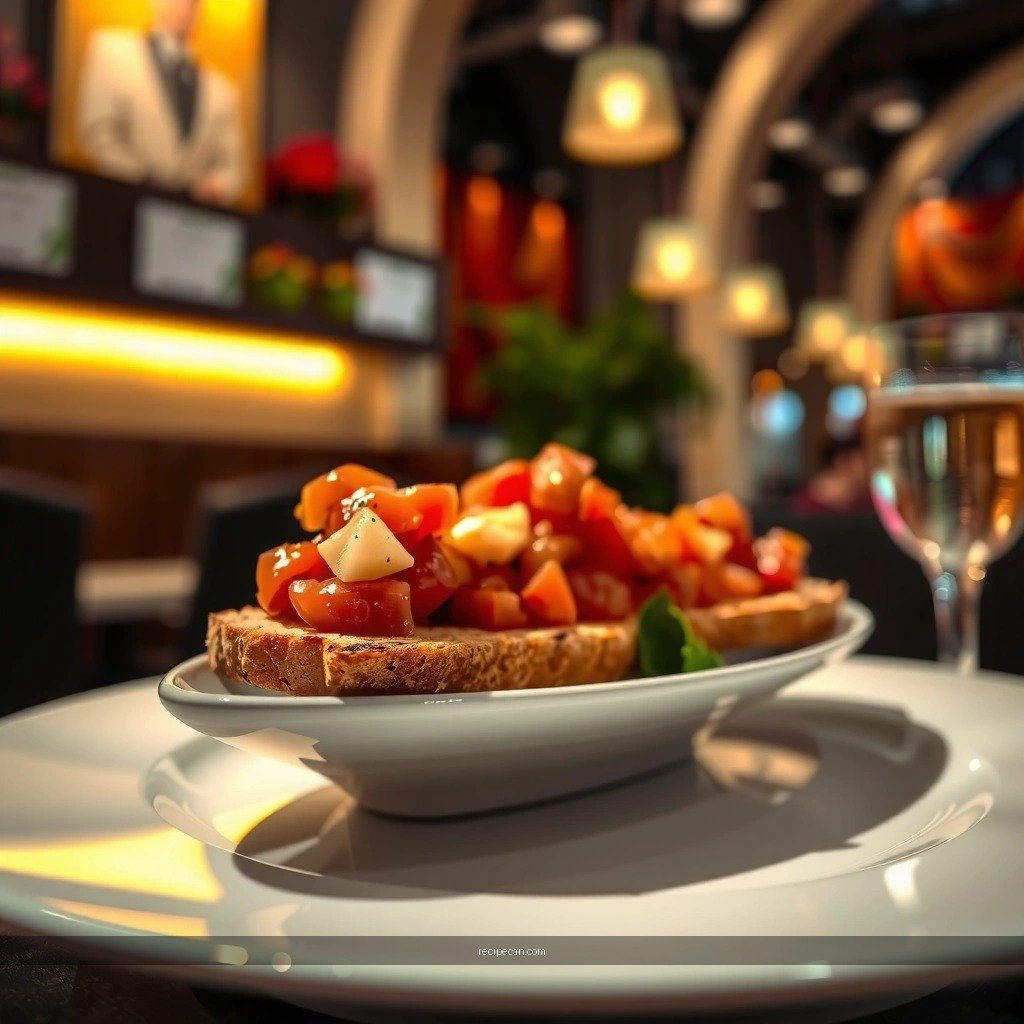
The bread choice is the foundation of a crisp bruschetta recipe. For classic Italian-style bruschetta, aim for something with structure: a rustic Italian loaf, ciabatta, or a baguette-style slice works exceptionally well. The goal is not just flavor—it’s toast performance.
– Choose rustic Italian bread or baguette-style slices for sturdy crunch
Rustic loaves typically have a thicker crust and an airy interior that absorbs flavor without collapsing immediately. Baguette slices toast evenly and create a satisfying snap.
– Slice evenly so each piece toasts at the same rate
Cut slices about 3/4-inch (2 cm) thick for robust texture. If pieces vary in thickness, some will become overly dark while others remain soft—both outcomes reduce the “classic topping meets crisp base” experience.
Pro tip for consistent results: If your loaf is very fresh and soft, let it air out for 30–60 minutes after slicing. A slightly drier surface toasts more evenly and creates better crunch.
Toast the Bread (So It Stays Crisp)
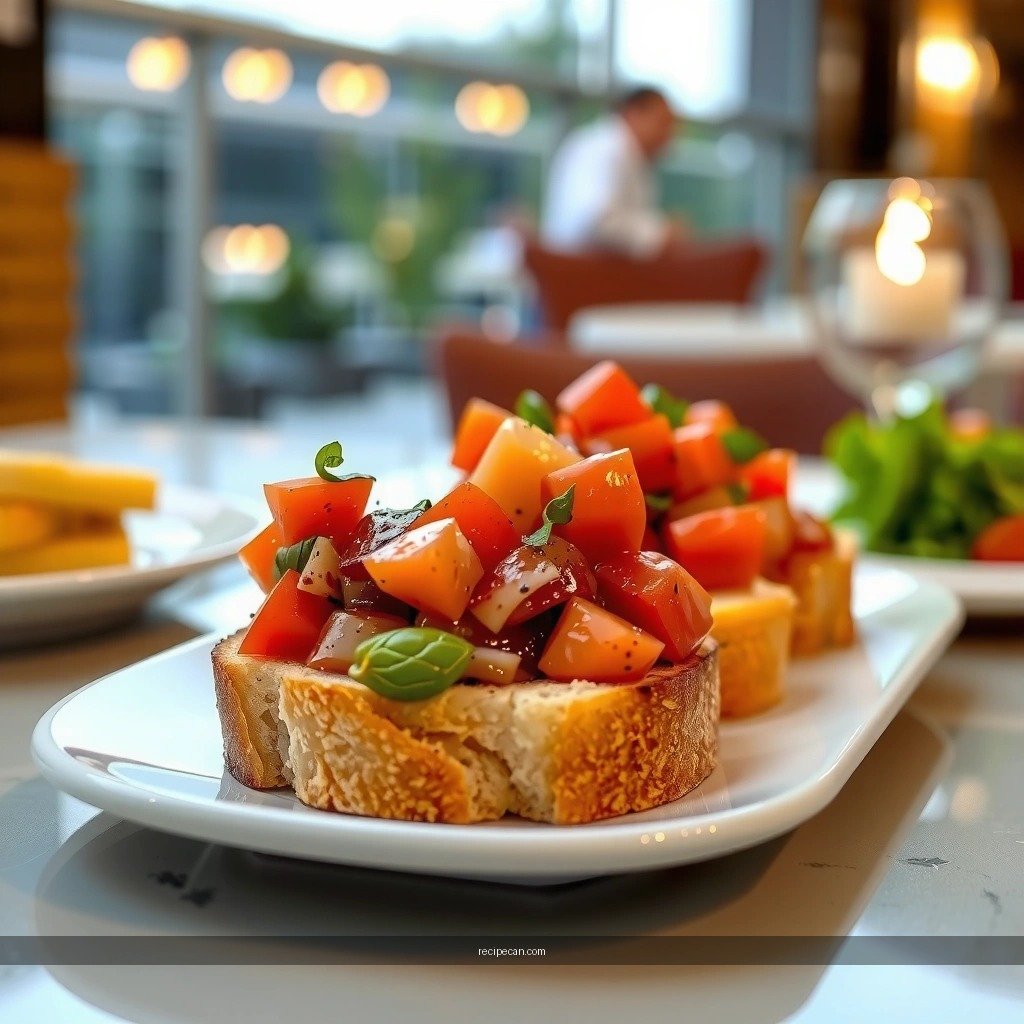
A classic bruschetta recipe hinges on controlled toasting. You want golden edges and a firm center, not a chewy or steamed crumb. This step directly influences your final texture—critical for any appetizer planned for guests.
– Toast until golden and firm, not soft
Use an oven, grill, or toaster oven. In an oven at 425°F (220°C), toast slices for roughly 6–10 minutes, flipping halfway if needed. The bread should feel dry and rigid when pressed lightly.
– Rub toasted bread with garlic for quick, bold flavor
This step creates an instant garlic aroma without making the bruschetta topping heavy or overpowering. Rub the cut garlic clove over the warm toast right after toasting so the garlic flavor blooms on contact.
Why this works (the “science” in practical terms): Warm, dry bread forms a light crust that resists moisture longer. When you add tomato topping later, the bread absorbs a portion of liquid, but not enough to turn soggy quickly.
Bread Crispness Targets (What “Classic” Feels Like)
Use these targets as a quality checklist when you’re making Food Network bruschetta-style appetizers.
Bruschetta Toast Quality Checklist (Oven Method)
| # | Toasting Result | Best For | Typical Toast Time | Guest Rating |
|---|---|---|---|---|
| 1 | Golden edges, dry center | Crisp texture | 7–9 min | ★★★★★ |
| 2 | Light golden, slightly springy | Short serve windows | 5–6 min | ★★★★☆ |
| 3 | Very pale, soft surface | Immediate topping only | 3–4 min | ★★★☆☆ |
| 4 | Deep golden, firm throughout | Holds longer before sogging | 9–11 min | ★★★★☆ |
| 5 | Dark brown, potential bitterness | Only if topping is very fresh | 12–14 min | ★★☆☆☆ |
| 6 | Toasted but uneven spots | Fix with flipping/spacing | Varies | ★★★☆☆ |
| 7 | Dry crust, aromatic garlic rubbed | Classic baseline | ~7–10 min + rub | ★★★★★ |
Make the Classic Tomato Bruschetta Topping
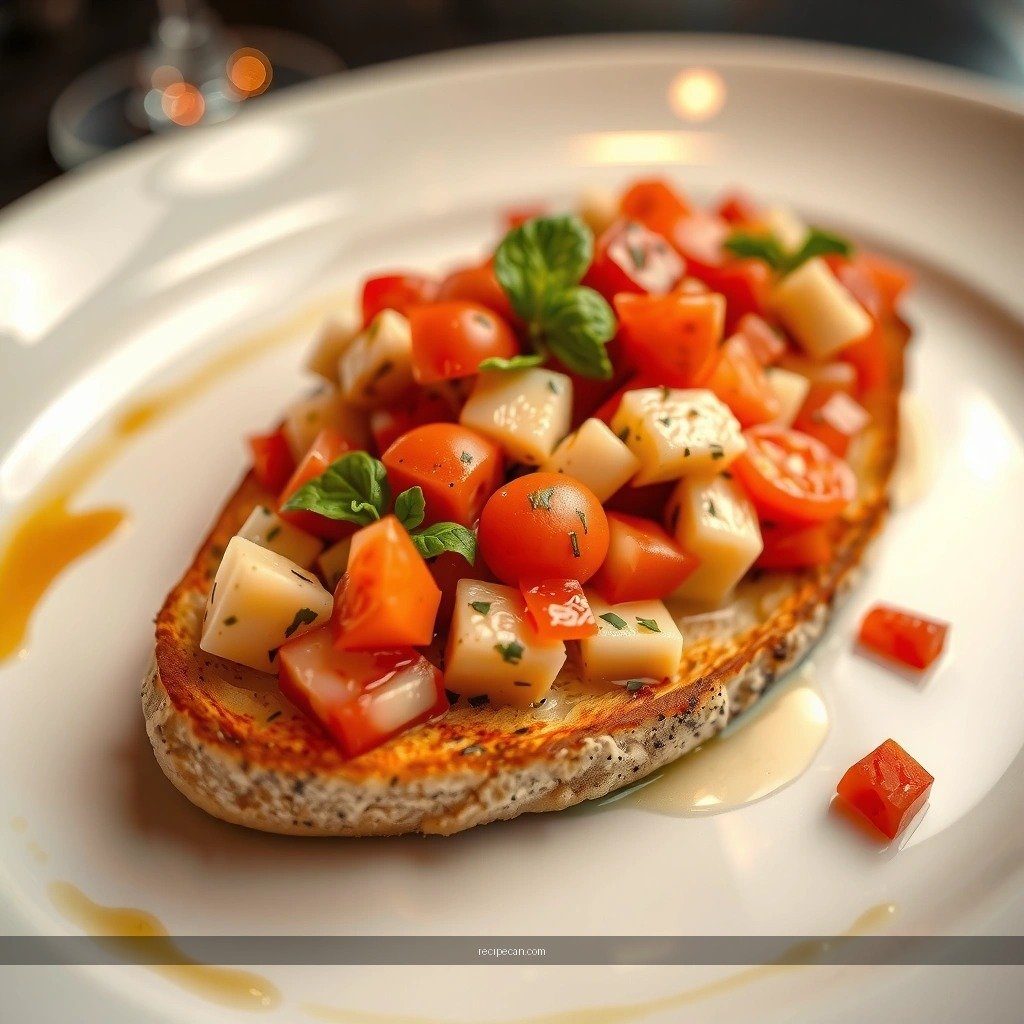
Now the flavor. A classic tomato topping should taste fresh, bright, and seasoned, not watery or flat. Start with ripe tomatoes, dice them, season them, and let them rest briefly so the flavors meld.
– Dice tomatoes and season with salt, pepper, and olive oil
Use Roma or vine-ripened tomatoes. Dice into small, bite-sized pieces so every spoonful hits toast-ready texture. Salt matters: it draws out excess liquid and concentrates tomato flavor.
– Add fresh basil and let the mixture sit briefly for better flavor
Fold in chopped basil and let the mixture sit 5–15 minutes. This is enough time for seasoning to penetrate without turning the topping into juice.
Avoid the watery topping problem: If your tomatoes are very juicy, you can gently drain the excess liquid after salting (or remove seeds) before combining with olive oil and basil. For large gatherings, this small adjustment preserves the toast’s crunch.
Add Garlic, Olive Oil, and Seasoning
The classic Food Network–style profile is typically built on garlic and olive oil as a savory base—light enough to let tomato taste lead, but strong enough to make the topping “pop.”
– Use garlic (raw rub or finely minced) to build a savory base
You can either rub garlic onto the toasted bread (for aroma) or mix finely minced garlic directly into the tomato. For a classic approach, many cooks do both: garlic fragrance on the toast plus a gentle garlic note in the topping.
– Finish with extra olive oil for a glossy, restaurant-style feel
A drizzle of high-quality extra virgin olive oil at the end improves mouthfeel and gives the topping that signature sheen.
Seasoning guidance for consistent results:
– Add black pepper last so it stays aromatic.
– Taste after resting; tomatoes vary widely in sweetness. If you need balance, a small pinch of salt or a drop more olive oil usually fixes it faster than adding sugar.
Assemble and Serve for Best Texture
Even the best bruschetta recipe can fail if you assemble too early. The bread will absorb tomato liquid over time, turning crisp to soft. The solution is timing and workflow.
– Spoon topping onto bread right before serving to prevent sogginess
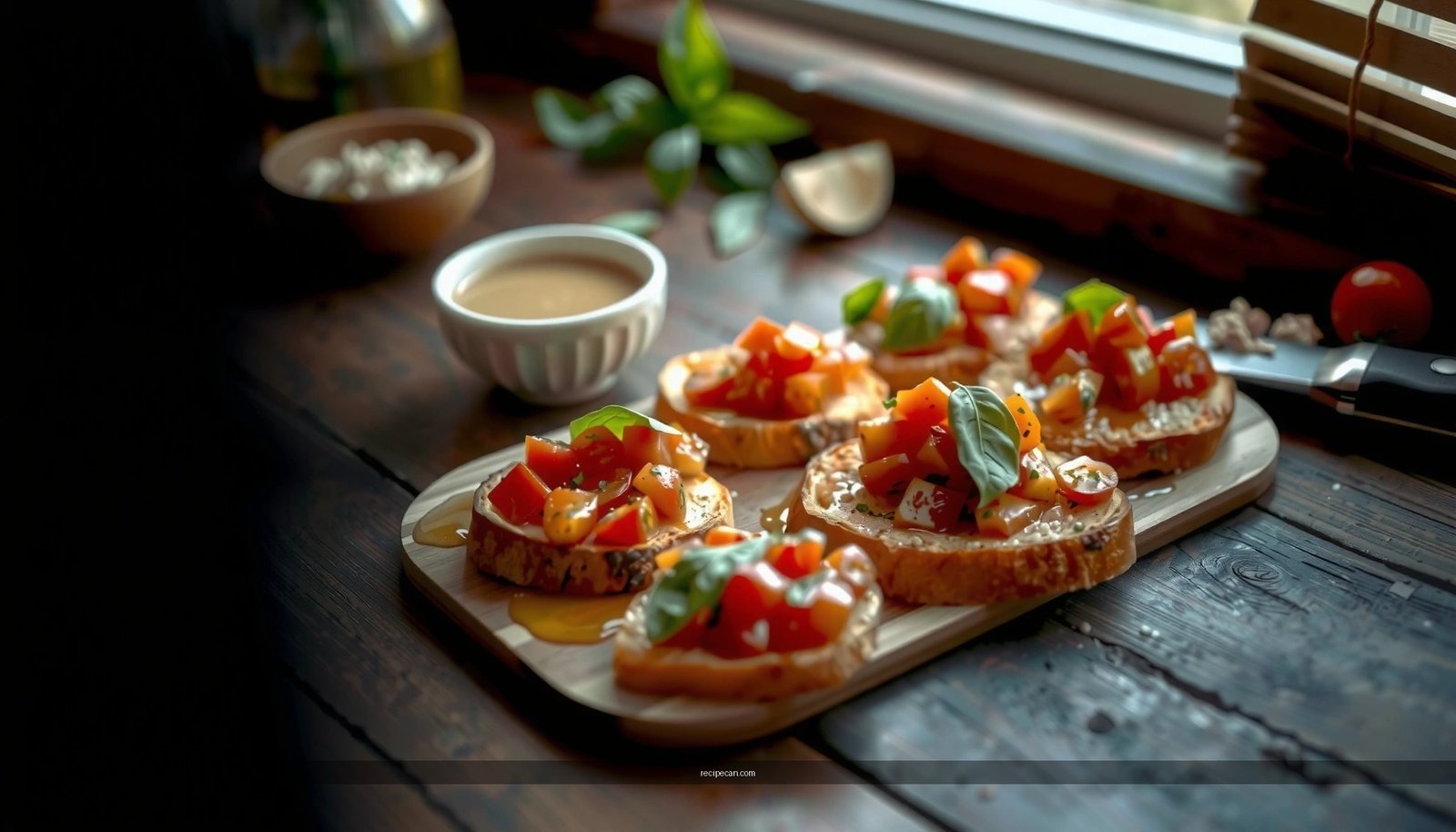
Plate toasted slices, then top each one shortly before guests eat. This keeps the bread crisp while still allowing the topping to taste fully seasoned.
– Keep any extra topping separate until you’re ready to serve
Store the tomato mixture in a bowl and stir gently before serving. This prevents the oil and juices from separating too much.
Practical hosting workflow: Toast bread first, rub with garlic, hold on a tray at room temperature. Make the topping a bit earlier. Then assemble in batches—especially for parties—so you’re not losing crunch while you wait for everyone to arrive.
Simple Variations to Try Next
Once the classic tomato version works reliably, variations are easy. The goal is to keep the same structural logic—crispy base, high-flavor topping, and fresh assembly—while changing one key ingredient.
– Swap in roasted peppers or fresh mozzarella for a twist
Roasted red peppers add smoky sweetness and pair naturally with olive oil and garlic. Fresh mozzarella (especially small “bocconcini” or torn pieces) creates creamy contrast and makes the appetizer feel richer.
– Add a balsamic drizzle or chopped olives for deeper flavor
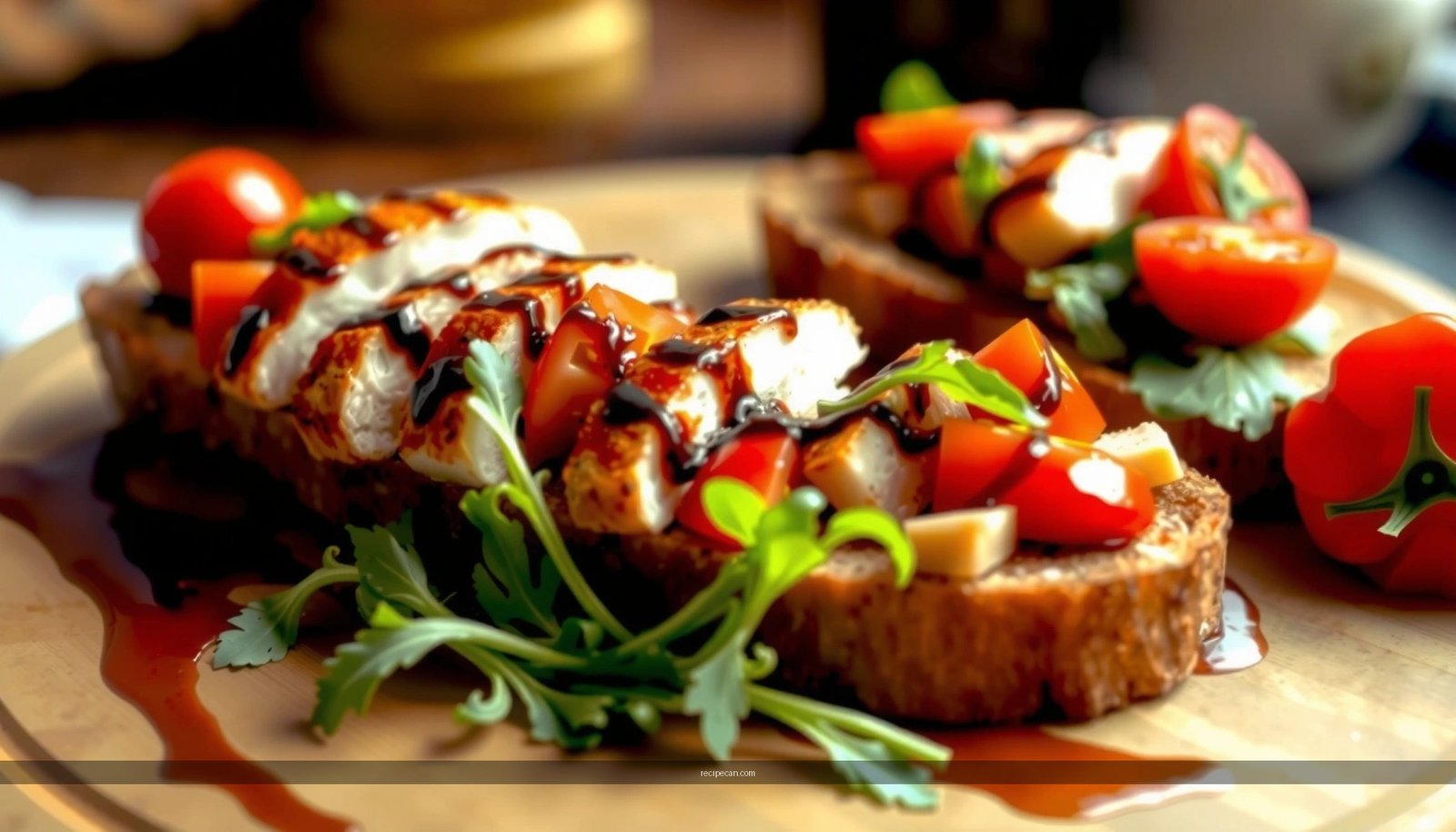
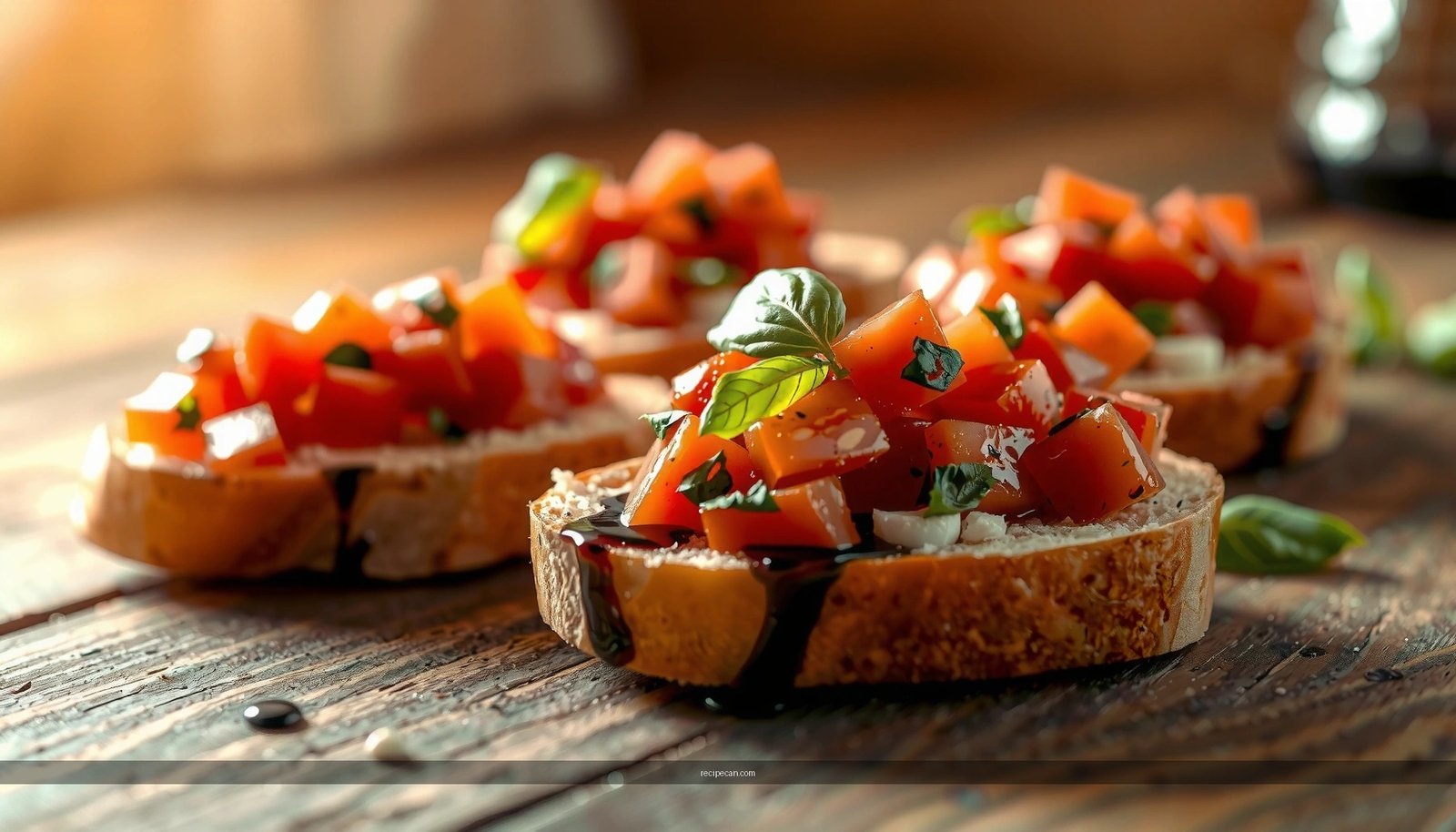
A balsamic drizzle adds tang and complexity, while chopped olives bring saltiness and a briny dimension that elevates tomato flavor. Add these as finishers so they stay vivid and aren’t dulled by resting.
Suggested pairing notes:
– For roasted peppers: consider slightly less garlic in the topping so the smoke doesn’t dominate.
– For mozzarella: add basil and olive oil last, then assemble quickly for the best texture.
Conclusion
A Food Network bruschetta recipe that tastes classic comes down to disciplined fundamentals: choose sturdy bread, toast it until crisp, build a simple tomato topping with salt, olive oil, garlic, and basil, and assemble right before serving to protect texture. Start with the classic version first, confirm your timing and seasoning, then introduce just one variation—so every bite stays balanced, bright, and impressively “restaurant” from the first crunch to the last forkful.
Frequently Asked Questions
What is the Food Network bruschetta recipe and what makes it different?
The Food Network bruschetta recipe typically features toasted bread rubbed with garlic and topped with a fresh tomato mixture. Many versions use a simple blend of diced tomatoes, olive oil, basil, garlic, and sometimes balsamic vinegar for brightness. It’s different from heavier “salad” toppings because the tomato mixture is meant to stay juicy and flavorful without turning the bread soggy.
How do you make bruschetta the right way so the bread doesn’t get soggy?
Toast the bread until it’s crisp and then assemble just before serving. Use a dry, chopped tomato mixture (drain excess liquid if needed) and season with olive oil sparingly so the topping doesn’t soak through. For best results, keep tomatoes at room temperature and serve immediately after mixing, which helps the Food Network bruschetta maintain texture.
Why should you use fresh basil and what can you substitute if you don’t have it?
Fresh basil brings a fragrant, peppery sweetness that makes a classic bruschetta topping taste vibrant rather than flat. If you don’t have basil, you can substitute fresh parsley for a milder herb profile, or use dried Italian herbs in smaller amounts (since dried concentrates flavor). Still, for the closest Food Network-style result, fresh basil or a high-quality basil alternative is strongly recommended.
Which tomatoes are best for bruschetta, and how should you prepare them?
Use ripe, firm tomatoes like Roma, plum, or vine-ripened varieties because they hold their shape when diced. Seed and dice them into small, even pieces, then mix with garlic, olive oil, salt, and basil to create a balanced topping. If the tomatoes are very watery, lightly drain them or pat them dry before combining—this is key to a clean, restaurant-style Food Network bruschetta.
What’s the best way to finish and serve bruschetta like a Food Network chef?
After toasting, rub the bread with cut garlic and drizzle with extra-virgin olive oil for aroma and sheen. Spoon the tomato mixture over the warm crostini, then finish with a quick splash of balsamic vinegar and a pinch of salt if needed. Serve right away, optionally with fresh mozzarella, shaved Parmesan, or a drizzle of more olive oil for extra depth—just like many popular Food Network bruschetta recipes.
References
- Google Scholar Google Scholar
https://scholar.google.com/scholar?q=bruschetta+recipe+food+network - Google Scholar Google Scholar
https://scholar.google.com/scholar?q=bruschetta+Italian+antipasto+toasted+bread+tomatoes+olive+oil - Google Scholar Google Scholar
https://scholar.google.com/scholar?q=bruschetta+food+safety+tomatoes+basil - https://en.wikipedia.org/wiki/Bruschetta
https://en.wikipedia.org/wiki/Bruschetta - https://en.wikipedia.org/wiki/Crostini
https://en.wikipedia.org/wiki/Crostini - Food Safety | Food Safety | CDC
https://www.cdc.gov/foodsafety/index.html - https://www.fsis.usda.gov/food-safety/safe-food-handling-and-preparation
https://www.fsis.usda.gov/food-safety/safe-food-handling-and-preparation - https://www.who.int/foodsafety/5keys/en/
https://www.who.int/foodsafety/5keys/en/ - https://pubmed.ncbi.nlm.nih.gov/?term=tomatoes+foodborne+pathogens
https://pubmed.ncbi.nlm.nih.gov/?term=tomatoes+foodborne+pathogens - https://pubmed.ncbi.nlm.nih.gov/?term=fresh+herbs+basil+foodborne+pathogens
https://pubmed.ncbi.nlm.nih.gov/?term=fresh+herbs+basil+foodborne+pathogens