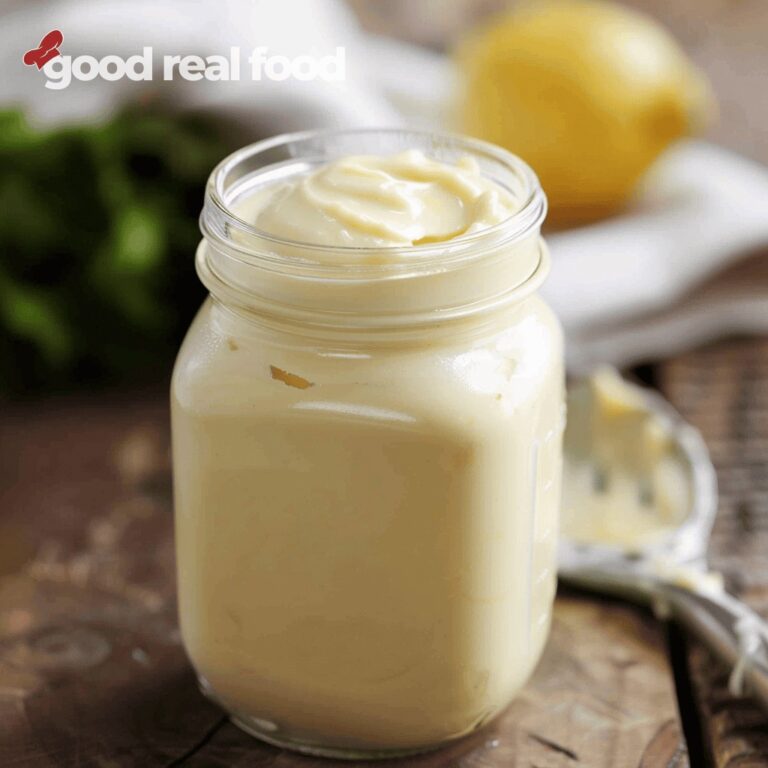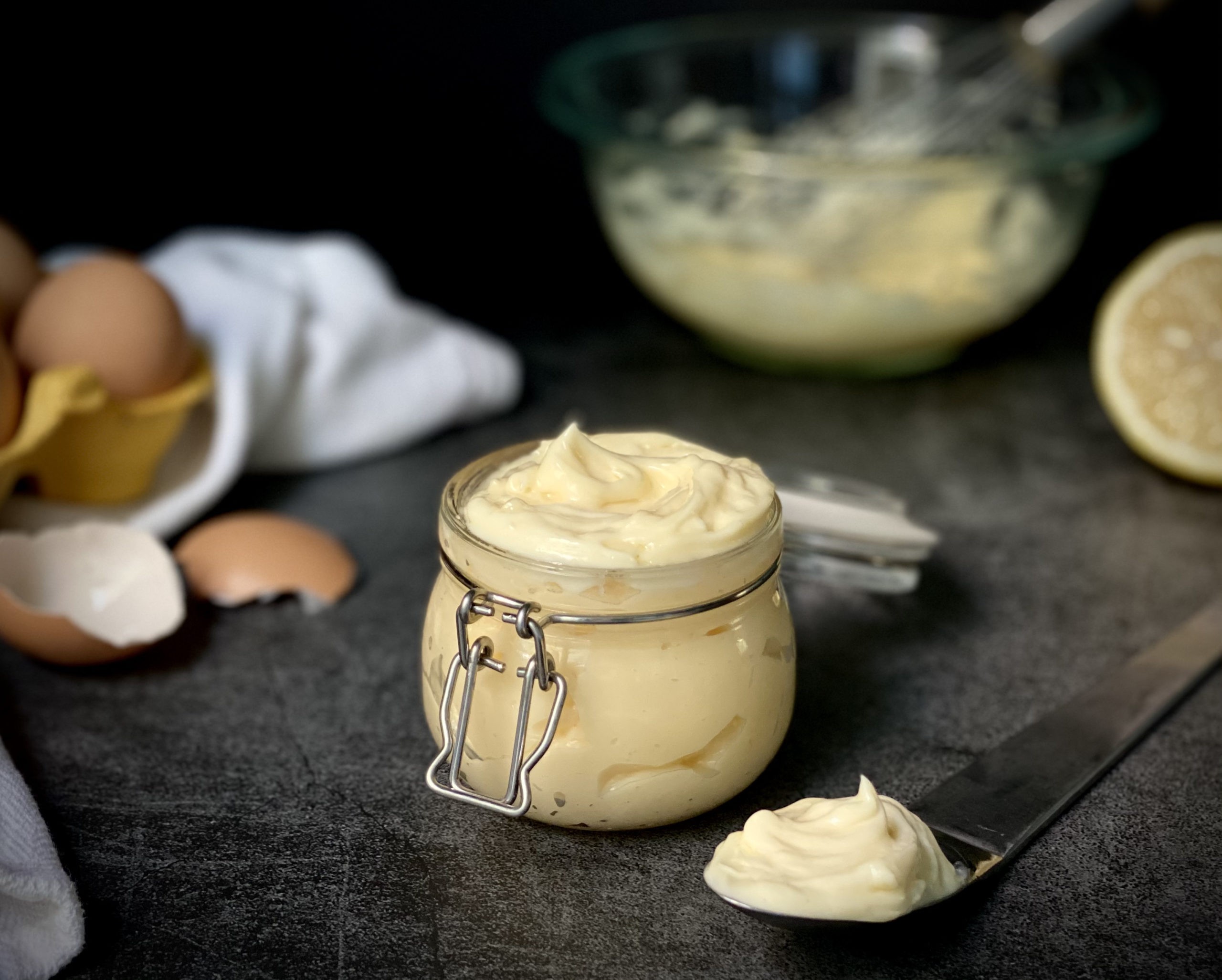
Alton Brown’s mayonnaise recipe stands out as the best choice for anyone seeking a creamy, homemade condiment with perfect flavor balance. This step-by-step guide reveals the secrets to achieving smooth, emulsified perfection that outshines store-bought options. Whether you’re a culinary novice or a seasoned pro, mastering this recipe will elevate your dishes and impress your guests. Discover how simple ingredients and technique create a mayonnaise that truly makes a difference.
Making homemade mayonnaise is easy with Alton Brown’s tried-and-true recipe, which yields a creamy, delicious condiment perfect for sandwiches and salads. In this article, you’ll learn how to prepare mayonnaise from scratch, along with tips and variations to customize your creation. By following the steps outlined, you can enjoy a richer, fresher alternative to store-bought mayonnaise that enhances the flavor of your dishes.
Ingredients You’ll Need
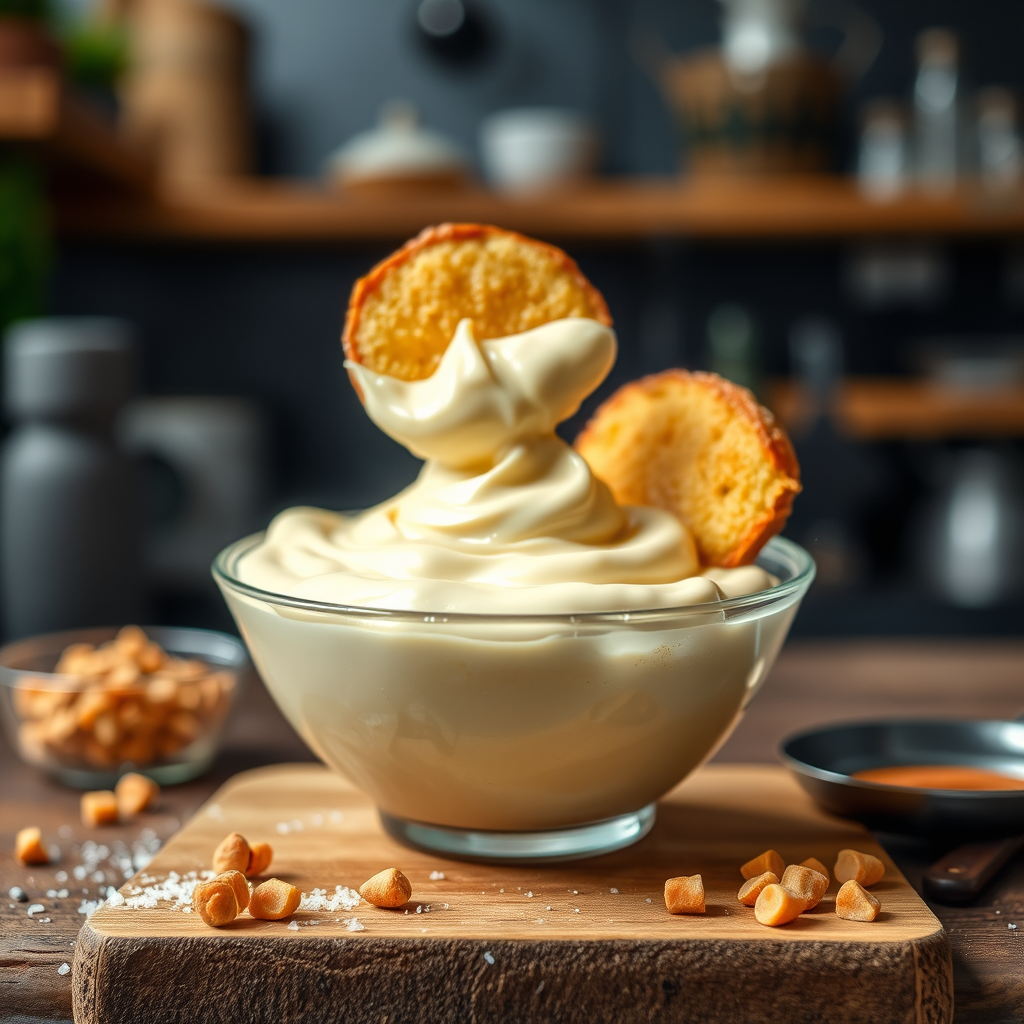
To create Alton Brown’s acclaimed mayonnaise, you will need just a few simple ingredients. Here’s what you’ll need:
– Fresh egg yolks: The foundation of your mayonnaise, large, room-temperature egg yolks are crucial for optimal emulsification. Room temperature helps the yolks combine better with the oil, leading to a creamier texture.
– Neutral oil: Canola or grapeseed oil works best for a light flavor. These oils have a high smoke point and a subtle taste, allowing the egg yolks and acid to shine through without overpowering them.
– Acid: Lemon juice or vinegar adds tanginess and helps stabilize the mixture. The acidity not only enhances flavor but also plays a key role in the emulsification process.
These ingredients are typically pantry staples, making it convenient to whip up a batch of homemade mayonnaise whenever the craving strikes.
Step-by-Step Preparation
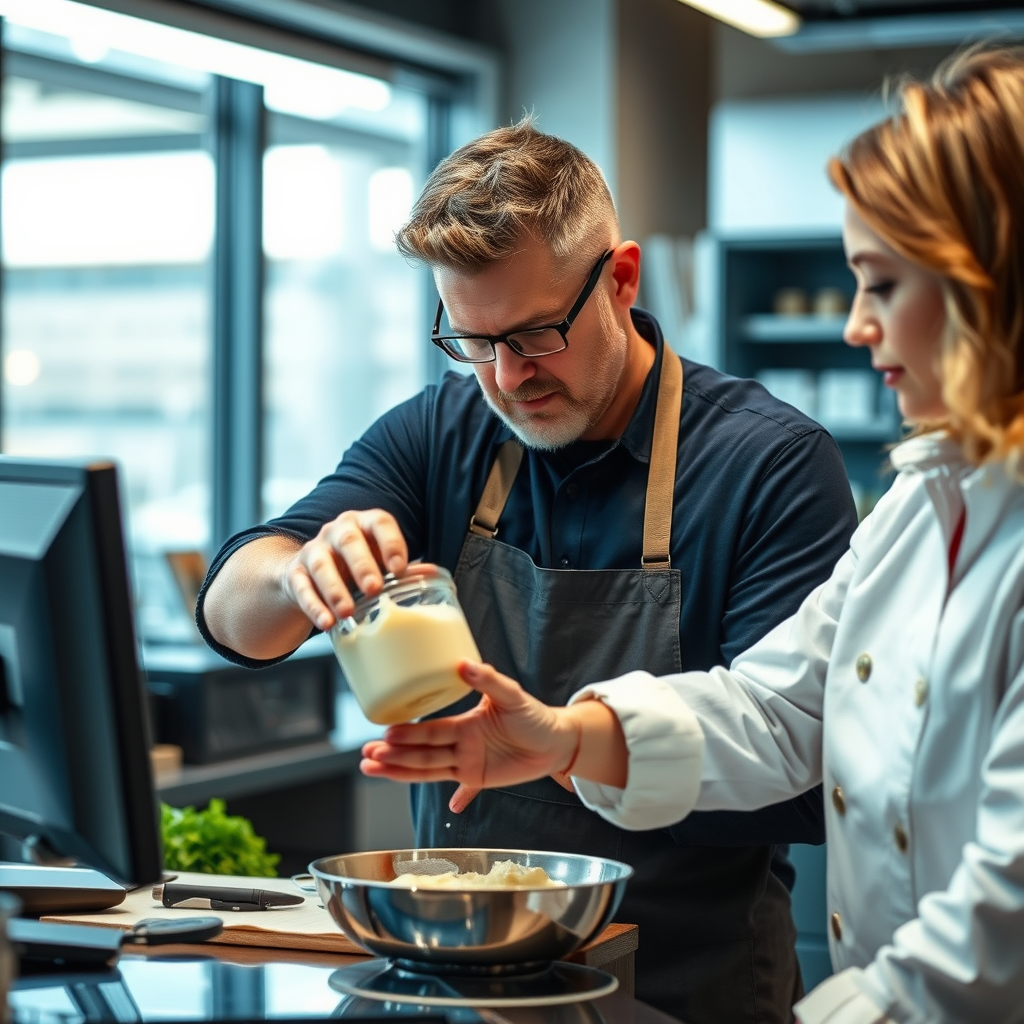
Creating your mayonnaise from scratch is an easy task if you follow these steps:
– Whisking: Start by whisking the egg yolks and acid together in a bowl until the mixture thickens. This initial step is crucial as it helps to incorporate air, which aids in forming a stable emulsion. Whisking vigorously ensures that the egg yolks and acid blend thoroughly.
– Gradually adding oil: Once your egg yolk mixture is thickened, begin to slowly drizzle in the oil while whisking continuously. This gradual addition is fundamental to achieving a stable emulsion. If you pour the oil too quickly, the mixture may separate. Aim for a steady, thin stream of oil, and continue to whisk until the mayonnaise reaches your desired consistency.
This method not only yields a delicious mayonnaise but also allows you to control the flavor and consistency to suit your preferences.
Flavor Enhancements
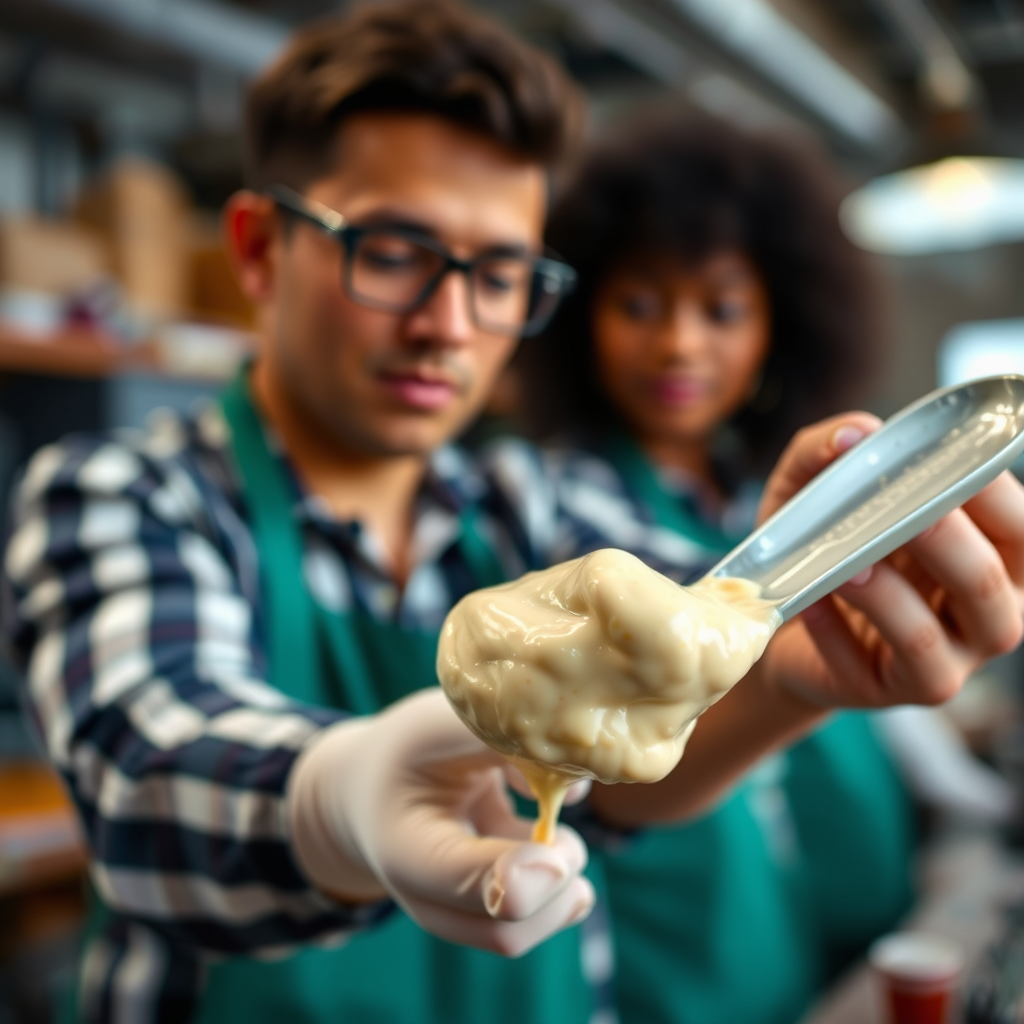
One of the best aspects of making your mayonnaise is the ability to customize the flavor. Here are some suggestions for enhancing your homemade mayonnaise:
– Herbs and spices: Consider adding fresh herbs like dill or basil. Finely chop the herbs and stir them into the mayonnaise after emulsifying. This addition can elevate your mayonnaise from a simple condiment to a flavorful spread or dipping sauce.
– Garlic or mustard: Incorporating minced garlic or a teaspoon of Dijon mustard can give your mayonnaise a delightful kick. These ingredients not only add flavor but also help with emulsification, making your mayonnaise richer and more complex.
Experiment with various combinations to find the perfect enhancement that complements your dishes.
Popular Mayonnaise Flavor Enhancements
| # | Enhancement | Flavor Profile | Best For |
|---|---|---|---|
| 1 | Dill | Herbaceous and fresh | Sandwiches, salads |
| 2 | Garlic | Savory and pungent | Dips, spreads |
| 3 | Mustard | Tangy and sharp | Sandwiches, dressings |
| 4 | Basil | Sweet and aromatic | Caprese salad, pasta |
| 5 | Sriracha | Spicy and tangy | Burgers, seafood |
| 6 | Cilantro | Lively and zesty | Tacos, burritos |
| 7 | Chipotle | Smoky and spicy | Sandwiches, wraps |
Common Mistakes to Avoid

When making mayonnaise, there are a few common pitfalls that can compromise your efforts. Being aware of these can ensure a successful outcome:
– Over-whisking: While it’s important to incorporate air into your mixture, over-whisking can lead to separation. Once the mayonnaise has thickened, reduce the vigor of your whisking to maintain the emulsion without introducing too much air.
– Temperature issues: Ensure all ingredients are at room temperature before starting. Cold ingredients can lead to a broken emulsion, resulting in a runny or separated mayonnaise. To bring eggs to room temperature quickly, place them in warm water for about five to ten minutes.
By avoiding these mistakes, you can create a smooth, creamy mayonnaise every time.
Storage Tips

Once you’ve made your homemade mayonnaise, proper storage is crucial to maintain its freshness:
– Refrigeration: Store mayonnaise in an airtight container in the fridge for up to a week. Always use a clean utensil to scoop out the mayonnaise to prevent contamination.
– Freezing: While not ideal, you can freeze mayonnaise if necessary; just note that the texture may change upon thawing. To freeze, place it in a freezer-safe container. When ready to use, thaw it in the refrigerator and whisk it to restore some of its texture.
Mindful storage practices can help you enjoy your mayonnaise over a longer period, reducing waste and maximizing flavor.
Troubleshooting Your Mayonnaise
Sometimes, despite your best efforts, you may encounter issues with your mayonnaise. Here are some easy fixes:
– Fixing separation: If your mayonnaise separates, don’t despair. Add a teaspoon of warm water to the mixture and whisk vigorously. The warmth can help re-emulsify the ingredients, bringing them back together.
– Thinning out: If your mayonnaise turns out too thick for your liking, you can adjust the consistency by adding a tiny bit of water or lemon juice. Do so gradually until you achieve the desired creaminess without compromising the flavor.
These troubleshooting tips can save your mayonnaise and ensure you enjoy a delicious homemade condiment.
Making mayonnaise at home is simple and satisfying with Alton Brown’s recipe. By following the steps outlined, you can create a flavorful spread that enhances various dishes. The flexibility in flavor enhancements and the ability to troubleshoot issues make this condiment a rewarding endeavor. Gather your ingredients, embrace the process, and start whisking your way to homemade perfection!
Frequently Asked Questions
What ingredients do I need for Alton Brown’s mayonnaise recipe?
To make Alton Brown’s mayonnaise, you’ll need egg yolks, Dijon mustard, vinegar or lemon juice, and canola oil. This simple combination not only creates a creamy texture but also enhances the flavor profile, making it a versatile condiment for various dishes.
How do I ensure my mayonnaise emulsifies properly using Alton Brown’s method?
To ensure proper emulsification in Alton Brown’s mayonnaise recipe, start by whisking the egg yolks and mustard until smooth. Gradually add the oil in a slow, steady stream while continuously whisking, which helps create a stable emulsion. If it starts to separate, you can add a bit of water to help bring it back together.
Why does Alton Brown’s mayonnaise recipe use Dijon mustard?
Alton Brown uses Dijon mustard in his mayonnaise recipe for both flavor and its emulsifying properties. The mustard not only adds a subtle tang but also contains natural emulsifiers that help stabilize the mixture, ensuring a smooth and creamy consistency.
What is the best way to store homemade mayonnaise from Alton Brown’s recipe?
The best way to store homemade mayonnaise from Alton Brown’s recipe is in an airtight container in the refrigerator. It can typically last for up to one week, but always check for freshness before using, as homemade mayonnaise lacks the preservatives found in store-bought versions.
Which tools are recommended for making mayonnaise according to Alton Brown’s recipe?
Alton Brown recommends using a whisk and a mixing bowl for a traditional approach to making mayonnaise, but you can also use a food processor or an immersion blender for convenience. These tools can speed up the emulsification process and help achieve a creamy texture more easily.
References
- Mayonnaise
https://en.wikipedia.org/wiki/Mayonaisse - https://www.bbc.co.uk/food/recipes/alton_brown_mayonnaise_25756
https://www.bbc.co.uk/food/recipes/alton_brown_mayonnaise_25756 - https://www.foodnetwork.com/recipes/alton-brown/mayonnaise-recipe-1945191
https://www.foodnetwork.com/recipes/alton-brown/mayonnaise-recipe-1945191 - https://www.seriouseats.com/how-to-make-mayonnaise
https://www.seriouseats.com/how-to-make-mayonnaise - https://www.theguardian.com/food/2020/jun/03/how-to-make-mayonnaise
https://www.theguardian.com/food/2020/jun/03/how-to-make-mayonnaise - Google Scholar Google Scholar
https://scholar.google.com/scholar?q=mayonnaise+recipe+alton+brown - https://scholar.google.com/scholar?q=mayonnaise+recipe+food+science Google Scholar
https://scholar.google.com/scholar?q=mayonnaise+recipe+food+science - https://scholar.google.com/scholar?q=mayonnaise+homemade+benefits Google Scholar
https://scholar.google.com/scholar?q=mayonnaise+homemade+benefits - https://www.sciencedirect.com/topics/agricultural-and-biological-sciences/mayonnaise
https://www.sciencedirect.com/topics/agricultural-and-biological-sciences/mayonnaise - https://www.mayoclinic.org/healthy-lifestyle/nutrition-and-healthy-eating/in-depth/mayo-and-mayonnaise/art-20045806
https://www.mayoclinic.org/healthy-lifestyle/nutrition-and-healthy-eating/in-depth/mayo-and-mayonnaise/art-20045806