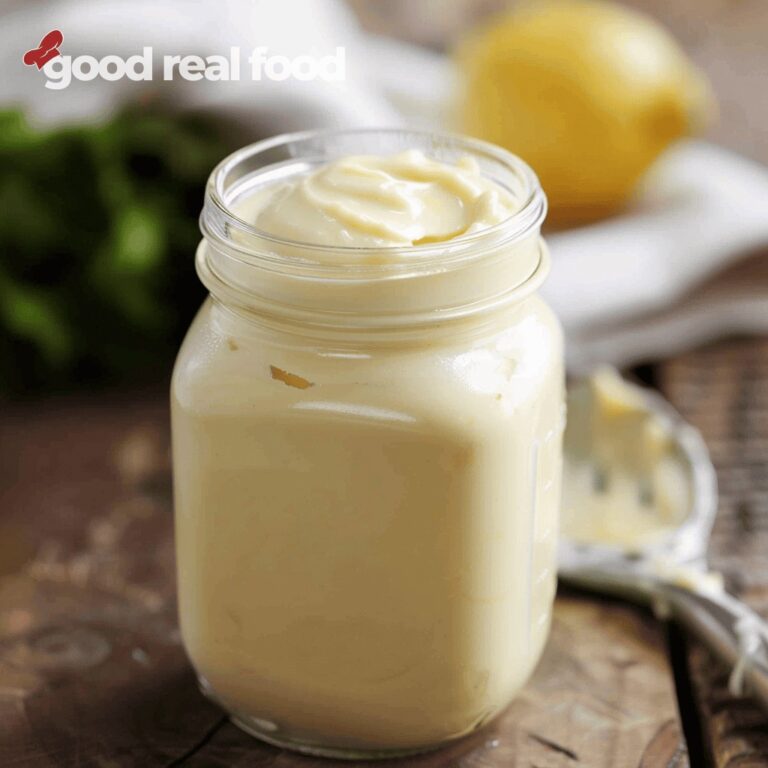
Homemade mayonnaise is not only fresher but also customizable to your taste, making it the superior choice for anyone seeking a rich, creamy condiment. This quick and easy guide will walk you through the steps to create a delicious mayonnaise that outshines store-bought versions. Discover how simple ingredients can transform your dishes and elevate your culinary experience. Get ready to whip up a batch that will impress your family and friends.
Making delicious homemade mayonnaise is simpler than you might think. With just a few basic ingredients and a couple of kitchen tools, you can whip up a creamy, flavorful condiment that enhances sandwiches, salads, and dips. This guide will walk you through a foolproof recipe, tips for achieving the perfect consistency, and creative variations to elevate your culinary creations.
Ingredients You Will Need
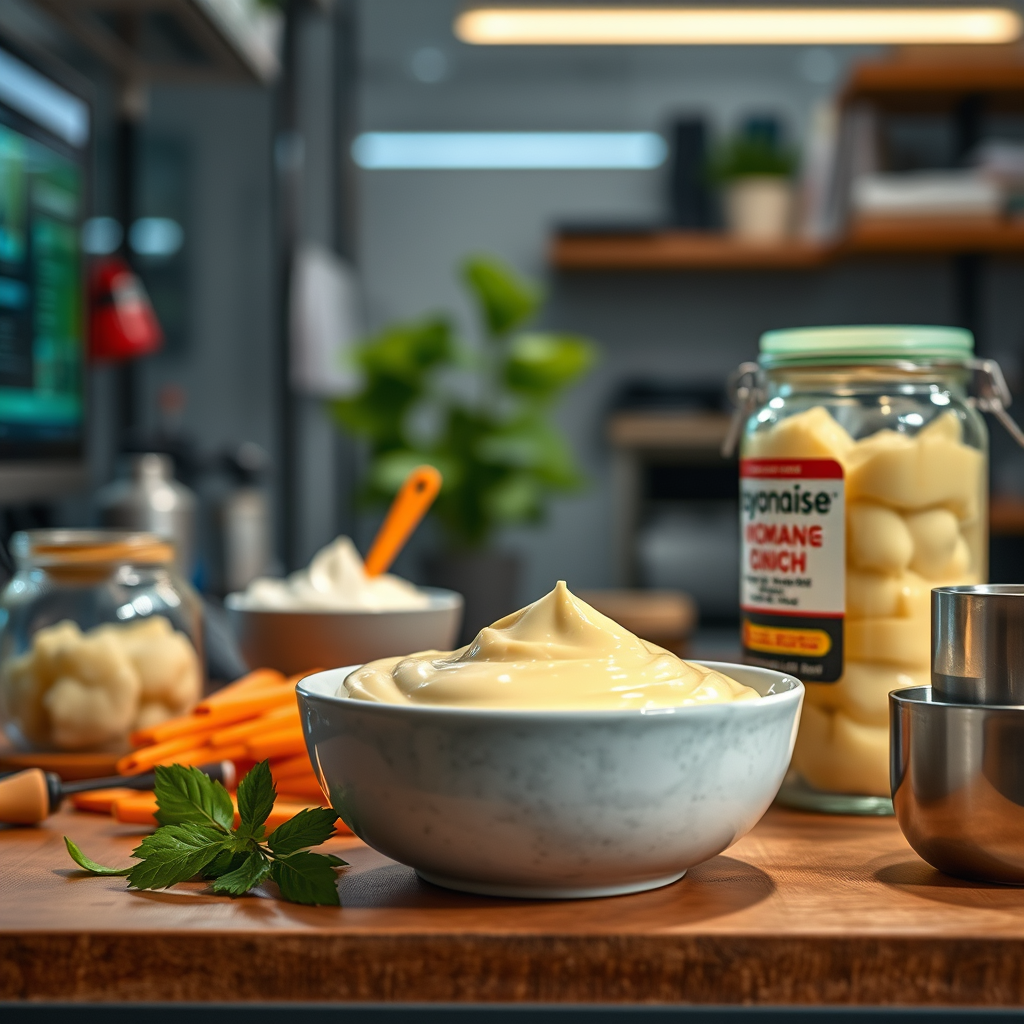
To craft your homemade mayonnaise, you’ll need the following ingredients:
– Fresh eggs: It’s essential to use fresh eggs, preferably at room temperature, as they emulsify better and contribute to a richer taste.
– High-quality oil: Olive oil or avocado oil are excellent choices due to their flavor profiles and health benefits. Avoid using oils with strong flavors, as they can overpower the mayonnaise.
– Vinegar or lemon juice: These ingredients provide acidity and flavor. You can choose between white vinegar, apple cider vinegar, or fresh lemon juice depending on your taste preference.
Essential Kitchen Tools

Before starting, ensure you have the following kitchen tools handy:
– Mixing bowl or jar: A wide bowl allows for easier mixing. Alternatively, a jar can be used for immersion blending.
– Whisk or immersion blender: A whisk works well for manual emulsification, while an immersion blender provides a quicker and more efficient method.
– Measuring cups and spoons: Accurate measurements are vital for achieving the right consistency and flavor balance in your mayonnaise.
Step-by-Step Instructions
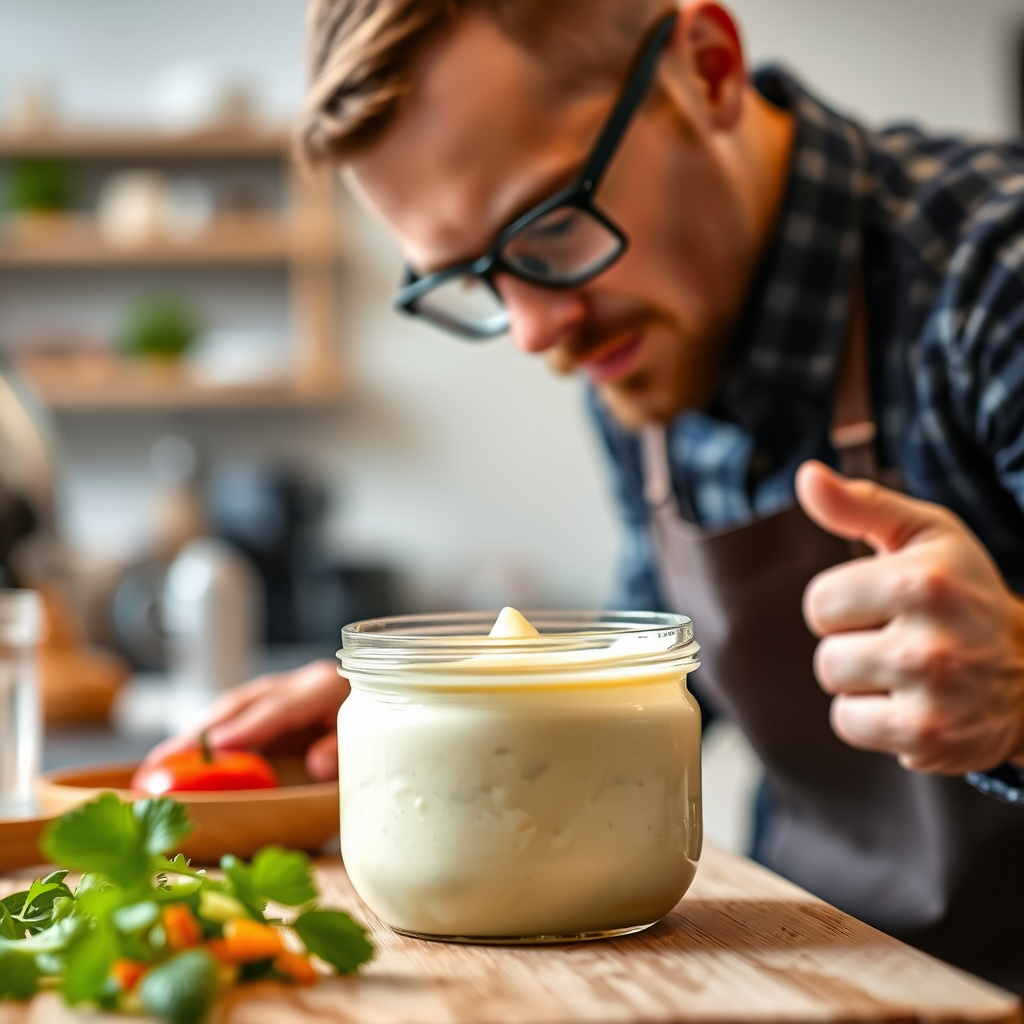
1. Combine the Base Ingredients: Start by adding one fresh egg and one tablespoon of vinegar or lemon juice into your mixing bowl. If using an immersion blender, place the ingredients in a tall jar.
2. Whisk or Blend: If you’re using a whisk, start whisking vigorously to combine the egg and acid. If you’re using an immersion blender, turn it on and blend the egg and acid until mixed.
3. Add Oil Gradually: While whisking continuously or blending, slowly drizzle in about one cup of your chosen oil. This step is crucial, as adding the oil too quickly can prevent emulsification. Continue until the mixture thickens and reaches a creamy consistency.
4. Season to Taste: Once thickened, taste your mayonnaise and adjust seasoning as needed. You may add salt, pepper, or additional acidity to enhance the flavor.
5. Store Properly: Transfer your homemade mayonnaise to an airtight container and refrigerate.
Comparison of Mayonnaise Ingredients
| # | Ingredient | Calories (per tbsp) | Fat (g) | Protein (g) |
|---|---|---|---|---|
| 1 | Egg (Whole) | 14 | 1.0 | 1.2 |
| 2 | Olive Oil | 119 | 13.5 | 0.0 |
| 3 | Avocado Oil | 124 | 14.0 | 0.0 |
| 4 | Lemon Juice | 4 | 0.1 | 0.1 |
| 5 | White Vinegar | 3 | 0.0 | 0.0 |
| 6 | Apple Cider Vinegar | 3 | 0.0 | 0.0 |
| 7 | Salt | 0 | 0.0 | 0.0 |
Tips for Perfect Consistency

To ensure your homemade mayonnaise achieves the desired creamy texture, consider the following tips:
– Room Temperature Ingredients: Using room temperature eggs and oil is critical for proper emulsification. Cold ingredients can lead to a broken mayonnaise that won’t thicken properly.
– Gradual Oil Addition: The key to a stable emulsion lies in the slow incorporation of oil. Start with a few drops and gradually increase the flow as the mixture begins to thicken.
– Adjustment for Thickness: If you prefer a thicker mayonnaise, reduce the amount of oil or add an additional egg yolk. For a thinner consistency, simply add a little more oil or a splash of water.
Flavor Variations to Try
Homemade mayonnaise is highly versatile, and you can easily customize its flavor:
– Garlic Aioli: Add minced garlic to create a rich aioli perfect for dipping or spreading.
– Herbed Mayonnaise: Incorporate fresh herbs like dill, basil, or parsley for a refreshing twist.
– Spicy Mayonnaise: Mix in some Sriracha or cayenne pepper for a kick that pairs well with seafood or fried dishes.
– Citrus Zest: Grate some lemon or lime zest into your mayonnaise for an added burst of flavor that enhances seafood and chicken dishes.
Storing Your Homemade Mayonnaise
To maintain the freshness of your homemade mayonnaise, follow these storage guidelines:
– Refrigeration: Store the mayonnaise in an airtight container in your refrigerator. This protects it from contamination and maintains its quality.
– Shelf Life: For optimal taste and safety, consume your mayonnaise within a week. Always check for off-smells or changes in texture before use.
Creating your homemade mayonnaise not only allows you to control the ingredients but also gives you a fresher taste than store-bought versions, which often contain preservatives. With just a few simple steps, you can impress your family and friends with this versatile condiment.
In summary, homemade mayonnaise is a straightforward yet rewarding culinary endeavor. By following this guide, you will have the skills to create a creamy, flavorful condiment tailored to your taste preferences. Explore various flavor variations, ensure proper storage, and enjoy the satisfaction of making this beloved condiment from scratch!
Frequently Asked Questions
What ingredients do I need for a homemade mayonnaise recipe?
To make a simple homemade mayonnaise, you will need just a few key ingredients: egg yolks, neutral oil (like canola or sunflower), vinegar or lemon juice, and a pinch of salt. These basic components create a creamy and flavorful mayonnaise that can be customized with additional flavors like mustard or garlic.
How do I make homemade mayonnaise without a food processor?
You can easily make homemade mayonnaise by hand using a whisk or an immersion blender. Start by whisking the egg yolks with vinegar or lemon juice, then slowly drizzle in the oil while continuously whisking until the mixture emulsifies and thickens. This method may take a bit more effort, but it yields a delicious result.
Why is my homemade mayonnaise too runny, and how can I fix it?
If your homemade mayonnaise turns out too runny, it may be due to adding the oil too quickly or not using enough egg yolks. To fix it, you can try adding a little more oil slowly while whisking vigorously, or start a new batch with a fresh egg yolk and gradually incorporate the runny mayo as you whisk.
What is the best type of oil to use in homemade mayonnaise?
The best type of oil for homemade mayonnaise is a neutral oil, such as canola, safflower, or grapeseed oil, as they provide a light flavor that lets the other ingredients shine. However, for a more robust taste, you can experiment with olive oil, keeping in mind that it will impart a stronger flavor to your mayonnaise.
Which tools are essential for making homemade mayonnaise effectively?
To make homemade mayonnaise effectively, you will need a mixing bowl, a whisk or an immersion blender, and a measuring cup for accuracy. Using a whisk allows for better control, while an immersion blender can speed up the emulsification process, making it easier to achieve the perfect creamy texture.
References
- Mayo
https://en.wikipedia.org/wiki/Mayo - Increased expression of PELP1 in human sperm is correlated with decreased semen quality – PMC
https://www.ncbi.nlm.nih.gov/pmc/articles/PMC6116689/ - Page Not Found – Site Help – Mayo Clinic
https://www.mayoclinic.org/healthy-lifestyle/nutrition-and-healthy-eating/in-depth/mayo/faq-20058362 - https://www.cdc.gov/foodsafety/communication/home-made-foods.html
https://www.cdc.gov/foodsafety/communication/home-made-foods.html - https://www.bbc.com/food/recipes/mayonnaise_90379
https://www.bbc.com/food/recipes/mayonnaise_90379 - https://www.sciencedirect.com/topics/agricultural-and-biological-sciences/mayonnaise
https://www.sciencedirect.com/topics/agricultural-and-biological-sciences/mayonnaise - https://www.healthline.com/nutrition/mayonnaise
https://www.healthline.com/nutrition/mayonnaise - https://www.researchgate.net/publication/320204167_Home-Made_Mayonnaise_Recipe
https://www.researchgate.net/publication/320204167_Home-Made_Mayonnaise_Recipe - Google Scholar Google Scholar
https://scholar.google.com/scholar?q=homemade+mayonnaise+recipe - Google Scholar Google Scholar
https://scholar.google.com/scholar?q=mayonnaise+making+process