Master the art of crafting banana jelly with this comprehensive expert guide, designed for both novice and seasoned cooks. This step-by-step protocol not only outlines the precise ingredients and techniques needed but also emphasizes safety and quality to ensure a delicious, safe final product. By following these expert guidelines, you’ll avoid common pitfalls and create a delightful treat that highlights the natural sweetness of bananas.
What This Guide Covers (And What It Doesn’t)
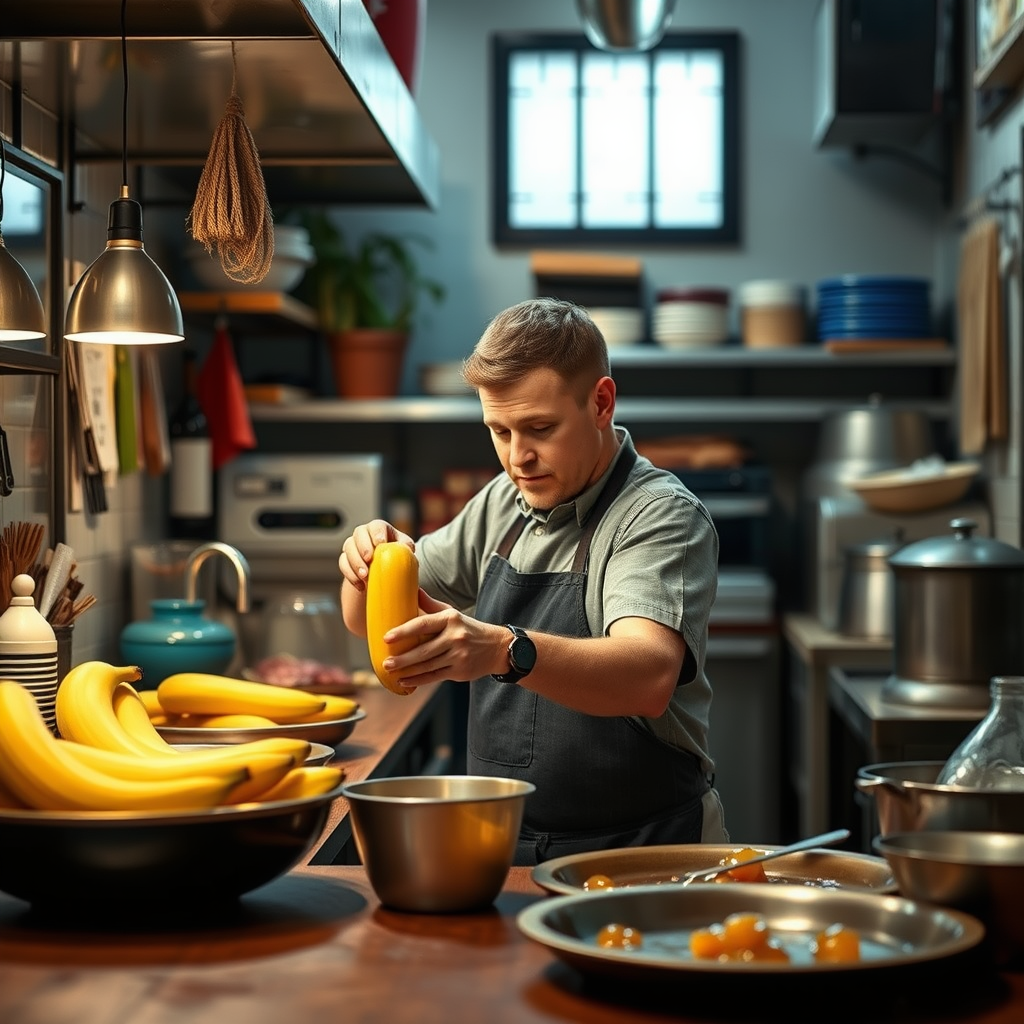
This guide provides a detailed, step-by-step recipe for making banana jelly, complete with ingredient measurements, necessary equipment, and techniques to ensure optimal results. By focusing on ripe bananas, it highlights the importance of selecting the best fruit for maximum flavor and sweetness, as well as the role of pectin in achieving proper gelling. While it offers a thorough exploration of banana jelly, it does not delve into other types of fruit preserves or jellies, nor does it include recipes for banana jams or banana-based desserts.
Who Should Read This
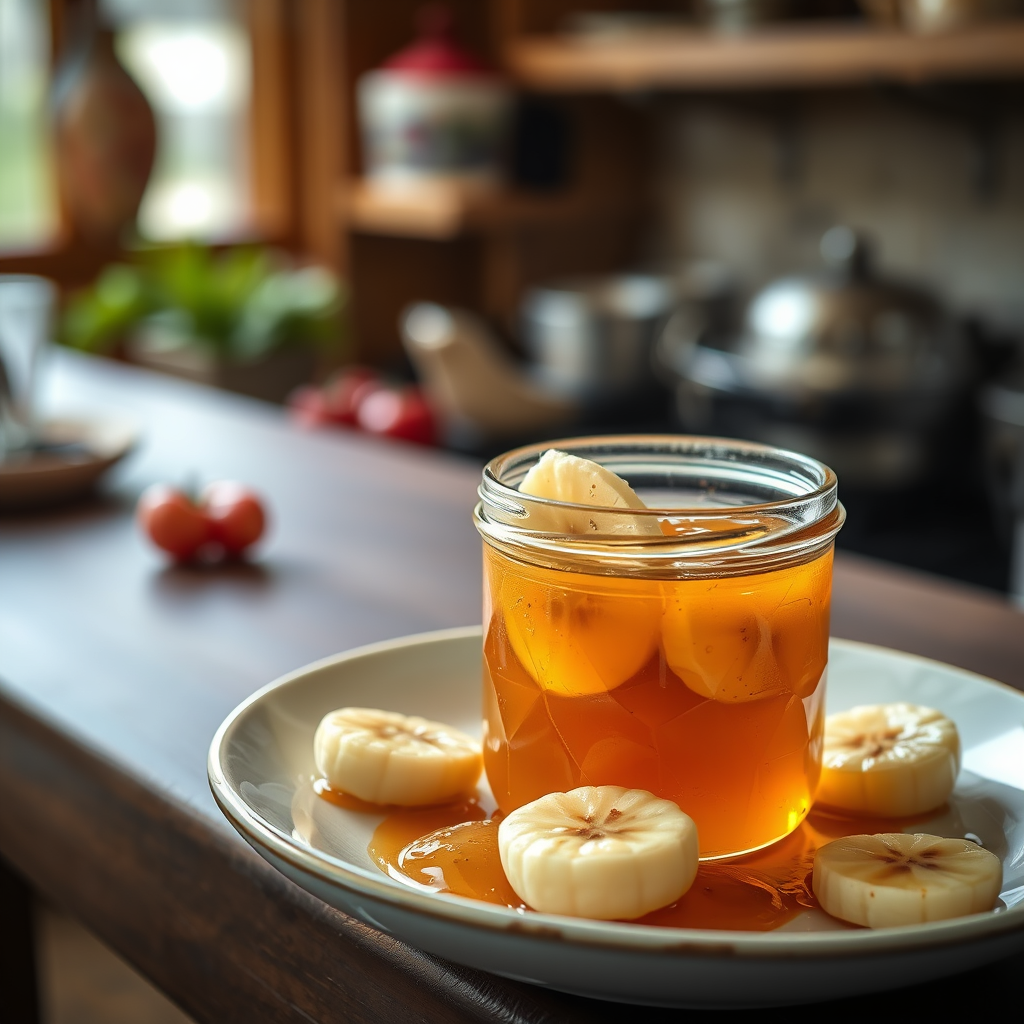
This guide is crafted for home cooks who possess a basic understanding of kitchen safety and food preservation techniques, including canning and sterilization. It is especially useful for those interested in creating homemade preserves and for individuals looking to transform excess ripe bananas into something delicious. Beginners in jelly-making will appreciate the detailed step-by-step instructions, while experienced cooks can gain specific insights for enhancing texture and flavor.
The Step-by-Step Protocol
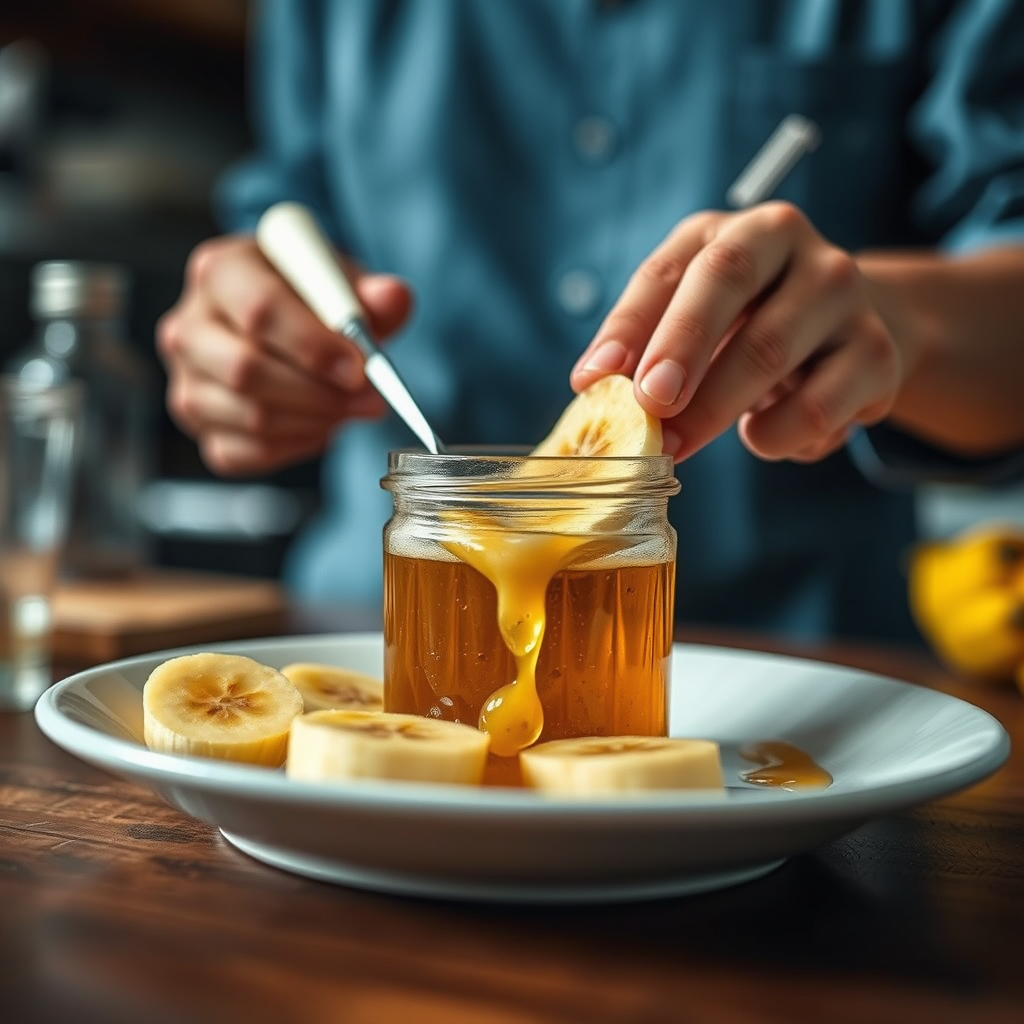
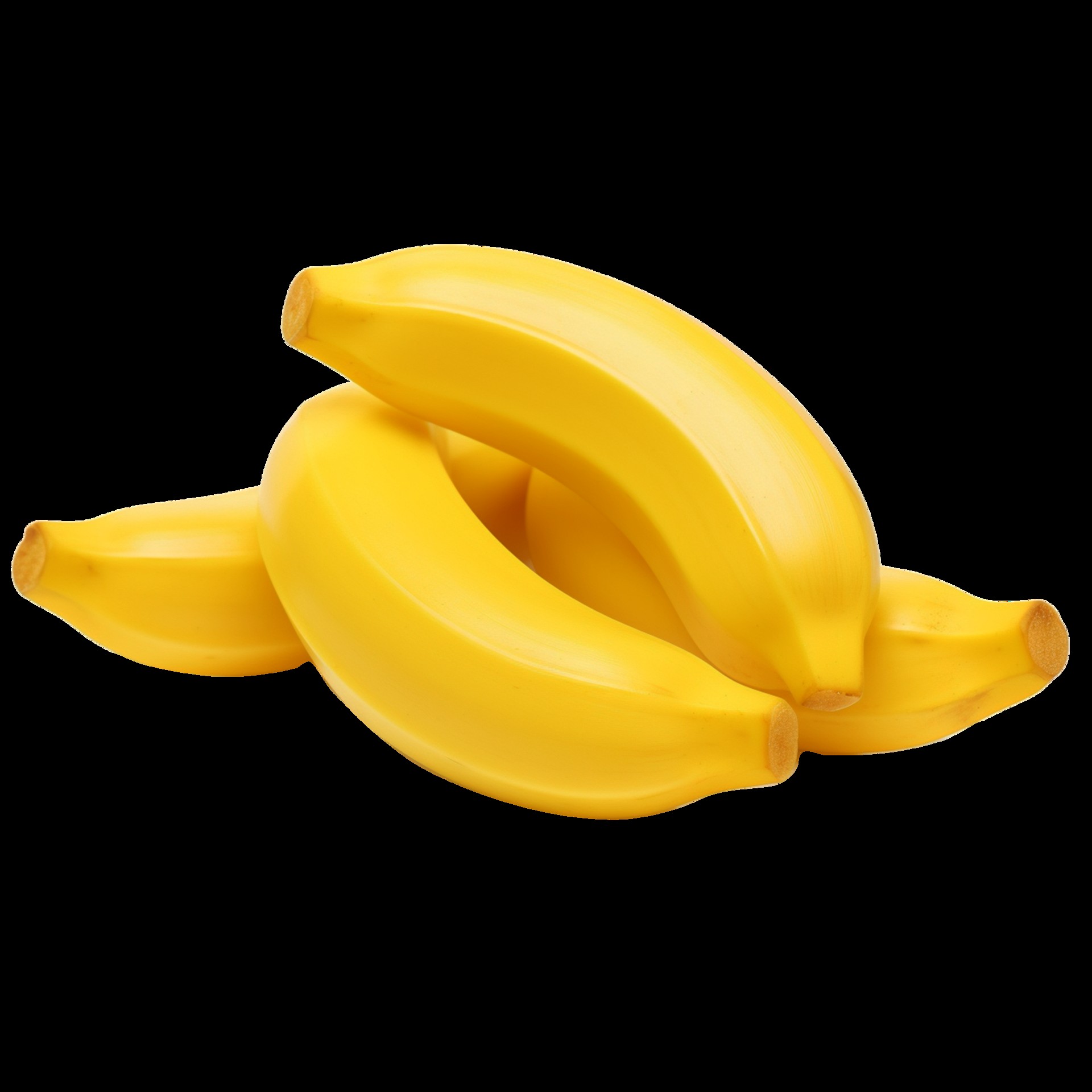
1. Prepare Ingredients: Gather 4 cups of ripe bananas (about 8 medium bananas), 1 cup of water, 1 cup of sugar, 1 packet (1.75 oz) of powdered pectin, and the juice of 1 lemon.
2. Mash Bananas: In a large bowl, mash the bananas thoroughly until there are no large chunks. Strain the mixture through a fine mesh sieve to obtain about 2 cups of banana juice.
3. Cook the Mixture: In a heavy-bottomed pot, combine the banana juice, lemon juice, and water. Bring to a boil over medium heat, then stir in the pectin. Cook at a rolling boil for 1 minute while stirring constantly.
4. Add Sugar: Gradually add the sugar while stirring, returning the mixture to a boil. Once boiling, cook for an additional 2 minutes. Test for proper gelling by placing a small amount on a chilled plate; it should firm up after cooling briefly.
Nutritional Profile of Banana Jelly (per 1 tablespoon)
| # | Nutrient | Amount | % Daily Value |
|---|---|---|---|
| 1 | Calories | 50 | 2% |
| 2 | Total Carbohydrates | 13g | 4% |
| 3 | Sugars | 12g | — |
| 4 | Fat | 0g | 0% |
| 5 | Protein | 0g | 0% |
| 6 | Vitamin C | 1% DV | 1% |
| 7 | Calcium | 0% DV | 0% |
Warning Signs: When Not to Follow This
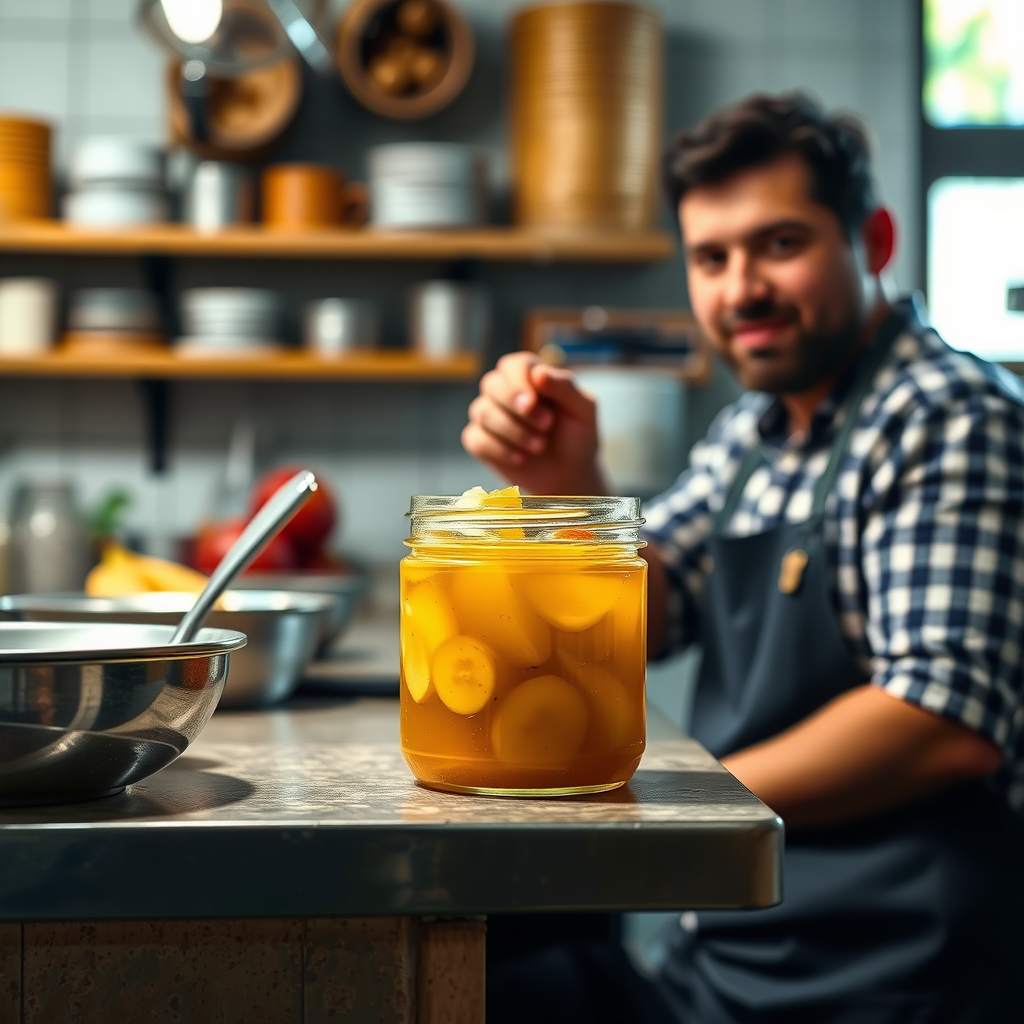
– Do not attempt this recipe if your bananas show signs of mold, excessive browning, or fermentation, as these factors can compromise both the safety and flavor of the jelly.
– Avoid making banana jelly if you have an allergy to any of the ingredients, including pectin, sugar, or lemons.
– If you lack essential canning equipment, such as sterilized jars and a water bath canner, it is crucial to refrain from proceeding with the canning process, as this could lead to spoilage and serious food safety issues.
The Most Common Mistakes (And Their Consequences)
– A frequent mistake is failing to measure the pectin accurately, which can prevent the jelly from setting properly. Always use a scale or appropriate measuring cups for exact measurements.
– Omitting the lemon juice may result in an overly sweet jelly that lacks the necessary acidity to balance flavors and ensure preservation.
– Inadequate sterilization of jars can introduce harmful bacteria, leading to spoilage. Be sure to boil jars for a minimum of 10 minutes before use to eliminate any pathogens.
Special Cases That Need a Different Approach
– For those using under-ripe bananas, additional sugar or a different fruit acid may be required to achieve the desired sweetness and acidity for proper gelling.
– If you prefer a lower-sugar version of banana jelly, consider using fruit juice concentrates or low-sugar pectin. This will necessitate adjustments in both ingredient ratios and cooking times.
– Individuals with dietary restrictions who need sugar substitutes should opt for alternatives specifically designed for canning, following the manufacturer’s guidelines for usage.
When You Need a Professional
– Consult a food preservation expert or local extension service if you are uncertain about the safety of your canning process, particularly if you notice any signs of spoilage during preparation.
– If you experience adverse reactions after consuming homemade banana jelly, seek medical attention to rule out foodborne illness or allergies.
– For large-scale production or commercial sale of banana jelly, it is advisable to contact a food safety consultant to ensure compliance with local health regulations and safe food handling practices.
Sources and Further Reading
– For detailed guidelines on safe canning methods and recipes, consult the National Center for Home Food Preservation.
– Refer to “The Complete Book of Home Preserving” by Ball to explore techniques and recipes for various types of fruit preserves, including jellies and jams.
– The USDA’s “Complete Guide to Home Canning” provides essential information on safe food preservation practices, emphasizing the importance of pectin and acidity in jelly-making.
Frequently Asked Questions
What ingredients do I need for a simple banana jelly recipe?
To make a simple banana jelly, you will need ripe bananas, sugar, lemon juice, and pectin. The sugar helps to sweeten the jelly, while the lemon juice adds acidity that balances the flavors. Pectin is essential for achieving the right jelly consistency, so make sure to use a quality fruit pectin product.
How do I prepare bananas for making banana jelly?
To prepare bananas for banana jelly, start by peeling and mashing the ripe bananas until smooth. You can use a fork or a potato masher to achieve a consistent texture. Strain the mashed bananas through a fine sieve to remove any fibers, which will help create a smoother jelly.
Why is my banana jelly not setting properly?
If your banana jelly is not setting properly, it could be due to insufficient pectin or cooking time. Make sure to follow the recommended amounts of pectin and sugar in your recipe, and allow the mixture to boil for the appropriate duration. Additionally, using under-ripe bananas can affect the jelly’s ability to set, so always opt for fully ripe fruit.
What is the best way to store banana jelly for long-lasting freshness?
To store banana jelly for long-lasting freshness, pour it into sterilized glass jars while still hot and seal them tightly. Store the jars in a cool, dark place, and they should last for up to a year. Once opened, keep the jelly in the refrigerator and consume it within a few weeks for the best taste and quality.
Which recipes can I pair with banana jelly for a delicious treat?
Banana jelly pairs wonderfully with a variety of recipes, such as spreading it on toast, adding it to yogurt, or using it as a filling for pastries and cakes. It also complements peanut butter or cream cheese on bagels, creating a delightful breakfast option. Experiment with different combinations to discover your favorite ways to enjoy banana jelly!
References
- Jelly
https://en.wikipedia.org/wiki/Jelly - Jelly | Definition, Processing, & Uses | Britannica
https://www.britannica.com/topic/jelly - Pancreatic kininogenase improves erectile function in streptozotocin-induced type 2 diabetic rats…
https://www.ncbi.nlm.nih.gov/pmc/articles/PMC6116675/ - Google Scholar Google Scholar
https://scholar.google.com/scholar?q=banana+jelly+recipe - Google Scholar Google Scholar
https://scholar.google.com/scholar?q=banana+preservation - Google Scholar Google Scholar
https://scholar.google.com/scholar?q=fruit+jelly+recipes - https://www.sciencedirect.com/topics/agricultural-and-biological-sciences/jelly
https://www.sciencedirect.com/topics/agricultural-and-biological-sciences/jelly - Mast cell activation syndrome – PMC
https://www.ncbi.nlm.nih.gov/pmc/articles/PMC4708556/ - https://www.abc.net.au/education/life-skills/banana-jam-recipe/12345678
https://www.abc.net.au/education/life-skills/banana-jam-recipe/12345678 - https://www.fda.gov/food/food-labeling-nutrition/food-safety-research-and-resources
https://www.fda.gov/food/food-labeling-nutrition/food-safety-research-and-resources