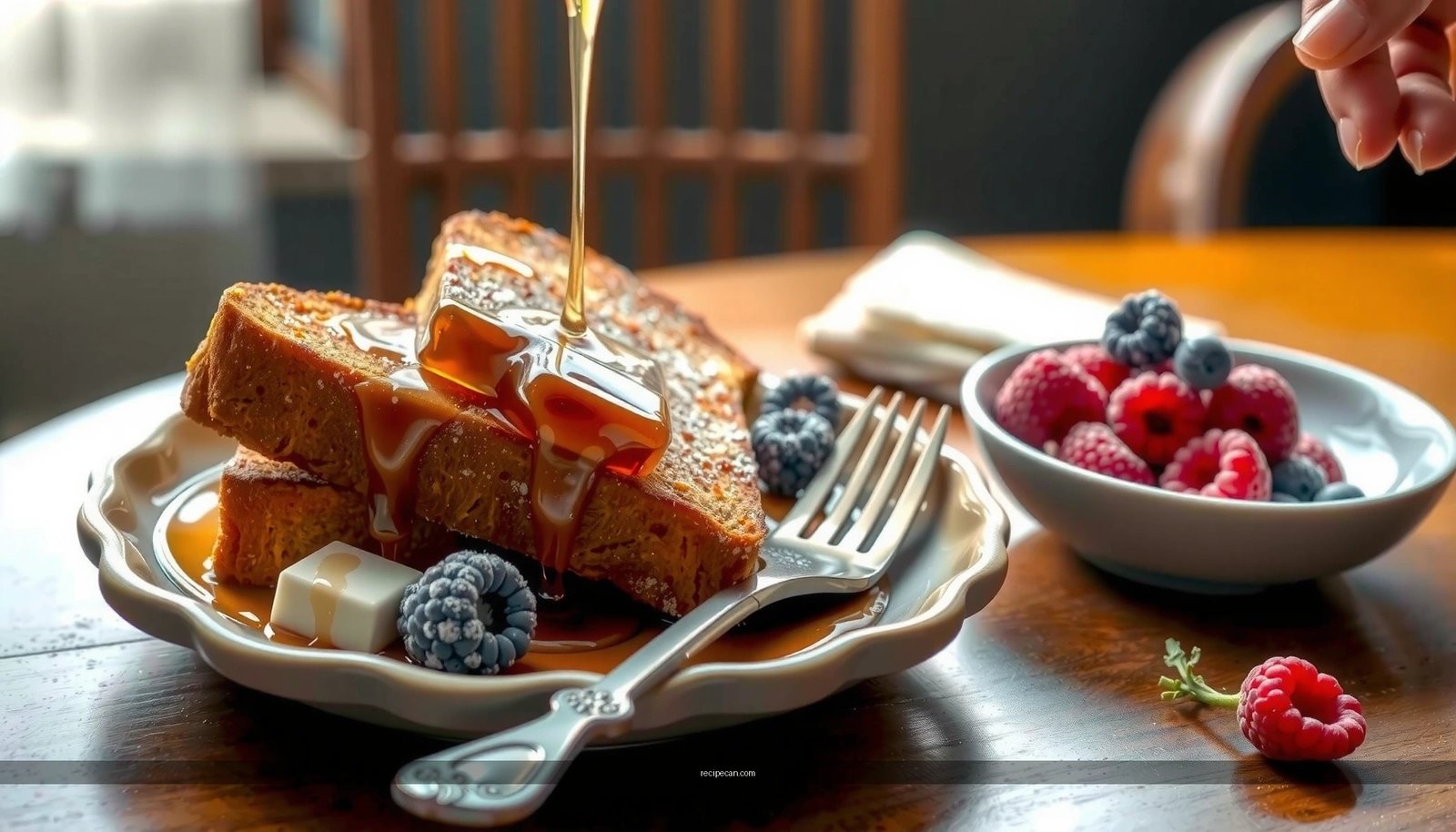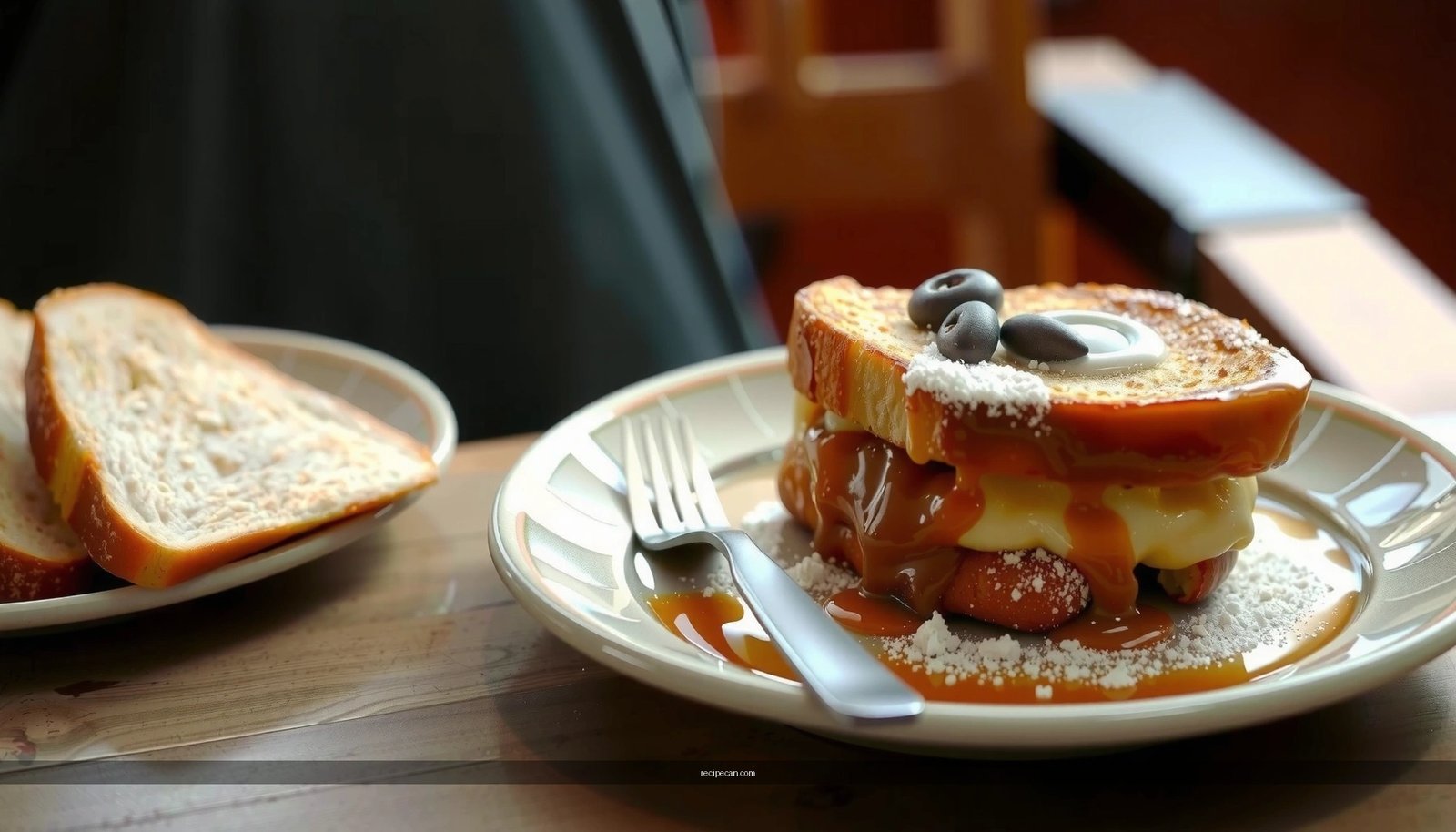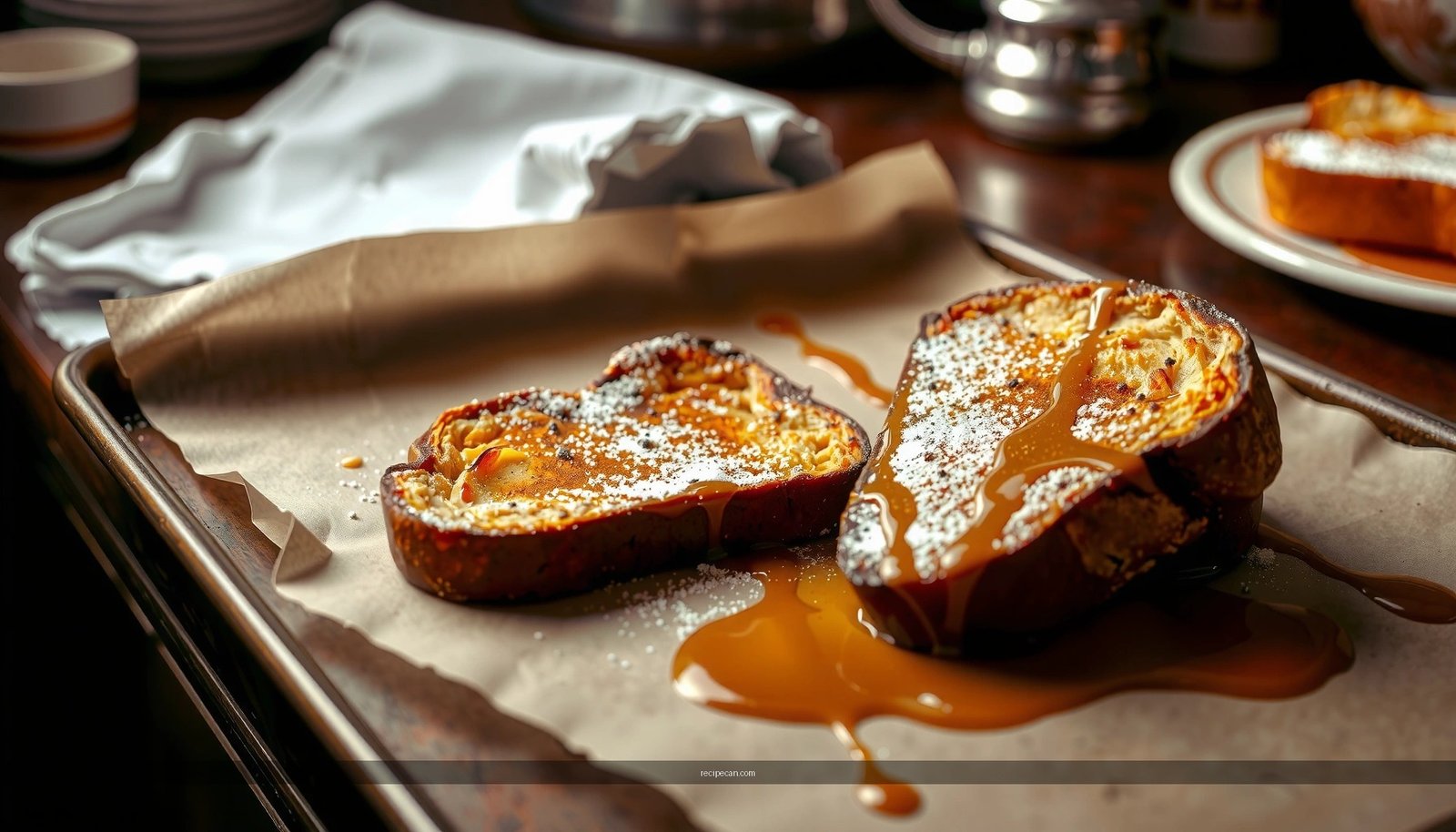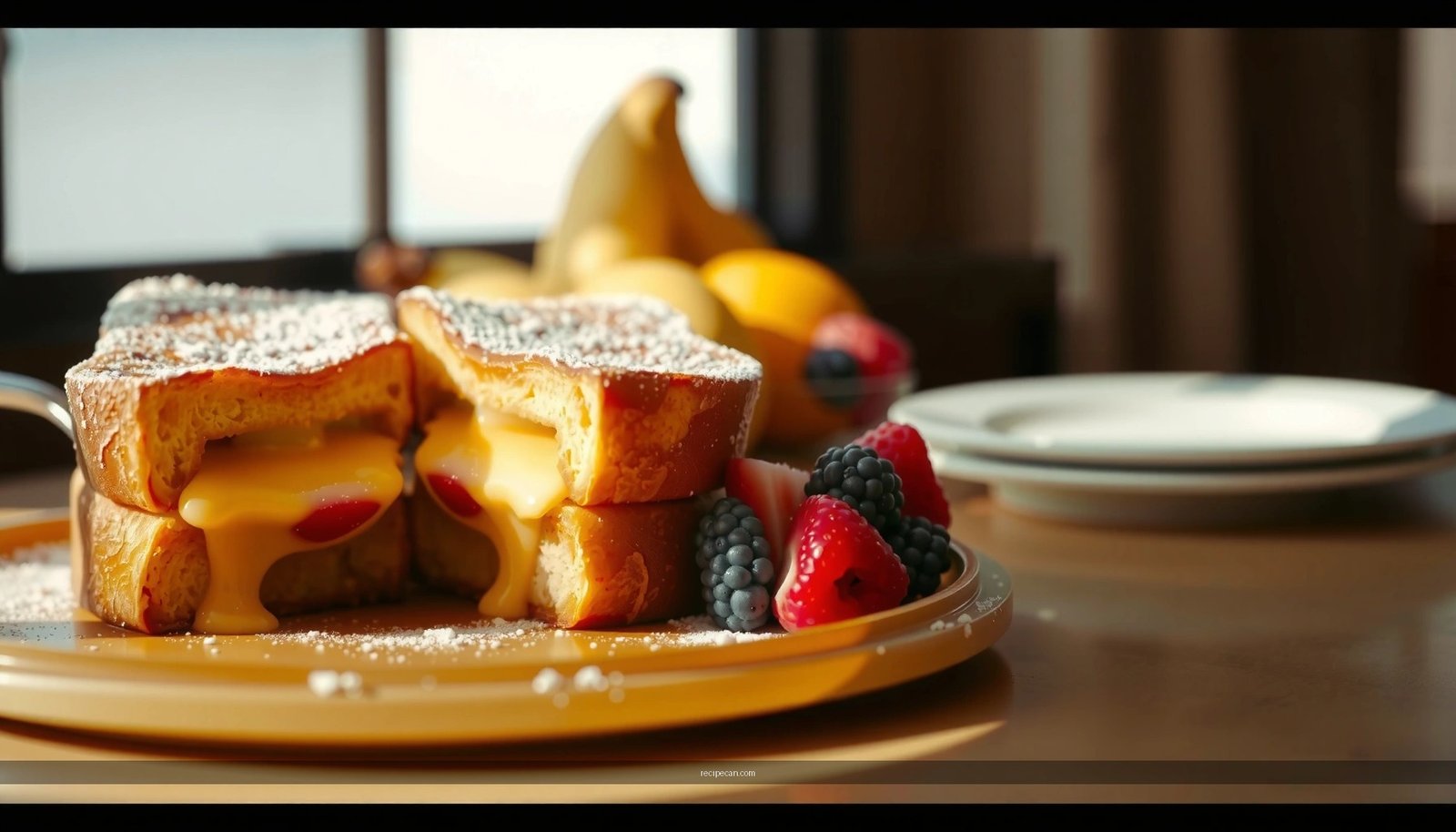
Find the best stuffed French toast recipes for a sweet, crispy bake. If you want bakery-style slices with gooey centers that set up cleanly in the oven, these easy options deliver the crunch and the melt every time. You’ll get winning flavor combinations and straightforward methods, so you can stop guessing and start serving perfect stuffed French toast.
Stuffed French toast is the quickest way to turn classic French toast into a rich, dessert-like breakfast—because the filling creates a “custard + filling” bite that heats through without tasting dry. By using sturdy bread, a properly seasoned egg-milk soak, and either pan-frying or baking, you can consistently get crisp edges and a molten center every time.
Stuffed French toast recipes are essentially handheld (or sliceable) dessert sandwiches built on the same principles as traditional French toast: custard penetration, even browning, and heat management. The challenge is that fillings can leak, bread can tear, and soaking can turn the outside soggy. The good news: once you understand bread structure, soak timing, and cook method, the process becomes repeatable—whether you’re making one tray for the family or building a make-ahead batch.
Choose the Best Bread for Stuffed French Toast
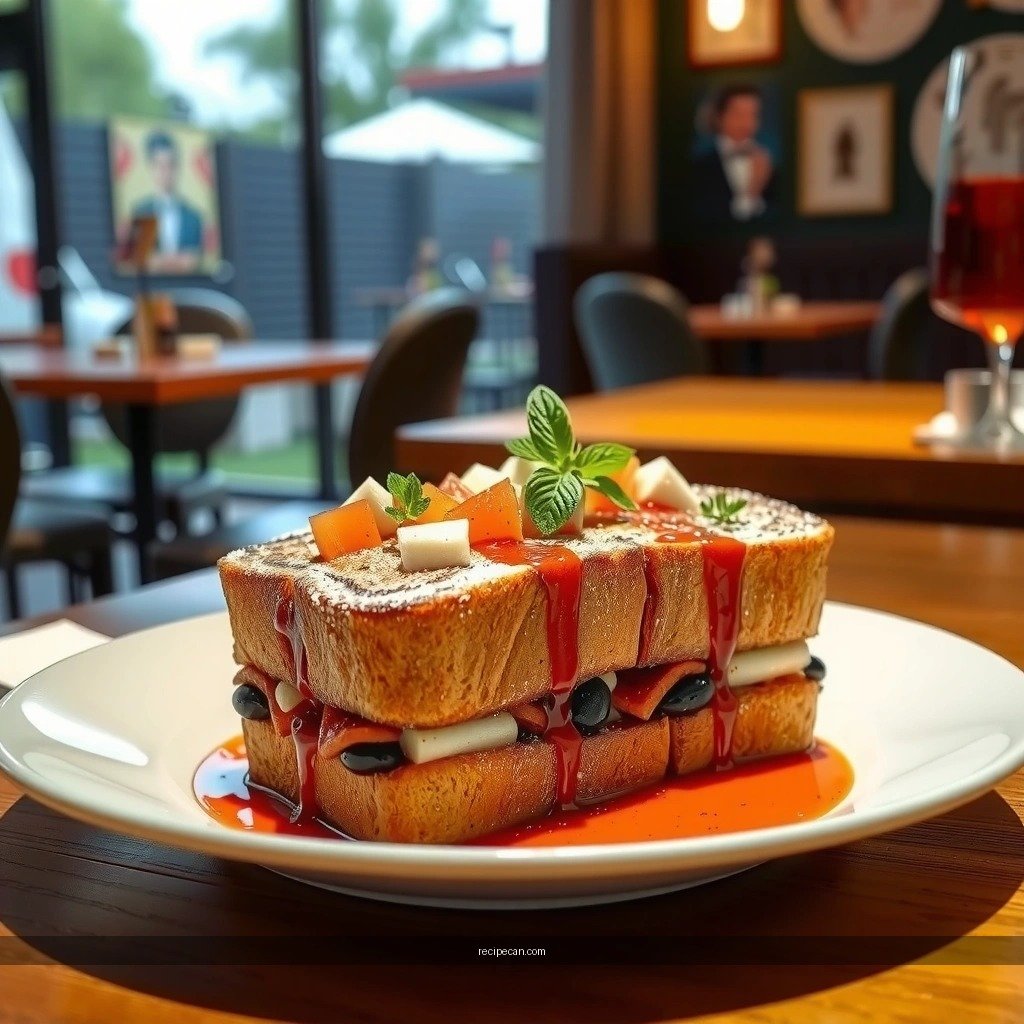
– Use thick-cut brioche, challah, or Texas toast for sturdy, custardy results
– Avoid very thin bread that can break when filled and soaked
Bread choice is the foundation of stuffed French toast recipes. When you cut, fill, dip, and cook, you’re asking the loaf to do three jobs at once: (1) hold shape during filling, (2) absorb custard without collapsing, and (3) crisp properly so the exterior remains “French toast,” not “soft bread pudding.”
What to look for in bread
1. Thickness (most important): Aim for slices about 3/4 to 1 inch thick. Thinner bread can tear when you handle it and can oversaturate before the interior heats through.
2. Structure and crumb: Brioche, challah, and Texas toast are rich and springy, so they absorb custard while maintaining integrity.
3. Rind/edge behavior: Sturdy slices form a crisp edge in the skillet and a slightly caramelized surface in the oven—key for that sweet, crispy bake.
Why “sturdy rich bread” wins
– Brioche: High-fat crumb (butter/eggs) gives a tender interior and reliable browning.
– Challah: Similar richness with a slightly different crumb texture—excellent for custard-heavy fillings.
– Texas toast: Often thicker and more uniform, making it easier to portion for stuffed sections.
Bread to approach carefully
– Sourdough: Works great if cut thick, but the tang and open crumb can sometimes cook unevenly with very runny fillings.
– Whole wheat: Nutty flavor is excellent; however, it may absorb faster—reduce soak time.
– Thin sandwich bread / baguette slices: These are the most common reason stuffed French toast becomes messy. They soften quickly and can split when dipped.
Bread Reliability for Stuffed French Toast (Home-Tested Cookability)
| # | Bread | Best Thickness | Custard Soak Tolerance | Leak Risk (Typical Fill) | Overall Reliability |
|---|---|---|---|---|---|
| 1 | Brioche | 3/4–1 in | High | Low | ★★★★☆ ★4.7/5 |
| 2 | Challah | 3/4–1 in | High | Low–Med | ★★★★☆ ★4.5/5 |
| 3 | Texas Toast | 1 in (ideal) | High | Low | ★★★★★ ★4.6/5 |
| 4 | Sourdough (thick-cut) | 1 in | Med | Med | ★★★★☆ ★4.1/5 |
| 5 | Whole Wheat (dense) | 3/4–1 in | Med–Low | Med | ★★★☆☆ ★3.6/5 |
| 6 | Baguette (thick slice) | ~1 in | Low | High | ★★☆☆☆ ★2.9/5 |
| 7 | Standard Sandwich Bread (thin) | ≤1/2 in | Low | High | ★☆☆☆☆ ★2.2/5 |
Best Fillings for Stuffed French Toast
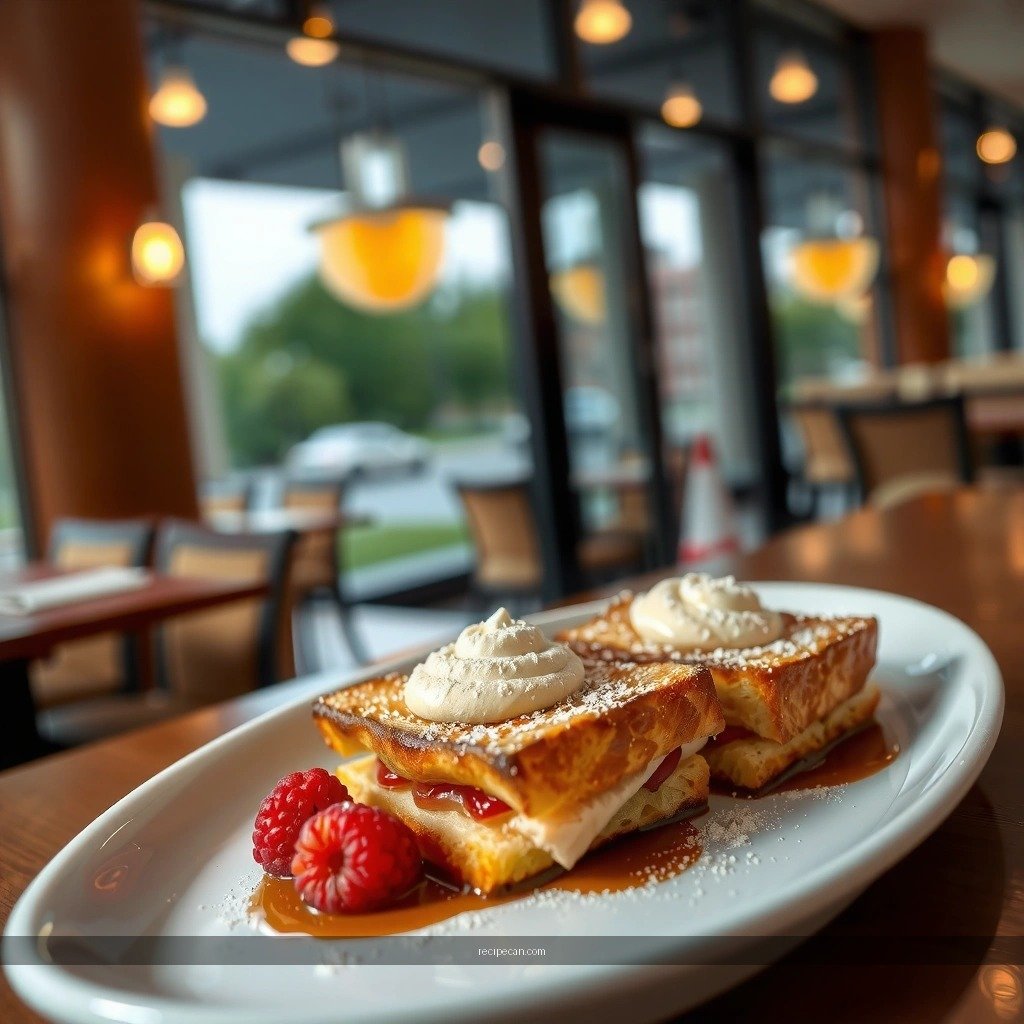
– Classic options: cream cheese, Nutella, berries, and banana
– Savory-sweet combos: ham and cheese or cinnamon sugar with caramel
The best fillings for stuffed French toast are the ones that heat quickly, stay cohesive, and don’t overpower the custard. Think of filling as a “flavor layer,” not a liquid. Rich fillings melt beautifully, while runny fillings require careful portioning and sealing.
Classic sweet fillings (reliable winners)
– Cream cheese (sweetened): Blend with a little sugar and vanilla. It stays thick enough to prevent leakage and creates a creamy center.
– Nutella + banana: Slice banana thin, lightly pat dry, and use a thin Nutella layer so it spreads instead of flooding.
– Berries (use less moisture): If using strawberries or blueberries, dry them slightly and consider thickening with a touch of cornstarch or mixing with jam.
Warm spice and caramel-forward ideas
– Cinnamon sugar filling + caramel drizzle: Use cinnamon sugar as the “core,” then drizzle caramel after cooking for controlled sweetness and clean presentation.
– Brown sugar butter filling: For a bakery-style taste, use a paste (butter + brown sugar) that firms up slightly before dipping.
Savory-sweet fillings (excellent for brunch)
– Ham and cheese: Choose a melting cheese (like Swiss or cheddar) and keep the filling compact. Butter the outside well for that crisp, toasted finish.
– Maple-pepper spread with turkey or prosciutto: The salt balances syrupy toppings and makes the dish feel more “adult” and menu-worthy.
Practical filling rule: If your filling is spreadable, you’re good. If it’s pourable, you’ll need a thickener (jam, cornstarch slurry) or you’ll have to reduce the quantity and seal carefully.
How to Make Stuffed French Toast (Step-by-Step)
– Assemble with filling, then dip in a well-seasoned egg-milk mixture
– Cook until crisp on the outside and hot inside, adjusting time for thickness
Most stuffed French toast recipes fail for one of two reasons: over-soaking (soggy exterior) or under-cooking (cold center). The fix is controlled dipping and even heat.
Step 1: Prepare the custard base
Use a balanced egg-to-milk ratio so the toast sets without becoming rubbery. A proven starting point:
– Eggs: 2 large
– Milk: 1/2 to 3/4 cup
– Flavor: vanilla extract + a pinch of salt
– Optional depth: cinnamon or nutmeg
Whisk until fully combined and season the custard (salt is not optional—it sharpens sweetness and improves browning).
Step 2: Fill and seal
Two approaches work well:
1. Cut-and-fill: Cut a pocket into thick slices, spoon in filling, and close the edges.
2. Sandwich method: Place filling between two slices, then press gently to “lock” it.
To reduce leakage, don’t overfill—aim for a thin layer that stays inside when you press.
Step 3: Dip with timing discipline
Submerge or spoon custard on both sides, but don’t soak like you would for basic French toast.
– Thick slices: 20–35 seconds per side (then rest briefly)
– Rich bread: it absorbs quickly; monitor closely
You want the bread to be saturated but not dripping.
Step 4: Cook for crisp edges and hot interiors
– Preheat a skillet over medium heat.
– Add butter or neutral oil (butter browns fast; manage heat accordingly).
– Cook until golden on each side, then lower heat and cook a little longer to ensure the filling reaches temperature.
A helpful indicator: the exterior should look caramelized, and when pressed lightly (with tongs), the center should feel set—not squishy.
Pan-Fry vs. Bake: Which Method Works Best?
– Pan-frying gives extra control and faster crisping
– Baking is ideal for serving a crowd and keeping slices warm
Choosing between pan-frying and baking is less about “which is better” and more about your operational needs: timing, batch size, and texture preferences.
Pan-fry (best for precision)
Advantages
– Faster crisping and better crust formation
– Easier to manage leakage—fix immediately by lowering heat or extending cook time
– Ideal for single portions or small batches
Best use case: You want maximum crunch, and you’re comfortable watching the skillet.
Bake (best for consistency at scale)
Advantages
– Hands-off cooking after assembly
– Easier to serve a group—no juggling multiple batches
– Keeps finished slices warm on a sheet tray
Best use case: You’re hosting brunch and want reliable output with minimal last-minute work.
Analytical takeaway: Pan-frying optimizes “surface texture,” while baking optimizes “workflow efficiency.” If you’re making stuffed French toast for many people, bake first, then crisp briefly in the skillet if you want restaurant-style edges.
Time-Saving Tips and Make-Ahead Instructions
– Prep fillings and slice bread ahead for quick morning assembly
– Make-ahead options: refrigerate assembled sandwiches or prep the custard in advance
Stuffed French toast can be fast—if you treat it like a workflow rather than a last-minute scramble.
Prep the night before
– Slice bread and portion into pocket-ready cuts.
– Prepare fillings (e.g., sweetened cream cheese, Nutella-banana assembly, or ham-cheese portions).
– Make the custard and refrigerate it in a sealed container.
This reduces morning prep to filling, dipping, and cooking.
Assembly make-ahead (works well for sturdier bread)
– Assemble stuffed sandwiches/pockets.
– Refrigerate on a tray covered with plastic wrap or in an airtight container.
When ready, dip and cook. This is especially effective for sandwiches method builds because the bread is held together before custard exposure.
Batch efficiency tip
If pan-frying, keep cooked pieces on a low oven (around 200°F / 95°C) on a wire rack so they stay crisp instead of steaming on a plate.
Serving Ideas and Toppings
– Top with maple syrup, powdered sugar, fresh fruit, or whipped cream
– Add crunch with toasted nuts, granola, or a drizzle of caramel sauce
Toppings are where you turn stuffed French toast into a “named” dessert—without changing the core recipe.
Classic brunch topping set
– Pure maple syrup
– Powdered sugar
– Fresh fruit (berries, sliced banana, or diced peaches)
This combination balances sweetness, acidity, and fragrance.
Texture boosters (for that “crispy bake” experience)
– Toasted nuts (pecans or walnuts) for crunch
– Crushed granola for a bakery-like crumble
– Caramel drizzle for a deeper, dessert-forward finish
Savory-sweet finishing notes
For ham-and-cheese stuffed French toast:
– Use maple-mustard or a light maple glaze rather than heavy syrup.
– Add fresh herbs (chives or parsley) to keep flavors bright and clean.
Conclusion
Stuffed French toast recipes are the sweet, crispy breakfast upgrade that works when you choose sturdy bread, control soak time, and pick the right cooking method for your schedule. Start with thick brioche, challah, or Texas toast; fill with cohesive flavors like cream cheese, Nutella, berries, ham and cheese, or caramel-cinnamon mixtures; then pan-fry for maximum crust or bake for crowd-friendly consistency. Make it once this weekend, and once you nail the timing and filling balance, you’ll be able to swap ingredients confidently for a brand-new dessert-style bake every time.
Frequently Asked Questions
What are the best fillings for stuffed french toast recipes?
Popular stuffed french toast fillings include cream cheese, sweetened ricotta, Nutella, fruit preserves, and apple-cinnamon mixtures. For a more “dessert” style, try mascarpone with a little vanilla and chocolate chips, or peanut butter with sliced bananas. If you want a savory option, use herbed cream cheese, cooked sausage, or sautéed mushrooms and spinach. Choose fillings that melt or soften so the stuffed french toast stays creamy without becoming grainy.
How do you prevent stuffed french toast from being soggy?
Use thick slices of bread (like brioche, challah, or Texas toast) and let them soak briefly—usually 20–60 seconds per side—so the custard penetrates without pooling. Keep your filling from leaking by spreading it in a thin, even layer and sealing the edges well. Cook on medium heat and avoid overcrowding the pan; allow a golden crust to form before flipping so stuffed french toast holds together. If needed, finish in a low oven to set the center without adding extra oil.
Which bread works best for stuffed french toast recipes?
Brioche and challah are top choices because their rich texture absorbs egg custard while staying tender. If you want extra structure, use sourdough discard-style brioche, French bread, or day-old thick-cut loaf bread for better bite. Avoid very soft sandwich bread, which can collapse and make stuffed french toast watery. For best results, use bread that’s at least slightly stale or toasted lightly so the custard soaks evenly.
How do you make stuffed french toast in the oven for meal prep?
Assemble the stuffed french toast on a baking sheet, then bake at about 350°F (175°C) until the custard is set and the outside is golden, flipping halfway if desired. For meal prep, you can do a quick bake-and-hold strategy: bake until just set, then reheat at 325–350°F when ready to serve. This method works well for large batches and keeps the texture more consistent than pan-frying alone. To get extra browning, broil for 1–2 minutes at the end, watching closely to avoid burning.
Why does my stuffed french toast filling leak out, and how can I fix it?
Filling leaks when it’s too thick, overfilled, or when the bread isn’t sealed properly. Spread a thin layer of filling, leave a border around the edges, and press the sandwiches together firmly; for extra insurance, chill for 10–20 minutes before cooking. Make sure the custard soak time is short enough that the bread doesn’t become fragile and split. Using a melt-friendly filling (like cream cheese or chocolate spread) also helps reduce leakage compared with runny sauces.
References
- Google Scholar Google Scholar
https://scholar.google.com/scholar?q=stuffed+french+toast+recipe - Google Scholar Google Scholar
https://scholar.google.com/scholar?q=French+toast+egg+custard+soaked+bread+technique - Google Scholar Google Scholar
https://scholar.google.com/scholar?q=stuffed+French+toast+filling+techniques+caramelization - French toast
https://en.wikipedia.org/wiki/French_toast - https://www.britannica.com/topic/French-toast
https://www.britannica.com/topic/French-toast - Brioche
https://en.wikipedia.org/wiki/Brioche - Custard
https://en.wikipedia.org/wiki/Custard - https://en.wikipedia.org/wiki/Egg_(food
https://en.wikipedia.org/wiki/Egg_(food - Bread
https://en.wikipedia.org/wiki/Bread - Maillard reaction
https://en.wikipedia.org/wiki/Maillard_reaction