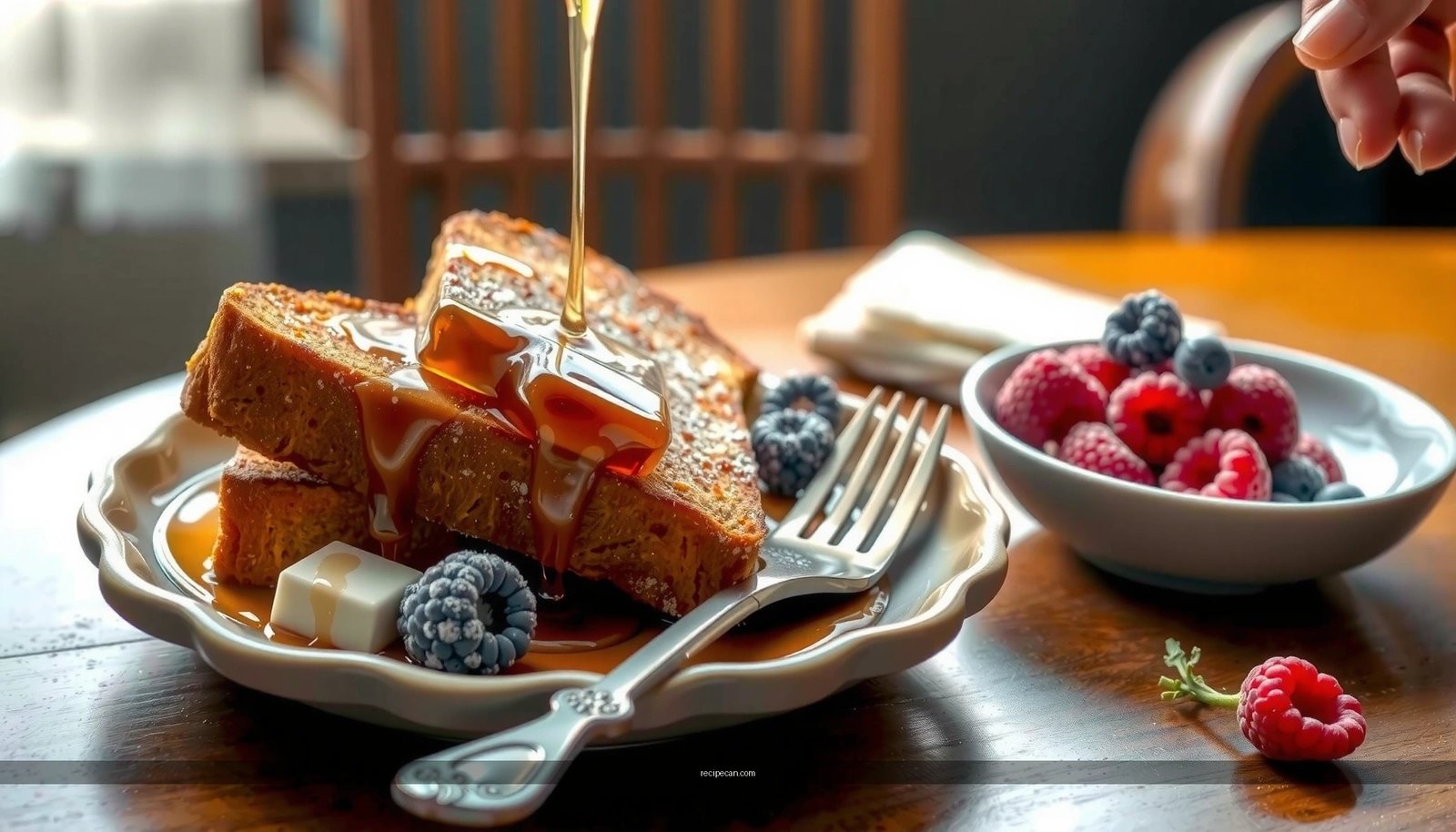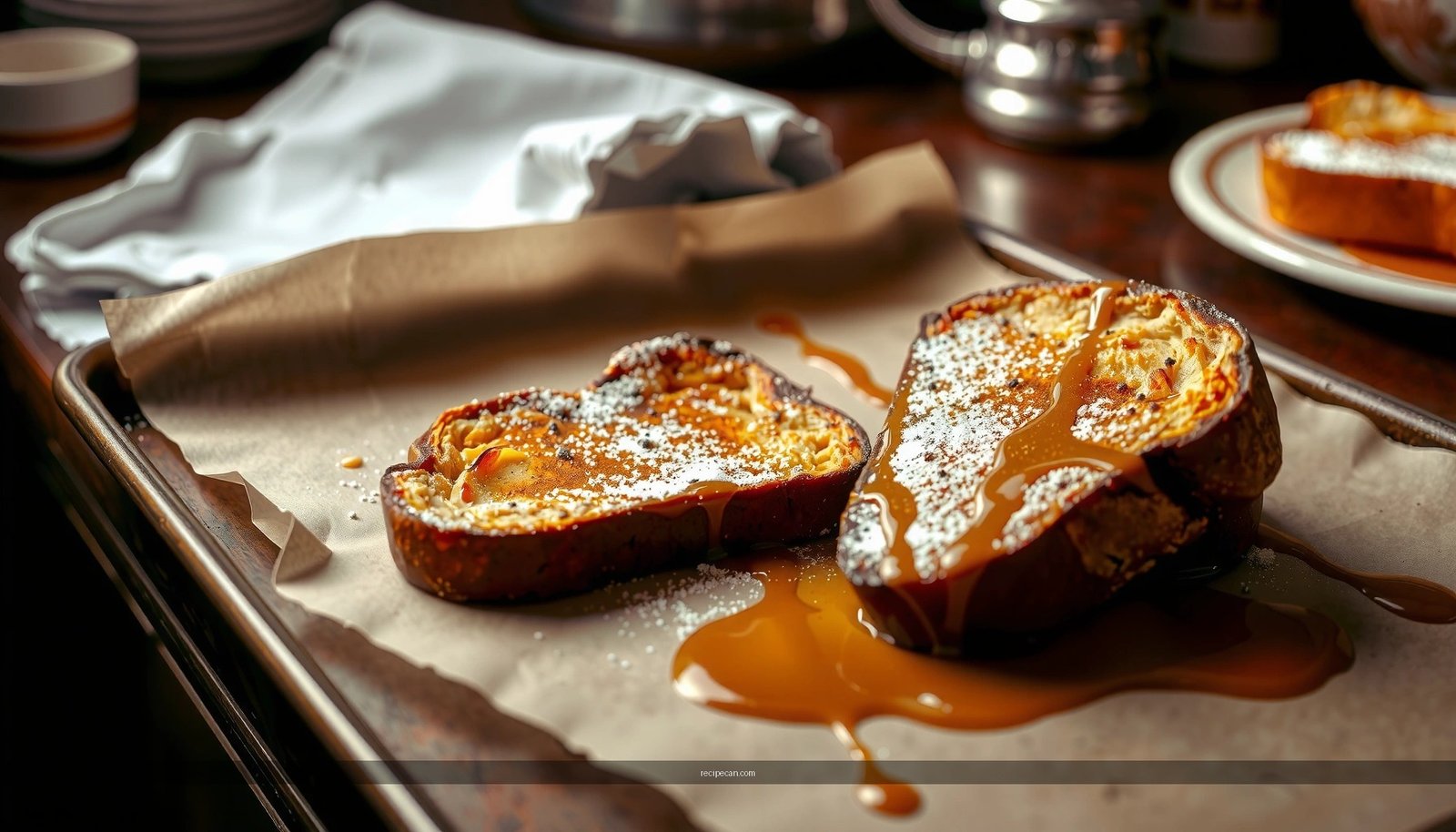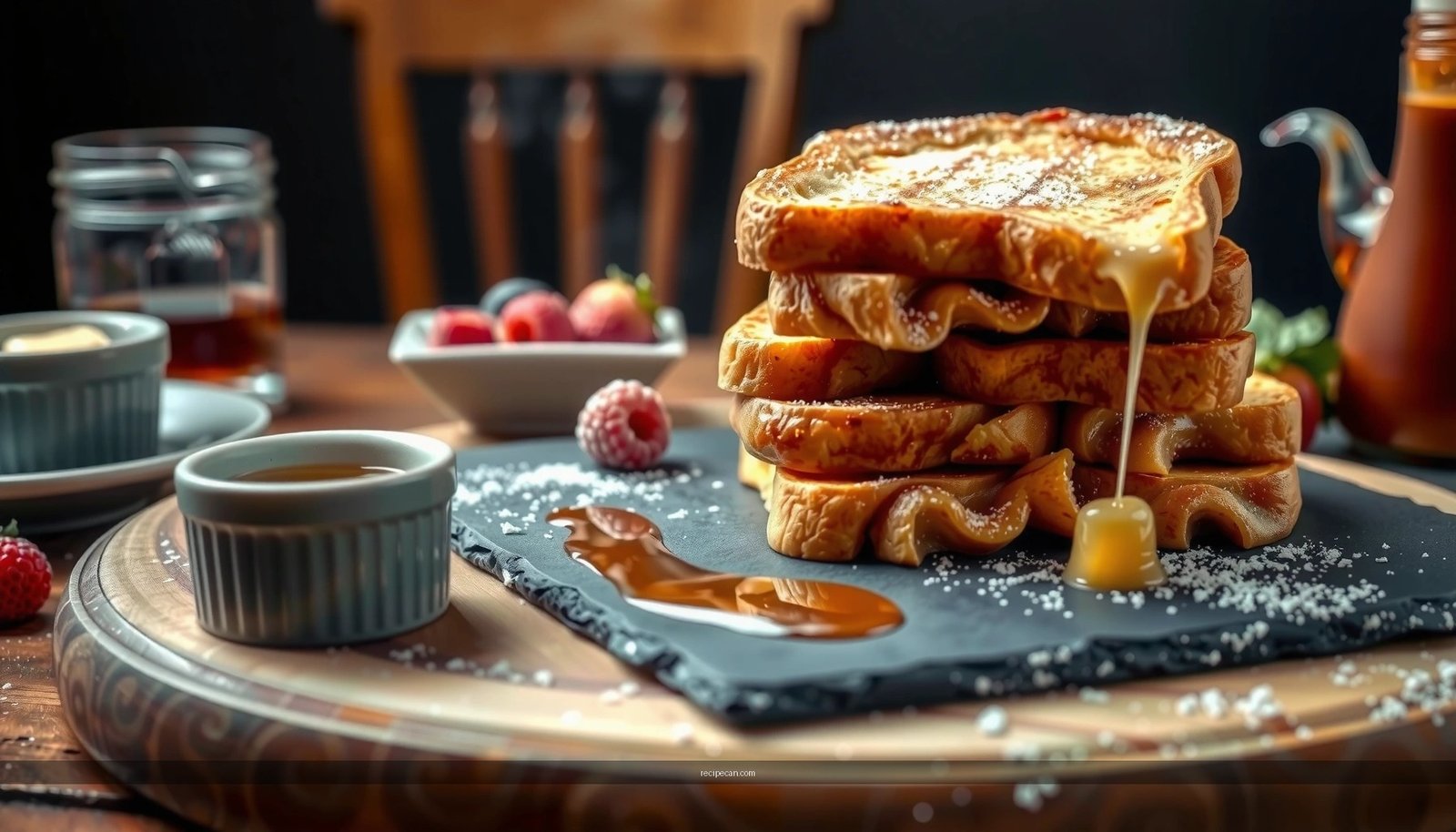
Find a reliable recipe for French toast sticks that delivers crisp edges and a tender, custardy center every time. This step-by-step method shows exactly how to cut, dip, and cook the sticks for the ideal browned finish, plus timing tips so they don’t go soggy. Follow it and you’ll have restaurant-style French toast sticks ready for breakfast or brunch.
Make fluffy French toast sticks with a quick dip in a cinnamon-egg mixture, then pan-fry or bake until deeply golden; the key is controlling soak time and heat so the inside sets without turning gummy. Below is a step-by-step recipe with both stovetop and oven methods, plus practical troubleshooting tips to keep your sticks crisp instead of soggy.
Ingredients for French Toast Sticks
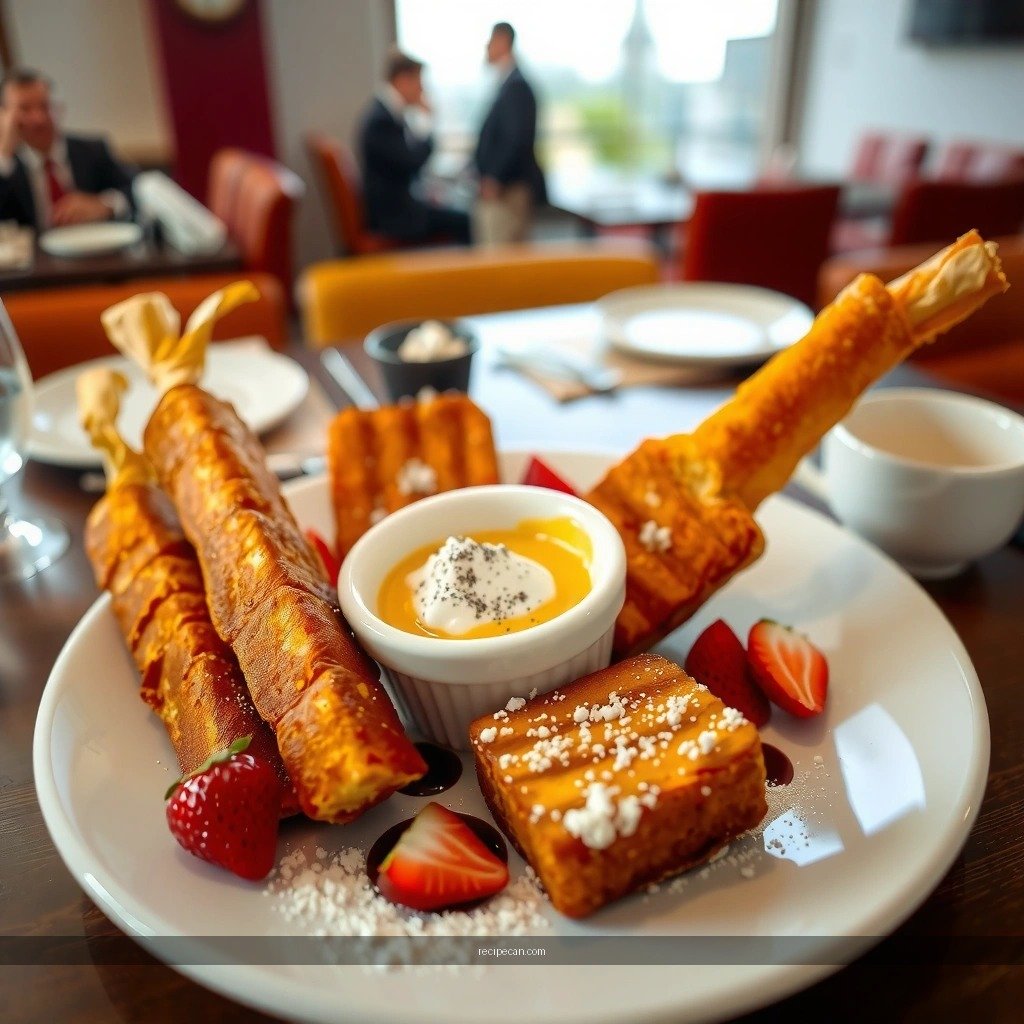
French toast sticks are essentially “grab-and-go” French toast: bread cut into uniform batons, coated in seasoned custard, then cooked until the exterior browns and the interior turns tender. To get that classic contrast—crisp outside, soft inside—your ingredient choices matter.
– Use thick-cut bread (like brioche or Texas toast) for the best texture
Thick slices hold their shape during dipping and cook evenly. Brioche delivers a richer, bakery-style flavor; Texas toast is sturdy and great for crisping.
– Gather eggs, milk (or cream), cinnamon, vanilla, and a pinch of salt
– Eggs provide structure and a custardy set.
– Milk (or cream) affects richness: cream creates a softer, more decadent inside; milk keeps it lighter.
– Cinnamon and vanilla deliver warmth and aroma that read as “French toast,” even with quick cooking.
– Have butter or oil ready for cooking, plus optional sugar for topping
Butter adds classic flavor; neutral oil helps with browning and reduces burning. Optional sugar topping can be mixed with cinnamon for a “café-style” finish.
French Toast Stick Custard Targets (Per 12 Sticks)
| # | Custard Variable | Recommended Range | Why It Matters | Cook/Texture Rating |
|---|---|---|---|---|
| 1 | Eggs | 2 large | Sets the custard so centers stay tender | ★★★★☆ |
| 2 | Milk/Cream | 3/4 cup (milk) or 1/2 cup (cream) | Controls softness vs. firmness | ★★★★★ |
| 3 | Cinnamon (powder) | 1 1/2 tsp | Provides classic French toast aroma | ★★★★☆ |
| 4 | Vanilla extract | 1 tsp | Rounds sweetness and boosts aroma | ★★★★☆ |
| 5 | Salt | 1/8 tsp | Enhances sweetness and egg flavor | ★★★★☆ |
| 6 | Dip Time | 8–12 seconds per side | Prevents soggy interiors | ★★★☆☆ |
| 7 | Cooking Fat | 1–2 tbsp butter/oil total | Improves browning and crunch | ★★★★★ |
Prep the Bread and Coating
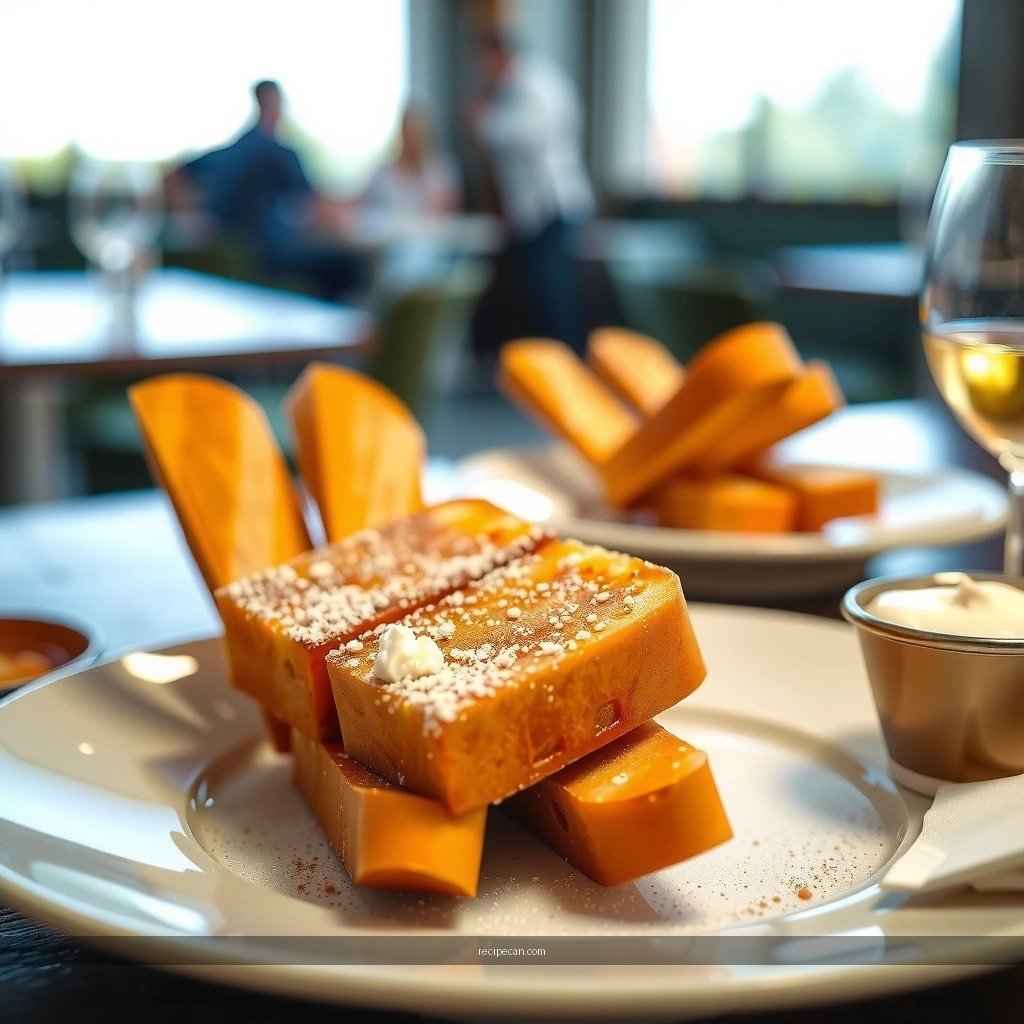
The prep phase determines your texture outcome. For French toast sticks, the goal is to coat bread thoroughly while preventing excess custard from pooling on the surface—because pooling turns into steam, and steam softens crisp crust.
– Cut bread into sticks for even cooking and easy dipping
Aim for roughly uniform batons (about 1-inch wide). Uniform size promotes consistent browning and reduces “overdone edges, underdone middle” issues.
– Whisk eggs, milk, cinnamon, vanilla, and salt until fully combined
Whisking fully matters: unincorporated egg leads to streaks and uneven set. Mix until the custard looks smooth and slightly frothy.
– Let the sticks soak briefly (don’t over-soak) for tender centers
Think “dip,” not “bathe.” A short soak hydrates the bread surface so it sets during cooking, but too much liquid makes the sticks fragile and soggy. If you’re batch-prepping, place dipped sticks on a wire rack for 1–2 minutes before cooking—this lets excess custard drip off.
Cook on the Stovetop (Pan-Fried Method)
Pan-frying is the fastest way to get the deep golden color and crackly edges that many people associate with restaurant-style French toast. The trick is heat management and flipping technique.
– Heat a skillet and melt butter (or use a neutral oil)
Use medium to medium-high heat. Butter foams quickly; once it stops foaming aggressively and looks glossy, you’re close to the right cooking temperature. If the pan smokes, lower the heat—burnt butter tastes harsh.
– Cook sticks until browned on both sides, flipping carefully
Place sticks in a single layer. Don’t move them constantly; allow browning to form. Flip when the underside is golden and the stick feels lightly set. Cook the second side until crisp and browned.
– Keep batches warm in a low oven while you finish cooking
A low oven (around 200°F / 95°C) helps maintain texture while you cook the rest. Transfer cooked sticks to a wire rack (not a plate) so steam escapes and the crust stays crisp.
Quick workflow for consistent results (stovetop)
1. Preheat skillet and set oven warm mode.
2. Dip sticks in custard (short dip times).
3. Cook in single-layer batches.
4. Hold on a wire rack in the warm oven.
This reduces the odds of “late-batch sogginess” and keeps your French toast sticks crisp for brunch service.
Bake Instead (Oven Method)
Baking is ideal for larger batches and more hands-off cooking. While you may not get the exact same crackle as stovetop frying, you can still achieve crisp, golden edges—especially with preheated equipment and halfway flipping.
– Arrange sticks on a baking sheet and lightly coat with spray or butter
Use a baking sheet large enough that the sticks don’t touch. Lightly coating improves browning and helps the custard crust form cleanly.
– Bake until crisp and golden, flipping halfway for even browning
Place the sheet in a fully preheated oven. Flip at the halfway mark so both sides brown evenly and develop a crisp exterior.
– Broil briefly at the end for extra crunch if desired
Broiling can quickly deepen color. Watch closely—custard crust can go from golden to too-dark fast.
Oven timing guidance (practical)
– Bake until the surface looks set and toasted, not wet.
– Flip halfway to ensure uniform crisping.
– Broil only to finish the crust, not to cook raw custard.
Make Them Extra Crispy
Crisp French toast sticks come down to three controllable factors: bread moisture, liquid absorption, and cooking environment (heat + airflow).
– Use slightly stale bread for better crisping and less sogginess
Slight staleness gives bread structure and better custard control. Fresh bread can absorb too quickly and break down under heat. If your bread is very fresh, toast slices lightly before cutting to reduce absorption.
– Ensure the pan is hot (or the oven is fully preheated) before cooking
Starting with cold cookware delays the set process and gives the custard time to spread and soften. Preheat properly so the exterior browns fast enough to lock in texture.
– Avoid crowding the baking sheet or skillet so steam doesn’t soften them
Crowding traps moisture and steam, turning the crust limp. Cook in batches and keep spacing. For baking, use a large sheet or two sheets rather than stacking.
Serving Ideas and Dipping Sauces
French toast sticks are perfect for breakfast, brunch boards, kids’ snacks, and even party-style gatherings. Serve them warm and keep the crust intact by plating on a wire rack briefly if you’re staging food for guests.
– Serve with maple syrup, powdered sugar, or a cinnamon-sugar mix
Maple syrup is the classic pairing; powdered sugar adds visual appeal. For cinnamon-sugar, mix finely so it clings to the custard crust.
– Try dipping in fruit compote, honey, or chocolate sauce
Fruit compote (like berry or peach) adds tartness that balances the egg custard. Honey complements cinnamon warmth, while chocolate sauce turns sticks into a dessert-like treat.
– Make a quick party tray with multiple sauces and toppings
Use a “sauce perimeter” strategy: put dips around the edges so guests grab sticks quickly without drenching them. Consider adding:
– whipped cream (for richness)
– fresh berries (for brightness)
– a pinch of flaky salt (for sweet-salty contrast)
French Toast Stick Texture Checklist (for troubleshooting)
If your sticks aren’t turning out as expected, diagnose quickly using this practical checklist:
– Soggy outside: too much custard pooling, pan not hot enough, or overcrowded cooking space.
– Dry inside: overcooked due to excessive heat or too little custard contact (under-dipped).
– Browning too fast / raw center: reduce heat slightly and cook longer; flip at golden set.
– Uneven color: bake sheet too small, inconsistent stick size, or insufficient flipping.
This analytical approach helps you “debug” your process the way you would a system—adjust one variable at a time and you’ll quickly land on repeatable, brunch-worthy results.
French toast sticks are easy to make once you dip the bread in a seasoned egg mixture and cook until golden—either pan-fried for maximum crunch or baked for effortless batch cooking. Prioritize thick-cut bread, control soak time, and prevent moisture buildup by using correct heat and avoiding crowding. Follow the stovetop or oven directions above, finish with a brief crisping step if needed, and serve warm with syrup, cinnamon-sugar, or a bold new dip for extra flavor.
Frequently Asked Questions
What ingredients do I need to make French toast sticks at home?
For French toast sticks, you’ll typically need bread (like Texas toast or brioche), eggs, milk or cream, sugar, cinnamon, vanilla extract, and a pinch of salt. For extra flavor, consider adding nutmeg or a little butter to the batter. If you want a classic crispy finish, have oil or butter ready for pan-frying, or use an oven method with baking spray.
How do I prevent French toast sticks from getting soggy?
Use bread that’s sturdy and slightly stale so it absorbs the egg mixture without falling apart—day-old brioche or Texas toast works best. Don’t soak too long: dip each stick briefly, then let excess egg drip off before cooking. Also cook them on medium heat so the inside sets while the outside browns, and serve promptly for maximum crispness.
How do I make French toast sticks crispy in the oven instead of pan-frying?
Preheat your oven to 425°F (220°C) and place a wire rack on a baking sheet so air circulates around the sticks. Dip the bread in your egg mixture, then arrange in a single layer and lightly spray or brush with oil or melted butter. Bake for 10–15 minutes, flip, and bake until golden brown and cooked through—this helps keep French toast sticks crisp without soggy centers.
Why are my French toast sticks falling apart, and how can I fix it?
French toast sticks usually fall apart when the bread is too thin or overly soft, or when they’re soaked too long. Choose thick slices (about 3/4–1 inch), cut into even sticks, and dip briefly just until coated. Make sure the pan or oven is preheated and cook until set and golden—if you flip too early, the egg coating may not hold.
Which dipping sauces pair best with French toast sticks?
Classic options include maple syrup, warm berry compote, and honey for a sweet, breakfast-style bite. For a tangy twist, try cinnamon sugar, powdered sugar, or a simple vanilla glaze made with powdered sugar and milk. If you like a richer flavor, serve with chocolate-hazelnut spread or caramel sauce—these complement the cinnamon egg flavor of French toast sticks nicely.
References
- French toast
https://en.wikipedia.org/wiki/French_toast - https://www.theguardian.com/food/2020/sep/16/french-toast-recipe
https://www.theguardian.com/food/2020/sep/16/french-toast-recipe - https://cooking.nytimes.com/recipes/101890-french-toast
https://cooking.nytimes.com/recipes/101890-french-toast - https://www.britannica.com/topic/French-toast
https://www.britannica.com/topic/French-toast - Google Scholar Google Scholar
https://scholar.google.com/scholar?q=french+toast+sticks+recipe - Google Scholar Google Scholar
https://scholar.google.com/scholar?q=french+toast+recipe+bread+soaking+custard+frying - Google Scholar Google Scholar
https://scholar.google.com/scholar?q=bread+frying+egg+batter+absorbed+oil+study - Google Scholar Google Scholar
https://scholar.google.com/scholar?q=recipe+for+french+toast+sticks - recipe for french toast sticks – Search results
https://en.wikipedia.org/wiki/Special:Search?search=recipe+for+french+toast+sticks - https://www.ncbi.nlm.nih.gov/search/research-articles/?term=recipe+for+french+toast+sticks
https://www.ncbi.nlm.nih.gov/search/research-articles/?term=recipe+for+french+toast+sticks