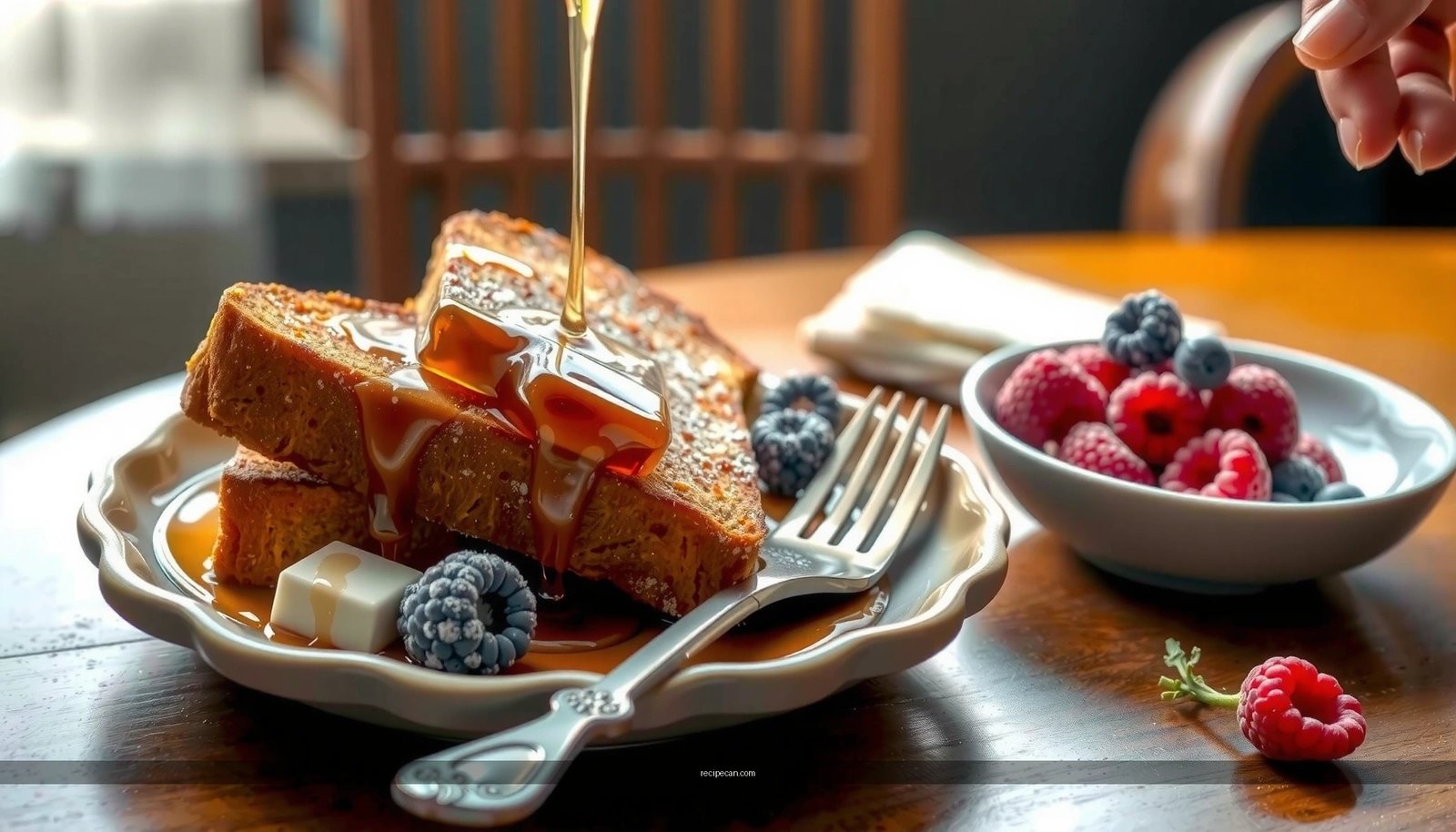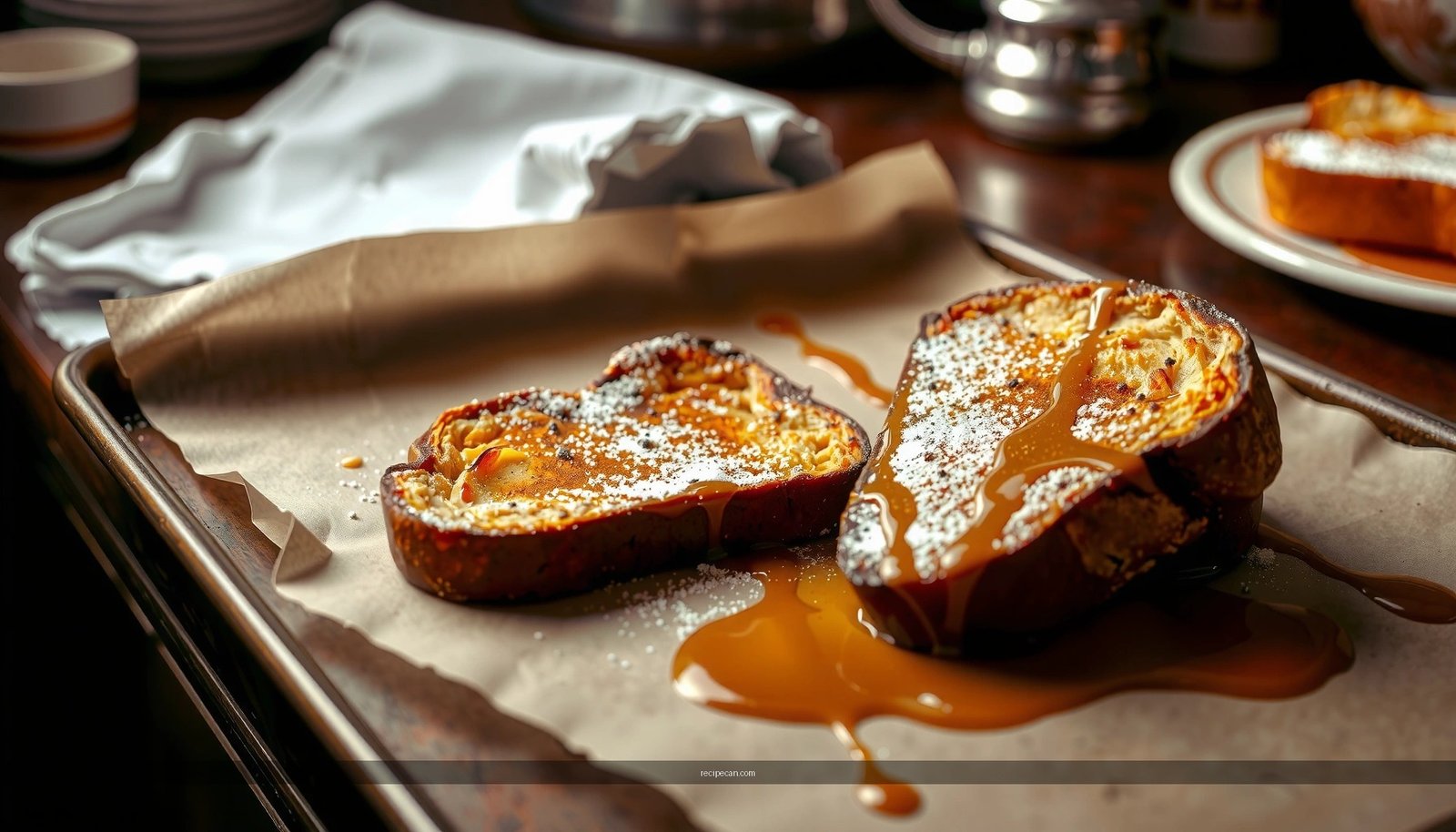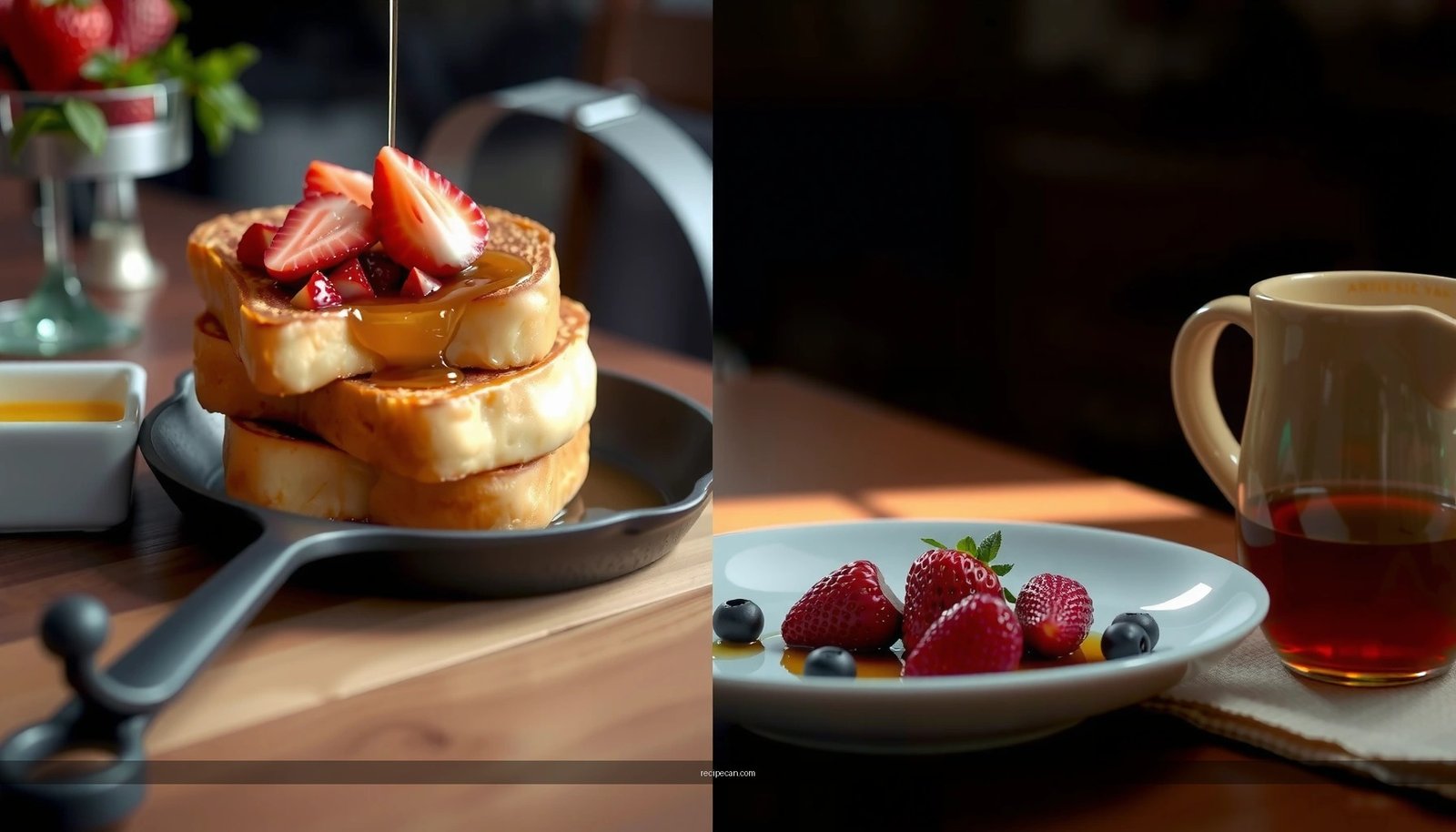
Get Robert Irvine French toast right with the best thick-and-crispy method that delivers a golden crust without soggy centers. This recipe answers one question: how to cook French toast so the outside stays crisp while the inside turns tender, even with thick bread. Follow Irvine’s approach step by step for the ideal soak, heat control, and finish that makes this the clear winner for classic diner-style French toast.
Want thick, custardy, perfectly golden French toast? Use a rich egg-milk custard, a short-but-complete soak, and steady medium heat until deep browning sets the center—no soggy middle. Below is a practical, Robert Irvine–style approach that prioritizes batter ratio, timing control, and flip technique so your slices are crisp on the outside and tender inside every time.
Ingredients for Robert Irvine French Toast
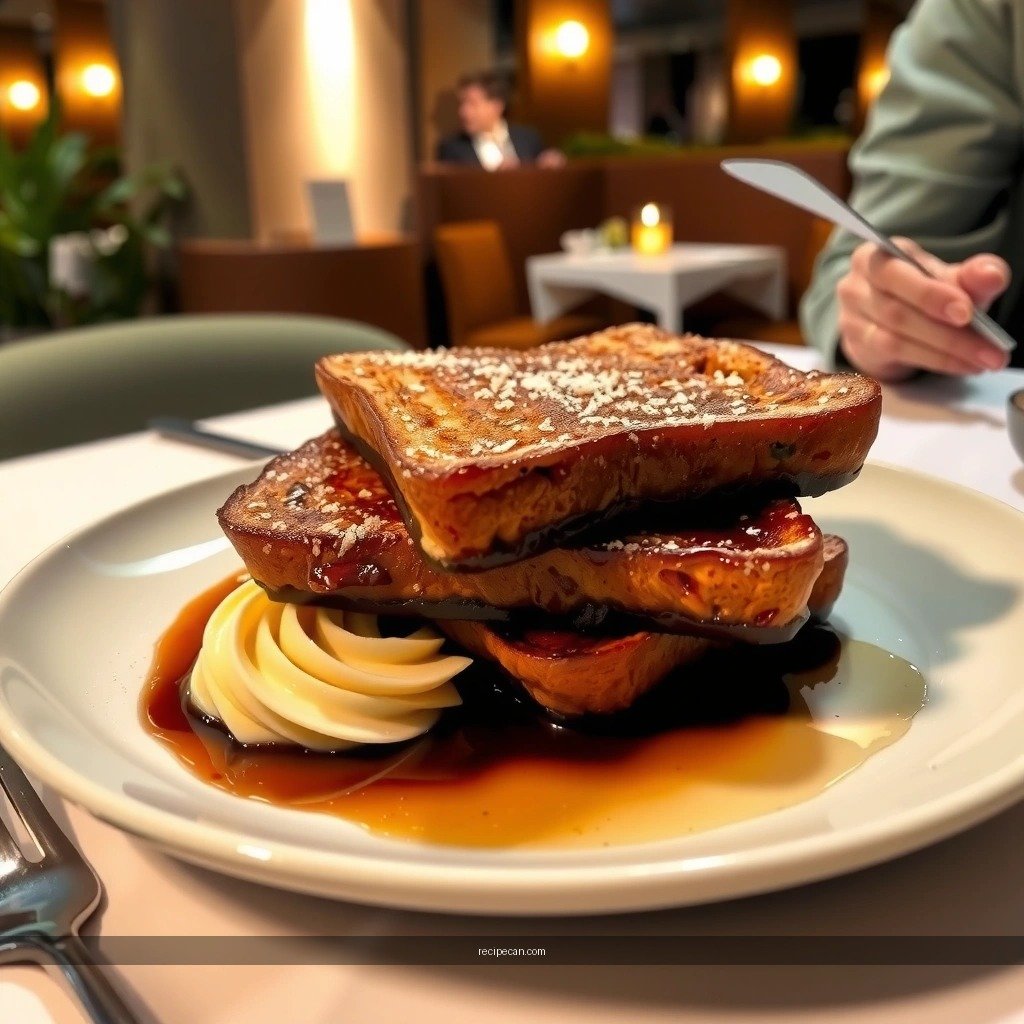
– Use bread that’s sturdy enough to soak (thick-cut slices work best)
Brioche, challah, thick sourdough, or Texas toast-style milk bread all hold up during soaking. For the “thick and crispy” goal, choose slices that are at least 3/4 inch (about 2 cm) thick. Thinner bread steams faster and turns out softer than custardy.
– Mix eggs, milk, and flavorings for a rich custard base
The custard is the engine of texture. Eggs provide structure (so the center sets), while milk adds creaminess and browns cleanly on the crust. Use whole milk or half-and-half for the richest results; low-fat milk can work, but the custard sets less luxuriously.
– Add a pinch of salt and optional vanilla/cinnamon for classic flavor
Salt sharpens sweetness and makes the egg flavor taste “cleaner,” not flat. Vanilla and cinnamon are optional, but cinnamon is especially effective with thick toast because it survives the browning process and tastes more integrated.
Core ingredient target (per ~4 thick slices):
– 2 large eggs
– 3/4 cup (180 ml) whole milk (or half-and-half)
– 1–2 tsp vanilla extract (optional)
– 1/2–1 tsp ground cinnamon (optional)
– 1/4 tsp salt
– 1–2 tbsp sugar (optional; add for a more “breakfast-dessert” finish)
How to Make the Custard Mixture
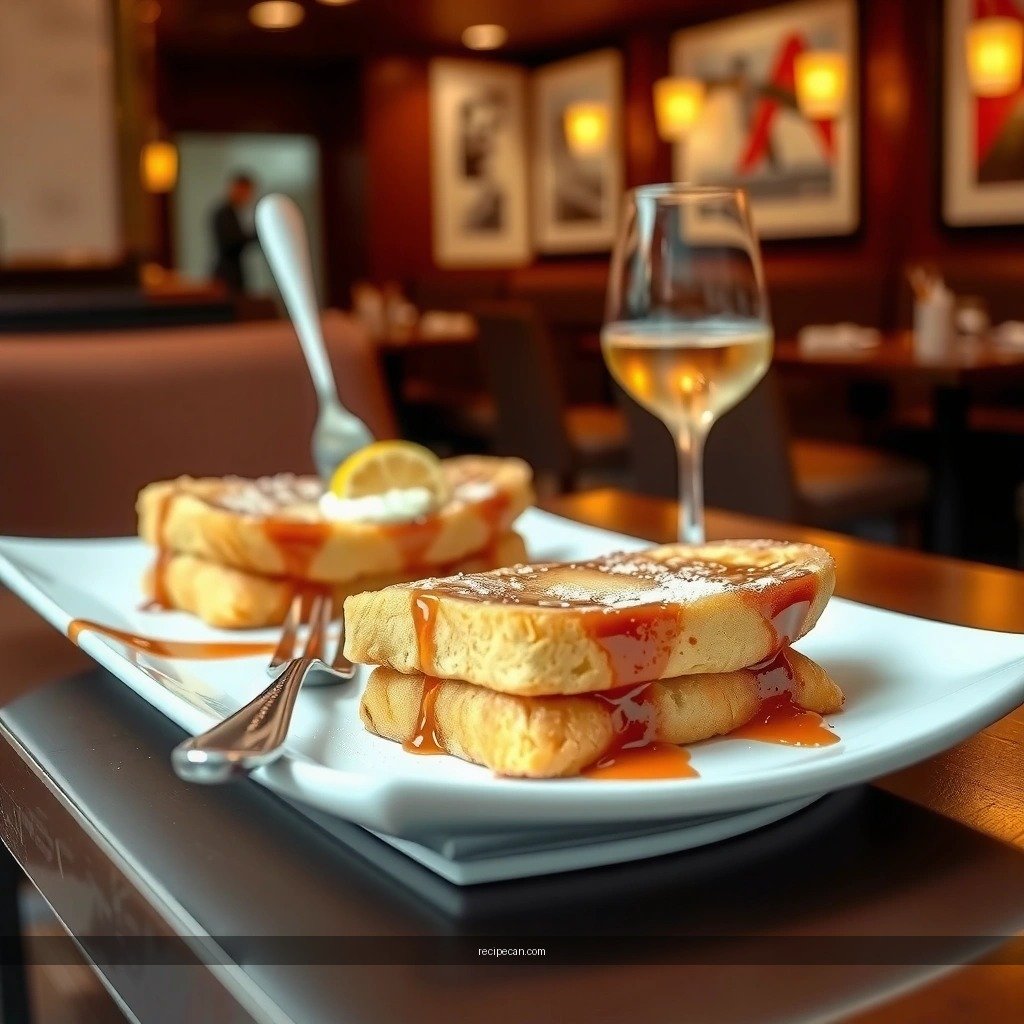
– Whisk eggs and milk until smooth and evenly combined
Whisk thoroughly for 30–45 seconds until you don’t see streaks of egg. Uneven custard = uneven set, which shows up as dry spots or “pale islands” in the middle.
– Adjust sweetness and spices to your taste (light vs. bold cinnamon)
If you prefer classic diner-style, keep sweetness subtle: 1 tbsp sugar is usually enough. For a more pronounced cinnamon roll profile, use 1–2 tsp cinnamon and consider adding 1–2 tsp brown sugar to the custard (it browns earlier, so keep your heat moderate).
– Let the mixture rest briefly for better soaking and texture
Resting for 3–5 minutes helps hydrated milk-egg proteins distribute evenly and improves soak consistency. You’ll notice the batter “feels” slightly thicker—this is good for custard adherence.
Pro-baker logic (why this works):
French toast texture is controlled by the balance between custard absorption time and custard setting time. Thick bread gives you time for the center to set, but only if you don’t over-soak and only if your heat is consistent.
Custard mixing note for thicker slices
If your bread is particularly dense (some sourdoughs), increase liquid slightly: add 1–2 tbsp extra milk. Dense bread benefits from more liquid contact, but you still need the “just-soak-enough” rule to prevent dissolving.
Thick French Toast Texture Targets (Bread + Soak + Heat)
| # | Bread type | Slice thickness | Custard soak (per side) | Skillet temp | Best for | Consistency rating |
|---|---|---|---|---|---|---|
| 1 | Brioche | 1 in (2.5 cm) | 25–35 sec | Medium (325–350°F / 163–177°C) | Custardy crumb | ★★★★☆ |
| 2 | Challah | 3/4 in (2 cm) | 20–30 sec | Medium (320–345°F / 160–174°C) | Golden edges | ★★★★☆ |
| 3 | Milk bread (thick cut) | 3/4–1 in | 18–28 sec | Medium-low (300–325°F / 149–163°C) | Crisp + soft interior | ★★★★☆ |
| 4 | Sourdough (dense) | 1 in | 30–40 sec | Medium (325°F / 163°C) | Caramelized, sturdy toast | ★★★☆☆ |
| 5 | Baguette (day-old) | 3/4 in | 15–22 sec | Medium (330–340°F / 166–171°C) | Crunchy crust, less custard | ★★★☆☆ |
| 6 | Whole wheat (thick) | 1 in | 22–30 sec | Medium-low (295–315°F / 146–157°C) | Hearty breakfast | ★★☆☆☆ |
| 7 | White sandwich bread (thin) | 1/2 in | 8–12 sec | Medium (325°F / 163°C) | Quick toast, not custard | ★☆☆☆☆ |
Best Bread Soaking Technique
– Soak each slice just long enough to absorb without falling apart
For thick toast, target 18–35 seconds per side depending on bread density. Dense breads (like sourdough) need longer; rich breads (like brioche) absorb quickly—so shorten if the surface starts to feel loose.
– Flip halfway so both sides cook evenly
Soak one side, then flip for the second side. This promotes uniform custard distribution and avoids one-sided “custard pockets” that remain pale.
– Pat very wet bread lightly to avoid soggy results
After soaking, place bread on a rack or paper towel and pat the surface once or twice. You’re removing pooling liquid so the exterior can dry and brown, rather than steam.
The “finger test” (fast quality check):
After soaking, press gently in the center with a fingertip. The bread should feel slightly springy, not mushy. If it feels wet-soft, the slice has over-absorbed—cook it anyway but reduce future soak time by 5–10 seconds per side.
Cooking Method for Crispy, Golden French Toast
– Preheat a pan or griddle to medium heat for even browning
Heat control is everything. Use medium (roughly 325–350°F / 163–177°C for most pans) so the exterior browns while the custard has time to set inside. If your skillet runs hot, drop to medium-low.
– Cook until deeply golden, then flip carefully
Cook first side until you see deep golden edges and the surface looks set—usually 3–5 minutes for 3/4–1 inch bread. Flip and cook another 2–4 minutes.
– Avoid rushing—consistent heat prevents burning before the center sets
If you crank the heat, the custard can brown before it fully sets, producing a burnt outside and undercooked middle. Patience here is operational: stable temperature equals predictable texture.
Fat choice matters:
Use a small amount of butter or a neutral oil + butter blend. Butter alone can burn faster; a mixture provides flavor with better browning control. Reapply fat between batches if the pan goes dry.
Batch cooking rule (important):
Don’t overcrowd the pan. Crowding traps steam, and steam reduces crispness. Cook in batches, keep finished slices warm in a 300°F / 150°C oven on a rack so they stay crisp.
Serving Ideas and Toppings
– Top with maple syrup, powdered sugar, or fresh fruit
Classic maple syrup works because its sweetness complements the egg richness without overpowering the custard. Powdered sugar adds visual appeal and a light, bakery-like finish.
– Add butter or whipped cream for extra richness
A small pat of butter right after cooking melts into the crisp edges. For a more indulgent finish, add whipped cream or crème fraîche for tangy contrast.
– Pair with crispy bacon or sausage for a classic breakfast plate
The salt-fat profile from bacon or sausage balances the sweetness and makes the whole plate feel more “restaurant complete.”
Two restaurant-style plating options:
1. Maple + butter glaze: brush lightly with warm maple syrup immediately after cooking.
2. Cinnamon apple topping: sauté sliced apples with butter and cinnamon until jammy, then spoon over thick French toast.
Troubleshooting Common Issues
– Too soggy? Reduce soak time or use thicker bread
Soggy French toast usually comes from over-soaking or cooking too hot (steam before browning). Reduce soak by 5–10 seconds per side next time and pat the surface dry before it hits the pan.
– Too dark too fast? Lower heat and cook a bit longer
Dark exterior with an under-set center means your heat is too high. Drop temperature to medium-low and extend cook time until the interior feels custardy.
– Not custardy inside? Ensure proper soaking and don’t overcrowd the pan
If the center is dry or pale, you may be under-soaking dense bread or you may be steaming due to overcrowding. Increase soak time slightly for dense bread and cook in smaller batches.
Quick diagnostic:
– Pale and dry center → under-soaked or too cool / too short
– Dark outside, wet center → too hot or too long cooking but not setting evenly (often overcrowding)
– Mushy texture → over-soaked or bread too thin
Robert Irvine French toast is all about the right custard, quick-but-thorough soaking, and steady medium heat for that golden-crisp finish. Follow the sections above for ingredients, soak time, and cooking steps, then try your favorite toppings right away—save this recipe and make it your next weekend breakfast.
Frequently Asked Questions
What makes Robert Irvine French toast different from regular French toast?
Robert Irvine French toast is known for its rich, custardy texture and flavorful soaking technique that helps the bread absorb the egg mixture without turning soggy. The recipe typically focuses on creating a thick, even coating and using the right bread so the centers stay tender while the outside crisps nicely. Many people search for this recipe because they want bakery-style French toast at home with consistent results.
How do you make Robert Irvine French toast that’s crispy on the outside and custardy inside?
Start by using bread that can hold up to soaking—like brioche, challah, or thick-cut sourdough—then soak each slice just long enough for absorption. Cook on a preheated skillet or griddle over medium heat so the exterior browns without burning before the inside warms through. If your French toast seems too wet, reduce the soak time or slightly increase the cooking time while lowering heat to finish gently.
Why does Robert Irvine French toast sometimes come out soggy, and how can you fix it?
Soggy French toast usually happens when the bread is soaked too long or when the pan isn’t hot enough to set the egg mixture quickly. To fix it, soak the bread briefly (especially if it’s soft or thin) and use medium-to-medium-high heat to create a fast golden crust. You can also pat very fresh bread lightly to reduce excess moisture before dipping.
Which bread is best for Robert Irvine French toast recipe results?
Brioche and challah are popular because they’re rich and hold custard well, giving that signature creamy interior. If you want a sturdier texture, thick-cut Texas toast or bakery-style white bread works too, especially if slightly stale. Avoid very thin sliced bread or overly fresh, soft loaves, since they can break down and make Robert Irvine French toast turn mushy.
What toppings pair best with Robert Irvine French toast?
Classic toppings like maple syrup, powdered sugar, fresh berries, and whipped cream complement the custardy sweetness without overpowering it. If you want extra flavor, add cinnamon-butter, vanilla glaze, or a drizzle of caramel sauce for a dessert-like finish. For a more balanced breakfast, try fruit compotes or a small pinch of flaky salt to enhance the French toast flavor.
References
- Robert Irvine
https://en.wikipedia.org/wiki/Robert_Irvine - French toast
https://en.wikipedia.org/wiki/French_toast - https://www.britannica.com/topic/French-toast
https://www.britannica.com/topic/French-toast - https://en.wikipedia.org/wiki/Egg_(food
https://en.wikipedia.org/wiki/Egg_(food - Bread
https://en.wikipedia.org/wiki/Bread - Maillard reaction
https://en.wikipedia.org/wiki/Maillard_reaction - Google Scholar Google Scholar
https://scholar.google.com/scholar?q=Robert+Irvine+french+toast+recipe - Google Scholar Google Scholar
https://scholar.google.com/scholar?q=French+toast+recipe+egg+bread - Google Scholar Google Scholar
https://scholar.google.com/scholar?q=French+toast+nutrition+eggs+bread - https://pubmed.ncbi.nlm.nih.gov/?term=french+toast
https://pubmed.ncbi.nlm.nih.gov/?term=french+toast