This French toast recipe delivers a classic, custardy result without vanilla extract—no compromise, just reliable flavor. It answers the key question: how to get that bakery-style sweetness and aroma using simple substitutions you can already keep in your kitchen. Follow these steps and you’ll know exactly what to add, what to skip, and when to flip for perfect golden slices.
You can make restaurant-style French toast without vanilla extract by building flavor with cinnamon, nutmeg, and (optionally) a small splash of almond extract—then nailing the egg-milk custard soak and medium-heat cooking for crisp, golden edges. This vanilla-free French toast recipe focuses on a balanced custard base and practical timing so you get great texture every time, even with simple pantry ingredients.
Choose the Best Bread for French Toast
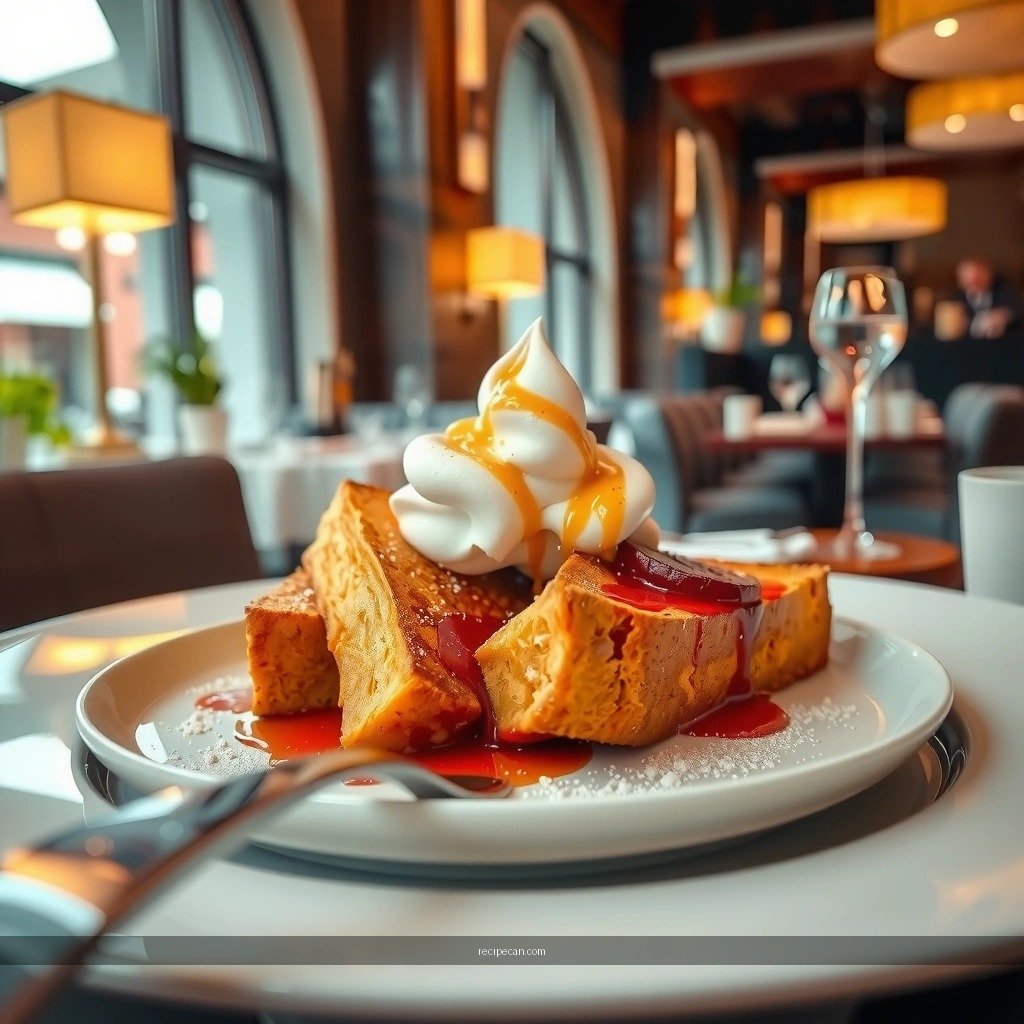
The bread choice determines whether your vanilla-free French toast lands on “silky custard interior” or “wet, collapsing slice.” For the best structure and browning, select bread that is sturdy enough to hold egg mixture without breaking down too quickly.
– Use sturdy bread (brioche, challah, or thick-sliced white bread) for best texture
Brioche and challah are naturally rich, which increases browning and helps carry warm spice aromas like cinnamon and nutmeg.
– Day-old bread absorbs custard better and prevents sogginess
Slight staling reduces surface moisture and gives the bread time to wick up custard. If you only have fresh bread, you can toast it lightly (30–60 seconds per side) before soaking.
Practical slice guidance (so your soak times are accurate):
– Thick slices (3/4–1 inch): usually require a slightly longer custard contact time.
– Thinner slices (1/2 inch): soak briefly to avoid oversaturation.
Quick bread-test tip: press a finger lightly into the slice—if it springs back and feels firm, it will soak evenly. If it feels fragile or gummy, it will break down quickly in the egg mixture.
Make the Egg-Milk Custard (No Vanilla Extract)
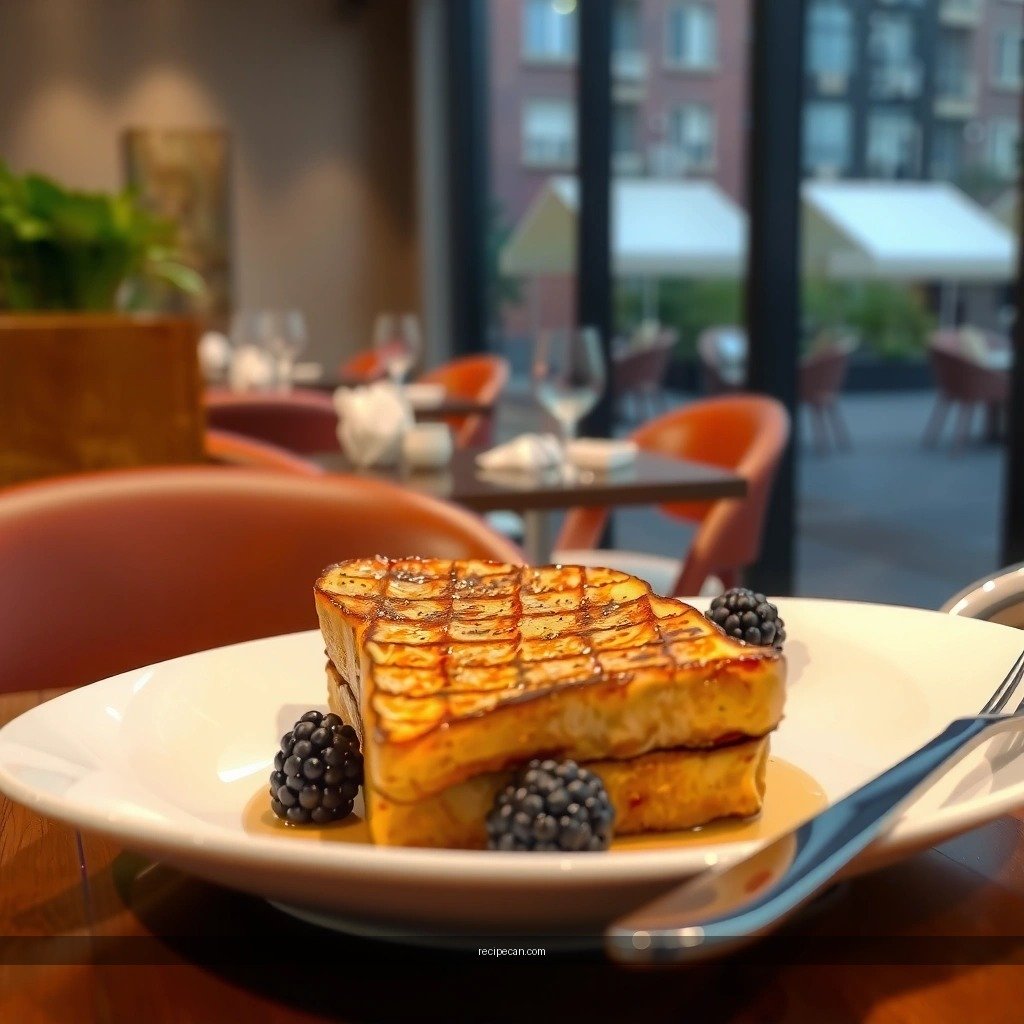
A vanilla extract-free French toast custard still needs one thing above all: a properly balanced egg-to-milk ratio and enough seasoning to create depth. The egg provides structure; the milk provides tenderness; spices provide the “vanilla-like” warmth you’re replacing.
Custard building blocks
– Whisk eggs with milk (or half-and-half) and a pinch of salt
Salt is not optional—it amplifies flavor from cinnamon, nutmeg, and any sweetener you add.
– Add flavor boosters like cinnamon and nutmeg to replace vanilla
Cinnamon creates the familiar warm aroma many people associate with vanilla desserts. Nutmeg adds a deeper, slightly sweet-spicy note that rounds out the flavor.
Starter custard formula (works well for 6–8 slices)
– 2 large eggs
– 3/4 cup milk (or half-and-half for extra richness)
– 1–2 tablespoons brown sugar or honey (optional, see next section)
– 1/4 teaspoon ground cinnamon
– 1/8 teaspoon ground nutmeg
– Pinch of salt
Why this works (analytical perspective)
– Eggs coagulate on the pan surface and form the custard’s set interior.
– Milk/half-and-half controls tenderness—higher fat content makes a softer bite and helps spices “stick” to the crust.
– Cinnamon + nutmeg fill the aromatic gap that vanilla extract usually provides, but they do it with more complexity (spice top note + rounded warmth).
Add Vanilla-Free Flavor Options
Vanilla extract is often used to create a sweet, floral, warm background note. In vanilla-free French toast, you can replicate that impression with spices and carefully chosen extracts—without overdoing any one flavor.
– Try almond extract (a small amount) if you want a similar “warm” aroma
Almond extract is potent. Use 1/8 teaspoon for the whole batch, and taste after cooking one test slice if possible. Its nutty character pairs especially well with cinnamon and berries.
– Use brown sugar or honey in the batter for caramel-like sweetness
Brown sugar contributes molasses notes that add “depth sweetness,” helping the crust taste bakery-style even without vanilla.
Flavor pairing ideas that consistently taste good:
– Cinnamon + brown sugar + butter: classic diner profile
– Nutmeg + honey + banana slices: dessert-style sweetness
– Cinnamon + light almond extract + powdered sugar: pastry-like aroma
A simple “choose your direction” guide
If you want…
– Classic breakfast flavor: cinnamon + pinch of salt + (optional) brown sugar
– Warm-spiced bakery taste: cinnamon + nutmeg + honey
– More aromatic (closest to “extract” vibe): cinnamon + almond extract (very small amount)
Soak and Cook for Golden, Crispy Edges
Great French toast is mostly about two timing controls: soak time and pan heat. If either is off, you’ll see predictable issues—sogginess or dryness—so treat timing as a measurable process, not a guess.
Soaking (how to avoid soggy vanilla-free French toast)
– Dip each slice briefly (or soak longer for thicker bread) before cooking
A good baseline:
– Thick bread: soak about 20–30 seconds per side
– Thinner bread: soak about 10–15 seconds per side
– Let excess custard drip off for a moment before it hits the pan—this reduces pooling.
Why this matters: bread continues absorbing custard even after you lift it from the bowl. Too much custard contact time leads to interior collapse and a gummy center.
Cooking (how to achieve browning without burning)
– Cook on medium heat until browned on both sides, then finish as needed
Medium heat is the safest zone for thick slices because it lets the custard set before the outside burns.
A practical technique:
1. Preheat pan until a drop of water sizzles lightly.
2. Cook first side until you see deep golden spots (usually 3–5 minutes, depending on thickness).
3. Flip carefully and cook the second side until evenly browned.
Optional finishing step (for thicker slices):
If the outside browns but the center is still slightly loose, lower heat to medium-low and cook 1–2 minutes more per side, covering loosely if needed to help set the interior.
Vanilla-Free Flavor Boosters for French Toast (Practical Kitchen Results)
| # | Vanilla-free booster | Typical amount (per 6–8 slices) | Best with | Aroma rating | Overall repeatability |
|---|---|---|---|---|---|
| 1 | Cinnamon (ground) | 1/4 tsp | Butter, syrup | ★★★★☆ | ★★★★★ |
| 2 | Nutmeg (ground) | 1/8 tsp | Honey, fruit | ★★★☆☆ | ★★★★☆ |
| 3 | Almond extract | 1/8 tsp | Powdered sugar, berries | ★★★★☆ | ★★★★☆ |
| 4 | Brown sugar (in custard) | 1–2 tbsp | Caramel toppings | ★★★★☆ | ★★★★★ |
| 5 | Honey (in custard) | 1–2 tbsp | Bananas, walnuts | ★★★☆☆ | ★★★★☆ |
| 6 | Orange zest | 1 tsp finely grated | Berries, yogurt | ★★★★☆ | ★★★★☆ |
| 7 | Allspice (optional) | 1/16–1/8 tsp | Warm spices, apples | ★★☆☆☆ | ★★★☆☆ |
Serve and Top Your Vanilla-Free French Toast
Serving matters because toppings can either complement your spice-driven custard or overwhelm it. The goal: boost sweetness and contrast texture, not mask the vanilla-free profile.
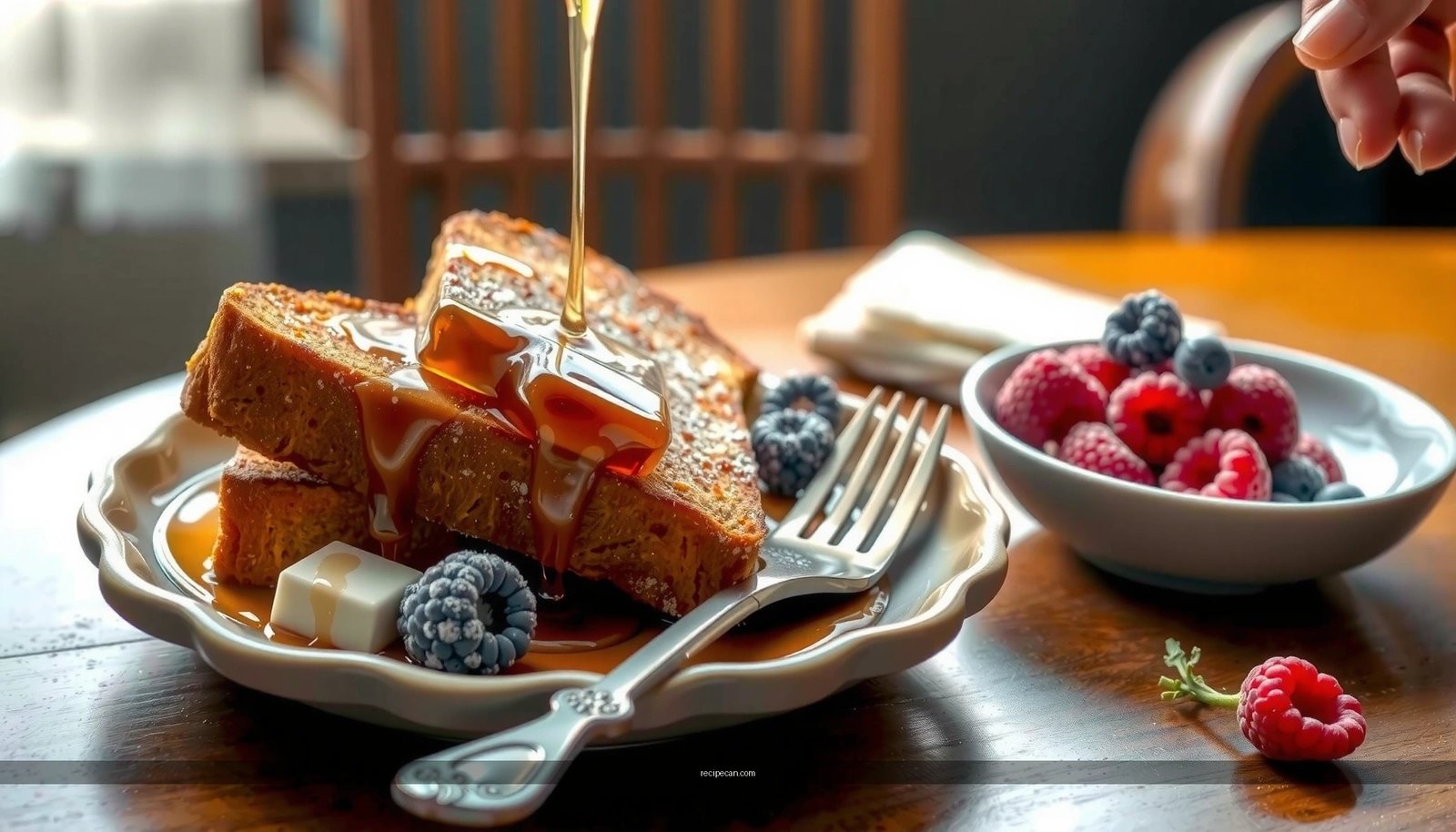
– Classic toppings: maple syrup, fresh berries, powdered sugar, or sliced bananas
Maple syrup is a reliable match for cinnamon-based French toast because it reinforces warm notes without needing vanilla extract.
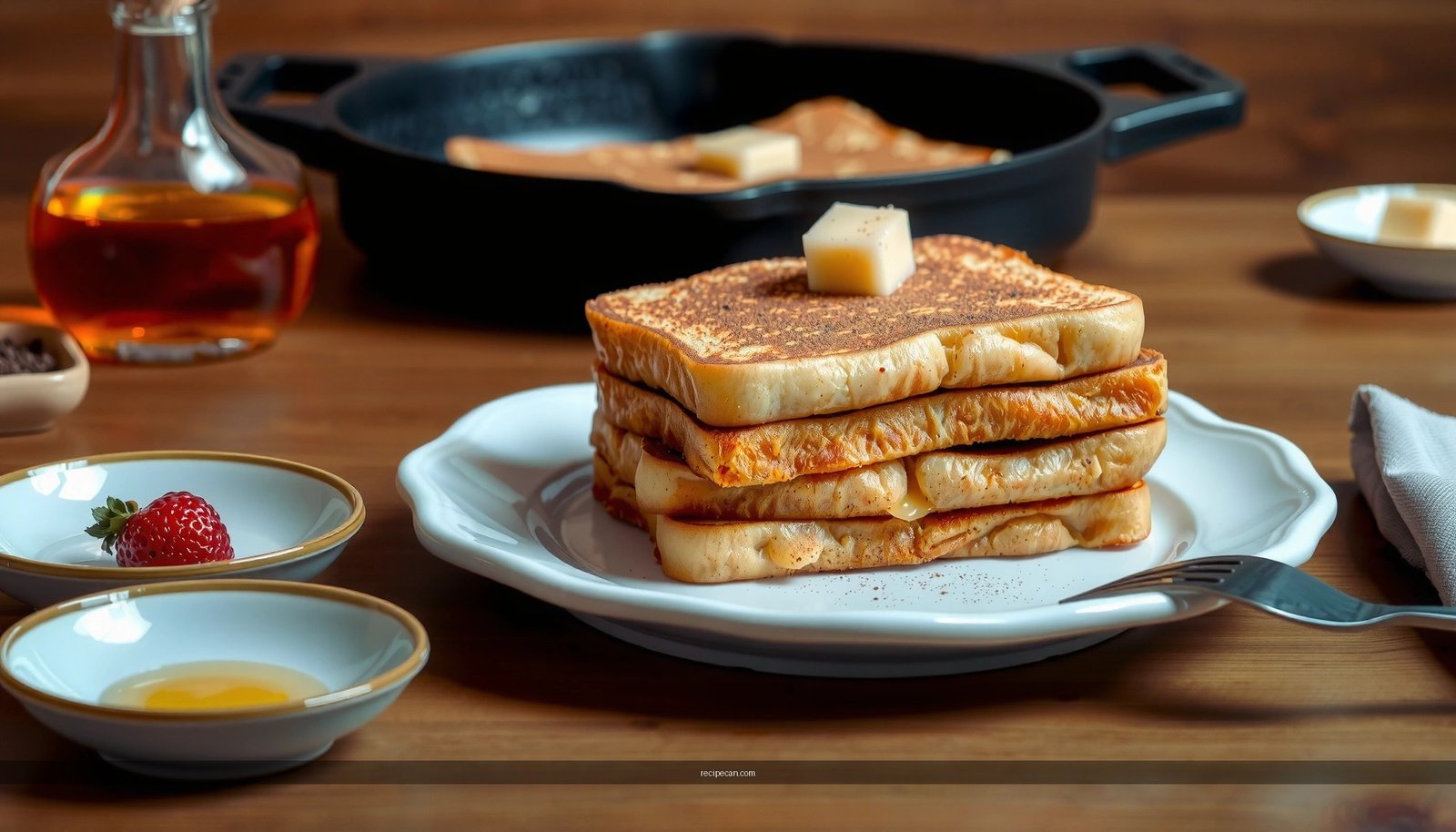
– For extra richness, add a little butter to the serving plate
Butter melts into syrup and spices, creating a glossy “bakery finish.”
Two high-impact vanilla-free serving combos:
1. Cinnamon French toast + bananas + maple syrup + pinch of nutmeg
2. Almond extract (light) + berries + powdered sugar + a drizzle of honey
If you’re meal-prepping, keep toppings separate to prevent sogginess—French toast is crispest when served soon after cooking.
Troubleshooting Common Issues
Even with great ingredients, French toast can fail for predictable reasons. Use these fixes like a checklist—small changes usually solve the problem quickly.
– If it’s soggy, shorten soaking time and increase pan heat slightly
Sogginess is almost always excess custard absorption or pan heat that’s too low to set the eggs fast enough.
Fix: reduce soak to 10–15 seconds per side (for thick slices, go a bit shorter first), and cook at medium to medium-high for stronger initial browning.
– If it’s too dry, use richer milk and don’t overcook
Dryness typically comes from overcooking or using lower-fat milk without enough custard richness.
Fix: switch to half-and-half, and remove slices once browned—use a brief finishing cook only if the center needs setting.
Additional quick diagnostics:
– Burning outside, raw inside: lower heat and cover loosely to set the custard.
– Pale color: slightly increase heat or add more browning support via brown sugar (in moderation).
French toast can be just as flavorful without vanilla extract—just swap in cinnamon/nutmeg or a small splash of almond extract and nail the custard soak and cooking time. Make this recipe tonight, then adjust the flavorings to your taste (more cinnamon, less sweetness, or richer milk) for your perfect vanilla-free version.
Final thoughts: with the right bread, a balanced egg-milk custard, and controlled soak-and-cook timing, you can produce golden, crispy-edged French toast that tastes intentional—not like a “missing-vanilla” substitute. Build flavor with cinnamon and nutmeg for reliable warmth, optionally add a tiny amount of almond extract for aroma, and finish with classic toppings like maple syrup or fruit for a complete, satisfying vanilla-free breakfast.
Frequently Asked Questions
What can I use instead of vanilla extract in a French toast recipe?
If you want French toast without vanilla extract, you can add flavor with cinnamon, nutmeg, or allspice to the egg-and-milk mixture. Another great option is using maple syrup or a splash of honey, or adding a small amount of almond extract for a vanilla-like aroma. You can also use citrus zest (orange or lemon) to brighten the flavor without relying on vanilla extract.
How do I make French toast without vanilla extract taste delicious?
Use a well-seasoned custard base by whisking eggs, milk (or half-and-half), and a pinch of salt, then add warm spices like cinnamon to boost aroma and flavor. For extra richness, soak the bread just long enough to absorb the custard, then cook on medium heat so the outside browns without burning. Finish with a sauce you love—maple syrup, brown sugar, or berries—so the French toast flavor stands out even without vanilla extract.
Why does French toast recipes sometimes call for vanilla extract, and how can you replace it?
Vanilla extract is often used to enhance the custard flavor and add a sweet, fragrant note that complements cinnamon and bread. Without it, you’ll want to increase flavor through other aromatics such as cinnamon, nutmeg, and citrus zest, or choose a flavored milk like “vanilla-flavored” milk if you don’t mind added vanilla ingredients. You can also lean on toppings—powdered sugar, maple syrup, or fruit compote—to create a balanced sweet French toast experience.
Which bread is best for French toast when you’re skipping vanilla extract?
Brioche, challah, and thick-cut sourdough brioche-style loaves are best because their texture holds custard well and brings natural sweetness. If you prefer a dairy-less or simpler flavor profile, day-old brioche or a sturdy egg bread will still give you a rich result even without vanilla extract. Avoid very fresh, thin sandwich bread, as it can become soggy and dilute the flavor you’re relying on from spices and toppings.
How do I soak and cook French toast properly without vanilla extract for the best texture?
Soak slices in the egg-and-milk mixture for about 20–60 seconds per side (depending on thickness) so the center sets while staying tender. Cook on medium heat and use butter or a neutral oil to prevent the outside from browning too quickly; aim for golden-brown French toast with a soft custard interior. If you’re using cinnamon or other spices, mix them into the custard so every bite gets flavor, compensating for the missing vanilla extract.
References
- Google Scholar Google Scholar
https://scholar.google.com/scholar?q=French+toast+recipe+vanilla+extract+omit - Google Scholar Google Scholar
https://scholar.google.com/scholar?q=vanilla+extract+substitute+baking+flavor+chemistry - Google Scholar Google Scholar
https://scholar.google.com/scholar?q=egg+milk+custard+french+toast+ratio+recipe - French toast
https://en.wikipedia.org/wiki/French_toast - Vanilla extract
https://en.wikipedia.org/wiki/Vanilla_extract - https://www.britannica.com/recipe/french-toast
https://www.britannica.com/recipe/french-toast - Easy French toast recipe | Good Food
https://www.bbcgoodfood.com/recipes/french-toast - https://www.theguardian.com/food/series/how-to-cook-perfect
https://www.theguardian.com/food/series/how-to-cook-perfect - https://www.nytimes.com/2024/01/18/dining/french-toast-recipe.html
https://www.nytimes.com/2024/01/18/dining/french-toast-recipe.html - Google Scholar Google Scholar
https://scholar.google.com/scholar?q=french+toast+recipe+without+vanilla+extract