Want a French toast recipe using Texas Toast that lands crisp edges and a custardy center every time? This version wins by treating thick-cut Texas Toast with a balanced egg-milk soak and a hot pan sear so the bread turns golden without going soggy. You’ll get clear timing and temperatures that make the result reliable for weekdays and brunch alike.
French toast made with Texas toast is the easiest way to get a thick, golden crust with a fluffy custardy center—without turning the bread soggy. The key is soaking the slices just long enough to saturate (not collapse), then cooking on medium heat until both sides are deeply browned and set.
Ingredients for French Toast Using Texas Toast
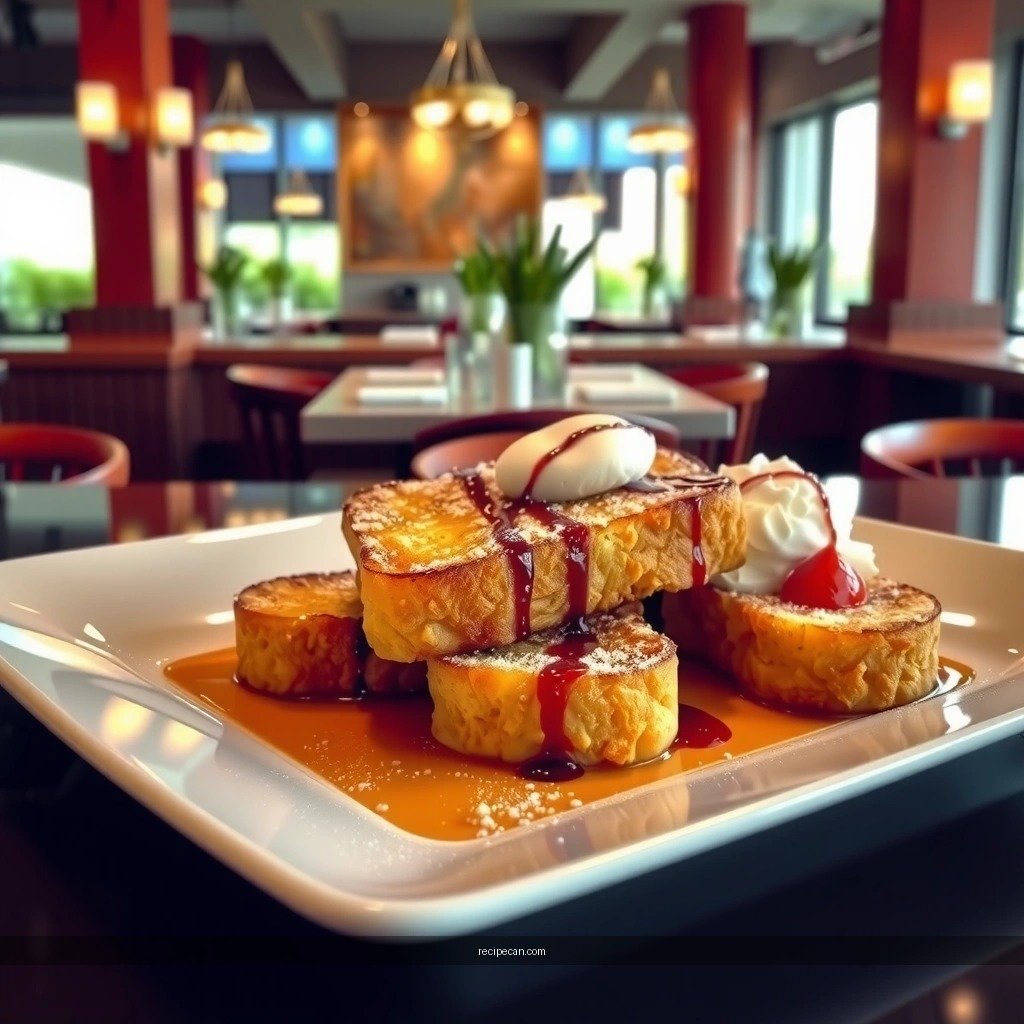
– Use Texas toast slices for the best thick, custardy texture
Texas toast is typically cut thick enough to hold egg custard without disintegrating. Look for slices around 3/4-inch thick (or similarly “extra thick”). That thickness gives you the structure to achieve a custardy interior while still developing crisp, browned edges.
– Combine eggs, milk (or cream), sugar, vanilla, and a pinch of salt
Here’s the practical ingredient logic behind each component:
– Eggs: Provide structure (the custard sets) and richness. Use large eggs for consistent results.
– Milk or cream: Milk keeps the custard lighter; cream (or a milk-cream blend) produces a richer, more “bakery” mouthfeel.
– Sugar: Adds subtle sweetness and helps with browning (via caramelization).
– Vanilla: Rounds out flavor, especially with maple syrup toppings.
– Salt: A small pinch balances sweetness and sharpens flavor.
Texas Toast French Toast: Target Soak & Cook Specs (Per Slice Thickness ~3/4 in)
| # | Stage | Target Time | Heat Level | Outcome Score |
|---|---|---|---|---|
| 1 | Custard mix (whisk) | 60–90 sec | Room temp | ★★★★★ 5/5 |
| 2 | First-side soak | 25–35 sec | — | ★★★★☆ 4/5 |
| 3 | Second-side soak | 25–35 sec | — | ★★★★☆ 4/5 |
| 4 | Set before pan (rest) | 15–20 sec | — | ★★★★☆ 4/5 |
| 5 | Cook first side | 2.5–3 min | Medium (175–190°C) | ★★★★★ 5/5 |
| 6 | Cook second side | 2.0–2.5 min | Medium-low (165–180°C) | ★★★★☆ 4/5 |
| 7 | Internal set check | 6–8 min total | No steam collapse | ★★★★☆ 4/5 |
Prep the Custard and Soak Time
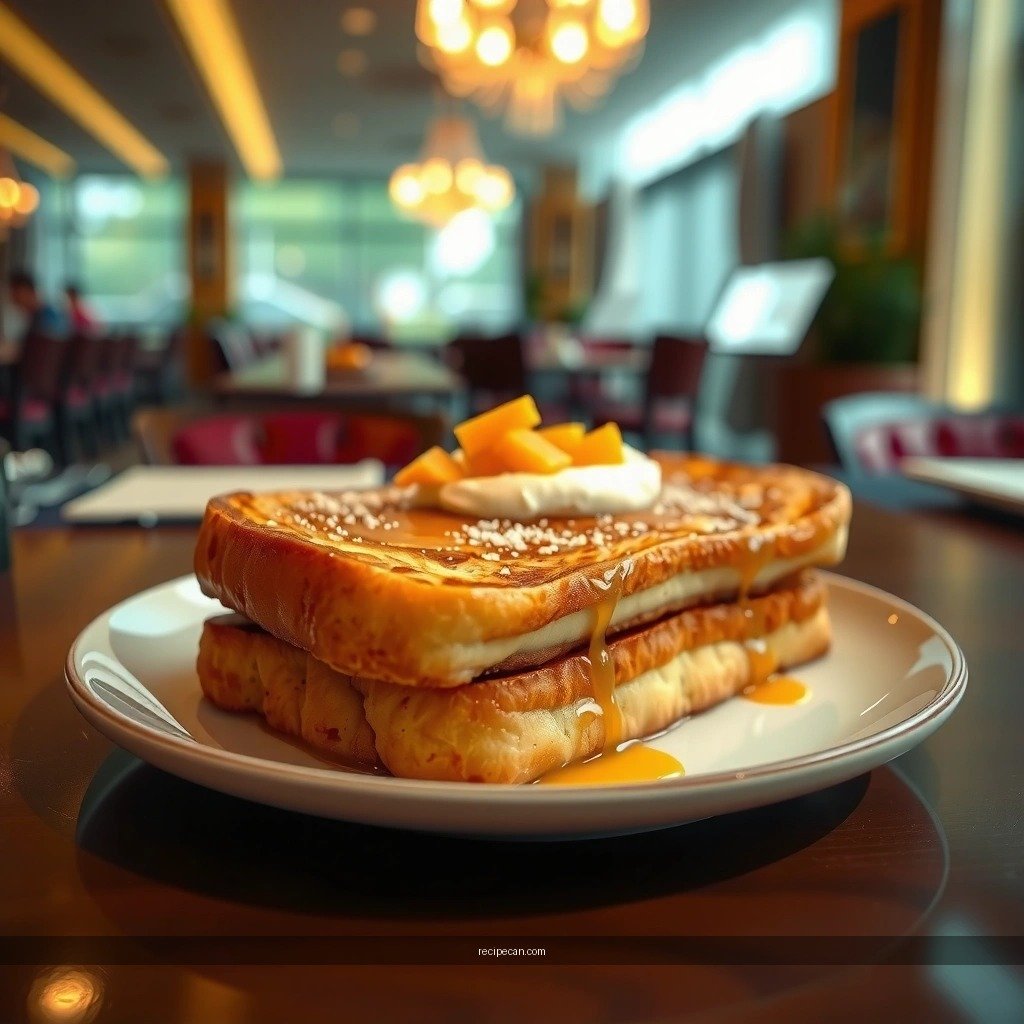
– Whisk custard until smooth so every bite is evenly coated
A smooth custard is where “custardy center” begins. Whisk eggs thoroughly first, then add milk/cream, sugar, vanilla, and salt. If you want maximum consistency, whisk until the mixture looks uniform and slightly foamy—this helps it distribute and cling to thick Texas toast surfaces.
– Soak Texas toast briefly (just until saturated) to avoid falling apart
Texas toast’s thickness means it doesn’t need a long soak to get custardy. In fact, over-soaking is the fastest path to mushy french toast.
Target soak approach for thick Texas toast (~3/4 inch):
– Soak 25–35 seconds per side
– Lift and let excess custard drip off for 15–20 seconds before it hits the pan
What “just right” looks like:
The bread should feel wet and glossy, but still hold its shape when lifted. If it bends easily or starts tearing at the edges, it’s likely soaked too long.
Practical technique:
Use a shallow bowl and keep a gentle “press and release” motion rather than fully submerging and leaving the bread to soak. The goal is saturation, not saturation time.
How to Cook It Crispy and Golden
– Cook on medium heat with a butter or oil coating for even browning
Achieving crisp, golden french toast with Texas toast is largely about controlling surface temperature. Medium heat allows the custard to set gradually while the exterior browns. Too hot and you get dark outsides with an under-set center; too low and you end up with pale, soft bread.
Best fat strategy:
– Use a mix of butter and a neutral oil if possible (oil prevents butter from burning too quickly).
– Coat the pan lightly, then add toast and let it cook undisturbed long enough for the first crust to form.
– Flip once when the edges look set and crisp
Flipping is often the moment people ruin the texture by moving the bread too early. Wait until:
– the edges look set (not jiggly),
– the bottom releases more easily,
– the underside is visibly golden-brown.
Recommended timing (thick Texas toast):
– First side: 2.5–3 minutes
– Second side: 2.0–2.5 minutes, with slight pan temp control if needed
Consistency tip for business-like results:
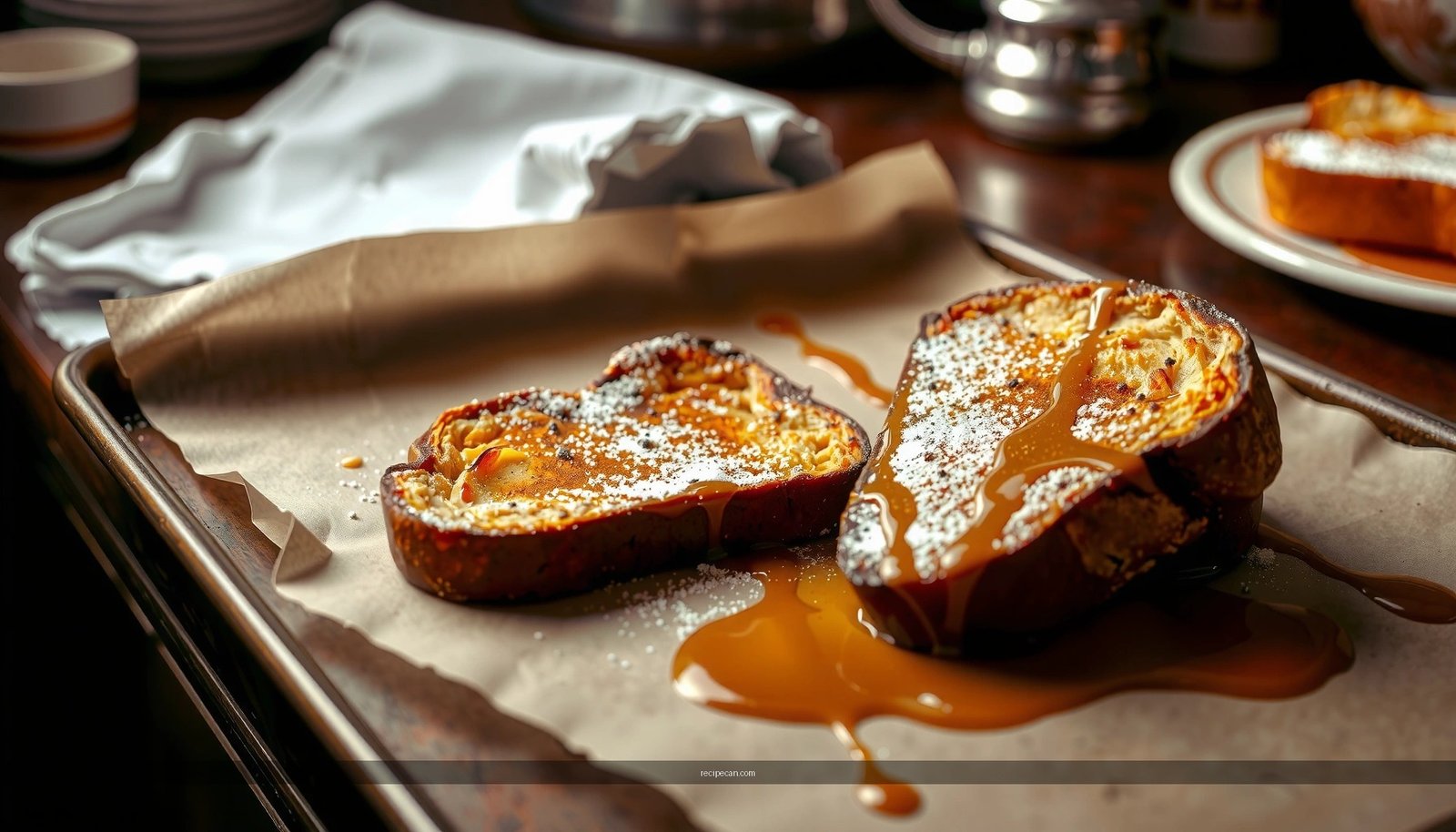
If you’re cooking multiple batches, keep finished slices warm on a wire rack in a 300°F / 150°C oven. Avoid stacking on a plate, which traps steam and softens the crust.
Best Toppings and Serving Ideas
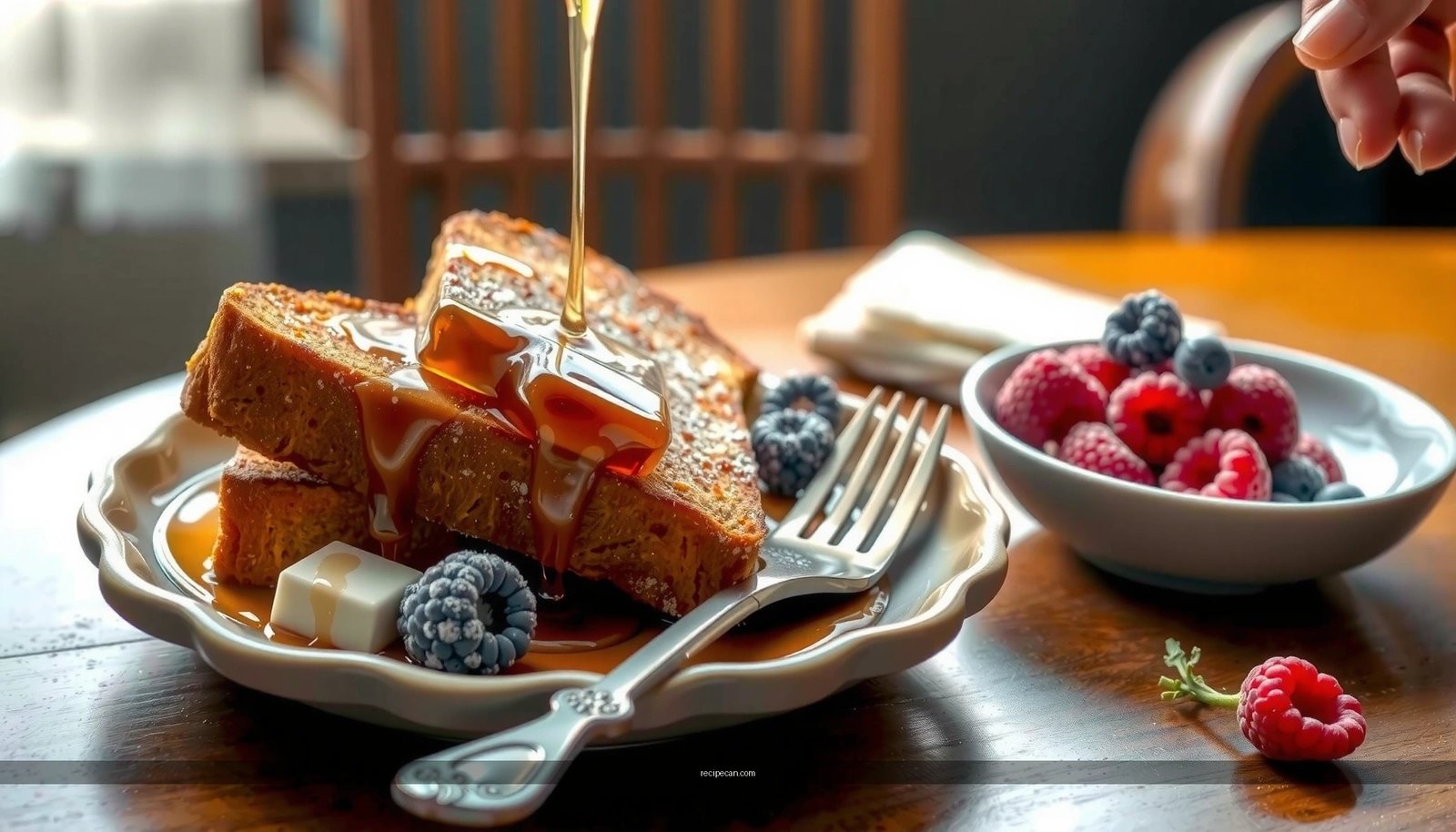
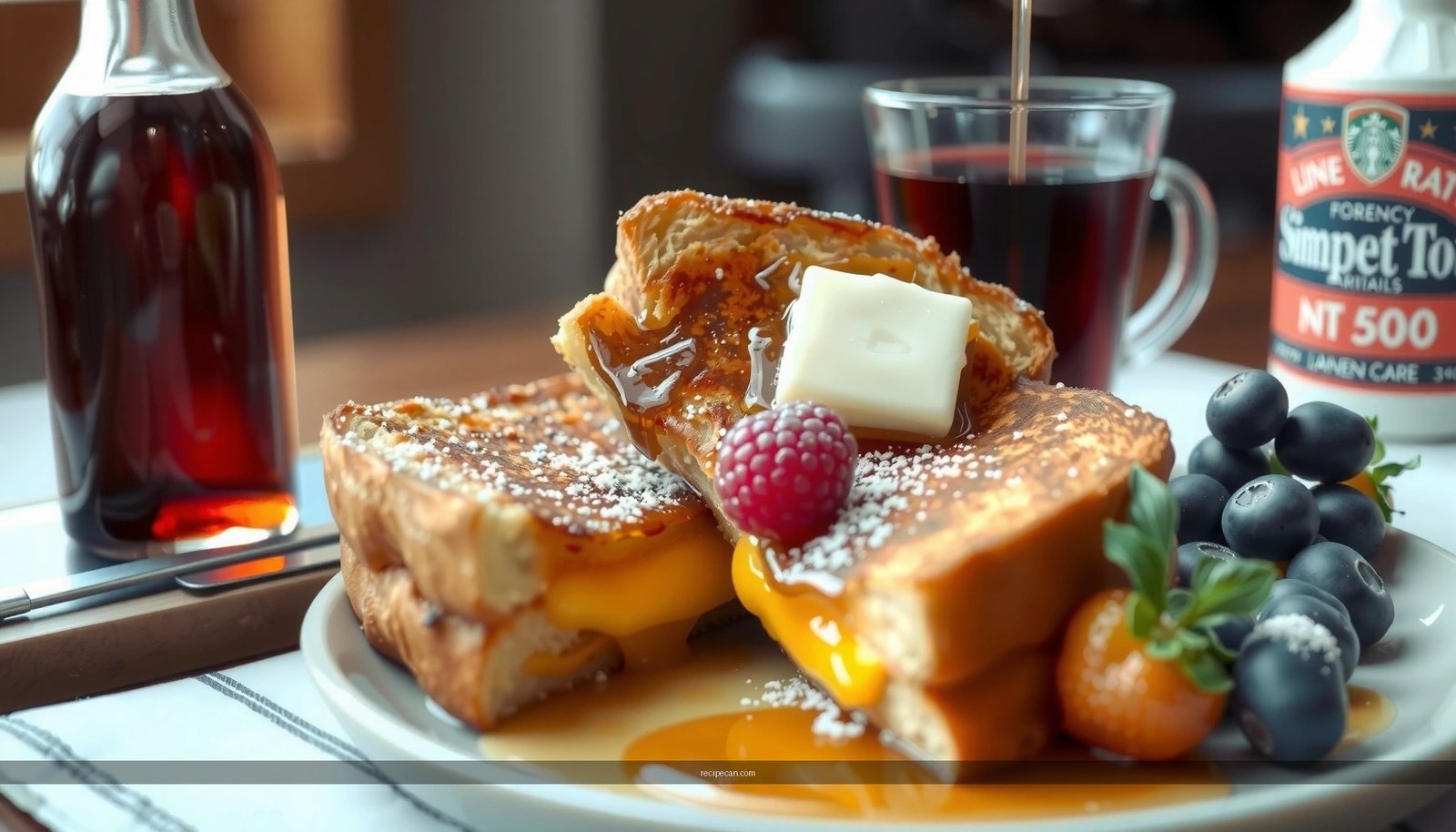
– Classic options: maple syrup, powdered sugar, and fresh berries
Classic toppings are popular because they balance richness and sweetness cleanly. Maple syrup especially complements egg custard flavors, while berries bring acidity that cuts through butteriness.Serving “formula”:
– 1–2 tablespoons syrup per slice
– berries for brightness
– powdered sugar for visual appeal (optional, but great for presentation)
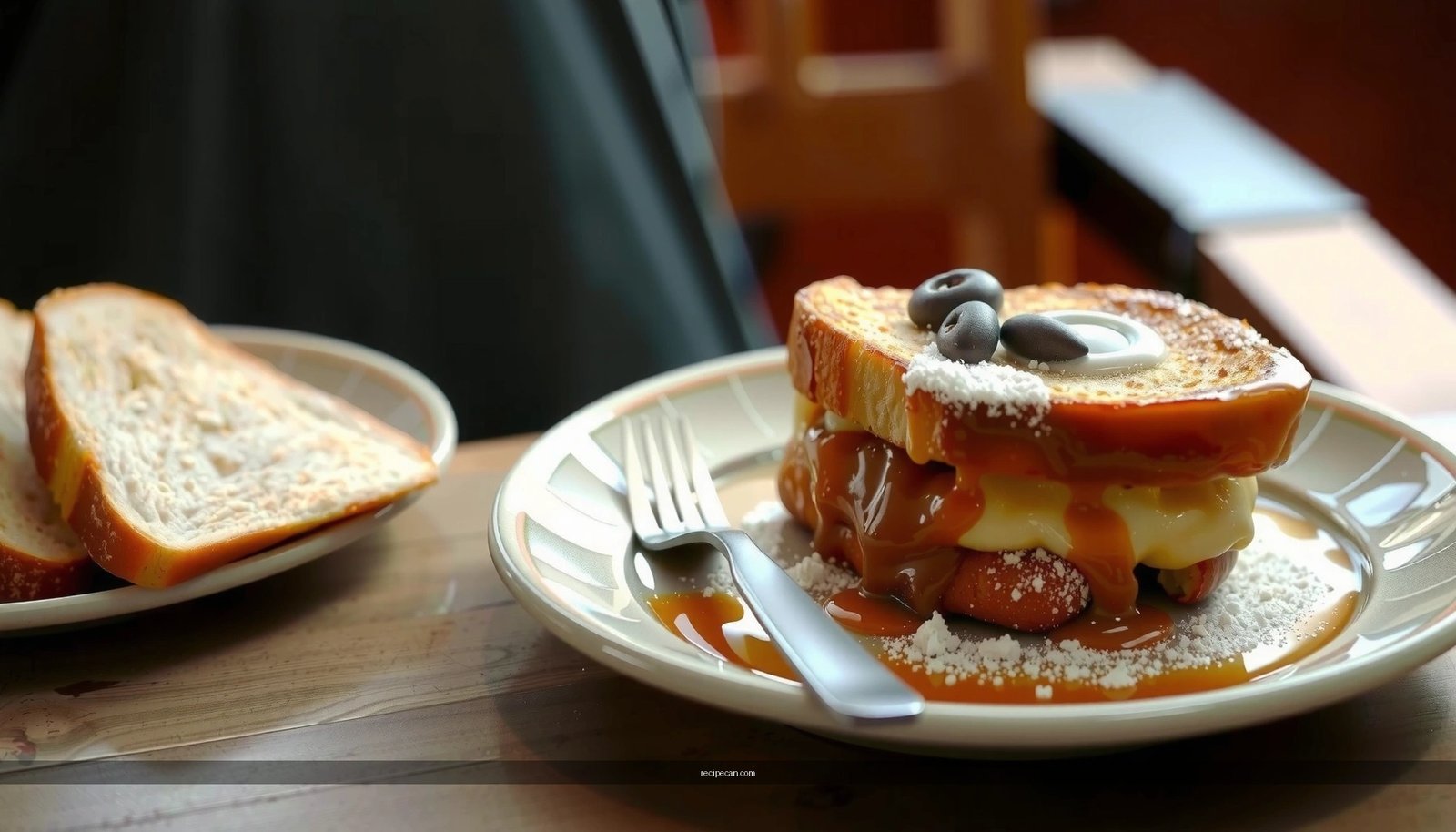
– Try variations like whipped cream, cinnamon, or chocolate drizzle
If you want a more café-style “Texas toast french toast” presentation, consider topping tiers:
– Cinnamon sugar: Sprinkle after cooking for a warm, caramelized aroma.
– Whipped cream: Adds softness—best if your goal is dessert-like breakfast.
– Chocolate drizzle: Pairs well with strawberries or banana for a crowd-pleasing contrast.
Texture-aware topping advice:
If you serve immediately, syrup can remain glossy. If you wait 5–10 minutes, dusting sugar just before serving helps preserve crispness.
Common Mistakes to Avoid
– Over-soaking can make Texas toast mushy instead of custardy
Thick bread needs saturation, not drowning. Signs of over-soaking include:
– collapsing layers,
– custard running out excessively,
– bread that feels fragile when lifted.
Fix: reduce soak time to the 25–35 seconds per side range and always allow a short drip/rest before cooking.
– Cooking too hot can brown the outside before the center sets
Many “crispy outside, raw inside” outcomes come from too-high heat. If the toast browns in under 2 minutes on the first side, your pan is likely too hot.
Fix: lower to medium or medium-low after the first side browns, and give the second side enough time to set.
Additional quality checks:
– If the crust is dark but the center is under-set, lower heat and extend cooking time.
– If the toast is pale, slightly raise heat, but keep the flip timing based on “edges set” rather than the clock alone.
Make-Ahead and Storage Tips
– Prep slices and custard ahead for faster morning cooking
Efficient breakfast is all about minimizing last-minute tasks. You can:
– whisk the custard up to 24 hours ahead (cover and refrigerate),
– slice bread or portion it (if using frozen/thawed Texas toast),
– set up a cooking station with utensils, a pan pre-coated with butter/oil, and a warm rack.
When cooking: let refrigerated custard sit at room temperature for 10 minutes so it soaks evenly.
– Store leftovers in the fridge and reheat to re-crisp
Leftover french toast can be restored when you reheat correctly. Refrigeration softens the crust; reheating must rebuild crispness.
Storage:
– cool fully, then store in an airtight container for up to 3 days.
Reheat method (best):
– reheat in a skillet over medium heat for 1–2 minutes per side, or
– use an oven at 300°F / 150°C for about 8–10 minutes on a rack.
Avoid microwave-only reheating if you care about crispness, because it steams the bread and dissolves the crust.
French toast with Texas toast is all about thick slices, the right soak time, and medium heat for a golden crust with a soft center. Follow this layout to nail the texture every time—then try your favorite toppings and serve it immediately for the best results.
At-a-glance takeaway: soak Texas toast briefly (about 25–35 seconds per side), rest it briefly before it hits the pan, and cook on medium until the edges set before flipping once. Do that, and you’ll consistently get easy, crispy-on-the-outside, custardy-on-the-inside french toast that’s ready for everything from a weekday breakfast to a weekend brunch.
Frequently Asked Questions
What is the best way to make French toast using Texas Toast?
Start by soaking thick-cut Texas Toast in a custard mixture of eggs, milk (or half-and-half), vanilla, and a pinch of salt. Let each slice soak briefly so the bread absorbs flavor without becoming soggy. Cook on a preheated skillet or griddle over medium heat until both sides are golden brown, then serve immediately with butter, syrup, or fresh fruit.
How long should I soak Texas Toast for French toast so it’s not soggy?
Because Texas Toast is thick, soak time is key—aim for about 20–30 seconds per side for a tender interior. If you prefer a softer, more custardy center, soak up to 45 seconds per side, but avoid going much longer to prevent mushy French toast. For best results, let the soaked slices rest 1–2 minutes before cooking so the custard spreads evenly.
Which egg-and-milk ratio works best for French toast with Texas Toast?
A common, reliable ratio is 2 large eggs to 1/2 cup milk for each 4–6 slices of Texas Toast, along with vanilla and salt. For extra richness, use half-and-half instead of milk, or add a tablespoon of cream for a thicker custard texture. If your custard feels too thin, add a teaspoon of cornstarch or use slightly fewer milk.
Why does my French toast made with Texas Toast turn out too brown or too pale?
Too-brown French toast usually means the pan temperature is too high or the slices cook too quickly, so lower heat to medium and cook a little longer. Too-pale toast often happens when the skillet isn’t hot enough—preheat the griddle and ensure the bread cooks until you see a deep golden crust. Also patience matters: thicker Texas Toast needs a bit more time per side to cook through.
What toppings and add-ins pair best with French toast made from Texas Toast?
Classic toppings like maple syrup, powdered sugar, and butter pair perfectly with Texas Toast French toast because the thick bread holds flavor well. For add-ins, try cinnamon, nutmeg, or a splash of bourbon/rum extract in the custard for warmth, or fold in chocolate chips for a dessert-style French toast. Fresh berries, sliced bananas, or a drizzle of honey add brightness and balance the richness of the egg mixture.
References
- French toast
https://en.wikipedia.org/wiki/French_toast - https://www.bbc.co.uk/food/recipes/french_toast_66108
https://www.bbc.co.uk/food/recipes/french_toast_66108 - Google Scholar Google Scholar
https://scholar.google.com/scholar?q=texas+toast+french+toast+recipe - Google Scholar Google Scholar
https://scholar.google.com/scholar?q=french+toast+recipe+using+bread+soaked+in+egg+and+milk - Google Scholar Google Scholar
https://scholar.google.com/scholar?q=food+science+french+toast+egg+custard+frying - Google Scholar Google Scholar
https://scholar.google.com/scholar?q=optimal+egg+milk+ratio+for+french+toast - Google Scholar Google Scholar
https://scholar.google.com/scholar?q=texas+toast+french+toast+technique+thick+bread - Google Scholar Google Scholar
https://scholar.google.com/scholar?q=bread+soaking+time+effect+on+french+toast+texture - Google Scholar Google Scholar
https://scholar.google.com/scholar?q=caramelization+french+toast+sugar+cinnamon+method - Google Scholar Google Scholar
https://scholar.google.com/scholar?q=starch+gelatinization+egg+protein+coagulation+cooking+french+toast