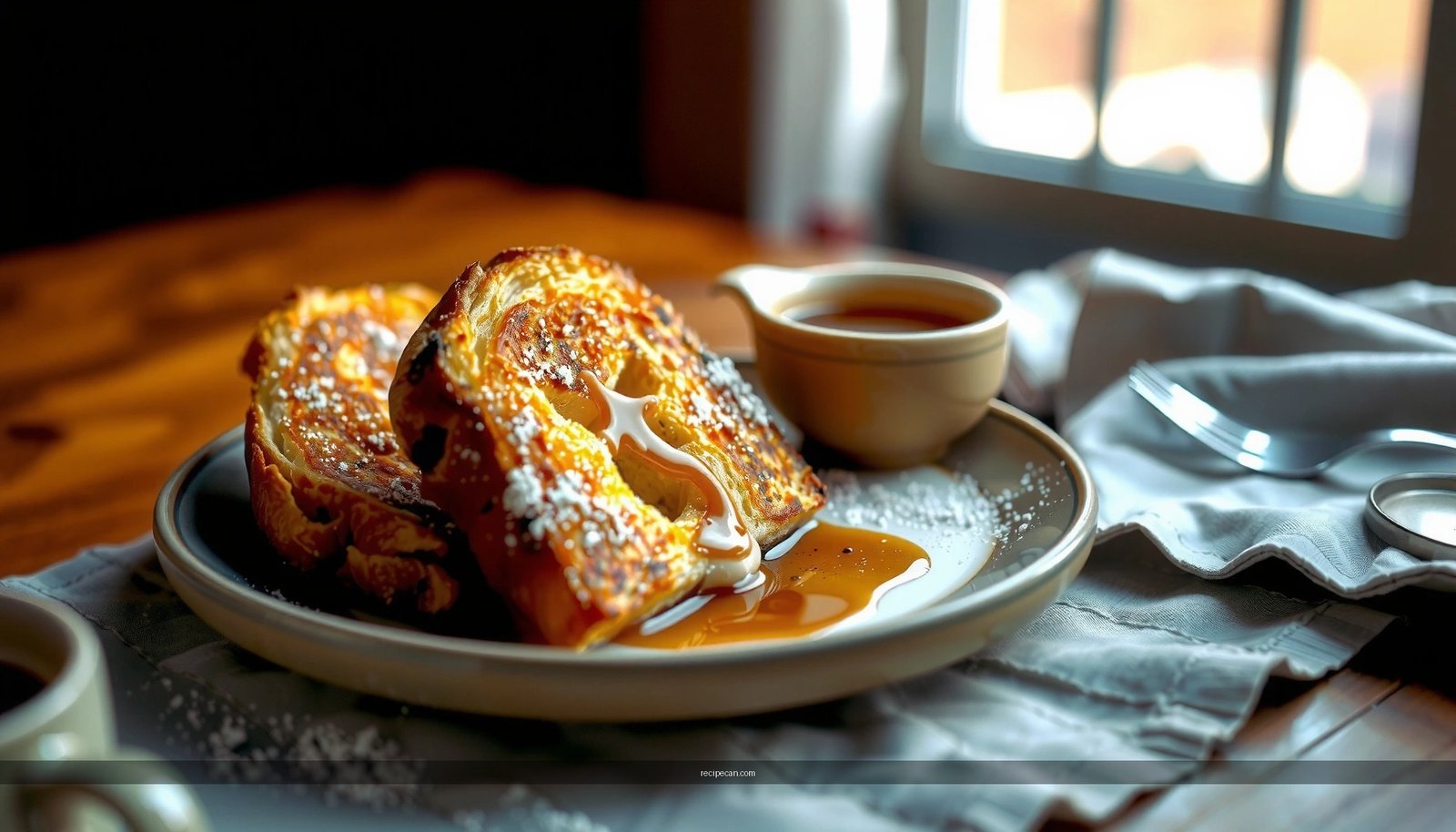
If you’re searching for the best French toast recipe with challah, this one delivers the crisp-edged, custardy center you want—every time. The thick slices soak up a rich egg-milk custard without going soggy, then turn deeply golden in the pan. It’s the clear winner for a New York–style brunch finish when you want maximum flavor from challah bread.
French toast made with challah delivers the best of both worlds—an ultra-custardy center and a crisp, golden crust—because challah’s slightly sweet, egg-rich crumb absorbs custard evenly without turning gummy. Use a short egg-and-milk (or cream) soak, cook on a preheated skillet in batches, then finish with butter and syrup for results that taste bakery-level every time.
Choose the Best Challah for French Toast
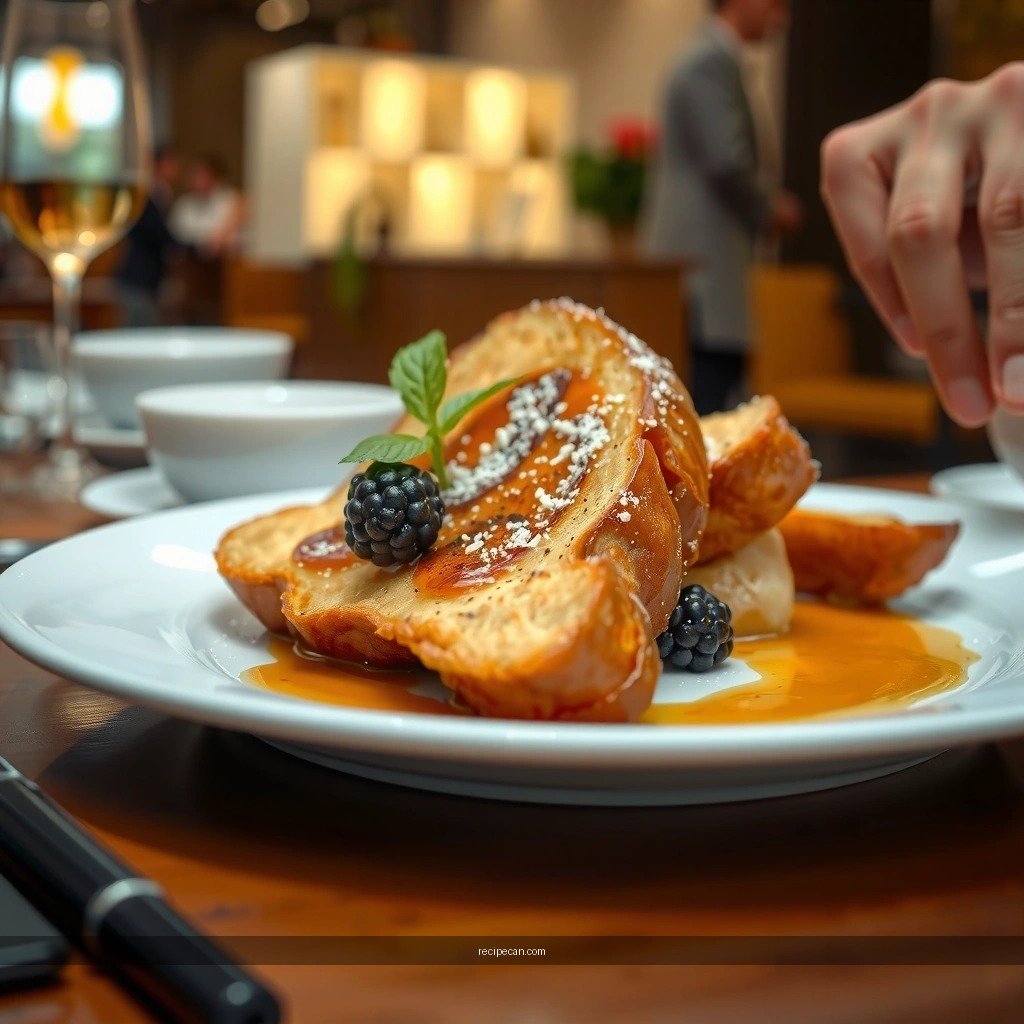
Choosing the right challah is the fastest path to “works every time” french toast. Challah is naturally soft and eggy, which means it soaks up custard efficiently and browns beautifully. However, not all loaves behave the same in the pan, so you’ll want to calibrate based on freshness.
– Use slightly stale challah for better absorption and less sogginess
Fresh challah can become overly tender when soaked; slightly stale challah (think: sliced and left uncovered overnight, or lightly dried for 20–30 minutes) has more structural integrity. That translates into custard absorption with fewer sogginess issues—especially if you’re cooking for more than one round.
– Cut into thick slices so the center stays custardy
Thick-cut slices (about 3/4 to 1 inch) create a custard “core” that stays set as the outside browns. Thin slices cook too fast on the surface, leaving the center pale or under-set.
– Consider the loaf style and crumb
For consistency, prioritize challah with an even crumb and minimal large air pockets. Very airy loaves can trap custard unevenly, leading to patches that feel dry next to custardy spots.
Custard soak and slice thickness: what to target
Think of thickness and soak time as a system. Thicker slices need a slightly longer set and more heat retention; thinner slices need a shorter soak.
Challah Style vs. Best-Use for French Toast (Practical Baking Guidance)
| # | Challah Type | Slice Thickness | Best Soak Approach | French Toast Outcome |
|---|---|---|---|---|
| 1 | Classic Egg Challah (braided) | 3/4–1 in | 20–30 sec per side | ★★★★☆ Custardy core + fast browning |
| 2 | Sweet Raisin Challah | 3/4–1 in | 18–25 sec per side (shorter) | ★★★★☆ Sweet-leaning flavor, slightly denser center |
| 3 | Whole Wheat Challah | 1 in | 20–35 sec per side | ★★★☆☆ More hearty, custard still sets well |
| 4 | Very Fresh Challah (same day) | 1 in | 10–20 sec per side | ★★★☆☆ Higher risk of sogginess if soaked long |
| 5 | Stale Classic Challah (overnight) | 3/4–1 in | 25–35 sec per side | ★★★★★ Best balance: crisp edge + set center |
| 6 | Brioche-Style Challah (rich & buttery) | 3/4–1 in | 15–25 sec per side | ★★★★☆ Great browning; custard stays luscious |
| 7 | Dense, Low-Yeast Challah | 1 in | 25–40 sec per side | ★★★☆☆ Custard can set slower—watch center |
Make the Perfect Custard Soak
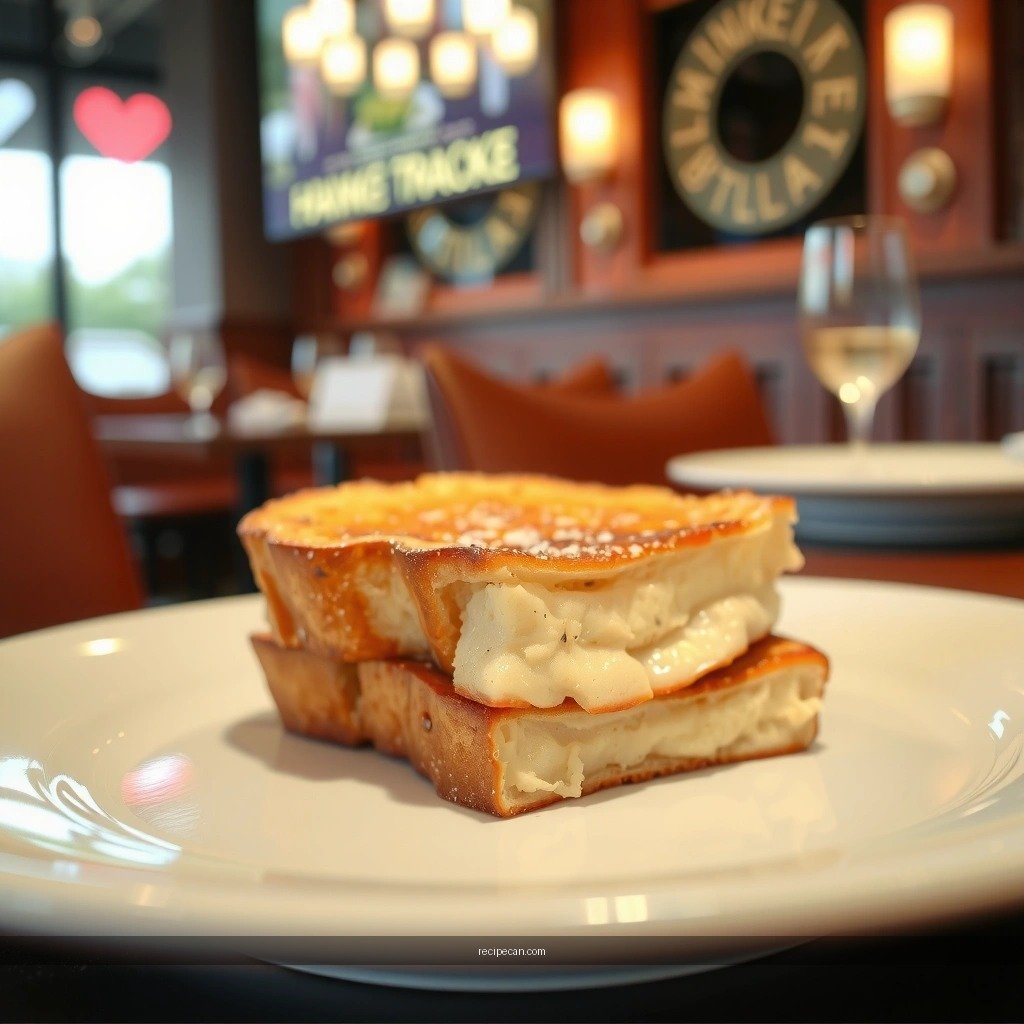
A custard soak is where “French toast with challah” earns its reputation. The goal is to saturate the bread just enough for flavor and a tender center, while preventing excess liquid from pooling in the middle.
– Whisk eggs with milk (or half-and-half), vanilla, and a pinch of salt
A dependable ratio is 1 large egg per 1/2 cup milk (or swap in half-and-half for a richer texture). Add 1/2 teaspoon vanilla extract and a pinch of salt to sharpen the sweetness and support browning.
– Soak each slice briefly, then let it drip to avoid excess sogginess
Instead of soaking for minutes, aim for 20–30 seconds per side for thick slices. Then place the soaked bread on a rack or in a colander for 10–20 seconds. This short drip phase is a small step that has outsized impact: it keeps custard from running off into the pan where it can steam the toast.
– Use a practical thick-to-custard balancing method
If you’re using very thick slices, consider soaking a little longer (up to ~35 seconds per side). If the challah is very fresh, reduce soak time (10–20 seconds per side) and rely more on heat to set the custard.
– Optional: add spice—but control it
Cinnamon and nutmeg are classic, but keep them modest if you’ll be using syrup or fruit on top. A good baseline is **1/2 teaspoon cinnamon** plus **a small pinch of nutmeg** mixed into the custard. For a more aromatic breakfast, consider **orange zest** (about **1 teaspoon zest**) to complement vanilla and butter.Cook to Crispy Perfection
Cooking method matters as much as custard. Crispy edges are a result of preheating, controlling heat, and avoiding overcrowding—not luck.
– Preheat a skillet and cook in batches to keep edges crisp
Use a skillet (nonstick or well-seasoned cast iron). Preheat over medium heat until butter sizzles gently when you tilt the pan. Work in batches so each slice has space; otherwise, the pan temperature drops and the bread steams.
– Flip once when golden, and cook until the center is fully set
Place slices in the pan and cook until the underside looks deep golden, typically 2.5–4 minutes depending on thickness and heat level. Flip once, then cook another 2–3 minutes until the center feels set and slightly springy.
– How to verify “fully set” without cutting
Press lightly with a spatula—custard should not feel liquidy. If your slices are thick and the center is still soft, lower the heat slightly and give them an additional 30–60 seconds per side, rather than increasing heat (which browns the outside before the inside cooks).
– Add butter strategically
Butter contributes flavor and browning, but too much fat can burn. Use 1–2 tablespoons for the first batch, then wipe or adjust between batches if the pan becomes dark.
Add Flavor and Sweet Toppings
Once your challah French toast is crisp on the outside and custardy in the middle, the toppings should amplify—not overpower—the bread’s natural richness.
– Upgrade with cinnamon, nutmeg, or a splash of orange zest
You can incorporate spices into the custard (for even flavor) or sprinkle on the toast after cooking (for a more pronounced aroma). Orange zest pairs particularly well with vanilla and maple syrup.
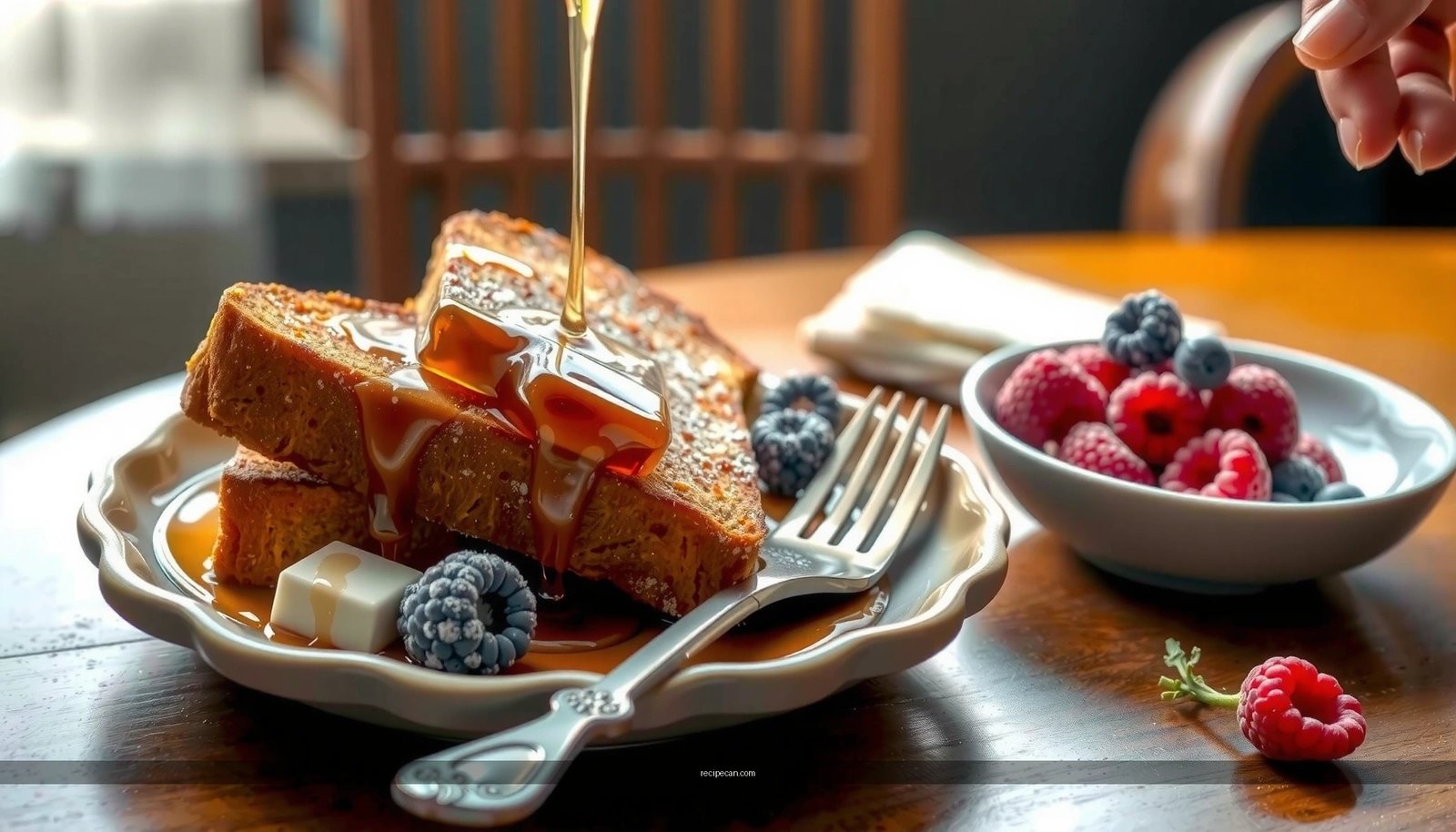
– Top with maple syrup, powdered sugar, berries, or whipped cream
For a classic profile, serve with maple syrup and a dusting of powdered sugar. For a more “bakery” plate, add:
– Fresh berries (strawberries, blueberries, raspberries) for acidity and visual contrast
– Whipped cream for a softer, dessert-like finish
– Toasted nuts (pecans or walnuts) if you want added crunch and structure
– Professional plating idea for entertaining
Stack 2–3 slices per plate, then drizzle syrup in a controlled line rather than soaking the stack. Finish with berries and a light dusting of powdered sugar so the crust stays crisp for longer.
Serve Hot and Store for Later
French toast is best right after cooking because the crust is crispest and the custard is at its most appealing texture—warm, tender, and set.
– Serve immediately for the best texture and flavor
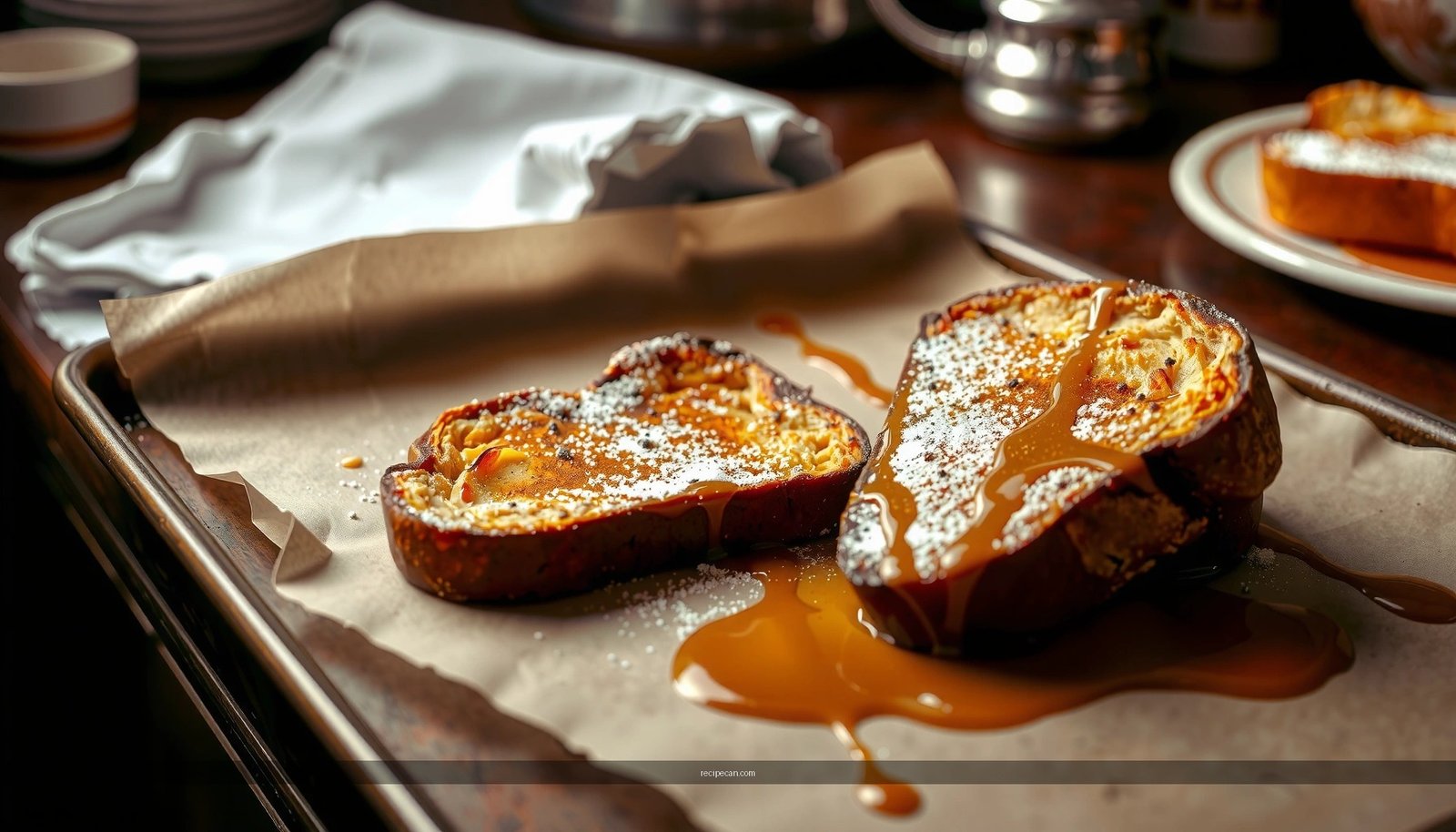
Plan your cooking so plates are ready before the first batch comes off the pan. Keep cooked slices warm on a sheet pan in a 200°F / 95°C oven while finishing the rest. Avoid leaving them covered too long; steam will soften the crust.
– Store leftovers airtight and reheat in a toaster oven or skillet
Cool leftovers completely, then store in an airtight container for up to 2–3 days. Reheat in a toaster oven or skillet:
– Toaster oven: 350°F / 175°C for 6–10 minutes
– Skillet: low-medium heat for 1–2 minutes per side
These methods restore crispness better than a microwave, which often makes the bread chewy or wet.
– If you’re meal prepping
You can cook slightly before your serving window and reheat quickly, but keep the reheating time short to protect the custard set.
Common Mistakes to Avoid
Even simple recipes fail when a few fundamentals get ignored. Use these troubleshooting points to reliably achieve the “easy, crispy, and custardy” result.
– Don’t soak too long—custard will turn watery
Over-soaking is the quickest route to soggy french toast. If custard pools or the slices fall apart, reduce soak time by 5–10 seconds per side next batch and let the slices drip before cooking.
– Avoid overcrowding the pan, which can steam the slices instead of browning
Crowding lowers the skillet temperature. If the toast is pale after flipping, it’s often a heat management issue. Cook fewer slices per batch and give the pan time to recover between them.
– Heat that’s too low prevents custard from setting
Low heat may produce light color and a soft center. Conversely, very high heat can burn butter and create an overly browned shell. Aim for steady medium heat and adjust slightly based on your skillet’s behavior.
– Cut thickness mismatch
If slices vary in thickness, they’ll cook at different rates. Try to keep your cuts consistent—especially when aiming for a custardy center.
Enjoy your French toast recipe with challah by using thick-cut slices, a well-balanced custard soak, and high-heat pan cooking for that signature crispy-golden finish. Try it this weekend, and if you want, experiment with your favorite spices and toppings for your own perfect challah French toast.
When executed with the right bread, brief soaking, and disciplined skillet heat, French toast with challah becomes one of those reliable breakfasts that always looks and tastes intentional. Prioritize thick slices, let custard drip before cooking, and flip only once once the underside is golden—then you’ll consistently get the custardy interior and crisp exterior that people associate with bakery-style brunch.
Frequently Asked Questions
What’s the best French toast recipe using challah?
The best French toast recipe with challah uses thick slices and a custard-style soak so the bread stays creamy inside. Whisk eggs, milk or half-and-half, vanilla, cinnamon, and a pinch of salt, then soak challah for about 20–30 seconds per side (or longer if you like it custardy). Cook in a butter-oil blend over medium heat until golden brown, then serve immediately with maple syrup and fresh fruit.
How do you make French toast with challah without it becoming soggy?
Use challah that’s slightly stale or toasted lightly beforehand, because fresh bread can absorb too much custard. Keep the soak time short—aim for 20–30 seconds per side—or just spoon custard over the top and let it rest briefly. Cook on medium heat and let excess egg mixture drain before placing it in the pan so your French toast recipe stays crisp and not wet.
Why does challah French toast taste better than bread made with regular sandwich loaves?
Challah is enriched with eggs and often has a naturally sweet, tender crumb, which creates a richer custard flavor when soaked. Its structure holds up well during cooking, helping French toast develop a custardy center with a golden exterior. That’s why many people prefer challah for an elevated “French toast recipe challah” result.
Which custard ratio works best for French toast made from challah?
A reliable ratio is about 3 large eggs to 1 cup of milk (or half-and-half) plus 1–2 teaspoons vanilla and 1–2 teaspoons cinnamon, depending on sweetness. If you want thicker French toast, slightly reduce the milk or add a tablespoon of cream. For even better results with challah, whisk thoroughly and let the batter sit 5 minutes so the custard is evenly flavored before dipping.
How can you get the perfect golden-brown crust on challah French toast?
Cook on medium heat and use a mix of melted butter and a neutral oil to prevent burning while still achieving browning. Avoid overcrowding the pan so each slice gets proper contact and even heat, and flip only once when the bottom is deeply golden. If your French toast recipe is browning too fast, lower the heat; if it’s pale, increase time slightly rather than raising the temperature too high.
References
- Google Scholar Google Scholar
https://scholar.google.com/scholar?q=french+toast+recipe+challah - Google Scholar Google Scholar
https://scholar.google.com/scholar?q=challah+french+toast+egg+soak - Google Scholar Google Scholar
https://scholar.google.com/scholar?q=french+toast+challah+milk+custard - Google Scholar Google Scholar
https://scholar.google.com/scholar?q=challah+egg+bread+toasting+french+toast - Google Scholar Google Scholar
https://scholar.google.com/scholar?q=french+toast+technique+egg+soaking+bread+selection - Google Scholar Google Scholar
https://scholar.google.com/scholar?q=bread+absorption+egg+mixture+french+toast+challah - French toast
https://en.wikipedia.org/wiki/French_toast - Challah
https://en.wikipedia.org/wiki/Challah - https://www.britannica.com/topic/French-toast
https://www.britannica.com/topic/French-toast - Challah | Bread, Origins, Judaism, Pronunciation, Sabbath, Rosh Hashana, & Facts | Britannica
https://www.britannica.com/topic/challah