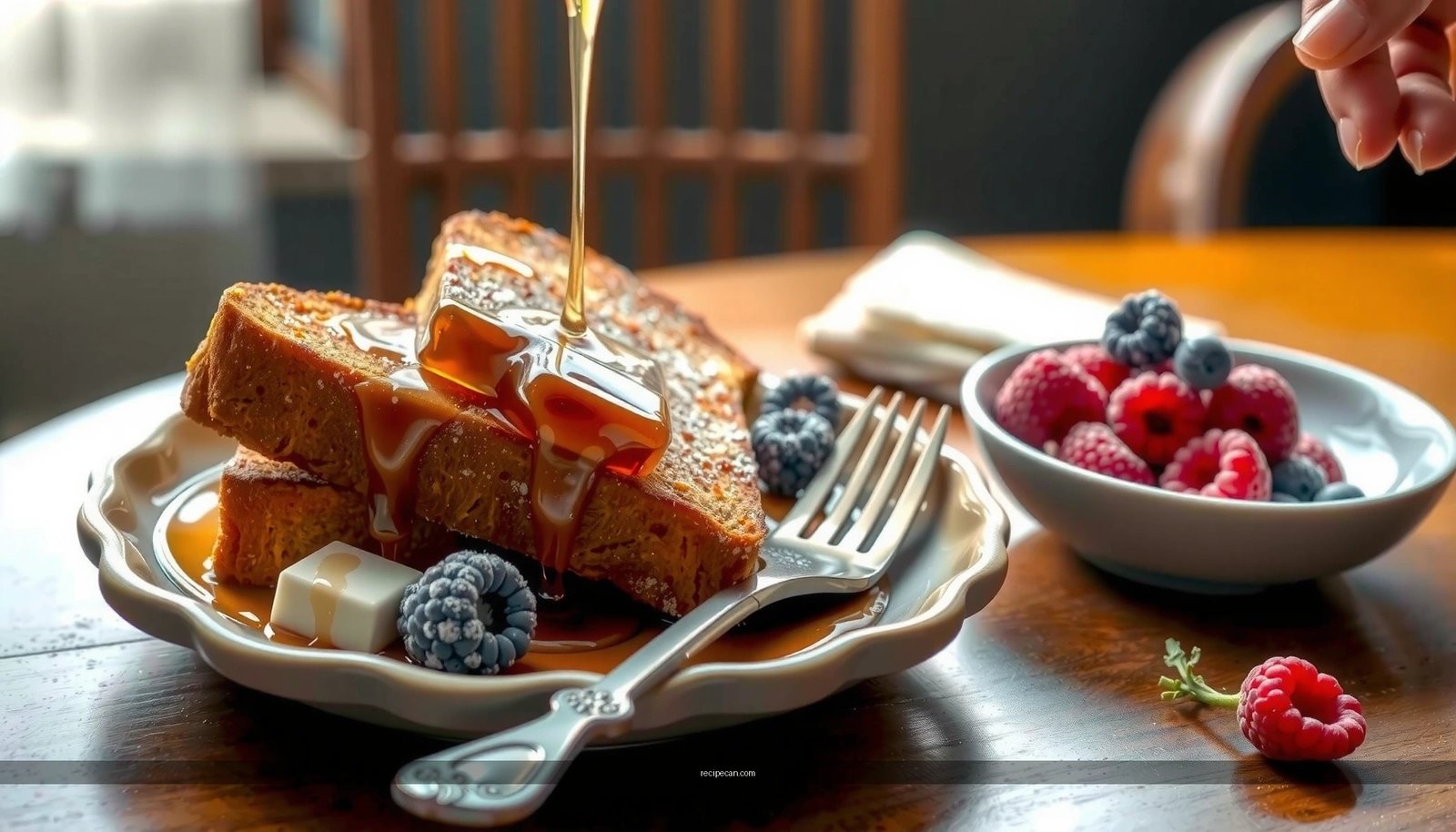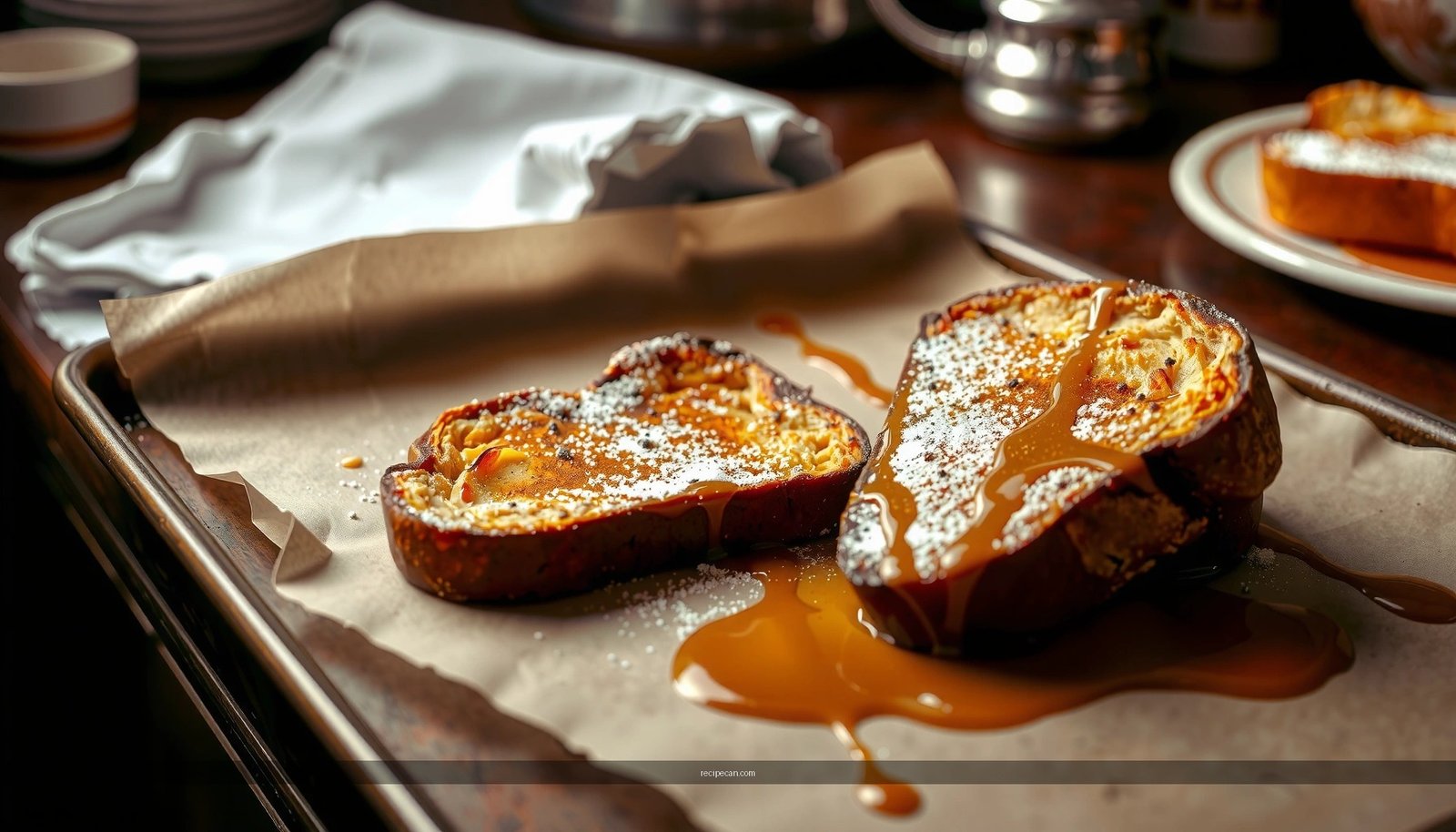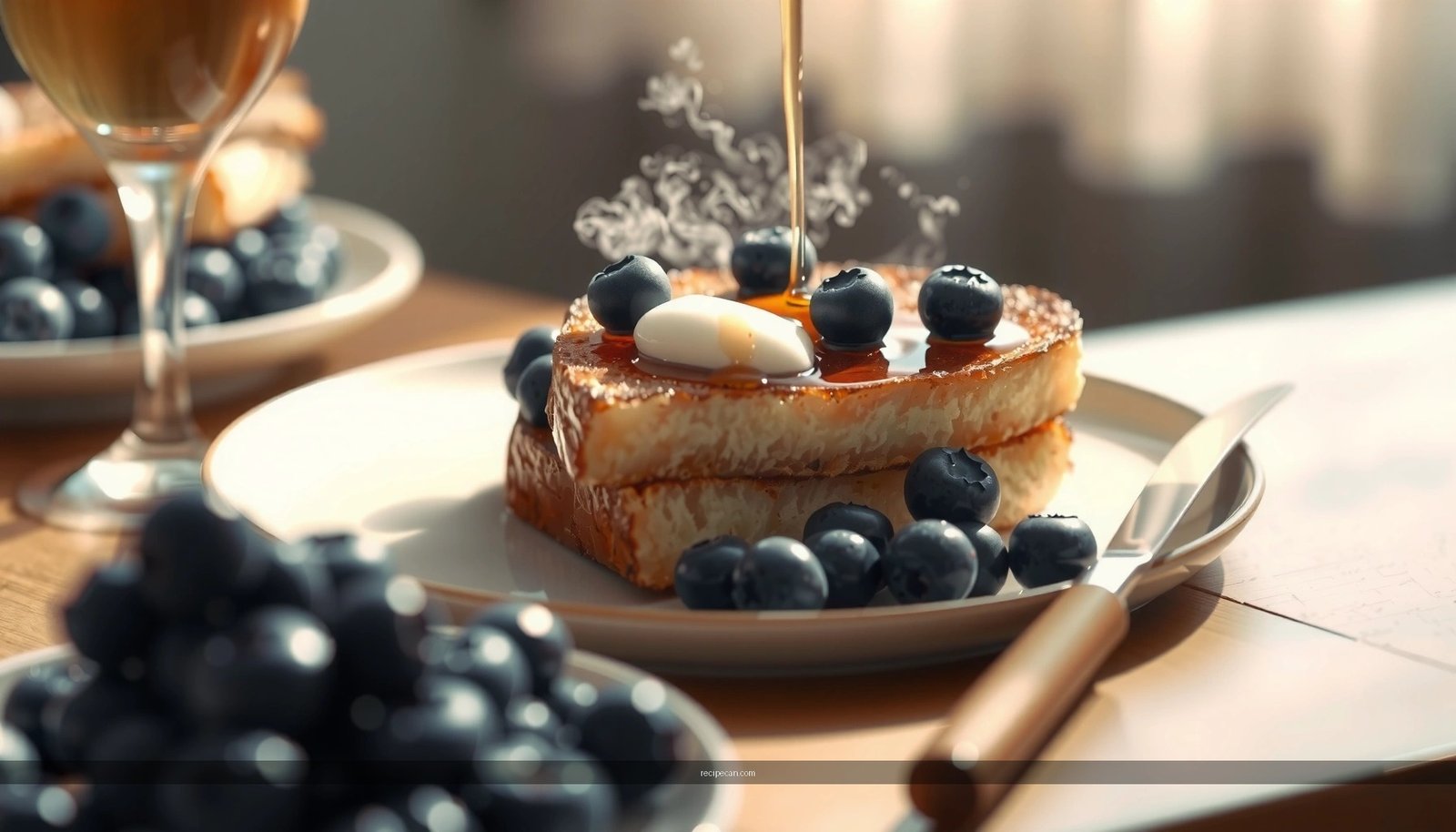
Looking for a blueberry french toast recipe that comes out fluffy, sweet, and easy every time? This recipe delivers crisp, golden French toast loaded with juicy blueberries and a perfectly custardy center—no complicated steps required. You’ll get a clear method for pan-to-plate results, plus simple timing so it’s ready for breakfast or brunch without guesswork.
Blueberry French toast is easiest when you soak thick slices briefly in a smooth egg-milk custard, pan-fry until golden, and finish with bright fresh (or quick-simmered) blueberries. This recipe gives you the exact batter method, cook timing, and topping options so you get a fluffy center without soggy bread—or bland berries.
Ingredients for Blueberry French Toast
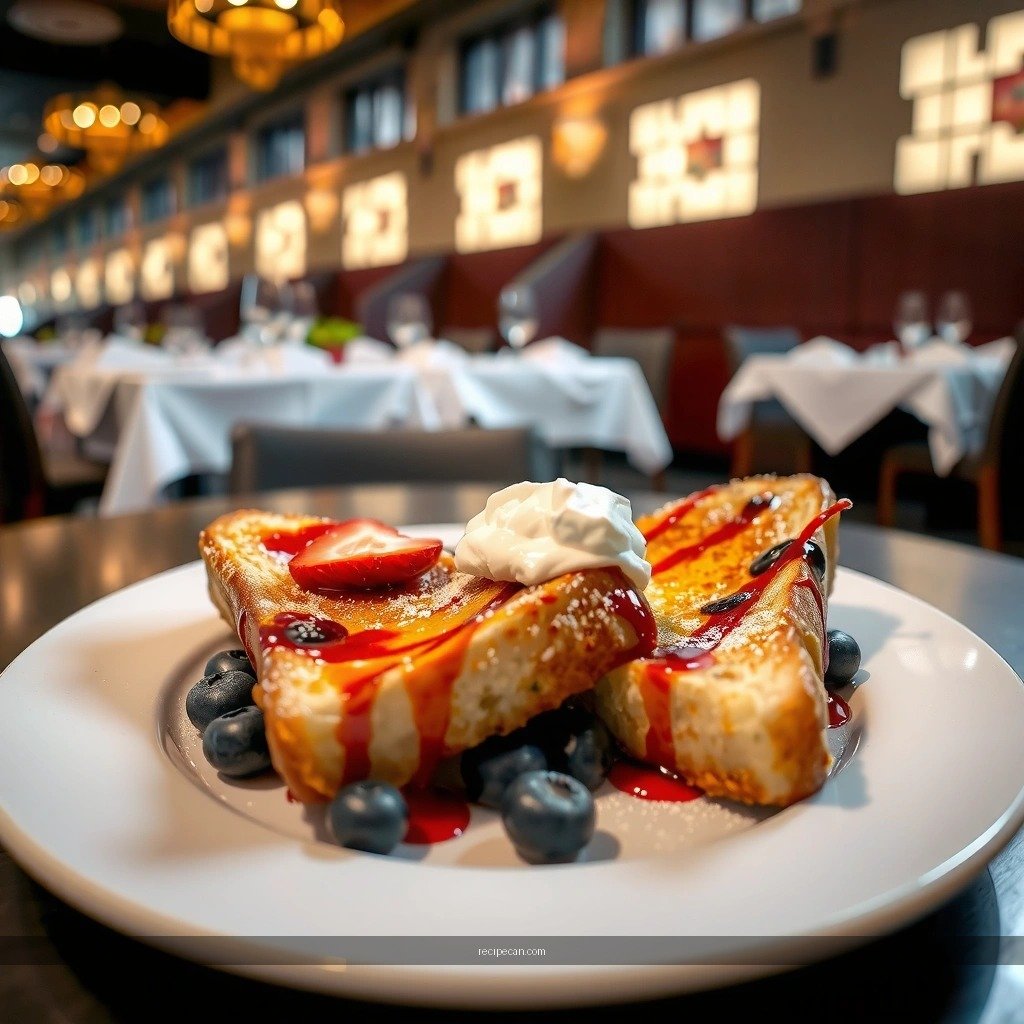
– Bread, eggs, milk (or cream), vanilla, cinnamon, and butter
– Blueberries (fresh or frozen) plus optional sugar and lemon
A classic blueberry French toast setup balances three things: custard absorption, surface browning, and berry moisture control. For best results, choose bread that can “drink” the egg-milk mixture without collapsing (thick-cut brioche or sturdy bakery sandwich bread works especially well). Use milk for a classic custard; swap in half-and-half or part of the cream for a richer, more “custard-forward” bite.
Berries: fresh blueberries deliver a cleaner, more “juicy burst” flavor. Frozen berries are perfectly acceptable—just plan for extra liquid and consider simmering them briefly with sugar and lemon to create a glossy topping.
Optional sweeteners: if your blueberries are tart, a small amount of sugar in the simmer will round out the flavor; if they’re already sweet, keep it simple and rely on vanilla and cinnamon.
Bread Type Impact on Fluffy Blueberry French Toast (Best For: Custard Hold)
| # | Bread Type | Cut Thickness | Recommended Soak | Overall Outcome |
|---|---|---|---|---|
| 1 | Brioche | 1 in (2.5 cm) | 30–45 sec/side | ★★★★★ |
| 2 | Challah | 3/4–1 in | 35–50 sec/side | ★★★★☆ |
| 3 | French bread (day-old) | 3/4–1 in | 45–60 sec/side | ★★★☆☆ |
| 4 | Sourdough | 3/4–1 in | 40–55 sec/side | ★★★☆☆ |
| 5 | Texas toast (thick sandwich bread) | 1–1.25 in | 25–35 sec/side | ★★☆☆☆ |
| 6 | White sandwich bread | 1/2–3/4 in | 15–25 sec/side | ★☆☆☆☆ |
| 7 | Angel food cake | Thin slices | 10–15 sec/side | ☆☆☆☆☆ |
How to Make the French Toast Batter
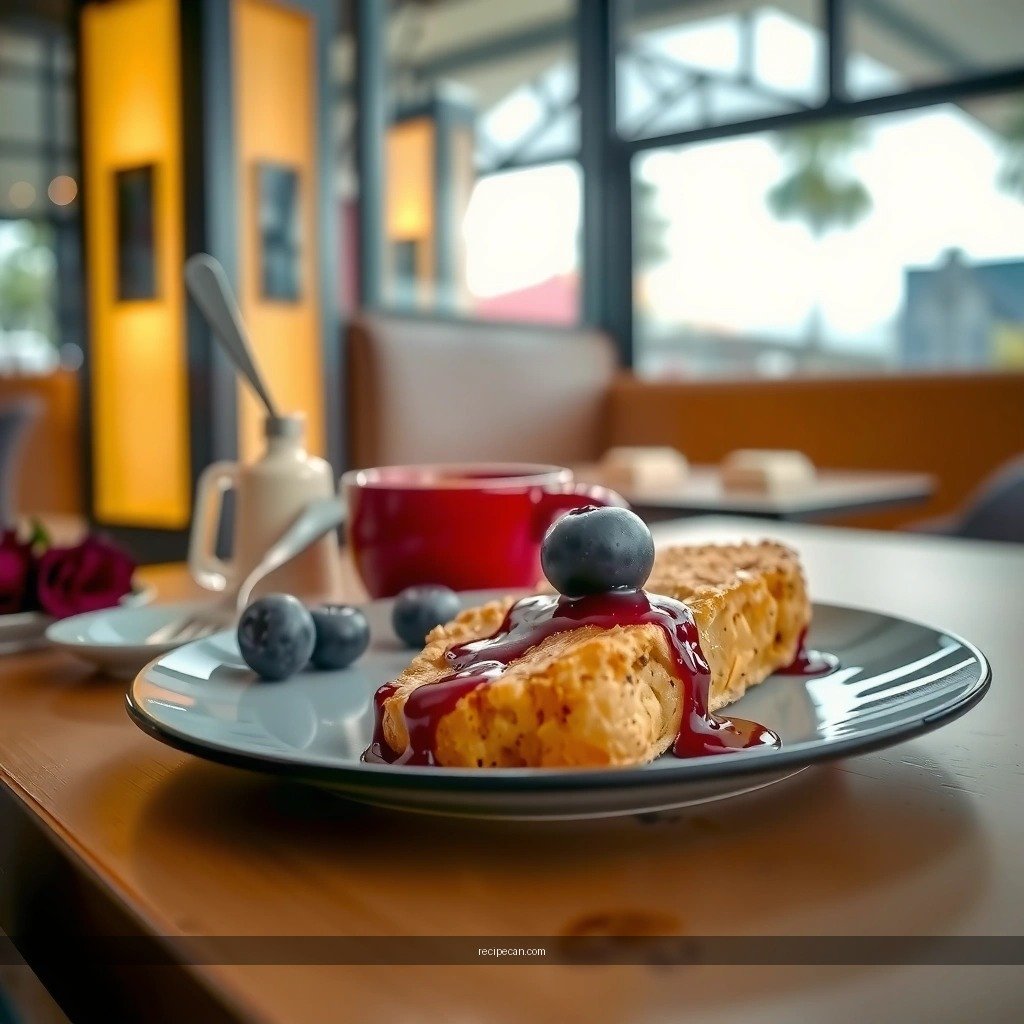
– Whisk eggs, milk, vanilla, and cinnamon until smooth
– Soak bread briefly (don’t oversoak) for tender, not soggy, toast
Start by making the custard batter with thorough whisking. You’re not just mixing for flavor—you’re ensuring consistent protein structure. Even small clumps of egg can create uneven “wet spots” that don’t set properly on the skillet.
Batter method (critical for fluffiness):
1. Whisk eggs + milk (or cream) + vanilla + cinnamon until fully smooth.
2. Use a shallow bowl or baking dish so bread can contact the custard evenly.
3. Heat the pan while the batter rests briefly—this helps your cooking time stay consistent.
Soak timing: the fastest path to tender centers.
French toast can go from fluffy to gummy when bread is oversoaked. Aim for absorption with integrity: the bread should look slightly saturated but still hold its shape.
– For 1-inch brioche or challah, soak 30–45 seconds per side.
– For thinner bread (3/4 inch), soak 25–40 seconds per side.
– If using day-old crusty bread, soak a bit longer (45–60 seconds per side) since it absorbs more slowly.
Operational tip: after soaking, let excess custard drip off for 5–10 seconds. This reduces pooling in the pan and supports that crisp, golden exterior.
Cooking the French Toast to Perfect Crisp
– Pan-fry on medium heat until browned on both sides
– Use butter in batches to keep the crust evenly golden
Cooking is where most home versions lose quality—either browning happens too fast (dry edges, cold center) or the bread steams (pale, soft crust). The solution is medium heat + patience + batch cooking.
Pan-fry process (timing and technique):
1. Melt butter in a skillet over medium heat (not medium-high).
2. Place soaked bread in the pan and cook 3–5 minutes per side, depending on thickness and how your burner behaves.
3. Flip once the first side is deep golden and releases easily.
4. Repeat with remaining slices, adding butter as needed.
Why medium heat matters:
Egg-based custards set more gently at moderate temperatures, which produces a fluffy interior instead of a rubbery one. If the skillet is too hot, the outside can brown while the custard inside remains under-set.
Batching ensures even crust:
– Don’t crowd the pan. Crowding traps steam and prevents browning.
– If you need to cook multiple batches, wipe the pan lightly and add fresh butter each time. This prevents burnt milk solids from turning the crust bitter.
“Done” check (professional cue):
Look for a golden crust and a slight spring when pressed gently. If you cut one open and the center looks wet, lower heat and cook 1–2 minutes longer per side.
Adding Blueberries (Fresh vs. Simmered)
– Fresh blueberries: fold in lightly or spoon on top at serving
– Simmered blueberries: cook with a little sugar (and lemon) for syrupy topping
Blueberries bring two very different moisture behaviors. Handling them correctly determines whether the plate looks glossy or becomes watery.
Fresh blueberries (clean, bright finish)
Fresh berries are ideal when you want a **juicy burst** without added syrup. Two reliable approaches:– Spoon on top at serving: cook French toast first, then add berries so they don’t leak into the toast.
– Lightly fold in warm berries: if your skillet is still warm, you can briefly toss berries with a teaspoon of sugar and let them sit 1 minute before topping. Keep this short to preserve their shape.
Best practice: Serve with maple syrup separately—or use a light drizzle—so blueberry juices don’t dilute the custard flavor.
Simmered blueberries (restaurant-style berry syrup)
Simmering is the best option if you’re using frozen blueberries or if you want a cohesive, spoonable topping.
Quick simmer strategy (fast and controlled):
1. Add blueberries to a small saucepan with a splash of water.
2. Add a small amount of sugar (start with about 1–2 teaspoons per cup of berries).
3. Add a squeeze of lemon to brighten and balance sweetness.
4. Simmer 5–8 minutes, stirring occasionally, until the berries burst and the juices thicken.
When to use:
– Frozen berries often need simmering to cook through and reduce excess liquid.
– Simmered topping pairs exceptionally well with thick brioche French toast.
Timing for best texture:
Let the berries cool slightly (2–3 minutes). Very hot syrup can soften the crust; lukewarm topping clings better.
Serving Ideas and Storage Tips
– Serve with maple syrup, whipped cream, or extra cinnamon
– Store leftovers in the fridge and reheat in a toaster/oven for best texture
Serving ideas that elevate the flavor profile:
– Maple syrup + blueberries: classic and balanced. Drizzle lightly so the custard remains distinct.
– Whipped cream or crème fraîche: adds a tangy richness that complements lemony berry notes.
– Extra cinnamon: sprinkle just before serving for aroma.
Built-in professional pacing:
If you’re cooking for brunch, hold finished French toast in a low oven (around 200°F / 95°C) on a wire rack for 10–15 minutes while you simmer blueberries. Serving a “rested” batch helps moisture redistribute without turning the crust soft.
Storage (so your leftovers stay good, not soggy):
– Store cooled French toast in an airtight container in the fridge for up to 3 days.
– Reheat in a toaster, toaster oven, or conventional oven at 350°F / 175°C for 6–10 minutes.
– Avoid microwaving when possible—microwaves reintroduce steam and soften the crust.
Reheating berries:
– Fresh blueberries are best served cold or room temperature.
– Simmered blueberries can be reheated gently on the stove, adding a teaspoon of water if they thicken too much.
Blueberry French toast is quick to make: soak, pan-fry, then top with bright, juicy berries. Follow the batter and cook-time guidance for a fluffy center, and choose fresh or simmered blueberries based on the texture you want—fresh for a clean burst, simmered for a glossy, syrupy finish. Make a batch for breakfast tomorrow, and you’ll have an easy, repeatable brunch standard that consistently delivers golden crust, custard tenderness, and sweet-tart blueberry flavor.
Frequently Asked Questions
What is the best blueberry French toast recipe for crispy outside and fluffy inside?
Start with thick-sliced bread like brioche or challah so the centers stay custardy while the edges crisp. Whisk eggs with milk (or half-and-half), a little vanilla, cinnamon, and salt, then soak the bread just long enough to absorb without falling apart. Cook in a preheated skillet or griddle over medium heat with butter, then top with warmed blueberries and a quick syrup to keep the blueberry French toast flavorful.
How do you keep French toast from getting soggy when adding blueberries?
Prepare your blueberry topping separately and keep it slightly thick—simmer blueberries briefly with a small amount of sugar or cornstarch slurry until glossy, then cool a bit. Avoid soaking the bread too long; dip quickly and let excess custard drip off before cooking. If you’re adding fresh blueberries at the end, sprinkle them after the French toast is plated so the juices don’t soak the bread.
Why do some people soak bread overnight for blueberry French toast, and is it necessary?
Overnight soaking can help achieve a deeply custardy center because the egg mixture fully penetrates the bread. However, it’s not always necessary—thick bread and a short soak (usually 20–60 seconds per side) often deliver the right texture without risking mushiness. If you prefer a firmer bite, use a shorter soak and cook promptly for the best blueberry French toast results.
Which bread works best for French toast when making a blueberry breakfast?
Brioche and challah are top choices because they’re rich and hold custard well, giving you tender, golden blueberry French toast. Sourdough can work for a more rustic texture, but choose thicker slices and keep the soak shorter to prevent sogginess. If using day-old white bread, toast lightly first and consider adding a bit more custard or using half-and-half for extra richness.
How do you make a quick blueberry topping for French toast without runny syrup?
Simmer blueberries with a touch of sugar and lemon juice, then cook until they release their juices. For a thicker topping, stir in a small cornstarch slurry (cornstarch mixed with cold water) and simmer briefly until the sauce coats a spoon. Finish with butter and a pinch of cinnamon for a bakery-style blueberry French toast topping that stays spoonable.
References
- Google Scholar Google Scholar
https://scholar.google.com/scholar?q=blueberry+french+toast+recipe - Google Scholar Google Scholar
https://scholar.google.com/scholar?q=french+toast+blueberry+topping - Google Scholar Google Scholar
https://scholar.google.com/scholar?q=blueberries+in+cooking+french+toast - French toast
https://en.wikipedia.org/wiki/French_toast - Blueberry
https://en.wikipedia.org/wiki/Blueberry - https://www.bbc.co.uk/food/recipes/blueberry_french_toast_73825
https://www.bbc.co.uk/food/recipes/blueberry_french_toast_73825 - https://www.nytimes.com/search?query=blueberry%20french%20toast
https://www.nytimes.com/search?query=blueberry%20french%20toast - https://www.theguardian.com/search?q=blueberry%20french%20toast
https://www.theguardian.com/search?q=blueberry%20french%20toast - https://www.britannica.com/topic/French-toast
https://www.britannica.com/topic/French-toast - blueberry french toast recipe – Search results
https://en.wikipedia.org/wiki/Special:Search?search=blueberry+french+toast+recipe