Get the best French toast recipe that delivers easy, crispy, golden slices without fuss. This guide answers whether you can achieve restaurant-style crunch at home—using a simple egg-and-milk soak and the right pan heat to lock in crisp edges. In under an hour, you’ll have French toast that’s consistently delicious, not soggy.
French toast is easy to get right: soak sturdy bread in a simple egg-and-milk custard, then pan-fry on medium heat until the outside is golden and the center stays tender. With the right bread choice, custard ratios, and a few controlled cooking steps, you can consistently produce crispy edges and a creamy interior—whether you’re making breakfast for two or scaling up for a crowd.
Ingredients for French Toast
Choosing the right ingredients is the fastest path to “restaurant-style” French toast without complicated technique. The goal is to build a custard that cooks evenly, coats the bread thoroughly, and supports crisping instead of steaming.
– Use sturdy bread (brioche, challah, or thick-cut sandwich bread)
French toast needs bread with structure—slightly higher fat content and better absorbency help the custard set properly. Brioche and challah are particularly forgiving because they absorb egg without collapsing. If you use sandwich bread, choose a thick-cut loaf so you get enough interior to remain soft after frying.
– Mix eggs, milk (or cream), and a pinch of salt
Eggs are the setting agent; milk (or cream) controls richness and browning. A pinch of salt improves flavor clarity, which matters because French toast often tastes “bland” when seasoning is skipped.
– Add flavor with vanilla and cinnamon (optional)
Vanilla adds a sweet, aromatic backbone; cinnamon provides a warm “breakfast” identity. Use them lightly so they don’t overpower the bread flavor—especially if your toppings are also strongly flavored (like spiced apples or cinnamon apples).
Custard guidance (for consistency): For classic, balanced French toast, aim for a ratio of roughly 1 large egg to 1/4 cup (60 ml) milk. That yields a custard that sets cleanly without becoming watery.
French Toast Bread & Custard Suitability (Practical Results)
| # | Bread Type | Best Custard Fit | Expected Crisping | Texture Risk | Overall Suitability |
|---|---|---|---|---|---|
| 1 | Brioche | Rich & absorbent | ★★★★☆ | Low | ★★★★★ |
| 2 | Challah | Balanced absorption | ★★★★☆ | Low | ★★★★★ |
| 3 | Thick-cut Sandwich Bread | Needs shorter soak | ★★★☆☆ | Medium | ★★★★☆ |
| 4 | Sourdough (Thick Slice) | Absorbs slowly | ★★★★☆ | Medium | ★★★★☆ |
| 5 | French Baguette (Stale) | Best if day-old | ★★★☆☆ | High | ★★★☆☆ |
| 6 | Pound Cake (Twist) | Sweet custard works | ★★★★★ | Low | ★★★★★ |
| 7 | Gluten-Free Sandwich Bread | Often needs shorter soak | ★★★☆☆ | Medium | ★★★☆☆ |
How to Make French Toast Batter
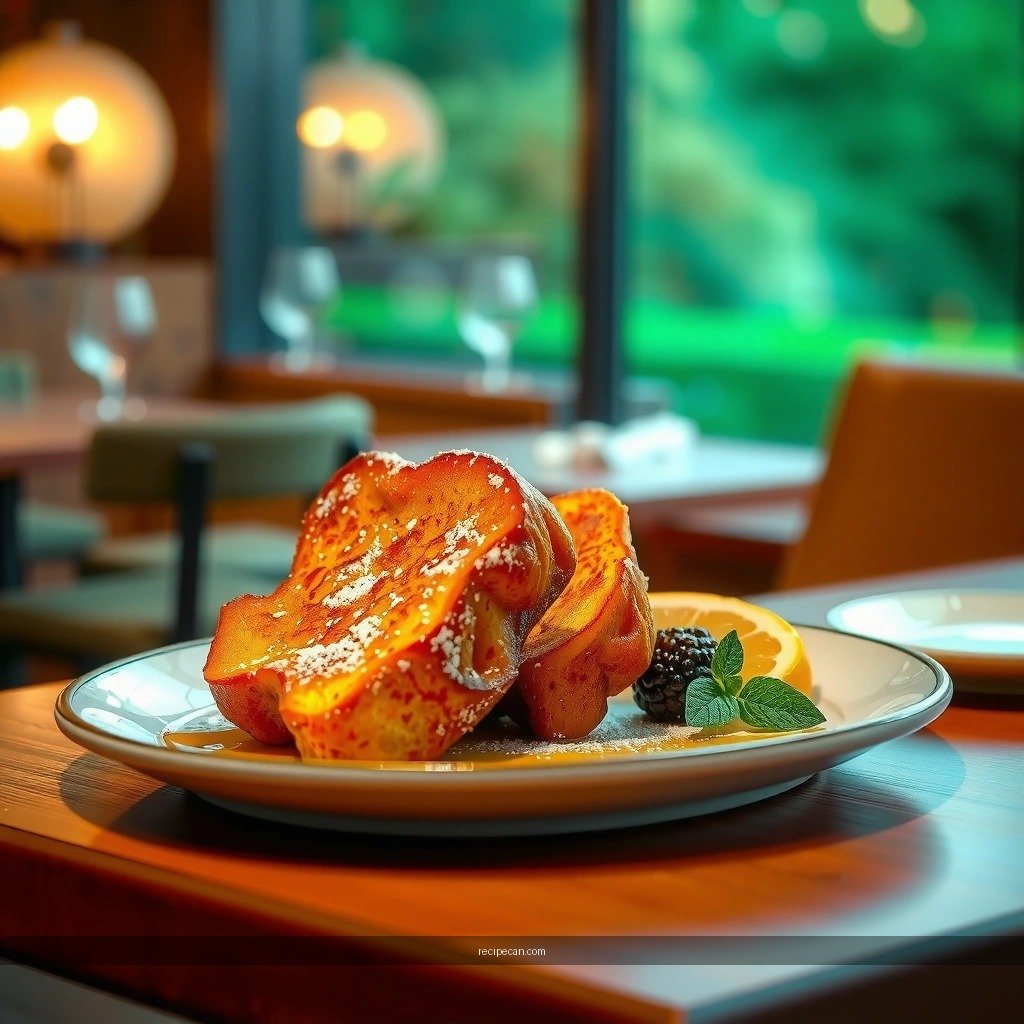
A “good” batter is really a controlled custard: smooth, evenly distributed, and capable of setting quickly on the pan. Small adjustments here determine whether you get custardy tenderness or gummy softness.
– Whisk eggs and milk until smooth and evenly combined
Start with room-temperature eggs when possible for better emulsification. Whisk thoroughly—especially the egg whites—so the custard cooks uniformly. If you’re adding vanilla and cinnamon, mix them into the custard at the same time to avoid hot spots.
– Let bread absorb the custard for a few seconds per side
The key is absorption without structural breakdown. For thick slices, aim for ~10–20 seconds per side. If the bread is day-old and sturdy, the soak can be slightly longer; if it’s fresh and delicate, shorten it. You’re looking for the surface to become saturated and slightly heavier, not soggy.
– Adjust thickness by changing milk amount or soaking time
Thicker custard (more egg and/or less milk) tends to set faster, which can improve crispness. If your French toast consistently comes out undercooked in the center, either add more custard (more egg overall) or reduce heat and extend cook time. If it turns out greasy or watery, reduce milk slightly or shorten soak time.
Analytical tip: When batter is too thin or soaking is too long, the bread behaves like a sponge—excess liquid turns to steam and prevents browning. When batter is well-proportioned and the soak is brief, you get a stable egg network that supports both browning and tenderness.
Cooking the Perfect French Toast
Pan-frying is where French toast either becomes “crispy and delicious” or ends up uneven. Control the heat, manage the fat, and flip at the right time.
– Cook on medium heat to avoid burning and ensure even cooking
Medium heat allows the custard to set before the sugars and proteins brown too aggressively. If your stove runs hot, consider reducing slightly. You should hear a gentle sizzle, not a rapid, smoking frying sound.
– Fry in butter for rich flavor, or use a mix of butter and oil
Butter adds flavor, but it can burn at higher heat. A practical approach is butter plus a neutral oil (like canola or avocado) so the butter browns more slowly while still delivering the classic taste.
– Flip once when the first side is golden and set
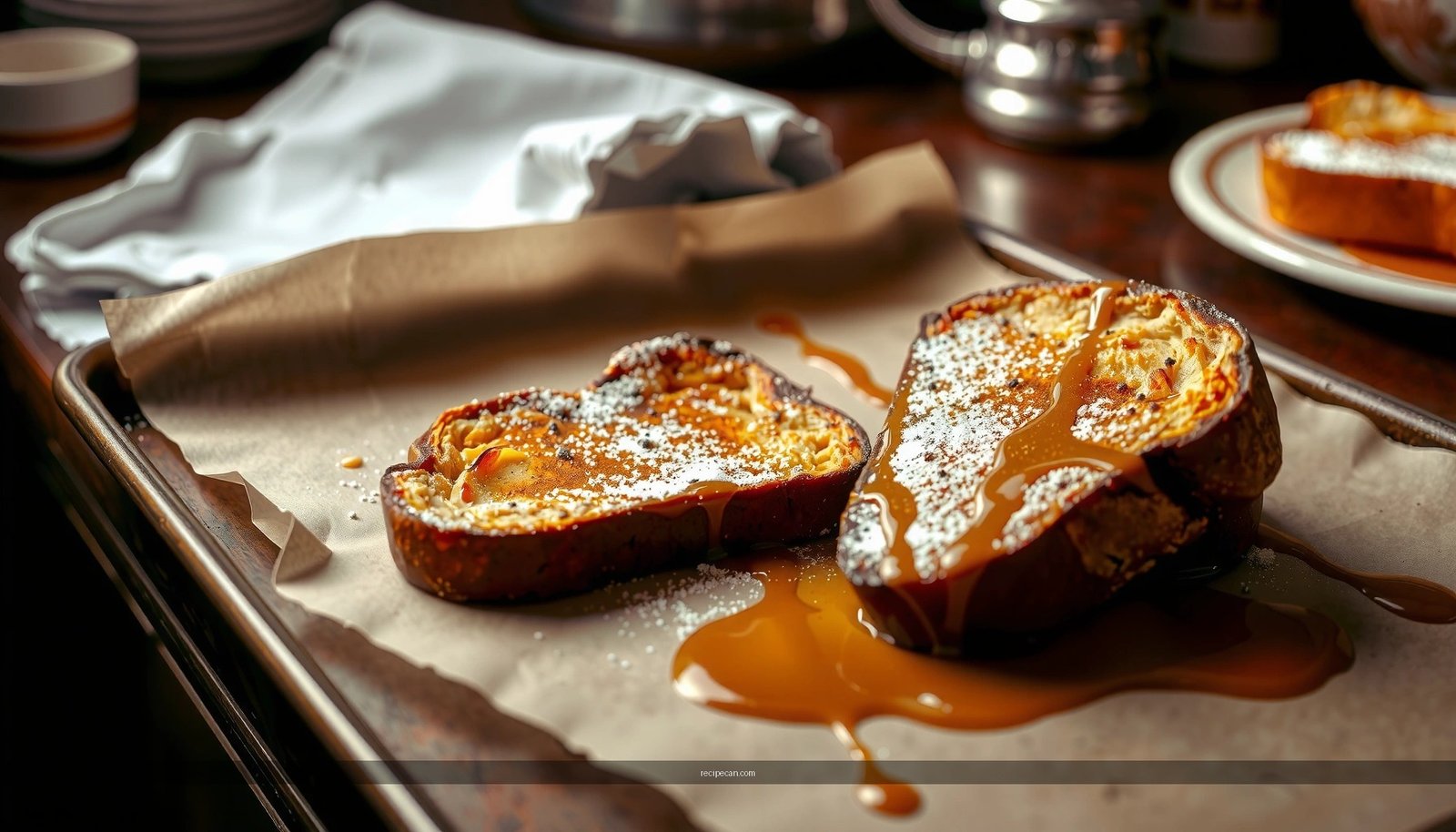
Flipping too often disrupts browning and can tear the custard crust. Wait until the first side is a consistent golden color and feels set—then flip once and cook until the second side matches.
Batch workflow (important for consistency): If you’re cooking multiple slices, keep the cooked pieces from cooling too much by warming them in a low oven instead of repeatedly re-frying them. This maintains crispness without overcooking the egg layer.
Tips for Golden, Not Soggy, French Toast
Soggy French toast is almost always a process issue: either too much moisture gets trapped, or the pan can’t maintain enough surface heat to drive browning. Use these controls to lock in crisp edges.
– Use day-old bread for best texture and less sogginess
Day-old bread has a drier structure that absorbs custard without collapsing. It also supports more uniform browning because the surface can dry slightly in the pan as the custard sets.
– Don’t overcrowd the pan—cook in batches if needed
Overcrowding drops the pan temperature, forcing the bread to steam rather than fry. Cook enough slices that you can still leave space around each one so the heat stays stable.
– Keep finished toast warm in a low oven while you cook more
A low oven (around 200°F / 95°C) keeps French toast warm while preserving the crust. Avoid wrapping in foil too early—trapped steam can soften crisp edges.
Quality control check: If you press gently on the surface with a spatula, the custard should feel springy and set—not wet or sliding. That’s your cue to stop soaking and adjust the next batch’s timing.
Toppings and Serving Ideas
Toppings are where French toast becomes personal, but they also influence the “perceived crispness” and flavor balance. Choose toppings that complement (not overwhelm) the custard.
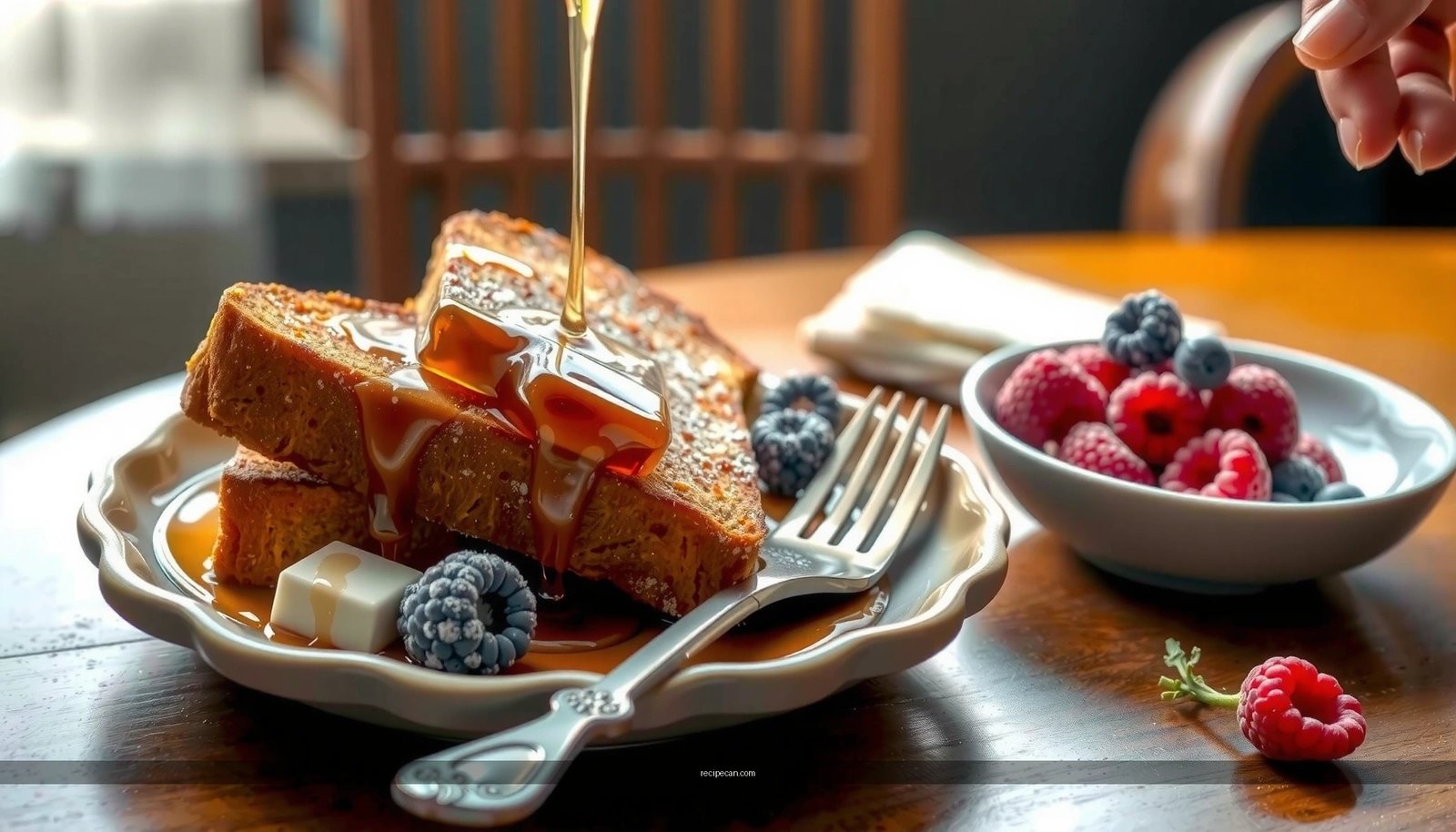
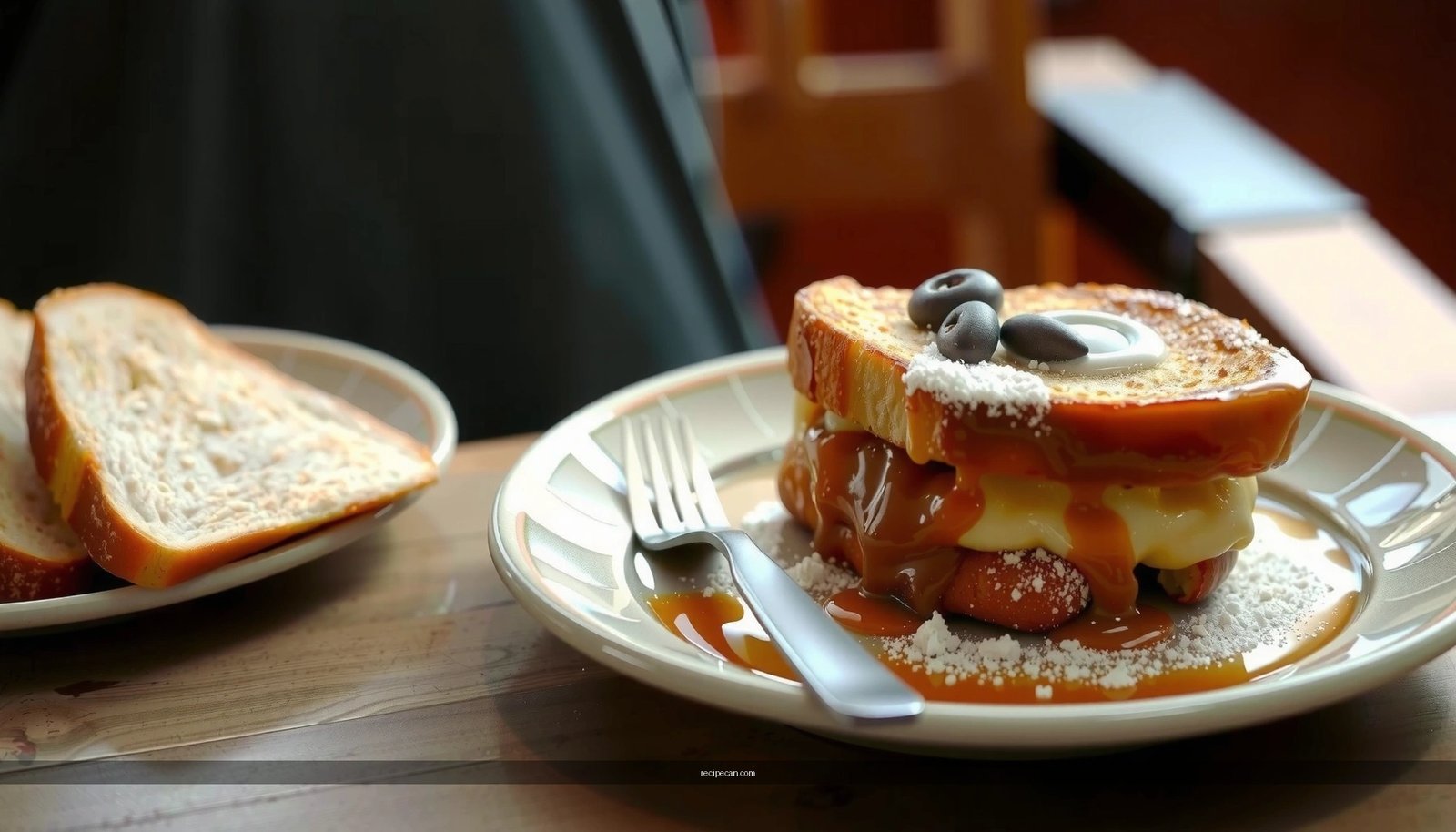
– Classic: maple syrup and powdered sugar
Use maple syrup generously, but add it after the toast finishes cooking so the crust remains crisp longer. Powdered sugar adds a bakery-style look and soft sweetness.
– Fruity: berries, sliced bananas, or cinnamon apples
Fruit brightens the dish and balances the egg richness. For bananas, slice them right before serving; for apples, cook down with butter and cinnamon for a warmer, cohesive topping.
– Savory option: butter and a sprinkle of flaky salt
Savory French toast works surprisingly well when the custard is lightly seasoned. A small amount of flaky salt elevates flavor without turning the dish into a “breakfast sandwich” vibe.
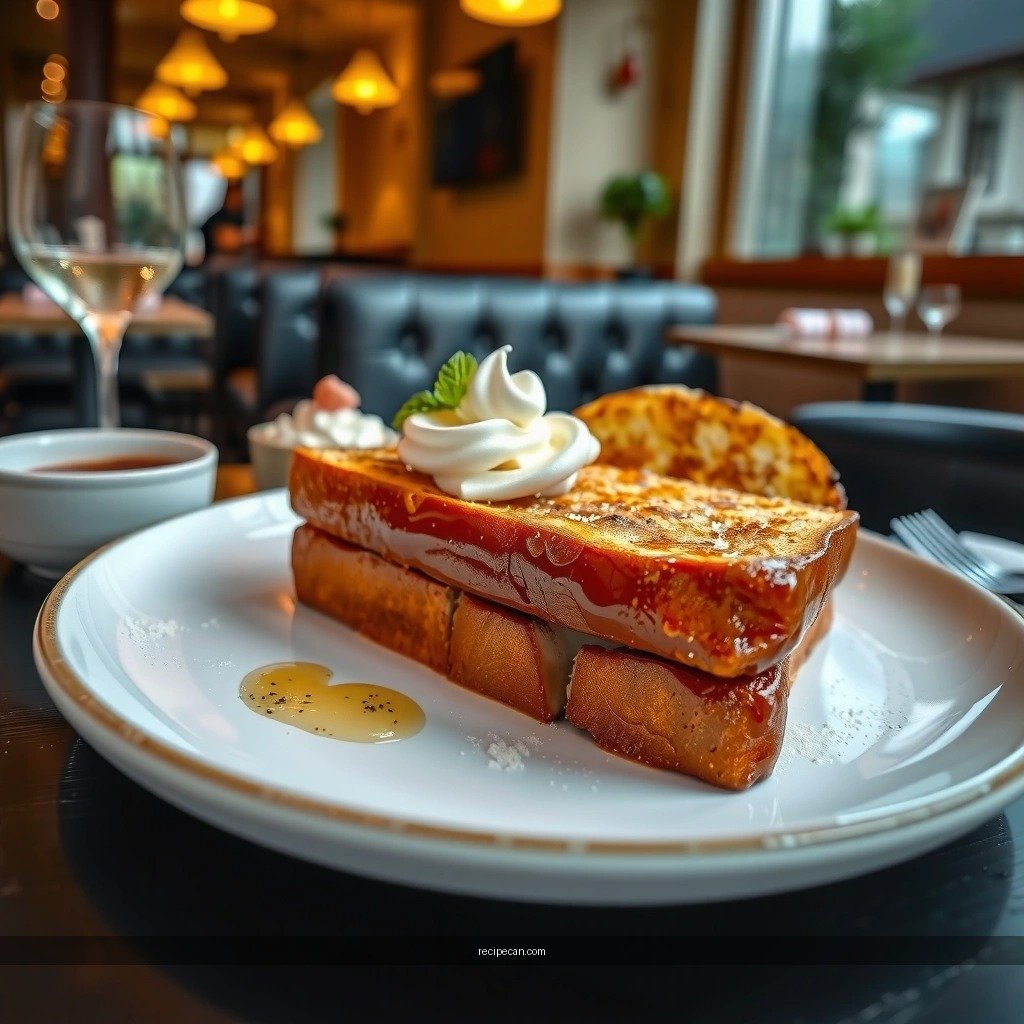
Pairing insight: If you go sweet-heavy (maple + sugar + whipped cream), keep cinnamon moderate. If you go simpler (fruit + yogurt, or butter + salt), a slightly warmer cinnamon note will help the toast taste fully seasoned.
Common French Toast Mistakes to Avoid
These errors are predictable—and fixable—making them ideal for improving results quickly.
– Over-soaking bread until it falls apart
More soaking doesn’t equal better flavor; it equal more liquid inside the bread. Once the structure breaks down, the custard turns gummy and the toast loses its crisp edge.
– Cooking too hot, causing the outside to brown before the inside sets
High heat browns quickly, but the egg custard needs time to set. If your outside is dark and your center is underdone, lower the heat and extend the cook time.
– Skipping seasoning, which can make the toast taste flat
Eggs and milk are mild; without salt, vanilla, or spices, French toast can taste one-note. A pinch of salt is small but high-impact.
If your first batch comes out “almost right”:
– Too soft? Shorten the soak by 5–10 seconds per side.
– Too pale? Increase heat slightly or extend cooking until golden on both sides.
– Too dark? Lower heat and keep the flip timing consistent.
French toast is easy: soak good bread in a well-mixed custard, cook on medium heat until golden, and serve with your favorite toppings. Use the ingredient and cooking tips above to get crispy edges and a tender center—then try your first batch today and adjust sweetness, spice, and soak time to your taste.
Overall, you’ll get the best results by treating French toast like a repeatable process: choose sturdy (often day-old) bread, whisk a balanced egg-and-milk batter, soak briefly, and maintain stable medium heat in a non-overcrowded pan. Follow these steps for consistent golden crusts, custardy interiors, and a breakfast that feels homemade—yet reliably impressive—every time.
Frequently Asked Questions
What is the best French toast recipe for fluffy results?
Use a classic French toast recipe with thick bread, such as brioche or challah, because it absorbs custard without becoming soggy. Whisk eggs, milk (or half-and-half), vanilla, and a pinch of salt, then let the bread soak briefly—about 20–60 seconds per side. Cook on a preheated skillet with butter (or a butter-oil mix) over medium heat so the outside browns while the inside stays tender.
How do you make French toast without soggy bread?
Choose sturdy, slightly stale bread (day-old works well) so it can absorb the egg mixture more evenly. Don’t oversoak—dip quickly and let excess custard drip off before putting it on the hot pan. Cook on medium heat and avoid overcrowding the skillet, which helps moisture evaporate instead of steaming.
Why does my French toast fall apart, and how can I fix it?
French toast often falls apart when the bread is too soft or the custard is too thin, or if you flip too early. Use thicker slices and a custard with proper richness (milk plus eggs, and sometimes a little cream for structure). Wait until the bottom is golden and set before flipping, and handle gently with a wide spatula.
Which bread is best for French toast recipes—brioche, challah, or sourdough?
Brioche and challah are the best options for a traditional, custardy French toast because they’re rich and hold their shape well. Sourdough can work too, but it yields a tangier flavor and may need a slightly longer custard soak to soften. For the most reliable results, stick with thick slices of brioche or challah and adjust soaking time based on how quickly the bread absorbs the egg mixture.
How long should you soak bread in a French toast recipe?
Soak time depends on bread thickness and freshness, but a good starting point is 20–60 seconds per side for medium-thick slices. If the bread is very thick or stale, you may need closer to 1–2 minutes per side, while fresh, soft bread may only need a quick dip. Let the soaked bread rest for a moment so the custard fully penetrates, then cook immediately for the best texture.
References
- French toast
https://en.wikipedia.org/wiki/French_toast - Google Scholar Google Scholar
https://scholar.google.com/scholar?q=french+toast+recipe - Google Scholar Google Scholar
https://scholar.google.com/scholar?q=french+toast+custard+frying+method+study - Google Scholar Google Scholar
https://scholar.google.com/scholar?q=bread+egg+custard+french+toast+food+chemistry - https://www.britannica.com/food/french-toast
https://www.britannica.com/food/french-toast - https://www.theguardian.com/food/2020/apr/05/french-toast-recipe
https://www.theguardian.com/food/2020/apr/05/french-toast-recipe - https://www.nytimes.com/guides/recipes/how-to-make-french-toast
https://www.nytimes.com/guides/recipes/how-to-make-french-toast - https://www.foodnetwork.com/recipes/french-toast-recipe-1976
https://www.foodnetwork.com/recipes/french-toast-recipe-1976 - Google Scholar Google Scholar
https://scholar.google.com/scholar?q=french+toast.recipe - french toast.recipe – Search results
https://en.wikipedia.org/wiki/Special:Search?search=french+toast.recipe