Want an air fryer French toast recipe that delivers crispy, golden slices without soggy centers? This guide shows the exact timing, coating, and heat settings to turn bread soaked in egg and milk into a fast, evenly browned breakfast. You’ll get the clear method for achieving the crunch you’re after—right down to the ideal thickness and doneness.
Air fryer French toast is the fast way to get golden, crisp edges with a tender custard center—without the stovetop mess. By soaking thick-cut bread briefly in a well-balanced egg-and-milk mixture and then cooking at the right temperature with a halfway flip, you’ll consistently achieve bakery-style results at home.
Choose the Best Bread for Air Fryer French Toast
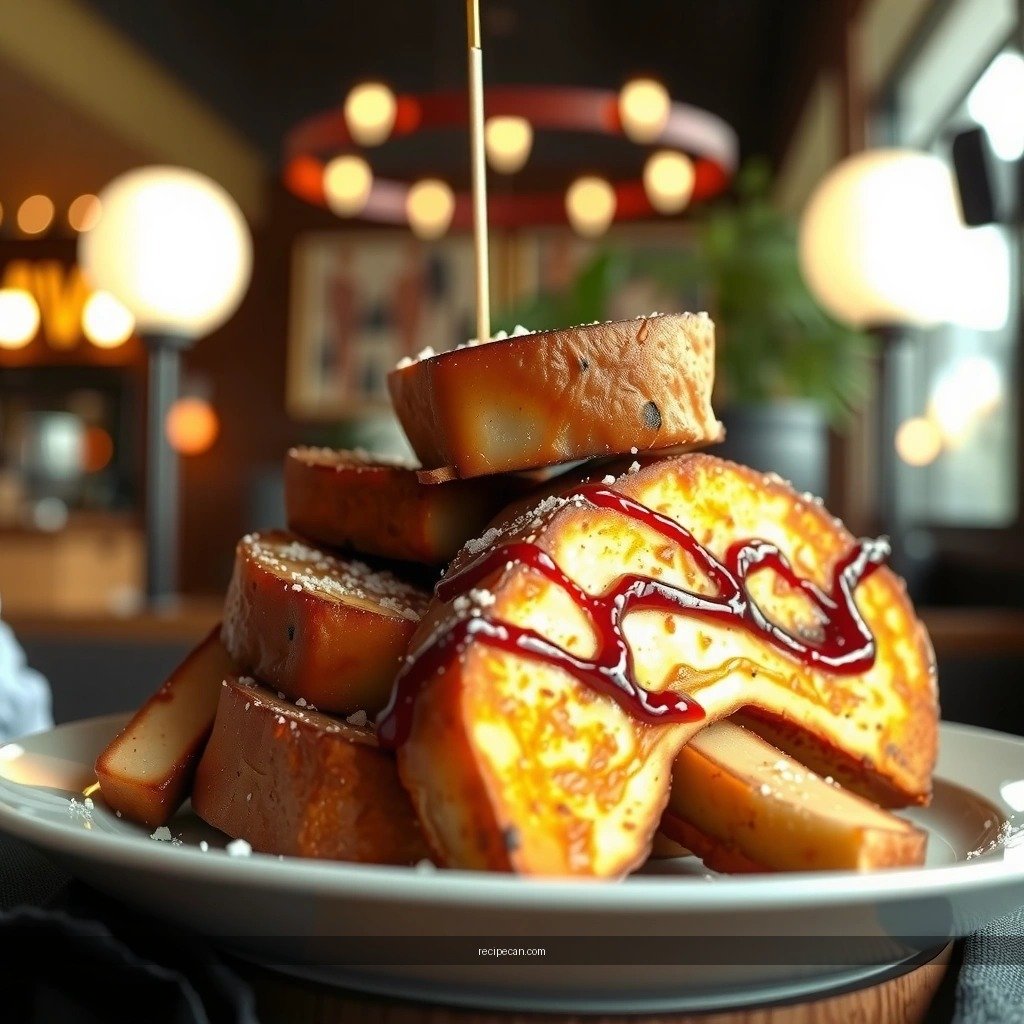
The bread choice is the foundation of great air fryer French toast because it determines how much custard can absorb and how evenly it browns under circulating hot air.
– Use thick-cut bread (brioche, challah, or Texas toast) for sturdy, custardy results
Thick slices hold their structure while soaking and give you that “custard bite” in the center rather than an under-soaked, dry interior. Brioche and challah are especially reliable because they’re rich (higher fat and egg content), which improves tenderness and browning.
– Slightly stale bread soaks better without getting mushy
Fresh bread can absorb too quickly and collapse, especially in an air fryer where edges dry faster than centers. Staling for 12–24 hours (or lightly toasting the bread for 3–5 minutes) improves texture by creating micro-dryness that pulls custard in more evenly.
Practical selection guide (what to buy or use):
– Best overall: brioche or challah (soft crumb, rich flavor)
– Most “classic deli” style: Texas toast (thick and wide for even slices)
– Most neutral: sourdough (works well if soaked slightly less to prevent tanginess overpowering)
– Avoid (for first attempts): very thin sandwich bread or airy croissants without adjustment, because they can over-brown before the center sets.
French Toast Bread Performance in an Air Fryer (Practical Ratings)
| # | Bread type | Custard hold (1–5) | Edge crisping (1–5) | Soak tolerance (mins) | Overall rating |
|---|---|---|---|---|---|
| 1 | Brioche | ★★★★★ | ★★★★☆ | 6–10 | Best for tenderness |
| 2 | Challah | ★★★★☆ | ★★★★☆ | 7–12 | Top balanced pick |
| 3 | Texas toast | ★★★★☆ | ★★★★★ | 8–14 | Most forgiving thickness |
| 4 | Sourdough | ★★★☆☆ | ★★★★☆ | 5–8 | Great with cinnamon |
| 5 | White sandwich bread | ★★☆☆☆ | ★★★☆☆ | 3–5 | Best avoided initially |
| 6 | Whole wheat (dense loaf) | ★★★☆☆ | ★★★★☆ | 6–9 | Solid, hearty bite |
| 7 | Pre-sliced brioche-style | ★★★☆☆ | ★★★★☆ | 5–8 | Convenient and consistent |
Make the Egg Mixture (Sweet & Flavorful)
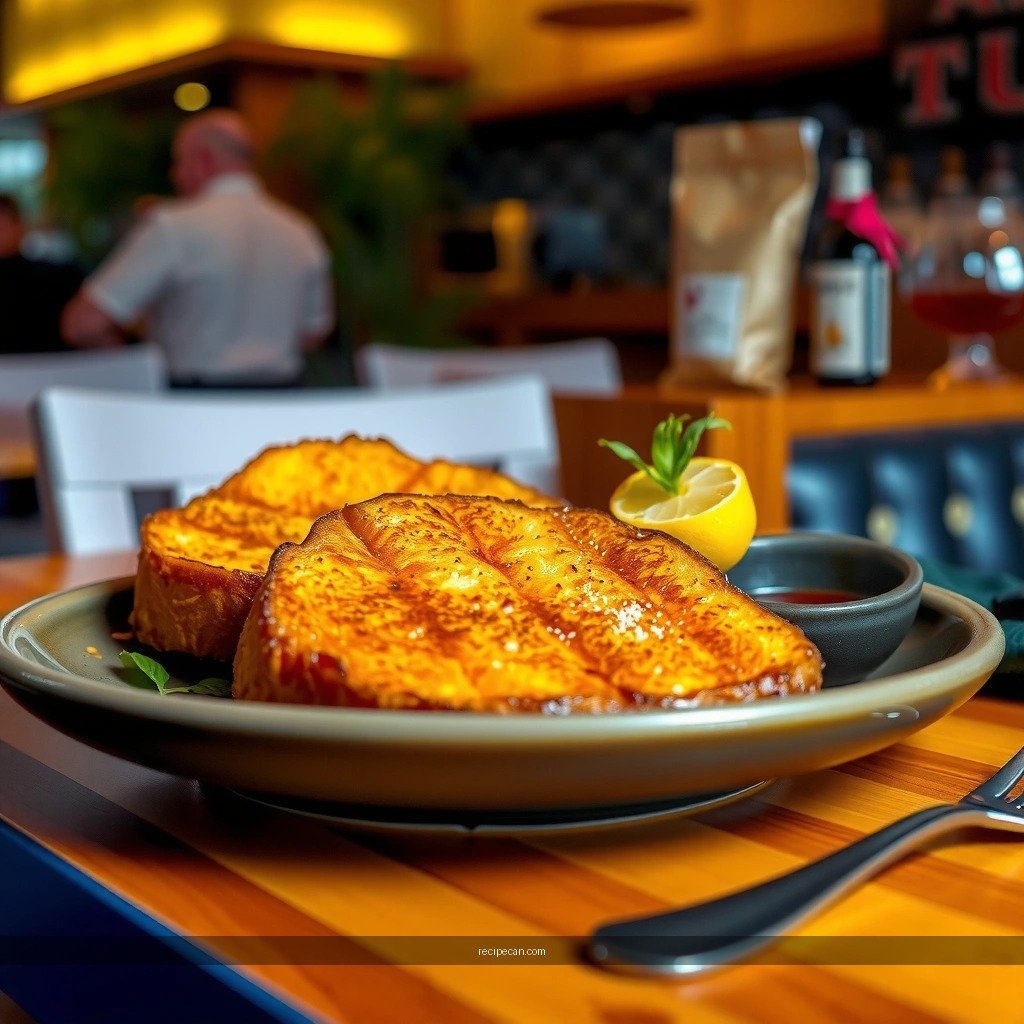
The egg mixture is what turns bread into French toast custard—so balance matters. You want enough liquid for coating, but not so much that the bread steams and turns soggy.
A reliable base ratio (per 6–8 slices, depending on thickness):
– Eggs: 2 large eggs
– Milk: 1/2 cup (whole milk or half-and-half)
– Vanilla: 1 teaspoon
– Cinnamon: 1/2 to 1 teaspoon (start with 1/2; increase for stronger flavor)
– Salt: a pinch (about 1/8 teaspoon)
Add sweetness without burning:
– Sugar: 1–2 tablespoons, or
– Maple syrup: 1–2 tablespoons (adds flavor, but note it browns faster due to sugars)
Analytical tip: In air fryers, surface sugars caramelize quickly. If you tend to like very sweet French toast, consider lowering the temperature by 10–15°F to prevent overly dark exteriors before the custard sets.
Flavor variations that still perform well in an air fryer:
– Orange zest (small amount) for a brighter aroma
– Nutmeg instead of extra cinnamon for a warmer profile
– Espresso powder (tiny pinch) for a “café” twist
Coating technique that improves texture:
Soak quickly and evenly. Press the bread into the custard just enough to wet both sides, then let excess drip off for 5–10 seconds before placing it in the basket.
Preheat and Prep Your Air Fryer
Preheating and prep are non-negotiable for consistent browning. Air fryers work by circulating hot air; if the appliance starts cold, your bread spends too long warming up and absorbs more custard than you intended.
– Preheat the air fryer for even browning and better texture
Preheat to 375°F for most air fryer models. This helps the outside set sooner so you get crisp edges instead of a soft, steamed crust.
– Lightly spray the basket and bread to prevent sticking
Use a neutral cooking spray. If your bread is very eggy and sticky (brioche especially), a light mist on the bread surfaces helps the outside crisp without tearing.
Workflow tip:
While the air fryer preheats, set up your soaking station with:
1) a shallow bowl for egg mixture
2) a plate or tray to rest soaked slices
3) tongs for handling (less custard transfer = better crisping)
Cook Time, Temperature, and Flip Technique
Cooking is where air fryer French toast becomes truly efficient. The goal is to set the custard in the center while pushing moisture out of the edges.
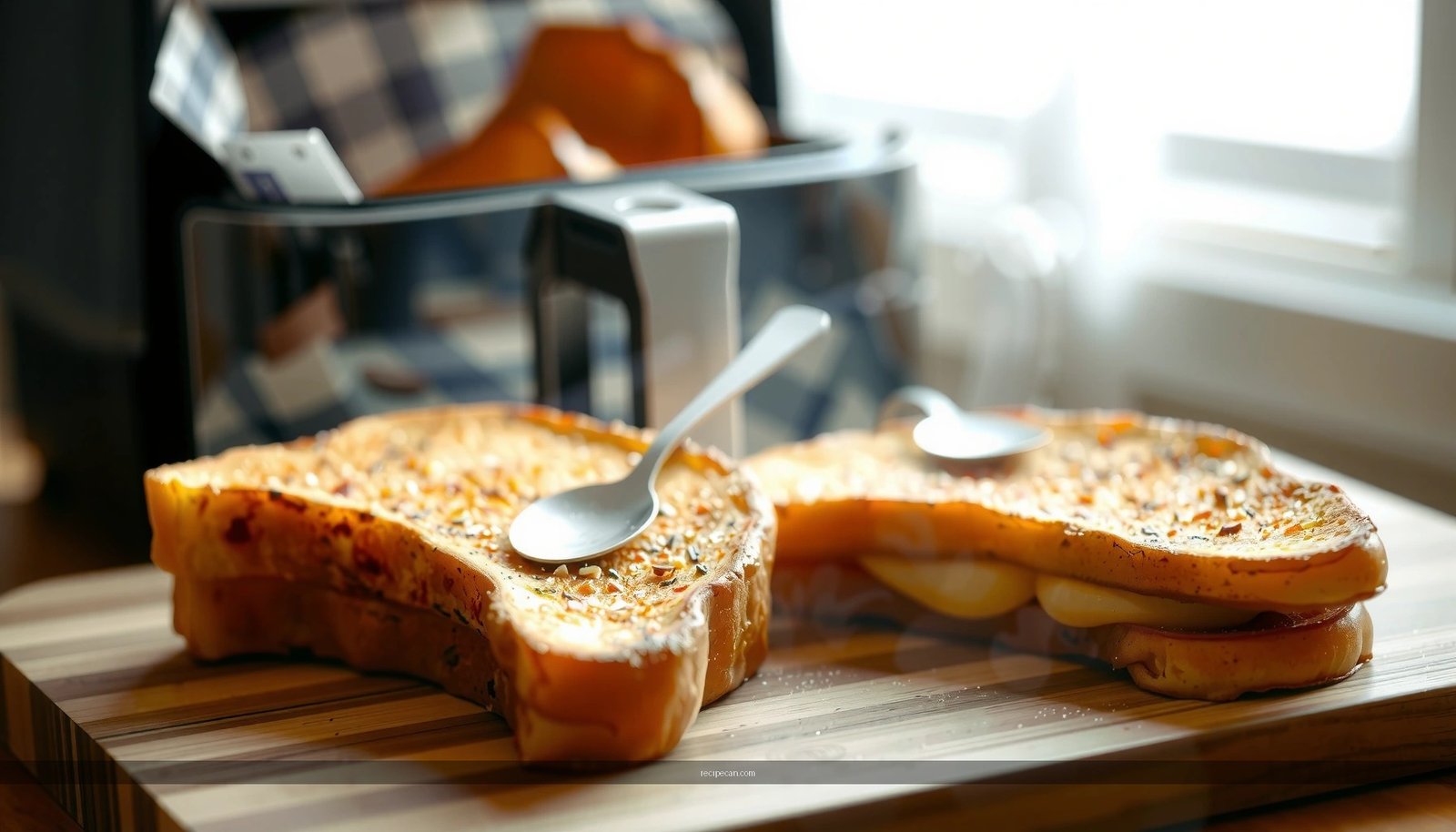
– Cook at 350°F–400°F until golden, flipping halfway for even crisping
A strong starting range is 375°F for 7–10 minutes, flipping halfway. If your slices are very thick, extend by a minute or two after flipping. If your air fryer runs hot, start at 350°F.
– Avoid overcrowding to keep edges crispy
Leave space between slices. Overcrowding traps moisture and reduces airflow, which leads to pale surfaces and a gummy texture.
Flip technique that matters:
– Flip at the halfway mark using tongs
– Press down gently once after flipping to improve surface contact and browning
– Keep an eye on the second side—many air fryers brown faster after the first set
Suggested time/temperature targets by thickness:
– Thick (1–1.5 in / brioche, Texas toast): 375°F, 8–10 minutes
– Medium (standard thick-cut): 375°F, 7–9 minutes
– Thinner slices: 350°F, 6–8 minutes (or shorten soak time—see next section)
Toppings and Serving Ideas
Toppings aren’t just finishing—they can improve perceived texture and balance sweetness. Because air fryer French toast already has crisp edges, use toppings that complement (rather than drown) that crunch.
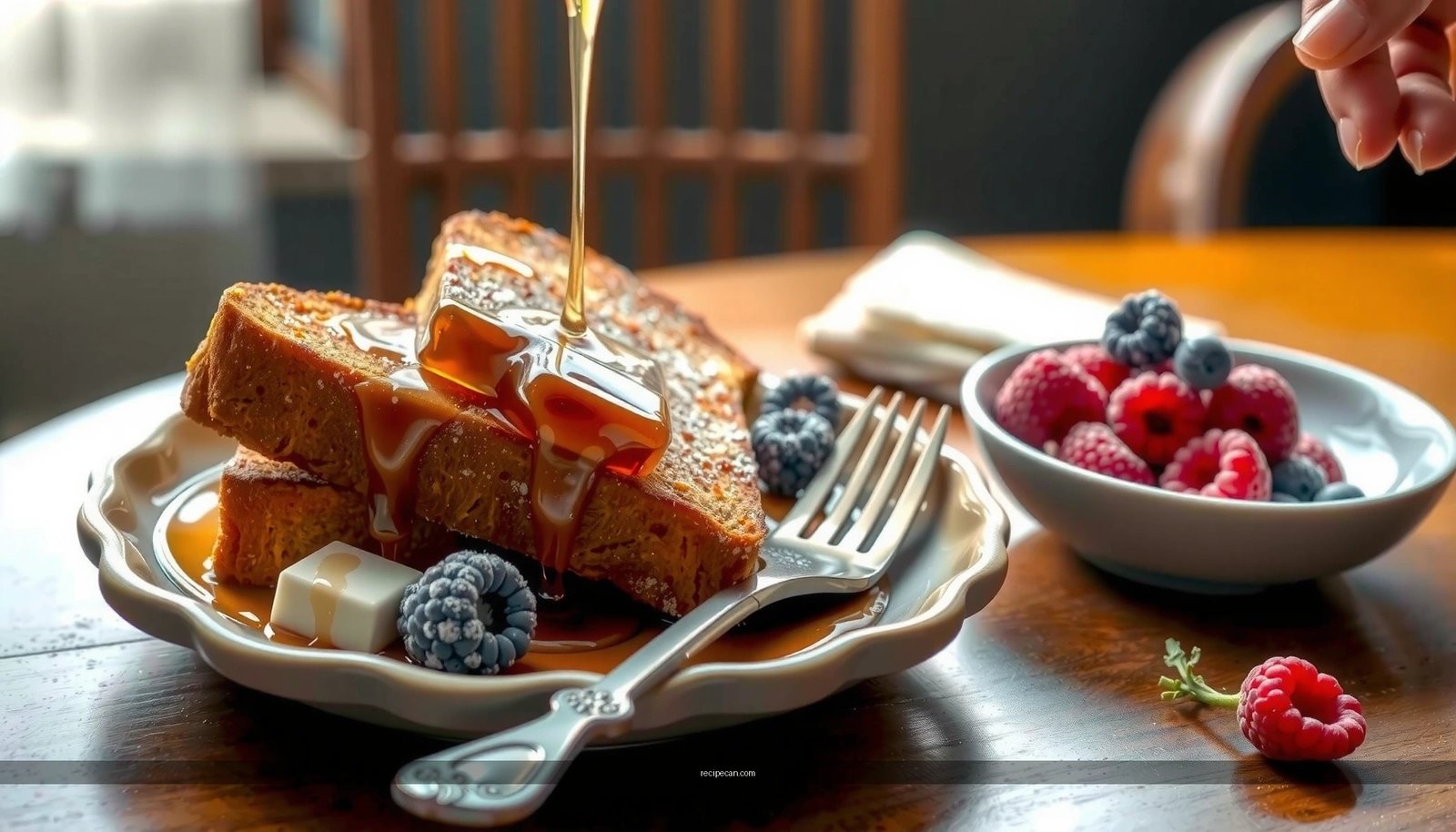
– Serve with maple syrup, powdered sugar, fresh berries, or whipped cream
Maple syrup is classic. For a more “restaurant” effect, serve syrup on the side and let diners pour as they eat—keeping the crust crisp longer.
– Add optional toppings like chocolate chips or a quick cinnamon-butter drizzle
Chocolate chips add pockets of sweetness, but keep the layer thin so they don’t burn. A cinnamon-butter drizzle (softened butter + cinnamon + a touch of maple) melts quickly over warm toast.
High-impact serving combinations:
– Maple syrup + berries + pinch of flaky salt (bright, balanced)
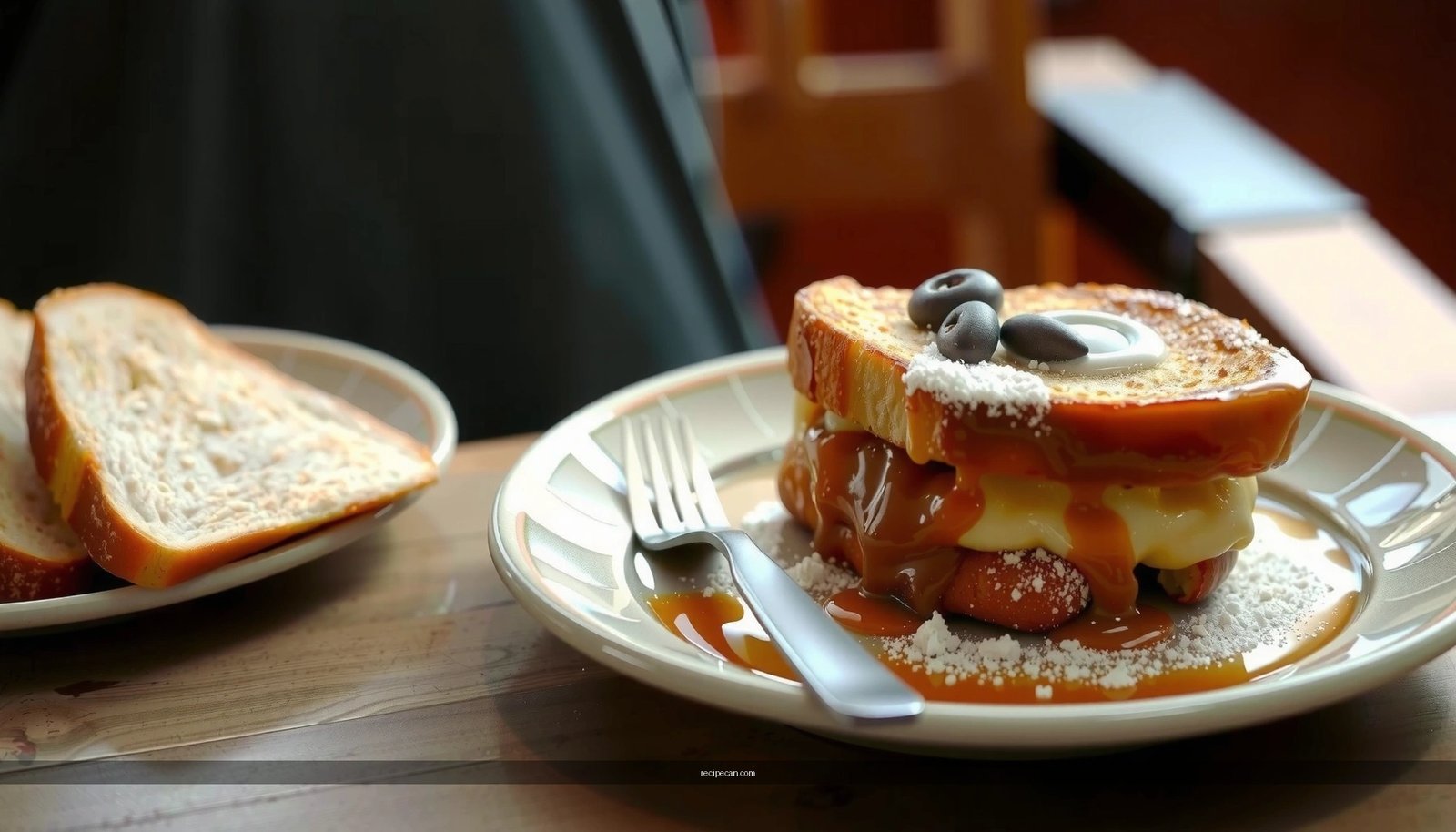
– Powdered sugar + cinnamon + whipped cream (dessert-forward)
– Toasted nuts (pecans/almonds) + maple (adds crunch contrast)
Troubleshooting Common Issues
Even with the best method, outcomes vary by bread brand, thickness, and air fryer model. Use these fixes to dial in your perfect air fryer French toast.
– If it’s soggy, reduce soak time and increase cooking time slightly
Sogginess usually comes from over-soaking or overcrowding. Try:
– Soak 3–6 minutes for medium slices (instead of 8–12)
– Cook 30–60 seconds longer after flipping
– Ensure you’re not stacking slices or crowding the basket
– If it’s dry, use richer milk (or half-and-half) and reduce temperature or cook duration
Dry French toast often means the custard didn’t stay liquid long enough or the center set before the bread could retain moisture. Adjust:
– Increase milk fat: switch to half-and-half or whole milk
– Drop temp by 10°F to brown more gently
– Reduce pre-soak: aim for quick coating rather than prolonged soaking
Consistency check (analytical “doneness” cues):
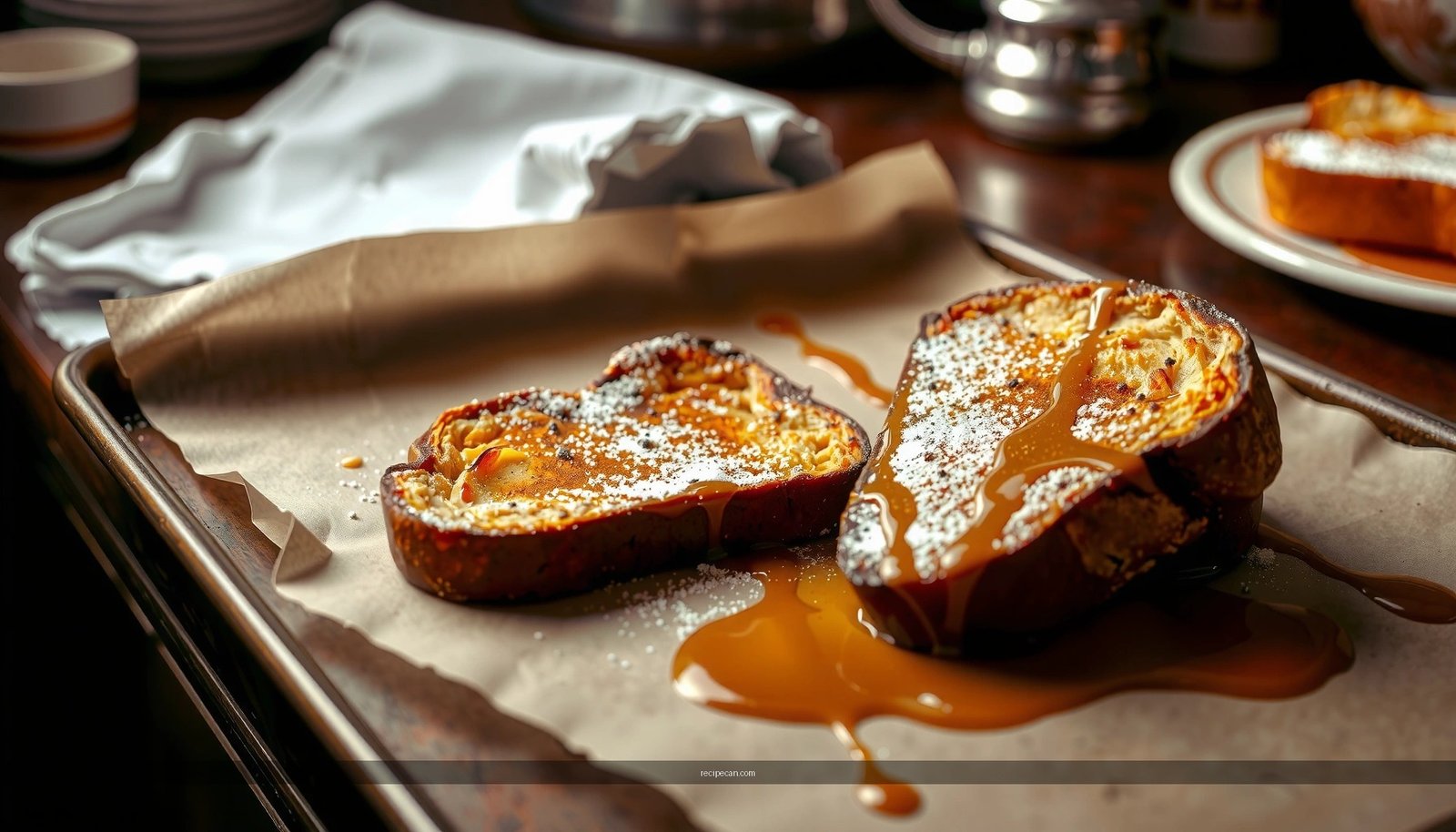
– Edges should look dry and lightly caramelized
– Center should bounce back slightly when pressed
– If you cut immediately, it may look looser—rest 1–2 minutes to set
Soak & Cook Adjustments by Outcome
| What you see | Likely cause | Next adjustment |
|---|---|---|
| Edges too dark | Air fryer runs hot or sugar caramelized early | Lower temp 10–15°F |
| Center under-set | Insufficient time or slices too thick | Cook 1–3 min longer |
| Soggy texture | Over-soaking or overcrowding reduces airflow | Soak 2–4 min less |
| Dry & firm | Custard too thin or cook time too long | Reduce time 1 min |
| Uneven browning | No halfway flip or basket is crowded | Flip exactly halfway |
For best results, run one “calibration batch” and note your air fryer’s behavior. Once you understand how quickly your unit sets the custard and caramelizes the sugar, your air fryer French toast becomes repeatable—ideal for busy mornings and large weekend brunches.
Air fryer french toast delivers crispy edges and a tender middle with minimal mess—perfect for quick breakfasts. Follow the bread + soak tips, cook at the right temperature, and finish with your favorite toppings; make a batch this week and tweak the seasoning to match your taste.
Frequently Asked Questions
What ingredients do I need for an air fryer French toast recipe?
For classic air fryer French toast, you’ll typically need thick bread (brioche, challah, or Texas toast), eggs, milk (or half-and-half), vanilla, cinnamon, and a pinch of salt. For richer results, whisk in a little sugar or brown sugar, and consider adding a splash of cream for extra custard-like texture. Lightly coat the bread in the egg mixture, then use a small amount of butter or cooking spray so the outside browns well in the air fryer.
How do I make air fryer French toast that’s crispy on the outside and custardy inside?
Use thick slices and soak briefly—dip each side for about 20–30 seconds so the bread absorbs egg without turning soggy. Preheat the air fryer, then cook at around 350°F to 375°F, flipping halfway for even browning. If you want extra crisp edges, lightly brush the tops with butter and avoid overcrowding the basket so the hot air can circulate properly.
Why is my air fryer French toast soggy, and how can I fix it?
Sogginess usually happens when the bread is too thin, soaked too long, or the air fryer is overloaded, preventing airflow. Use thick bread and keep the dip time short; you can also let the coated slices rest for 1–2 minutes so excess liquid drains back into the bowl. After cooking, transfer French toast to a wire rack for a minute or two to help steam escape and keep the texture firm.
Which air fryer setting and temperature is best for French toast in the air fryer?
Most air fryer French toast recipes do best at 350°F–375°F, because this range browns the egg-coated bread without burning the sugars in the custard. Start with 350°F if you’re using sweeter bread or lots of vanilla, and go closer to 375°F for a more golden, crisp exterior. Use the standard air fry function, cook in a single layer, and check at the 6–8 minute mark depending on your slice thickness.
How do I prevent sticking and get perfect browning on air fryer French toast?
Preheat your air fryer and lightly grease the basket with cooking spray or a thin layer of butter to create an easy release. Ensure your bread is well-coated but not dripping, and don’t let excess egg mixture pool on the surface. For even browning, arrange slices with a little space between them and flip halfway; finish with 1–2 minutes if you want deeper color on top.
References
- Google Scholar Google Scholar
https://scholar.google.com/scholar?q=air+fryer+french+toast+recipe - https://scholar.google.com/scholar?q=air+frying+bread+browning+maillard Google Scholar
https://scholar.google.com/scholar?q=air+frying+bread+browning+maillard - Google Scholar Google Scholar
https://scholar.google.com/scholar?q=food+safety+cooking+eggs+minimum+temperature - Convection oven
https://en.wikipedia.org/wiki/Air_frying - French toast
https://en.wikipedia.org/wiki/French_toast - https://www.fsis.usda.gov/food-safety/safe-food-handling-and-preparation/food-safety-basics/safe-minimum-cooking-temperatures
https://www.fsis.usda.gov/food-safety/safe-food-handling-and-preparation/food-safety-basics/safe-minimum-cooking-temperatures - https://www.foodsafety.gov/food-safety-charts/safe-minimum-internal-temperature
https://www.foodsafety.gov/food-safety-charts/safe-minimum-internal-temperature - https://www.fda.gov/food/buy-store-serve-safe-food/keeping-chicken-eggs-and-deli-meat-safe
https://www.fda.gov/food/buy-store-serve-safe-food/keeping-chicken-eggs-and-deli-meat-safe - https://pubmed.ncbi.nlm.nih.gov/?term=air+frying+acrylamide
https://pubmed.ncbi.nlm.nih.gov/?term=air+frying+acrylamide - https://www.britannica.com/topic/French-toast
https://www.britannica.com/topic/French-toast