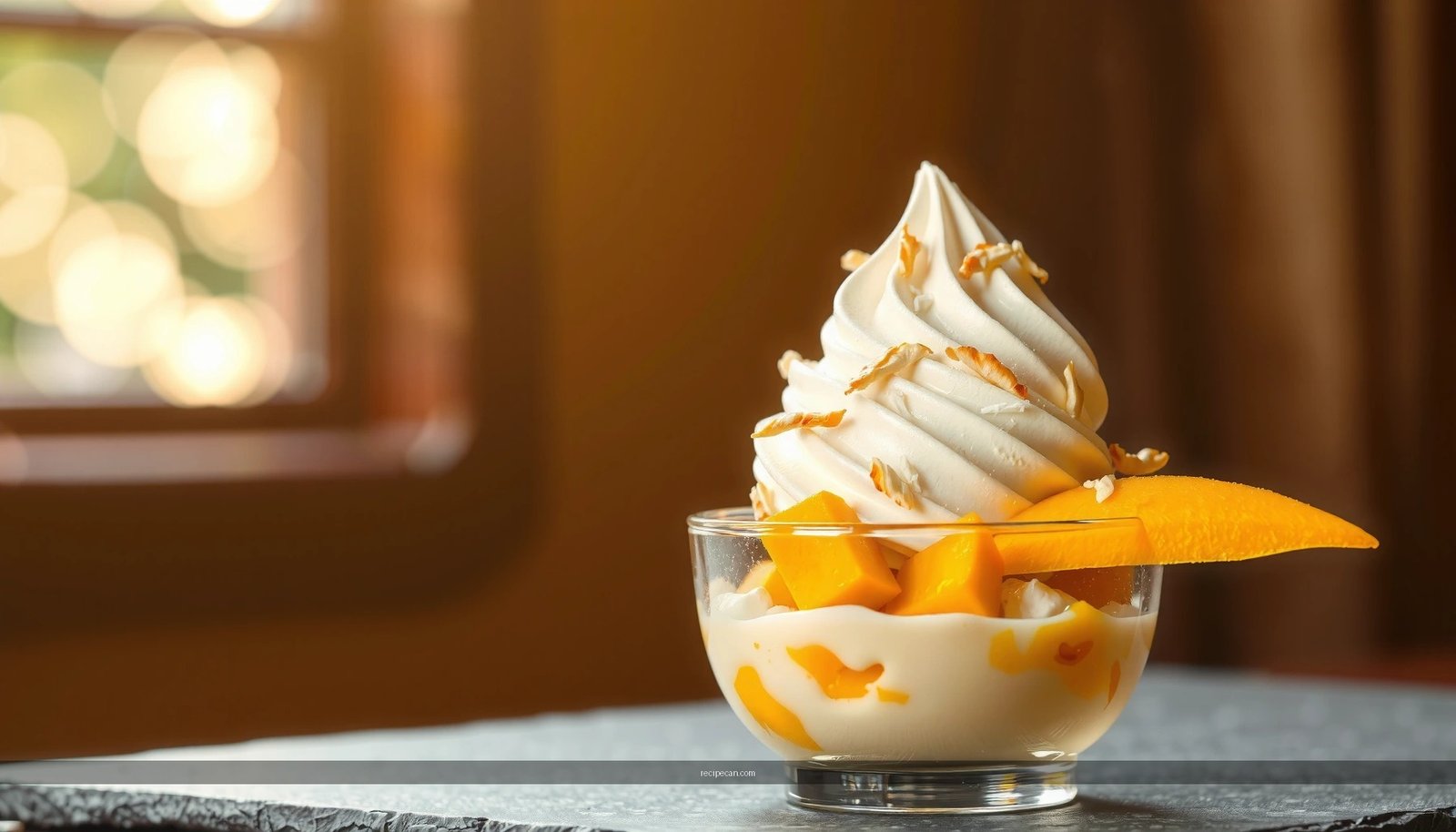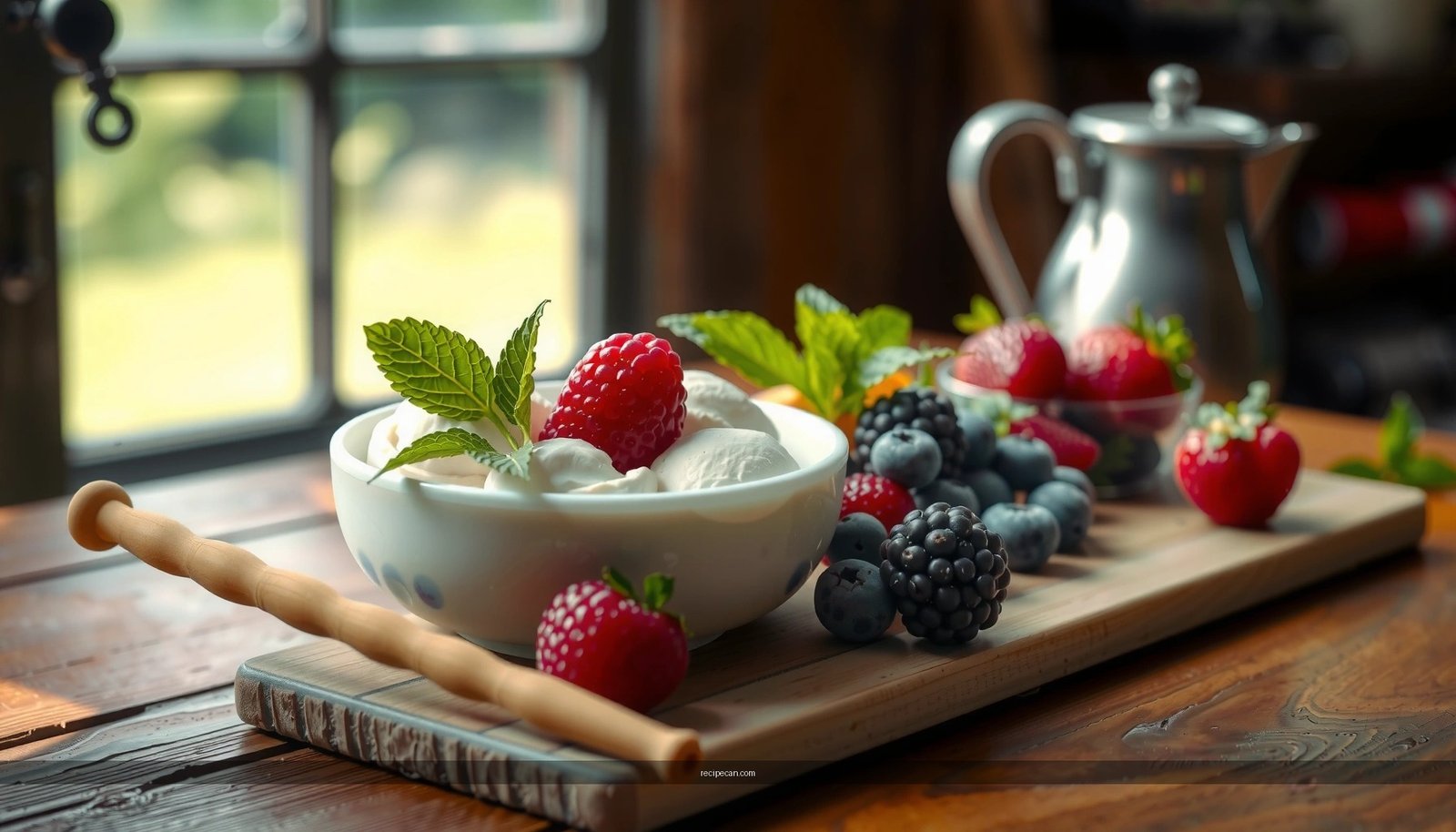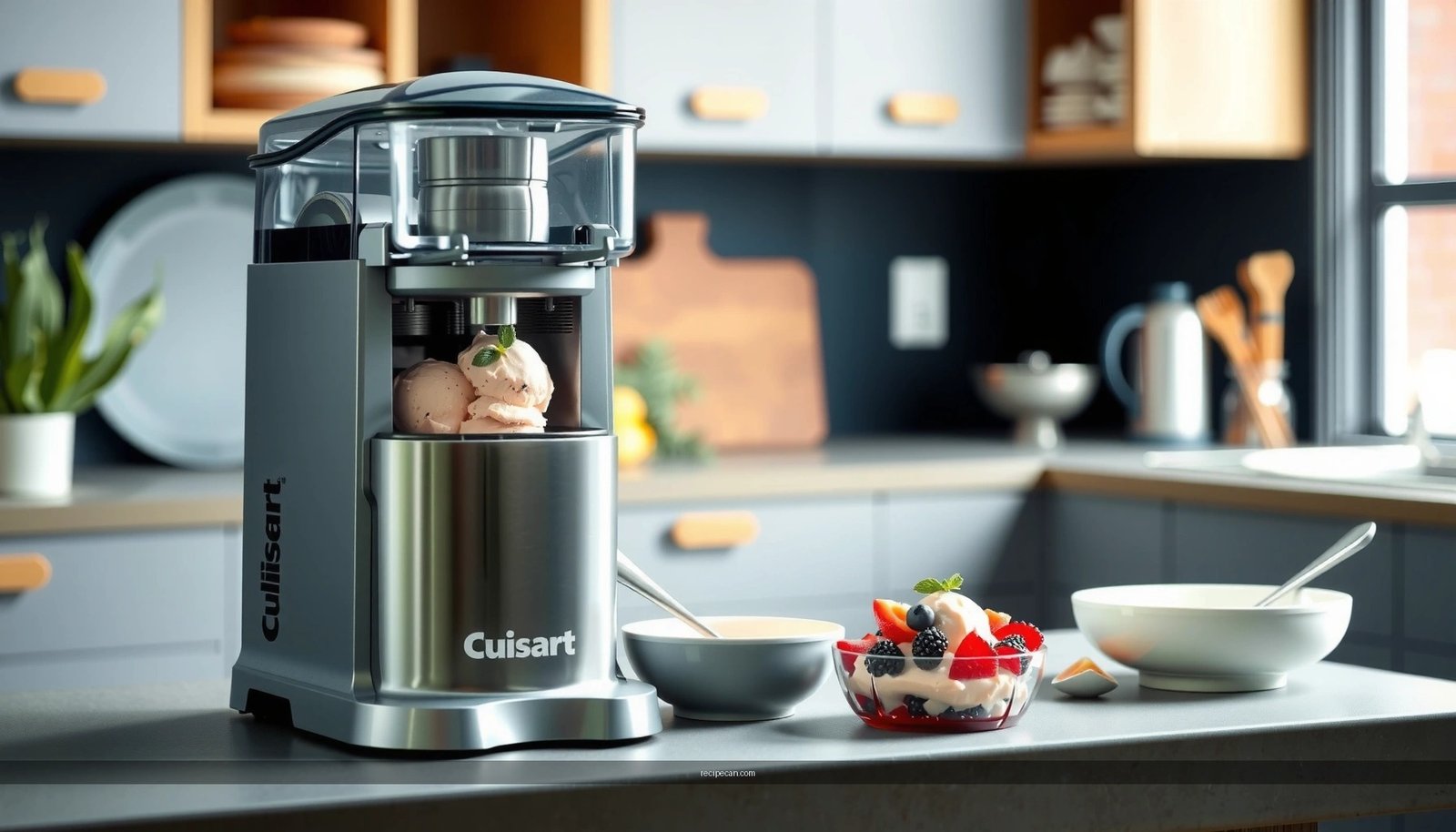
Looking for Cuisinart ice cream maker sorbet recipes that reliably deliver smooth, scoopable fruit sorbet? This guide picks the best sorbet recipes and exact Cuisinart settings for an easy churn—no icy disappointment, no complicated technique. If you want creamy results fast using a Cuisinart ice cream maker, you’ll find the formulas and timing that matter most.
Sorbet in a Cuisinart ice cream maker is easy: blend your fruit with a balanced sweet-tart liquid base, churn until thick like soft-serve, then freeze briefly to set the texture. If you focus on sugar level, thorough blending, and the right chilling/churning timing, you’ll get smooth, scoopable sorbet rather than an icy result.
Choose the Best Sorbet Base for Your Cuisinart
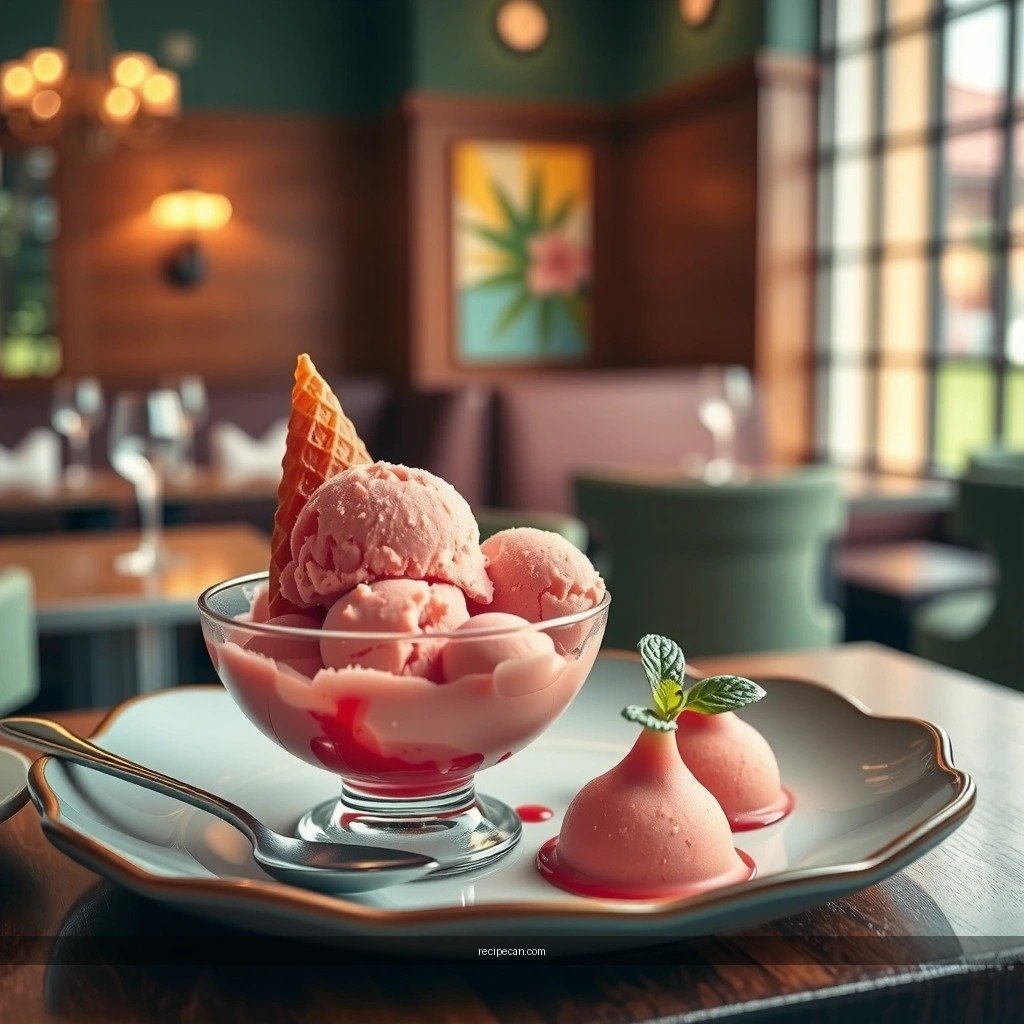
The “base” is what determines whether your sorbet tastes bright and clean—or dull, icy, and slow to scoop. In most Cuisinart sorbet recipes, you’re working with three components: fruit (fresh or frozen), a sweetener, and a liquid base that helps the machine churn.
– Use fresh or frozen fruit for consistent flavor and texture
Fresh fruit delivers vibrant aroma, while frozen fruit often churns more consistently because it’s already pre-portioned and usually culls variability in ripeness. For best performance in a Cuisinart ice cream maker, choose fruit that’s either ripe (for fresh) or fully unsweetened (for frozen). If using frozen berries, don’t worry about thawing first—just blend well so the texture remains uniform.
– Sweeten to taste, balancing tart fruits with sugar or honey
Sugar is not just flavor; it’s a texture tool. Tart fruits like raspberries and lemons typically need more sugar than sweet fruits like mangoes. Honey can work, but it changes browning behavior and sweetness intensity—so start with slightly less than you would for sugar and adjust after blending.
– Pick the right liquid base (water, juice, or light syrup) for churnability
Liquid helps the mixture circulate through the freezing cylinder and prevents “thick lumps” that can reduce even freezing. Water is neutral and reliable. Fruit juice (orange, pineapple, apple) boosts flavor but can add acidity—use it to enhance brightness, not to replace all sugar. Light syrup (simple syrup) can make the churn smoother and improve freeze stability, especially for citrus-forward or very tart recipes.
Practical pairing guide:
– Berries + lemon: water or lemony water for a crisp finish
– Mango + lime: juice (mango or orange) for tropical body
– Lemon + lemon zest: light syrup for a clean, less watery mouthfeel
Essential Ingredients and Ratios for Smooth Sorbet
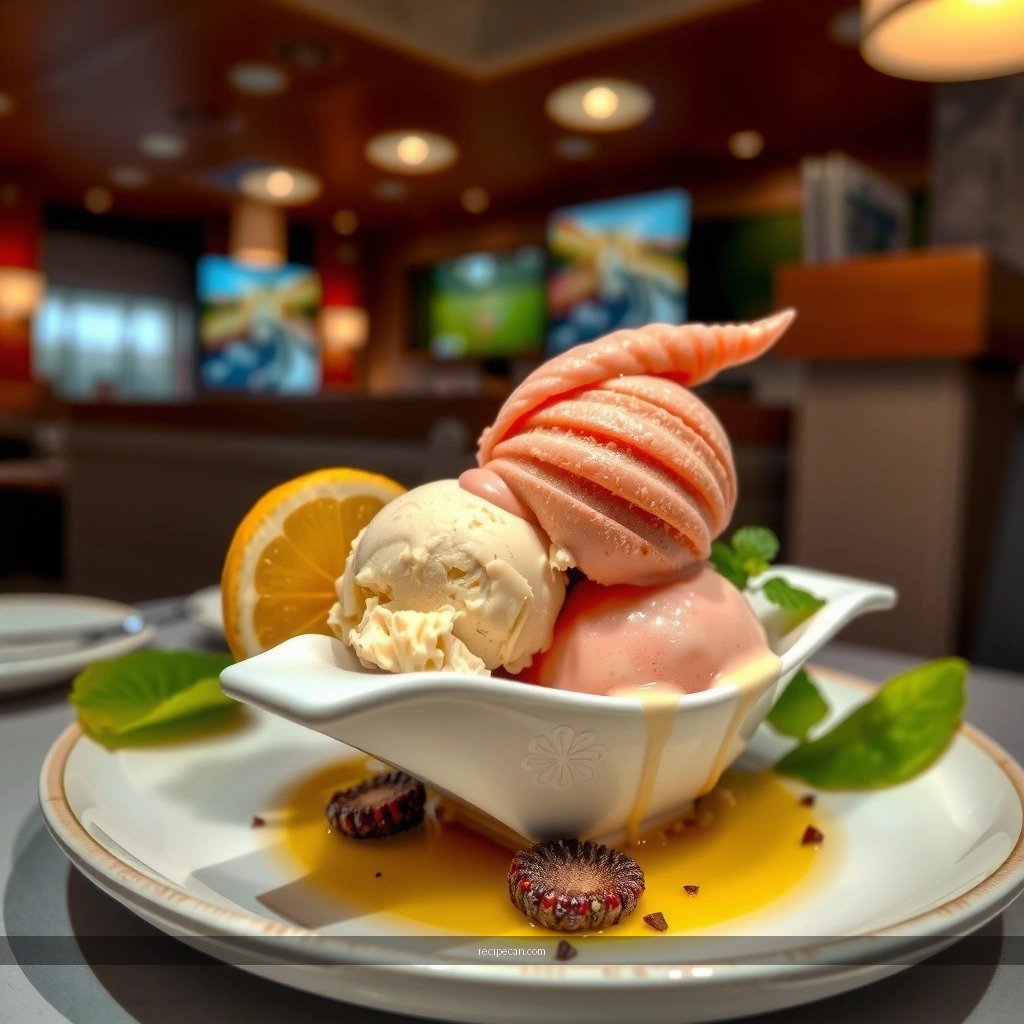
Even the best fruit can turn grainy if the mixture isn’t formulated correctly. Sorbet is essentially a fruit purée suspended in an ice-water system—your job is to reduce ice crystal growth so the final result stays creamy.
– Blend fruit thoroughly to reduce ice crystals
Ice crystals form when there are unbroken fruit particles or when sweetness isn’t evenly distributed. Use a blender or food processor until completely smooth—especially for seeds (raspberries/blackberries). If you want extra-smooth sorbet, strain raspberry purée through a fine mesh sieve to remove seeds.
– Add enough sugar (or invert sugar) to improve freeze texture
A common starting point is about 20–30% sugar by weight of the finished base (varies with fruit sweetness). In practical recipe terms, many sorbet bases land around 1/2 to 3/4 cup sugar per 4 cups of purée mixture, depending on tartness.
If you have invert sugar (or glucose syrup), it can help resist iciness because it interferes with harsh crystal formation. You don’t need it for good sorbet, but it’s a lever for “premium” texture.
– Use a pinch of salt or lemon juice to brighten flavor and reduce blandness
Salt doesn’t make sorbet salty—it sharpens perception of sweetness and fruit flavor. A small pinch is enough. For naturally flat fruit (or if you reduced sugar too far), a teaspoon of lemon juice or a bit more zest often restores brightness without changing the structure.
A reliable starting ratio (that you can scale)
A strong “baseline” Cuisinart sorbet formula is:
– Fruit purée: 4 cups
– Sweetener: 3/4 cup (start here; adjust after tasting)
– Liquid base: 1/2 to 3/4 cup (water/juice/syrup)
– Enhancers: 1/8–1/4 tsp salt + 1–2 tsp citrus juice (optional but recommended)
This range is designed to churn well and freeze into a scoopable texture rather than a rock-hard block.
Sorbet Base Balance Targets for Smooth Churning & Freezing
| # | Fruit Type | Suggested Sugar (per 4 cups purée) | Liquid Base (cups) | Texture Expectation |
|---|---|---|---|---|
| 1 | Raspberries (tart) | 3/4 cup | 1/2 cup | ★ ★ ★ ★☆ |
| 2 | Blackberries (tart) | 2/3–3/4 cup | 1/2–5/8 cup | ★ ★ ★ ★☆ |
| 3 | Mango (sweet) | 1/2–2/3 cup | 1/2 cup | ★ ★ ★ ★ ★ |
| 4 | Peaches (balanced) | 5/8–3/4 cup | 1/2–5/8 cup | ★ ★ ★ ★☆ |
| 5 | Strawberries (sweet-tart) | 2/3–3/4 cup | 1/2–5/8 cup | ★ ★ ★ ★☆ |
| 6 | Lemon (very tart) | 3/4–1 cup | 1/2 cup | ★ ★ ★ ★☆ |
| 7 | Watermelon (high water) | 1/2–2/3 cup | 0–1/4 cup | ★ ★ ★☆★ |
Top Cuisinart Ice Cream Maker Sorbet Recipes to Try

Below are three Cuisinart-friendly sorbet recipes designed around smooth churning and strong flavor. All include clear blending and chilling practices so your machine produces consistent results, not just “good luck” batches.
Classic Raspberry Sorbet (bright, clean, and crowd-pleasing)
Ingredients (about 1 quart):
– 4 cups raspberries (fresh or frozen)
– 3/4 cup sugar
– 1/2 cup water
– 1–2 tbsp lemon juice
– Pinch of salt
– Optional: 1 tsp lemon zest
Method:
1. Blend raspberries, sugar, water, lemon juice, salt (and zest if using) until completely smooth.
2. For seed-free texture, strain the purée through a fine sieve.
3. Chill mixture 2–4 hours (or at least 30–60 minutes) to speed up the churn.
4. Churn in your Cuisinart until thick like soft-serve; transfer to a container and freeze 1–2 hours.
Mango Sorbet (creamy mouthfeel, tropical aroma)
Ingredients:
– 4 cups ripe mango purée (or peeled mango blended smooth)
– 1/2–2/3 cup sugar (depending on sweetness)
– 1/2 cup mango or orange juice
– 1–2 tbsp lime juice
– Pinch of salt
Method:
1. Blend mango purée, sugar, juice, lime juice, and salt until silky.
2. Taste and adjust—mango can vary dramatically in sweetness.
3. Chill thoroughly, churn, then freeze briefly to firm.
Tip: If you want it extra scoopable, slightly under-sugar isn’t the fix—churning texture relies on enough dissolved sugar.
Lemon Sorbet (tangy, refreshing, and very “crisp”)
Ingredients:
– 1 cup fresh lemon juice (about 6–8 lemons)
– 4 cups lemon segments + pulp, blended (or 4 cups lemon purée)
– 3/4–1 cup sugar
– 1/2 cup light syrup (equal parts sugar and water, warmed then cooled) or water + extra sugar
– Pinch of salt
– 1–2 tsp lemon zest
Method:
1. Blend lemon purée with sugar and syrup base until uniform.
2. Chill and churn until thick.
3. Freeze just long enough for scoop stability; lemon sorbet is best when bright and not overly hardened.
Step-by-Step: How to Churn Sorbet in Your Cuisinart
Great sorbet is as much process control as it is recipe. These steps are tailored for consistent churn and smooth texture.
– Pre-chill the bowl (and ingredients) for faster, smoother results
Most Cuisinart ice cream maker bowls require freezer time before they can freeze the mixture effectively. Use that time fully. Also chill your blended sorbet base—cold liquid freezes faster and helps your machine reach the soft-serve stage more evenly.
– Churn until thick like soft-serve, then transfer promptly
Don’t stop too early. Sorbet should look like thick, aerated soft-serve with slow-moving ripples. Over-churning can begin to stiffen the mixture excessively, but stopping at the soft-serve stage gives the best freeze-set later.
– Freeze 1–2 hours to firm up before serving
Sorbet texture improves after a short rest because the mixture stabilizes and ice crystals settle into a smoother pattern. If you freeze longer, it can become harder; letting it sit briefly at room temperature before scooping remedies that.
Quality checkpoint: If your sorbet looks watery right after churning, it likely needed more sugar, more blending time, longer chilling, or slightly more churn time.
Troubleshooting Common Sorbet Problems
When sorbet goes wrong, it usually points to a single controllable variable: sugar balance, blending quality, or temperature timing.
– Grainy or icy texture: blend longer and ensure proper sugar levels
Graininess usually means particles or uneven sweetness caused larger ice crystals. Re-blend the base until smooth next time. Also verify you didn’t under-sweeten; tart fruits tempt you to reduce sugar, but that increases iciness during freezing.
– Too soft after freezing: churn a bit longer and freeze longer
If your sorbet won’t scoop cleanly, it likely didn’t reach a thick “soft-serve” state during churn or didn’t firm enough in the freezer. Churn until thick, then freeze for the recommended 1–2 hours (longer if your freezer is warmer than typical).
– Weak flavor: adjust sweetness and add citrus to boost brightness
Flavor often mutes after freezing. If the sorbet tastes flat, increase citrus slightly (lemon/lime zest and juice) and consider adding a small amount of sugar back. A pinch of salt is also a fast fix for flavor depth.
Corrective action for a nearly-finished batch:
If you catch a batch early (before full freezing), stir in a small amount of sugar dissolved in a splash of hot water, then re-churn if possible. This can salvage texture by restoring dissolved sugars.
Serving and Storage Tips for Best Results
Sorbet quality is perishable by texture—especially once ice crystals form on the surface. Use these practices to preserve that “just-made” scoop.
– Store in an airtight container to limit ice buildup
Air exposure leads to freezer burn and surface iciness. Press a piece of parchment or plastic wrap directly onto the surface before sealing for best results.
– Let sorbet sit 5–10 minutes before scooping for ideal texture
Sorbet firms in the freezer. Resting briefly softens the outer layer and produces a smoother scoop, even if the internal structure is slightly harder.
– For best quality, enjoy within a few days (texture changes over time)
Fresh churned sorbet is usually best in the first 2–3 days. After that, even well-stored batches can lose creaminess as ice crystals slowly reconfigure.
Conclusion
Cuisinart ice cream maker sorbet recipes succeed when you build a balanced base (fruit + correctly measured sugar + churn-friendly liquid), blend until fully smooth, and respect temperature timing—pre-chill, churn to thick soft-serve, then freeze briefly. Start with the classic raspberry, mango-lime, and lemon sorbet recipes above, adjust sweetness to your fruit’s natural tartness, and apply the troubleshooting and storage tips to consistently deliver easy, creamy, scoopable results.
Frequently Asked Questions
What are the best Cuisinart ice cream maker sorbet recipes for beginners?
If you’re new to Cuisinart ice cream maker sorbet recipes, start with fruit-forward options like lemon sorbet or strawberry sorbet because they rely on simple puree plus sugar. Look for recipes that specify the right fruit-to-sugar ratio and include a brief cooking step only when needed to dissolve sugar. These Cuisinart sorbet recipes also tend to freeze smoothly because they’re designed for the churning time and bowl size your machine uses.
How do I make sorbet in a Cuisinart ice cream maker without ice crystals?
To minimize ice crystals in Cuisinart sorbet recipes, use fully dissolved sugar (or a simple syrup) before churning so the base freezes evenly. Adding a small amount of alcohol-free stabilizer like pureeing fruit thoroughly helps, but the biggest factors are correct sweetness and chilling the mixture before it goes into the canister. Also keep to the recommended processing time for your Cuisinart ice cream maker sorbet setting so you don’t under- or over-churn.
Why does my Cuisinart sorbet turn out too icy or too soft?
Sorbet that’s too icy usually means the base has too little sugar or wasn’t chilled long enough, which prevents the mixture from reaching an ideal freezing consistency in your Cuisinart ice cream maker. If it’s too soft, the sorbet base may be under-sweetened or too watery, so the freezer doesn’t set it properly after churning. Measure ingredients carefully, use proper fruit-to-liquid ratios, and let the sorbet finish firming in the freezer before serving.
Which Cuisinart sorbet recipes work best with frozen fruit?
Frozen fruit is great for Cuisinart ice cream maker sorbet recipes because it’s often ripe and easy to standardize. Thaw fruit slightly or blend it directly, then adjust sweetness since frozen fruit can be more tart depending on the brand. For best texture, make sure any excess liquid is blended in evenly (not strained harshly), and chill the finished base so your Cuisinart sorbet churns consistently.
How can I adapt a Cuisinart ice cream maker sorbet recipe to make it dairy-free and vegan?
Most Cuisinart ice cream maker sorbet recipes are naturally dairy-free because sorbet uses fruit, water, and sugar rather than cream. To keep it vegan, avoid any recipe that includes honey, milk, or butter, and substitute with maple syrup or granulated sugar when needed for sweetness. If your recipe calls for flavor boosts, use vanilla extract (plant-based if desired) or citrus zest and juice to maintain bright sorbet flavor without adding dairy.
References
- Google Scholar Google Scholar
https://scholar.google.com/scholar?q=cuisinart+ice+cream+maker+sorbet+recipes - Google Scholar Google Scholar
https://scholar.google.com/scholar?q=sorbet+recipe+ice+cream+machine - Google Scholar Google Scholar
https://scholar.google.com/scholar?q=food+science+ice+cream+sorbet+freezing+process - Sorbet
https://en.wikipedia.org/wiki/Sorbet - Ice cream maker
https://en.wikipedia.org/wiki/Ice_cream_maker - Ice cream
https://en.wikipedia.org/wiki/Ice_cream - Ice cream | Definition, History, & Production | Britannica
https://www.britannica.com/topic/ice-cream - https://www.britannica.com/topic/sorbet
https://www.britannica.com/topic/sorbet - https://pubmed.ncbi.nlm.nih.gov/?term=sorbet
https://pubmed.ncbi.nlm.nih.gov/?term=sorbet - https://pubmed.ncbi.nlm.nih.gov/?term=ice+cream+freezing+process
https://pubmed.ncbi.nlm.nih.gov/?term=ice+cream+freezing+process