This fluffy French toast recipe delivers the soft, custardy center and a deep golden top you’re chasing—every time. It answers whether thick slices, the right custard mix, and quick cooking can produce restaurant-level results without turning soggy. Follow this method and you’ll get slices that stay tender inside while the exterior crisps up beautifully.
Fluffy French toast is achieved by soaking thick bread in a properly whisked egg-and-milk custard and cooking it low and slow until the outside turns golden while the center stays tender. In this recipe, you’ll get the key techniques—custard mixing, ideal bread choices, precise soak/rest timing, and heat control—so every slice comes out soft, custardy, and reliably golden.
Choose the Right Bread
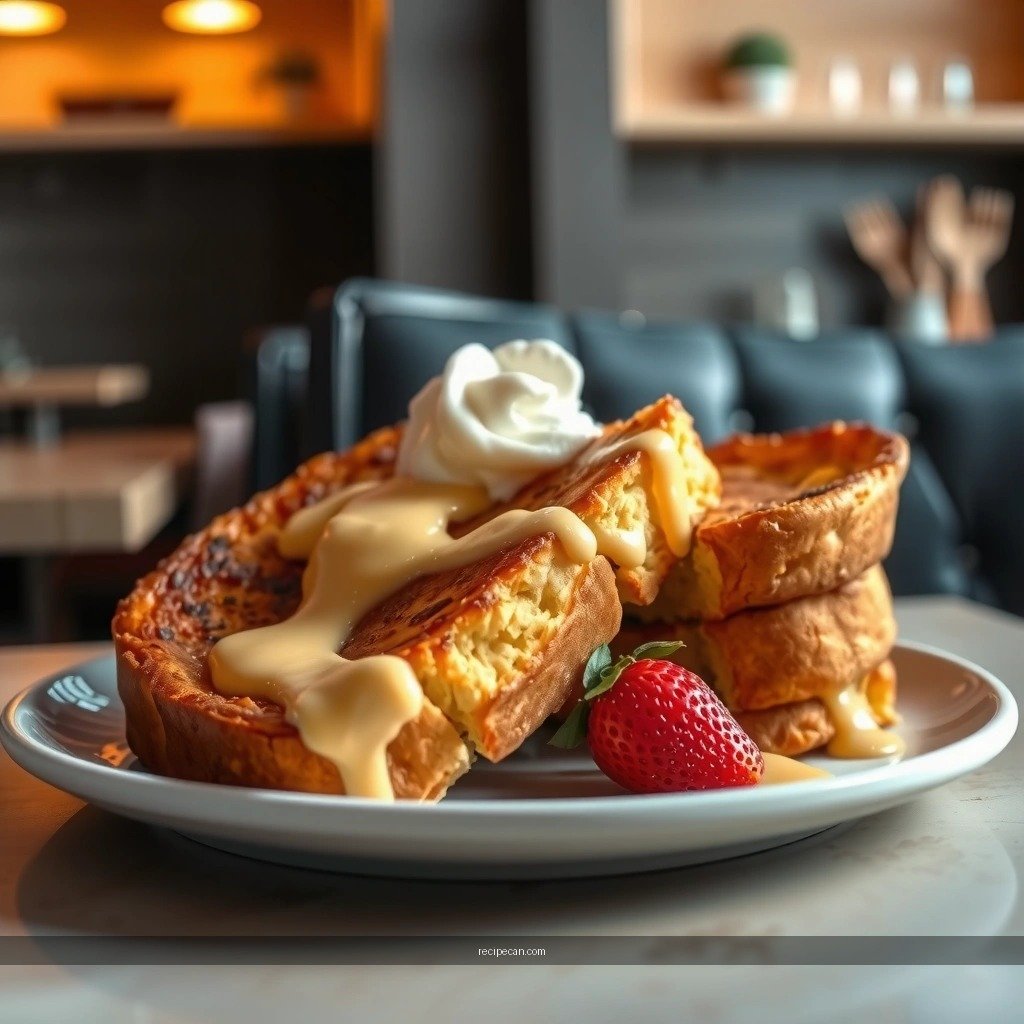
Fluffy French toast starts with bread that can handle custard without collapsing—and that browns beautifully once it hits the pan. The goal is structure: thick slices with enough crumb to puff slightly as they warm, while still absorbing custard evenly.
– Use thick-cut bread (brioche, challah, or thick sourdough) for maximum fluffiness
Thick slices give the custard time to penetrate and also provide insulation so the center cooks through without the exterior burning. Brioche and challah are especially forgiving because they’re egg-enriched and have a soft, fine crumb.
– Slightly stale bread absorbs the custard better without getting mushy
Fresh bread can become gummy because the custard has nowhere to “sit” before it’s quickly over-saturated. Day-old bread (or toasted lightly and cooled) absorbs custard in a controlled way, resulting in that classic French toast texture: custardy inside, crisp-golden outside.
Bread Choice for Fluffy French Toast (Best-Use Guide)
| # | Bread Type | Best Custard Penetration | Soak Time (per side) | Browning Risk | Fluffiness Match |
|---|---|---|---|---|---|
| 1 | Brioche | High | 20–30 sec | Low | ★★★★★ |
| 2 | Challah | High | 20–35 sec | Low–Med | ★★★★☆ |
| 3 | Thick Sourdough | Med–High | 25–45 sec | Med | ★★★★☆ |
| 4 | Texas Toast | Med | 30–50 sec | Med | ★★★☆☆ |
| 5 | Milk Bread (Shokupan) | High | 18–28 sec | Low | ★★★★☆ |
| 6 | Egg Bread | High | 20–32 sec | Low | ★★★★☆ |
| 7 | Whole Wheat (Hearty) | Med | 35–60 sec | Higher | ★★★☆☆ |
Use this as a practical baseline: brioche/challah/milk bread reliably produce the soft, custardy center you’re after, while denser whole wheat requires more careful soaking and gentler cooking to avoid toughness.
Mix the Custard
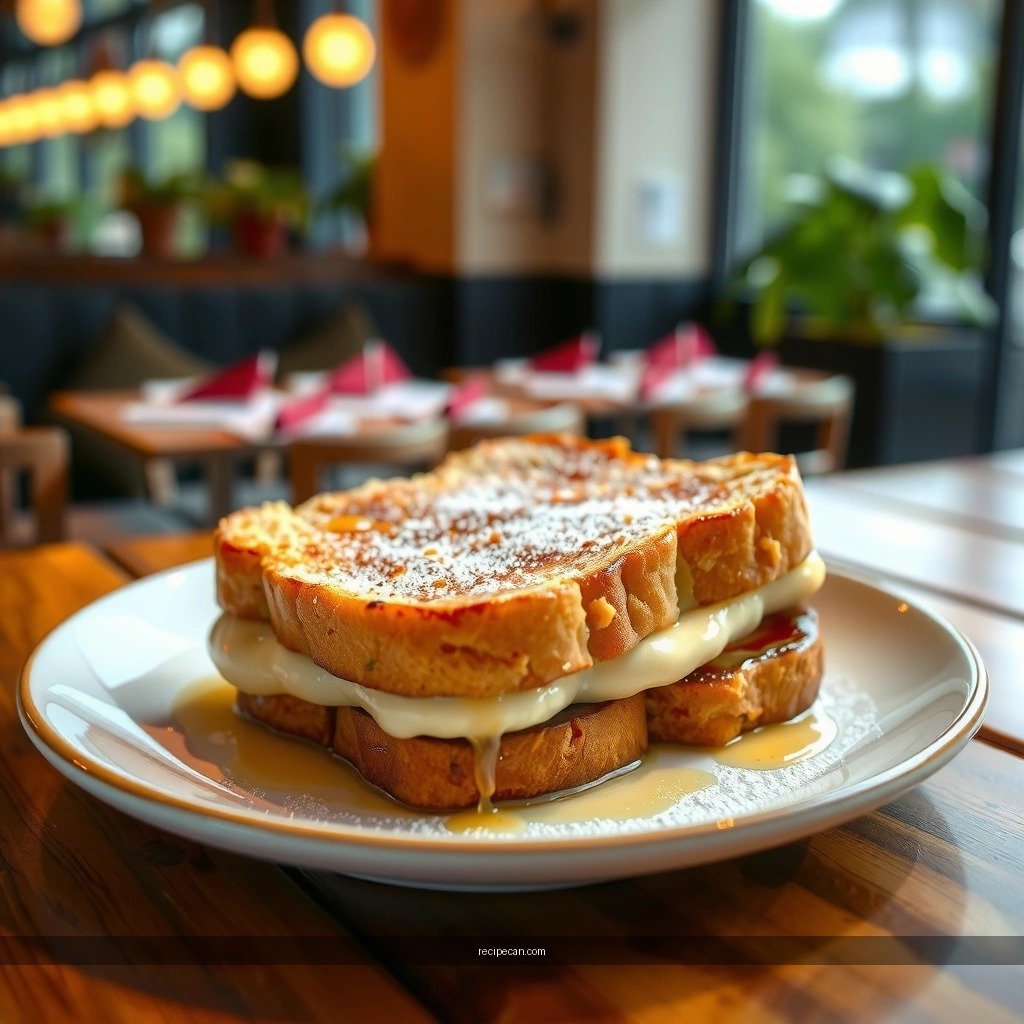
A great custard is what separates ordinary French toast from the fluffy, custardy version. The custard should taste rich (eggs + dairy), season evenly (salt + vanilla), and be whisked until uniform so every bite has the same flavor and texture.
– Combine eggs, milk (or cream), a pinch of salt, and vanilla for flavor
Whole milk makes a balanced custard; cream makes it more luxurious and more forgiving for achieving a soft center. A pinch of salt is non-negotiable—it enhances sweetness and helps the egg set more cleanly.– Whisk thoroughly so the custard evenly coats every slice
Don’t just “mix until combined.” Whisk until the surface looks creamy and there are no egg streaks. Any unmixed egg can create pockets of rubbery set while other areas stay under-custarded.
Pro technique: Let the custard sit for 1–2 minutes after whisking. This helps bubbles dissipate and gives thick ingredients (like cream) a better chance to fully integrate—resulting in a smoother bake and fewer weird textures.
If you’re aiming for business-level consistency (catering, meal prep, or hosting), measure ingredients by weight or at least standard cups. French toast is sensitive to ratio because egg proteins and dairy solids determine both browning and tenderness.
Soak & Rest for Maximum Fluff
The soak is where many recipes go wrong—too long and your French toast turns mushy; too short and the center stays dry. The best fluffy French toast uses a controlled soak plus a brief rest so custard penetrates without pooling.
– Soak each slice briefly, then let it rest so it fully absorbs
Aim for a quick dip (typically 20–30 seconds per side for rich breads like brioche/challah) and then lay the bread flat for a short rest. During the rest, the custard continues to move into the crumb.
– Don’t over-soak—aim for tender, not soggy, results
You want the bread to feel saturated but not dripping. If custard is actively running off the edges, you’ve likely crossed into over-saturation territory.
Timing trick you can use immediately: After soaking, press the bread gently with tongs (just a light touch). If liquid squeezes out, cook time should be shorter and/or soak time reduced. If the bread springs back slightly and looks evenly glossy, you’re in the sweet spot.
Even cooking note: Thicker bread benefits from a shorter, two-stage soak—soak side A, soak side B quickly, then rest before cooking. This reduces uneven saturation and helps keep the middle custardy.
Cook Low and Slow
Golden French toast isn’t just about browning; it’s about setting the egg custard from the outside in. Cooking low and slow helps prevent a burnt exterior with a raw or doughy center.
– Cook on medium-low heat with butter to prevent burning
Butter adds flavor, but it browns quickly. Medium-low gives butter time to melt and gently toast the bread without turning bitter. If your stove runs hot, lower heat further and allow extra cooking time rather than raising the flame.
– Flip once when golden and set; finish until cooked through
Flip only when the bottom is deeply golden and the surface looks set. Multiple flips interrupt the crust formation and can cause the bread to break or absorb more fat unevenly.
Quality control cues:
– The edges should look slightly crisp, not wet.
– When you press lightly, the center should spring back gently rather than squish like pudding.
– If the center still feels underdone, don’t rush: give it another 30–60 seconds per side depending on thickness.
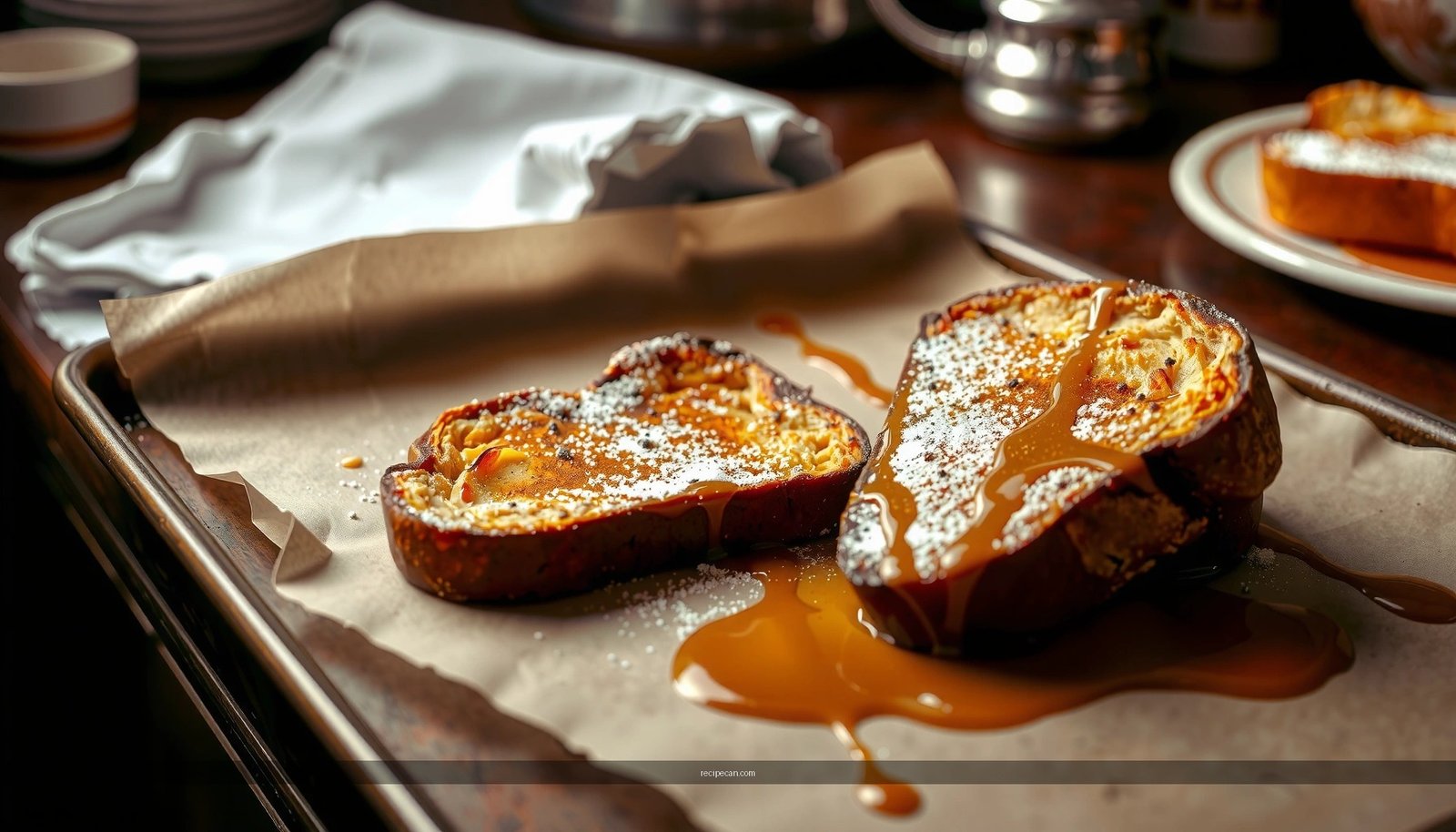
Optional consistency method: If making a batch, hold finished slices in a 200°F (93°C) oven on a rack. This preserves crispness longer than stacking on a plate.
Serve with Easy Toppings
Fluffy French toast is delicious on its own, but toppings help you customize sweetness, acidity, and texture. Choose toppings that complement the custard’s richness rather than compete with it.
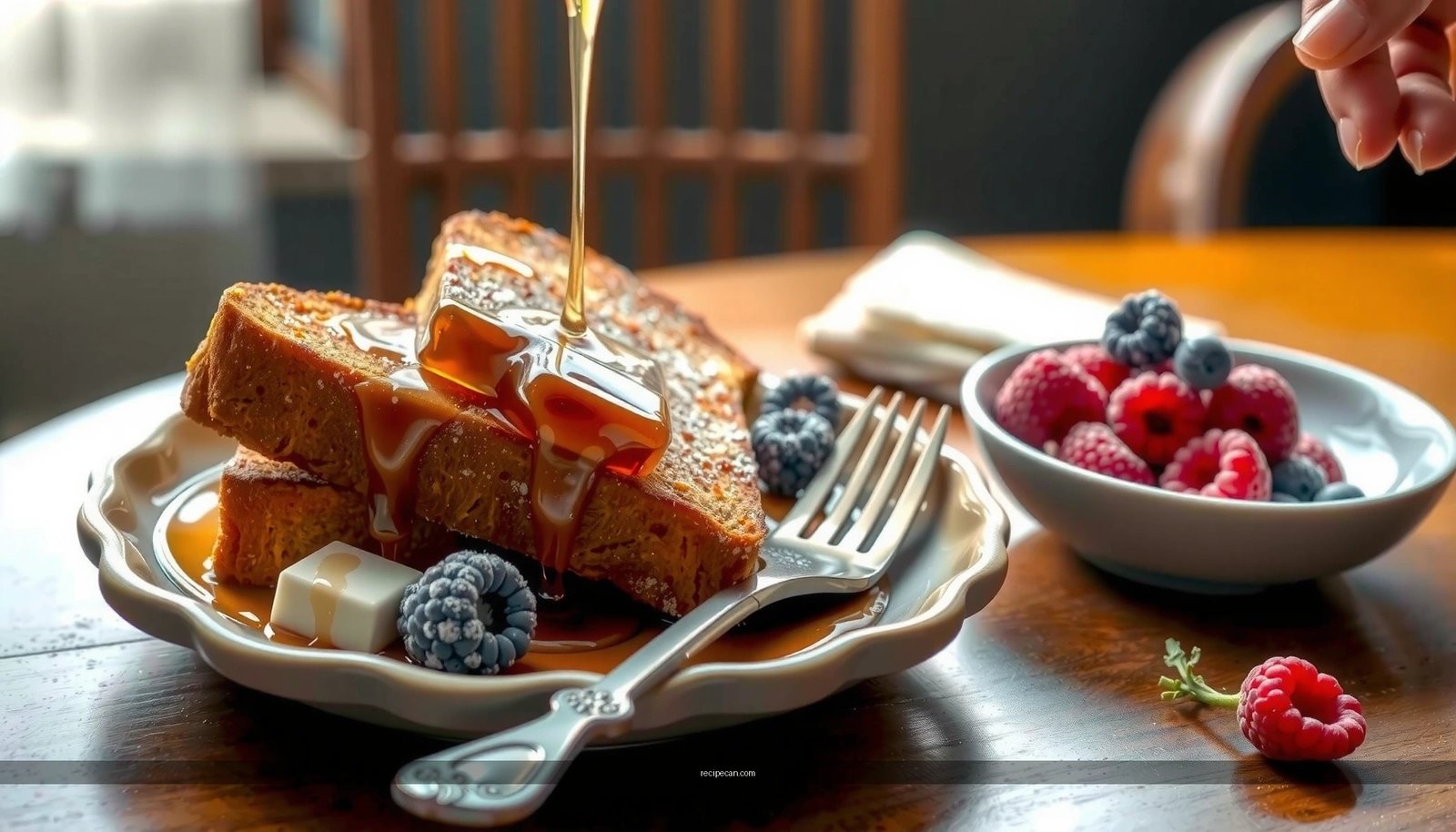
– Classic options: maple syrup, powdered sugar, fresh berries
Maple syrup amplifies the caramel notes that form during cooking. Berries add brightness that cuts through dairy richness.
– Add a quick sprinkle of cinnamon or a dollop of whipped cream for extra richness
Cinnamon provides warm aroma and pairs naturally with maple. Whipped cream adds a soft contrast to the crisp edge.
For a restaurant-style finishing touch, try this approach:
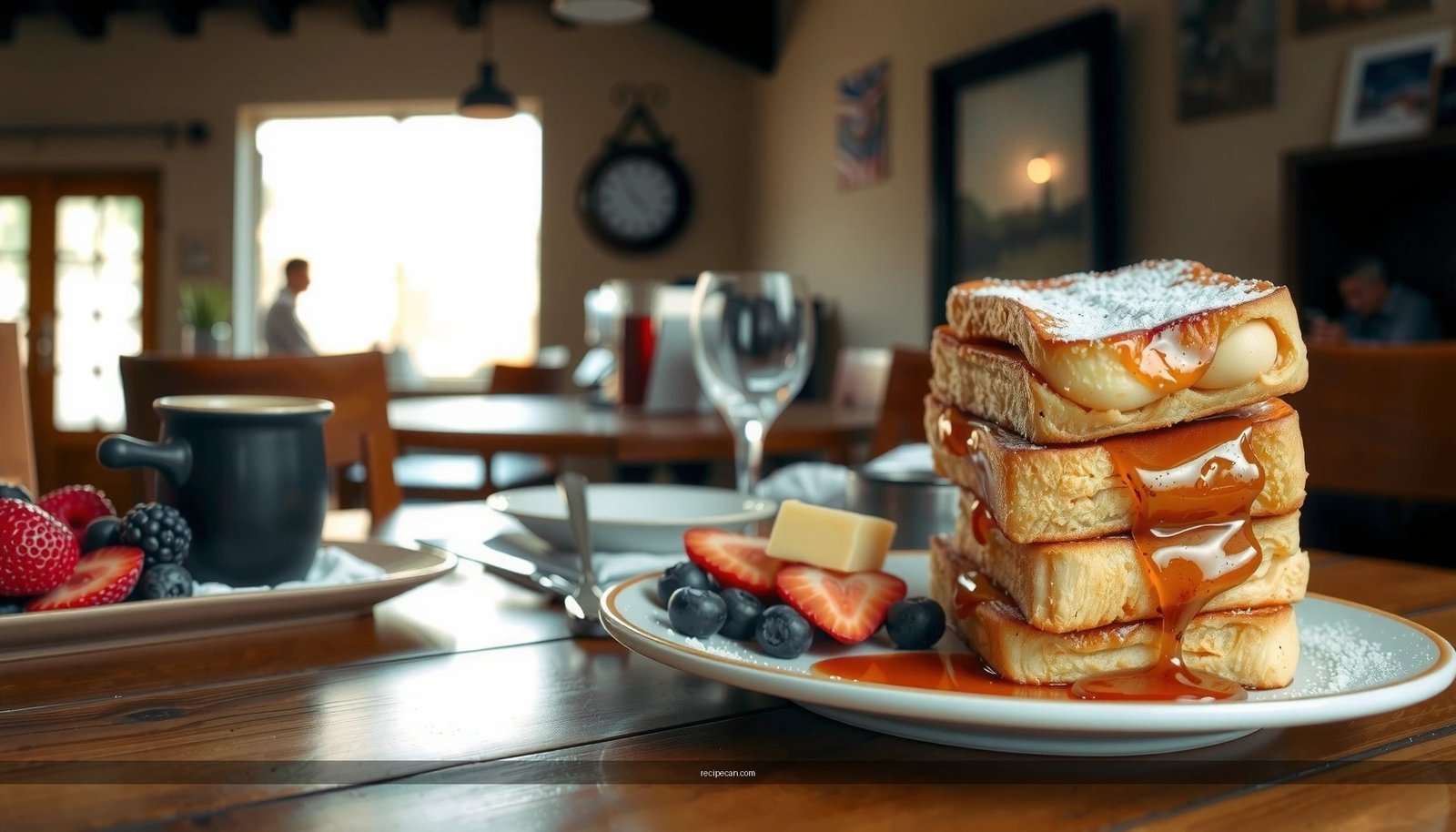
– Add syrup first while the toast is warm so it lightly glazes.
– Then add fresh berries for fresh juice and structure.
– Finish with powdered sugar right before serving for a clean, elegant look.
If you’re feeding a group, set up a “topping bar” so each guest can create their ideal balance of sweet and fruity without delaying service.
Storage & Reheating Tips
French toast is best fresh, but leftovers can still be excellent if stored and reheated correctly. The enemy is moisture loss without crispness recovery.
– Store leftovers in the fridge in an airtight container
Cool slices to room temperature first, then refrigerate. Airtight storage prevents the bread from drying out and smelling like other fridge items.
– Reheat in a toaster oven or skillet to restore crisp edges
A toaster oven (or skillet over medium-low) recreates that golden exterior better than a microwave, which tends to soften the crust and make the center uneven.
Reheat method that works reliably:
1. Reheat 3–5 minutes in a toaster oven at about 325°F (163°C) until warmed through.
2. If using a skillet, reheat 1–2 minutes per side on low, using a small pat of butter if needed.
Freezer note (optional): If you want to plan ahead, freeze cooked French toast in a single layer and then bag it. Reheat from frozen in a toaster oven for best texture.
Fluffy french toast comes from thick bread, a well-whisked custard soak, and gentle cooking until golden. Make this recipe once, then tweak soak time and heat level to match your stove—try it this weekend and share your favorite topping combo!
Frequently Asked Questions
What makes a French toast recipe fluffy instead of soggy?
Fluffiness comes from using a thicker custard and letting the bread soak just long enough to absorb without falling apart. Use brioche, challah, or thick-cut Texas toast, and whisk eggs thoroughly with milk (or half-and-half) plus vanilla and a pinch of salt. Cook on medium heat so the outside crisps while the center stays custardy, and avoid soaking too long.
How do I make fluffy French toast without it being dense?
Add a little extra aeration to your egg mixture by separating the eggs and gently folding whipped whites into the custard, or whisk in a splash of sparkling water. Cut the bread thick and use day-old bread so it can absorb the fluffy French toast egg mixture without turning gummy. Soak each slice briefly, then cook immediately on a preheated skillet or griddle for even puffiness.
Why do my fluffy French toast slices fall apart when I flip them?
This usually happens when the bread is too thin, the custard soak is too long, or the pan is too hot so the outside sets before the inside firms up. Use thick bread, soak briefly (about 10–20 seconds per side for day-old bread), and flip once when the bottom is golden and set. If needed, rest the soaked slices for a minute before cooking so the custard thickens slightly and holds together better.
What’s the best bread for a fluffy French toast recipe?
Brioche and challah are the top choices because their higher egg and fat content creates a tender, fluffy French toast texture. For a more classic diner style, thick-cut sourdough or Texas toast can work well, as long as the slices are sturdy enough to handle soaking. Aim for slices that are about 3/4 to 1 inch thick for the best rise and custardy center.
Which toppings and cooking method make fluffy French toast taste bakery-level?
For bakery-style flavor, finish with powdered sugar, warm maple syrup, fresh berries, or a quick butter-vanilla sauce. Cook in batches and keep finished French toast warm on a wire rack in a 200°F oven so it stays crisp instead of steaming. If you’re using a skillet, lightly grease and use medium heat, which helps the fluffy French toast develop golden edges without drying out.
References
- French toast
https://en.wikipedia.org/wiki/French_toast - https://www.britannica.com/topic/French-toast
https://www.britannica.com/topic/French-toast - Google Scholar Google Scholar
https://scholar.google.com/scholar?q=fluffy+french+toast+recipe - Google Scholar Google Scholar
https://scholar.google.com/scholar?q=french+toast+egg+custard+soak+technique - Google Scholar Google Scholar
https://scholar.google.com/scholar?q=egg+white+foam+protein+stability+food+science - https://pubmed.ncbi.nlm.nih.gov/?term=egg+white+protein+foam+formation
https://pubmed.ncbi.nlm.nih.gov/?term=egg+white+protein+foam+formation - https://pubmed.ncbi.nlm.nih.gov/?term=Maillard+reaction+food+browning
https://pubmed.ncbi.nlm.nih.gov/?term=Maillard+reaction+food+browning - https://www.sciencedirect.com/search?qs=egg%20white%20foams%20protein%20stability
https://www.sciencedirect.com/search?qs=egg%20white%20foams%20protein%20stability - https://www.fsis.usda.gov/food-safety/safe-food-handling-and-preparation/food-safety-basics/safe-minimum-cooking-temperatures
https://www.fsis.usda.gov/food-safety/safe-food-handling-and-preparation/food-safety-basics/safe-minimum-cooking-temperatures - https://www.cdc.gov/foodsafety/food-safety-basics.html
https://www.cdc.gov/foodsafety/food-safety-basics.html