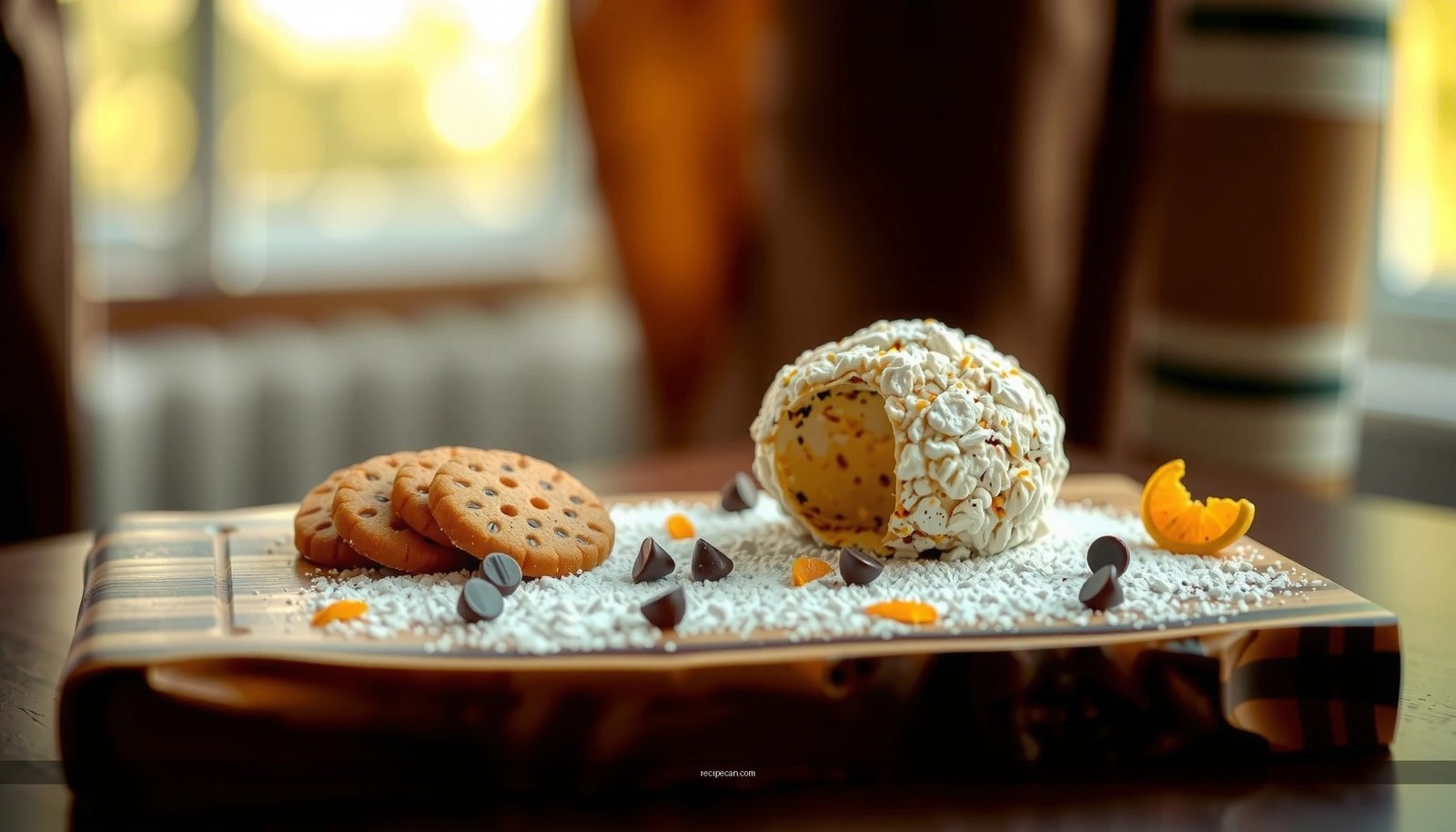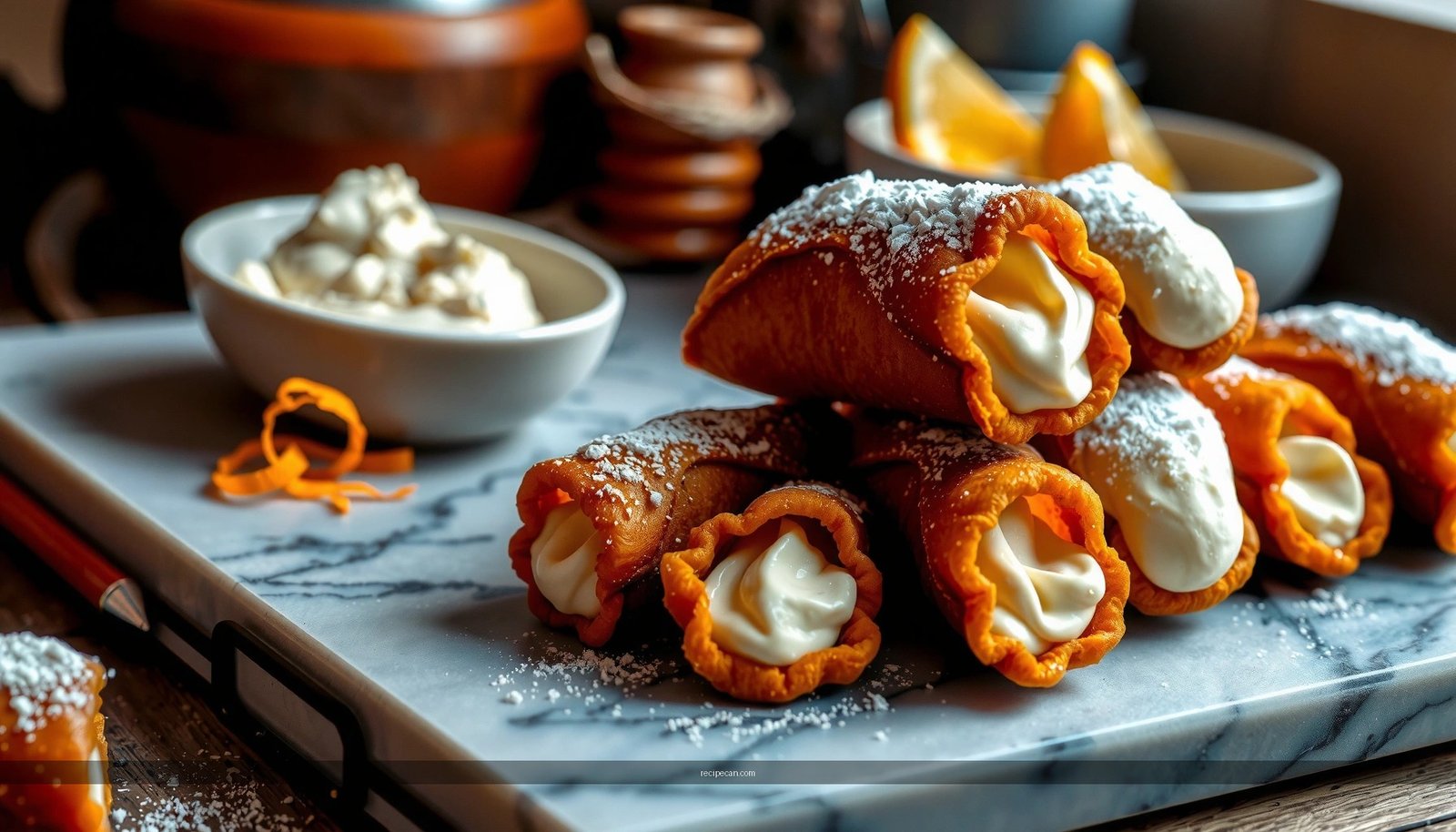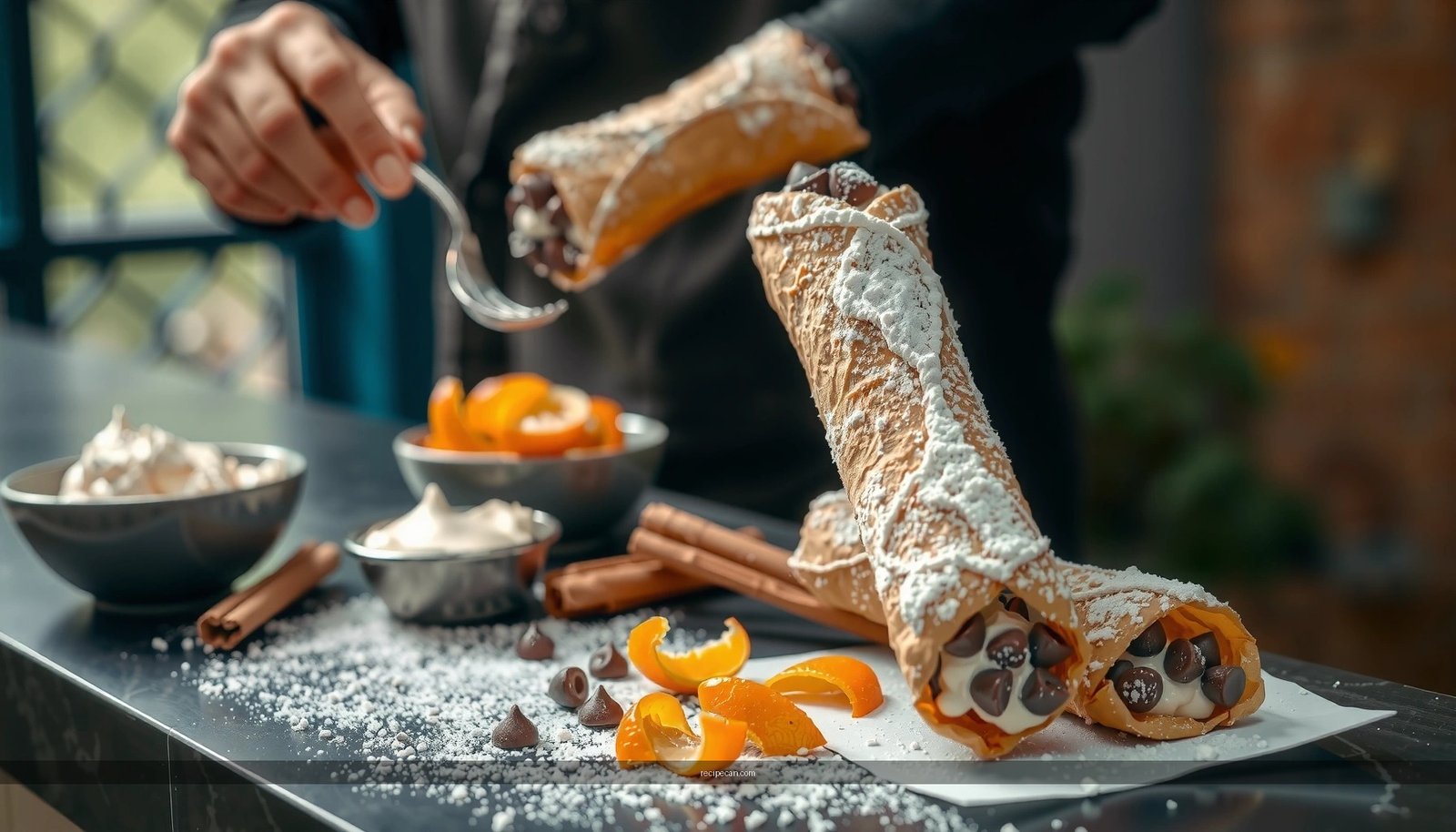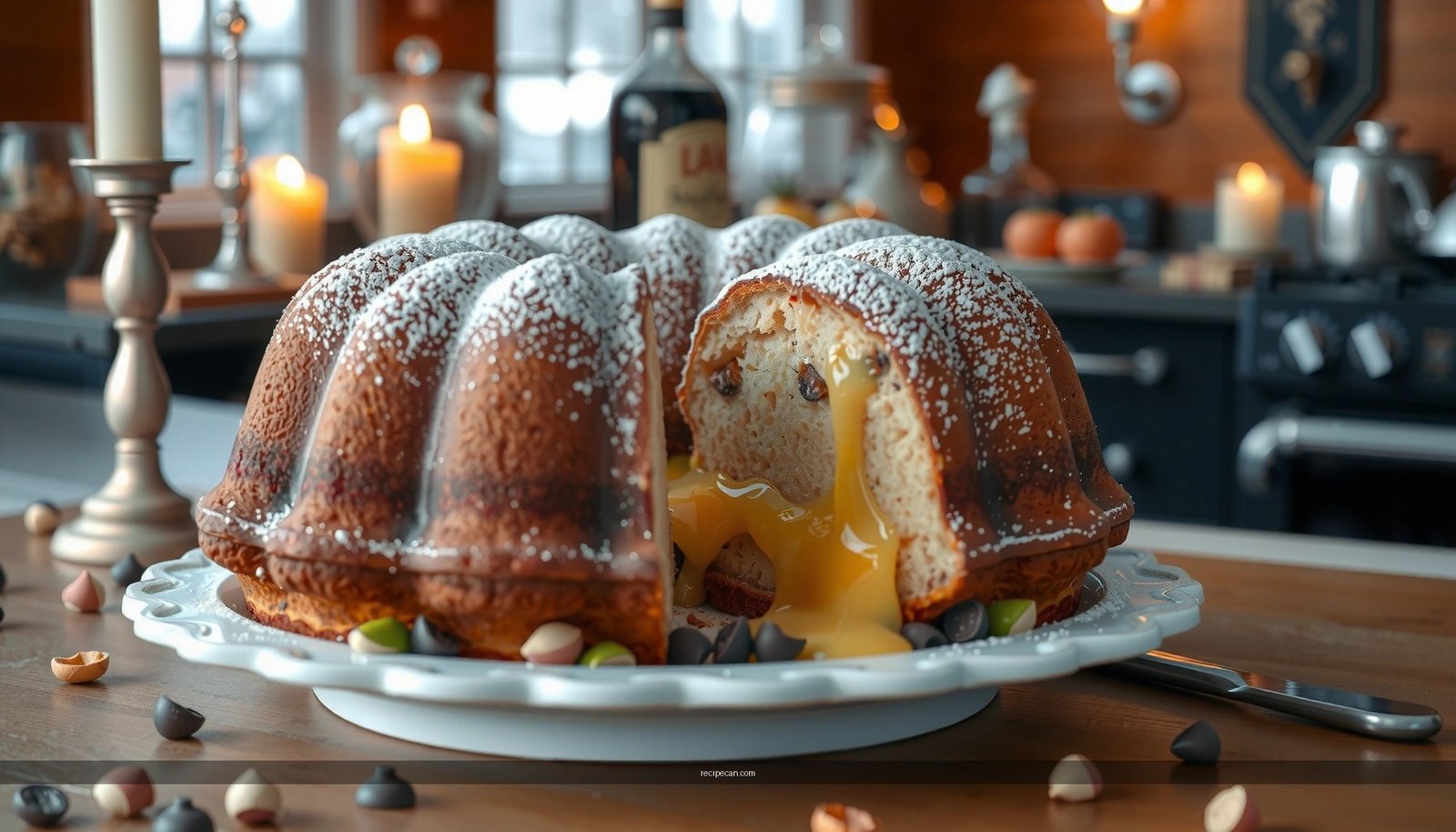
This cannoli bundt cake recipe delivers the classic Italian flavor you want—creamy ricotta filling, crunchy hints of toasted nuts, and a sweet glaze that sets the cake off. You’ll get clear, step-by-step instructions for baking a bundt that releases cleanly and staying moist long after it cools. If your goal is a showstopper cannoli-style dessert that actually tastes like cannoli, this is the winner.
If you want a cannoli-inspired dessert that slices beautifully, this cannoli bundt cake delivers a tender vanilla crumb with creamy ricotta flavor and a sweet, cannoli-like finish. The key is building a smooth ricotta filling you can layer into the cooled bundt cake—then topping it simply so the flavors taste authentic without extra work.
Ingredients for Cannoli Bundt Cake
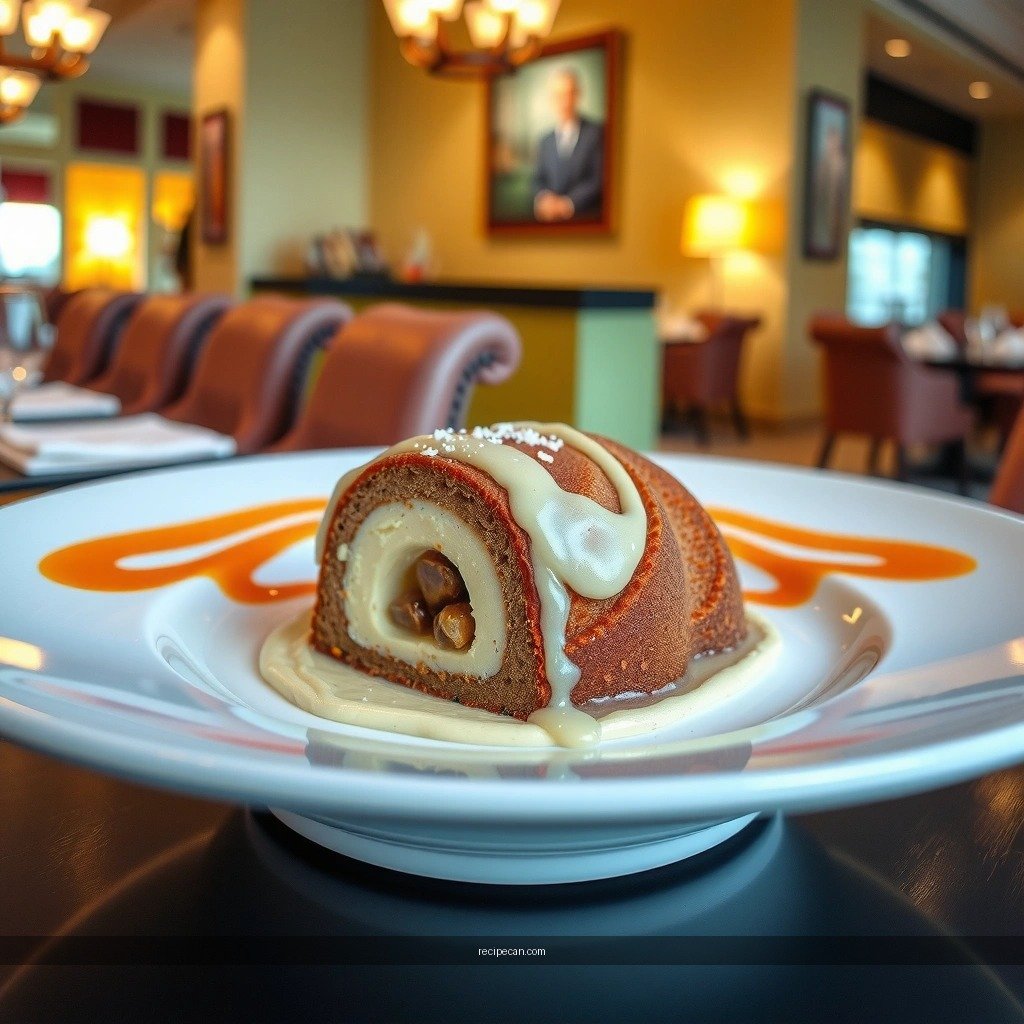
– Gather ricotta, vanilla, sugar, eggs, and flour for a classic, moist base
– Use mini chocolate chips (and optional citrus zest) for authentic cannoli flavor
A true cannoli bundt cake should balance three things: (1) a tender vanilla cake that won’t compete with the filling, (2) a ricotta layer that stays creamy rather than watery, and (3) a topping that nods to classic cannoli—sweet, fragrant, and slightly crunchy.
Core batter ingredients (vanilla cake foundation)
– Ricotta (for flavor and moisture): Use whole-milk ricotta for the most classic texture. Low-fat versions can taste slightly sharper and may release more moisture.
– All-purpose flour: Provides structure so the bundt doesn’t crumble when you slice it.
– Sugar and eggs: Sugar supports browning and softness; eggs add lift and a custardy richness.
– Vanilla extract: Essential for that “baked dessert” aroma that reads as Italian-inspired even when you’re using a bundt pan.
Cannoli-style flavor boosters
– Mini chocolate chips: They mimic the chocolate-specked filling in classic cannoli and distribute evenly throughout both cake and filling.
– Optional citrus zest (orange or lemon): Cannoli fillings often lean bright and aromatic. Even a small amount of zest brings an “Italian bakery” finish.
– Powdered sugar (for filling): Dissolves quickly and gives the ricotta a smoother, dessert-shop texture.
Ingredient quality tip (practical)
For best results, use room-temperature eggs and ricotta. Cold ingredients can cause batter to seize slightly and can reduce how evenly the ricotta flavor distributes.
Storage-window planning (so ingredients stay at peak quality)
If you’re baking ahead for a gathering, ingredient freshness matters—especially for ricotta and eggs.
Typical Best-Quality Windows for Key Cannoli Bundt Ingredients (Refrigerated)
| # | Ingredient | Common Form | Best-Quality Window | Quality Rating |
|---|---|---|---|---|
| 1 | Ricotta | Opened (refrigerated) | 5–7 days | ★★★★☆ |
| 2 | Eggs | In shells | 3–5 weeks | ★★★★☆ |
| 3 | Milk | Opened (refrigerated) | 4–7 days | ★★★☆☆ |
| 4 | Butter | Refrigerated (unsalted) | 1–2 months | ★★★★☆ |
| 5 | Vanilla extract | Unopened (refrigerated/pantry) | 12–18 months | ★★★★★ |
| 6 | Mini chocolate chips | Bag (sealed) | 12–18 months | ★★★★★ |
| 7 | Powdered sugar | Unopened | 6–12 months | ★★★★☆ |
Use this as a planning guideline: the cake will still be safe beyond these windows, but flavor and texture drop first—especially for opened ricotta and milk.
Make the Cannoli-Style Filling
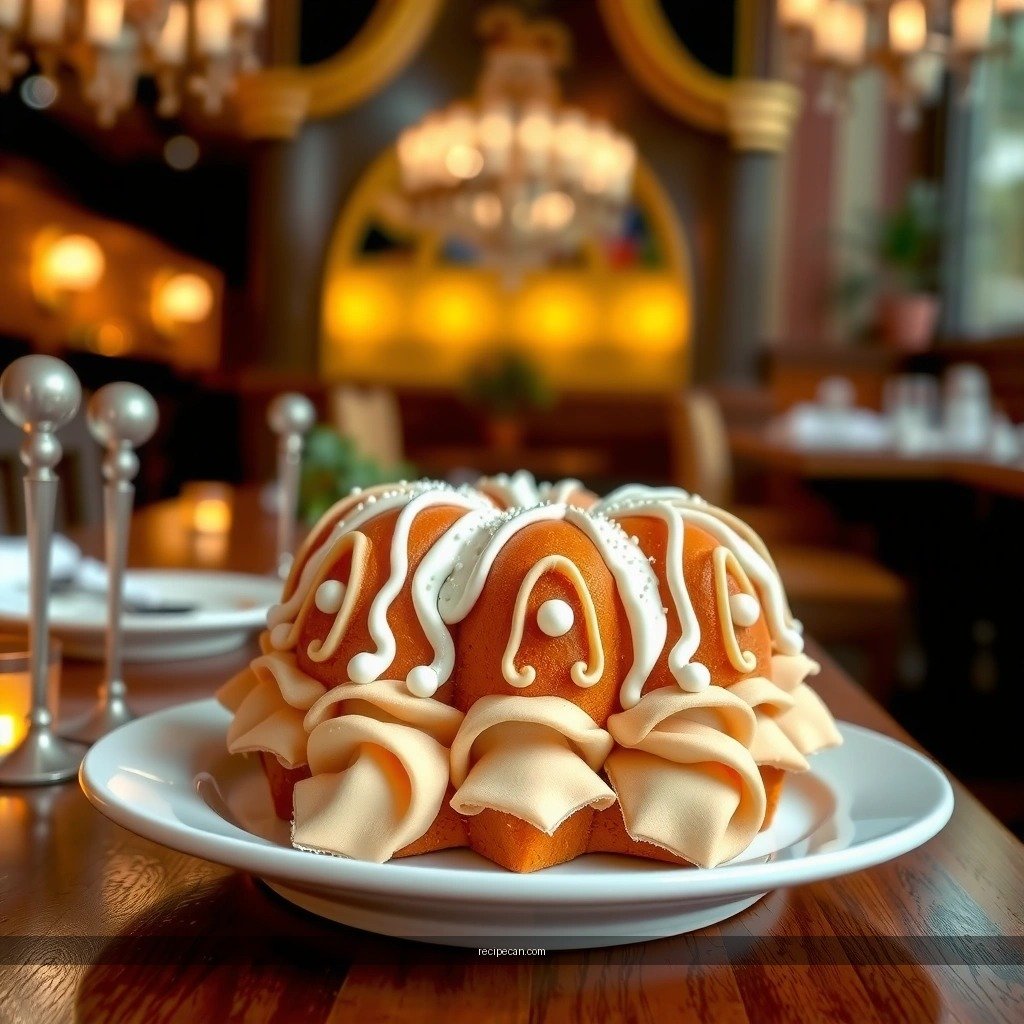
– Mix ricotta with powdered sugar and vanilla until smooth and creamy
– Fold in chocolate chips (and any add-ins) carefully to keep it light
This is where the “cannoli” identity is created. A bundt cake batter alone can taste like vanilla cake—your ricotta filling is what makes the dessert read as Italian-inspired.
Build a stable, creamy ricotta mixture
1. Drain if needed: If your ricotta looks very wet, stir it and let it sit in a fine strainer for 10–15 minutes before mixing. This reduces the risk of a runny layer.
2. Sweeten with powdered sugar: Powdered sugar dissolves more readily than granulated sugar, which helps the filling feel silky instead of grainy.
3. Add vanilla (and zest, if using): Vanilla rounds out the dairy sweetness; citrus zest adds brightness similar to classic cannoli filling.
Fold chocolate chips gently
After the ricotta mixture is smooth, fold in:
– Mini chocolate chips
– Optional orange zest or a small pinch of cinnamon (if you like a more traditional Sicilian warmth)
Avoid overmixing once chips are added. Overmixing can incorporate too much air and change the density of the filling—resulting in a less consistent slice.
Best practice: texture check
When the filling is right, it should:
– hold a soft “ribbon” when spooned
– spread easily, but not run like yogurt
If it seems too thick, loosen with 1–2 teaspoons of milk. If too thin, fold in 1–2 tablespoons extra powdered sugar or add a spoonful more ricotta.
Prepare and Bake the Bundt Cake
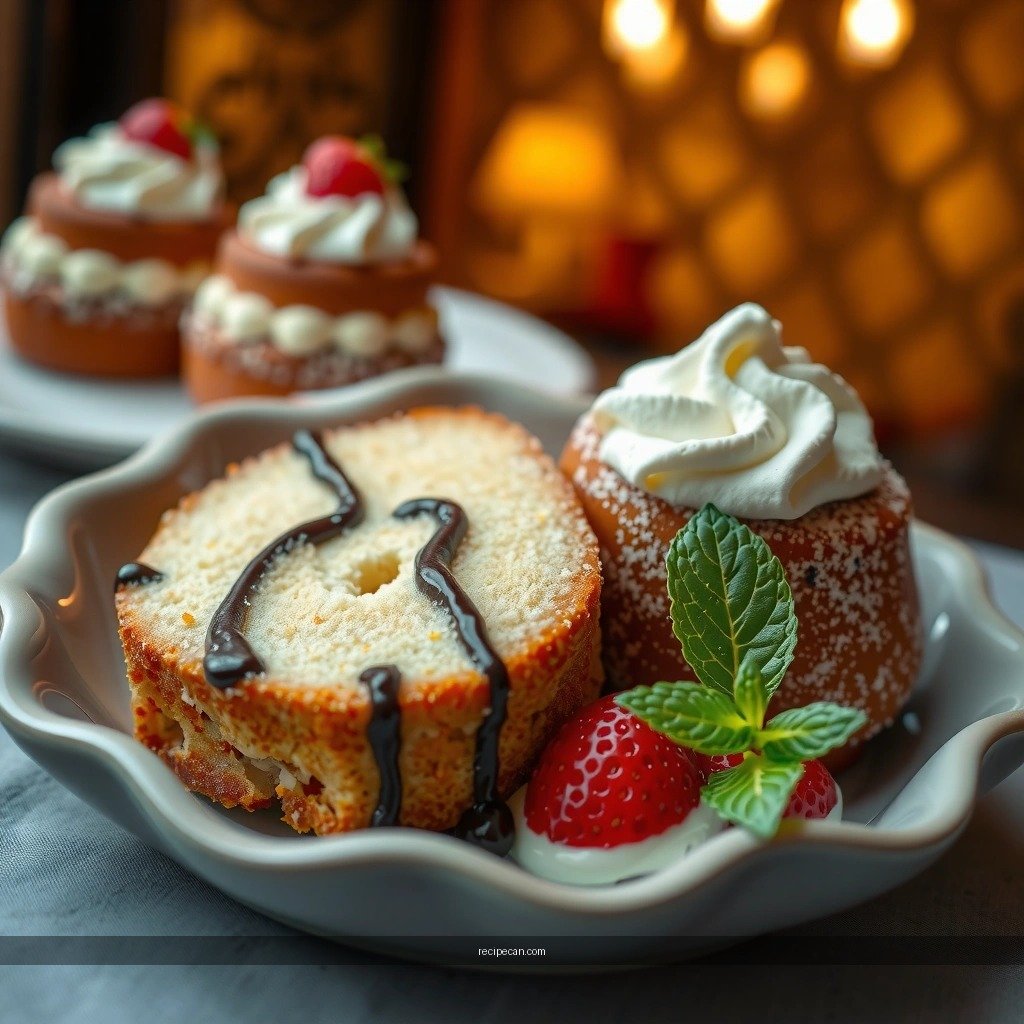
– Coat the bundt pan well and bake until a toothpick comes out clean
– Let the cake cool fully before removing to prevent sticking and cracking
Bundt cakes demand one thing above all: pan release. Even great batter can stick if the preparation isn’t thorough.
Coat the pan like you mean it
Use one of these reliable approaches:
– Shortening or butter + flour, spread into every groove
– Baking spray with flour (if available), applied generously
Pay extra attention to the center tube and the highest ridges—those areas cool and contract differently and are the most likely to stick.
Bake for doneness, not just time
Ovens vary. The correct cue is:
– a toothpick inserted into the cake’s thickest section comes out clean or with only a few moist crumbs
– the cake edges pull slightly away from the pan
Overbaking makes the crumb dry, which matters because ricotta filling is creamy—your cake needs a tender, not brittle, bite.
Cool fully before assembly
Let the cake cool until it’s safe to handle, then remove it carefully. For bundt shapes, a thorough cool is often the difference between:
– a clean release and intact channels
– and cracking that creates uneven filling pockets
If you’re assembling the filling into slices, make sure the cake is fully cool before layering. Warm cake can melt the filling slightly and reduce the “set” cannoli effect.
Assemble for the Best Cannoli Flavor
– Layer or swirl filling into the cooled cake for a true cannoli vibe
– Add any extra chocolate chips or zest for a flavor boost
You have two strong assembly options—choose based on your goal (presentation vs. speed).
Option A: Slice-and-layer (maximum cannoli impact)
1. Slice the bundt cake horizontally into 2–3 layers.
2. Spread or pipe ricotta filling between layers.
3. Stack and finish with a top layer of filling (optional).
This creates the most dramatic cannoli experience per bite, because each forkful includes cake and filling.
Option B: Swirl into the cake (cleaner, faster)
If you’d rather keep the bundt intact:
1. Spoon filling into shallow channels made with a knife
2. Swirl lightly so it disperses through the ridges
This option is excellent for serving at events because it reduces mess and looks elegant in a ring shape.
Add a final “cannoli” note
Before topping, scatter:
– a few extra mini chips
– a pinch of citrus zest
This reinforces the signature flavor without overpowering the ricotta.
Make the Topping and Finish
– Use a quick dusting of powdered sugar or a simple drizzle
– Garnish with chopped pistachios or mini chips for an easy finishing touch
Cannoli toppings should be simple enough to highlight the filling. You’re not trying to create a second dessert—just an elegant finish.
Quick topping choices
– Powdered sugar dusting: Classic, fast, and visually professional.
– Light chocolate drizzle: Melt chocolate briefly, then drizzle in thin lines for a bakery-style look.
– Optional honey or orange syrup glaze: Use sparingly for a glossy, aromatic finish.
Garnish for texture contrast
Cannoli often includes toasted nuts or chocolate bits. For your bundt:
– chopped pistachios for crunch and authenticity
– extra mini chocolate chips for visual speckling
– a tiny sprinkle of zest if you want a bright fragrance on top
Aim for a garnish that adds texture but doesn’t introduce sogginess—especially important if refrigerating.
Storage and Serving Tips
– Store covered in the refrigerator and enjoy within a few days
– Serve chilled or at room temperature for the best texture and flavor
Because this cake includes ricotta, storage guidance matters for both quality and food safety.
Refrigerate for best cannoli texture
Cover the cake and refrigerate. The filling firms slightly, making slices cleaner and more “set” like traditional cannoli components.
– Best within a few days: Flavor remains vivid and the cake stays tender.
– Avoid frequent uncovered time: Exposure dries cake edges and can dull citrus notes.
Serving temperature: choose your preferred texture
– Chilled slices: Creamier filling and firmer structure—great for make-ahead gatherings.
– Room-temperature slices (short rest): Warms the crumb and softens the filling for a more lush mouthfeel.
A practical approach is to plate and rest for 10–15 minutes before serving if you want a softer cannoli-like experience.
Transporting for events
If you’re bringing it to a meeting or party:
– keep it refrigerated until arrival
– transport on a sturdy plate
– slice on-site only if you have the time (otherwise pre-slice and keep chilled)
This preserves shape and presentation.
—
This cannoli bundt cake recipe is an easy way to get classic cannoli flavors in a beautiful, sliceable dessert. Follow the filling, bake, and assembly steps closely, then top and chill for maximum creaminess—then slice, serve, and share your new favorite Italian-inspired cake.
Frequently Asked Questions
What is a cannoli bundt cake and how is it different from traditional cannoli?
A cannoli bundt cake is a cake baked in a bundt pan that’s flavored with classic cannoli elements like ricotta, vanilla, and chocolate chips (often with hints of orange or cinnamon). Unlike traditional cannoli, which are usually fried shells filled with sweetened ricotta, the cannoli bundt cake bakes the batter into a single dessert and typically finishes with a cannoli-inspired ricotta topping or drizzle.
How do you make a cannoli bundt cake with a moist ricotta filling (without a gummy texture)?
To keep your cannoli bundt cake moist, choose well-drained ricotta and avoid overmixing the batter once the wet ingredients are added. If your ricotta is watery, blot it or strain it briefly before mixing to prevent a dense or gummy crumb. Fold in chocolate chips gently and bake until a toothpick comes out with a few moist crumbs, then cool fully in the pan before unmolding.
Why does my cannoli bundt cake sink in the middle, and how can I prevent it?
A sinking bundt cake often happens from underbaking, opening the oven too early, or using too much liquid (including overly wet ricotta). Make sure your oven is properly preheated, bake until the center reaches doneness, and let the cake cool before checking or moving it. Measuring ingredients accurately and using room-temperature ricotta and eggs can also improve structure.
What’s the best way to prevent a bundt cake from sticking when using cannoli flavors?
Use a thorough greasing routine: coat every crevice of the bundt pan with butter or baking spray, and consider adding a light dusting of flour or cocoa for extra release. Because cannoli bundt cake recipes often include ricotta and chocolate chips, which can cling, proper pan coverage is crucial. After baking, cool the cake for about 10–15 minutes in the pan, then unmold onto a rack so the cake doesn’t trap moisture.
Which ricotta is best for a cannoli bundt cake—whole milk, part-skim, or low-fat?
Whole milk ricotta generally gives the richest flavor and tender crumb for a cannoli bundt cake, while part-skim can work if you drain it well to avoid excess moisture. Low-fat ricotta may taste less creamy and can lead to a softer texture unless balanced with the right sugar and bake time. For the most classic cannoli flavor in your ricotta bundt cake, look for high-quality, plain ricotta and strain it if the package liquid looks high.
References
- Cannoli
https://en.wikipedia.org/wiki/Cannoli - https://www.britannica.com/topic/cannoli
https://www.britannica.com/topic/cannoli - Bundt cake
https://en.wikipedia.org/wiki/Bundt_cake - Ricotta
https://en.wikipedia.org/wiki/Ricotta - Baking
https://en.wikipedia.org/wiki/Baking - https://en.wikipedia.org/wiki/List_of_cake_types
https://en.wikipedia.org/wiki/List_of_cake_types - Google Scholar Google Scholar
https://scholar.google.com/scholar?q=cannoli+recipe+ricotta+chocolate+chips - Google Scholar Google Scholar
https://scholar.google.com/scholar?q=bundt+cake+recipe+ricotta - https://scholar.google.com/scholar?q=italian+desserts+cannoli+variations+cake Google Scholar
https://scholar.google.com/scholar?q=italian+desserts+cannoli+variations+cake - https://cooking.nytimes.com/recipes/1016210-cannoli
https://cooking.nytimes.com/recipes/1016210-cannoli