Want a fast and easy French toast recipe that actually delivers for a quick breakfast? This simple method uses everyday ingredients and minimal prep to get golden, custardy slices on the table fast—no complicated steps required. If you’re short on time but still want restaurant-style French toast, this is the winner recipe to use.
You can make fast and easy French toast in about 10 minutes by whisking eggs with milk (plus vanilla and spices), dipping bread briefly, and pan-cooking until golden—crispy at the edges, custardy inside. With the right bread thickness, a short soak time, and medium heat, you’ll get reliable results every time, even on a busy morning.
Ingredients for Fast and Easy French Toast
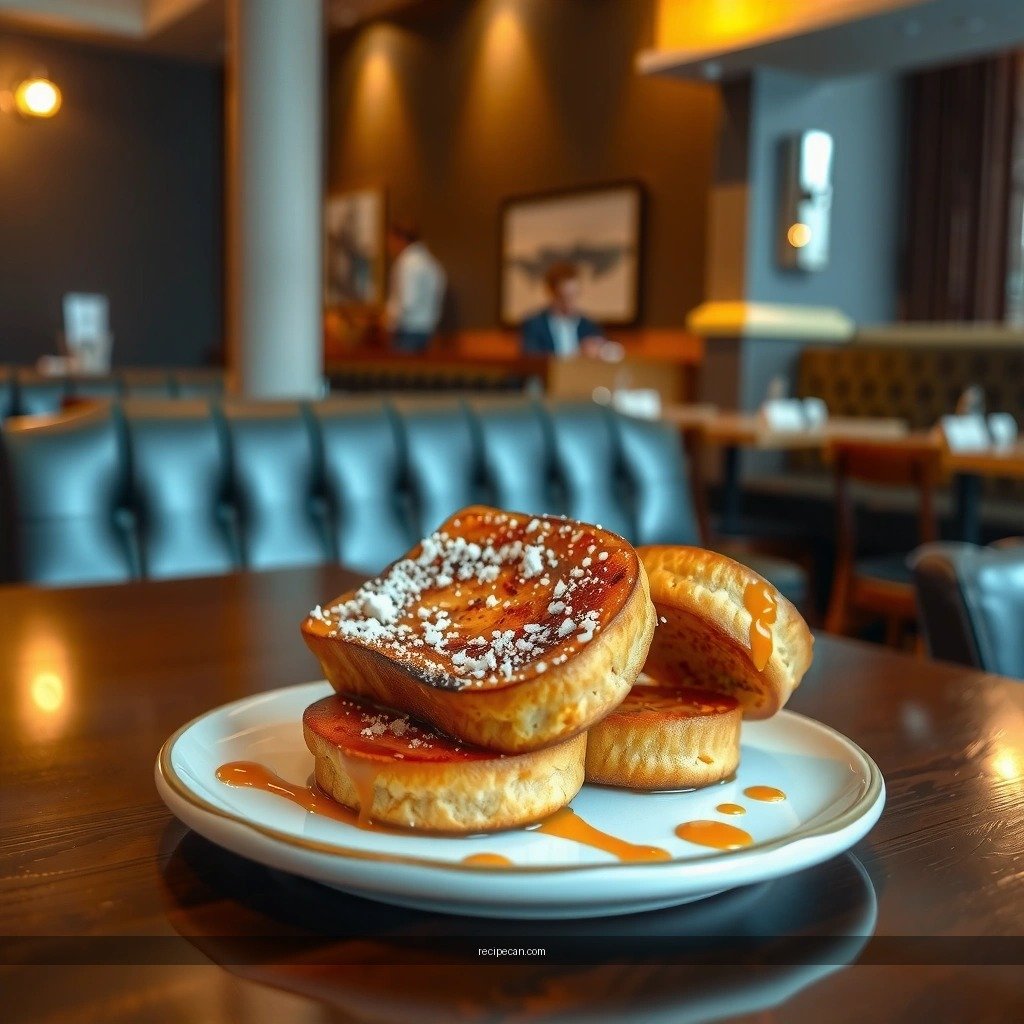
French toast is essentially a quick custard sandwich: bread + egg-based mixture + heat. Because you’re optimizing for speed, you want ingredients that perform well immediately—no complicated resting, no specialty tools required.
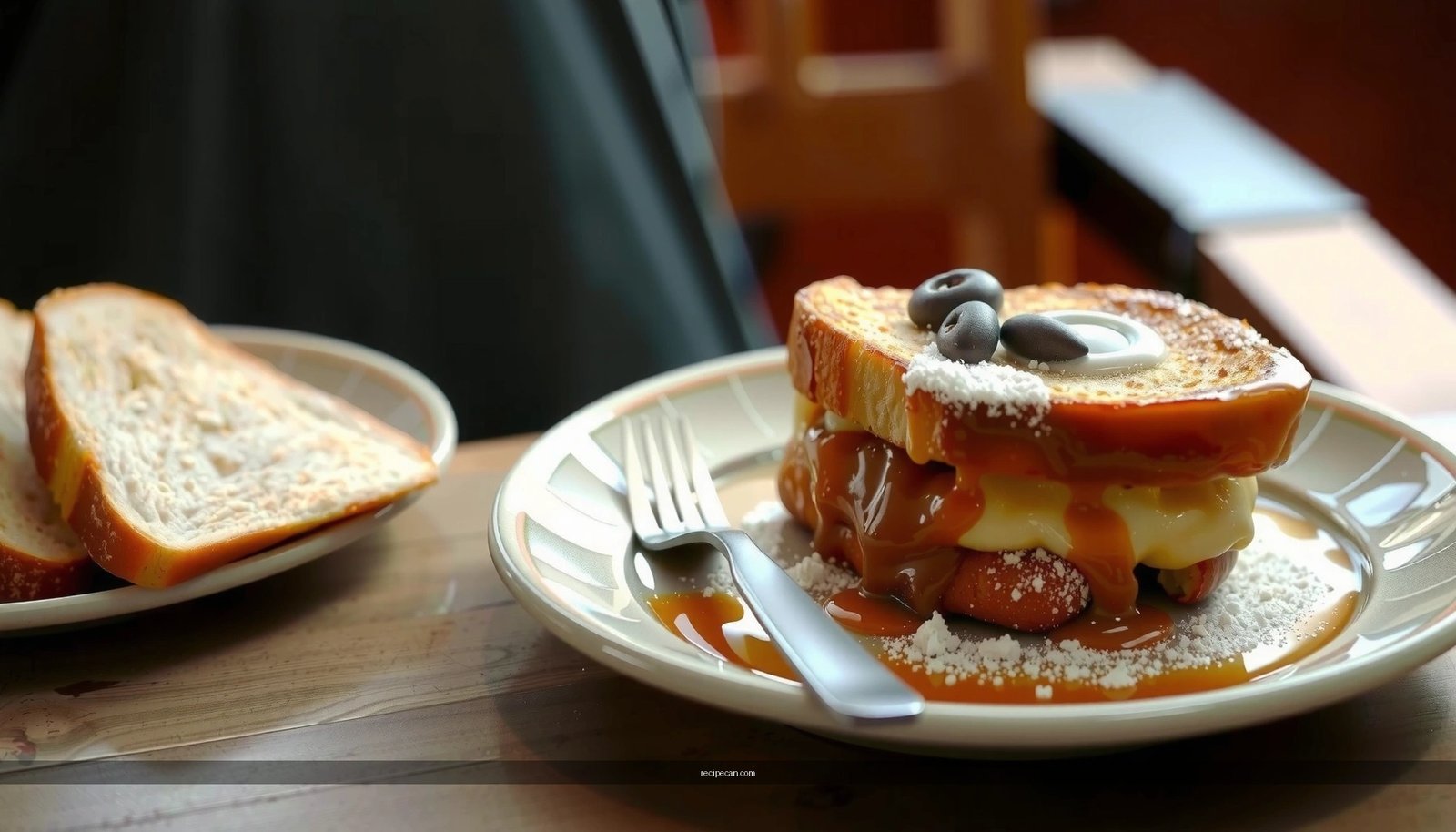
– Bread (brioche, challah, or thick-sliced white bread) for the best texture
Brioche and challah are naturally rich and absorb custard evenly, yielding a tender interior. If you’re using standard white sandwich bread, choose thick slices so you get enough structure to crisp without turning soggy.
– Combine eggs and milk (or half-and-half) with a little sugar and vanilla
Eggs provide structure and that classic custard “set” when cooked. Milk (or half-and-half) adds creaminess and helps the coating brown evenly. Sugar isn’t about sweetness alone—it also supports a more pronounced caramelized flavor during cooking.
– Add cinnamon or nutmeg for that classic French toast flavor
Cinnamon is the most recognizable choice, but a touch of nutmeg adds warmth and depth. If you want a more “bakery” profile, use cinnamon as the base and keep nutmeg as a subtle background note.
French Toast Custard vs. Bread Texture (Practical Benchmarks)
| # | Custard & Bread Approach | Typical Soak (per side) | Best Result | Outcome Rating |
|---|---|---|---|---|
| 1 | Thick brioche + egg/half-and-half custard | 10–15 sec | Custardy interior, crisp edges | ★★★★★ |
| 2 | Challah + milk custard (slightly lighter) | 12–18 sec | Soft crumb, strong browning | ★★★★☆ |
| 3 | Slightly stale thick white bread + milk/egg | 10–20 sec | Moist center without mush | ★★★★★ |
| 4 | Fresh white bread + longer dip time | 25–35 sec | Can go soggy in the middle | ★★★☆☆ |
| 5 | Thin slices + same soak as thick bread | 8–12 sec | Edges crisp too fast, center under-set | ★★★☆☆ |
| 6 | Half-and-half + brioche + quick dip | 10–15 sec | Most “rich” result per minute | ★★★★★ |
| 7 | Plant milk + egg substitute + thick bread | 10–20 sec | Works well; slightly less custard set | ★★★★☆ |
Step-by-Step: How to Make It Quickly
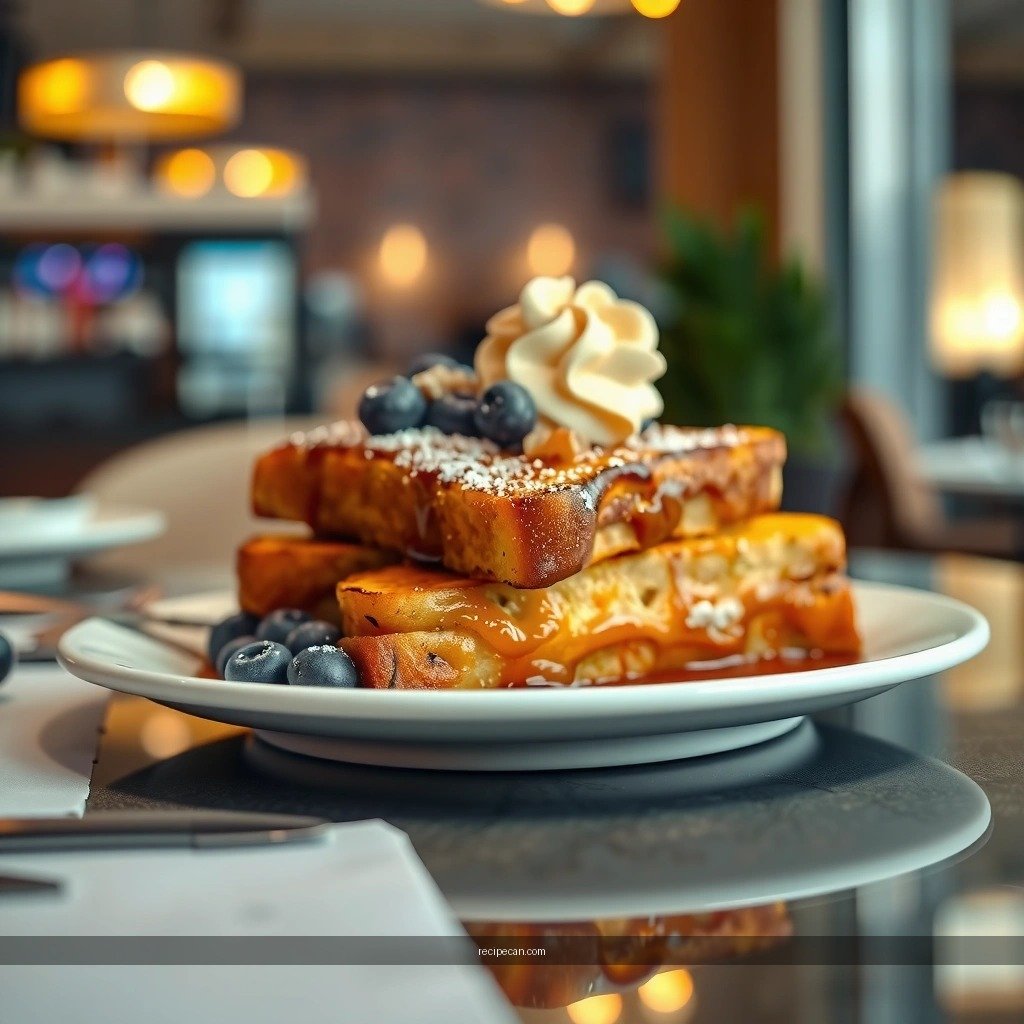
This quick method is built around two principles: control absorption and control browning. The custard needs time to coat and set, but bread doesn’t need to be soaked like French toast of the past.
– Whisk eggs, milk, vanilla, and cinnamon in a shallow bowl
Use a shallow dish so each side contacts the custard evenly. Whisk until smooth—no streaks of egg white—so you get consistent custard pockets rather than patchy spots.
– Dip bread slices briefly on both sides (don’t soak too long)
For a fast and easy French toast recipe, the dip is typically 10–20 seconds per side depending on thickness and freshness. If your goal is speed, resist the urge to soak longer; too much liquid leads to a gummy center.
– Cook on a preheated skillet or pan until golden brown on each side
Preheat the pan first so the bread starts browning immediately. A little butter or neutral oil helps create crisp edges and prevents sticking. Cook until the underside reaches a deep golden color, then flip.
Best Bread and Soaking Tips
The “secret” to fluffy inside and crisp edges is often not the recipe—it’s the bread choice and soak time. Think of bread as a sponge: older bread can absorb custard quickly and hold its shape.
– Slightly stale bread soaks up custard better without getting mushy
Fresh bread is soft and collapses more easily when saturated. If you don’t have stale bread, you can partially “dry” fresh bread by toasting it for 1–2 minutes, then cooling briefly before dipping.
– Dip just 10–20 seconds per side for fast results
A practical workflow is to dip first side while the other slices wait, then flip and dip second side. That way you control absorption without letting the first slice sit in the custard too long.
– Thicker slices need a little more time, so adjust as needed
Thickness changes both absorption and cooking time. Thick bread gives you a larger custard volume, which means more time to set in the center—even if you keep the dip short.
Heat and Cooking Times (No Guesswork)
Even heat management is what turns a “good try” into consistently great quick breakfast French toast. You want browning from the outside and setting from the inside.
– Cook on medium heat for even browning without burning
Medium heat gives sugar and milk solids time to caramelize gradually. High heat may brown the outside quickly while leaving the center undercooked.
– Aim for about 2–3 minutes per side, depending on thickness
As a baseline:
– Thick slices: closer to 3 minutes per side
– Thinner slices: closer to 2 minutes per side
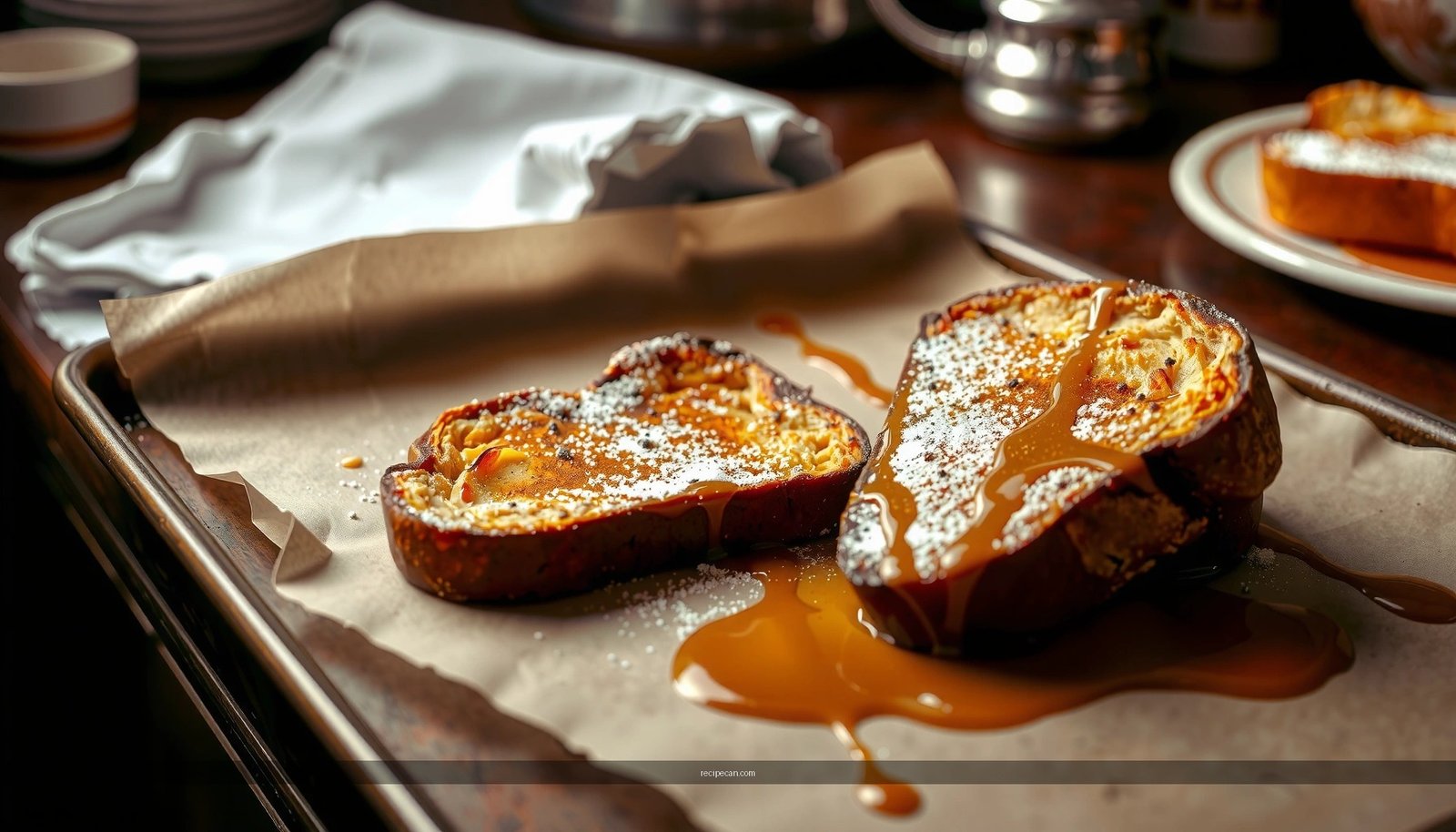
You’re looking for deep golden color and a custard set that doesn’t ooze when pressed lightly with a fork.
– Keep cooked slices warm in a low oven while you finish the batch
If you’re cooking multiple slices, use a low oven (around 200°F / 95°C) to keep them warm without further browning. This prevents sogginess that can happen when stacks sit on a plate immediately after cooking.
Easy Toppings and Serving Ideas
Toppings determine whether your French toast reads like “comfort food” or “breakfast menu quality.” For the quickest results, choose toppings that complement custard and crispness without adding extra prep time.
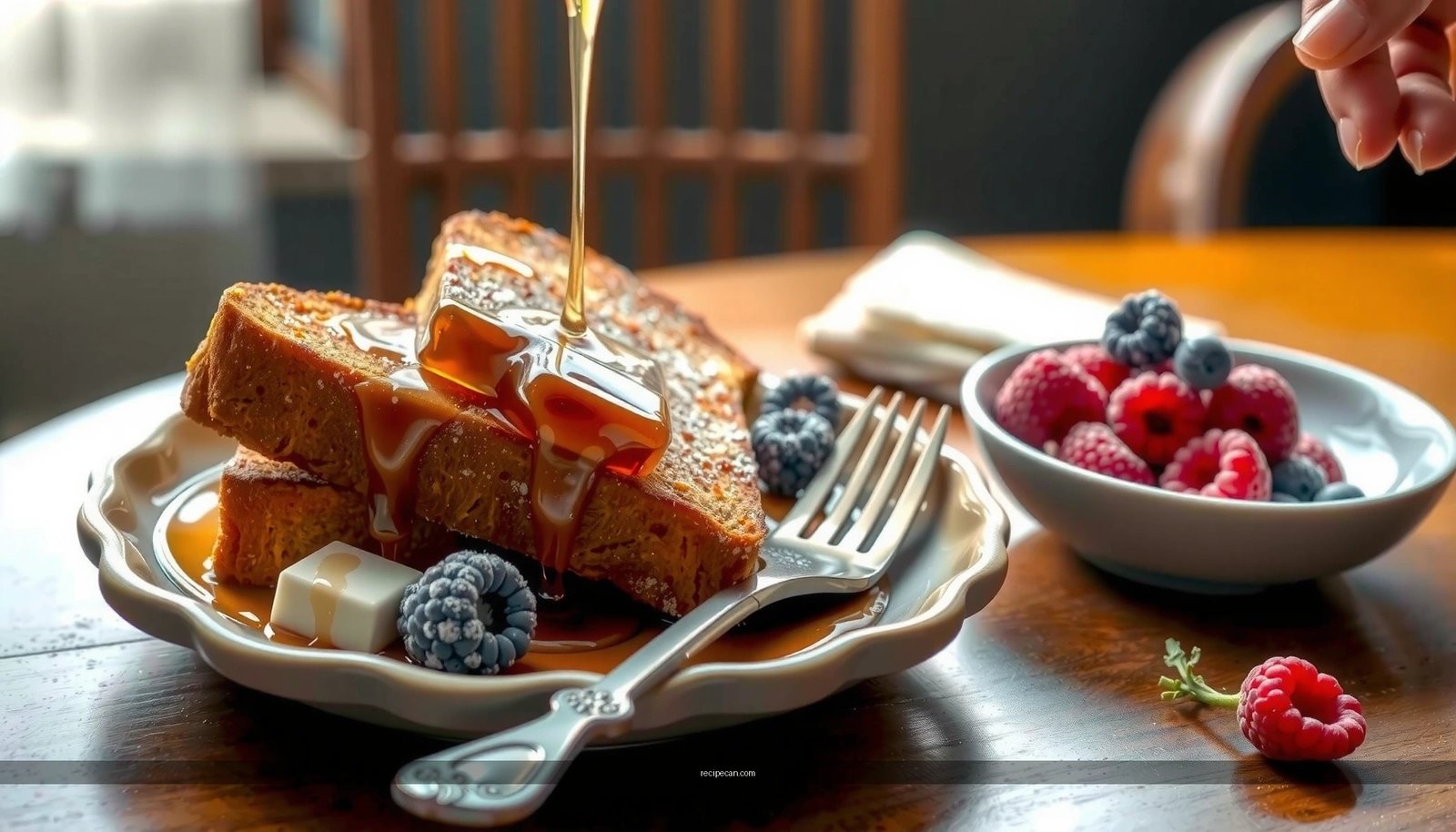
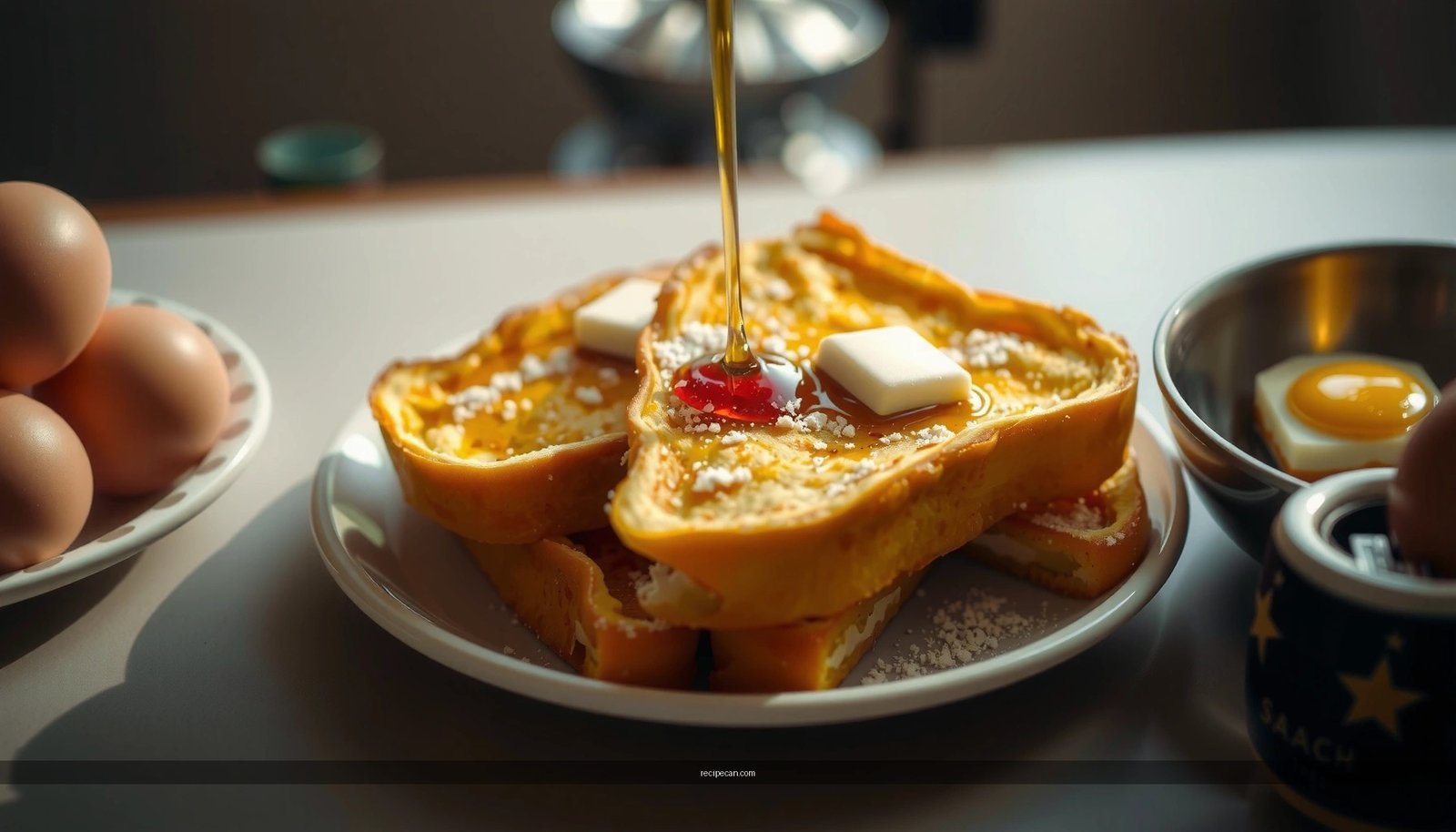
– Classic options: maple syrup, butter, powdered sugar, and fresh berries
Maple syrup is the natural pairing—its caramel notes echo the browning. Add butter for richness, powdered sugar for a bakery look, and berries for brightness and acidity.
– For extra flavor: whipped cream or a drizzle of honey
Whipped cream adds a light, creamy contrast. Honey can intensify the warm spice profile—especially if you’re using cinnamon.
– Make it a meal: serve with fruit or crispy bacon/sausage
For a more balanced breakfast, pair French toast with salty protein. Bacon or sausage adds texture and helps “complete” the flavor profile without needing extra sugar.
To keep servings consistent when feeding a group, consider setting up a topping station. Guests can customize while you focus on cooking the next batch—an efficient approach when time is limited.
Simple Variations (Still Fast)
Speed doesn’t mean you have to stay with one flavor profile. These variations keep the same core method while letting you tailor taste and dietary needs.
– Cinnamon-sugar French toast: add more cinnamon and a pinch of extra sugar
Mix cinnamon-sugar into the custard or sprinkle it lightly on the bread before cooking. Use restraint with sugar if your skillet browns quickly—too much can tip toward dark edges.
– Chocolatey twist: mix a little cocoa powder into the custard
Cocoa adds depth and slight bitterness that pairs well with maple syrup. If the custard looks very thick, add a small splash of milk to keep it dip-friendly.
– Dairy-free option: use plant-based milk and a suitable egg substitute
Plant milk works best with custard-friendly substitutes and thick bread. Expect a slightly different “set” texture, but you can still achieve a flavorful, golden finish by keeping heat at medium and dip time controlled.
If you’re optimizing for mornings with limited time, these variations are best applied by adjusting the custard—because changing the cooking process adds steps.
Quickly make your next breakfast with this fast and easy French toast recipe—just dip, cook, and serve golden perfection. Use slightly stale thick bread for the best texture, keep your heat at medium, and stick to the short soak window to avoid sogginess. Then finish it your way with maple syrup, berries, or a chocolate-cinnamon twist.
Fast and easy French toast works because it’s built on controllable variables: the custard ratio (eggs + milk + flavorings), a brief dip time, and medium-heat pan cooking until deeply golden. Follow these benchmarks—especially the soak window and cooking time per side—and you’ll reliably get fluffy centers with crisp edges in roughly 10 minutes, no matter whether you’re making a simple classic or a quick variation for a busy morning.
Frequently Asked Questions
What is the fastest and easiest French toast recipe for busy mornings?
Use a simple base of eggs, milk (or cream/milk blend), vanilla, and a pinch of salt, then soak bread for 10–30 seconds per side. Cook slices on a preheated nonstick skillet or buttered griddle over medium heat until golden brown, about 2–4 minutes per side. This fast French toast method works great with common bread like brioche, challah, or thick-cut sandwich bread.
How do I make French toast without it getting soggy or falling apart?
Choose bread that’s slightly stale or thick-cut, and don’t over-soak—dip just long enough to coat, typically 10–30 seconds per side. Cook on medium heat so the custard sets before the outside burns, and flip gently only once when bubbles rise and the edges look set. For extra insurance, let the coated slices rest 1–2 minutes so the egg mixture thickens slightly before cooking.
Why does my French toast taste eggy, and how can I fix it?
An eggy flavor usually comes from too much egg, insufficient sweetness, or under-seasoning. Balance your custard with vanilla, a small amount of sugar or maple syrup, and a pinch of cinnamon; also use the right bread thickness so the center cooks properly. For a smoother taste, use milk (or half-and-half) with eggs rather than water and avoid cooking on too-low heat.
What’s the best bread for quick French toast that still tastes homemade?
The best bread for fast and easy French toast is thick, sturdy bread that absorbs custard without turning mushy—brioche, challah, French bread, or even Texas toast. If you only have sandwich bread, toast it lightly first and keep the soak time short to prevent sogginess. Slightly stale bread is ideal because it soaks evenly and gives you that classic golden exterior.
Which toppings and serving ideas work best for a quick French toast breakfast?
For the easiest French toast toppings, go with maple syrup, powdered sugar, fresh berries, sliced bananas, or a dollop of Greek yogurt. You can also add a quick cinnamon-butter drizzle by mixing melted butter with cinnamon and a little sugar while the toast cooks. If you’re making fast French toast for a crowd, serve it immediately with toppings on the side so everyone can customize.
References
- French toast
https://en.wikipedia.org/wiki/French_toast - https://www.britannica.com/topic/French-toast
https://www.britannica.com/topic/French-toast - https://www.bbc.co.uk/food/recipes/frenchtoast_70003
https://www.bbc.co.uk/food/recipes/frenchtoast_70003 - https://www.theguardian.com/food/2020/jan/22/how-to-make-french-toast-recipe
https://www.theguardian.com/food/2020/jan/22/how-to-make-french-toast-recipe - https://www.nytimes.com/guides/smart-shopping/french-toast
https://www.nytimes.com/guides/smart-shopping/french-toast - https://www.nytimes.com/interactive/2019/01/05/dining/how-to-make-french-toast.html
https://www.nytimes.com/interactive/2019/01/05/dining/how-to-make-french-toast.html - Google Scholar Google Scholar
https://scholar.google.com/scholar?q=fast+easy+french+toast+recipe - Google Scholar Google Scholar
https://scholar.google.com/scholar?q=french+toast+bread+egg+milk+cooking+technique - Google Scholar Google Scholar
https://scholar.google.com/scholar?q=quick+cooking+breakfast+french+toast+custard - Google Scholar Google Scholar
https://scholar.google.com/scholar?q=fast+and+easy+french+toast+recipe