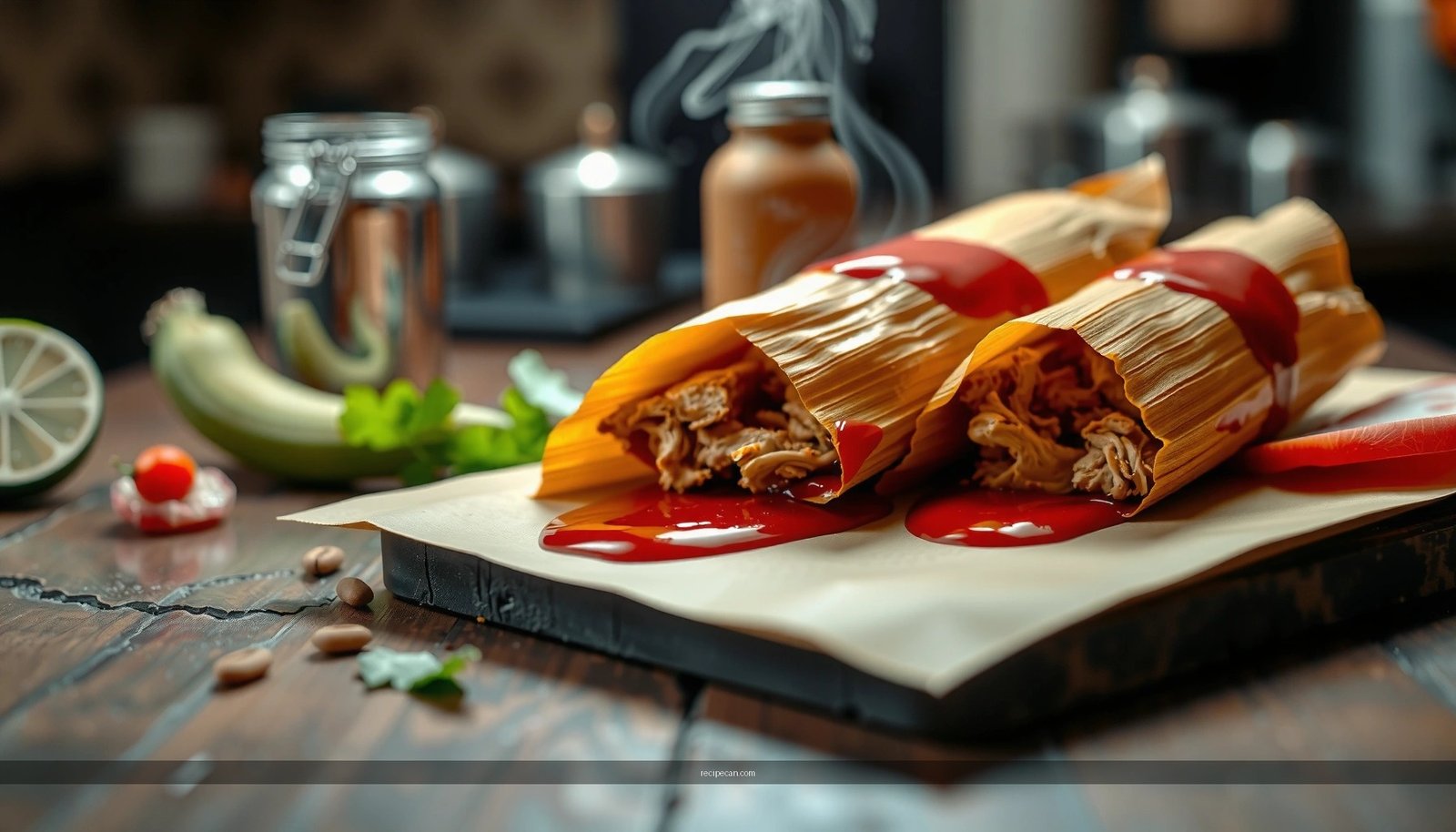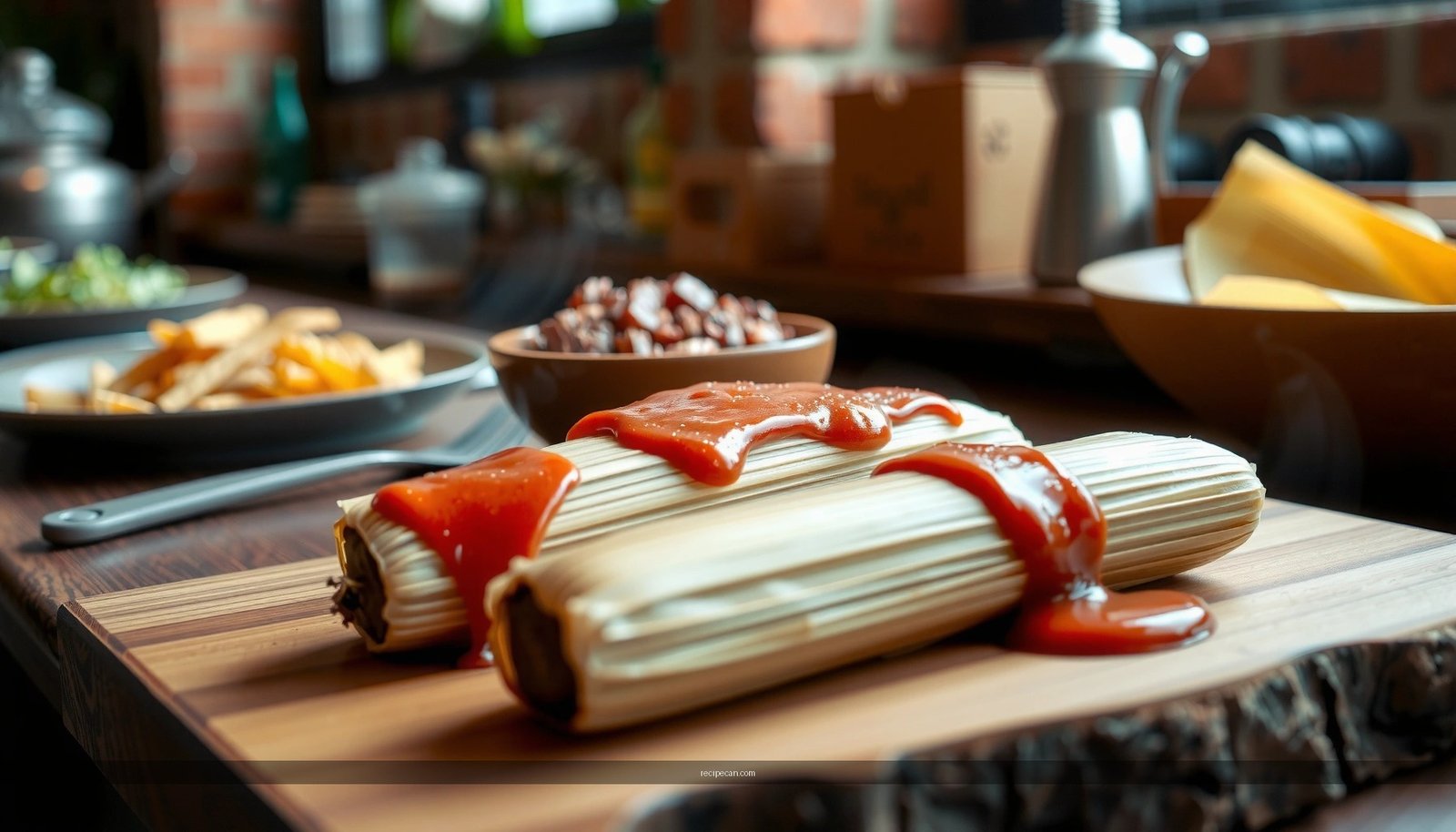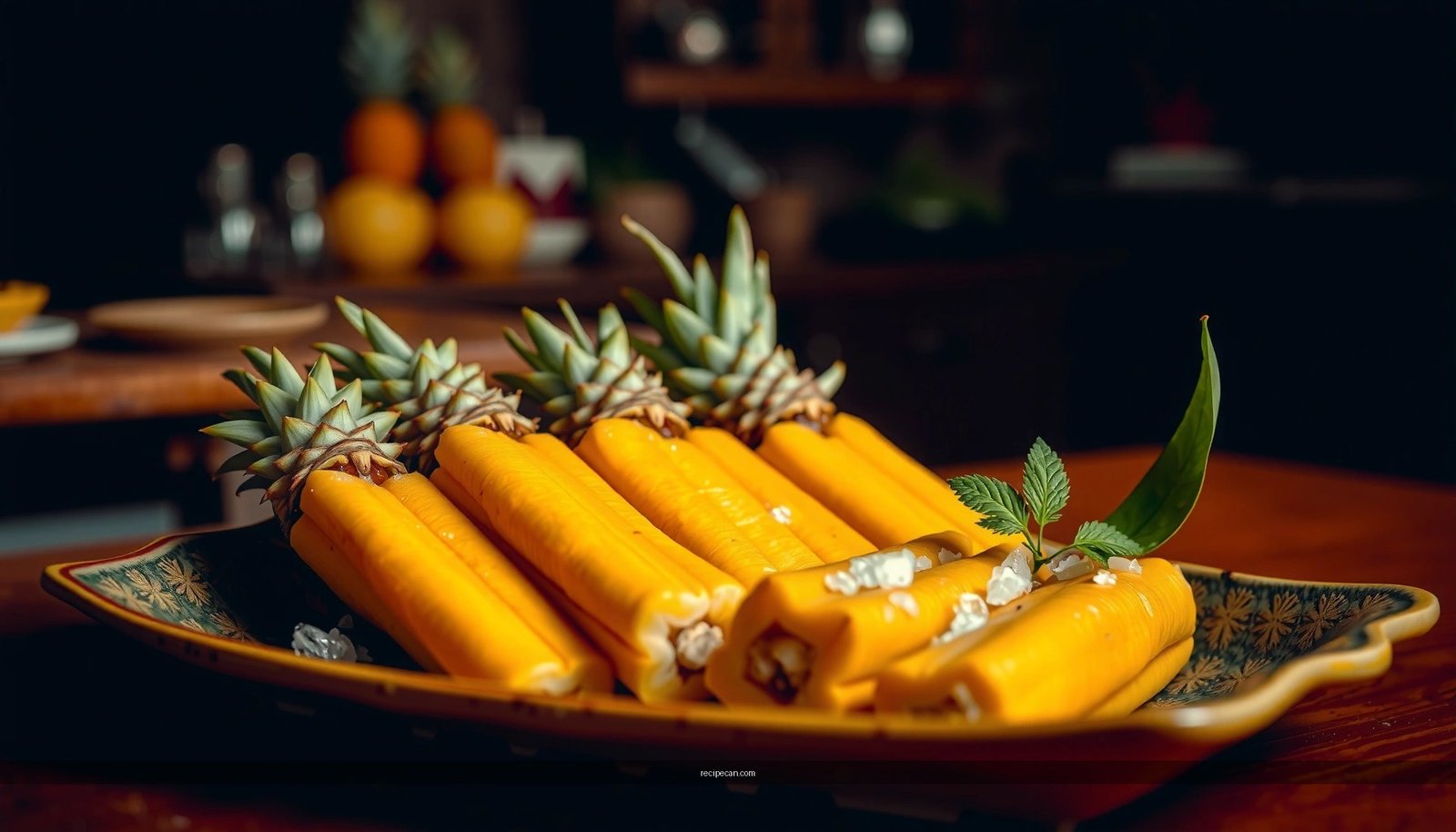
This pineapple tamale recipe delivers the sweet, tropical tamales you want—tender masa wrapped around a bright pineapple filling that bakes into caramelized edges. You’ll get clear, step-by-step instructions, including how to prep the pineapple mixture and steam until the tamales slice cleanly. Follow it once and you’ll know whether your kitchen can nail restaurant-style flavor at home.
Make sweet pineapple tamales by cooking a thickened pineapple filling, mixing a soft masa dough, assembling on corn husks (or banana leaves), and steaming until the masa is fully set and tender. This pineapple tamale recipe walks you through each ingredient choice, the right dough texture, assembly consistency, and realistic steaming timing so your homemade sweet tamales come out flavorful every time.
Ingredients for Pinepine Tamale Recipe
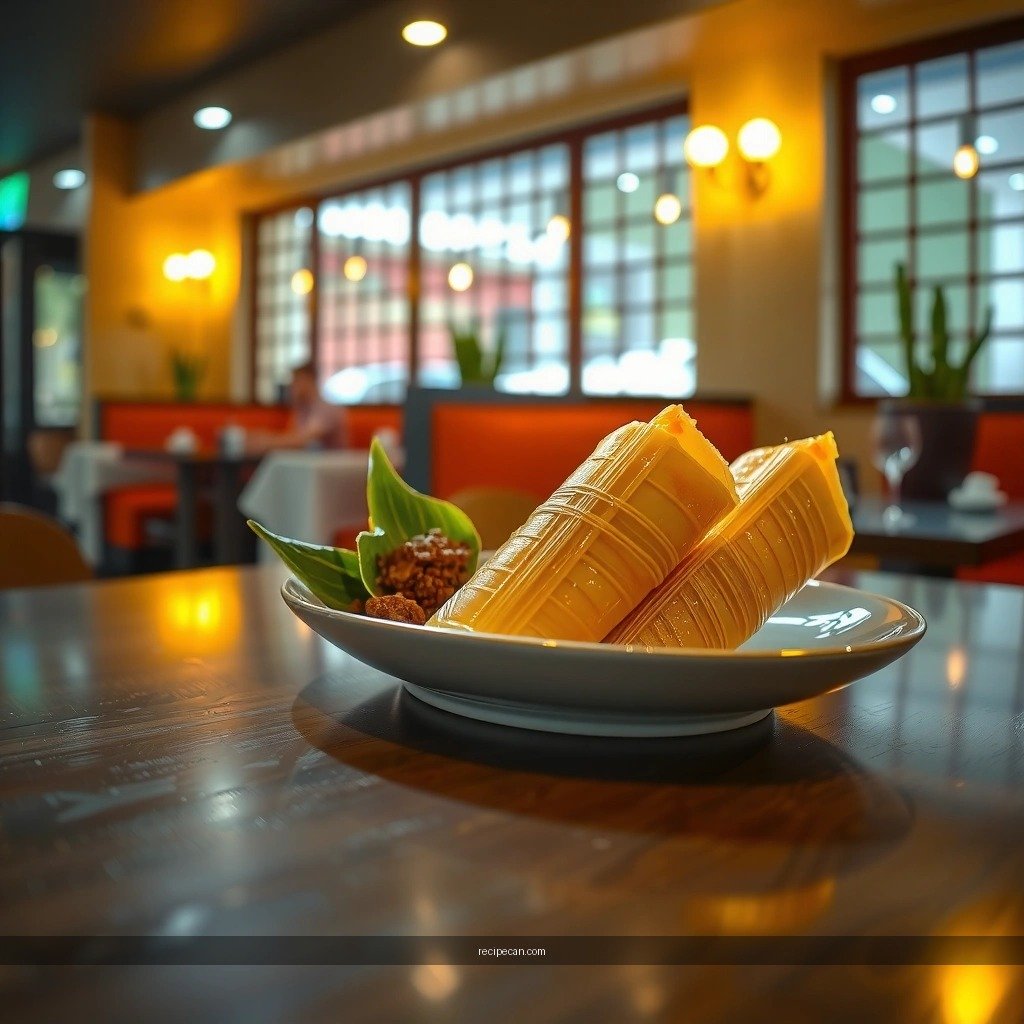
– Gather masa harina, pineapple, baking powder (optional), salt, and sweetener of choice
– Use shredded or chopped pineapple and optional cinnamon for warm, tropical flavor
– Include banana leaves or corn husks for classic tamale wrapping
Sweet pineapple tamales work because you balance three components: (1) masa that’s soft but structured, (2) filling that’s sweet and concentrated (not watery), and (3) steaming time that fully sets the dough without drying it out. When you source ingredients, treat pineapple as the flavor engine and masa harina as the texture foundation.
Core ingredients (what each one does)
– Masa harina (2–1 ratio focus): This is your base. Masa harina hydrates into a pliable dough; the more evenly it’s mixed, the smoother the spread and the less likely you’ll get cracks.
– Pineapple (fresh or canned): Fresh pineapple gives brighter aromatics; canned pineapple is consistent and convenient. Either way, you’ll cook it briefly to thicken juices.
– Salt: A small amount sharpens pineapple sweetness so it tastes balanced instead of “flat.”
– Sweetener (optional but common): Brown sugar, white sugar, or a mild liquid sweetener can be added to the filling and/or masa, depending on your preference.
– Baking powder (optional): Adds a slight lift and tenderness. If you’re aiming for a more traditional dense tamale, you can omit it—just keep the fat and hydration accurate.
Wrapping options
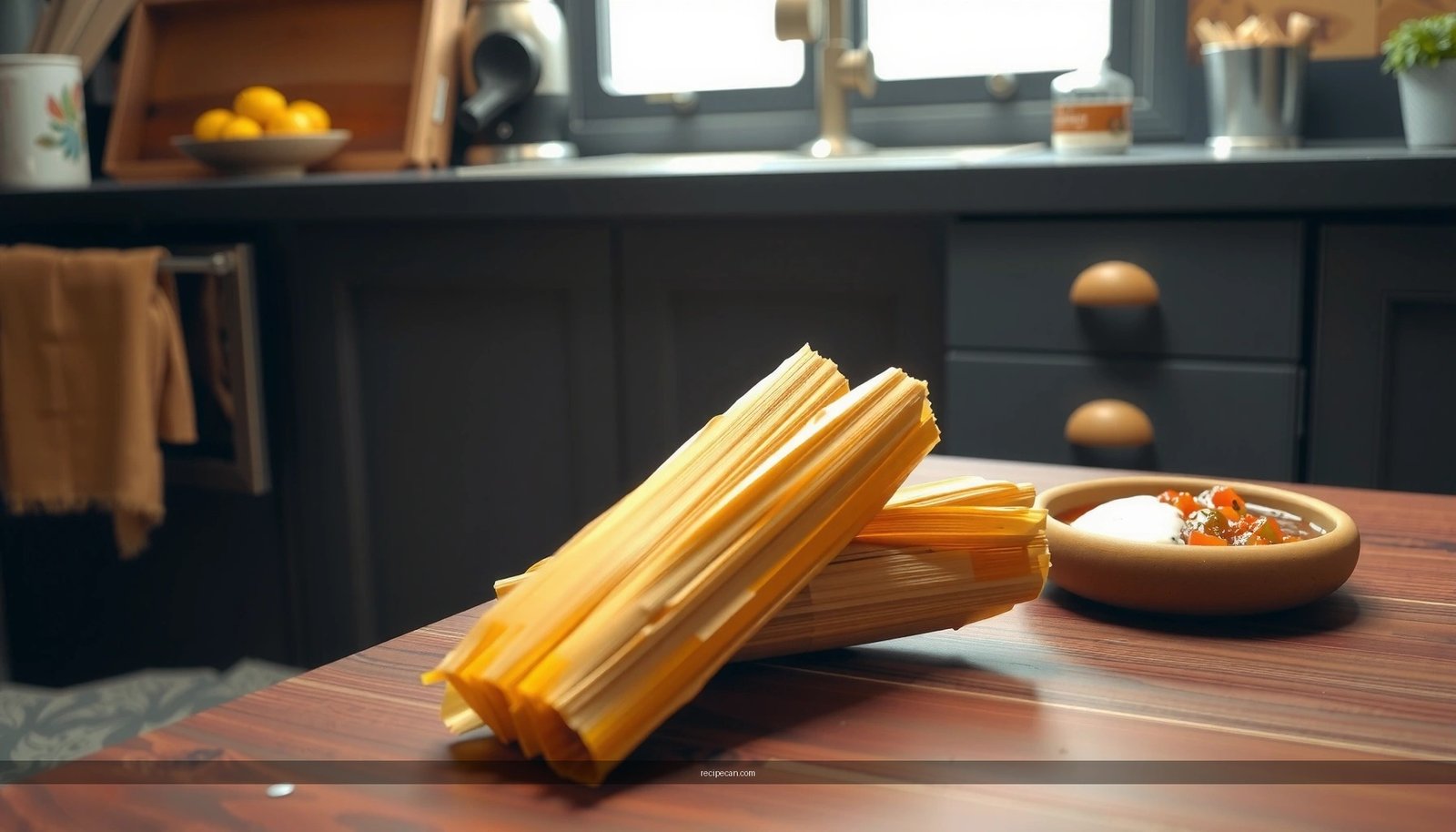
– Corn husks: Classic flavor and a proven steaming track record. Soak them until pliable before assembling.
– Banana leaves: Impart a subtle aroma. They’re often larger and can make wrapping feel easier, but you still need to steam the tamales thoroughly to keep the leaf from toughening.
> Pro tip: If you’ve ever had tamales that taste great but feel gummy or under-set, the root cause is usually overly wet filling or inconsistent masa thickness, not “bad masa harina.”
Prepare the Pineapple Filling
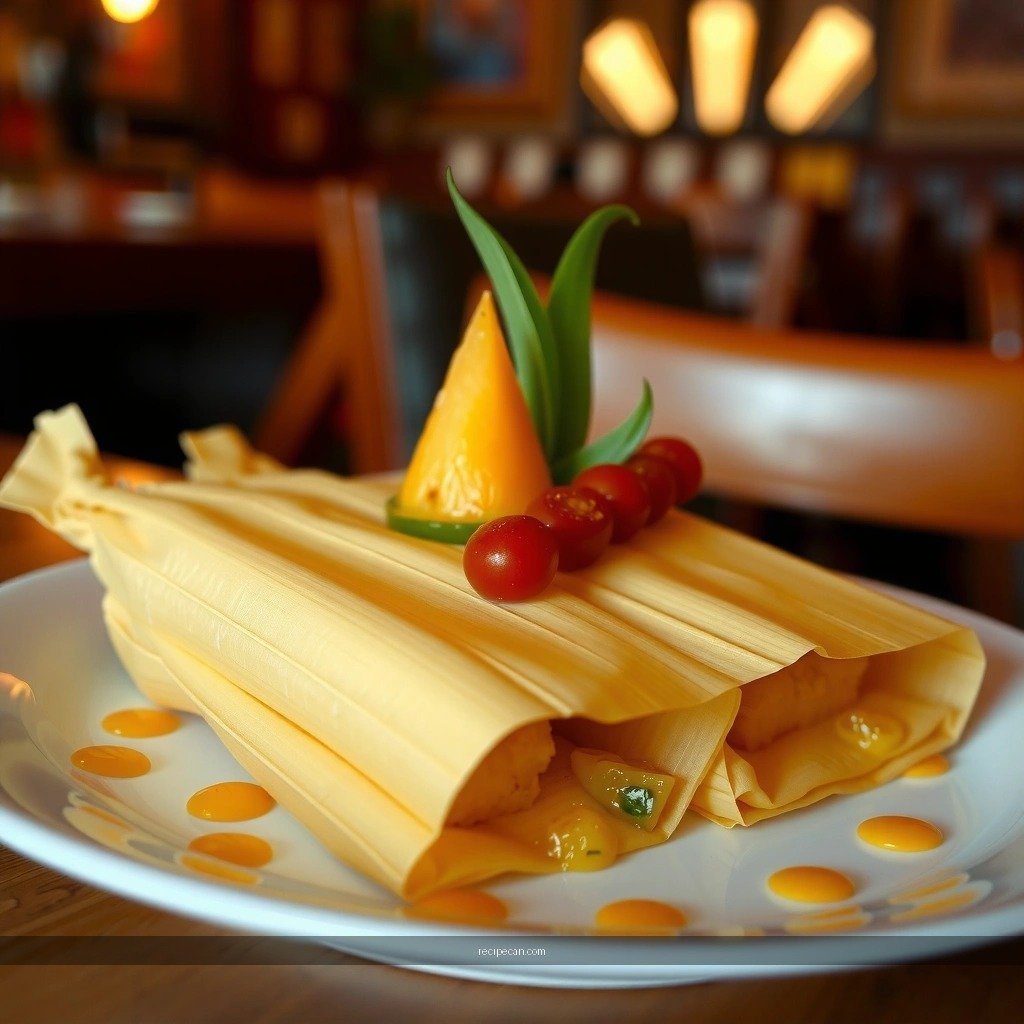
– Cook pineapple briefly to thicken juices and concentrate sweetness
– Season lightly (e.g., cinnamon or a pinch of salt) to balance the flavor
– Let filling cool so it doesn’t affect the masa texture
A sweet pineapple filling for tamales must be thick enough to stay put inside the masa fold. Raw fruit tends to release liquid as it steams; if you skip cooking, your filling can bleed into the dough and create a sticky center.
Step-by-step filling logic
1. Cook to reduce juices: Chop pineapple (or use shredded) and simmer until the liquid is noticeably reduced. You’re aiming for a spoonable consistency that clings slightly to the fruit pieces.
2. Season with restraint: Add a pinch of salt and cinnamon (optional). Salt improves perceived sweetness; cinnamon adds “tropical bakery” warmth.
3. Cool completely: Let the filling cool to room temperature before assembling. Warm filling can soften masa prematurely and make assembly messy.
How to judge “ready”
– The filling should look moist but not runny.
– When you stir, it should move as a cohesive mixture rather than pool liquid at the bottom of the pan.
– If you have a thermometer, you don’t need one—just aim for a texture that holds during filling and steaming.
Flavor variations (still “pineapple-forward”)
– Cinnamon + brown sugar: A classic sweet-tropical pairing.
– Lime zest (optional): Adds brightness without adding liquid if you use only zest.
– Vanilla (optional): Works well with brown sugar; use a tiny amount for aroma rather than sweetness overload.
Mix the Masa for Sweet Tamales
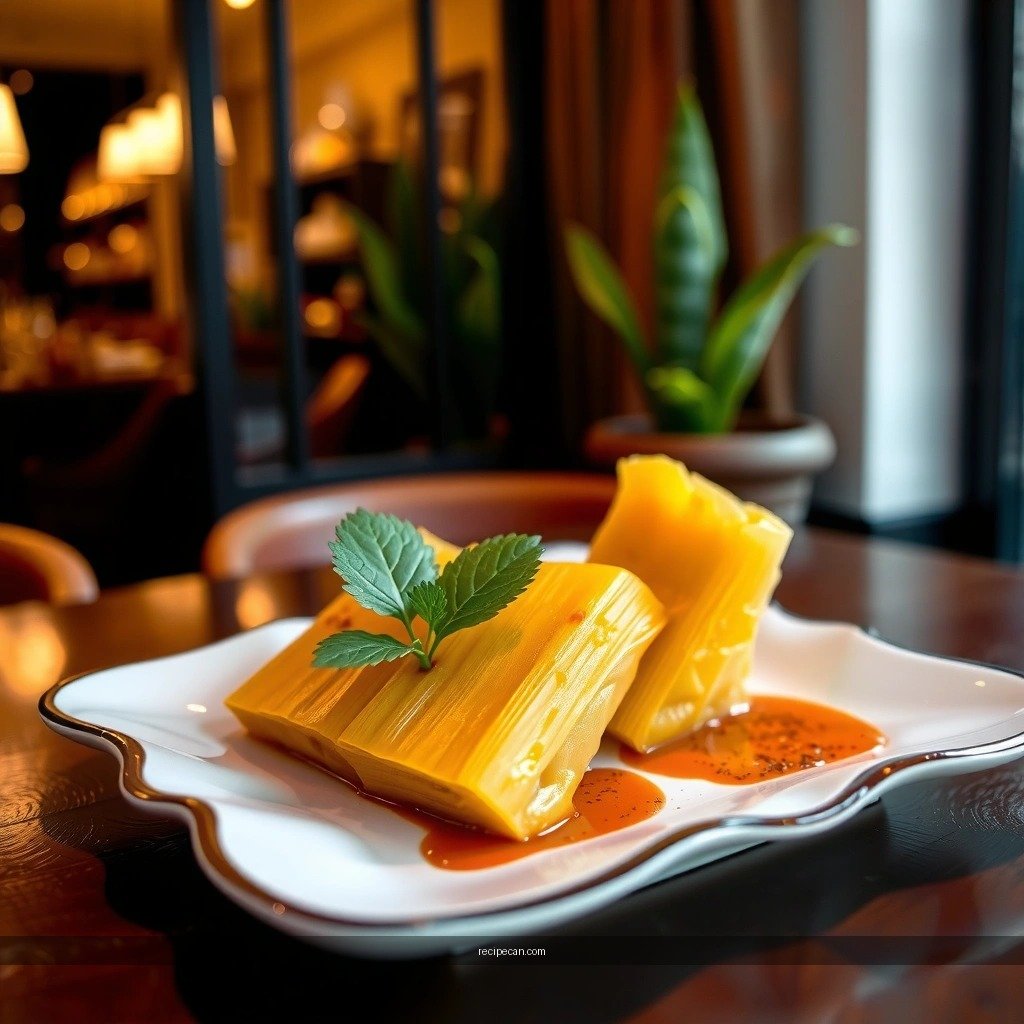
– Stir masa harina with warm water/broth to form a smooth, spreadable dough
– Fold in fat (lard or vegetable shortening) for softness and better structure
– Aim for a dough consistency that holds shape but spreads easily
Masa texture is where sweet pineapple tamales succeed or fail. For tender tamales, you need enough hydration to form a smooth dough, and enough fat to create a soft, pliable structure that steams without turning dry or crumbly.
Masa mixing targets
– Spreadable, not sticky: Your dough should smear on the husk with a gentle press but not cling like wet paste.
– Holds a shape: When you fold the husk, the masa should stay in place instead of sliding off.
A practical approach
1. Hydrate masa harina gradually: Use warm water or warm broth to start. Add liquid in increments, mixing until the dough is smooth.
2. Incorporate fat: Add lard or shortening and mix until the dough looks lighter and more uniform. Fat supports mouthfeel and helps the tamale stay tender after steaming.
3. Optional leavening: Baking powder can be included if you want a slightly softer bite.
4. Seasoning: Add salt and a touch of sweetener if you want sweetness distributed throughout the masa (common in dessert-style tamales).
Consistency check (the “spoon test”)
– Grab a small amount of dough and spread it. It should form an even layer.
– If it tears or won’t spread, add a small splash of warm liquid.
– If it spreads too thinly or feels gluey, add a small spoonful of masa harina and mix.
> Analytical note: masa harina absorbs water at a rate that varies by brand and humidity. That’s why a “one-size-fits-all” cup measurement can mislead. Your goal is dough behavior, not perfect math.
Assemble and Wrap the Tamales
– Spread masa on husks, add a portion of pineapple filling, and fold tightly
– Keep portions consistent for even cooking
– Tie or secure wraps so they steam without opening
Assembly is mostly consistency: consistent masa thickness and consistent filling amounts lead to consistent steaming results. Dessert-style sweet tamales also benefit from tighter wrapping because pineapple filling is more likely to loosen if the dough isn’t sealed well.
Corn husk prep
– Soak husks in warm water until pliable—typically 30–60 minutes depending on thickness.
– Dry off excess water so husks are damp but not dripping.
Banana leaf prep (if using)
– Warm leaves briefly to increase flexibility.
– Wipe clean and trim edges if needed for smooth folding.
Assembly workflow
1. Spread masa: Place a portion of masa on the husk. Use a spoon or spatula to spread into a thin rectangle. Keep thickness even across the surface.
2. Add filling: Place a spoonful of cooled pineapple filling in the center (avoid overfilling).
3. Fold and seal: Fold sides over the filling, then fold into the final shape.
4. Secure: Tie with kitchen string or use a consistent fold method so seams don’t open during steaming.
Portioning guidance
– Weighing is optional, but for “restaurant-level consistency,” measure:
– A consistent masa amount per tamale
– A consistent filling spoon size
– If you’re not weighing, use the same spoon and the same spread technique each time.
> Common problem: wet centers often come from overfilled tamales or filling that wasn’t reduced/cooked. Tight wrapping helps, but thickened filling is the real fix.
Steam Pineapple Tamales (Timing + Tips)
– Steam in batches with water below the steamer tray
– Check periodically and add water as needed to prevent drying out
– Steam until masa is firm and sets through, not wet or sticky
Steaming is the “set stage.” You’re cooking the masa through while letting the filling steam without turning the center pasty. Timing varies based on tamale size, masa thickness, and whether your steamer is fully loaded.
Steam setup
– Use a steamer pot with water kept below the tamale tray.
– Arrange tamales upright or in layers so steam can circulate.
– Cover tightly; minimize lid opening because it drops temperature and extends cook time.
Realistic timing
– For standard-sized pineapple tamales, plan around 75–95 minutes of steaming after the water reaches a steady simmer.
– Start checking around the 70-minute mark. If your tamales are larger or the masa is thicker, you may need up to 110 minutes.
How to test doneness
– Masa should feel firm and not wet/sticky in the center.
– When you open one tamale, the masa should look set—no batter-like residue.
– If masa sticks to the husk heavily, it may be under-steamed or too hydrated.
Tips to prevent drying
– Keep water levels steady—add hot water as needed to maintain simmer.
– Don’t overcrowd. Crowding slows heat transfer and can cause uneven doneness.
Data at a glance: What “good steaming” looks like
Pineapple Tamales: Doneness Signals vs. Time (Typical 90-Min Batch)
| # | Checkpoint | Time From Simmer | What You Should See | Action |
|---|---|---|---|---|
| 1 | Steam Stabilizes | 10–15 min | Husks warm; masa not set yet | Do not open |
| 2 | First Texture Check | 35–45 min | Masa looks cohesive; still soft | Keep steaming |
| 3 | Most Batches Begin Setting | 55–65 min | Center holds shape; not tacky | Check one tamale |
| 4 | Typical Doneness Window | 70–95 min | Firm masa; filling warmed | Remove best-set batch |
| 5 | If Still Sticky | +10 to +20 min | Masa leaves smears on husk | Steam longer |
| 6 | Resting Time | 10–15 min | Masa firms as it cools slightly | Rest before serving |
| 7 | Avoid Overdrying | After 105 min | Masa can become dry or tough | Reduce cook time next batch |
Serving Ideas and Storage
– Serve warm with a little extra fruit sauce or a drizzle of sweetener
– Store cooled tamales wrapped tightly to preserve moisture
– Reheat by steaming or microwaving with a damp paper towel
Sweet pineapple tamales are dessert-friendly, but they still shine when served like a comfort food: warm, aromatic, and moist. Pairing is about enhancing pineapple without overpowering the masa.
Serving ideas
– Pineapple “drizzle” sauce: Simmer leftover cooked pineapple juices with a pinch of sugar until lightly syrupy. Spoon a few teaspoons over each tamale.
– Light cinnamon-sweetened crema: If you’re experimenting, a thin layer of sweetened yogurt or whipped cream complements the fruit notes.
– Simple sweetener touch: A small drizzle of honey or brown sugar syrup helps caramelize aroma as it warms.
– Optional citrus zest: A tiny amount of lime zest on top brings freshness and prevents the dessert flavor from feeling one-note.
Storage strategy
– Cool tamales first—then wrap tightly to prevent them from drying.
– Store in the refrigerator for several days, or freeze for longer holding.
– For best texture, separate layers with parchment so tamales don’t fuse.
Reheating best practices
– Steaming (best texture): Steam until hot throughout, typically 10–20 minutes depending on size and whether frozen.
– Microwave (quick): Wrap in a damp paper towel and microwave in short bursts, then rest 1 minute. The damp towel helps retain moisture.
> Storage note: Tamales often taste even better the next day because flavors settle and excess surface moisture redistributes.
Pineapple tamales are a sweet, tropical twist you can make at home by preparing a thickened pineapple filling, mixing a masa that spreads cleanly, assembling with consistent portions, and steaming until the dough is fully set. Once you nail the filling reduction and masa texture, your tamales become reliably tender and flavorful. If you want to refine your results, run a second batch adjusting only one variable at a time—sweetness level, cinnamon amount, or wrapper choice—until you find your ideal “sweet tropical” profile.
Frequently Asked Questions
What is a pineapple tamale recipe and what makes it different from traditional tamales?
A pineapple tamale recipe is a sweet variation where pineapple provides natural sweetness and moisture, often paired with cinnamon, brown sugar, or a hint of vanilla. Instead of savory fillings like pork or chicken, the masa is typically seasoned for dessert-style flavor and can include pineapple chunks or a pineapple filling. This makes it taste more like a fruit-based dessert tamale than a classic holiday savory tamale.
How do you make pineapple tamales from scratch using masa harina?
Start by rehydrating masa harina with warm water or pineapple juice until it forms a smooth, spreadable dough; then season with salt and a sweetener like sugar or piloncillo. Fold in cooked pineapple (drained if very juicy) and mix until evenly distributed. Steam the tamales in husks until the masa is set and firm, usually about 60–90 minutes depending on size and thickness.
Why do my pineapple tamales come out dry or crumbly, and how can I fix it?
Dry, crumbly pineapple tamales usually come from masa that was mixed too stiff or insufficiently steamed. Use warm liquid (often pineapple juice mixed with water) and aim for a soft dough consistency that spreads without cracking; if you’re using dense add-ins, drain pineapple well to avoid excess moisture loss during steaming. Also steam long enough so the masa fully cooks, and let them rest briefly before unwrapping to improve texture.
What’s the best way to prep and wrap pineapple tamales so they steam evenly?
For even steaming, soak corn husks until pliable, then dry them slightly so they aren’t overly wet. Spread an even layer of masa, add a controlled amount of pineapple filling, and fold tightly without overstuffing—too much filling can cause uneven cooking. Arrange tamales snugly in the steamer with the seam side up, ensuring steady steam and minimal water intrusion into the masa.
Which steaming time and temperature should you use for pineapple tamales?
Pineapple tamales are usually steamed at a consistent rolling steam for about 60–90 minutes, depending on tamale size and how thick the masa layer is. Check doneness by ensuring the masa feels set and easily releases from the husk, and if needed, continue steaming in 10–15 minute increments. Keep water at a steady simmer in the pot so the steaming environment remains consistent for reliable results.
References
- Tamale
https://en.wikipedia.org/wiki/Tamale - Nixtamalization
https://en.wikipedia.org/wiki/Nixtamalization - Masa
https://en.wikipedia.org/wiki/Masa_harina - Panela
https://en.wikipedia.org/wiki/Piloncillo - Husk
https://en.wikipedia.org/wiki/Corn_husk - Pineapple
https://en.wikipedia.org/wiki/Pineapple - https://www.britannica.com/topic/tamale
https://www.britannica.com/topic/tamale - Google Scholar Google Scholar
https://scholar.google.com/scholar?q=pineapple+tamale+recipe+tamales+de+pi%C3%B1a - Google Scholar Google Scholar
https://scholar.google.com/scholar?q=piloncillo+pineapple+tamales - Google Scholar Google Scholar
https://scholar.google.com/scholar?q=tamales+de+pi%C3%B1a+masa+corn+husks+nixtamalization