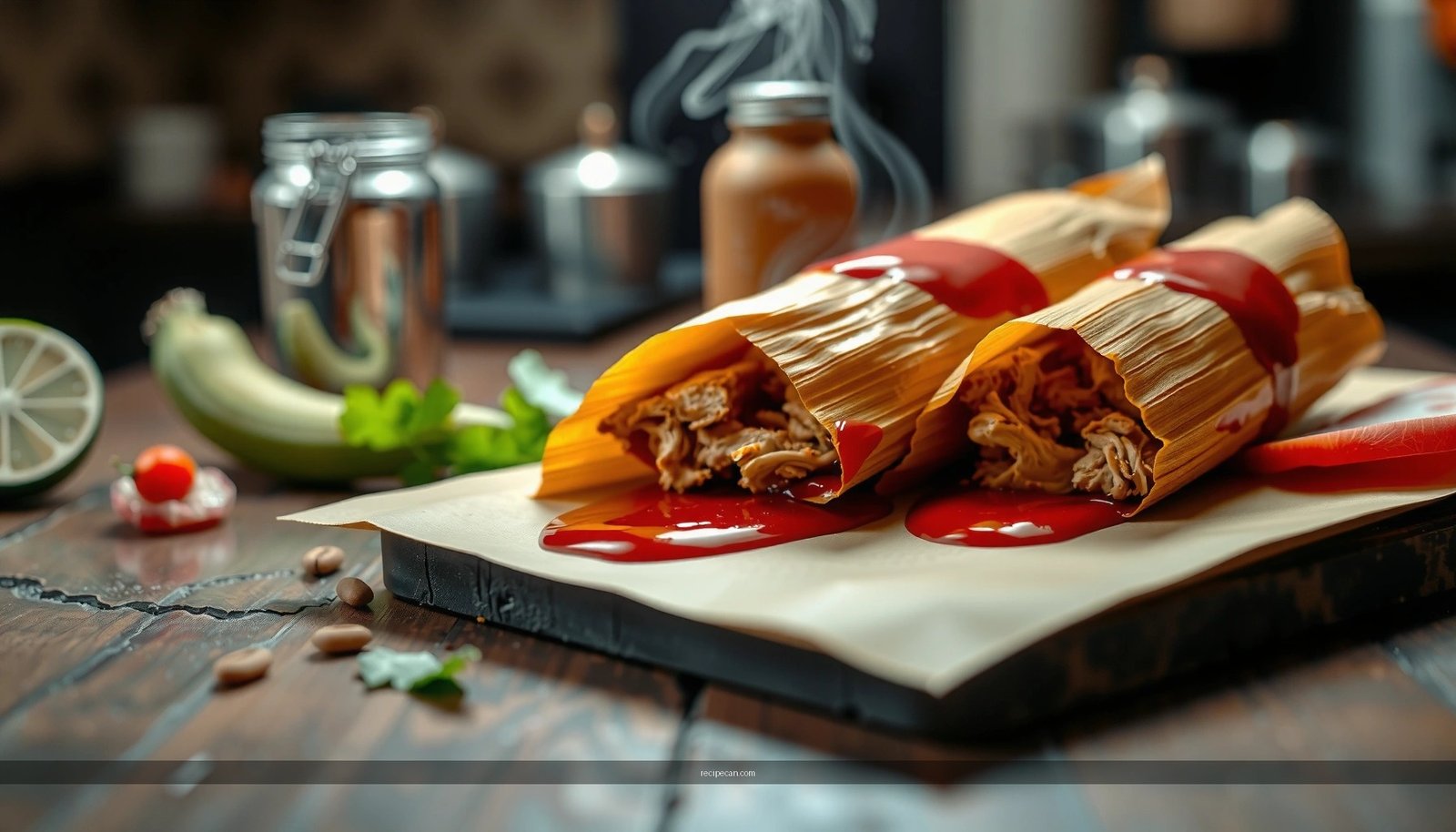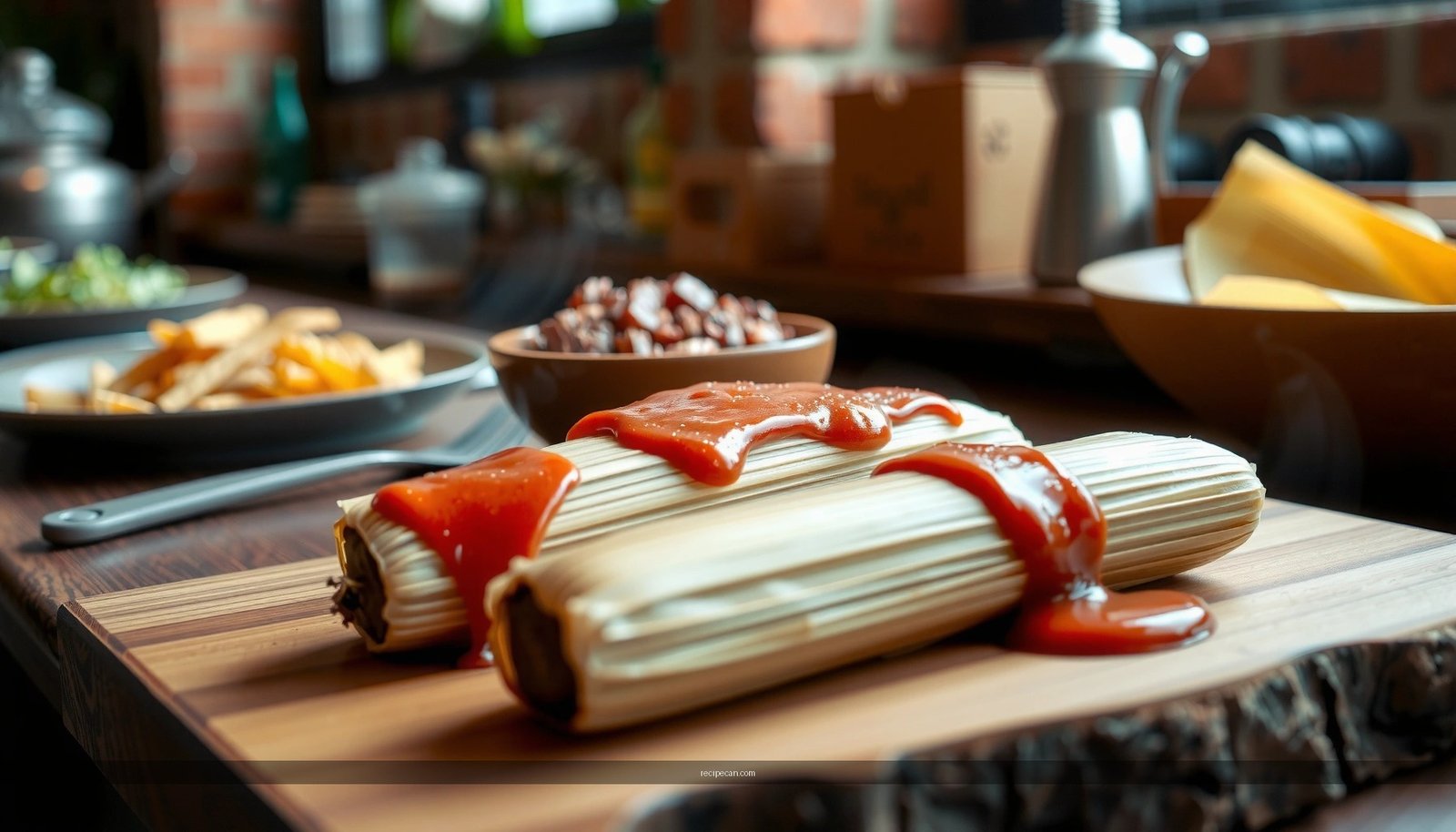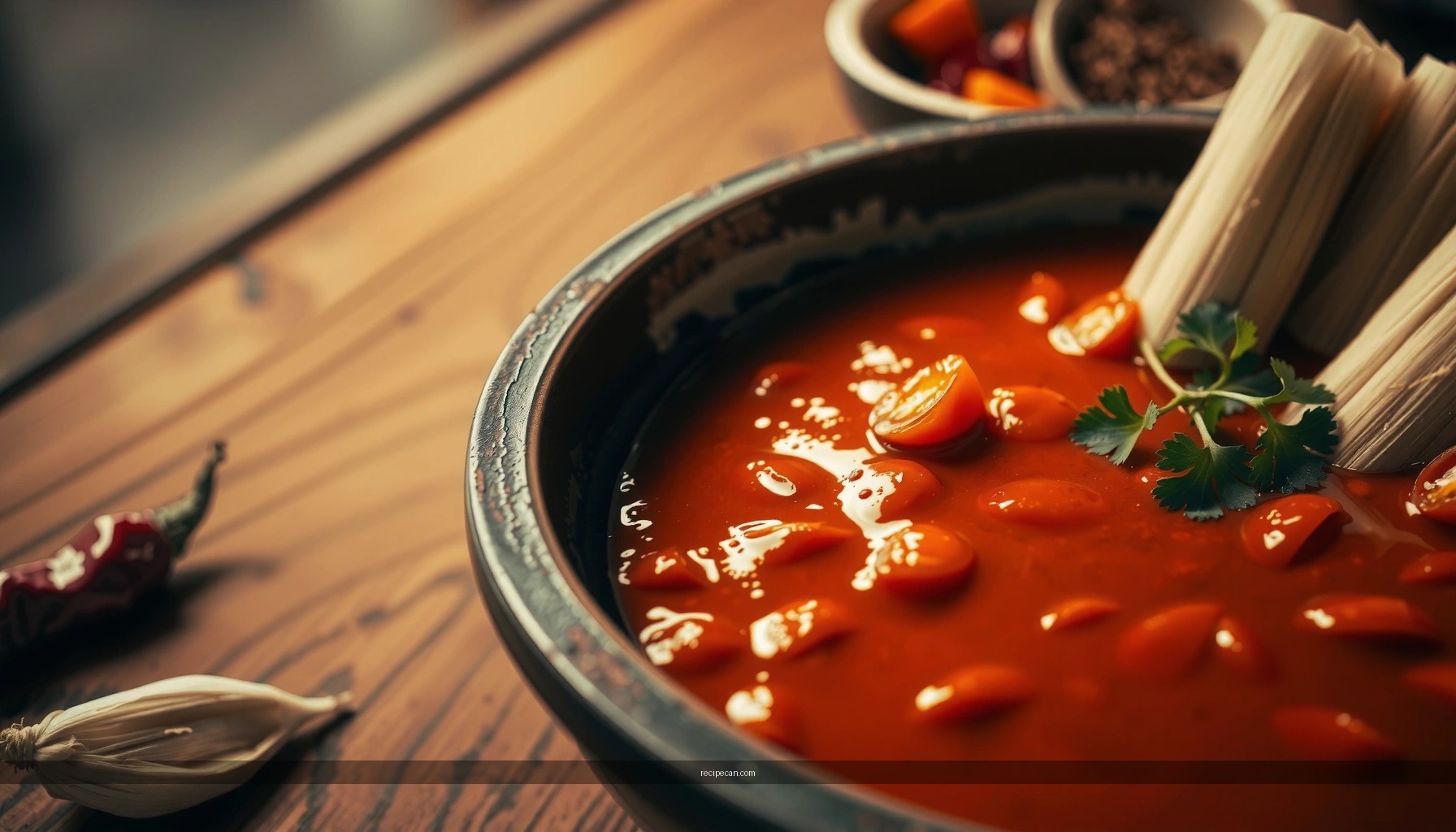
This tamale red sauce recipe is the clear winner when you want a rich, deeply flavorful red sauce that clings to masa without turning watery. You’ll get a straightforward method and the key ingredients—roasted chile depth, aromatic tomato base, and balanced fat and seasoning—to hit the bold, savory profile tamales need. Follow the steps and you’ll know exactly how to make it every time, whether you’re cooking for a family table or a batch for freezing.
Skip the bland sauce—this tamale red sauce recipe delivers rich, smoky flavor by building depth with dried chiles, aromatic vegetables, and a controlled simmer that thickens naturally; you’ll learn how to select the right chiles, blend a smooth base, and cook it until it’s bold, tangy, and perfectly seasoned for tamales.
Choose the Right Chiles for Tamale Red Sauce
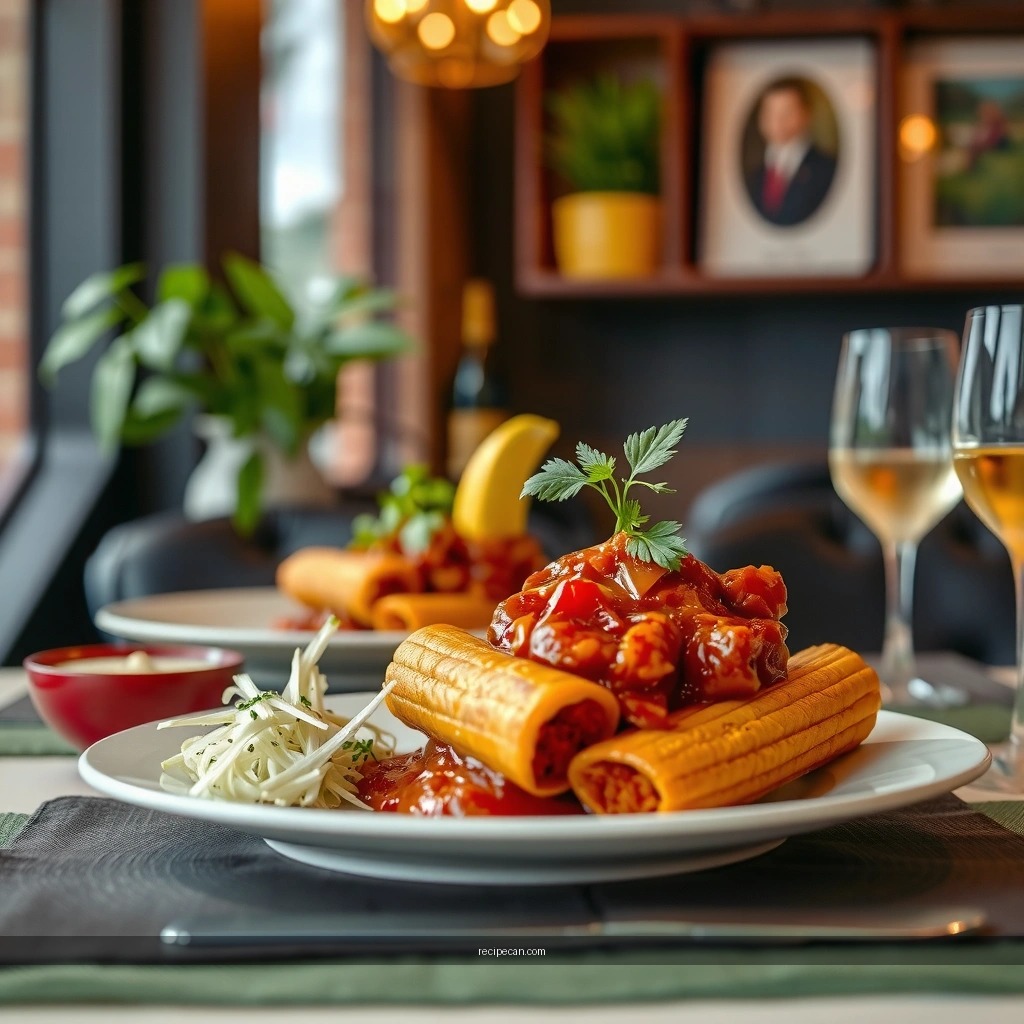
A flavorful tamale red sauce starts with the chile selection. The goal isn’t just heat—it’s layered taste: smoky aroma, mild sweetness, and enough body to cling to masa. A reliable approach is to blend chiles that bring different characteristics.
– Use a mix of dried chiles (like guajillo and ancho) for depth and mild heat.
– Guajillo chiles are often chosen for their fruity, raisin-like sweetness and gentle smoky edge.
– Ancho (dried poblano) contributes deep cocoa-like warmth and rounds out acidity.
– If you want more complexity, add a small amount of pasilla (earthier, more pronounced smokiness) or arbol (for sharper heat—use sparingly).
– Toast briefly, then rehydrate to improve flavor and texture.
Toasting dried chiles should be short—think 20–40 seconds per side in a dry skillet until fragrant, not scorched. Over-toasting turns the sauce bitter. After toasting, rehydrate in hot water (usually 20–30 minutes) so the chiles blend smoothly without gritty texture.
Practical flavor target: For most tamales, you want sauce that tastes noticeably smoky and chile-forward but not harsh. If the chiles smell “burnt,” start over with a shorter toast.
Chile Options for Tamale Red Sauce (Flavor & Use)
| # | Dried Chile | Heat Level | Flavor Notes | Best Use in Sauce | Tamale Suitability |
|---|---|---|---|---|---|
| 1 | Guajillo | Low–Med | Raisin, mild smoke | Base flavor | 9.5 ★ |
| 2 | Ancho | Low | Cocoa, toasted sweetness | Depth & body | 9.7 ★ |
| 3 | Pasilla | Low–Med | Earthy smoke, dried fruit | Smoky complexity | 8.8 ★ |
| 4 | Arbol | High | Sharp heat, peppery smoke | Heat booster (small qty) | 6.2 ★ |
| 5 | Chile de árbol (whole or ground) | Very High | Vivid chili heat | Optional heat control | 5.7 ★ |
| 6 | Chile guajillo (seeded vs. seeded) | Low–Med | Smoke + mild sweetness | Flavor base with adjustable heat | 8.9 ★ |
| 7 | Chile mulato (optional) | Low–Med | Toasted raisin, cocoa | Richer, rounder profile | 8.4 ★ |
Ingredients for a Classic Red Sauce
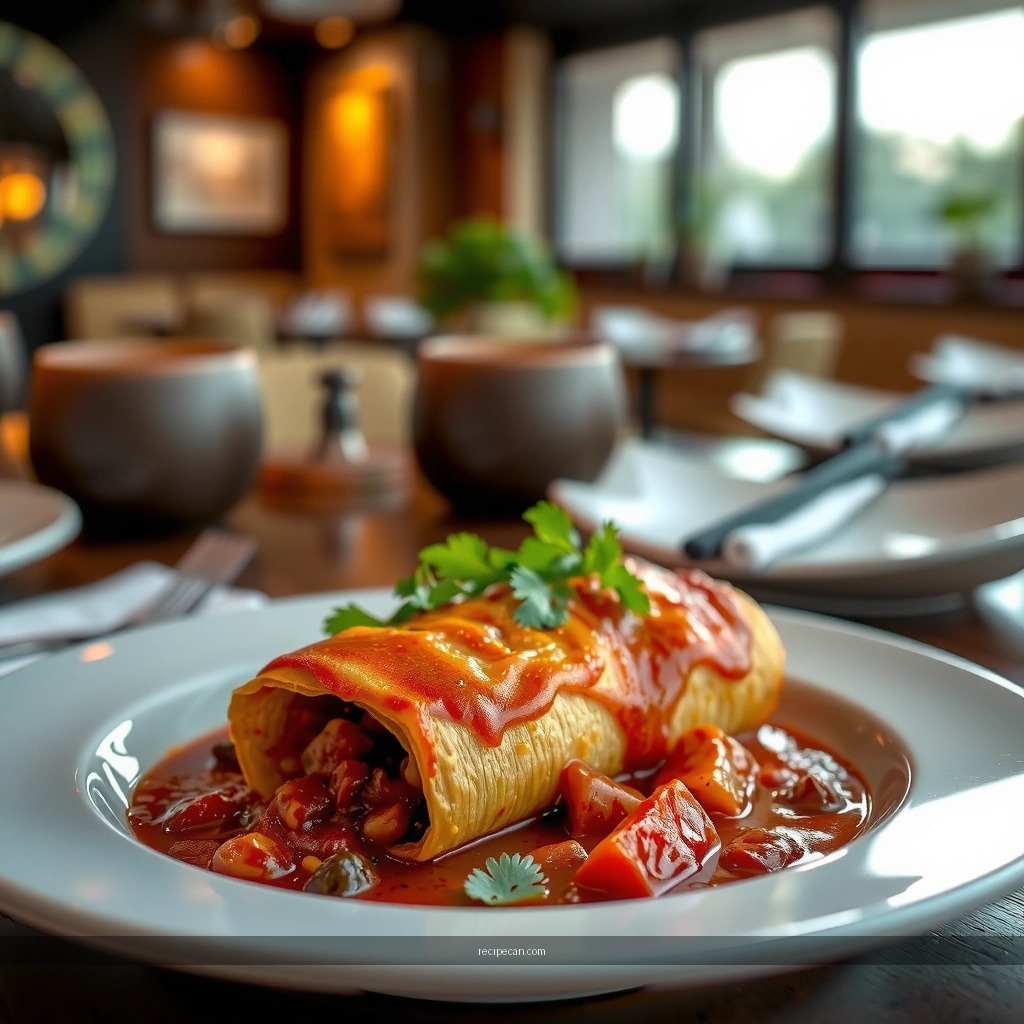
Once your chiles are selected, assemble ingredients that create a balanced tamale red sauce: aromatic sweetness, warm spices, and enough thickening to coat masa.
A classic blend typically includes:
– Dried chiles (commonly guajillo + ancho)
– Aromatics: garlic and onion (fresh, not dried)
– Spices: ground cumin (earthy warmth)
– Liquids: chile soaking water and/or broth for blending and simmering
– Thickening:
– Tomato paste for a bright, savory base, or
– Masa harina (a small amount) if you want tamale-specific texture and stability
– Seasoning: salt, and a bit of acidity to brighten the final flavor
How to think about thickening: In tamales, the sauce must be thick enough to stay on the masa during steaming, not run like a soup. Tomato paste reduces beautifully, while masa harina gives a more “tamale-style” body. You can use either—just keep the quantity controlled.
Step-by-Step: How to Blend the Sauce
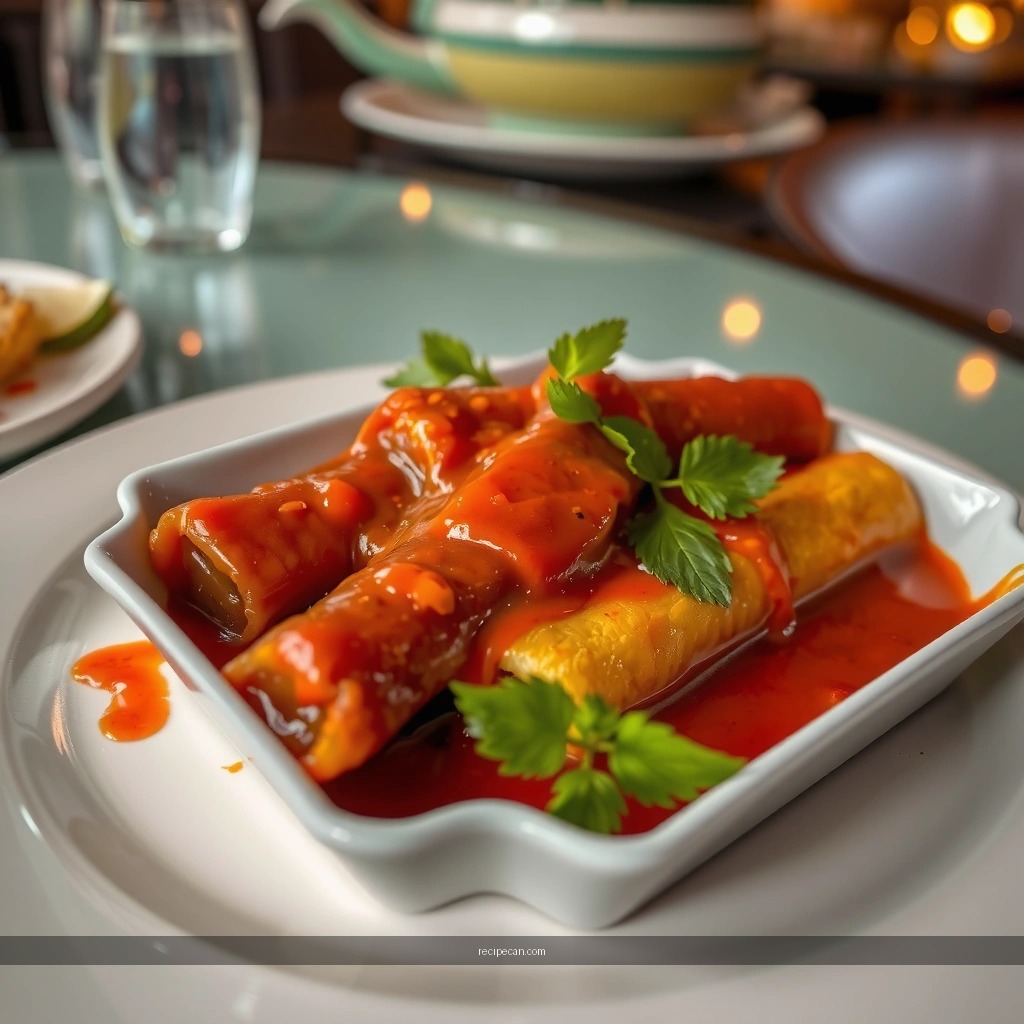
Consistency is the secret to a rich tamale red sauce. If the blend is gritty, the final sauce can taste uneven—even if the flavors are great.
– Remove stems and seeds, then soak chiles until softened.
Cut the dried chiles open and remove stems and most seeds. Leaving a few seeds can add heat, but too many can make the sauce sharp or bitter.
– Blend with aromatics and broth until smooth, then strain if desired.
Blend rehydrated chiles with:
– sautéed onion and garlic (or blended raw, depending on your preference)
– cumin
– a portion of broth/soaking liquid to reach a smooth, pourable consistency
Straining is optional but often worth it if you want a silkier sauce for spreading. If you’re short on time, blend longer first; if you still notice texture, strain through a fine mesh.
Quality checkpoint: The sauce should look smooth and deep red-brown. If it looks separated, blend again with a splash more liquid rather than adding more dry thickener.
Simimmer Until Thick, Tangy, and Balanced
This is where most “good” sauces become truly tamale-worthy. A controlled simmer reduces water, concentrates chile flavor, and thickens the sauce into a coating consistency.
– Simmer the sauce to reduce and develop flavor.
After blending, pour into a saucepan and simmer on medium-low. Stir frequently to prevent sticking. You’ll often notice:
– fragrance intensify
– color deepen
– texture move from thin to clingy
– Adjust with salt and a little acidity (tomato or vinegar) to brighten it.
Chile sauces can taste flat if the acidity is missing. Add acidity gradually:
– tomato paste (reducing it intensifies flavor)
– a splash of vinegar or a squeeze of citrus at the end (brightens without making it taste “sour”)
Target result: Taste the sauce as if it’s a topping—rich, smoky, gently spicy, and balanced. If it tastes slightly stronger than you expect, that’s normal; masa steaming can mellow flavors.
Heat and Seasoning Tips for Perfect Tamales
Heat tolerance and seasoning are personal, but you can use a few techniques to get reliable results.
– Control spiciness by how many chile seeds you leave in.
Seeds are where a lot of the bite comes from. For tamales that appeal to a broader crowd, remove most seeds and increase flavor with more chiles rather than more seeds.
– Taste and season before cooking with the sauce to ensure it’s tamale-ready.
The best practice is to season to satisfaction before assembling tamales. Once the sauce is mixed into masa and steamed, it’s harder to correct seasoning.
Additional professional-level tips:
– Bloom cumin by briefly stirring it into warm aromatics (or adding during the simmer) to maximize aroma.
– Salt in stages: add part of your salt early, then finish after the simmer reduces.
– Consistency test: the sauce should coat a spoon; when you drag your finger through, it should leave a clean line before slowly filling in.
Make-Ahead and Storage for Easy Tamale Night
Tamale prep is usually a multi-hour process, so efficiency matters. The good news: tamale red sauce improves after resting because flavors meld and the sauce thickens slightly.
– Cool quickly, then store in the fridge for up to 4–5 days.
Transfer sauce to a shallow container to cool faster, then refrigerate.
– Freeze portions for later, then reheat gently with a splash of broth if needed.
Freeze in measured portions so you can thaw exactly what you need. When reheating:
– warm over low heat
– stir often
– loosen with broth if it thickened too much
Reheat guideline: Avoid high heat that can scorch the chile solids. Gentle reheating keeps the flavor smoky and intact.
Tamale red sauce is all about using flavorful dried chiles, blending smoothly, and simmering until the taste is bold and the texture is thick. Follow the steps above, taste for balance with salt and acidity, and you’ll have a sauce that elevates your tamales—so make a batch and try it on your next tamale night.
Frequently Asked Questions
What’s the best way to make tamale red sauce from scratch?
Start by roasting or lightly toasting dried chiles (like guajillo, ancho, and/or arbol) until fragrant, then rehydrate them in hot water. Blend the softened chiles with garlic, onion, tomatoes, and a little soaking liquid until smooth, then simmer the red sauce to thicken and develop flavor. Finish with salt and a touch of vinegar or broth to balance the chile bitterness. This method gives a rich, authentic tamale red sauce that clings well to masa.
How do I thicken tamale red sauce without it getting bitter?
Simmering is usually enough—let the blended chile mixture cook uncovered until it reduces and naturally thickens. If it still needs more body, add a small amount of toasted masa harina or blend in a few cooked tomatoes and simmer again, rather than adding sugar or heavy thickeners. To avoid bitterness, don’t over-roast chiles and strain out any stubborn chile seeds or skins after blending. Taste frequently while it simmers so your tamale red sauce stays smooth and balanced.
Why is my tamale red sauce too spicy or too mild?
Spice level depends on the chile type and how many arbol chiles you use, plus whether you include chile seeds. For milder tamale red sauce, remove seeds and use mostly guajillo/ancho; for extra heat, keep arbol or add more dried spicy chiles in small increments. If it’s too spicy, simmer it longer with tomatoes or add a little masa harina or broth to round out the flavor. If it’s too mild, add more toasted chile paste or a bit more garlic and salt, then re-taste.
Which chiles are best for a classic tamale red sauce?
A classic tamale red sauce often uses guajillo for mild, fruity heat and ancho for deeper, smoky flavor, with arbol for extra spice. If you want a richer, redder sauce, you can add dried cascabel or additional ancho, but keep the proportions balanced so it doesn’t turn harsh. Toast the chiles briefly, rehydrate them thoroughly, and blend until fully smooth for the most consistent results. Using the right blend of chiles is the key to getting that signature Mexican red sauce taste for tamales.
How can I store and reheat tamale red sauce for tamales later?
Let the red sauce cool completely, then store it in an airtight container in the refrigerator for up to 4–5 days or freeze up to 2–3 months. When reheating, warm it on low heat and add a splash of water or broth if it thickened too much in storage. Stir well to restore a smooth consistency, and taste again for salt and acidity before using. Proper storage keeps your tamale red sauce flavorful and ready for next-day masa assembly.
References
- Tamale
https://en.wikipedia.org/wiki/Tamale - https://en.wikipedia.org/wiki/Chile_colorado
https://en.wikipedia.org/wiki/Chile_colorado - https://www.britannica.com/food/tamale
https://www.britannica.com/food/tamale - https://pubmed.ncbi.nlm.nih.gov/?term=chile+pepper+capsaicin+food+science
https://pubmed.ncbi.nlm.nih.gov/?term=chile+pepper+capsaicin+food+science - https://pubmed.ncbi.nlm.nih.gov/?term=chili+pepper+color+processing+anthocyanins+carotenoids
https://pubmed.ncbi.nlm.nih.gov/?term=chili+pepper+color+processing+anthocyanins+carotenoids - Google Scholar Google Scholar
https://scholar.google.com/scholar?q=tamales+red+chile+sauce+recipe - Google Scholar Google Scholar
https://scholar.google.com/scholar?q=chile+colorado+sauce+for+tamales - Google Scholar Google Scholar
https://scholar.google.com/scholar?q=mexican+red+chile+sauce+homemade+recipe+research - Chili pepper
https://en.wikipedia.org/wiki/Chili_pepper - https://pubmed.ncbi.nlm.nih.gov/?term=red+chile+pepper+sauce+capsaicinoids+effect+on+flavor
https://pubmed.ncbi.nlm.nih.gov/?term=red+chile+pepper+sauce+capsaicinoids+effect+on+flavor