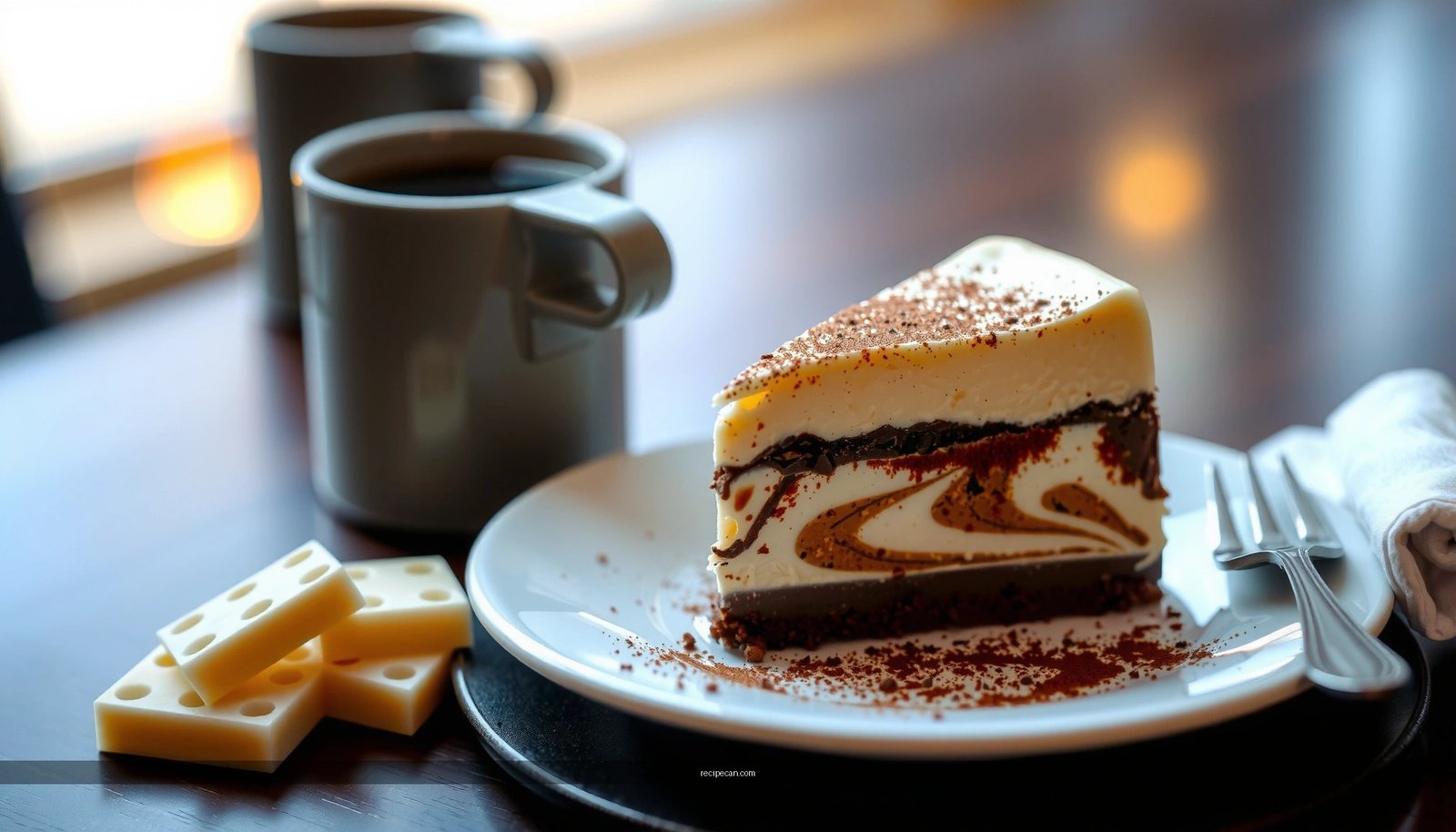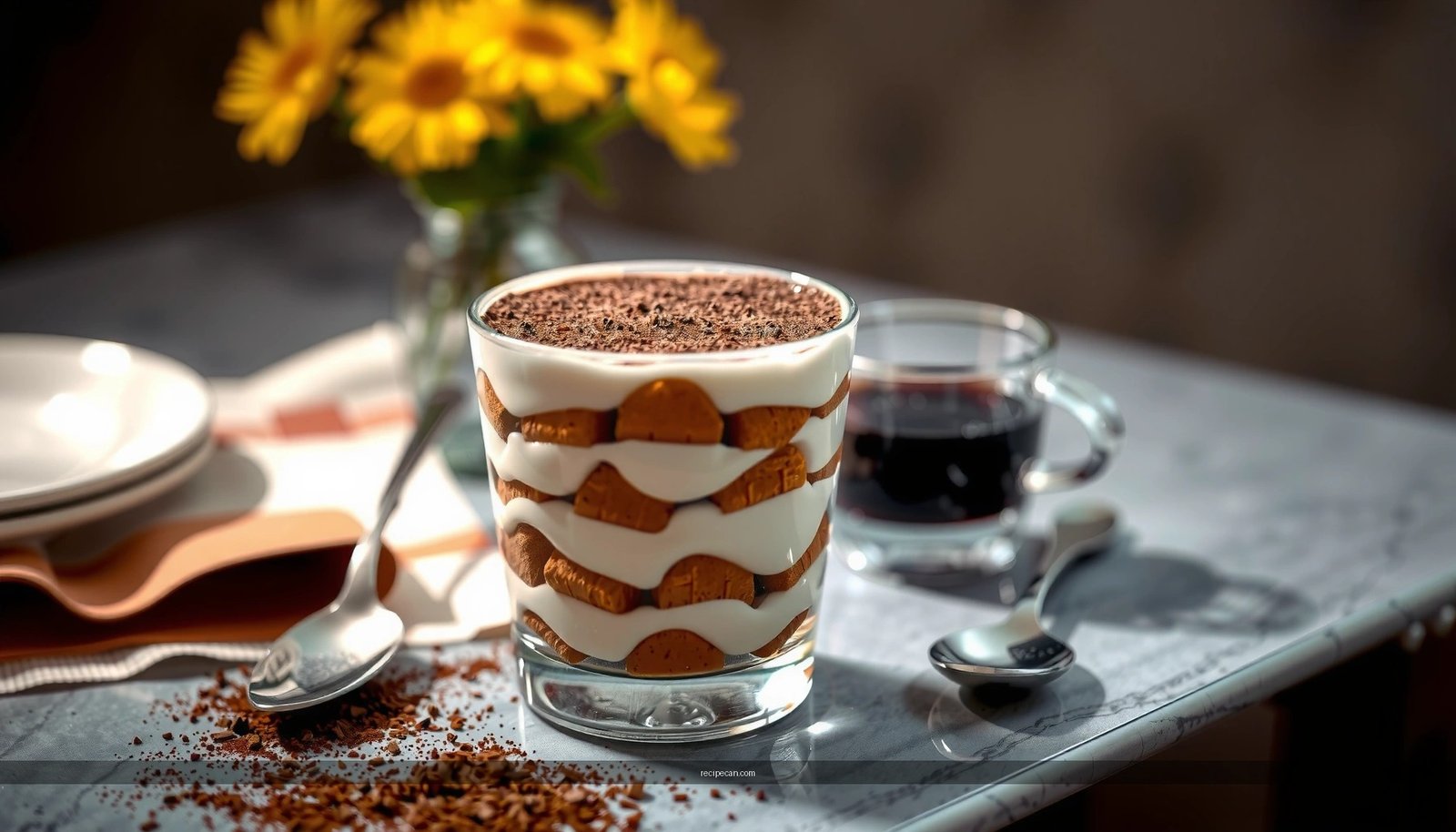
Get a classic tiramisu Italian recipe with step-by-step instructions that reliably turns out a silky mascarpone filling and perfectly coffee-soaked layers. Follow these exact measurements and timings to avoid the two common failures—watery cream and over-soaked ladyfingers. If you want the truest classic result, this is the one to make.
You can make classic tiramisu Italian recipe at home by building two essentials—espresso-soaked ladyfingers and a properly aerated mascarpone cream—then chilling it long enough to set. Follow the step-by-step process below for exact ingredient amounts, layering technique, and timing so your dessert tastes rich, smooth, and authentically “Italian kitchen” ready.
Gather Ingredients for Classic Tiramisu
A classic tiramisu Italian recipe is intentionally simple, but ingredient quality makes a noticeable difference—especially coffee and mascarpone. Use these base components to get the traditional balance of bitterness, sweetness, and creamy richness.
Standard yield: one 8×8 in (20×20 cm) dish, ~9–12 servings
Time overview: ~35–45 minutes active work + 4–6 hours (overnight best) chilling
Core ingredients (with amounts):
– Mascarpone cheese: 16 oz (450 g)
– Eggs: 4 large (separate yolks and whites)
– Granulated sugar: 3/4 cup (150 g)
– Strong espresso or quality dark coffee: 1 to 1 1/4 cups (240–300 ml), cooled
– Ladyfingers (savoiardi): ~24–30 pieces (about 200–250 g total, depending on size)
– Unsweetened cocoa powder: 2–3 tbsp, plus extra for dusting
– Pinch of salt: optional, but helps stabilize whites
Choosing the right espresso (or coffee):
– For authentic tiramisu flavor, brew strong espresso or very strong coffee with a dark roast profile.
– Let it cool completely; warm coffee can start melting the cream and soften ladyfingers too aggressively.
Optional, traditional-friendly upgrades:
– Vanilla (1/2 tsp) or a splash of Marsala/coffee liqueur (1–2 tbsp) in the espresso for deeper aroma.
– Freshly grated chocolate for garnish—still finish with cocoa powder for the signature look.
To help you plan ingredient sourcing for an “Italian-style” finish, here’s a practical ingredient reference for the key flavor components in tiramisu:
Tiramisu Flavor Targets: What Each Ingredient Should Deliver
| # | Ingredient Role | Typical Amount (Per 8×8) | Flavor/Texture Impact | Result if Done Right |
|---|---|---|---|---|
| 1 | Mascarpone (cream base) | 450 g | Silky richness, stable body | Cream holds shape |
| 2 | Egg yolks + sugar | 4 yolks + 150 g sugar | Sweet custard notes, smooth mouthfeel | No graininess |
| 3 | Egg whites (whipped) | 4 whites | Lightness, aeration, spoonable texture | Soft, fluffy finish |
| 4 | Espresso/coffee | 240–300 ml | Bitter depth, aroma, classic contrast | Bold coffee presence |
| 5 | Ladyfingers | ~24–30 pieces | Structure + soak absorption | Cream-to-cookie balance |
| 6 | Cocoa powder (finish) | 2–3 tbsp | Bittersweet aroma + classic visual | Clean, fragrant dusting |
| 7 | Chilling time | 4–6 hours (best: overnight) | Sets cream + harmonizes flavors | Slicing holds together |
Make the Mascarpone Cream Properly
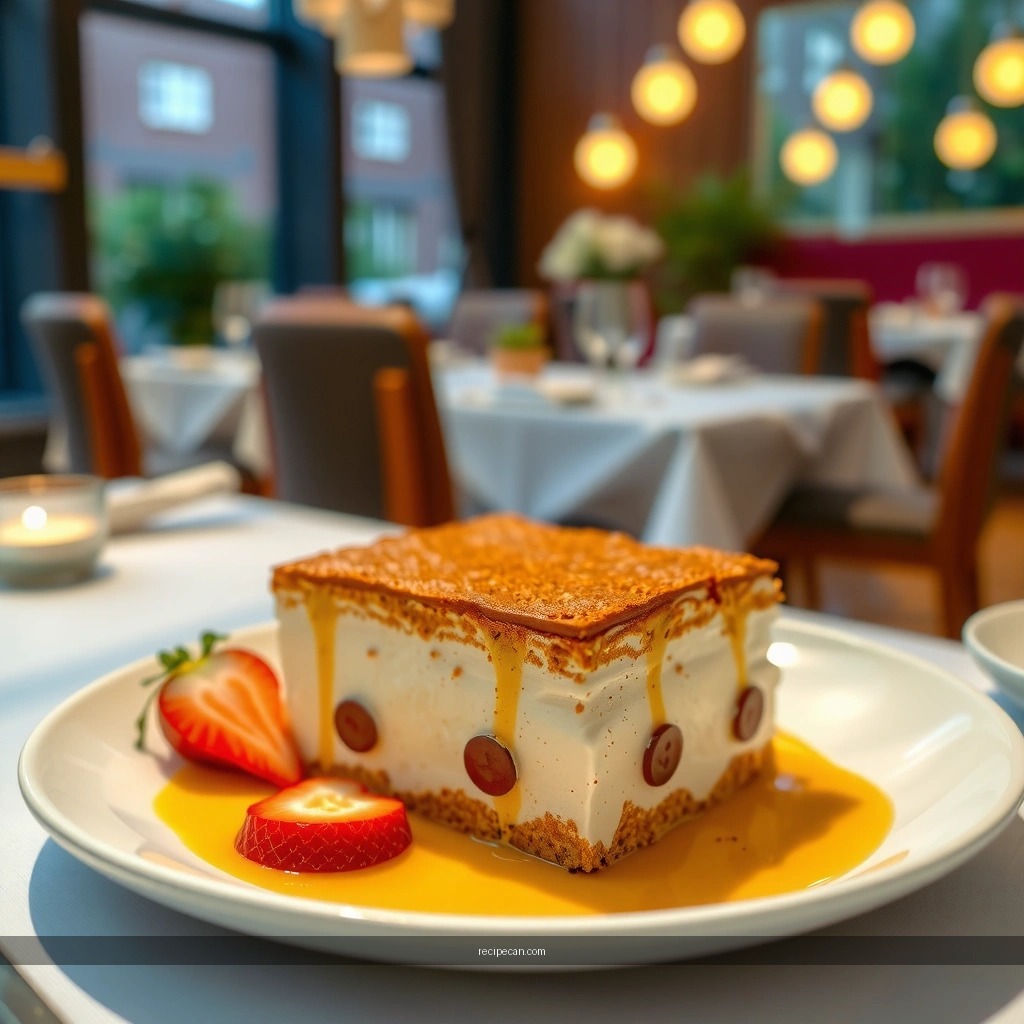
The mascarpone cream is where most home tiramisu Italian recipes succeed or fail. Aim for a smooth, thick, aerated cream—not a loose custard and not a stiff, overmixed paste.
Step-by-step mascarpone method (classic style)
1. Separate eggs carefully into yolks and whites.
– Even a small amount of yolk in the whites can reduce whipping performance.
2. Whisk yolks with sugar until the mixture turns paler and slightly thicker.
– This usually takes 2–3 minutes with a whisk or electric mixer.
3. Add mascarpone and mix only until smooth.
– Scrape the bowl to prevent lumps.
4. Whip egg whites to soft peaks.
– You want peaks that bend over gently, not dry and stiff.
5. Fold whites into the mascarpone base in two additions.
– Use a spatula and gentle strokes; stop as soon as no large streaks remain.
Why this method works (and how to troubleshoot)
– Yolk + sugar creates a silky base that suspends flavor evenly.
– Whipped whites add air, giving the cream that signature tiramisu mouthfeel.
– Gentle folding prevents “deflating,” which can make tiramisu dense or cause a grainy texture.
Texture checks:
– If cream looks too thick and unworkable, you may have overwhipped whites or overmixed mascarpone; fold less aggressively next time.
– If cream looks runny, verify your egg separation and keep mascarpone cold; also avoid using warm espresso during assembly.
Dip Ladyfingers Without Getting Soggy

Ladyfingers are not cake sponges—over-soaking is the most common cause of watery tiramisu. The goal is quick surface saturation so they soften but still hold structure.
The correct dipping technique
1. Pour cooled espresso into a shallow bowl.
2. Dip each ladyfinger briefly—about 1–2 seconds per side.
– You should see it darken and slightly flex, but it should not collapse.
3. Place immediately onto the dish in a single layer, then repeat for the second layer.
Practical tips for consistency
– Work in batches: dip, place, then dip the next.
– If your ladyfingers are very dry, reduce dipping time slightly and focus on quick, even coating.
– If your espresso is weak, ladyfingers may feel under-flavored even when dipped correctly—use strong coffee rather than extending soak time.
Assemble and Layer for Best Results
Assembly is where professional results come from: even coverage, clean layers, and controlled finishing.
Layering instructions (8×8 dish)
1. First layer: Arrange dipped ladyfingers in an even grid.
– Trim pieces as needed so the surface is covered.
2. Add cream: Spread mascarpone cream evenly over the first layer.
– Use an offset spatula for the cleanest coverage.
3. Second layer: Add another layer of dipped ladyfingers.
4. Final cream layer: Cover fully so no ladyfinger edges show through.
5. Finish: Dust generously with unsweetened cocoa powder right before serving (or shortly before chilling is fine if you prefer a darker top, but don’t wait too long).
Small actions that make a big difference
– Tap the dish lightly on the counter to settle layers and reduce air pockets.
– If the dish seems slightly uneven, rotate it and smooth cream with a spatula—small adjustments now prevent messy slices later.
Chill Time and Serving Tips
Chilling is not optional if you want classic tiramisu Italian taste and texture. Refrigeration allows the cream to set, flavors to blend, and ladyfingers to fully hydrate in a controlled way.
Recommended schedule
– Refrigerate at least 4–6 hours
– For best results, chill overnight (8–12 hours)
Best way to slice and serve
– Use a clean knife and warm it under hot water, then wipe dry between cuts.
– Serve cold. Letting tiramisu sit at room temperature too long can soften the cream and loosen the structure.
Food-safety note (for egg-based creams)
This recipe uses raw eggs in a traditional style. If you prefer additional safety, consider using pasteurized eggs (commonly sold in many grocery stores) for the yolk/sugar step and for whipping whites.
Common Mistakes to Avoid
If your tiramisu turned out runny, grainy, or flat in the past, it usually traces back to a few avoidable issues.
– Don’t let ladyfingers soak too long
Extended dipping draws out excess liquid, creating a watery layer and preventing clean slicing.
– Don’t rush chilling
Cream needs time to firm and integrate flavors. A rushed chill often leads to “soft” layers that collapse.
– Avoid skipping gentle folding (overmixing can cause graininess)
Overmixing knocks out whipped air and can make the mascarpone texture less smooth.
– Don’t pour warm espresso over ladyfingers
Warm liquid accelerates breakdown—both the ladyfingers and the cream can become unstable.
– Don’t overwhip whites
If whites reach stiff peaks, folding can become harder and the final cream may feel dense rather than airy.
With espresso-soaked ladyfingers, silky mascarpone cream, and proper chilling, your classic tiramisu Italian recipe will taste like it came from an Italian kitchen. Make this today—prepare the cream, layer carefully, chill overnight, and finish with cocoa before serving.
Frequently Asked Questions
What are the classic tiramisu ingredients in an authentic Italian recipe?
A classic tiramisu Italian recipe typically uses ladyfingers (savoiardi), espresso (or strong coffee), mascarpone cheese, eggs, sugar, and cocoa powder. Many traditional versions also use a splash of Marsala wine or dark rum, plus a pinch of salt to help stabilize the egg mixture. For best results, choose high-quality mascarpone and freshly brewed espresso to keep the flavor authentic and rich.
How do you make classic tiramisu without curdling the mascarpone-egg mixture?
Use room-temperature eggs and mascarpone so the mixture blends smoothly, and whisk the eggs with sugar until pale and slightly thick. If tempering eggs with warm sugar syrup, add it slowly while whisking continuously to prevent scrambling. Fold gently so the mascarpone stays creamy, and avoid high heat—tiramisu is assembled and chilled, not baked.
Why does classic tiramisu use espresso and how strong should the coffee be?
Espresso is used because its bold, slightly bitter flavor balances the sweetness of the mascarpone and sugar. For a classic tiramisu Italian taste, brew espresso strong (or use a very concentrated coffee) and let it cool slightly so the ladyfingers soak without becoming mushy. Aim for flavor intensity that can stand up to cocoa, not a weak, watery coffee.
Best way to soak ladyfingers for classic tiramisu—how long should they sit?
Dip each ladyfinger quickly (about 1–2 seconds) in espresso so it absorbs enough moisture for softness but still holds its structure. If you soak too long, the layers become watery and the tiramisu loses its signature sliceable texture. For even layers, assemble promptly and chill for several hours so the flavors meld and the cream sets.
Which alcohol is best for a classic tiramisu Italian recipe—Marsala or rum?
Traditional classic tiramisu often uses Marsala wine, especially in Italian-style versions, because it adds a subtle sweetness and depth that complements espresso. Dark rum is also common and creates a slightly warmer, bolder flavor profile. Choose based on your preference: Marsala for a more classic Italian touch, or rum if you want a richer, more pronounced aroma in your tiramisu layers.
References
- Tiramisu
https://en.wikipedia.org/wiki/Tiramisu - https://www.britannica.com/recipe/tiramisu
https://www.britannica.com/recipe/tiramisu - NYT Cooking – Recipes and Cooking Guides From The New York Times
https://www.nytimes.com/recipe/tiramisu - https://www.theguardian.com/food/2019/jun/21/tiramisu-recipe-italian-cake-coffee-mascarpone
https://www.theguardian.com/food/2019/jun/21/tiramisu-recipe-italian-cake-coffee-mascarpone - https://www.bbc.co.uk/food/recipes/tiramisu_7035
https://www.bbc.co.uk/food/recipes/tiramisu_7035 - Google Scholar Google Scholar
https://scholar.google.com/scholar?q=classic+tiramisu+italian+recipe - Google Scholar Google Scholar
https://scholar.google.com/scholar?q=tiramisu+history+origin+mascarpone+espresso - Google Scholar Google Scholar
https://scholar.google.com/scholar?q=best+recipe+technique+tiramisu+eggs+raw+pasteurization - https://pubmed.ncbi.nlm.nih.gov/?term=tiramisu+mascarpone+espresso+coffee+savoiardi
https://pubmed.ncbi.nlm.nih.gov/?term=tiramisu+mascarpone+espresso+coffee+savoiardi - classic tiramisu italian recipe – Search results
https://en.wikipedia.org/wiki/Special:Search?search=classic+tiramisu+italian+recipe