Follow this recipe tamale guide to make authentic tamales at home with masa that’s tender, flavorful fillings, and a clean steam-cook every time. It answers the key question—how to do tamale-making the traditional way, from choosing the right husks to seasoning the masa and timing the steaming. If you want tamales that taste homemade in the best sense, this is the method that delivers.
You can make authentic tamales at home by preparing a smooth masa, soaking corn husks (or using banana leaves), filling them generously, and steaming until the masa is fully cooked and pulls cleanly from the husk. This tamale recipe guide breaks the process into practical steps—so you can control flavor, texture, and consistency from masa to steaming.
Choose Your Tamale Filling
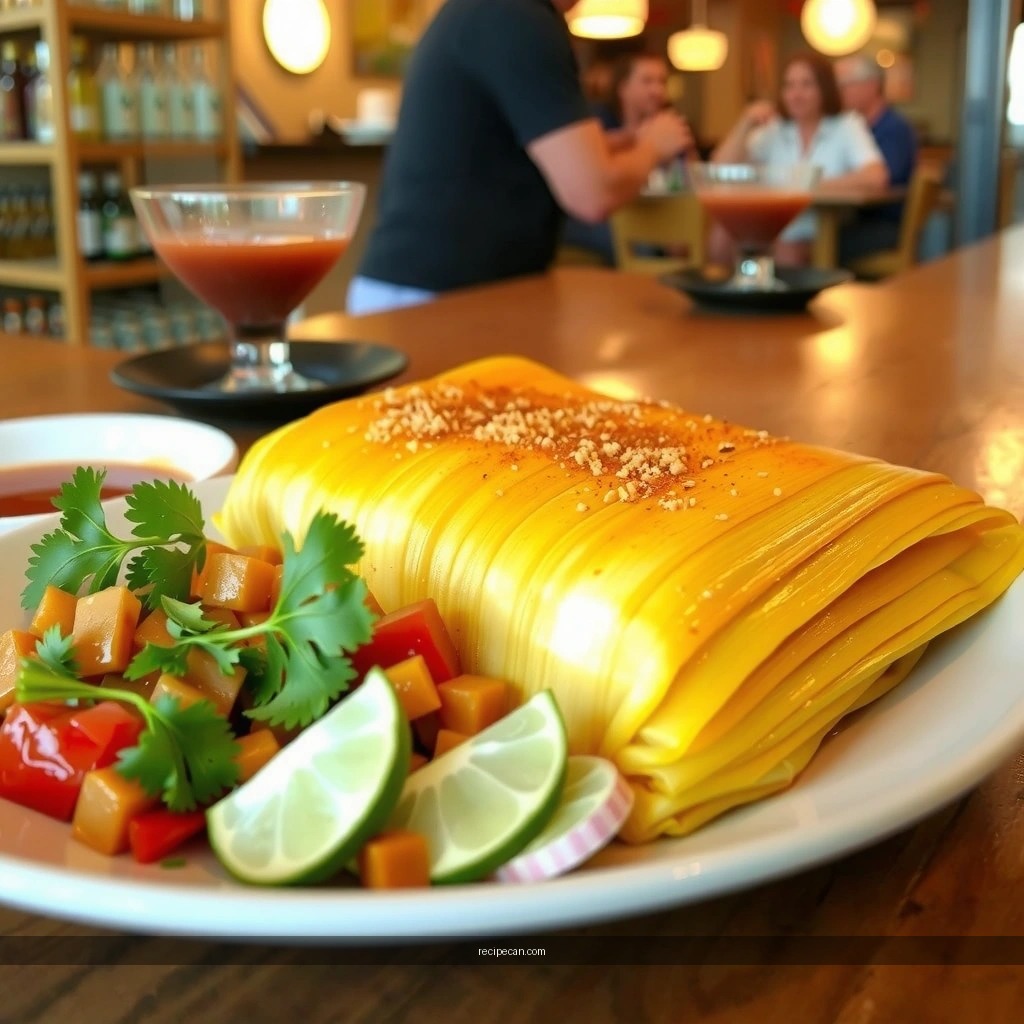
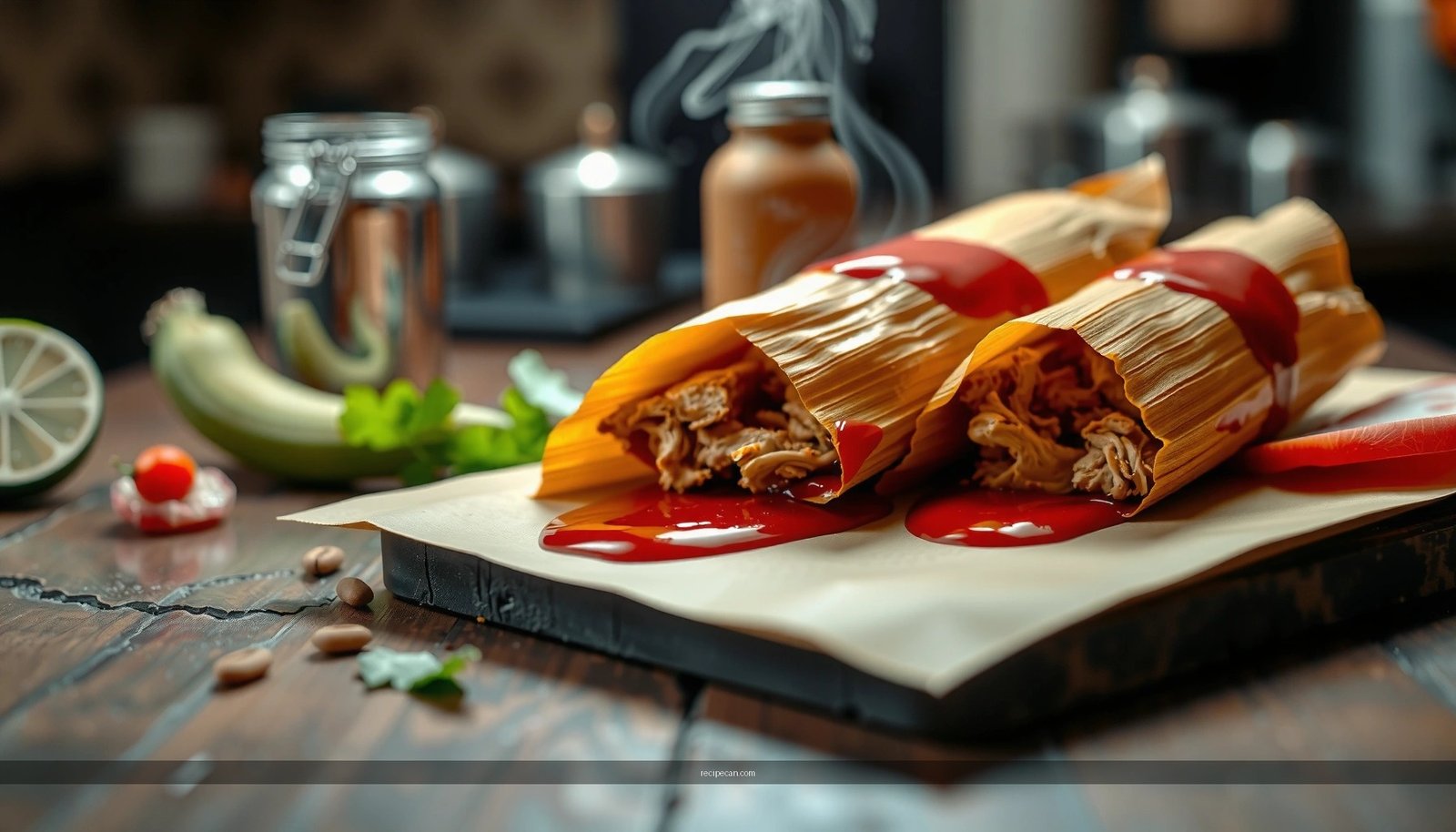
Selecting the right filling is the fastest way to move from “decent homemade” to truly authentic tamales. Classic tamale fillings typically fall into three flavor families: savory meats, cheese-forward options, and vegetarian combinations built on chiles, beans, and aromatics.
– Pick classic options like chicken, pork, or cheese and chili sauce
For authenticity and broad appeal, start with these dependable crowd favorites:
– Red chile pork (puerco en salsa roja): deep, savory heat; pairs naturally with masa made using pork lard or neutral shortening.
– Green chile chicken: brighter and more herbaceous; ideal when you want a less heavy flavor profile.
– Cheese with roasted chile sauce (Queso + chile): rich, soothing, and especially good for breakfast or snack tamales.
– Balance spice and richness to match your taste
Tamales are “masa + filling + sauce,” so spice control must be intentional. If your chile sauce is very spicy, your masa fat and salt help round it out. Conversely, if you want a mild tamale, use chiles for flavor (smoke and color) but reduce the heat by:
– Removing most seeds and membranes from dried chiles
– Using a smaller portion of hotter chiles (like árbol) and more milder ones (like guajillo or ancho)
– Simmering the sauce longer to mellow bitterness
– Use cooked, seasoned filling so flavors set during steaming
Always assemble with fully cooked filling. During steaming, the masa cooks, but the filling doesn’t “have time” to turn from raw to ready. Season as you normally would—then let the sauce cling to the meat—because the steaming process redistributes flavor through the masa.
Practical pro tip: Aim for a filling that is moist but not watery. If your chile sauce is too thin, it can weaken the masa texture and encourage leaks at the sealed ends.
Prepare the Masa (Tamale Dough)
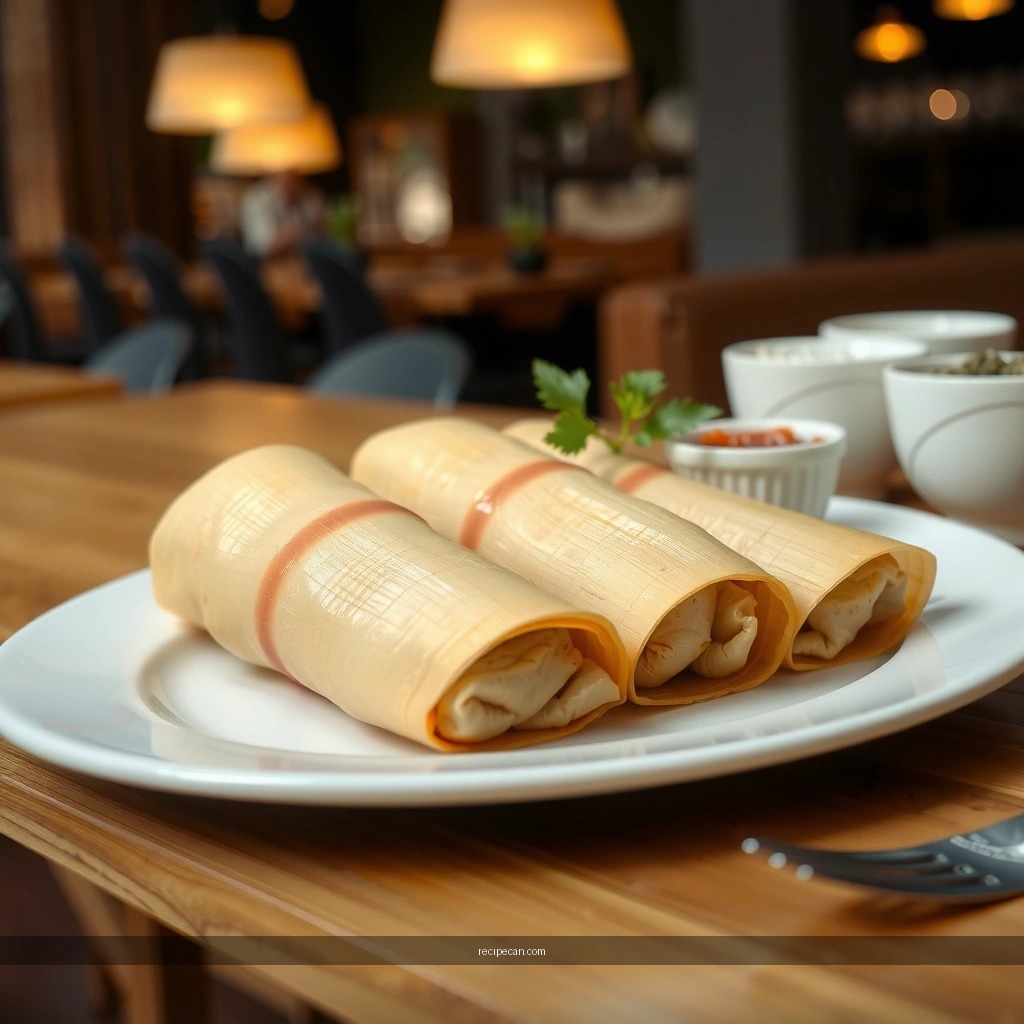
The masa is the heart of the tamale recipe—its texture determines whether you get a tender bite, clean roll, and satisfying chew. Authentic tamales are made with masa harina (corn flour treated with lime), mixed with salt and liquid (often broth), and enriched with fat.
– Mix masa harina with broth and salt to achieve a smooth, spreadable consistency
Start by combining masa harina with warmed broth and salt. Mix until there are no dry lumps and the dough looks cohesive. The exact liquid amount varies by brand and humidity, so judge by texture rather than strict volume.
– Add fat (like lard or vegetable shortening) for a tender masa
Fat affects both tenderness and mouthfeel:
– Lard (traditional in many regions): contributes classic flavor and helps the masa set properly during steaming.
– Vegetable shortening: a good option for those who prefer a neutral taste while still achieving softness.
– Test texture—masa should spread easily and hold shape
A reliable consistency test: when you spread masa on the husk, it should be smooth enough to spread but firm enough to stay put. If it tears or looks dry, add a small splash of warm broth. If it spreads too easily and seems runny, fold in more masa harina or let it rest to hydrate.
Why rest matters: After mixing, let the masa sit for about 15–30 minutes. This hydrates the corn flour fully and makes it easier to spread evenly without cracking.
Masa Consistency Quick Reference (By Desired Result)
If you want a benchmark for what you’re aiming for, use this practical comparison of masa states:
How Masa Hydration Affects Authentic Tamale Texture (Home Batch Benchmarks)
| # | Masa Observation | Texture Clue | Likely Fix | Outcome Risk |
|---|---|---|---|---|
| 1 | Dry, crumbly masa | Sticks to spoon but won’t spread | Add 1–2 Tbsp warm broth per cup; rest 10 minutes | High |
| 2 | Tears when spread | Cracks form on the husk | Add broth gradually + mix thoroughly; rest 15 minutes | High |
| 3 | Too thick, uneven coverage | Masa piles up, hard to level | Beat in 1 Tbsp warm broth at a time until smooth | Medium |
| 4 | Slightly tacky, spreads well | Smooth layer that stays flat | Use as-is; add fat if needed for richness | Low |
| 5 | Perfect spread, holds shape | Spreads evenly; edges seal easily | Maintain thickness; assemble and steam immediately | Very Low |
| 6 | Runny, smears past edges | Layer looks glossy and thin | Fold in masa harina; rest 10–15 minutes | High |
| 7 | Watery separation after mixing | Liquid pools at surface | Whisk in small amounts of masa harina until uniform | High |
Soak and Prep the Corn Husks
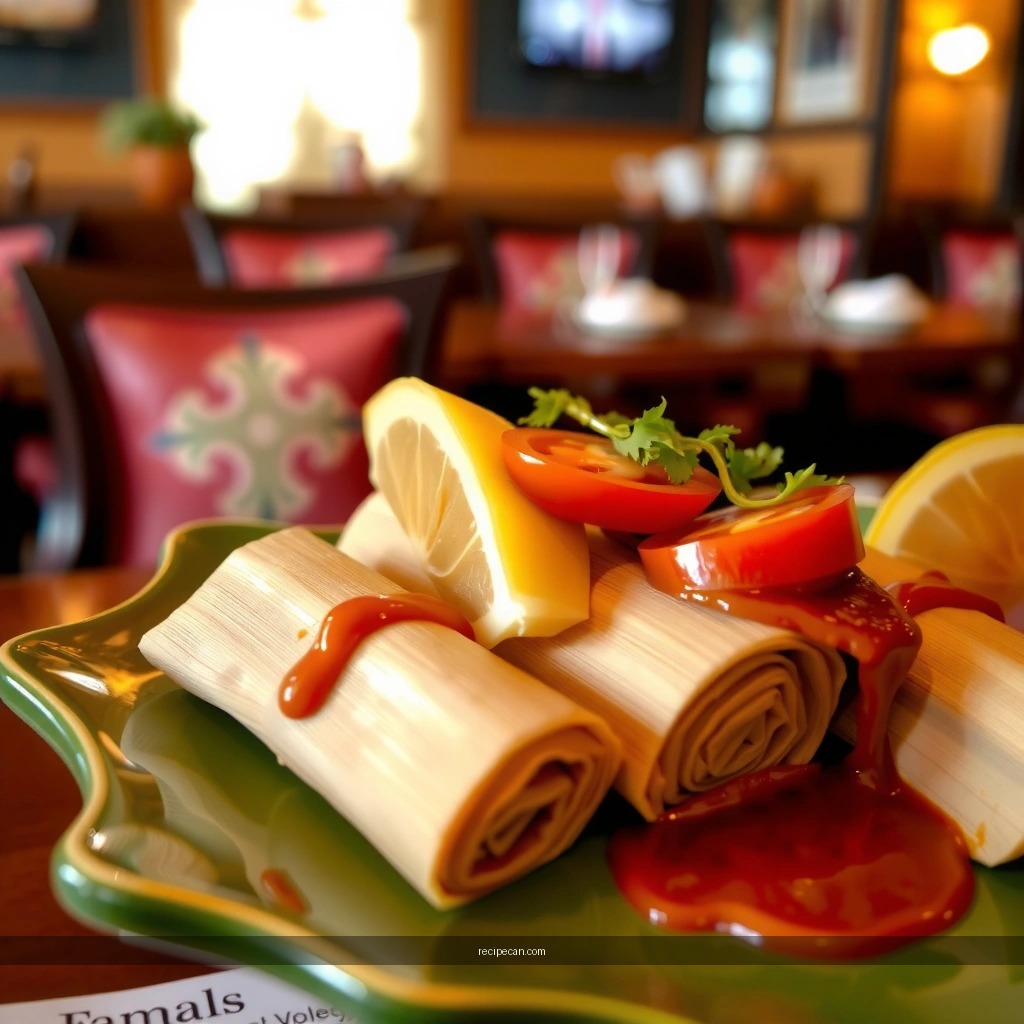
Corn husk preparation is often underestimated, but it directly affects whether tamales wrap cleanly and steam without tearing. If husks crack or dry out, your sealed ends won’t hold.
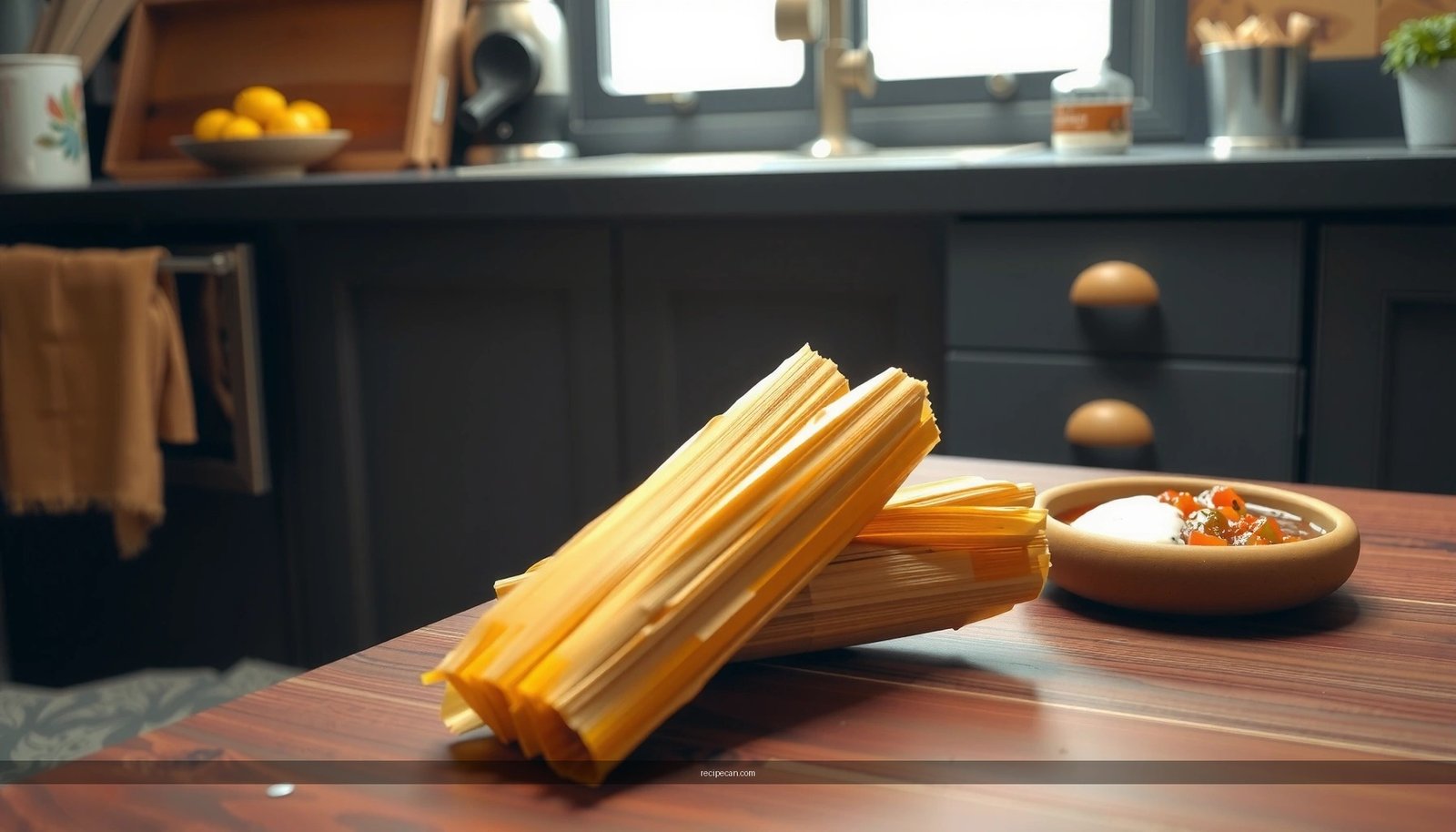
– Soak corn husks until pliable so they wrap without cracking
Soak in warm water until softened. You don’t need them soaking forever—target pliability. When you can bend a husk without it snapping, you’re ready.
– Trim or sort husks for consistent wrapping size
Husk sizes vary. Sort them into groups so your tamales are even. If a husk is too large or too damaged, trim edges for better folding consistency.
– Keep husks slightly damp while assembling
Working time matters. If husks dry out on the counter, they become brittle again. Keep them covered and lightly damp during assembly.
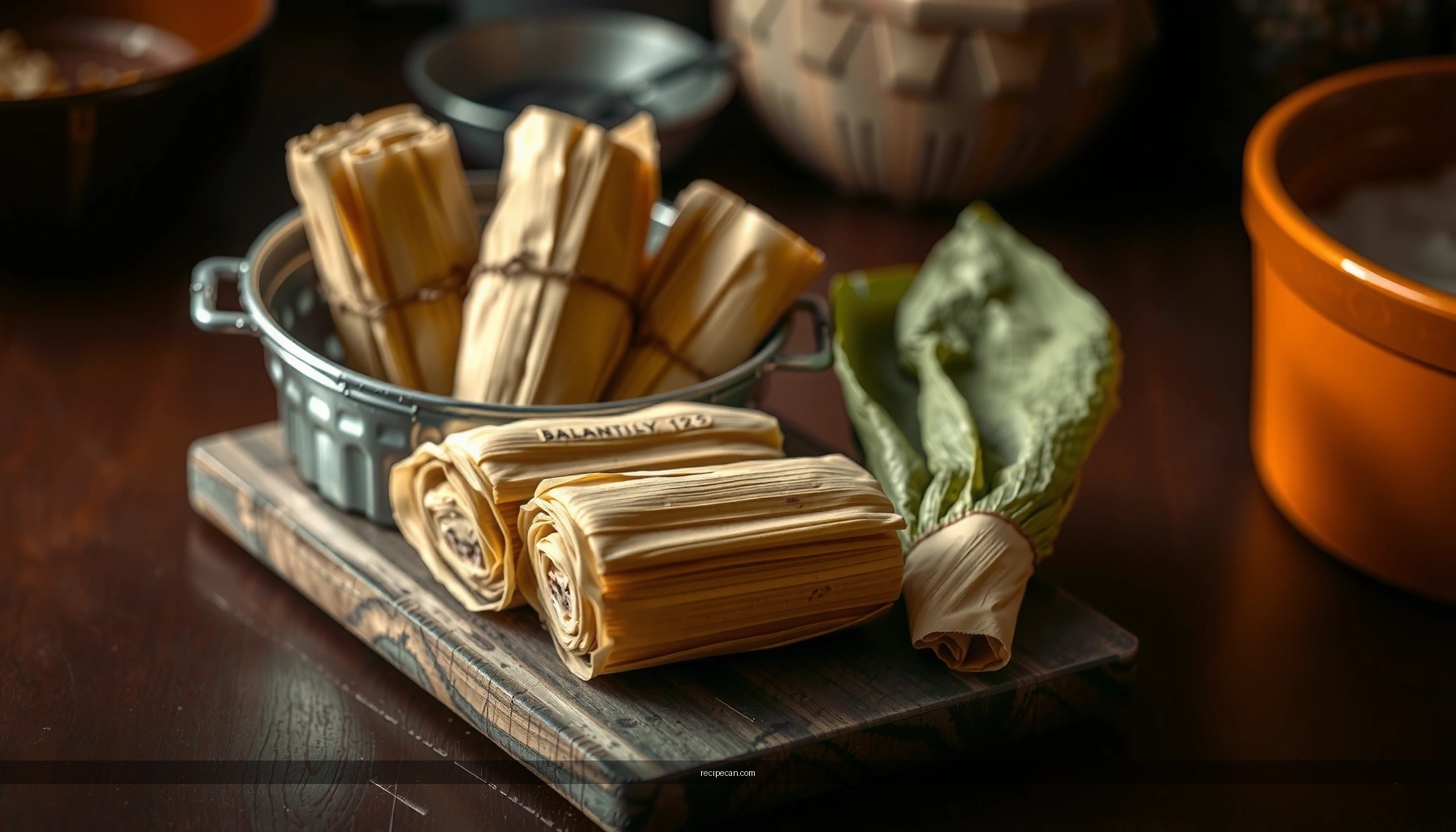
Alternative: Banana leaves can work well in humid or tropical preparations and lend a subtle aroma. Follow the same logic: soften them (if needed) so they fold without tearing, and use similar sealing technique.
Assemble the Tamales
Assembly is where your tamale recipe becomes a repeatable system. While it can feel hands-on and artisanal, the goal is uniformity so everything steams evenly.
– Spread masa evenly on husks, leaving edges to seal
Use a spoon or small offset spatula to spread masa into a thin, even layer. Leave a border around the edges so the husk can seal securely.
– Add filling in the center and fold tightly to enclose
Place filling along the centerline (not too close to the edges). Tight folding matters because steaming pressure and expansion can push filling outward if your seal is loose.
– Fold sealed ends securely to prevent filling from leaking
Fold the sides and ends in a way that creates a closed packet. The best indicator is that the tamale holds shape when lifted—without wobbling open.
Time-saver for quality control: Assemble a small test tamale first. Steam it on the side and check texture and seal integrity before committing to a large batch.
Steam the Tamales to Perfection
Steaming is where tamales “finish”—and where many home cooks struggle. Authentic results require stable heat, proper water management, and patience.
– Stand tamales upright or stacked with a tight pot setup
Many traditional methods use an arrangement where tamales stand upright, leaning slightly if needed. If stacking horizontally, pack them so packets don’t shift and break during cooking.
– Use enough water for steady steaming without boiling dry
Keep a watch on the pot water level. You want steam, not a rolling boil that could dry out the steaming environment. Refill with hot water to avoid temperature drops mid-cook.
– Steam until masa is firm and tamales pull away easily from husks
Don’t rush. Tamales are done when the masa sets fully and the husk releases cleanly. If masa still feels soft and clings heavily to the husk, extend steaming time in 10–15 minute increments and retest.
Key signal: Fully cooked masa feels firm and hydrated—not gummy. For best results, let them rest briefly after steaming; this helps the texture firm up and makes them easier to serve cleanly.
Serve and Store Your Tamales
Serving is part of the authenticity. Tamales are typically paired with sauces that complement the chile profile—especially salsa, crema, and additional chile-based toppings.
– Rest tamales briefly after steaming for better texture
Give tamales time to settle before opening. This improves the masa’s structure and prevents sauce from smearing.
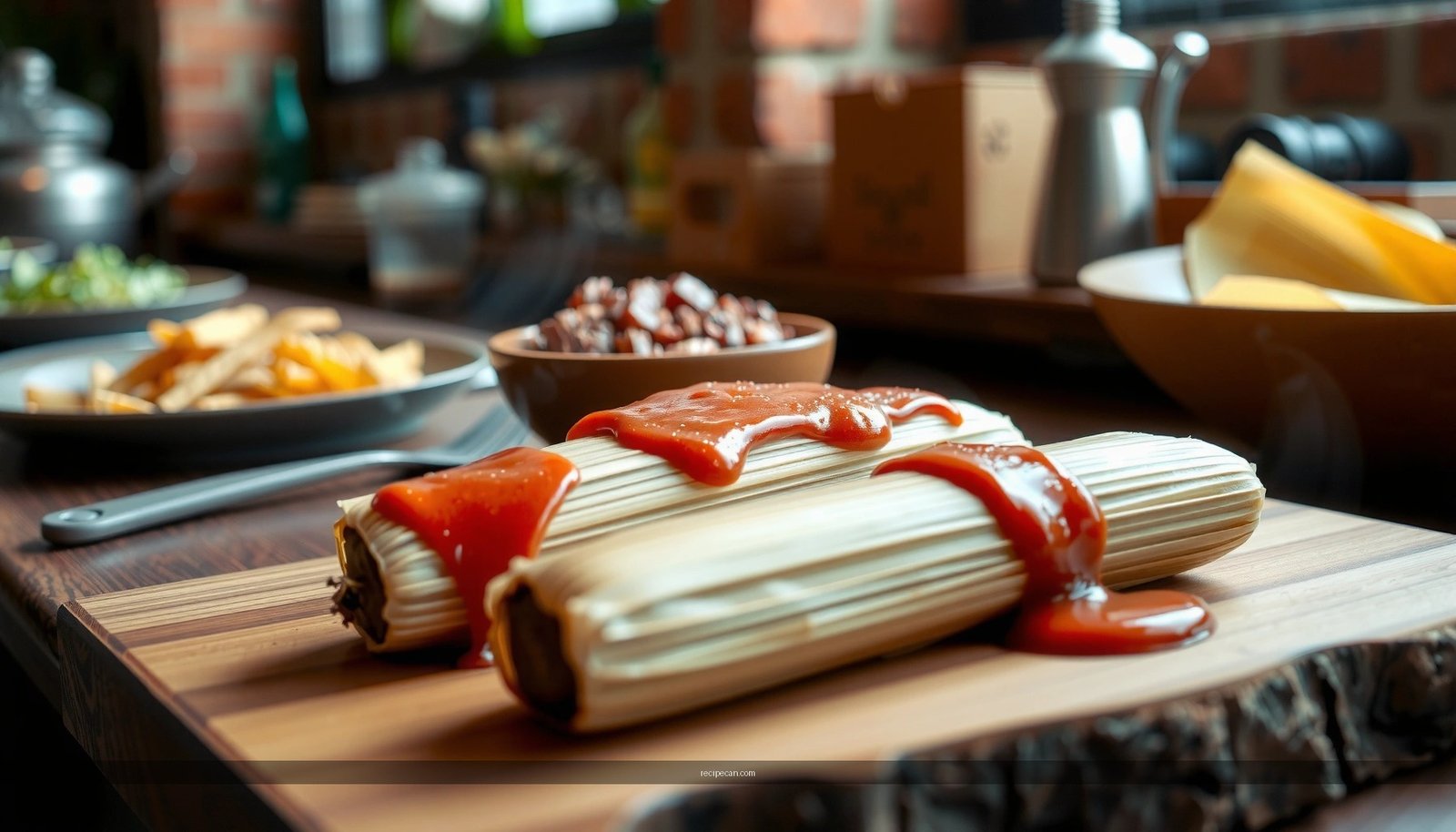
– Serve with salsa, crema, or extra sauce
Great pairings depend on your filling:
– Pork in red chile: serve with bright salsa and a drizzle of crema
– Chicken in green chile: pair with fresh salsa or a tomatillo-based sauce
– Cheese tamales: add mild chile sauce for warmth without overpowering
– Refrigerate leftovers and reheat by steaming or microwaving with moisture
Tamales hold up well for meal prep. Refrigerate promptly in an airtight container. Reheat:
– Best: steam until heated through (revives moisture and tenderness)
– Quick option: microwave with a damp paper towel and short intervals to avoid drying
Freezing tip (if you plan ahead): Freeze tamales once cool, wrapped individually. Thaw in the refrigerator, then reheat by steaming for the closest texture to freshly cooked tamales.
—
After steaming, you’ll have tender, flavorful tamales with masa that’s fully cooked and easy to serve. Follow the steps for masa texture, husk prep, careful assembly, and steady steaming, then taste-test your filling and spice balance for next time—make a batch today and share them with family or friends.
Frequently Asked Questions
What is a classic recipe tamale and what ingredients do I need?
A classic recipe tamale typically includes masa (masa harina mixed with broth or warm water), pork or chicken filling, chili sauce (often with dried chiles), and lard or oil for richness. You’ll also need corn husks for steaming and salt for flavor. Some recipes add garlic, onion, and Mexican oregano to deepen the taste of both the masa and the filling.
How do I make masa for a tamale that’s flavorful and not dry?
Start with masa harina and add warm broth gradually, mixing until you get a smooth, spreadable dough. Many cooks beat lard into the masa (or use a flavorful oil) for tenderness and better texture. If your masa feels stiff, add a little more warm broth; if it’s too wet, add a bit more masa harina and adjust salt.
How long do I cook tamales and how can I tell they’re done?
In most steaming methods, tamales cook for about 1 to 2 hours depending on size and how tightly they’re packed. They’re usually done when the masa pulls away slightly from the corn husk and feels firm but still moist when tested at the center. If the masa is still soft or wet-looking, steam longer in 10–15 minute increments.
Which fillings work best for a recipe tamale—pork, chicken, or vegetarian?
Pork tamales (like pork in red chile sauce) are a traditional favorite because the fat keeps the masa tender during steaming. Chicken tamales are also excellent, especially when simmered with salsa roja or adobo-style seasonings. For vegetarian tamales, try roasted poblano and cheese, beans in mole or chipotle sauce, or sautéed mushrooms with chile; just make sure the filling isn’t watery so the masa stays structured.
Why do my tamales taste bland or turn out hard, and how can I fix it?
Bland tamales usually come from under-seasoned masa or a filling that lacks enough salt and chile depth. Hard or dry tamales often result from dough that was too stiff or steamed too briefly, so the masa didn’t hydrate fully. Fix it by salting the masa properly, using warm broth, keeping the steamer well-regulated, and checking doneness early to avoid overcooking.
References
- Tamale
https://en.wikipedia.org/wiki/Tamale - https://www.britannica.com/topic/tamale
https://www.britannica.com/topic/tamale - Nixtamalization
https://en.wikipedia.org/wiki/Nixtamalization - Masa
https://en.wikipedia.org/wiki/Masa_harina - Husk
https://en.wikipedia.org/wiki/Corn_husk - https://pubmed.ncbi.nlm.nih.gov/?term=tamales
https://pubmed.ncbi.nlm.nih.gov/?term=tamales - https://pubmed.ncbi.nlm.nih.gov/?term=nixtamalization+corn+dough
https://pubmed.ncbi.nlm.nih.gov/?term=nixtamalization+corn+dough - Google Scholar Google Scholar
https://scholar.google.com/scholar?q=tamale+recipe+corn+masa - Google Scholar Google Scholar
https://scholar.google.com/scholar?q=nixtamalization+tamales+masa+steaming - Google Scholar Google Scholar
https://scholar.google.com/scholar?q=traditional+tamales+preparation+corn+dough+wrapping