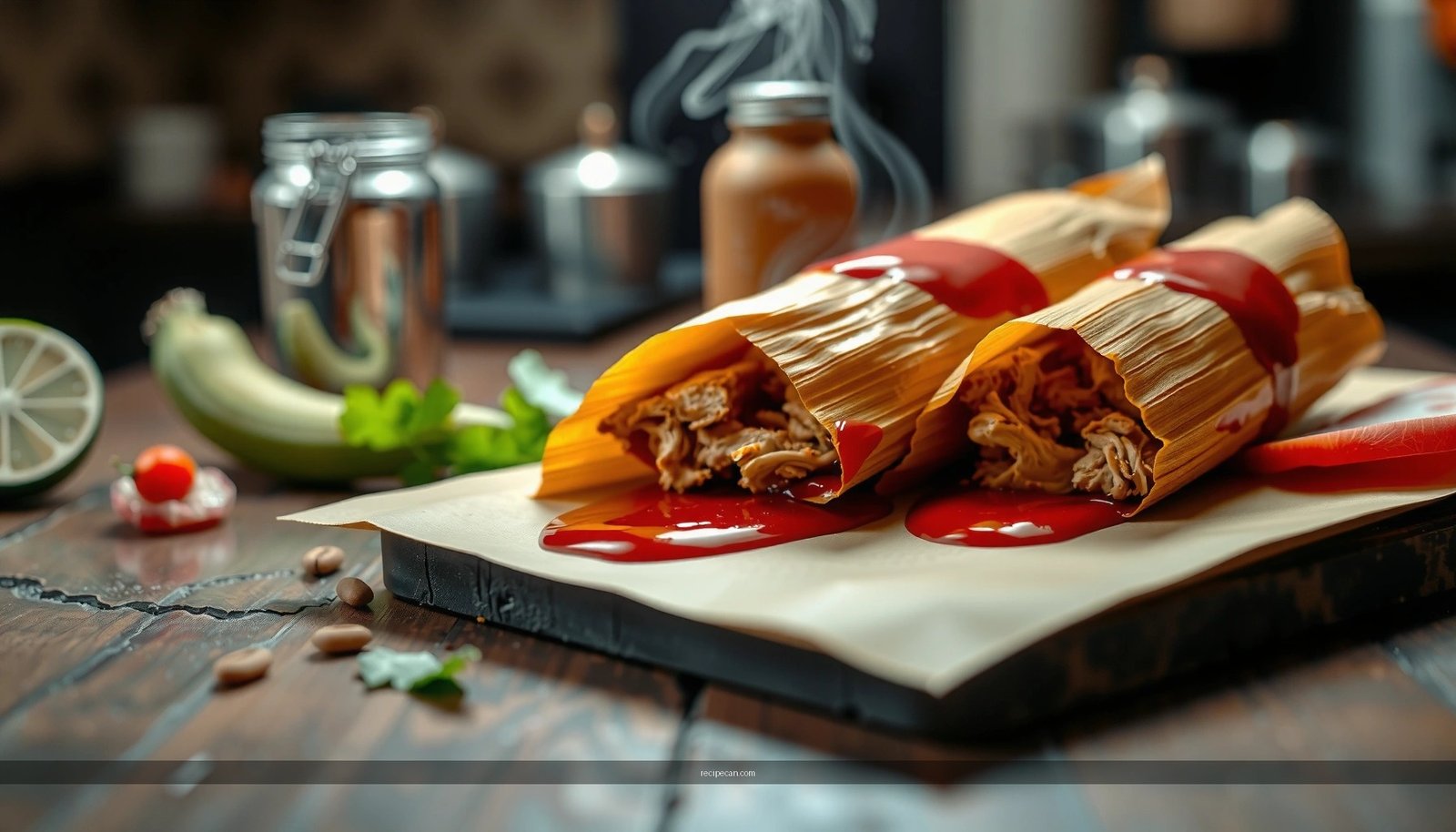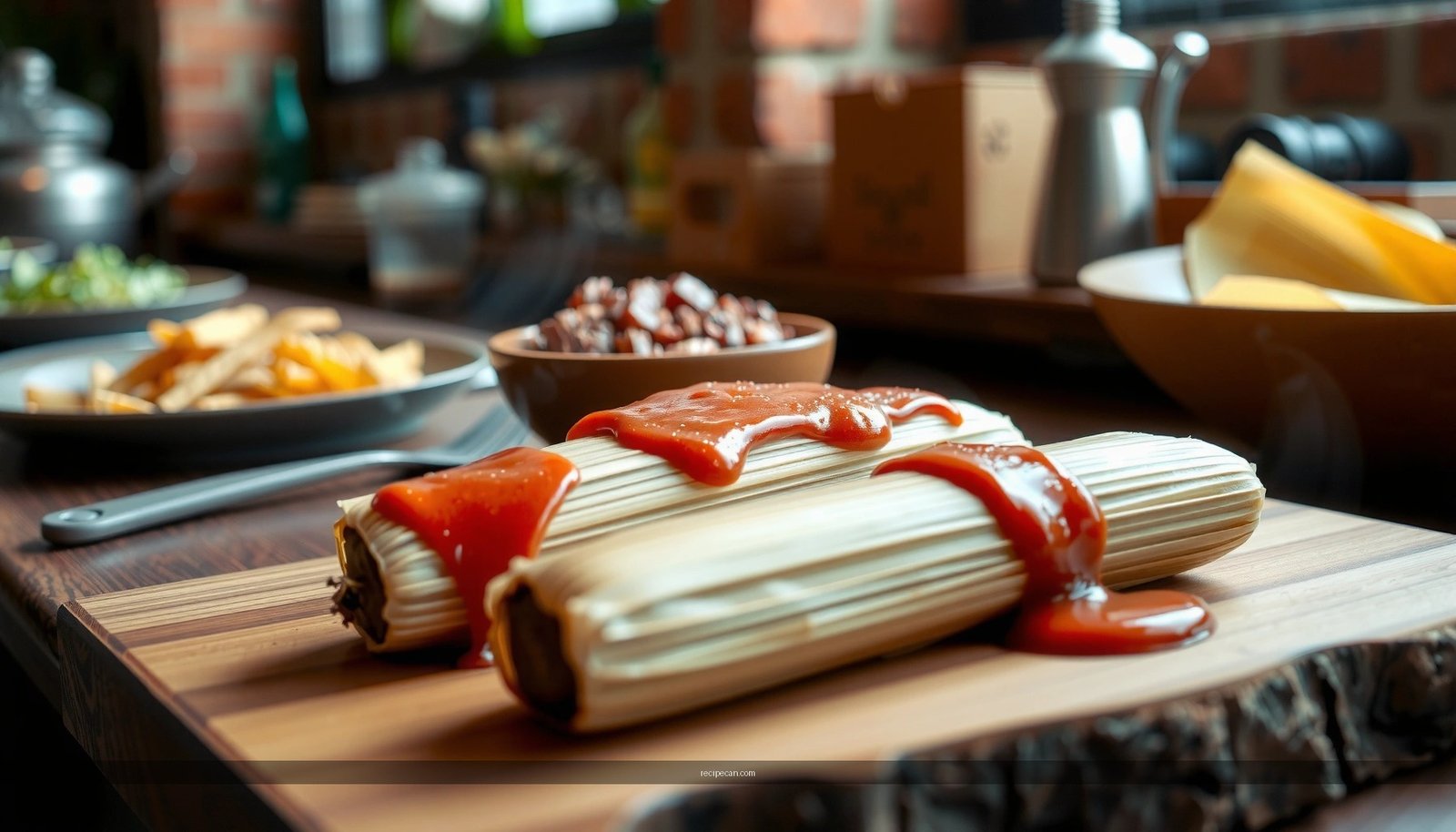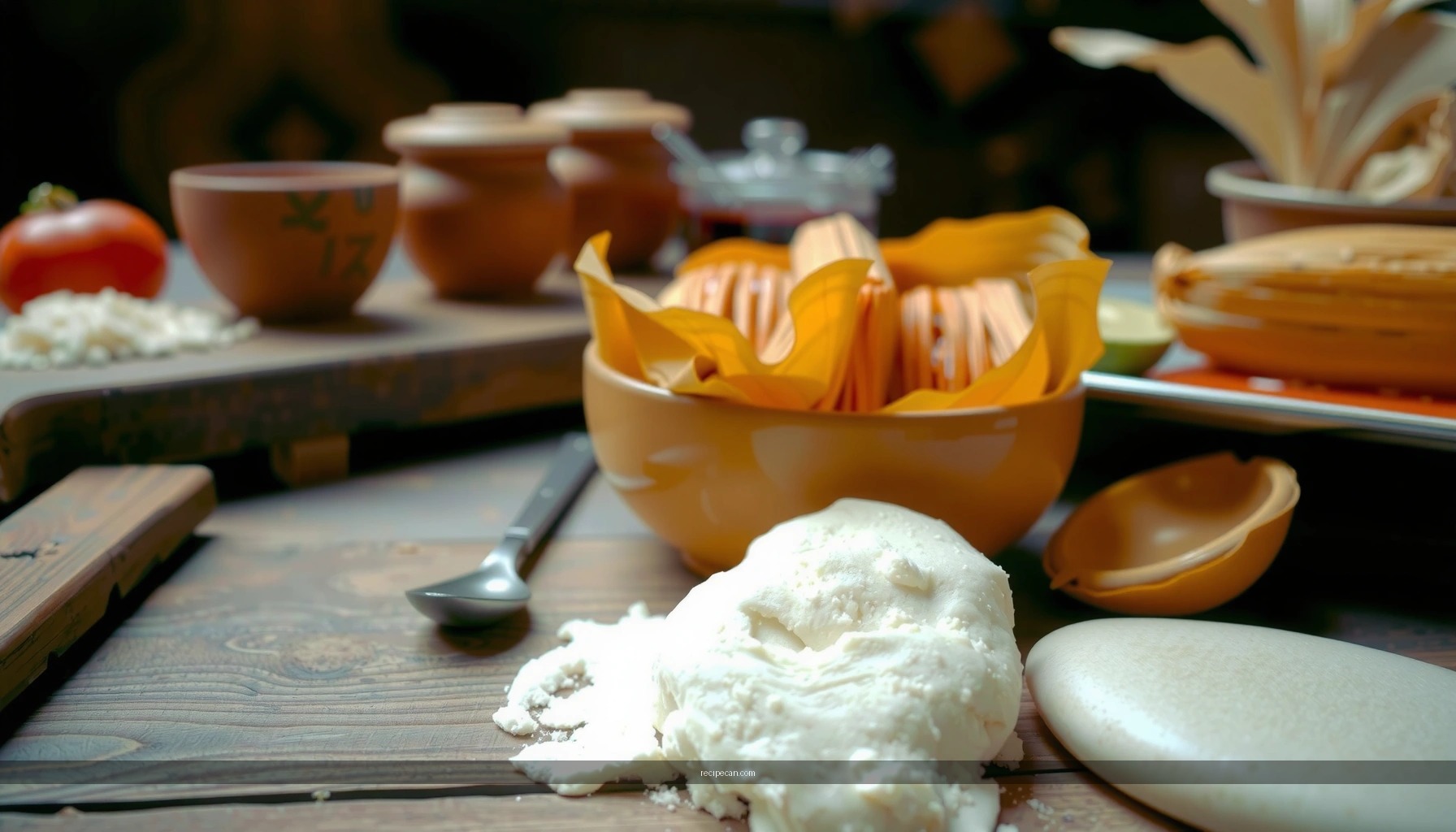
Get a reliable tamale masa dough recipe that delivers authentic, tender tamales with dough that spreads without tearing. This guide walks you step-by-step through making masa from the right masa harina, hydrating it correctly, and seasoning it for the classic flavor. If your last batch turned out dry, stiff, or gummy, this method fixes it.
Make tamale masa dough by hydrating masa harina with warm broth, mixing in fat (lard or shortening), seasoning with salt (and optionally baking powder), then beating until silky, spreadable, and cohesive—so your tamales steam tender and hold together. If you follow the measurements and mixing method below, you’ll dial in the exact consistency needed for even steaming and clean folds, with practical tests to confirm readiness before assembly.
Ingredients for Tamale Masa Dough
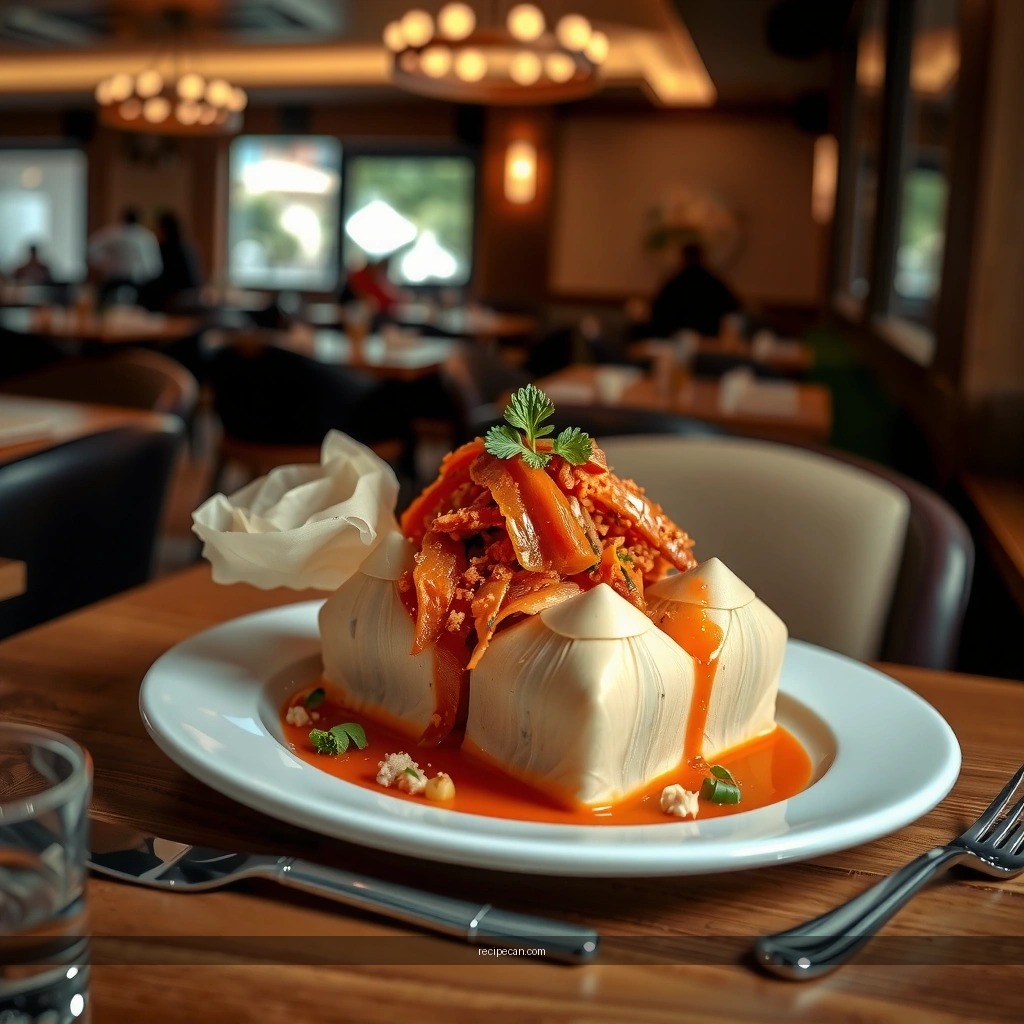
– Use masa harina as the base, plus salt and optional baking powder for texture
– Choose lard or shortening for richness and better binding
– Use warm broth (chicken or vegetable) to hydrate the dough evenly
Authentic tamale masa relies on three functional components: masa harina hydration, fat for tenderness and emulsification, and seasoning for flavor development. Masa harina (nixtamalized corn flour) is not just thickener—it’s the structural foundation. When masa harina absorbs the liquid, the starches gelatinize during steaming, creating that characteristic tamale “bite” that’s soft but not gummy.
A key distinction for professional consistency: use warm broth, not hot broth. Warm liquid hydrates masa harina quickly and evenly without causing uneven lumps or a dough that looks “set” on the outside while dry inside. For fat, lard is often favored for traditional flavor and mouthfeel, while shortening can deliver slightly more neutral taste and predictable texture (especially for large batches or consistent commercial-style results).
Hydration Targets for Tamale Masa Dough (Per 2 lb masa harina)
| # | Broth Temperature | Target Liquid % | Typical Dough Feel | Quality Score |
|---|---|---|---|---|
| 1 | 110–120°F (43–49°C) | 52–56% | Silky, cohesive, spreads easily | ★★★★☆ |
| 2 | 100–109°F (38–43°C) | 54–58% | Softer set; may need extra beating | ★★★☆☆ |
| 3 | 90–99°F (32–37°C) | 56–60% | More time to hydrate; can feel tight | ★★☆☆☆ |
| 4 | 130–140°F (54–60°C) | 50–54% | Can look smooth but firm too soon | ★★★☆☆ |
| 5 | 160–180°F (71–82°C) | 48–52% | Risk of uneven hydration, lumps resist beating | ★☆☆☆☆ |
| 6 | Room temp (70–80°F) | 58–62% | May feel sticky; needs longer mix/rest | ★★☆☆☆ |
| 7 | 120–130°F (49–54°C) | 51–55% | Often excellent if beaten properly | ★★★★☆ |
Mixing Steps for Smooth, Spreadable Masa
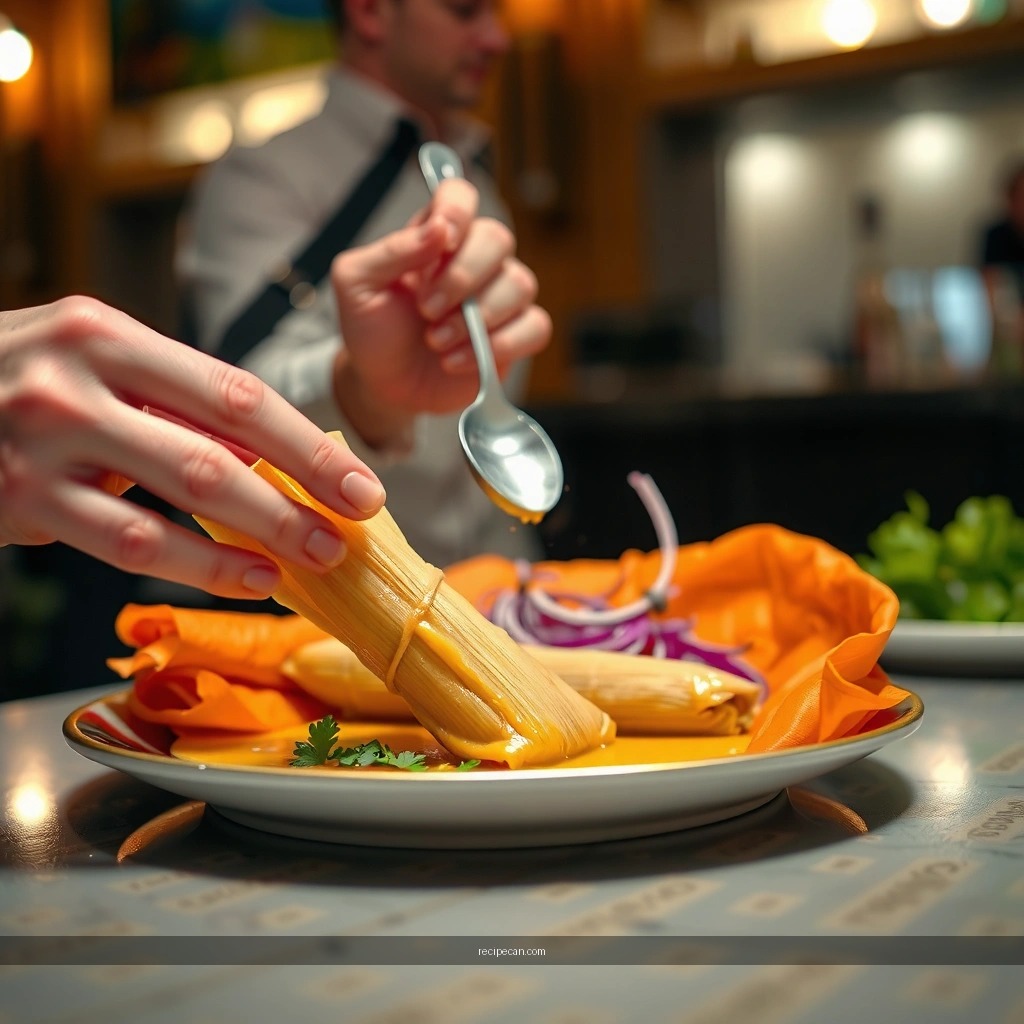
– Combine dry ingredients first, then slowly add warm broth and mix thoroughly
– Add melted fat (or softened fat) and mix until fully incorporated
– Mix/beat until the dough looks silky and smooth with no dry crumbs
A dependable tamale masa dough recipe is less about “mystique” and more about process control. The goal is a uniform dough where every particle of masa harina hydrates and every bit of fat emulsifies—this is what prevents greasy pockets, graininess, or cracking during steaming.
A practical, repeatable method (for about 24–30 tamales depending on size):
1. Mix dry base: In a large bowl, whisk 2 lb masa harina with 2 tsp salt and optional 1 tsp baking powder. Baking powder can slightly lighten texture and improve steam set, especially if your masa harina is less fresh.
2. Hydrate gradually: Add 3 to 3½ cups warm broth (start with less, then adjust). Pour in in small additions while stirring. This reduces lumps and ensures even hydration.
3. Fold in fat: Add ½ cup lard or shortening, melted and cooled to just warm (or very soft). Mix until the dough looks uniform.
4. Beat for structure: Beat with a mixer or strong hand mixing until the dough becomes silky and spreadable, typically 3–6 minutes. You’re developing cohesion and trapping a bit of air that helps the masa set tender.
For best results, avoid dumping all the broth at once. Masa harina absorption varies by brand, grind, and humidity. Professionals compensate with controlled hydration rather than fixed “one-size-fits-all” liquid volumes.
Getting the Right Consistency (Test It)
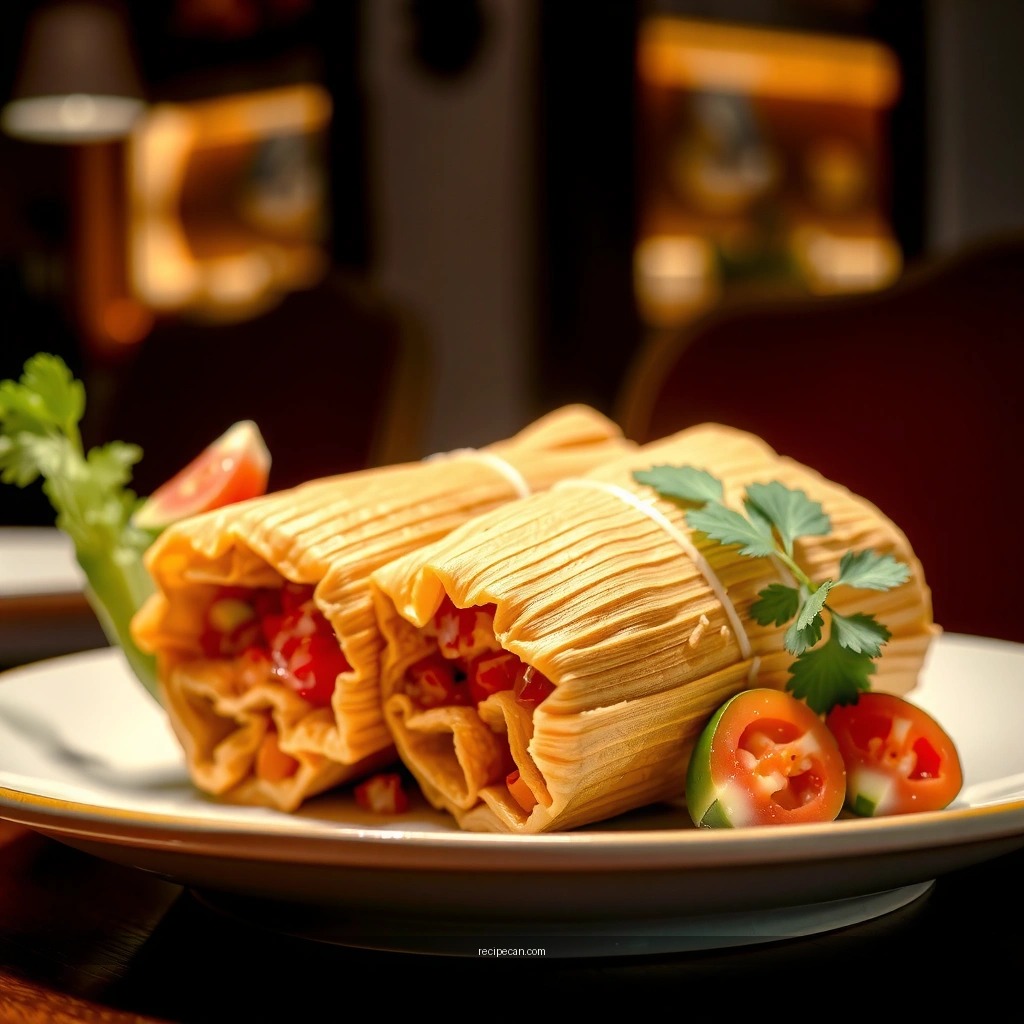
– Aim for dough that spreads easily but holds shape without cracking
– If it’s too dry, add a little more warm broth; if too wet, add small amounts of masa harina
– Use a small smear test on the husk—add moisture or flour as needed
Consistency is the difference between tamales that steam tender and tamales that break apart. Your target texture is spreadable like thick frosting—it should not be runny, and it should not fight the spatula.
Three readiness checks you can do immediately:
1. Spatula smear test: Scoop a spoonful and spread on a husk. It should form a smooth layer without tearing.
2. Shape retention test: If you form a small mound, it should hold shape with minor slumping—never collapse into a puddle.
3. Crack resistance: When you spread, it should not develop cracks at the edges as it settles.
Adjust with micro-corrections:
– Too dry (cracks, crumbly, difficult to spread): add 1–2 tbsp warm broth at a time, beat again, then retest.
– Too wet (glossy, slack, smear slides): add 1–2 tbsp masa harina at a time, beat, and allow a short rest (5–10 minutes) to hydrate fully before retesting.
A common mistake is adding liquid and declaring it “fixed” after a single stir. Masa harina continues hydrating after mixing; if needed, wait a few minutes, then reassess and beat again.
Preparing Corn Husks or Banana Leaves
– Soak husks until pliable and easy to fold (typically 30–60 minutes)
– Dry lightly so they don’t get gummy, but remain flexible
– Keep a consistent method so folding and steaming stay reliable
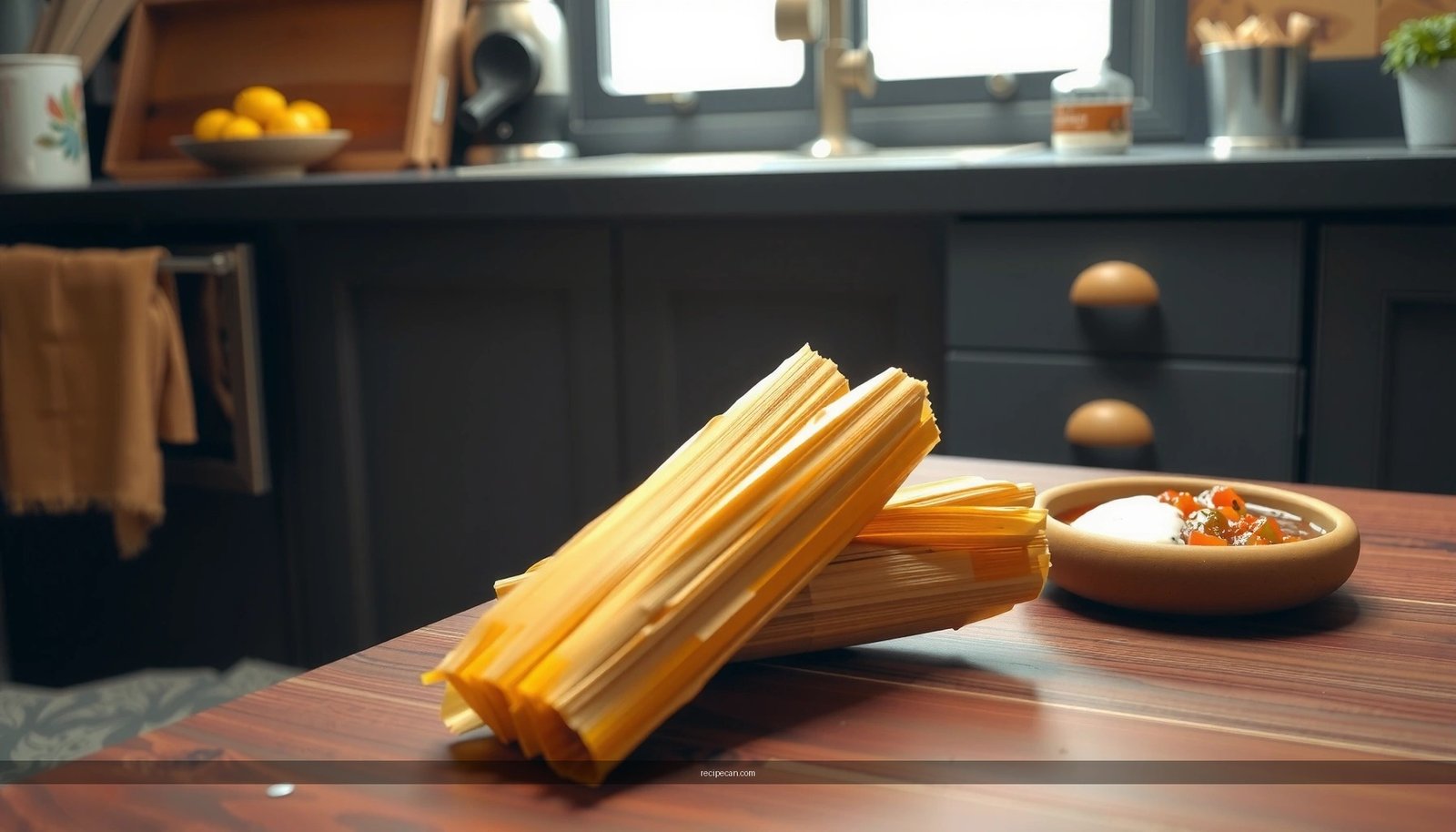
Correct leaf prep improves sealing, prevents scorching, and reduces texture defects. Corn husks that are under-soaked become brittle and tear; over-soaked husks can turn gummy and make masa slide or separate at folds.
Corn husks (recommended approach):
1. Soak in warm water for 30–60 minutes, until pliable. If husks are very dry, extend to about 90 minutes.
2. Shake off excess water, then pat lightly. You want them flexible, not wet enough to create slippery surfaces.
3. Trim and sort: Remove tough stems and select husks that fold smoothly. Consistency here matters when you’re assembling many tamales efficiently.
Banana leaves (alternative method):
– Wipe clean, then warm briefly (over heat or in hot water) to improve pliability.
– Let them cool slightly so they don’t tear when folded.
Operationally, keep your method consistent across batches. Even small changes in leaf moisture can affect how securely tamales seal and how evenly they steam.
Assembling Tamales with Masa Dough
– Spread masa on the husk with an even thickness for consistent cook time
– Leave edges clear to help folding and sealing
– Add filling in the center and fold tightly to prevent leaks
Assembly is where your dough quality shows up on the plate. A masa dough that’s properly hydrated and beaten should spread cleanly and seal without sticking uncontrollably.
For best uniformity:
1. Even thickness: Spread masa to a consistent thickness across the husk. Thicker areas steam more slowly, which leads to uneven texture.
2. Leave a border: Keep edges mostly clear so the fold closes properly.
3. Portion filling carefully: Place filling in the center; don’t overfill. Excess filling forces weak seals and increases leak risk.
4. Fold tightly: Fold like you’re wrapping a parcel—tight enough to hold shape during steaming, but not so tight that it compresses and creates thin masa spots.
If you’re aiming for a business-style repeatable production workflow, pre-stage husks, measure fillings, and standardize your masa portion size using a scoop. Uniform portions reduce variance and improve batch-to-batch results.
Steaming Tips for Perfect Results
– Steam tamales until masa pulls away easily and feels firm (typically 60–90 minutes)
– Maintain steady simmering water; add boiling water as needed
– Let tamales rest briefly before unwrapping for cleaner removal
Steaming is a controlled, timed heat process—your goal is to reach a stable internal steam environment long enough for masa to fully set. Over-steaming can dry masa; under-steaming yields soft centers and weak structure.
Reliable indicators of doneness:
– Masa pulls away slightly from the husk when opened.
– The masa feels firm yet tender (not doughy, not dry).
– The tamale holds together when lifted or gently handled.
Operational steaming practices:
1. Maintain a steady simmer: Keep water at a consistent simmer so steam volume doesn’t fluctuate.
2. Add boiling water only: When water level drops, top up with boiling water to avoid temperature dips.
3. Rest before unwrapping: Rest 5–10 minutes. This short cool-down firms the set so removal stays clean and intact.
If you routinely steam multiple batches, track your timing by batch size and steamer capacity. A larger stack typically requires longer cook time than a loosely packed layer.
Tamale masa dough recipe success comes down to hydrated masa harina, properly mixed fat, and the right spreadable consistency. Follow the mixing steps, test the dough before assembling, and steam until the masa is set. Try this method once, adjust hydration in small amounts if needed, and start making your next batch of tamales with confidence.
Frequently Asked Questions
What is the best tamale masa dough recipe for beginners?
A beginner-friendly tamale masa dough recipe uses masa harina, warm water or broth, salt, and fat (lard or vegetable shortening). Many people also add a little baking powder for tenderness, but it’s optional. For the right dough texture, mix until it’s smooth and spreadable, then rest it briefly so the masa hydrates. If your dough feels dry or cracks, add a teaspoon of warm liquid at a time until it holds together.
How do I make masa dough for tamales without it being dry or runny?
Start by using warm liquid rather than cold water, because masa harina absorbs better and mixes more evenly. Add the liquid gradually, mixing until the dough is soft and creamy—not pourable. A common test is the “float test”: pinch a small amount and drop it into water; if it floats slightly, it’s properly hydrated. If it’s runny, mix in a little more masa harina; if it’s dry, add warm broth a teaspoon at a time.
Why does tamale masa dough need to be beaten or whipped?
Beating or whipping helps create a lighter, more tender masa texture by incorporating air and fully blending the fat into the dough. This step also improves spreadability so the masa cooks evenly inside the corn husks. If your recipe calls for whipped lard or shortening, cream it first, then add liquid and masa harina gradually for the best results. Skipping this process can lead to dense tamales with uneven texture.
Which fat is best for tamale masa—lard, shortening, or oil?
Lard is a traditional choice that gives rich flavor and helps masa stay tender, but it’s not the only option. Vegetable shortening works well for many masa dough recipes because it has a consistent texture and mild taste. Oil can be used, but it may change the dough structure if not measured carefully, often requiring more masa harina or adjustments to hydration. Choose the fat that matches your dietary preferences while keeping the dough creamy, cohesive, and easy to spread.
How do I season tamale masa dough so it tastes flavorful and not bland?
Season your masa dough with salt and, if desired, a small amount of broth (or enough liquid that’s already seasoned) to build flavor from the base. Some tamale masa dough recipes add baking powder for a subtle lift and better overall taste when paired with well-seasoned fillings. If you’re using unsalted broth, add a pinch of extra salt and taste a small spoonful of dough (once it cools) to confirm seasoning. Well-seasoned masa makes a big difference even when your filling is already flavorful.
References
- Tamale
https://en.wikipedia.org/wiki/Tamale - https://en.wikipedia.org/wiki/Masa_(food
https://en.wikipedia.org/wiki/Masa_(food - Masa
https://en.wikipedia.org/wiki/Masa_harina - Nixtamalization
https://en.wikipedia.org/wiki/Nixtamalization - Tortilla
https://en.wikipedia.org/wiki/Tortilla - Corn tortilla
https://en.wikipedia.org/wiki/Corn_tortilla - https://www.britannica.com/topic/tamale
https://www.britannica.com/topic/tamale - Google Scholar Google Scholar
https://scholar.google.com/scholar?q=tamale+masa+dough+recipe - Google Scholar Google Scholar
https://scholar.google.com/scholar?q=nixtamalization+masa+properties+for+tortillas+and+tamales - Google Scholar Google Scholar
https://scholar.google.com/scholar?q=masa+harina+lard+water+mixing+tamales