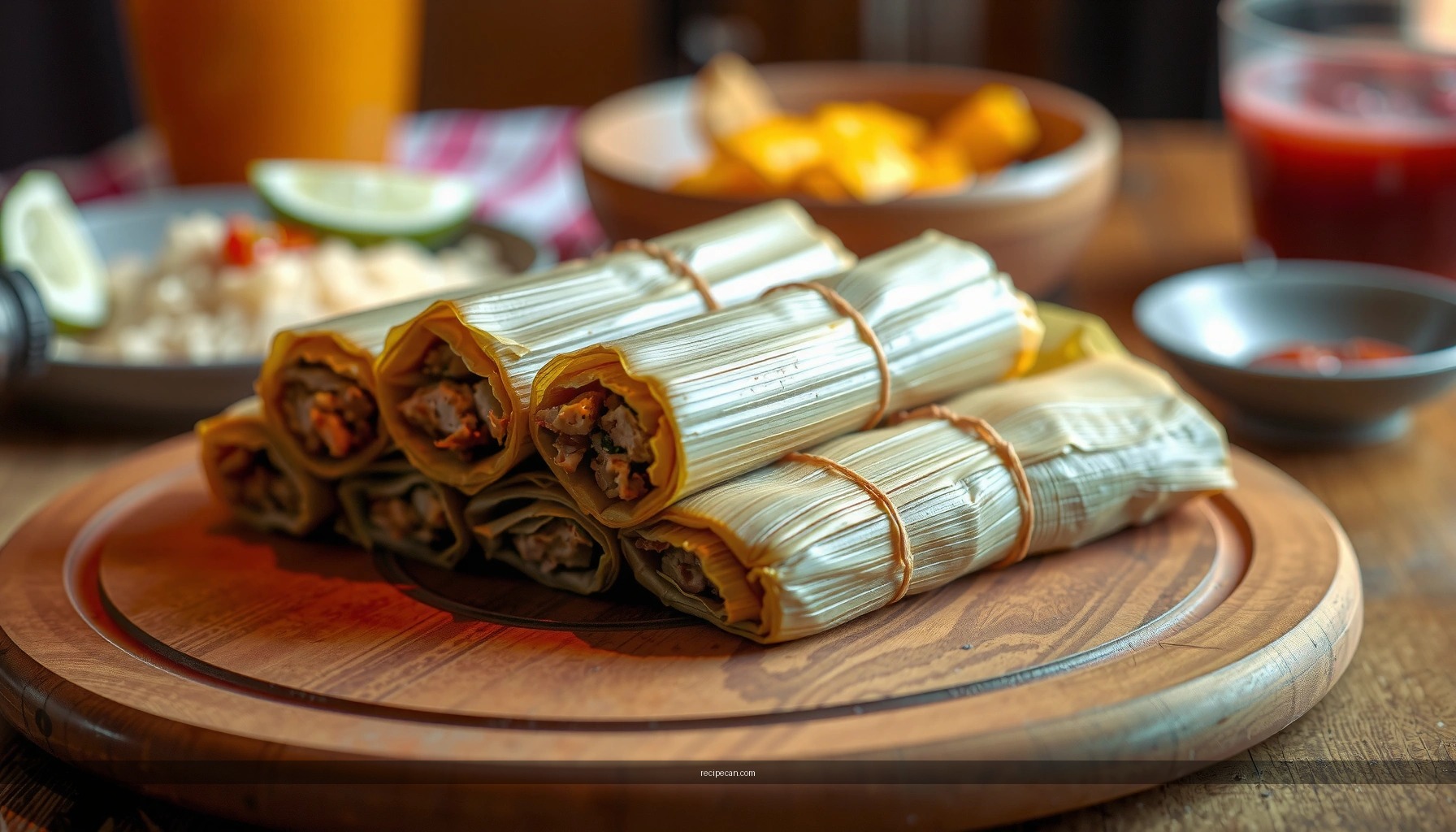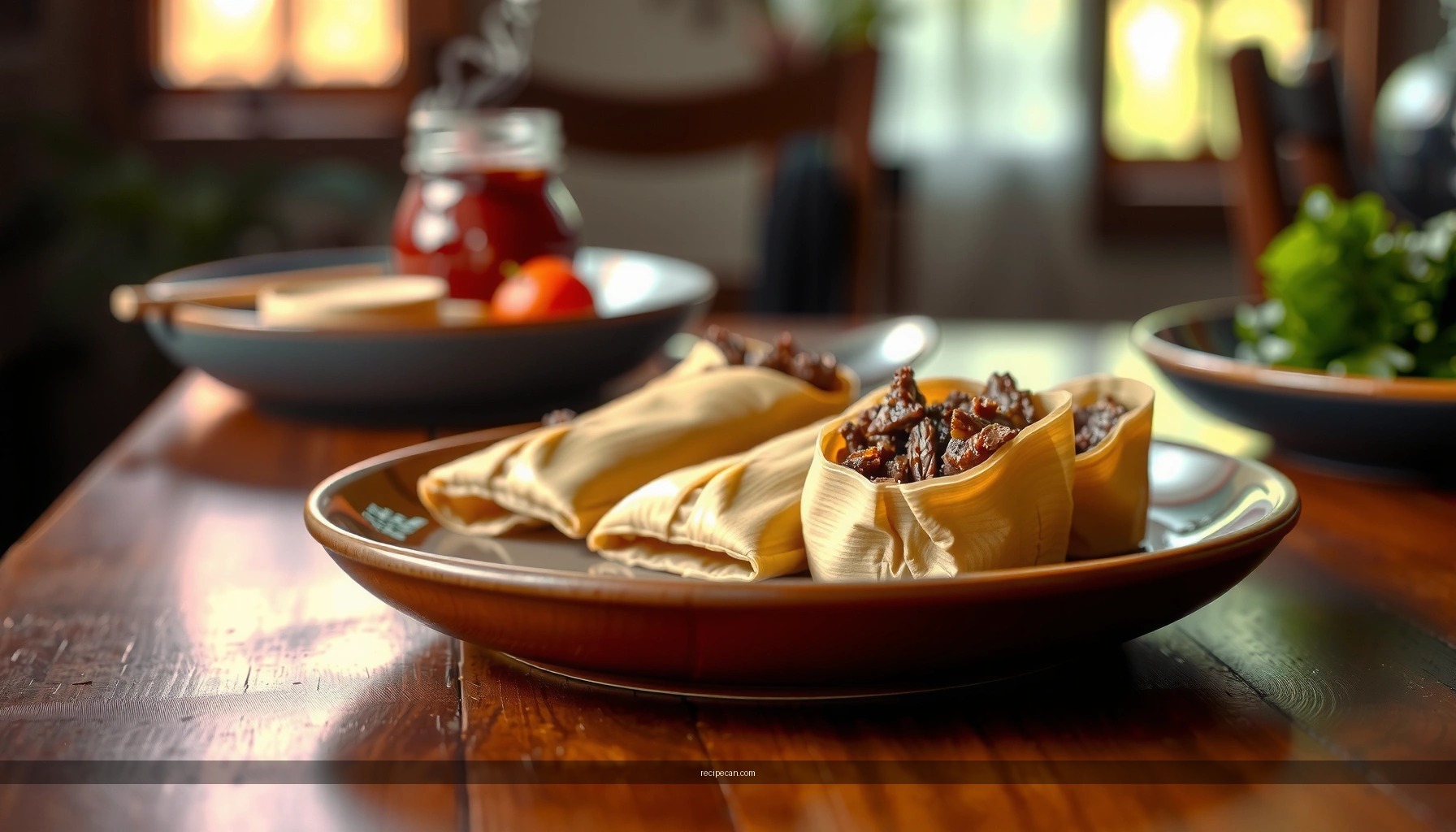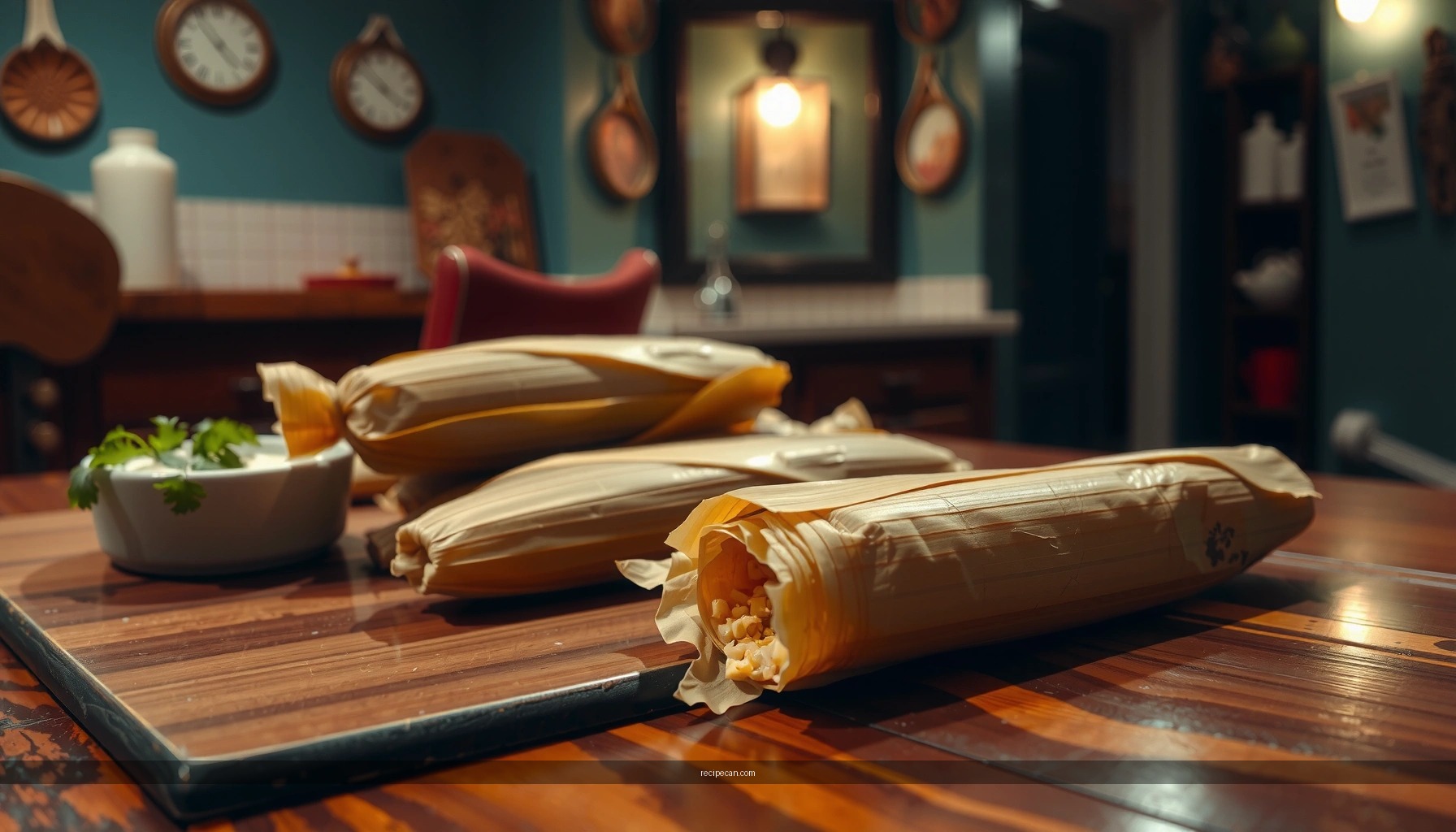
Get an authentic Mexican tamales recipe you can trust, with clear, step-by-step instructions for making tamales at home without guesswork. This winner will answer the question that matters most—how to get tender masa and a tamale that actually holds together—so your first batch comes out right. Follow the guide and you’ll know exactly what to do from prepping the masa and filling to steaming until they’re perfectly done.
Authentic Mexican tamales are steamed corn masa filled with savory fillings inside softened corn husks, and the secret to truly good results is getting the masa texture and filling consistency right. If your masa spreads smoothly, your filling is thick (not watery), and your steam is steady, you can replicate that tender, flavorful tamale quality at home.
Essential Ingredients for Authentic Mexican Tamales
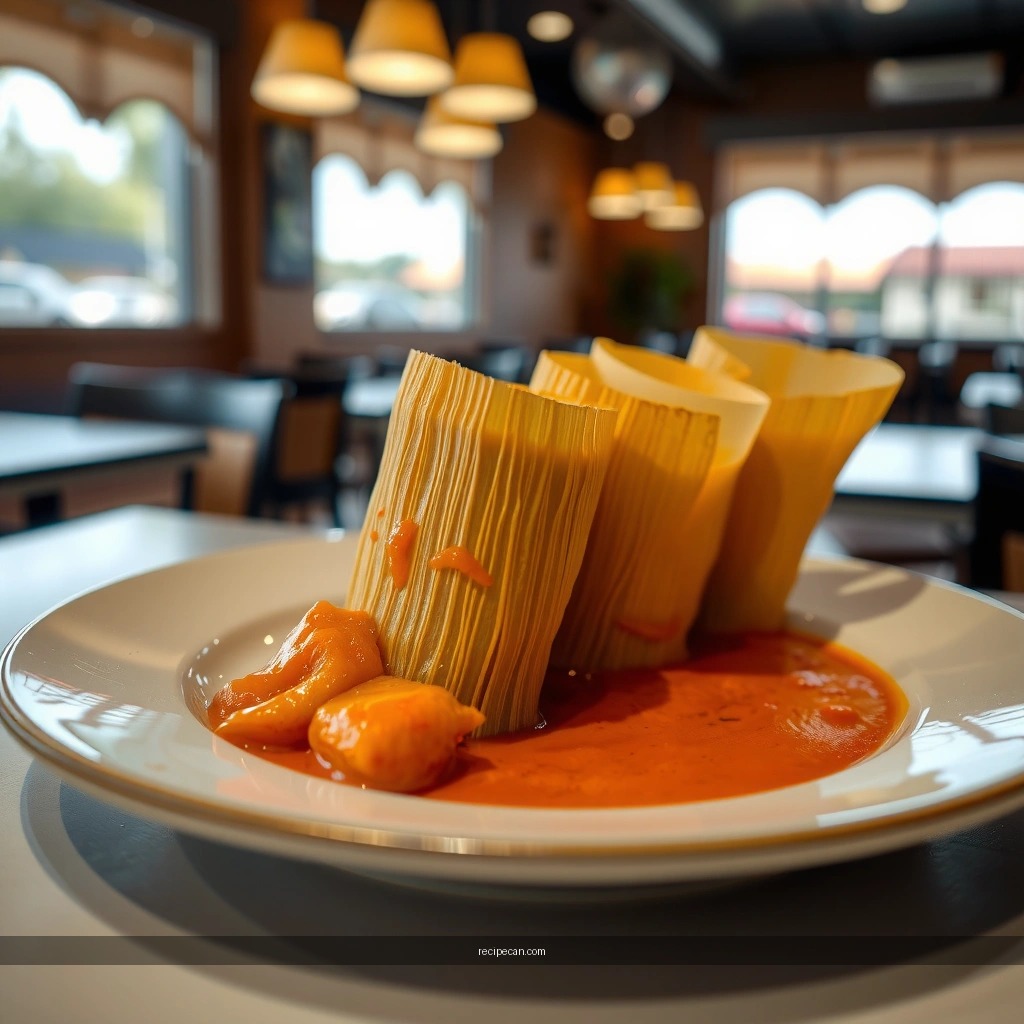
To make authentic Mexican tamales, focus on ingredients that directly affect masa flavor, texture, and steam stability—especially masa harina, fat, broth, and the corn husks.
What to prioritize
– Masa harina + flavorful broth/stock: Masa made with water alone can taste flat; using chicken stock, pork stock, or a properly seasoned broth gives depth and a more “traditional” profile.
– Corn husks: Corn husks (also called *hojas para tamales*) are what create the classic steamed wrapper. Choose husks that are pliable—not brittle.
– Simple seasonings: Salt is essential; garlic and chili-based seasonings are common depending on the region and filling. Even if your filling is spicy, the masa should still taste balanced.
Practical ingredient guidance
– Fat matters: Traditional tamales rely on lard because it produces a moist, tender crumb and helps the masa aerate when beaten. If you prefer a neutral alternative (for example, refined vegetable shortening), the method stays similar—just be consistent.
– Broth should be flavorful, not watery: A good rule is to season your broth as you would for rice: it should taste good on its own.
Table: Key Ingredient Benchmarks for Consistent Tamales
(Use these as real targets to guide your shopping and cooking adjustments.)
Tamale Ingredient Benchmarks for 1 Dozen (Approx.)
| # | Component | Target Amount | Texture/Use Goal | Reliability Score |
|---|---|---|---|---|
| 1 | Masa harina | 2 lb (about 900 g) | Fine, pliable dough | ★★★★★ |
| 2 | Broth/stock (warm) | ~4 to 4.5 cups (960–1080 mL) | Hydrates masa to spreadable | ★★★★☆ |
| 3 | Lard (or shortening) | ~3/4 cup (150–170 g) | Tender, light masa crumb | ★★★★★ |
| 4 | Salt (masa) | 1 1/2 to 2 tsp | Balances masa flavor | ★★★★☆ |
| 5 | Corn husks | 18–24 large husks | Pliable wrapper | ★★★★☆ |
| 6 | Filling (pork or chicken) | ~3 to 3.5 lb (1350–1600 g) | Thick enough to stay inside | ★★★★★ |
| 7 | Steaming time | ~90 to 120 min | Masa cooks through, pulls clean | ★★★★☆ |
Make the Tamale Masa the Right Way
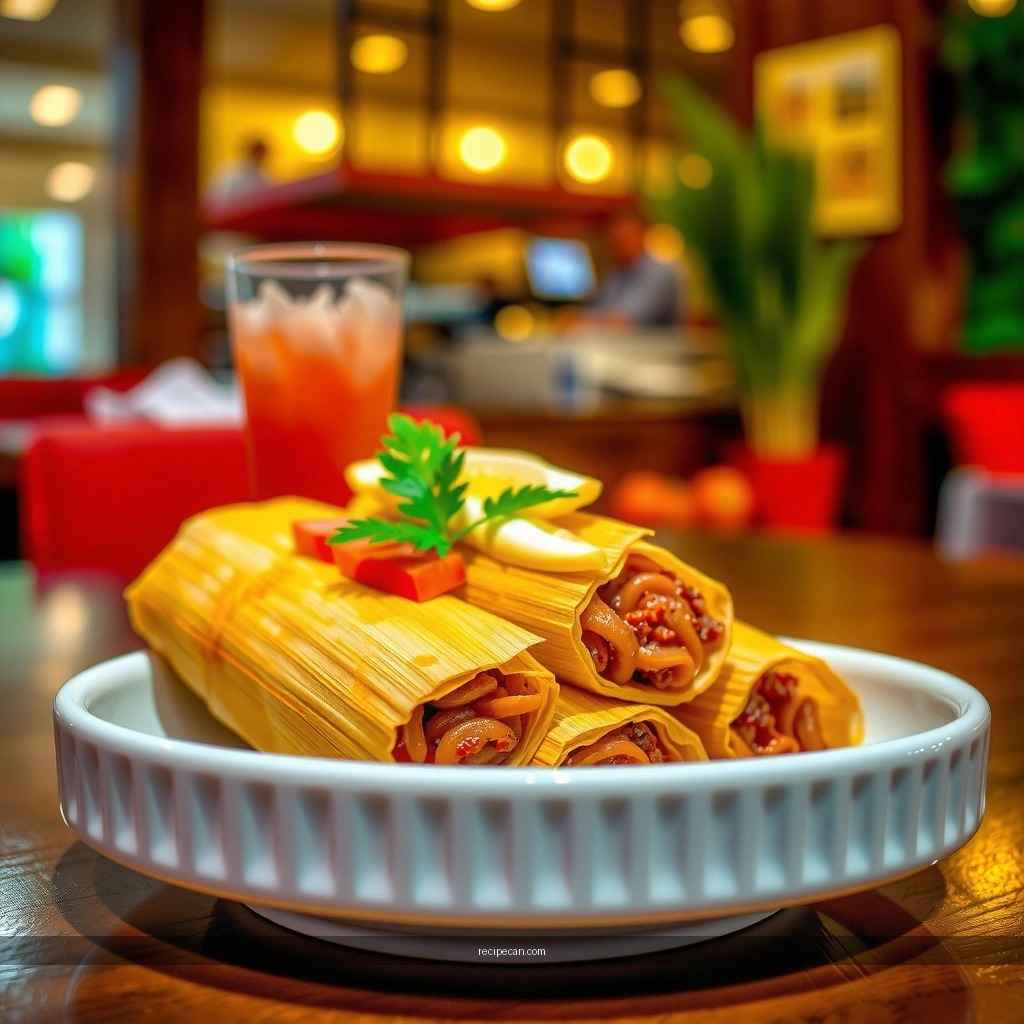
If you want authentic Mexican tamales at home, masa is the foundation. The goal isn’t just mixing—it’s building a light, spreadable dough that steams evenly and stays tender.
1) Beat the fat into masa
– Use lard for the most traditional texture. If you use shortening or another neutral fat, choose one you can reliably cream.
– Beat fat into masa harina until the mixture looks lighter and holds together. This step creates a softer mouthfeel once steamed.
2) Add warm broth gradually
– Add broth in small increments, mixing after each addition.
– Stop when masa spreads without tearing or looking watery. You should be able to smear it onto a husk in a thin, consistent layer.
3) Perform a “spread test”
A practical way to gauge consistency:
– Spread masa on a husk; it should form a thin layer that holds shape.
– If it’s too stiff, add a splash more warm broth.
– If it’s soupy, your masa will likely turn gummy or leak filling during assembly.
4) Season intentionally
– Salt is usually enough for a classic base.
– Some cooks also add garlic powder, ground cumin, or a small amount of chili in the masa itself, but keep it subtle so the filling remains the main character.
Classic Tamale Filling Options
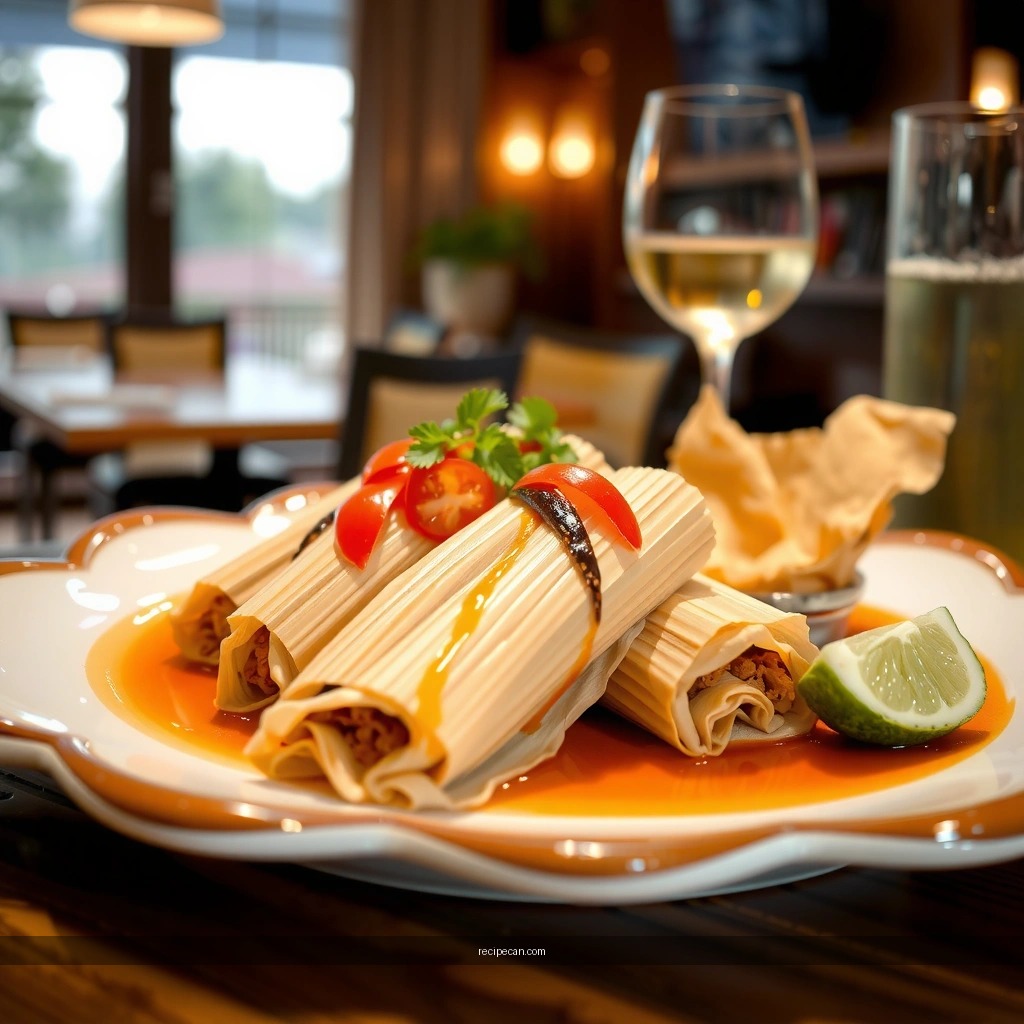
Traditional Mexican tamales commonly feature pork in red chile or chicken in salsa verde. Both can be excellent at home—choose based on your preferred flavor profile and your comfort with chile sauces.
Pork in red chile (traditional and rich)
– Slow-cook pork until tender, then simmer with a thickened red chile sauce (often toasted dried chiles and aromatics).
– Let the sauce reduce until it clings to meat. If it’s runny, the tamales can become soggy.
Chicken in salsa verde (bright and balanced)
– Cook chicken, shred, and combine with a cooked green chile/tomatillo sauce.
– Reduce until thick; the goal is a filling that stays put when you assemble.
Key filling rule: thickness prevents sogginess
In tamales, sogginess usually comes from liquid filling, not from the steaming process itself. Aim for a filling that:
– looks spoonable but not watery,
– leaves minimal liquid residue on your spoon, and
– thickens further as it cools.
Assemble Tamales Step-by-Step
Assembly is where good tamales become great tamales. A clean workflow improves speed and reduces mistakes.
1) Soften corn husks
– Soak husks in warm water until pliable (often 30–60 minutes depending on thickness).
– Drain well so excess water doesn’t pool on the masa.
2) Spread masa thinly
– Lay a husk flat.
– Spread masa into a layer that’s thin enough to steam through but thick enough to support the filling.
– Consistency matters: uneven thickness leads to uneven cooking.
3) Add filling down the center
– Place filling in the middle (not too much). Overfilling increases the risk of leakage and bursts during steaming.
– Use a spoonful-to-line approach so each tamale portion is similar.
4) Fold and seal
– Fold husks according to your style (some make a “package,” others fold like a baton).
– Tie with kitchen string if needed. A secure seal helps keep filling inside and prevents the masa from opening.
Pro tip for repeatability: Create a rhythm—spread masa for one husk, add filling, fold, tie—then repeat. This consistency yields more even results across a full batch.
Steam Tamales Until Perfectly Cooked
Steaming transforms masa and flavors into the signature tamale texture. The target isn’t boiling—it’s steady steam.
1) Set up upright and allow airflow
– Place tamales upright or angled so steam circulates.
– Don’t pack them too tightly; overcrowding can cause uneven cooking.
2) Maintain steady steam
– Keep a constant simmer underneath.
– Add water carefully as needed to prevent the steamer from running dry—but avoid dumping water into the tamales area.
3) Typical cooking time
– Many batches take roughly 90 to 120 minutes, depending on tamale size and how thick the masa layer is.
– If you’re making larger tamales, plan extra time.
4) Doneness test: masa pulls cleanly
– The classic check is whether the masa separates cleanly from the husk.
– If masa is still sticky to the husk, return to the steamer and cook longer, then re-test.
Serving & Storage Tips
Tamales are ideal for gatherings, meal prep, and batch cooking—so plan your serving and storage like a pro.
Classic toppings that elevate flavor without hiding authenticity:
– Salsa (red chile, green salsa, or a simple roasted tomato salsa)
– Mexican crema (or a light sour cream alternative)
– Queso fresco for salty, crumbly contrast
– Lime wedges to brighten the chile and richness
How to store
– Cool tamales completely before storing to prevent condensation and sogginess.
– Refrigerate in an airtight container for several days.
Reheating methods (best texture first)
– Steaming again: Best for restoring the tender masa texture.
– Microwaving: Works quickly—wrap tamales with a damp paper towel and heat in short intervals to retain moisture.
Freezing
– Freeze cooled tamales individually (on a tray first) so they don’t stick together.
– Reheat by steaming from thawed or partially thawed state, depending on size.
Authentic Mexican tamales come down to great masa, the right filling consistency, and patient steaming. Follow this recipe layout step-by-step—especially the masa spread test and the thick-filling rule—and you’ll be able to produce tender, flavorful tamales at home. Once you’ve nailed the technique, you can standardize your process, make variations confidently, and share—then freeze—extras for an easy future meal.
Frequently Asked Questions
What makes an authentic Mexican tamales recipe different from other tamales?
Authentic Mexican tamales rely on specific regional masa recipes, traditional chile-based fillings, and careful steaming rather than baking or frying. The masa is typically made with masa harina and often includes lard for a tender, flavorful texture that’s characteristic of traditional Mexican tamales. Authentic recipes also use proper corn husk preparation and seasoning so the tamales taste homemade and balanced.
How do I make the perfect masa for authentic Mexican tamales?
Start with masa harina (not cornmeal) and mix with warm water or broth plus salt, and usually lard or vegetable shortening for richness. For the best consistency, mix until the masa is smooth and spreadable, then taste and adjust salt before assembling. If you want a traditional “puffy” tamale texture, beat the masa well so it lightens slightly, which helps the masa cook evenly while steaming.
How do I prevent my tamales from coming out dry or falling apart?
Dry tamales usually come from over-steaming, not enough fat in the masa, or tamale size that’s too large. Make sure the steamer water doesn’t run out and keep a steady simmer so the tamales steam consistently without drying out. Also use freshly prepared masa, spread evenly on the corn husks, and wrap tightly so the filling stays intact and the masa cooks through.
Which fillings are most common in an authentic Mexican tamales recipe?
Many authentic Mexican tamales are filled with shredded chicken in salsa verde, pork cooked in red chile sauce, or beef in mole-inspired flavors depending on the region. Other classic options include rajas (roasted poblano strips), cheese and poblano, or sweet fillings like cinnamon and sweetened corn masa for dessert tamales. Choose fillings that have a thick, spoonable texture so the tamales don’t become watery during steaming.
What’s the best way to steam tamales for the right texture and flavor?
Use a tamale steamer or pot with a steamer rack and keep water at a gentle simmer, adding water as needed to maintain steam. Arrange tamales upright or in a tight layer, cover the pot well, and steam until the masa pulls cleanly from the husk and feels firm yet tender. For accuracy, many authentic Mexican tamales recipes take about 1–2 hours depending on tamale size, so check periodically and rest before unwrapping for the best set texture.
References
- Tamale
https://en.wikipedia.org/wiki/Tamale - https://www.britannica.com/topic/tamale
https://www.britannica.com/topic/tamale - Google Scholar Google Scholar
https://scholar.google.com/scholar?q=authentic+mexican+tamales+recipe - Google Scholar Google Scholar
https://scholar.google.com/scholar?q=tamales+masa+corn+dough+recipe - Google Scholar Google Scholar
https://scholar.google.com/scholar?q=how+to+make+tamales+mexican+food+preparation+method - https://scholar.google.com/scholar?q=traditional+mexican+tamales+recipe+corn+masa+filling+wrapped+in+corn+husk Google Scholar
https://scholar.google.com/scholar?q=traditional+mexican+tamales+recipe+corn+masa+filling+wrapped+in+corn+husk - Google Scholar Google Scholar
https://scholar.google.com/scholar?q=tamales+types+verdes+rojos+recipe+research - Google Scholar Google Scholar
https://scholar.google.com/scholar?q=nixtamalization+masa+for+tamales+study - Google Scholar Google Scholar
https://scholar.google.com/scholar?q=steaming+tamales+time+temperature+study - Google Scholar Google Scholar
https://scholar.google.com/scholar?q=mexican+culinary+tradition+tamales+preparation+technique