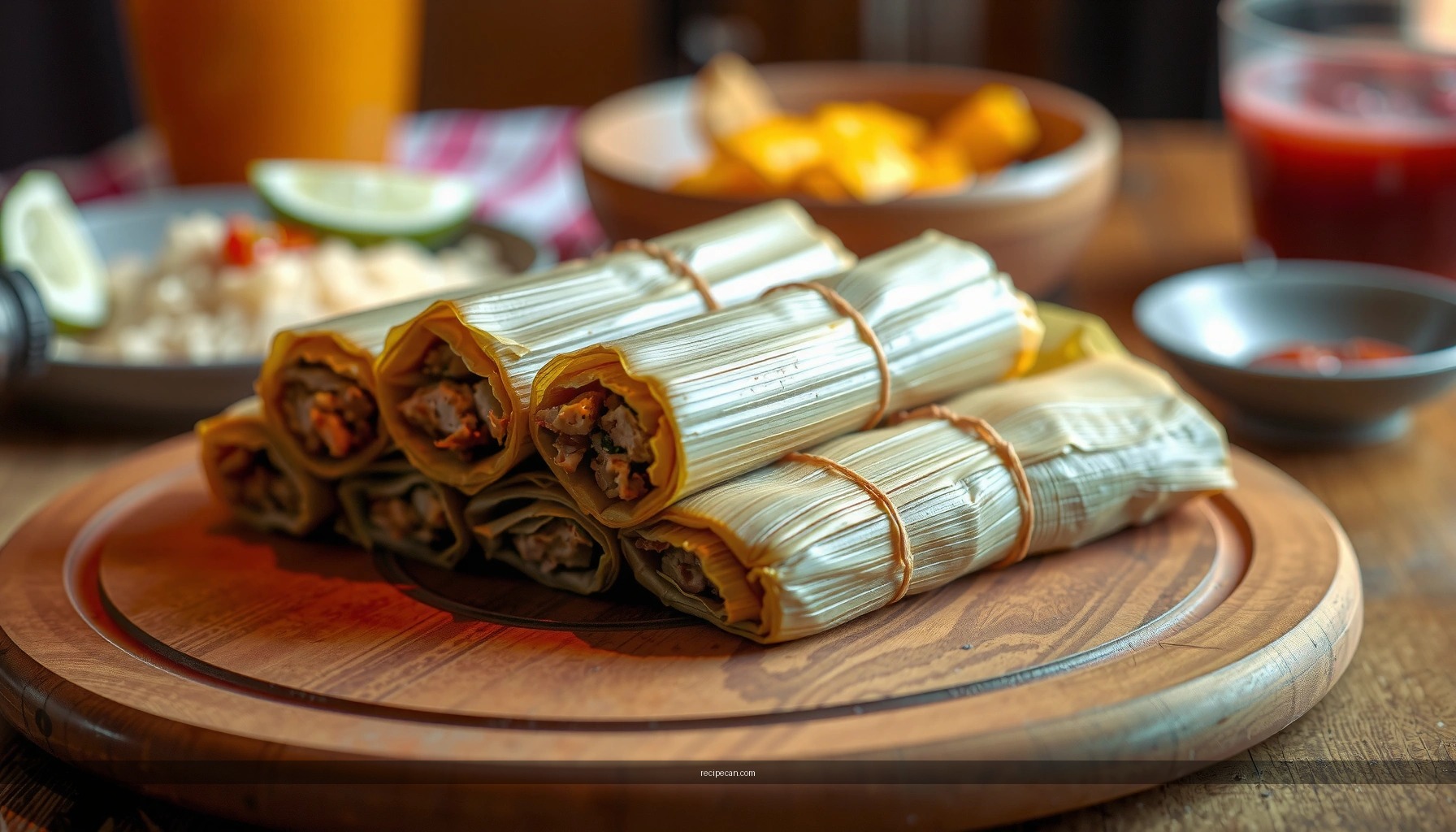
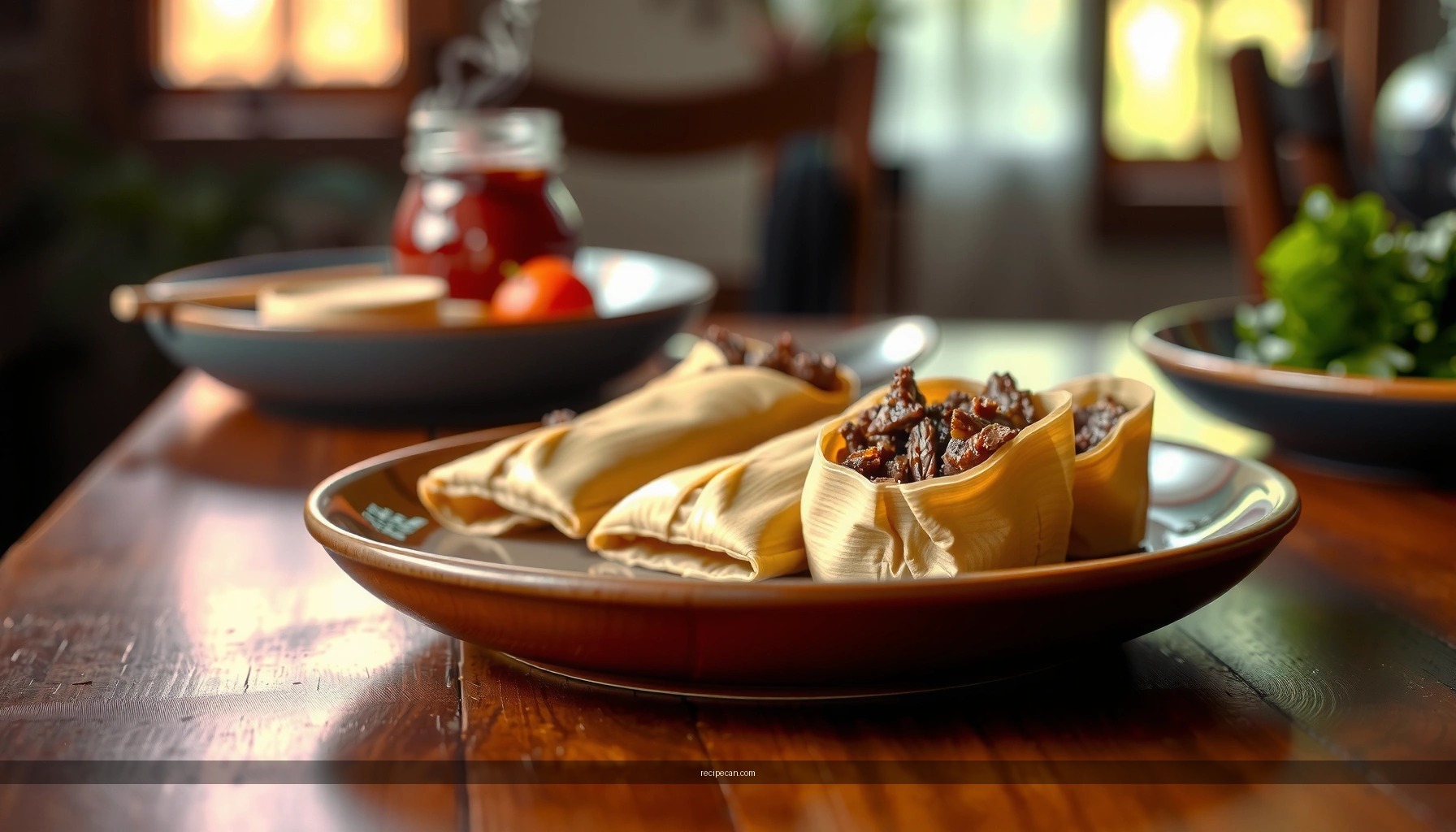
This pork tamales recipe delivers classic, flavor-forward homemade tamales with tender masa and properly seasoned pork every time. Follow the step-by-step method for making and filling, steaming, and knowing exactly when they’re done—so you get the real deal, not guesswork. If your question is how to make classic tamales at home using pork, this is the winning process.
Pork tamales are made by spreading seasoned masa into soaked corn husks, filling with slow-cooked pork, then steaming until the masa turns firm and stays moist. This classic pork tamales recipe walks you through the masa, pork filling, and steaming process step-by-step so you can reliably make authentic, savory tamales at home.
Gather Ingredients and Equipment
To make classic pork tamales, it helps to think in three systems: (1) masa (the corn dough), (2) filling (pork + chile flavor), and (3) steaming (heat + time + moisture).
– Corn masa harina (for masa): choose a brand specifically intended for tamales if possible (often labeled “masa harina for tamales”).
– Pork: pork shoulder/butt is traditional for tenderness and flavor.
– Chile sauce: typically a blend of dried chiles rehydrated and blended, or a ready chile purée/paste you simmer and season.
– Aromatics and seasonings: garlic, salt, and spices such as cumin and Mexican oregano (optional but classic).
– Fat for masa: lard gives traditional richness; substitute with neutral oil or plant-based shortening if needed.
Corn husks and steaming setup
– Corn husks: buy dried husks and soak them until pliable.
– Steamer setup: a large stockpot (or tamale pot) with a rack or steaming basket so water stays below the rack.
Useful optional extras
– Broth (chicken or pork) to adjust the filling’s texture.
– Tomato or tomatillo (if your chile sauce needs body).
– Kitchen string or toothpicks for tying/holding tamales if you prefer extra structure.
– Disposable gloves for handling dried chiles and chili paste.
How much to buy (practical guidance)
A common workflow is to scale by husks: for each tamale you need roughly 1/4 to 1/3 cup masa, plus a strip of filling in the center. If you’re feeding a group, cook enough filling to avoid rationing—underfilled tamales often feel dry even if the steaming is correct.
Best Pork Cuts for Tamale Filling (Typical Results)
| # | Pork cut | Typical fat | Simmer/steam tenderness time | Result for tamales |
|---|---|---|---|---|
| 1 | Pork shoulder (pork butt) | 20–30% marbling | 2.5–3.5 hrs | ★★★★★ |
| 2 | Pork picnic shoulder | 18–26% marbling | 2.5–3.5 hrs | ★★★★☆ |
| 3 | Boston butt (boneless shoulder) | 19–28% marbling | 2.5–3 hrs | ★★★★★ |
| 4 | Pork neck bones (for shredding) | 10–18% (plus collagen) | 3–4 hrs | ★★★★☆ |
| 5 | Pork short ribs | 12–20% (braise-friendly) | 2.75–3.25 hrs | ★★★★☆ |
| 6 | Pork loin | 6–12% (lean) | 1.5–2.5 hrs | ★★★☆☆ |
| 7 | Pork tenderloin | 3–8% (very lean) | 45–90 min | ★☆☆☆☆ |
Prepare the Pork Filling
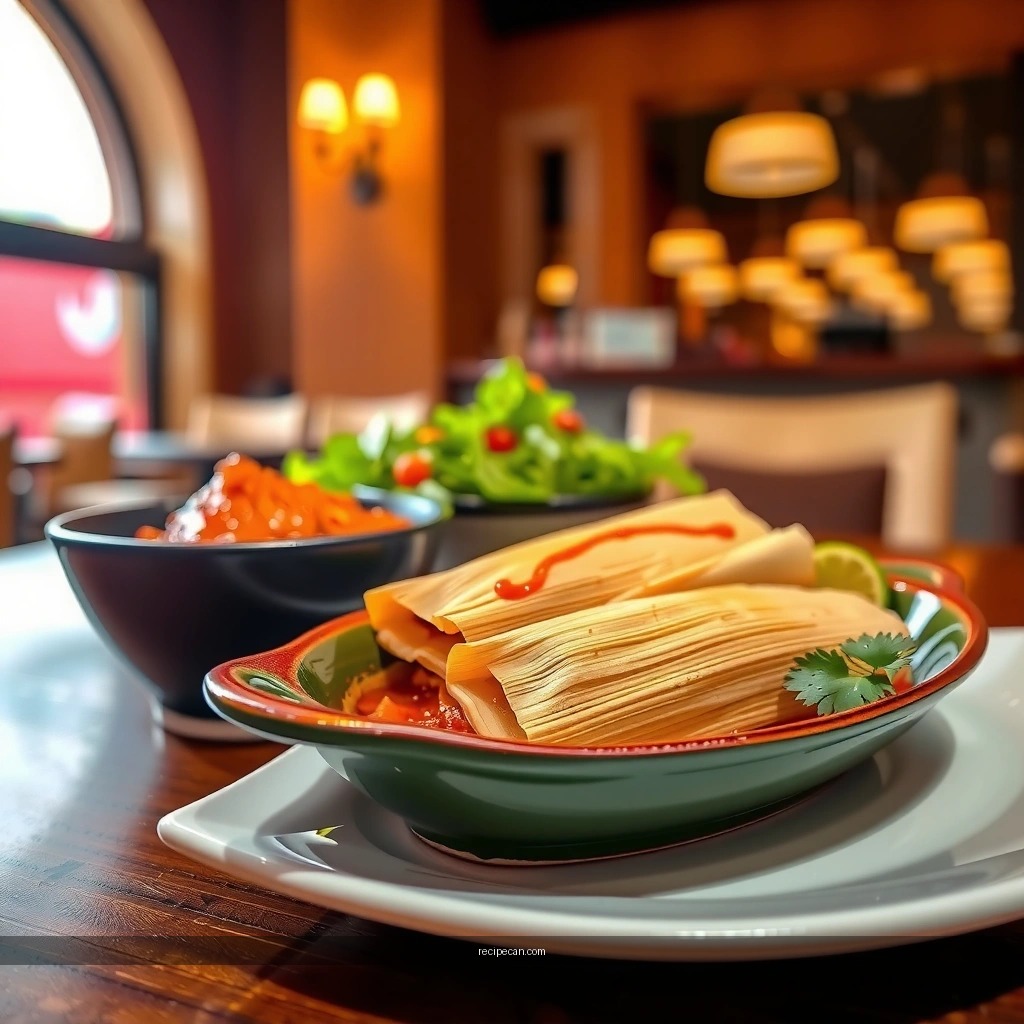
The pork filling is where “good” tamales become “great.” Classic flavor comes from properly tenderizing the meat and building chile depth—not just adding heat.
1. Cook pork until tender, then shred
– Simmer pork shoulder in water (or broth) with a halved onion and garlic until it’s fork-tender.
– Remove, cool slightly, then shred with forks. If you want a clean texture, shred after resting 10–15 minutes.
2. Simmer with chile, broth, and spices
– In a pot, simmer your chile sauce (red chile is traditional for pork tamales) with a splash of broth.
– Add shredded pork and simmer so the sauce clings to the meat and thickens naturally.
– Typical seasoning approach: salt first, then cumin and Mexican oregano for warmth. Adjust garlic to taste.
3. Season to taste so the filling is bold and savory
– Remember: tamales are mild by design because masa absorbs flavor gradually while steaming.
– A practical test: your filling should taste slightly more seasoned than you’d expect from a finished stew, because the masa will mellow it.
– Aim for a filling that is moist but not soupy—it should hold a line when spooned, so tamales don’t leak during steaming.
Pro workflow tip
If your filling seems thin, simmer a few extra minutes. If it looks too thick, add broth a tablespoon at a time. Consistency is easier to correct than flavor.
Make the Tamale Masa
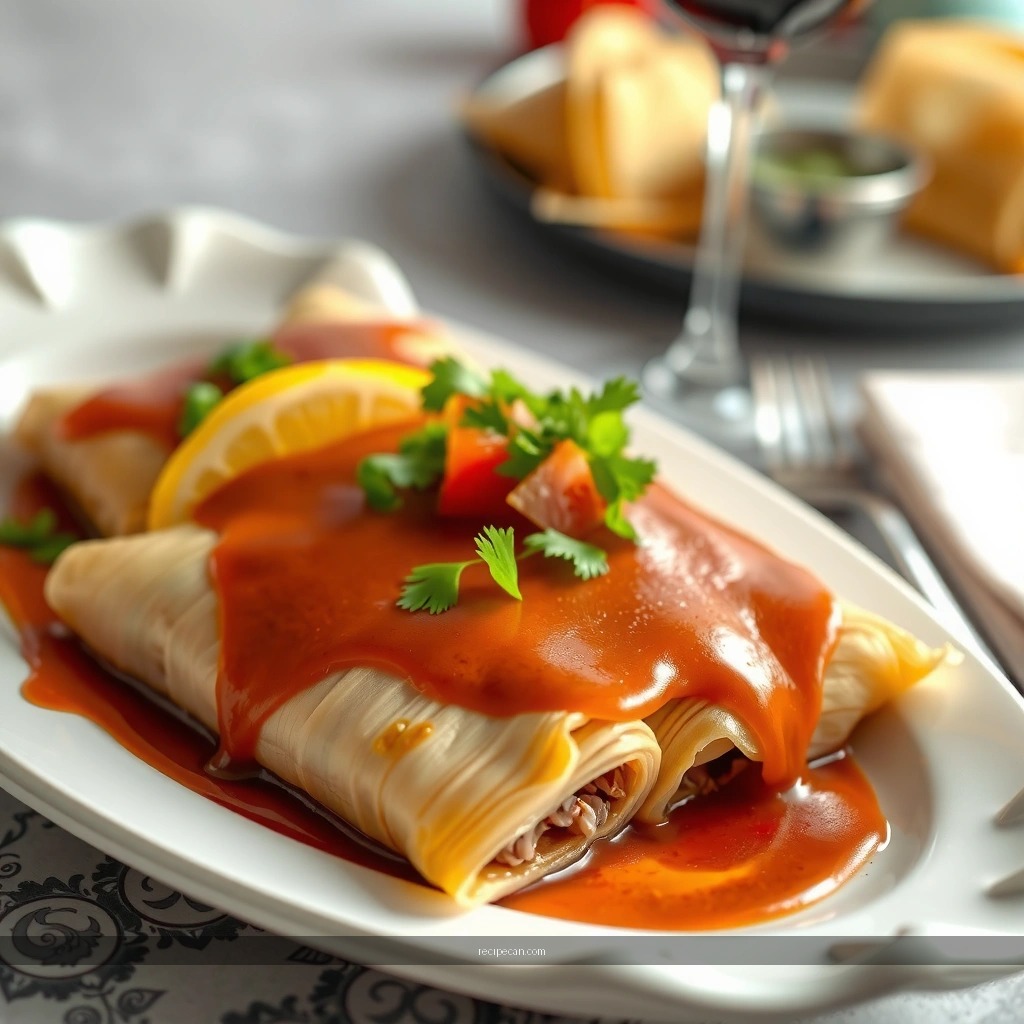
Masa is the backbone of a classic tamales recipe. If the masa is too wet or too stiff, you’ll see it immediately during assembly (and again when steaming).
1. Mix masa harina with warm water and fat
– Combine masa harina with warm water gradually. Warm liquid improves hydration consistency.
– Mix in lard (traditional) or an oil/shortening alternative. Fat improves mouthfeel and helps the masa stay tender after steaming.
2. Add salt and adjust consistency
– Salt is essential—without it, masa tastes flat even if the filling is perfect.
– Adjust until the masa is spreadable: when you swipe it with a spoon, it should smooth out without tearing or standing in stiff peaks.
3. Optional texture test (highly recommended)
– Take a small spoonful and form a mini “test” strip on a plate. If it cracks or won’t hold a neat line, add a little warm water.
– If it feels loose and watery, add a bit more masa harina.
Analytical perspective: why consistency matters
During steaming, masa continues to hydrate and set. Overly wet masa steams into something gummy and heavy; overly stiff masa can steam through but feel dry and crumbly. Your target is “firm but tender,” which comes from correct hydration plus adequate fat.
Assemble the Pork Tamales
Assembly is straightforward, but attention to technique prevents the most common issues: leaking filling, uneven doneness, and difficult husk release.
1. Spread masa onto soaked corn husks
– Use soaked husks (supple, not brittle).
– Spread a thin, even layer of masa leaving a margin at the edges so it can seal.
2. Add a strip of pork filling down the center
– Place a line of pork filling in the middle. Don’t overload; excess filling increases the chance of overflow and uneven steaming.
– If your filling is very thick, spoon it into a consistent strip. If it’s thinner, use slightly less.
3. Fold and secure tamales
– Fold the husk to enclose the masa and filling.
– Tie with kitchen string or secure the closure depending on husk shape and your comfort. Uniform closure helps steam at the same rate.
Quality control check
Before steaming, visually confirm:
– Masa edges look sealed (no gaps).
– Filling is centered and not touching the seam.
– All tamales are roughly the same size for consistent timing.
Steam Until Perfect
Steaming turns your labor into a unified texture: masa sets, pork warms through, and chile flavors meld.
1. Arrange tamales upright in the steamer
– Upright packing promotes even steam circulation.
– Avoid overpacking; if tamales are jammed tightly, steam can’t penetrate consistently.
2. Steam with enough water to prevent drying
– Maintain simmering water throughout. A common method uses a rack so water never contacts tamales directly.
– Refill as needed so your steaming process doesn’t stall.
3. Check doneness: masa firms and pulls cleanly
– Doneness is typically indicated when masa firms up and the tamale husk releases more cleanly.
– If masa still looks soft and smeary, steam longer in 15–20 minute increments.
Time expectations (real-world ranges)
For pork tamales with tender-shredded pork and properly hydrated masa, steaming often takes roughly 60–90 minutes, depending on tamale size and steamer capacity. Larger tamales can take closer to the upper end.
Cool, Store, and Reheat
Tamales improve with rest and re-steaming. This is where batch cooking becomes practical and high-value for busy schedules.
1. Let tamales rest before removing husks
– Resting helps masa set so husk removal doesn’t tear or smear.
– Wait until tamales are warm rather than piping hot before peeling.
2. Store refrigerated or freeze for make-ahead meals
– Refrigerate in an airtight container for several days.
– For longer storage, freeze with minimal air exposure. Once thawed, re-steam to restore texture.
3. Reheat by steaming to keep masa soft and flavorful
– Microwave reheating often makes masa uneven (soft in spots, dry in others).
– Steam until thoroughly heated; add a small splash of water to your steamer setup if needed and keep the process covered.
Best practices for consistency
– Reheat only what you’ll eat to preserve texture.
– Keep the steamer hot before placing tamales inside so reheating is efficient.
Pork tamales come out best when the masa consistency is right, the pork filling is well-seasoned, and you steam until firm and tender. Follow this pork tamales recipe step-by-step, and make a batch this week—then store extras and reheat by steaming for next-day comfort.
If you want, tell me how many tamales you’re making and whether you’re using dried chiles or jarred chile sauce, and I’ll help you scale the quantities precisely.
Frequently Asked Questions
What’s the best pork tamales recipe for beginners?
Look for a pork tamales recipe that uses simple, forgiving components: seasoned pork shoulder, a masa dough made with masa harina, and a flavorful red or green sauce. Choose a straightforward method like cooking pork until tender, shredding it, then mixing it with sauce before assembling. Using the right ratio of masa-to-liquid and giving your masa enough resting time helps prevent dry or crumbly tamales.
How do you make pork tamales filling that stays moist?
Cook pork shoulder low and slow until it’s fork-tender, then shred and simmer it briefly with enough sauce to keep the filling juicy. Avoid overcooking after shredding—let it warm through rather than dry out. If your pork tamales filling seems thick, loosen it with a splash of broth or salsa until it spreads easily but still holds shape.
Why does my masa for pork tamales come out dry or rubbery?
Dry masa usually comes from not enough moisture in the dough or adding masa harina too quickly without mixing thoroughly. Rubbery tamales can result from overmixing or using masa that’s too thick without proper hydration; aim for a smooth, spreadable consistency. For better texture, rest the masa 15–30 minutes and follow a tested pork tamales recipe with accurate liquid amounts.
Which corn husks are best for making pork tamales, and how do you prepare them?
Use dried corn husks that are pliable when soaked; if they crack, they’re likely too old or not softened enough. Soak husks in warm water until flexible, then pat them lightly dry so they don’t make the masa watery. Properly prepped husks prevent tearing and help you wrap cleanly, which is crucial for even steaming of pork tamales.
How long should pork tamales cook and how do you know they’re done?
Most pork tamales recipes require steaming for about 1 to 1.5 hours, depending on tamale size and your steamer setup. They’re done when the masa separates easily from the corn husk and feels fully set when you press the center gently. If the masa still looks wet or sticks firmly to the husk, continue steaming in 10–15 minute increments, checking water levels to maintain consistent heat.
References
- Tamale
https://en.wikipedia.org/wiki/Tamale - https://www.britannica.com/topic/tamale
https://www.britannica.com/topic/tamale - Google Scholar Google Scholar
https://scholar.google.com/scholar?q=pork+tamales+recipe - Google Scholar Google Scholar
https://scholar.google.com/scholar?q=how+to+make+tamales+masa+pork - Google Scholar Google Scholar
https://scholar.google.com/scholar?q=Mexican+tamales+pork+cooking+process+research - The Mad King and Magna Carta
https://www.smithsonianmag.com/arts-culture/how-make-tamales-180955745/ - pork tamales recipe – Search results
https://en.wikipedia.org/wiki/Special:Search?search=pork+tamales+recipe - https://www.ncbi.nlm.nih.gov/search/research-articles/?term=pork+tamales+recipe
https://www.ncbi.nlm.nih.gov/search/research-articles/?term=pork+tamales+recipe