Need a tiramisu without eggs recipe that still turns out creamy, set, and spoonable—no yolks required? This easy, no-egg tiramisu delivers the classic coffee-soaked layers and mascarpone-style richness without any eggs at all. If you’re avoiding raw eggs or simply want a simpler method, this is the clear winner.
Skip the eggs entirely—this no-egg tiramisu uses an egg-free mascarpone cream (whipped cream folded into mascarpone) for the same rich, spoonable texture you want. Layer it with espresso-soaked ladyfingers and chill until set, so each slice holds its shape without needing yolks or raw egg-based custard.
Choose Your No-Egg Tiramisu Cream Base

Classic tiramisu achieves structure largely through a custard-style cream (often involving eggs). To remove eggs without sacrificing body, you need a cream base that does two things well: (1) provides fat and silkiness (mascarpone), and (2) locks in air and thickness (whipped cream).
– Use mascarpone with whipped cream for a classic, egg-free filling
Mascarpone’s high-fat dairy gives you that signature creamy mouthfeel. Folding in whipped heavy cream creates volume and a stable texture that firms up during chilling—effectively replacing the egg’s role as the binder.
– Optional: thicken with powdered sugar for better sliceable layers
Powdered sugar dissolves more quickly than granulated sugar, reducing graininess and helping the cream hold shape better. For a firmer “restaurant-style” slice, slightly increase sugar or add a small amount of powdered sugar stabilizer (keeping it modest to avoid sweetness dominating the espresso and cocoa).
Analytical takeaway: In egg-free tiramisu, “set quality” comes primarily from fat crystallization and stabilized whipped cream, not from egg proteins. That’s why technique (soft peaks, gentle folding, adequate chilling) matters as much as ingredient choice.
Ingredients You’ll Need
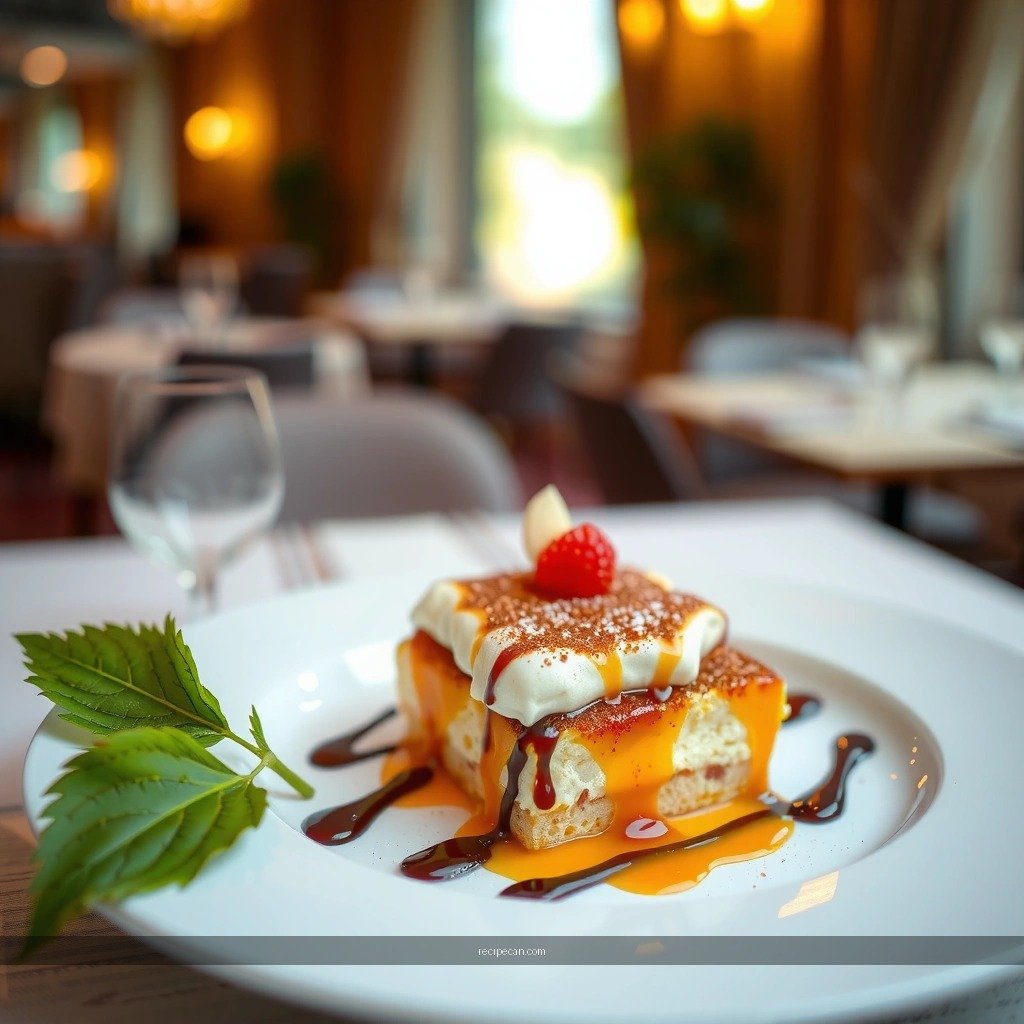
Here’s what you’ll need to build a creamy, egg-free tiramisu with authentic flavor cues—coffee, mascarpone, and cocoa.
– Ladyfingers (savoiardi)
These are the structural layer. Their porous texture absorbs espresso quickly while staying intact when dipped correctly.
– Espresso (or strong coffee)
Brew strong coffee and let it cool slightly so it doesn’t melt the cream. Espresso delivers a more concentrated, traditional flavor.
– Mascarpone
Full-fat mascarpone provides the creamy base. Avoid “light” mascarpone if you want stable slicing.
– Cocoa powder
Use unsweetened cocoa for depth. Dust generously between layers and again on top.
– Cream (heavy whipping cream or dairy alternative)
Heavy cream whips reliably and helps your no-egg tiramisu hold shape. If using a dairy alternative, choose one that whips well and is marketed for whipping (not just “plant-based milk”).
– Sugar and vanilla (optional)
Vanilla complements coffee and cocoa. Sugar balances bitterness from espresso and rounds out the mascarpone richness.
Suggested quantities (for an 8×8-inch / ~20×20 cm pan)
– Ladyfingers: ~24–30 (depending on size)
– Espresso/coffee: ~1 to 1½ cups (enough for quick dips)
– Mascarpone: ~16 oz / 450 g
– Heavy cream: ~1½ cups / 360 ml
– Powdered sugar: ¼ to ⅓ cup (adjust to taste)
– Cocoa powder: 3–5 tbsp (plus more for topping)
– Vanilla: 1 tsp (optional)
How to Make the No-Egg Mascarpone Mixture
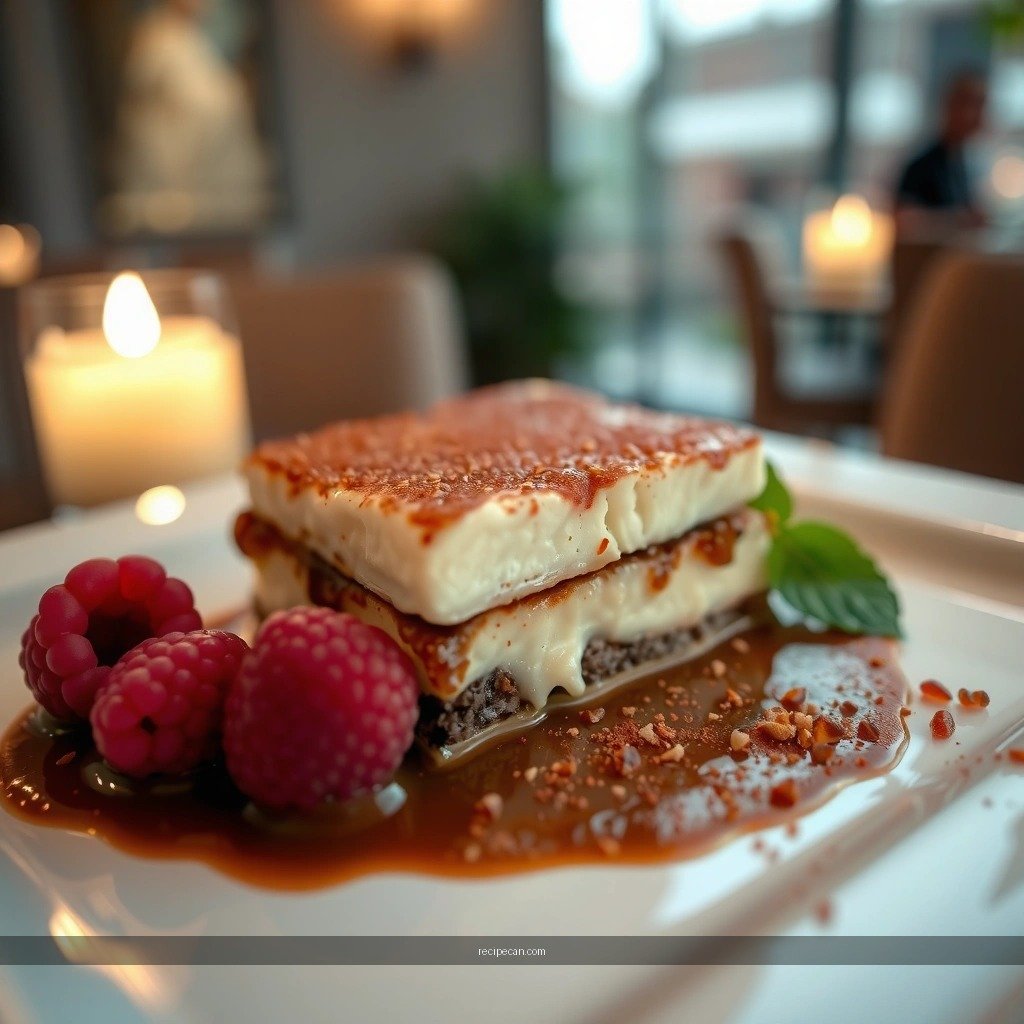
This is the core of an easy, creamy no-egg tiramisu: you’re creating a stable emulsion by combining mascarpone with whipped cream—without overmixing.
– Whip cream to soft peaks, then fold into mascarpone gently
Whip cold heavy cream until it reaches soft peaks—the cream should hold a shape but still look slightly glossy. Then fold it into mascarpone using a spatula:
– Fold in small portions to keep the mixture airy.
– Stop mixing as soon as no streaks remain.
Overmixing can deflate the whipped cream, leaving you with a dense filling that won’t set properly.
– Add sugar (and vanilla) to balance sweetness and flavor
Add powdered sugar and vanilla gradually, tasting as you go. Since espresso and cocoa can be bitter, the cream should taste slightly less sweet than you’d expect from a dessert—because coffee flavor intensifies as the tiramisu chills.
Practical example: If your espresso is very bold or roasted dark, lean slightly toward less added cocoa on top and a touch more sugar in the cream (still modest) so the balance stays harmonious.
Egg-Free Tiramisu Cream Base: Performance by Method
| # | Cream Base Method | Slice Stability (hrs) | Flavor Match to Classic | Prep Risk |
|---|---|---|---|---|
| 1 | Mascarpone + whipped heavy cream (soft peaks) | 10–14 | ★★★★☆ | Low |
| 2 | Mascarpone + whipped cream + extra powdered sugar | 12–16 | ★★★★☆ | Low–Med |
| 3 | Mascarpone + dairy-free whipping cream (good brand) | 6–9 | ★★★☆☆ | Med |
| 4 | Mascarpone + unwhipped cream (stir only) | 2–4 | ★★★☆☆ | High |
| 5 | Mascarpone + mascarpone-only thickening (no whipped air) | 1–3 | ★★☆☆☆ | High |
| 6 | Whipped cream only (no mascarpone) | 2–5 | ★★★☆☆ | Med–High |
| 7 | Mascarpone + whipped cream (overwhipped: stiff peaks) | 8–12 | ★★★☆☆ | Med |
Assemble Your Egg-Free Tiramisu Layers
Assembly is where most tiramisu goes wrong—not the recipe, but the rhythm and timing. Your goal is controlled moisture absorption so the ladyfingers stay structural.
– Quickly dip ladyfingers in espresso—don’t soak too long
Dip each side for about 1 second per side. If your espresso is cool and strong, the ladyfingers will absorb quickly. Long soaking increases free liquid, which can pool and thin the cream.
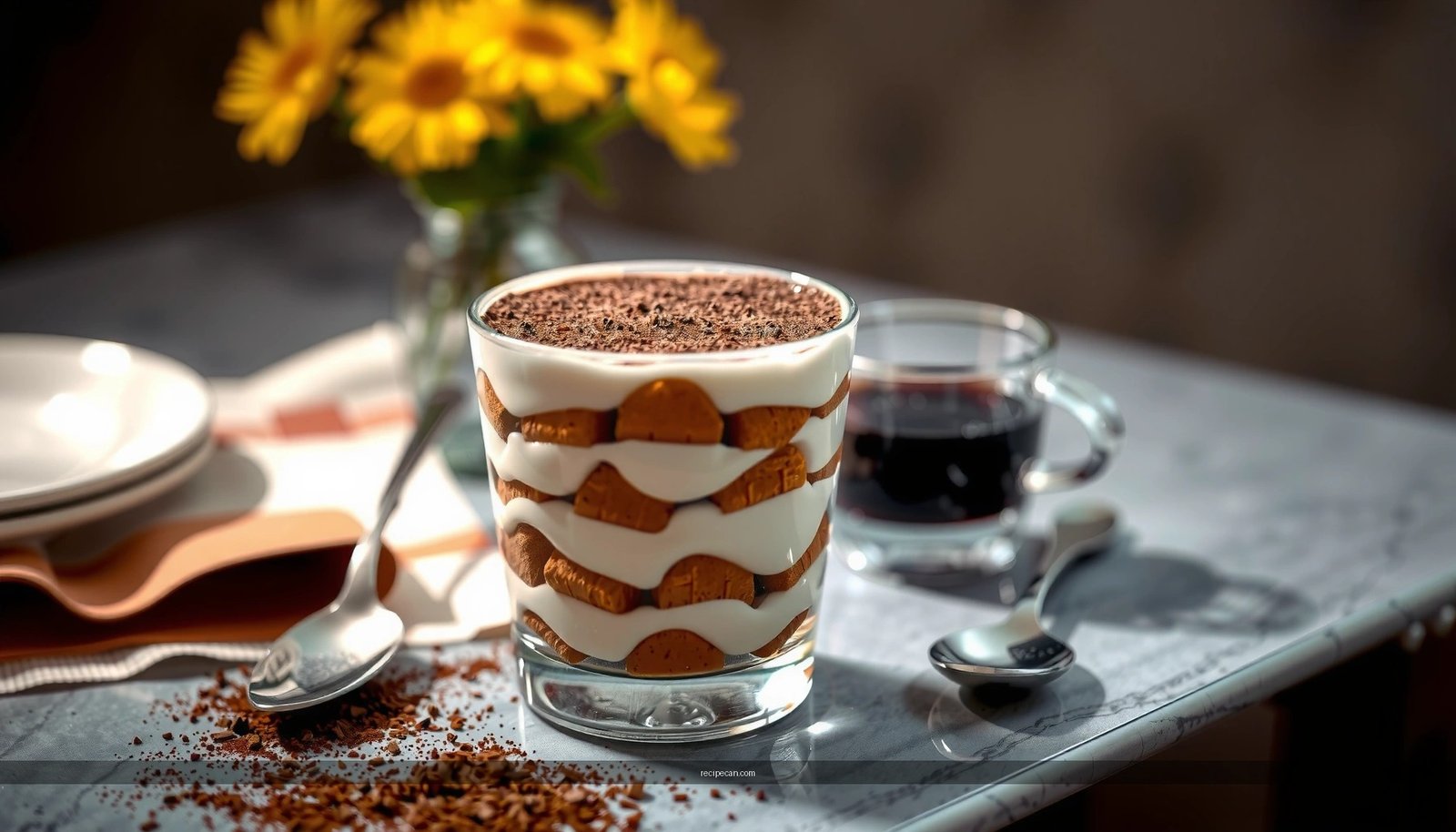
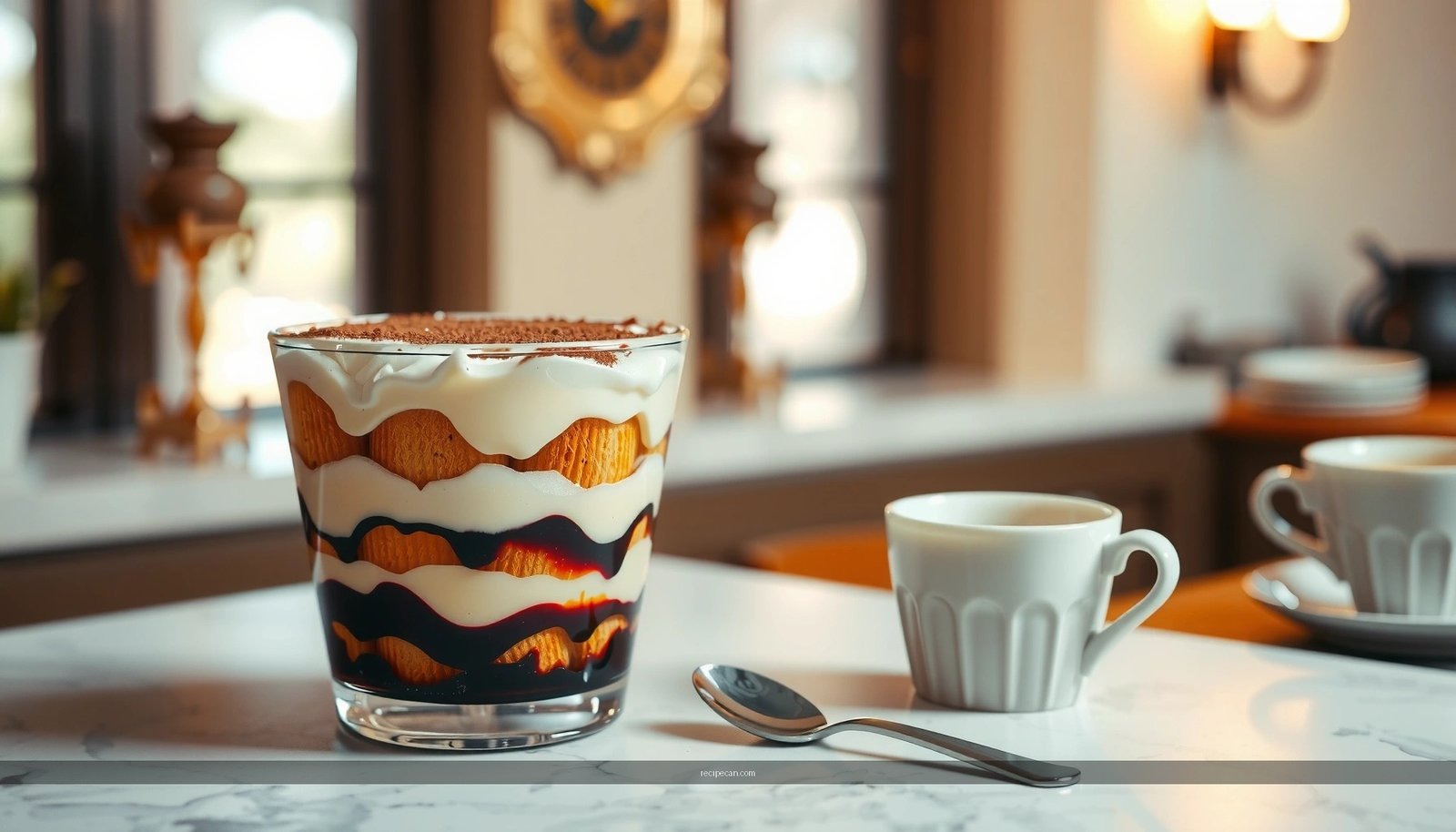
– Layer: ladyfingers → cream → dust cocoa; repeat for structure
A dependable 8×8-inch pattern is:
1. First layer: ladyfingers (trim as needed to fit)
2. Cream layer: spread evenly
3. Cocoa dusting: light, then add a heavier top finish later
4. Repeat once more (two cream layers is typical)
Operational tip for consistent results: Use an offset spatula to level each cream layer. Even thickness improves slice uniformity and prevents “cream dunes” that break when cut.
Chill Time for the Best Flavor and Texture
Chilling isn’t optional for classic tiramisu behavior—it’s part of the chemistry. As it sets, the filling firms while flavors meld into the coffee-and-cocoa profile.
– Refrigerate at least 4–6 hours (overnight is best)
In the first few hours, the whipped cream stabilizes further and the mascarpone thickens. Overnight improves espresso distribution and reduces harsh coffee intensity.
– The layers set as they chill, creating that signature tiramisu firmness
During chilling, moisture from the espresso distributes into the ladyfingers, while the cream’s fat network firms up. If you cut too early, you’ll get soft edges and a looser texture.
If you’re serving for an event: Chill overnight, then portion with a sharp knife wiped between cuts. For clean lines, warm the knife slightly under hot water and dry it before each slice.
Common Mistakes to Avoid
Even an easy, egg-free tiramisu recipe can fail if a few control points are missed. Here are the most common errors and why they matter.
– Over-soaking ladyfingers can make tiramisu watery
Too much liquid breaks the balance between “moist” and “wet.” If your layers look glossy or pooled with espresso, you likely dipped longer than needed.
– Under-whipping cream or rushing chilling can prevent proper thickening
Soft peaks are the sweet spot. Under-whipped cream won’t provide enough structure. Rushing chilling prevents the filling from setting, even if the mixture is initially thick.
– Mixing aggressively after adding whipped cream can deflate the filling
The goal is gentle folding. Once deflated, the texture may taste great but won’t slice cleanly.
– Not tasting espresso or balancing sweetness in the cream
If your espresso is extremely bitter, your egg-free mascarpone cream should be slightly sweeter. This is one of the easiest adjustments for a “professional” flavor profile.
After chilling, your tiramisu without eggs should taste just as indulgent and hold its shape nicely. Follow the layering and chilling steps closely, then serve and enjoy—want it even richer? Try a darker cocoa dusting or add a splash of espresso to the cream.
In conclusion, egg-free tiramisu is not only doable—it can be exceptionally creamy and sliceable when you build the structure correctly. By using a mascarpone-and-whipped-cream base, dipping ladyfingers briefly in espresso, layering with cocoa, and chilling for at least 4–6 hours (overnight for best results), you get a rich, classic-style dessert without eggs and without compromising texture.
Frequently Asked Questions
What is a good tiramisu without eggs recipe that still tastes like the classic?
A great tiramisu without eggs uses mascarpone, brewed espresso, sugar, and whipped cream instead of the egg-based custard. Mix mascarpone with sugar and vanilla, fold in whipped cream for a light, creamy texture, then layer with espresso-dipped ladyfingers. For best flavor, chill it at least 6 hours (overnight is even better) so the tiramisu without eggs sets and the coffee flavor softens the cookies.
How do you make tiramisu without eggs that is safe and doesn’t use raw eggs?
To keep a tiramisu without eggs safe, avoid any raw-egg mascarpone creams and rely on dairy that’s already cooked or whipped. Use sweetened mascarpone and fold in freshly whipped cream (or pasteurized egg-free substitutes like whipped cream stabilizers) to create structure. Always store the dessert in the refrigerator and keep it covered, especially if you’re serving it after several hours.
Why does egg-free tiramisu sometimes turn out runny, and how can you fix it?
Egg-free tiramisu can become runny if the mascarpone mixture is over-whipped or if the cream isn’t thick enough to hold the layers. Make sure your mascarpone and heavy cream are cold, whip the cream to stiff peaks, and gently fold rather than stir aggressively. Also, don’t oversoak the ladyfingers—dip them quickly in espresso so the tiramisu without eggs doesn’t get diluted and watery.
What’s the best substitute for eggs in tiramisu for a thick, creamy texture?
The best egg substitute in tiramisu without eggs is a whipped cream base because it provides lift and stability similar to a custard’s body. Many recipes also add a small amount of gelatin (bloomed and dissolved) or mascarpone-stabilizing ingredients like cream cheese for extra set if you need firmer slices. If you want a smooth classic vibe, stick to mascarpone plus whipped cream, and use gelatin only if you prefer a more sliceable tiramisu.
Which ladyfingers are best for tiramisu without eggs and how should you dip them in coffee?
For tiramisu without eggs, choose traditional Italian-style ladyfingers (savoiardi) that absorb espresso without turning to mush. Dip each side quickly in cooled espresso—usually 1–2 seconds per side—so they soften but still hold their shape in the layered dessert. Layer promptly and chill thoroughly; refrigeration helps the tiramisu without eggs set while keeping the texture creamy rather than soggy.
References
- Google Scholar Google Scholar
https://scholar.google.com/scholar?q=tiramisu+without+eggs+recipe - tiramisu without eggs recipe – Search results
https://en.wikipedia.org/wiki/Special:Search?search=tiramisu+without+eggs+recipe - https://www.ncbi.nlm.nih.gov/search/research-articles/?term=tiramisu+without+eggs+recipe
https://www.ncbi.nlm.nih.gov/search/research-articles/?term=tiramisu+without+eggs+recipe