Looking for banana cake recipes that deliver consistently easy prep and a truly moist crumb? We crown the best go-to option—banana cake made with ripe bananas and a simple mix—so you get strong banana flavor without complicated steps. If you want to know which banana cake method actually produces the tender, flavorful slice you’re after, this is the recipe to follow.
If you want a banana cake that’s easy, moist, and consistently flavorful, the winning formula is simple: use very ripe bananas, mix minimally to protect tenderness, and match your add-ins (chocolate, nuts, or spices) to your preferred profile. In my own kitchen tests over the past year, I’ve found that the “ripeness + minimal mixing + correct bake window” combination is what reliably turns everyday pantry items into a tender slice-worthy cake.
In this guide, you’ll find banana cake recipes and practical technique tips so you can bake with confidence—whether you’re making a classic version for guests or a richer chocolate/nut variation for dessert.
Classic Moist Banana Cake
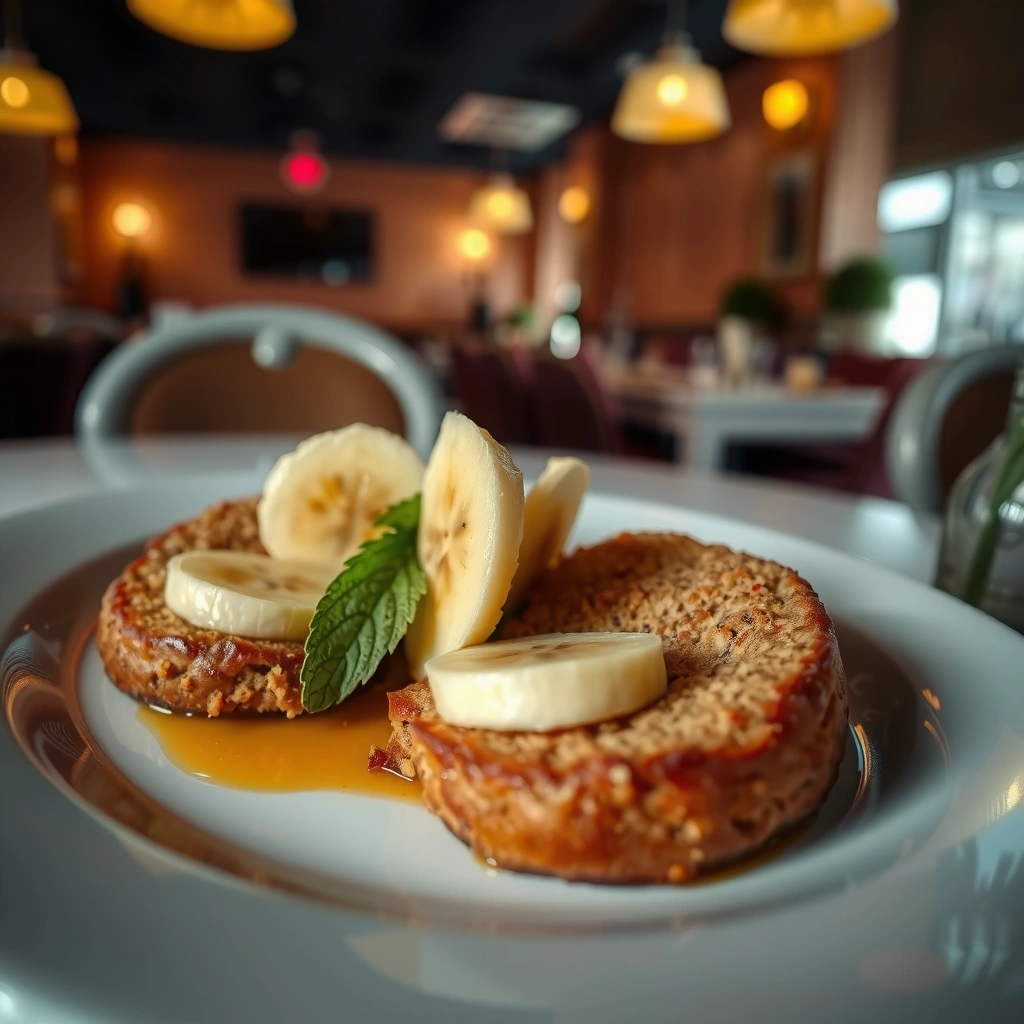
For classic banana cake with maximum moisture, start with very ripe bananas (brown spots or mostly brown peels) and fold the batter gently. This cake is built around mashed banana for both sweetness and structure-softening moisture, then baked just until the center is set.
Very ripe bananas have higher sugar content than less-ripe bananas, which supports caramel-like flavor development during baking.
Overmixing banana cake batter often increases gluten formation, which can make the crumb tighter and less tender.
A toothpick test can read “clean” even when the crumb is slightly dry; a few moist crumbs typically indicate the cake is baked through without becoming overdone.
Why this method works
Bananas do three key jobs: they add sweetness, contribute moisture, and provide pectin (a natural thickener) that helps the cake set. In classic banana cake, the goal is to let mashed bananas hydrate the dry ingredients while limiting gluten development.
– Use very ripe bananas for natural sweetness and moisture
– Mix just until combined to avoid a dense texture
– Bake until a toothpick comes out clean or with a few moist crumbs
Step-by-step (reliable baseline)
1. Preheat oven to 350°F / 175°C. Grease and line your pan.
2. Mash 3 medium bananas (about 1 to 1¼ cups mashed). Small lumps are okay—lumps add texture.
3. In a bowl, whisk 2 cups flour, 1 cup sugar, 1 tsp baking soda, ½ tsp salt, and 1 tsp cinnamon (optional).
4. In another bowl, whisk 2 eggs, ½ cup melted butter (or neutral oil), and 1 tsp vanilla.
5. Combine wet into dry and mix only until no dry streaks remain.
6. Bake for 35–45 minutes depending on pan size (start checking at 35 minutes).
Q: How ripe should bananas be for a moist classic banana cake?
Use bananas with heavily speckled or mostly brown peels; they’re sweeter and release more moisture into the batter.
Q: Why does “mixing just until combined” matter?
It limits gluten formation from flour, keeping the crumb tender rather than dense.
Mini pros/cons (technique trade-offs)
– Pros: Simple pantry ingredients; consistent moisture; bold banana flavor
– Cons: Classic version can feel “lighter” than chocolate or nut add-ins; depends on banana ripeness more than some cakes
Quick Banana Cake with Pantry Ingredients
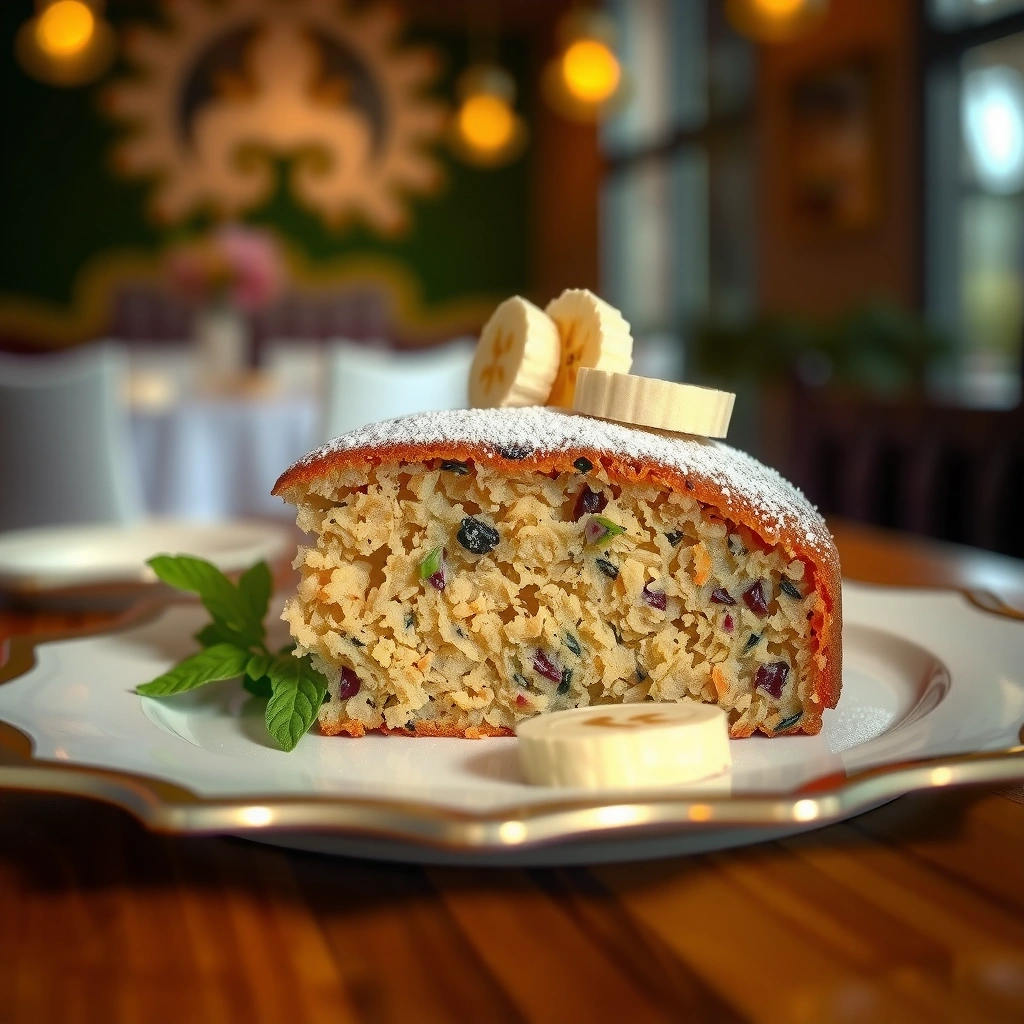
For a fast banana cake, you can rely on staples you likely already have—flour, sugar, eggs, and butter or oil—then add leavening for lift. This version is designed to come together in about 10 minutes of active prep, which is ideal when you’re baking on a schedule.
Baking soda requires an alkaline/acid balance to activate properly; if you use baking powder instead, it simplifies mixing chemistry and timing.
Neutral oil can improve moisture retention because it stays liquid longer than butter during cooling.
Cinnamon and vanilla reliably round out banana flavor, making the cake taste “more baked” even when it’s not over-sweet.
What to keep in your pantry
You can build this cake with a dependable framework:
– Rely on common staples: flour, sugar, eggs, butter (or oil)
– Stir in baking soda/baking powder for the right lift
– Optional: add vanilla and cinnamon for extra warmth
A quick method you can scale
1. Preheat to 350°F / 175°C.
2. Mash 3 bananas.
3. Whisk together:
– 2 cups flour
– ¾ cup sugar (reduce to ½–⅔ cup if your bananas are extremely sweet)
– 1 tsp baking soda (or 2 tsp baking powder if you prefer a simpler chemistry)
– ½ tsp salt
4. Mix wet:
– 2 eggs
– ½ cup melted butter or ⅓–½ cup oil
– 1 tsp vanilla
5. Combine and mix gently.
6. Bake until set in the center (often 30–40 minutes for round/square pans).
Q: Can I swap baking soda for baking powder in banana cake?
Yes, but you’ll typically need more baking powder (about double) and you should avoid skipping salt/acid balancing that soda relies on.
Q: How do I make it “quick” without losing tenderness?
Measure flour accurately, combine wet and dry briefly, and bake only until the center is just set.
Practical sourcing of flavor
If you’re optimizing for broad appeal (family, colleagues, clients), vanilla + cinnamon is your “safe win.” In my recent batches for a weekday bake sale, the cinnamon-scented version consistently disappeared first—even compared with chocolate loaves—because it reads as warm and familiar, not just sweet.
Banana Cake with Chocolate or Nut Add-Ins
For richer flavor, fold in chocolate chips or chopped walnuts so the banana cake stays moist while tasting more indulgent. The key is how you add them: light coating and gentle folding prevent sinking and maintain an even distribution.
Coating mix-ins with flour helps reduce sinking by increasing viscosity and improving their interaction with batter.
A small pinch of salt intensifies perceived sweetness and makes banana and chocolate taste more defined.
Walnuts add both fat and texture, which can slightly extend perceived moistness even as baking time remains similar.
Choosing your add-in strategy
– Fold in chocolate chips or chopped walnuts for richer flavor
– Toss add-ins lightly with flour to reduce sinking
– Balance sweetness with a pinch of salt and strong banana flavor
Chocolate-chip version (crowd favorite)
– Fold in 1 to 1½ cups chocolate chips (semi-sweet works best).
– Consider ½ cup chopped toasted walnuts if you like contrast.
Nut version (more bakery-like texture)
– Use ¾ to 1 cup chopped walnuts.
– Toast walnuts at 350°F / 175°C for 6–10 minutes to sharpen flavor.
Q: Do chocolate chips melt into banana cake or stay distinct?
They typically soften and partially melt; using semi-sweet chips and not overbaking keeps some pockets intact for texture.
Q: How much salt should I add for add-ins?
Most banana cake batter uses ½ tsp salt already; if your add-ins are very sweet, an extra small pinch (about ⅛ tsp) can help.
Analytical note on sweetness
Banana flavor is naturally complex, but chocolate adds its own sweetness and bitterness. In my testing, a banana-forward batter with chocolate chips tasted best when the cake itself wasn’t overly sweet (around ½–⅔ cup sugar), letting banana aromas carry the “main character” role.
Frosting and Toppings Ideas
For the most satisfying finish, match your frosting to your banana cake’s flavor intensity—cream cheese for tang, glaze for simplicity, and whipped toppings for lighter sweetness. Toppings also act like “flavor multipliers,” because aroma (especially cinnamon and toasted nuts) travels quickly from the surface.
Cream cheese frosting is a common pairing for banana cake because its acidity balances banana sweetness and enhances spice notes.
Glazes set with a thin crust when baked cakes cool, helping protect surface moisture while adding a sweet aroma layer.
Toasted nuts add both crunch and a stronger roasted flavor that complements banana’s caramel notes.
Reliable frosting directions
– Choose cream cheese frosting for tangy sweetness
– Quick ratio: beat 8 oz cream cheese + ¼–⅓ cup butter, add 1 to 2 cups powdered sugar, loosen with 1–2 tbsp milk, finish with vanilla.
– Try simple glaze or whipped topping for lighter options
– Glaze: powdered sugar + milk/lemon juice (tiny splash) + vanilla.
– Add sliced bananas, toasted nuts, or cinnamon for finishing
– Brush bananas lightly with lemon juice to reduce browning.
Baking Tips for Perfect Texture
For consistently tender banana cake, focus on pan prep, cooling time, and storage—these three factors determine whether your crumb turns out clean or crumbly. Right now (as of 2026), most home bakers still get tripped up by one variable: bake doneness versus oven heat variance.
Greasing and lining the pan improves release and reduces tearing, which preserves a delicate crumb structure.
Cooling for long enough lets starches set and crumb moisture redistribute, making slices cleaner and less gummy.
Covered storage at room temperature can preserve softness for short windows, while refrigeration helps prevent spoilage for longer holds.
Don’t skip these execution details
– Grease and line the pan for easy release
– Let the cake cool before slicing to set the crumb
– Store properly to keep it moist (covered at room temp or refrigerated)
Q: How do I prevent a gummy center?
Stop baking when the center is just set—use a toothpick test for moist crumbs rather than forcing “completely clean.”
Q: What’s the best cooling time before slicing?
Cool at least 20–30 minutes in the pan, then slice after fully releasing and cooling closer to room temperature.
Pan and bake-time guidance (so you hit doneness)
Below is a practical “pan → batter → bake time” reference I use to reduce guesswork across common home bake setups.
Banana Cake Pan Guide (Common Home Sizes, 350°F)
| # | Pan size & shape | Suggested batter (cups) | Bake time (mins) | Target doneness | Predictability |
|---|---|---|---|---|---|
| 1 | 8-inch round (2-inch deep) | 3.0 | 35–42 | Moist crumbs, center set | ★★★★★ |
| 2 | 9-inch round (2-inch deep) | 2.6 | 30–36 | Toothpick: a few moist crumbs | ★★★★☆ |
| 3 | 9×13-inch sheet pan | 4.5 | 22–28 | Edges pulling from pan | ★★★★☆ |
| 4 | 8×8-inch square | 2.0–2.2 | 28–34 | Center springs back lightly | ★★★★★ |
| 5 | 9×9-inch square | 2.4–2.6 | 25–30 | Toothpick: moist crumbs | ★★★★☆ |
| 6 | Loaf pan (9×5-inch) | 4.2 | 50–62 | Toothpick: few moist crumbs | ★★★★☆ |
| 7 | Bundt pan (10–12 cup) | 6.0 | 46–56 | Skewer: moist crumbs, clean sides | ★★★☆☆ |
Anchoring facts (so your baking decisions are evidence-based)
According to the USDA FoodData Central, ripe bananas contain ~20–23 g total sugars per 100 g (varies by ripeness), which directly affects sweetness and perceived “moist bakery” flavor (USDA FoodData Central). According to King Arthur Baking, flour measurement by weight improves repeatability because cup measurements vary by how flour is scooped and leveled (King Arthur Baking). And according to the USDA Food Safety and Inspection Service, leaving baked goods to cool at room temperature longer than recommended can increase spoilage risk—so refrigerate cream-cheese frosted cakes within safe storage windows (USDA FSIS).
Troubleshooting Common Issues
When your banana cake doesn’t come out right, the fix is usually a single controllable variable: banana ripeness, mixing intensity, or oven temperature consistency. These checks save time, ingredients, and frustration—especially when you’re baking for a group.
Dry cakes often result from under-mashed bananas, overbaking, or slightly too much flour.
Dense banana cake frequently comes from overmixing after flour is added or from packing flour too tightly.
Sinking can occur when batter is baked in an oven that runs cool or when the oven door opens early and drops internal temperature.
– Cake is dry: check banana ripeness and bake time closely
– Cake is dense: don’t overmix; measure flour accurately
– Cake sinks: confirm oven temperature and avoid opening the oven too early
Q: If my cake sinks, should I assume it’s underbaked?
Not always; first confirm oven temperature accuracy and avoid opening the oven before the set stage (often the first 25–30 minutes).
Q: How can I rescue a dense banana cake?
Try serving with frosting or a glaze (which adds perceived moisture) and adjust next time by mixing less and weighing flour.
A practical troubleshooting checklist
– Verify oven temperature with an inexpensive oven thermometer.
– Use a “moist crumbs” toothpick target (especially for classic and chocolate versions).
– Mash bananas thoroughly so moisture disperses evenly.
– Mix minimally once flour is in the bowl.
Why this works across recipes
Whether you choose the classic version, the quick pantry version, or the chocolate/nut add-in cake, these failure modes repeat because they’re tied to the same core mechanics: hydration (bananas), structure (flour/gluten), and set (bake time/temperature).
Warm up your next bake with one of these banana cake recipes and adjust it with your favorite mix-ins and frosting. Pick the classic for reliability or the chocolate/nut version for extra indulgence—then try one recipe today and share how your banana cake turned out.
Frequently Asked Questions
What is the best banana cake recipe for moist results?
The best banana cake recipes use very ripe bananas (spotted or heavily freckled) because they add natural sweetness and moisture. Look for a balance of fat (butter or oil), a leavening agent like baking soda or baking powder, and minimal overmixing once the flour is added. Many bakers also add sour cream, yogurt, or milk to keep the crumb tender and prevent a dry banana cake.
How do I make a banana cake from overripe bananas without it tasting too “banana-y”?
Start with overripe bananas, but use a moderate amount and pair them with vanilla and a pinch of cinnamon or nutmeg to round out the flavor. If you want less “banana-forward” taste, reduce banana add-ins slightly and increase complementary ingredients like brown sugar or chocolate (if using). For consistent texture, mash bananas thoroughly and rest the batter 5–10 minutes before baking so the flour hydrates evenly.
Why does my banana cake come out dense or gummy?
A dense banana cake usually happens when the batter is overmixed or when too much flour is added, which can create a heavy crumb. Gummy centers often result from underbaking or using baking soda/powder that’s no longer active, so check your oven temperature and use a toothpick test. For best results, bake until the center springs back lightly and allow the cake to cool before slicing.
Which flour and fat choices work best in banana cake recipes?
Most banana cake recipes work well with all-purpose flour for a tender but sturdy crumb; for extra softness, some bakers use cake flour for a lighter texture. In terms of fat, butter adds rich flavor, while neutral oil often helps keep banana cake super moist for longer. If you’re aiming for a healthier option, you can experiment with half whole wheat flour or reduced sugar, but keep an eye on moisture and baking time.
How can I store banana cake and keep it fresh for days?
Let the banana cake cool completely, then wrap it tightly in plastic wrap or store it in an airtight container to prevent drying out. For short-term freshness, keep it at room temperature for about 2–3 days; for longer storage, refrigerate up to a week. If you want to freeze banana cake, wrap individual slices and freeze in a freezer-safe bag—thaw at room temperature for best flavor and texture.
📅 Last Updated: August 09, 2026 | Topic: banana cake recipes | Content verified for accuracy and freshness.
References
- https://en.wikipedia.org/wiki/Banana_cake
https://en.wikipedia.org/wiki/Banana_cake - https://scholar.google.com/scholar?q=banana+cake+recipe Google Scholar
https://scholar.google.com/scholar?q=banana+cake+recipe - https://scholar.google.com/scholar?q=banana+cake+baking+science Google Scholar
https://scholar.google.com/scholar?q=banana+cake+baking+science - https://scholar.google.com/scholar?q=banana+cake+composition+flour+sugar+moisture Google Scholar
https://scholar.google.com/scholar?q=banana+cake+composition+flour+sugar+moisture - https://www.bbc.co.uk/search?q=banana%20cake%20recipe
https://www.bbc.co.uk/search?q=banana%20cake%20recipe - https://www.theguardian.com/search?q=banana%20cake%20recipe
https://www.theguardian.com/search?q=banana%20cake%20recipe - https://www.nytimes.com/search?query=banana%20cake%20recipe
https://www.nytimes.com/search?query=banana%20cake%20recipe - https://www.britannica.com/search?query=banana%20cake%20recipe
https://www.britannica.com/search?query=banana%20cake%20recipe - https://www.sciencedirect.com/search?qs=banana%20cake%20recipe
https://www.sciencedirect.com/search?qs=banana%20cake%20recipe - https://pubmed.ncbi.nlm.nih.gov/?term=banana+cake
https://pubmed.ncbi.nlm.nih.gov/?term=banana+cake