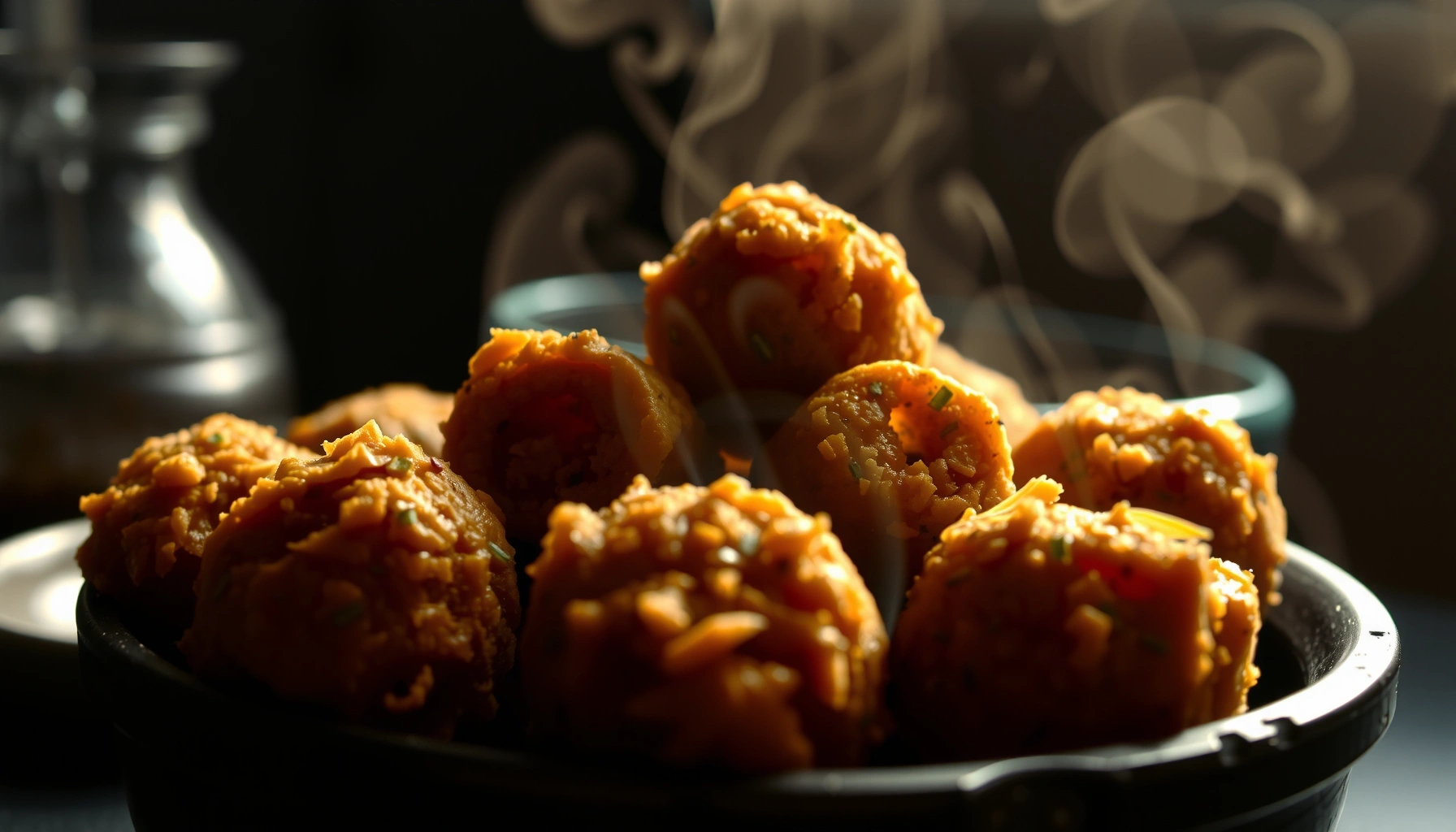
Craving recipe boudin balls that come out crispy instead of greasy? This recipe delivers the best method for frying boudin balls to a crackly, golden crust while keeping the boudin savory and juicy inside. You’ll get the exact cook-and-coat approach for reliably crunchy bites every time.
Boudin balls are an easy, crowd-pleasing way to transform spicy Cajun boudin into crunchy, golden bites—when you chill the mixture, coat thoroughly, and control the cooking temperature. This guide walks you step-by-step through shaping, breading (for real crunch), and frying or baking so your boudin balls stay intact and taste bold in every bite.
What You Need for a Boudin Balls Recipe
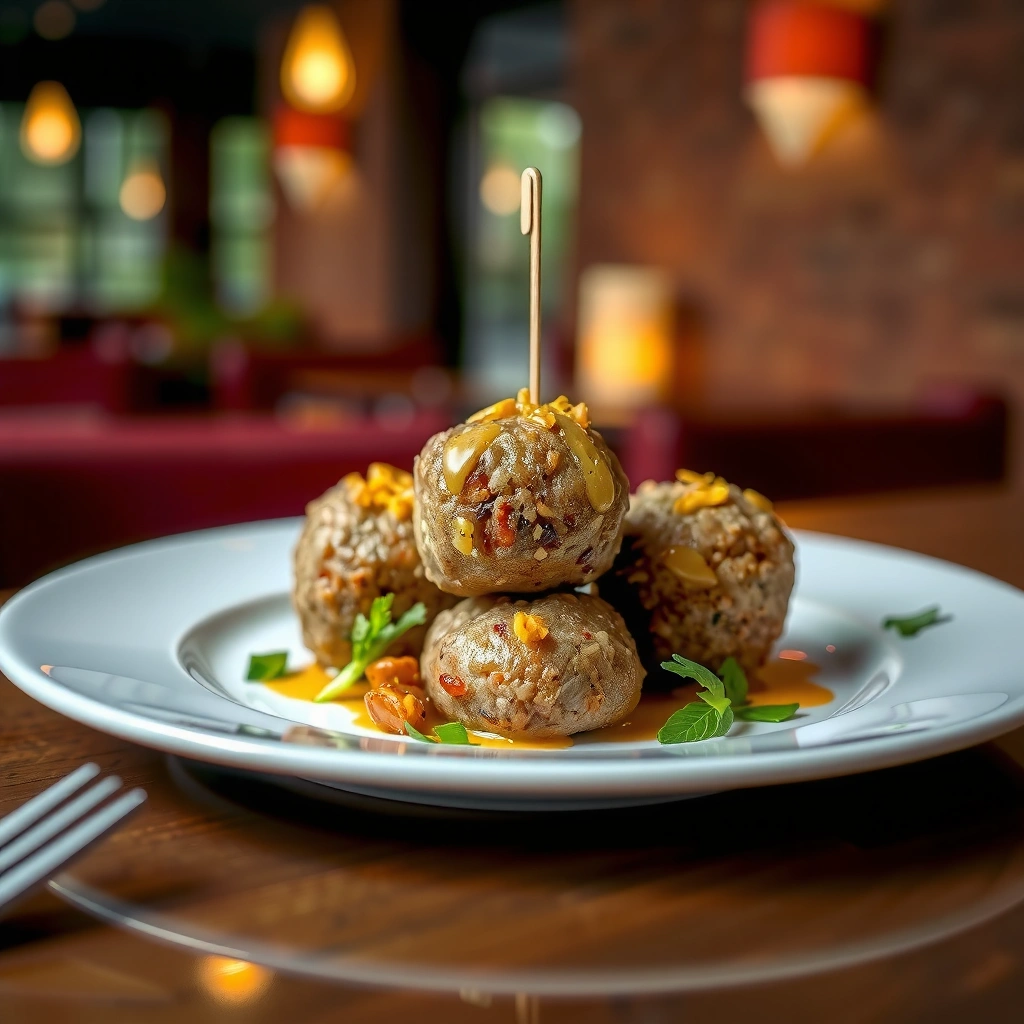
To make crispy boudin balls, start with the right balance of spicy boudin, binder (for structure), and coating (for crunch). Below is a practical, kitchen-ready ingredient list designed for consistent results.
Core ingredients (the essentials)
– Boudin sausage (your main flavor): Typically available fully cooked; you’ll remove the casing and crumble/mix the filling.
– Egg (binder): Helps the coating adhere and supports a cohesive ball that won’t fall apart.
– Breadcrumbs or panko (optional inside): Adds body and helps absorb moisture so the center sets during frying/baking.
– Seasonings:
– Cajun seasoning (extra depth if your boudin is mild)
– Black pepper (sharpness)
– Garlic powder (aromatic lift)
Coating for crispy texture
Choose one of these coating systems (all work well):
– All-purpose flour → beaten egg → panko/breadcrumbs (classic crunchy “double breading”)
– Seasoned flour → egg → panko (best for fast, even coverage)
– Crushed crackers or cornflake crumbs (extra crunch and stronger crust flavor)
Optional add-ins (and why they work)
– Shredded cheddar or pepper jack: Melts slightly and creates a richer, more indulgent center—just keep the pieces small so the ball cooks evenly.
– Green onions: Add fresh aroma and visual appeal; they distribute well and don’t add too much moisture.
– Extra cayenne or hot sauce: Boosts heat and “spicy boudin” character—use sparingly so the mixture doesn’t get too wet.
Equipment you’ll want
– Skillet or deep pot for frying
– Instant-read thermometer to manage oil temperature (this is the difference between crisp and greasy)
– Baking sheet + wire rack (if baking): A rack prevents sogginess by allowing air circulation
– Cookie scoop or spoon for consistent portions
– Tongs/mesh spider strainer for lifting fried balls cleanly
Recommended Cook Settings for Boudin Balls
| # | Method | Target Temp | Time (Range) | Best Outcome |
|---|---|---|---|---|
| 1 | Shallow-fry (test batch) | 350°F (177°C) | 2:30–3:30 | Crisp crust, controlled browning |
| 2 | Deep-fry (standard) | 360°F (182°C) | 3:00–4:00 | Golden exterior, set center |
| 3 | Air-fry (panko coated) | 380°F (193°C) | 10–14 | Low-oil crunch, even browning |
| 4 | Air-fry (egg + flour + crumbs) | 400°F (204°C) | 9–12 | Thicker crust, stronger crunch |
| 5 | Bake (wire rack + spray oil) | 425°F (218°C) | 16–22 | Dry, crisp crust without deep frying |
| 6 | Bake (thinner coating) | 450°F (232°C) | 12–16 | Faster browning, crisp results |
| 7 | Reheat (oven crisp-up) | 400°F (204°C) | 6–10 | Restored crunch, minimal oiliness |
Preparing the Boudin Mixture
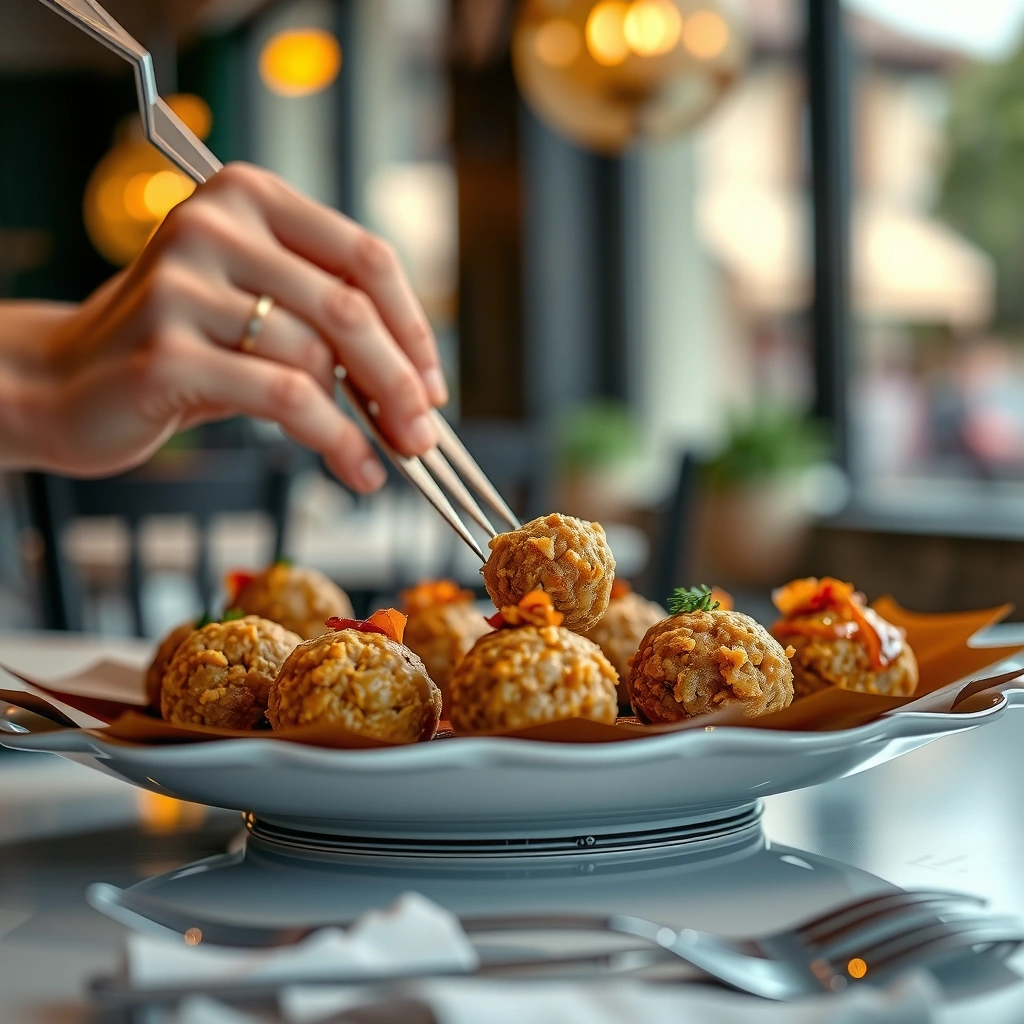
The best boudin balls start with the right mixture texture—firm enough to shape, moist enough to bind, and evenly seasoned so every bite tastes consistent.
Break up boudin and mix evenly
1. Remove boudin from casing (if it comes in links or a skin).
2. Crumble thoroughly into a mixing bowl. You want no large chunks; uneven pieces create weak spots that can leak during frying.
3. Add egg as your binder. Stir until the mixture looks cohesive and slightly tacky.
If your boudin is very soft, consider mixing in 1–2 tablespoons of breadcrumbs to firm it up. If it’s already dry, keep breadcrumbs minimal to avoid a tight, sausage-like bite.
Chill for easier shaping (and cleaner coating)
Chilling is not optional if you want professional-looking boudin balls. Refrigerate the mixture 20–45 minutes:
– It firms the fat and starches inside the boudin.
– It reduces smearing and prevents coating from slipping.
– It helps the balls keep their shape when dropped into hot oil.
If you’re busy, form balls first, then refrigerate again. Two chilling cycles often yield the cleanest results.
Portioning guidance for consistent sizes
Consistency matters for even browning. Aim for:
– 2 tablespoons each (roughly 1.5–2 inches diameter), which fries/bakes in a similar time window.
– Use a cookie scoop if you want repeatable results for parties or batch cooking.
If you make larger balls, increase cooking time slightly—but don’t raise temperature too much, or the outside will brown before the center sets.
Shaping and Coating for Crispy Boudin Balls
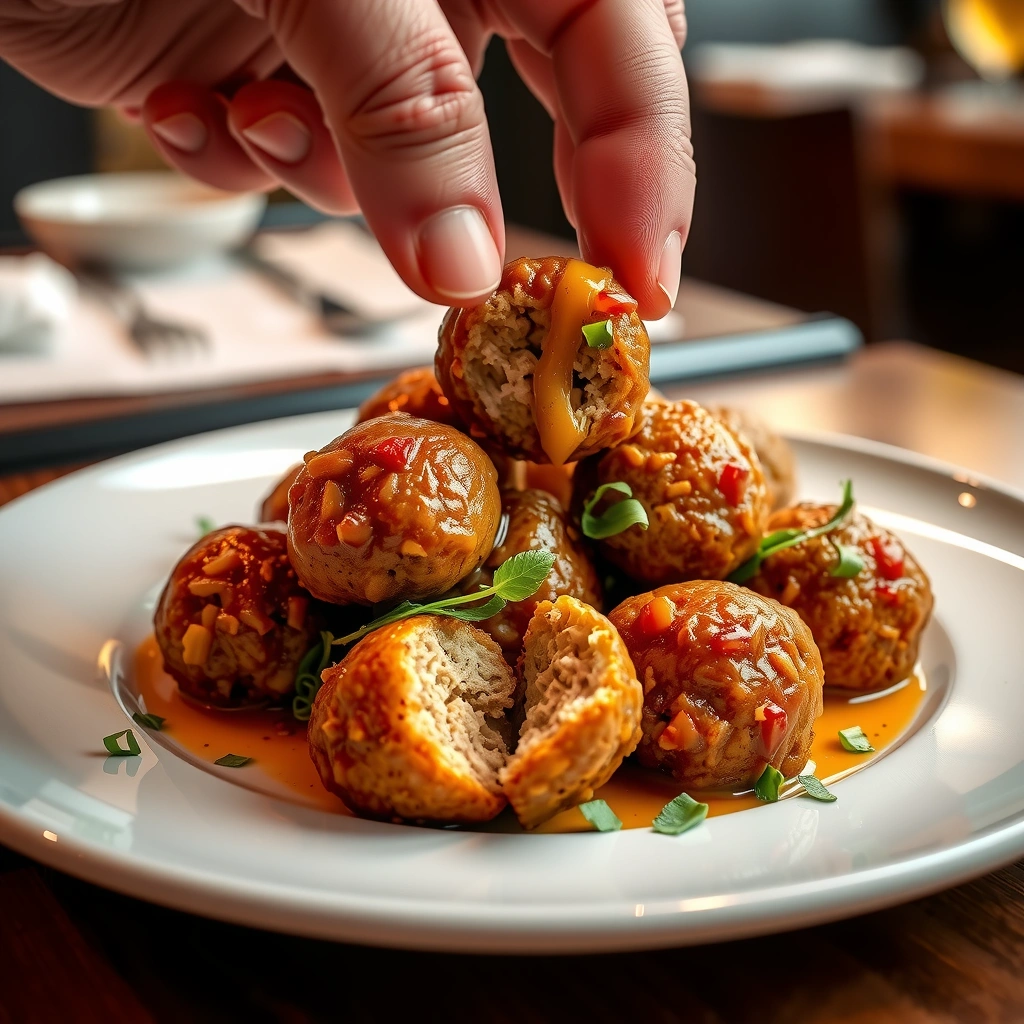
Crunch comes from coating integrity, not from rushing. Think of your coating process as a system: surface dryness + strong adhesion + a crisp outer layer.
Form balls without overhandling
Overhandling warms the mixture and softens the fat, which leads to cracks or coating loss. Instead:
– Roll quickly and lightly.
– Keep a small bowl of flour or breadcrumbs nearby to manage tackiness.
– If the mixture sticks to your hands, lightly dust your palms.
Best coating method for crunch
A reliable, high-crunch coating sequence is:
1. Flour dredge (creates a dry layer that grabs egg)
2. Egg wash (binder that “glues” crumbs on)
3. Panko/breadcrumb coating (creates the crust)
For extra texture, season your coating:
– Add Cajun seasoning to panko for flavor at the crust level.
– Add paprika for color and a subtle smoky sweetness.
“Coat twice” tip for extra crispiness
Want restaurant-style crunch? Use a coat-twice approach:
– After the first egg and crumb coat, let the balls sit 2–3 minutes.
– Re-dip in egg, then roll in panko again.
This thickens the exterior and reduces the chance the crust flakes off when serving.
Frying Boudin Balls to Golden Perfection
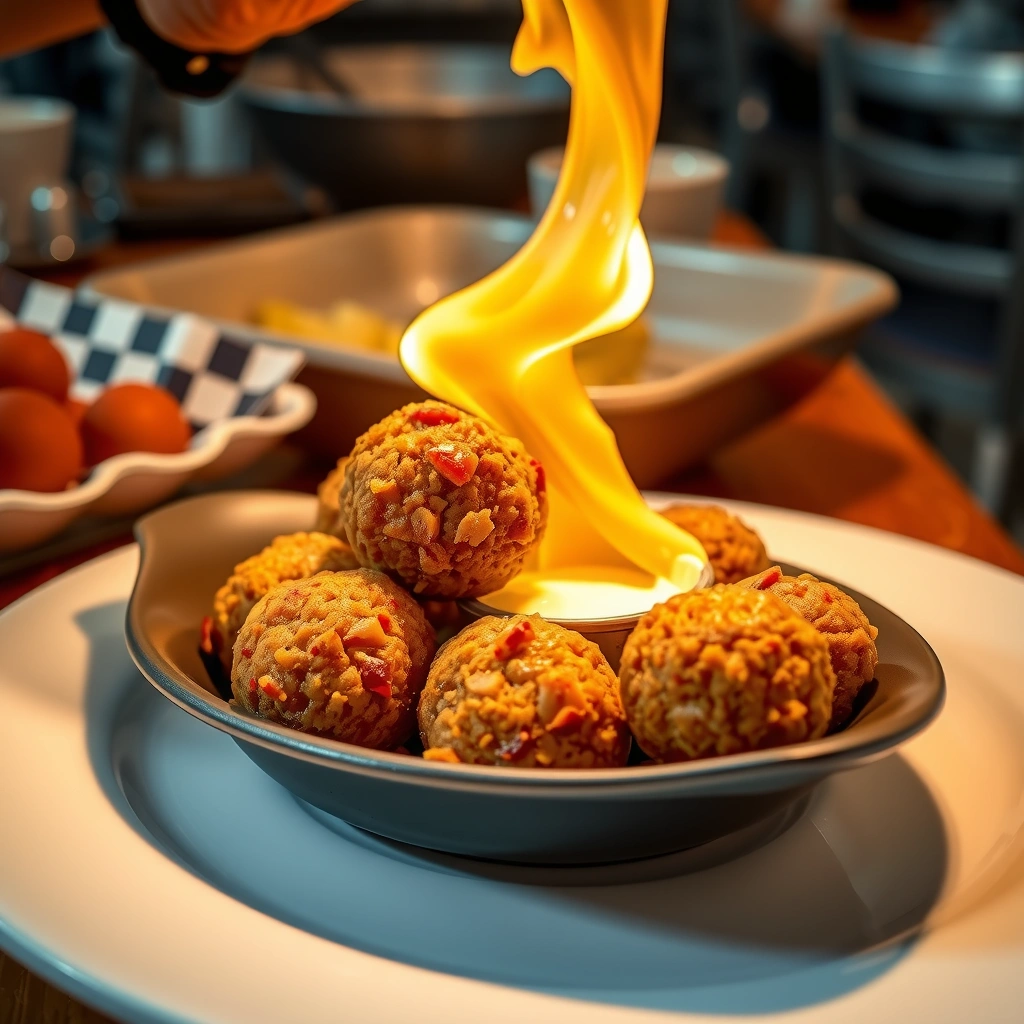
Frying creates the signature crispness—but only if your temperature and timing are disciplined. Inconsistent oil temperature is the most common reason for soggy breading.
Ideal oil temperature range (and why it matters)
Target 360°F (182°C) for standard deep frying. Acceptable range: 350–370°F (177–188°C).
– Too cool: coating absorbs oil, turns greasy, and browns slowly.
– Too hot: crust hardens rapidly and can brown before the center warms and sets.
Use a thermometer if you want repeatable results—“by eye” often leads to wide batches and uneven doneness.
Fry time and how to tell they’re done
Typical fry time: 3–4 minutes for 1.5–2 inch balls. They’re done when:
– They’re deep golden brown across the surface.
– They feel firm, not doughy, when gently tested with tongs.
– If you have an instant-read probe, the center should be hot and fully warmed (boudin is usually cooked already, but the goal is a set, heated interior).
Avoid overcrowding the pot. Fry in small batches so the oil temperature doesn’t drop.
Draining and serving tips to keep them crisp
1. Lift balls with a mesh strainer and let excess oil drain for 30–60 seconds.
2. Place on a wire rack (not paper towels) to maintain crispness.
3. Serve immediately or hold briefly in a warm oven (around 200°F / 95°C) for up to 15 minutes.
If you pile them on a tray without airflow, steam builds up and the crust softens quickly.
Baking (or Air-Frying) Boudin Balls Instead
You can absolutely bake or air-fry boudin balls for a lighter option—crispness depends on airflow, surface dryness, and a bit of applied fat to help browning.
Baking/air-fryer steps for a lighter option
Before cooking (both methods):
– Keep balls chilled.
– Arrange with space around each ball (air circulation prevents sogginess).
– Lightly spray or brush the exterior with oil.
Oven baking approach:
1. Preheat to 425–450°F.
2. Set balls on a wire rack over a baking sheet.
3. Bake until golden, flipping once halfway for even browning.
Air-fryer approach:
1. Preheat if your model requires it.
2. Cook at 380–400°F until crisp and golden.
3. Flip/turn once to promote even crust color.
Keeping the coating crisp in the oven
The biggest oven-related issue is moisture pooling. Use:
– Wire rack: crucial for crispness.
– Hot preheated oven: starting cold slows browning.
– Light oil spray: supports crust formation without deep-frying oiliness.
Timing guidance and flipping/turning tips
– Air fryer: typically 9–14 minutes depending on coating thickness and ball size; flip once at the halfway mark.
– Baking: typically 16–22 minutes on a rack; flip once halfway to ensure both sides brown evenly.
If you notice pale sides, increase time slightly rather than raising temperature dramatically—overheating can dry the interior too much.
Serving Ideas and Storage Tips
Great boudin balls deserve equally great dipping sauces and smart reheating so leftovers don’t become disappointing.
Classic pairings (and why they work)
– Creole/mustard sauce: tangy mustard cuts through richness.
– Remoulade: creamy, herbaceous contrast boosts Cajun flavor without masking spice.
– Hot sauce (Louisiana-style): intensifies the heat and adds brightness.
– Optional: garlic aioli or spicy ranch for a smoother, crowd-friendly profile.
Best ways to reheat for crunch
Avoid microwaving if you want crispness. Instead:
– Oven reheat: 400°F (204°C) for 6–10 minutes on a wire rack.
– Air fryer: 350–375°F for 3–6 minutes, shaking once.
If you reheat from frozen, add a couple of extra minutes—watch color rather than time alone.
Storage timeline + food safety note
– Refrigerate leftovers in a sealed container for up to 3 days.
– Freeze cooked boudin balls (fully cooled) for up to 2 months.
– For safety and quality: cool promptly, store cold quickly, and reheat until hot throughout.
—
Boudin balls are easy to make once you master shaping, coating, and cooking method. Use chilling for better texture, coat thoroughly for crunch, and follow the fry or bake timing for golden results. Make a batch today, serve them hot with your favorite dipping sauce, and save leftovers to reheat for another crispy snack.
References
- Google Scholar Google Scholar
https://scholar.google.com/scholar?q=boudin+balls+recipe - Google Scholar Google Scholar
https://scholar.google.com/scholar?q=boudin+sausage+frying+food+processing - Google Scholar Google Scholar
https://scholar.google.com/scholar?q=cajun+food+boudin+balls+deep+fried - Boudin
https://en.wikipedia.org/wiki/Boudin - Boudin
https://en.wikipedia.org/wiki/Boudin_blanc - https://www.britannica.com/topic/boudin
https://www.britannica.com/topic/boudin - https://www.fsis.usda.gov/food-safety/safe-food-handling-and-preparation/food-safety-basics
https://www.fsis.usda.gov/food-safety/safe-food-handling-and-preparation/food-safety-basics - https://www.fda.gov/food/people-and-households/food-safety-basics
https://www.fda.gov/food/people-and-households/food-safety-basics - Food Safety | Food Safety | CDC
https://www.cdc.gov/foodsafety/index.html - Cajun cuisine
https://en.wikipedia.org/wiki/Cajun_cuisine