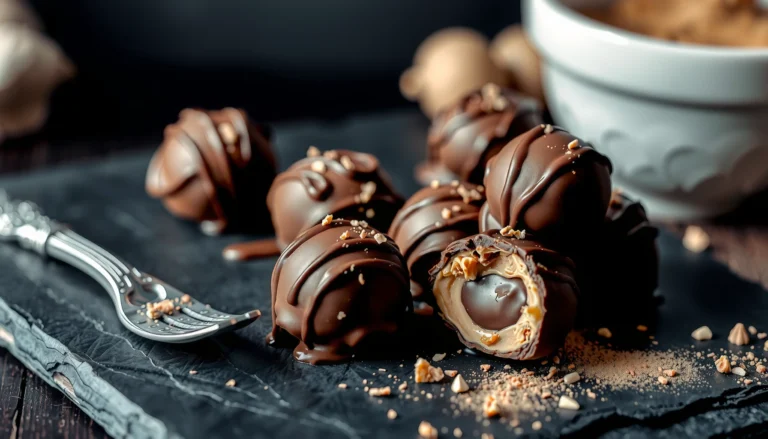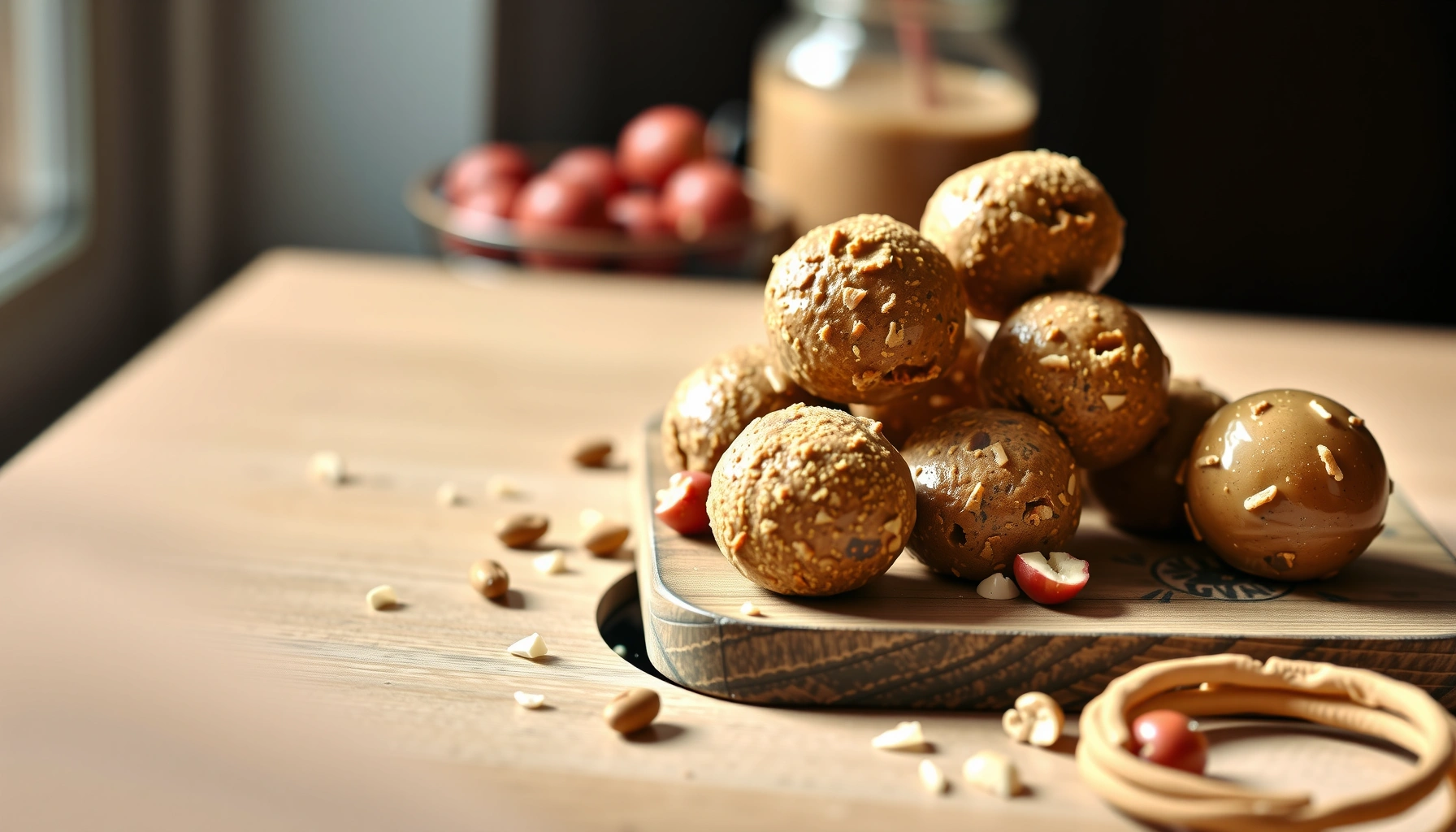
Protein powder ball recipes deliver the fastest way to turn your protein powder into snack-sized, high-protein bites—no baking required. This guide picks the winning flavor and texture setups (chewy, chocolatey, or peanut-butter style) and shows exactly how to mix, roll, and chill for reliable results. If you want easy protein powder balls that actually hold together and taste good, the steps and ratios are the answer.
Protein powder ball recipes are the quickest way to turn your protein powder into grab-and-go, no-bake snack bites—no mixer, no oven, and minimal cleanup. With the right binder-to-protein ratio and a few texture checks (dry vs. sticky), you can reliably make flavor-forward, high-protein bites that keep well for workouts and busy days.
Essential Ingredients for Protein Powder Balls
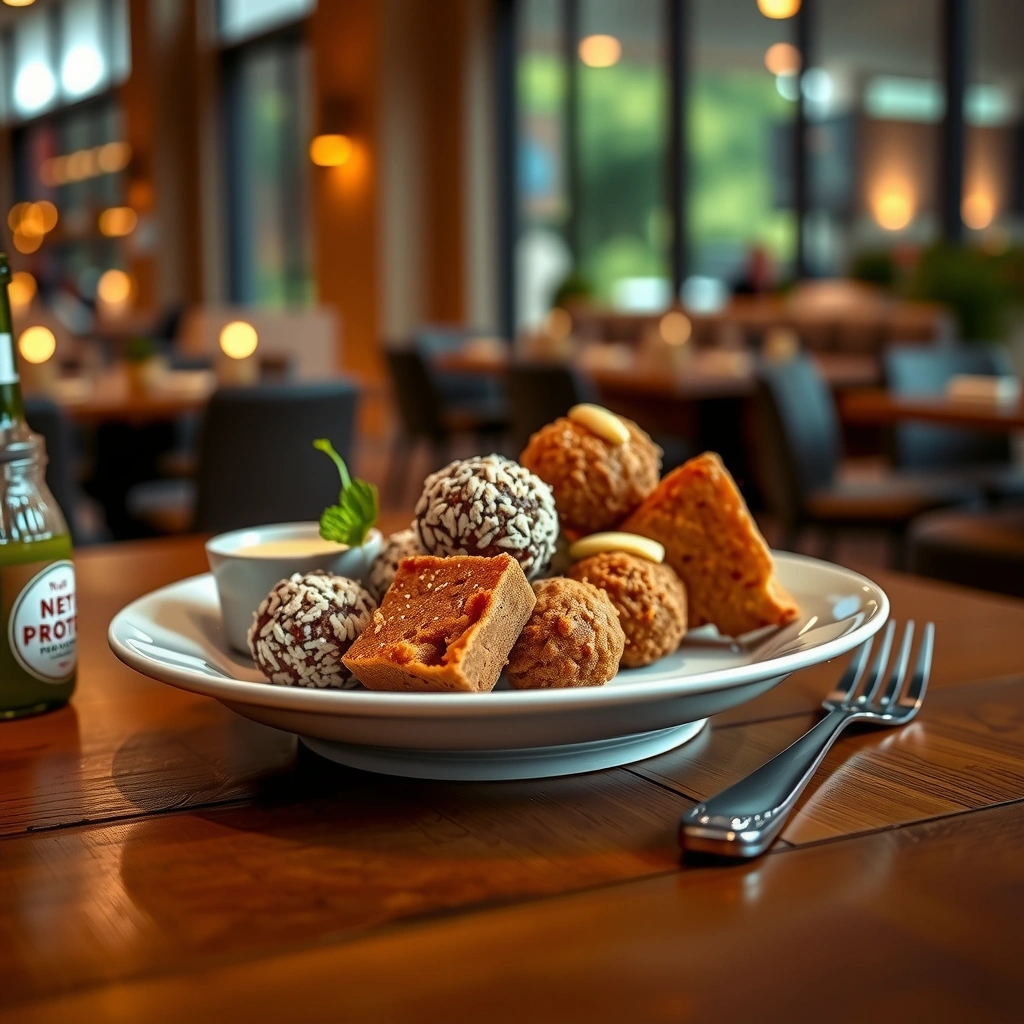
Protein powder balls work because protein powder provides structure and flavor, while binders provide the “glue” that lets everything roll and set without baking. Once you understand what each ingredient is doing, recipe consistency becomes much easier—especially when you switch between protein brands.
– Choose a protein powder type (whey, casein, or plant-based) that matches your flavor goals
– Whey protein (especially concentrates) tends to be more mix-friendly and can taste lighter when paired with cocoa or vanilla.
– Casein often creates a thicker, more cohesive dough because it gels more readily; it’s a strong choice for “chewy” balls.
– Plant-based protein (pea, rice blends) varies widely. Many plant proteins can taste more “beany,” so stronger flavors (cocoa, cinnamon, vanilla) and binders with natural sweetness (dates, nut butter) help balance flavor.
– Practical tip: if you’re using unflavored protein, plan to add at least one flavor booster (cocoa, vanilla, cinnamon) rather than relying on the base powder.
– Use binding ingredients like nut butter, yogurt, or dates to help them hold together
– Nut butter (peanut, almond, cashew) is one of the most reliable binders because it’s oily and sticky; it also improves mouthfeel.
– Greek yogurt (especially thick varieties) creates a softer dough that can firm up in the fridge, but it may require extra dry ingredients to prevent excess stickiness.
– Dates (blended/paste) add both binding power and natural sweetness. They’re especially helpful when you want “dessert-like” balls without added sugar.
– Optional binders depending on your diet: mashed banana, cooked quinoa (a small amount for texture), or oats ground into a flour-like consistency.
– Add flavor boosters (cocoa, vanilla, cinnamon) for that “dessert” taste
– Cocoa powder naturally darkens and intensifies chocolate flavor; use it even if your protein is chocolate to get that rich brownie vibe.
– Vanilla extract smooths bitterness and boosts aroma, particularly with unflavored whey or plant proteins.
– Cinnamon works well with vanilla, apple-cinnamon profiles, and even peanut butter combinations.
– Practical tip: start with small amounts (e.g., 1/4–1/2 tsp cinnamon or 1/2 tsp vanilla) and adjust after your first batch—protein powders differ in sweetness and bitterness.
To make your results more predictable across brands, it helps to know the typical “behavior” differences among protein powders. The table below summarizes what to expect when mixing protein balls—use it as a starting point for troubleshooting.
Protein Powder Ball Performance by Protein Type (Practical Mixing Guide)
| # | Protein type | Typical texture after chilling | Binder synergy (best match) | Common issue | Batch reliability rating |
|---|---|---|---|---|---|
| 1 | Whey concentrate | Firm with slight chew | Nut butter + dates | Can taste slightly “drier” if under-chilled | ★★★★☆ |
| 2 | Whey isolate | Dense, can be more crumbly | Nut butter + yogurt | May need extra binder for cohesion | ★★★★☆ |
| 3 | Casein | Thick, cohesive, chewy | Nut butter + dates | Can feel “heavy” if binder is too oily | ★★★★★ |
| 4 | Pea/rice blend (plant) | Varies: can be chewy or slightly gritty | Dates + nut butter | Aftertaste/botanical notes | ★★★☆☆ |
| 5 | Soy protein (plant) | Often holds well; smooth when sweetened | Yogurt + cocoa | May taste “toasty” without cocoa/vanilla | ★★★★☆ |
| 6 | Plant protein (brown rice/casein-free blends) | Can be drier; needs binder boost | Nut butter + ground oats | Dry finish if binder-to-powder ratio is low | ★★★☆☆ |
| 7 | Unflavored protein (any type) | Neutral but can taste bland without boosters | Dates + cocoa/vanilla | Flavor “shadow” if you don’t add enough cocoa/vanilla | ★★★★☆ |
Basic No-Bake Protein Ball Recipe (Step-by-Step)
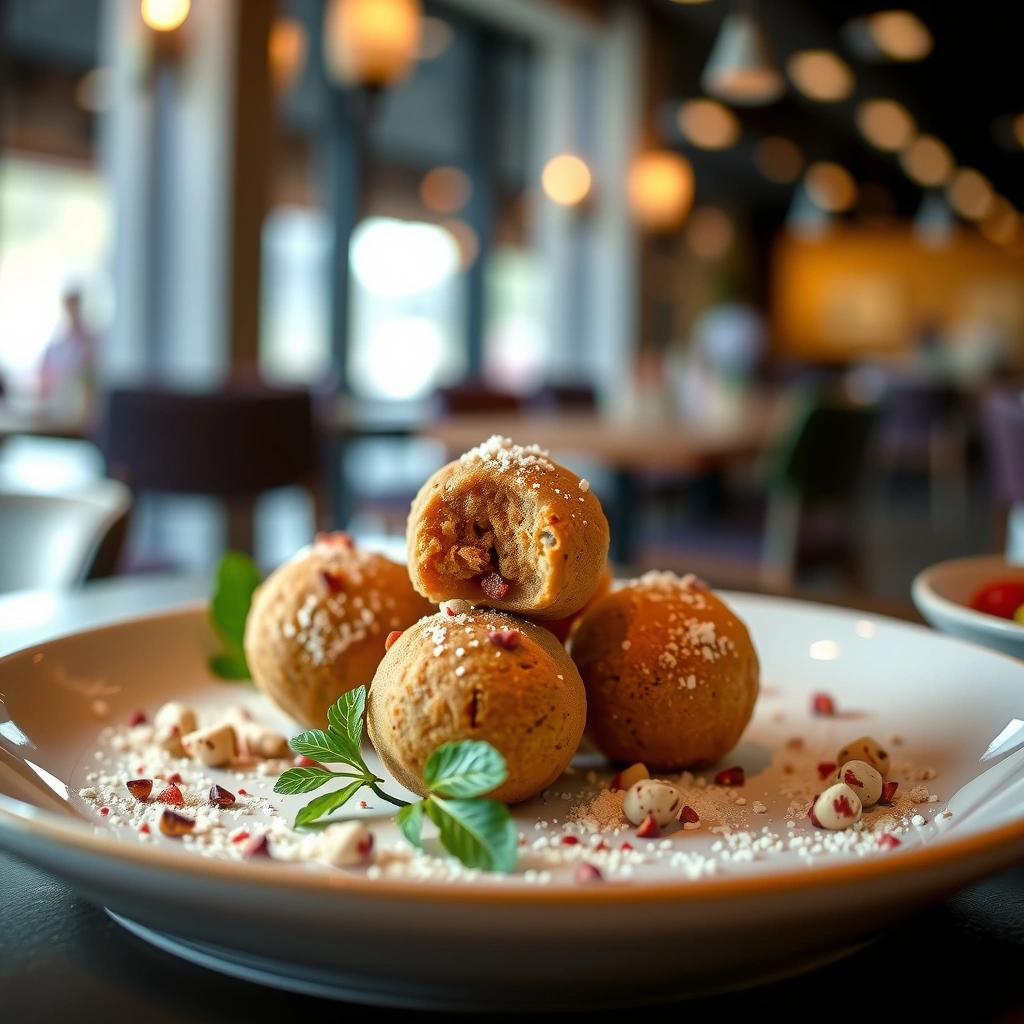
Think of protein balls as a dough formula: protein powder + binder + optional flavor. Below is a reliable base recipe that you can scale and customize without baking.
Base recipe (makes ~12 balls, ~1-inch size):
– 1 cup (about 90–100 g) protein powder
– 1/2 cup (about 120 g) nut butter or 1/2 cup date paste
– 2–4 tbsp liquid (start with 2 tbsp): milk, water, or Greek yogurt
– 1–2 tbsp add-ins (optional): cocoa powder, shredded coconut, ground oats
– Pinch of salt (optional, but it tightens flavor)
Step-by-step
1. Combine dry ingredients first. In a bowl, mix protein powder with cocoa/cinnamon (if using) and a pinch of salt. This helps prevent clumps and ensures even flavor distribution.
2. Add binder and mix until thick. Add nut butter or date paste, then stir until you form a thick, rollable dough. If it looks crumbly, you’re usually missing moisture or fat—not more mixing.
3. Adjust consistency in small increments. Add liquid 1 tbsp at a time (or slightly less), mixing thoroughly each time. The dough should hold shape when pressed between fingers.
4. Roll into bite-size balls. Portion into even sizes using a spoon or scoop (consistency improves both nutrition tracking and texture).
5. Chill to firm up and set. Refrigerate for at least 30–60 minutes. Warmer kitchens may require 1–2 hours.
6. Optional “set” step for smoother texture. If the balls feel slightly soft, roll them again with clean hands after 15 minutes of chilling—this can create a cleaner surface.
If you change protein brands, don’t assume the same liquid level will work. The “right” binder and hydration will depend on protein type and powder fineness.
Flavor Variations to Try (Chocolate, Vanilla, Peanut Butter)
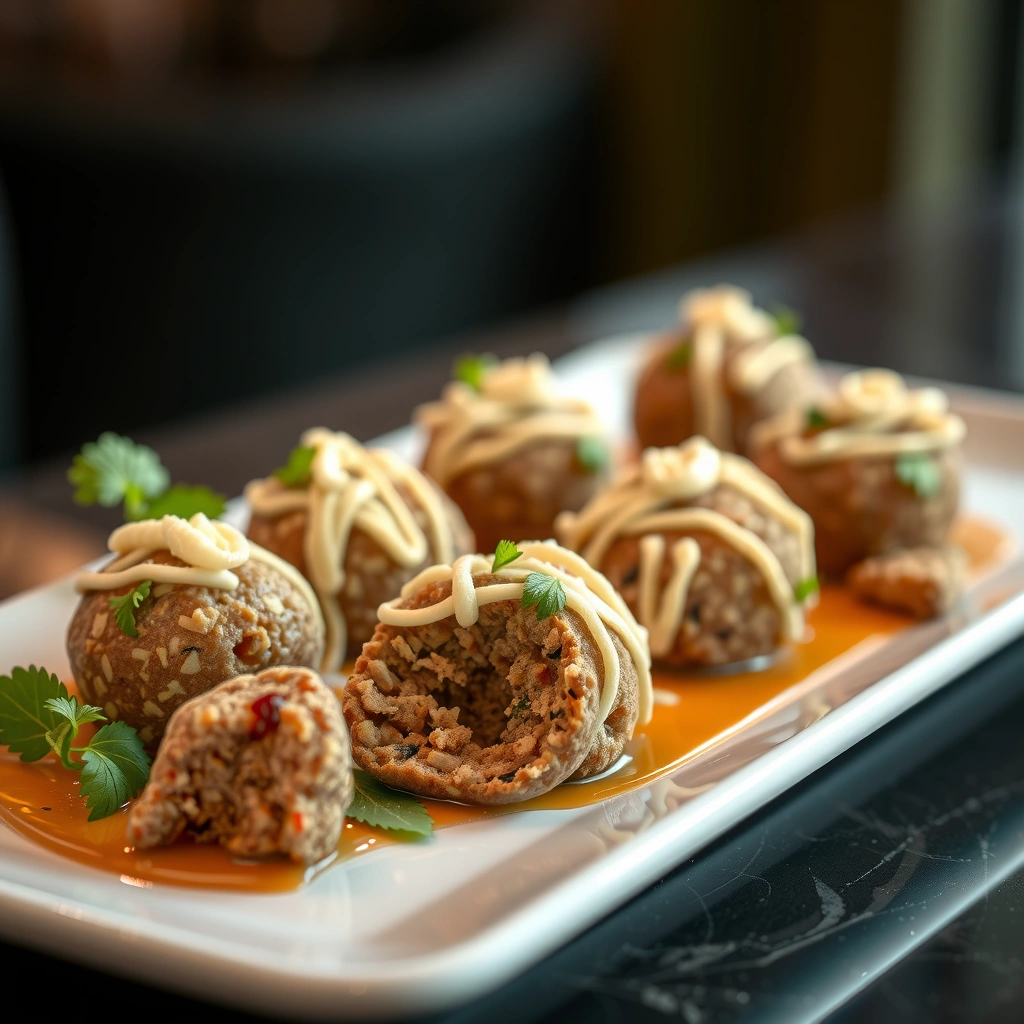
Flavor variations are where protein powder balls stop feeling like “diet food” and start feeling like real dessert bites. Choose a primary flavor and then build around it with complementary ingredients.
– Chocolate: cocoa powder + chocolate protein for a rich, brownie-like bite
– Mix in 2–4 tbsp unsweetened cocoa powder (depending on intensity).
– Add 1–2 tbsp chocolate chips or chopped dark chocolate for pockets of sweetness.
– If your chocolate protein tastes bitter, a small splash of vanilla (1/4–1/2 tsp) helps round it out.
– Vanilla: vanilla extract + cinnamon for a classic, lighter profile
– Add 1/2 tsp vanilla extract plus 1/4 tsp cinnamon.
– Consider stirring in 1–2 tbsp ground oats for a softer, cookie-dough feel.
– For sweetness without excess sugar, use a date paste or choose vanilla-friendly yogurt as part of your binder.
– Peanut butter: peanut butter + chopped nuts for extra crunch and staying power
– Use peanut butter as your binder and add 1–2 tbsp chopped peanuts or walnuts.
– For a “reese-style” effect, add cocoa (1 tbsp) and a pinch of salt.
– If you notice dryness, peanut butter absorbs moisture differently by brand—add liquid gradually rather than overcorrecting.
Professional tip: If you’re making multiple flavors in one batch, keep the base dough slightly firmer than you think you need. Then, when you mix in flavor add-ins, you’ll fine-tune each portion separately.
Make Them the Right Texture Every Time
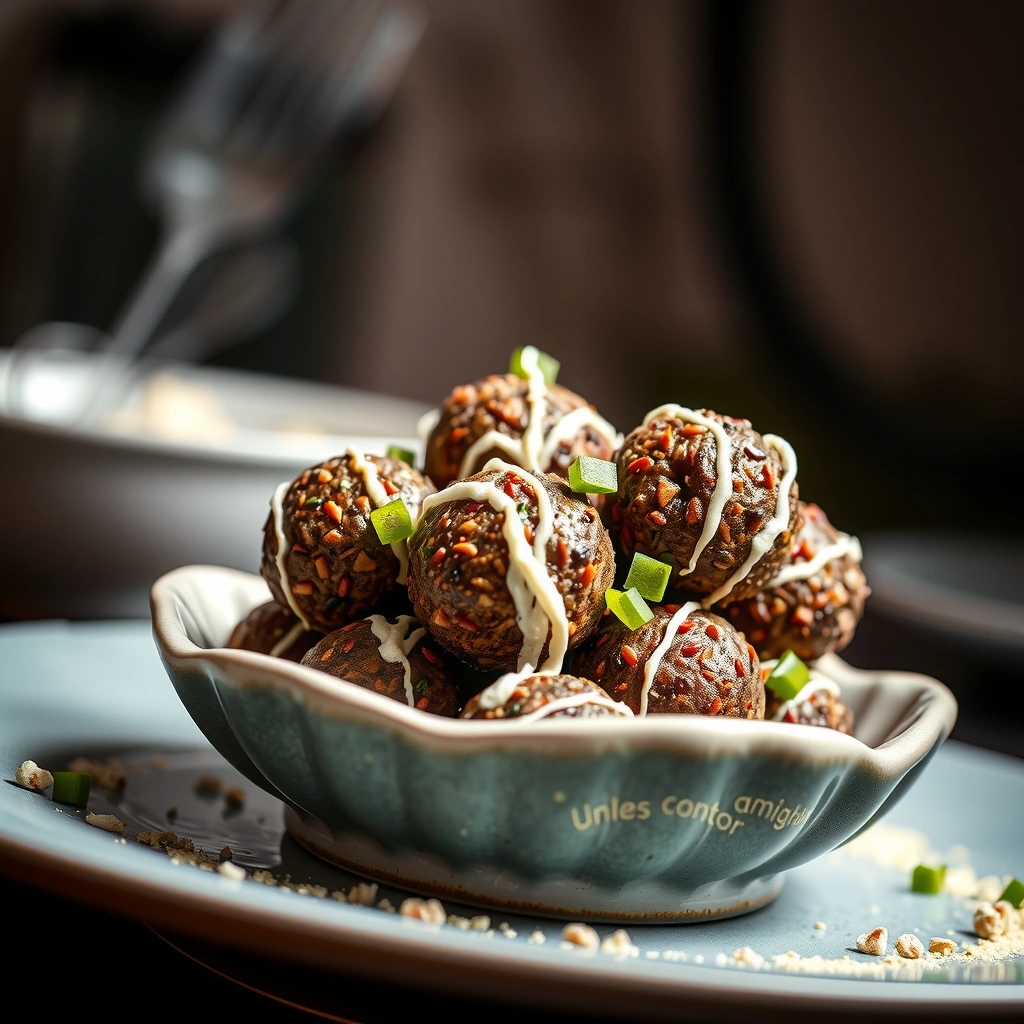
Texture is the difference between a snack that holds up in your gym bag and one that turns into crumbs. Most texture problems come from hydration mismatch, protein type differences, or insufficient chilling time.
– If they’re too dry, add 1 tsp at a time of water, milk, or binder
– Dry balls often happen when the protein powder is more absorbent than expected.
– Add small increments, mixing well each time, until the dough compresses without crumbling.
– If they’re too sticky, add protein powder (or oats) gradually
– Sticky dough usually means too much liquid or a binder that’s softer than intended (e.g., runny nut butter).
– Add 1 tbsp protein powder at a time; oats work particularly well if you want a more “granola-like” bite.
– Chill longer for firmer balls, especially if your kitchen is warm
– For best stability, chill at least 60 minutes. In warm climates, extend to 2 hours.
– If your balls still feel soft after chilling, it’s usually a ratio issue (too much moisture or too little binder), not just time.
A practical approach used by many meal-prep oriented athletes: make one “test ball.” Chill it for 20–30 minutes while you form the rest. Then you can quickly adjust the main dough before committing to the whole batch.
Nutrition & Portion Tips
Protein powder balls are a high-protein snack, but “high-protein” can still vary significantly by recipe. Portion control is how you turn a good snack into a dependable nutrition tool.
– Use a measured scoop so each ball stays consistent in protein and calories
– If one scoop is 20 g and another is 35 g, your macros will drift batch-to-batch.
– Choose a target (e.g., 25–30 g per ball) and repeat it for every bite.
– Pair with fruit or yogurt for balanced macros if you’re using them as a meal snack
– Example strategy: 2 protein balls + a piece of fruit (banana, berries, or apple) + a serving of yogurt adds carbohydrates for energy and improves satiety.
– For post-workout recovery, the fruit component can support glycogen replenishment alongside protein.
– Consider different protein powders if you’re sensitive to taste or aftertaste
– Some people find whey blends or plant proteins develop an “after” flavor in no-bake recipes.
– If that’s you, try casein for a smoother mouthfeel or switch to a vanilla/cocoa protein and increase cocoa/vanilla slightly to mask bitterness.
One more business-friendly angle: consistent portions make it easier to track results, reduce snack “guessing,” and maintain daily adherence—especially for teams and high-pace schedules.
Storage, Shelf Life, and Meal Prep
Protein powder balls are ideal for meal prep because they’re stable, portable, and require no reheating. The key is storing them airtight to prevent moisture loss and flavor drift.
– Store in an airtight container in the fridge for best freshness
– Refrigeration helps them set firmly and keeps the flavors intact.
– Aim to consume within about 5–7 days for best quality (texture is typically better before day 7).
– Freeze portions for longer prep—thaw in the fridge or enjoy straight from cold
– Freezing can extend shelf life to about 1–2 months.
– For grab-and-go, thaw overnight in the fridge or keep them partially frozen for a firmer bite.
– Keep mix-ins (like chocolate chips or nuts) even so every bite is consistent
– Add mix-ins to the dough and fold thoroughly before portioning.
– If you’re doing multiple flavors, label containers clearly to prevent mix-ups and ensure you use the right snack at the right time.
Quick batching workflow (highly effective)
1. Make base dough.
2. Split into flavor portions.
3. Add mix-ins and fine-tune texture for each flavor.
4. Portion with a scoop.
5. Chill until set, then store or freeze.
Protein powder ball recipes are an easy, high-protein snack you can customize with simple ingredients and quick prep steps. Pick one base recipe, try a flavor variation, and use small ingredient tweaks to dial in texture—then portion and store for reliable grab-and-go nutrition during workouts and busy days.
References
- Google Scholar Google Scholar
https://scholar.google.com/scholar?q=protein+powder+energy+balls+recipe - Google Scholar Google Scholar
https://scholar.google.com/scholar?q=protein+powder+truffles+no-bake+energy+bites - Google Scholar Google Scholar
https://scholar.google.com/scholar?q=protein+powder+energy+snacks+nutrition+review - https://ods.od.nih.gov/factsheets/Protein-HealthProfessional/
https://ods.od.nih.gov/factsheets/Protein-HealthProfessional/ - https://www.mayoclinic.org/healthy-lifestyle/nutrition-and-healthy-eating/in-depth/protein/art-20045368
https://www.mayoclinic.org/healthy-lifestyle/nutrition-and-healthy-eating/in-depth/protein/art-20045368 - https://en.wikipedia.org/wiki/Energy_ball
https://en.wikipedia.org/wiki/Energy_ball - Protein supplement
https://en.wikipedia.org/wiki/Protein_powder - https://pubmed.ncbi.nlm.nih.gov/?term=whey+protein+muscle+hypertrophy+review
https://pubmed.ncbi.nlm.nih.gov/?term=whey+protein+muscle+hypertrophy+review - https://pubmed.ncbi.nlm.nih.gov/?term=protein+supplementation+satiety+randomized+trial
https://pubmed.ncbi.nlm.nih.gov/?term=protein+supplementation+satiety+randomized+trial - https://www.sciencedirect.com/search?qs=protein+energy+balls+whey+protein
https://www.sciencedirect.com/search?qs=protein+energy+balls+whey+protein