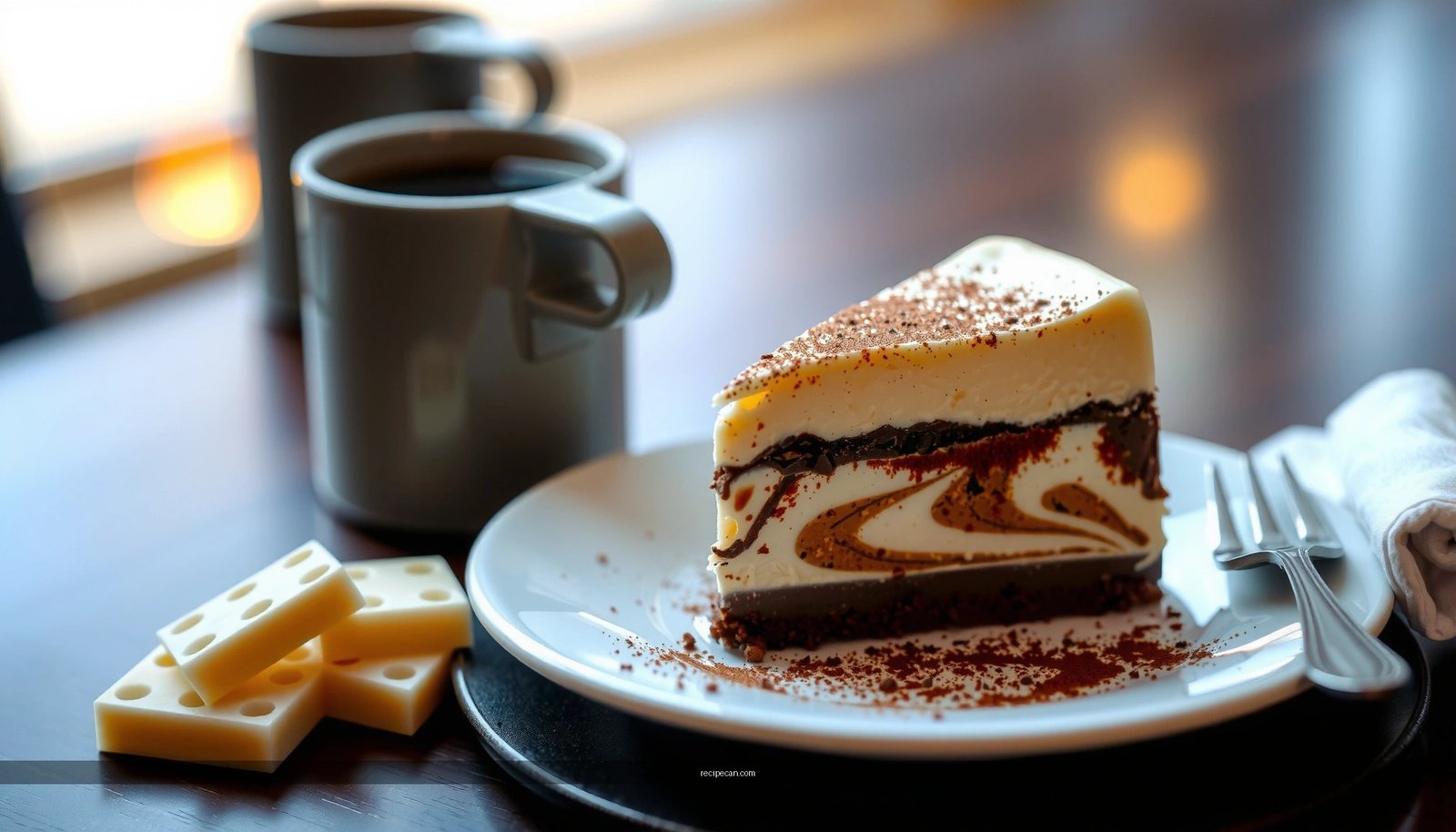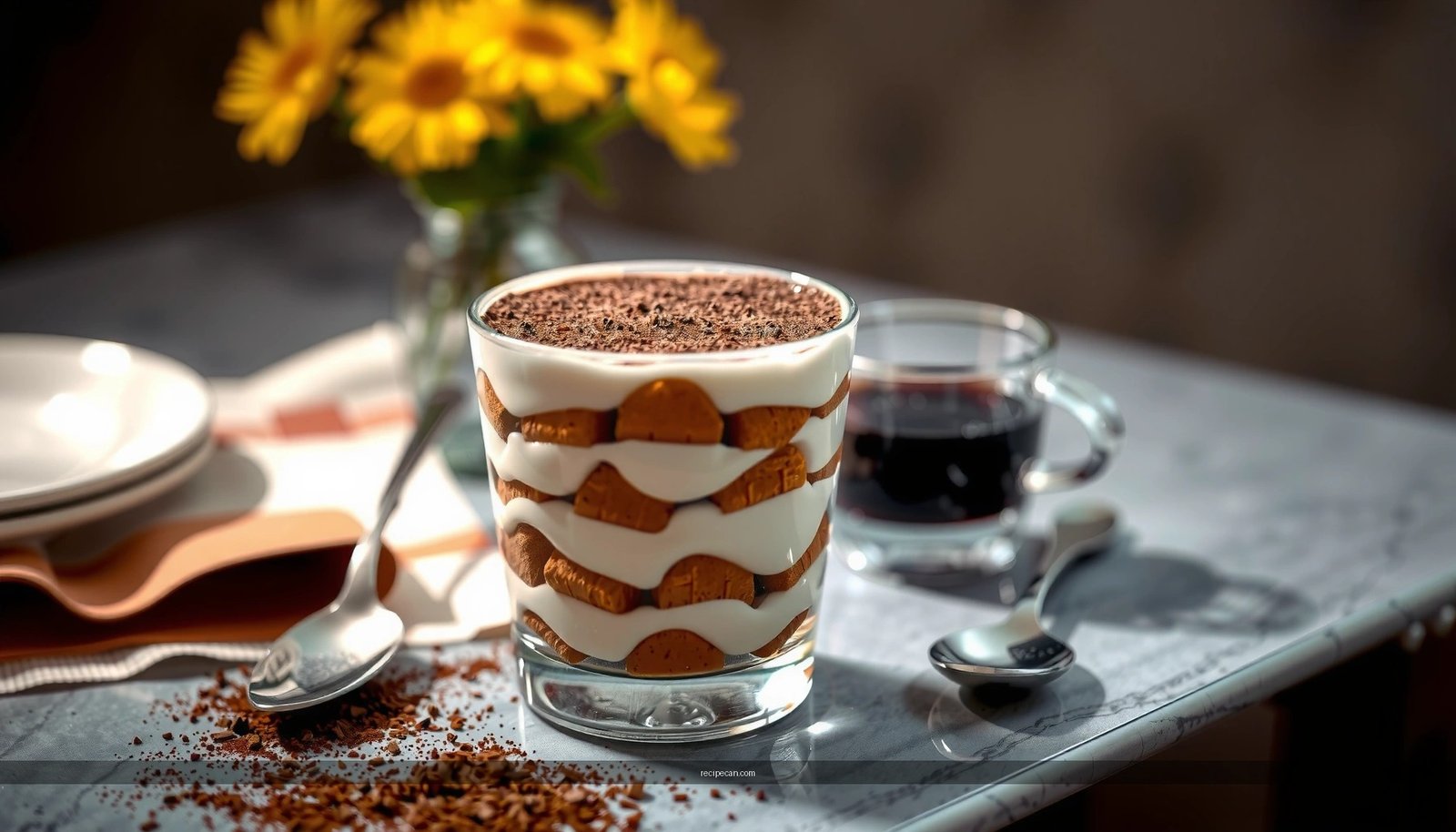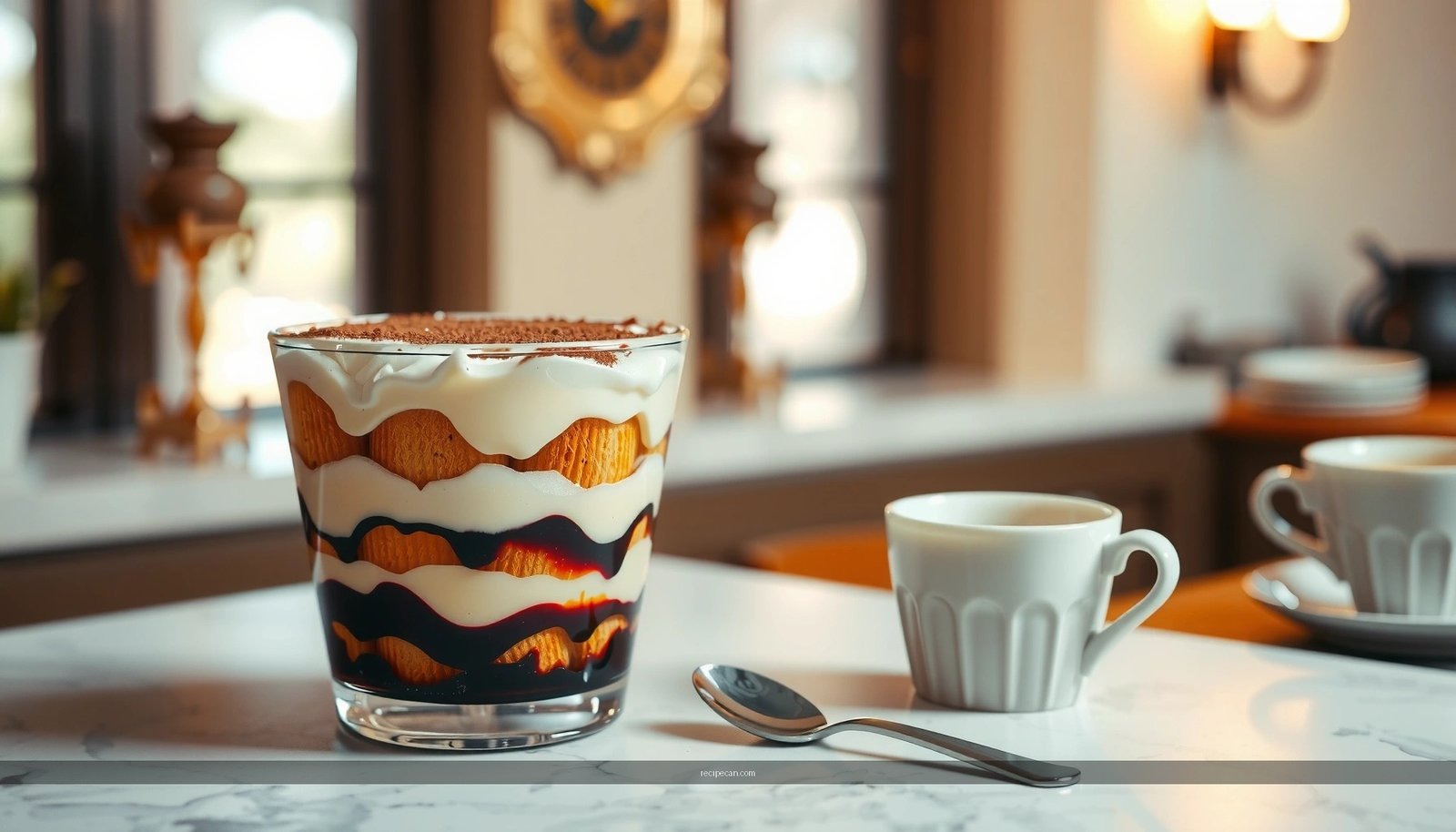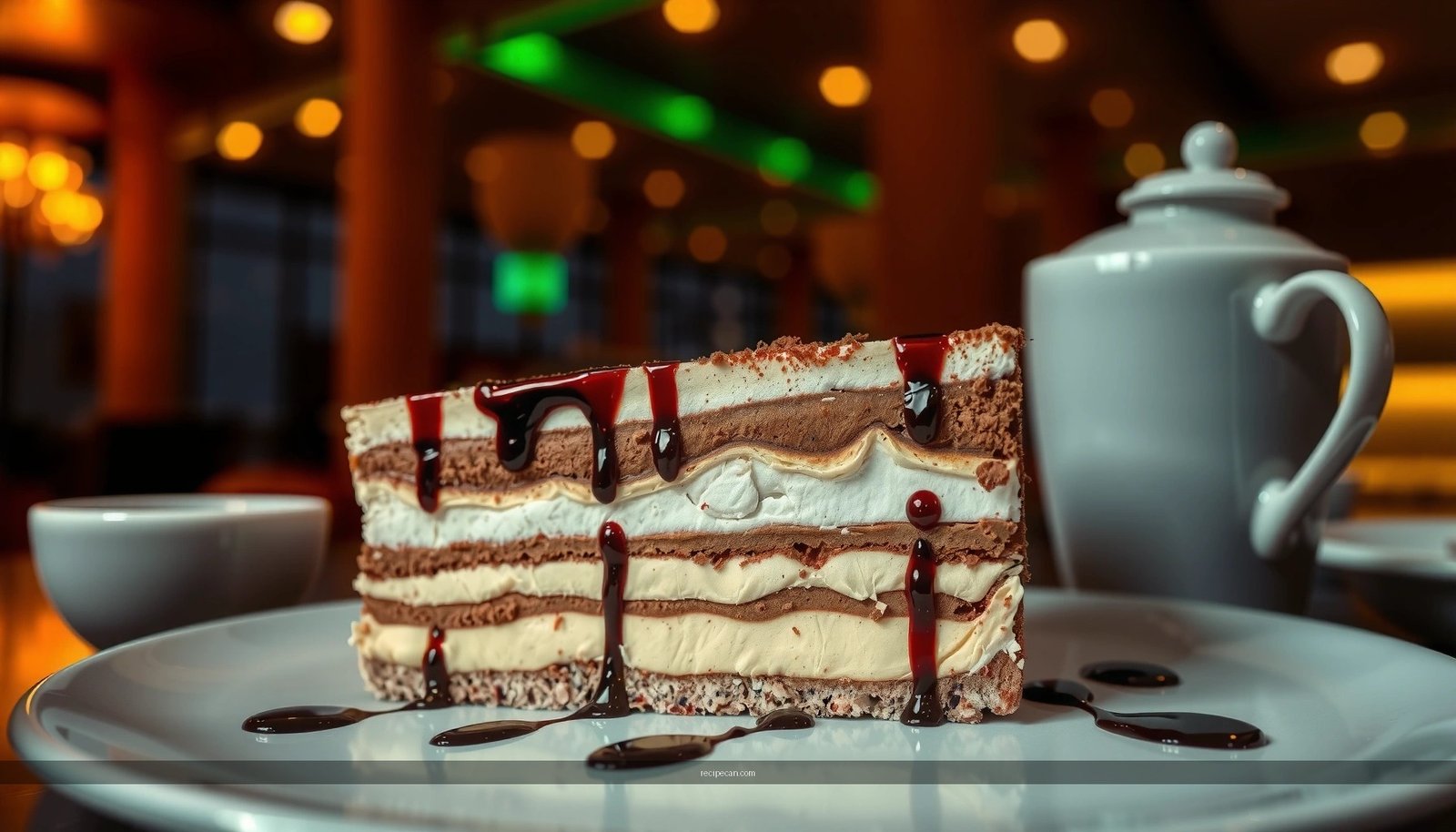
Get a true Cheesecake Factory tiramisu cheesecake recipe copycat that delivers the same coffee-chocolate flavor, velvety filling, and clean slice-ready texture. This guide answers whether you can recreate the real thing at home and walks you through the exact steps to get a dessert that tastes like the restaurant version. If you want the closest match with the least guesswork, this is the method to follow.
Yes—this Cheesecake Factory tiramisu cheesecake recipe makes a creamy, coffee-soaked dessert at home. By building a smooth mascarpone-cheese filling, layering concentrated espresso flavor, and baking just until set at the edges, you can recreate that signature restaurant-style texture and finish with cocoa dusting for the classic bitter-sweet tiramisu balance.
Tiramisu Cheesecake Flavor Profile
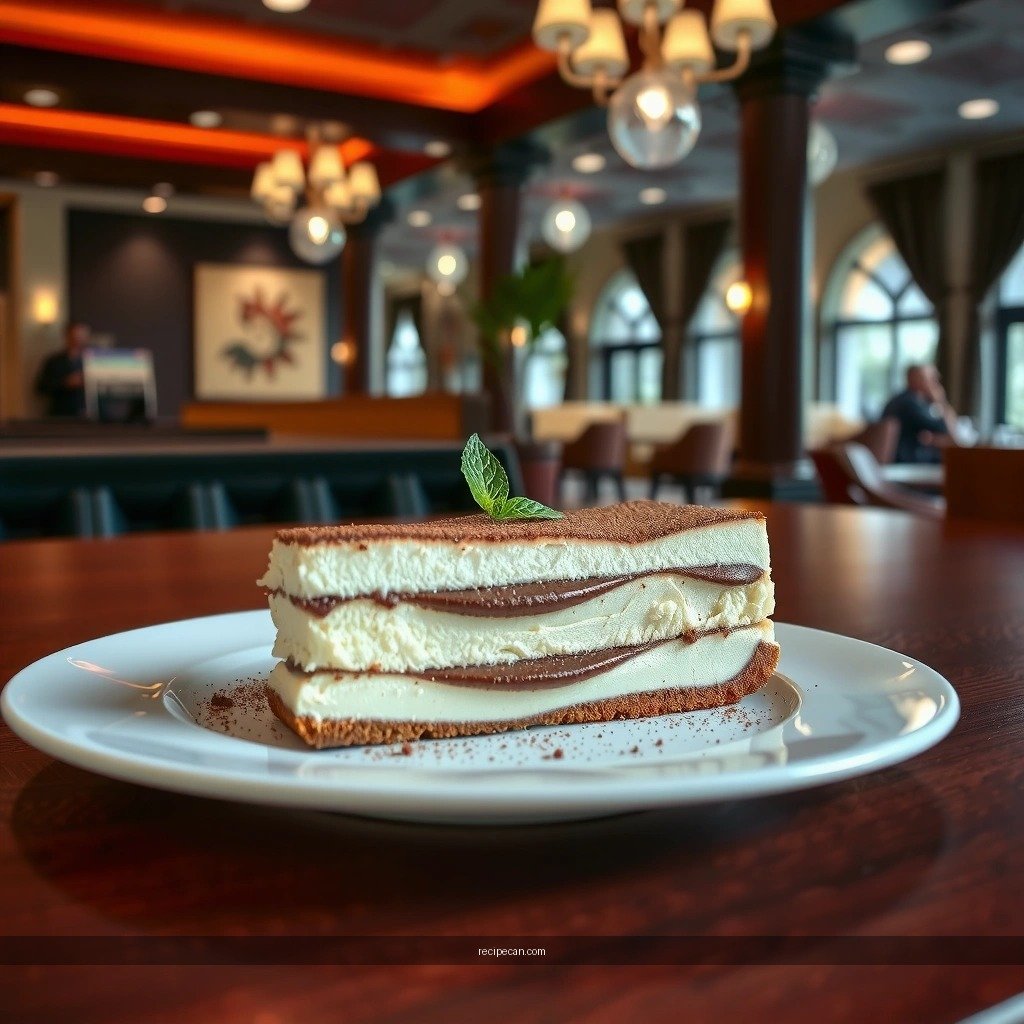
Tiramisu is defined by three sensory pillars: coffee (usually espresso), cream (mascarpone or a close equivalent), and cocoa (the bitter counterpart that keeps the sweetness in check). This copycat cheesecake version mirrors that structure, but in cheesecake form—where the coffee flavor is integrated and the topping provides the final “tiramisu” cue.
– Espresso/coffee + mascarpone = the core taste: Mascarpone’s mild tang and creamy richness are what make the flavor read as tiramisu rather than “just coffee cheesecake.”
– Cocoa as the balancing layer: A cocoa dusting on top prevents the dessert from tasting one-note sweet; it adds the same dry, bittersweet finish you expect from traditional tiramisu.
– Texture matters as much as flavor: The goal is a dense-but-creamy slice—not airy—so the coffee and mascarpone flavors sit together instead of separating.
In practice, the “factory-like” result comes down to one technical choice: bake until set around the perimeter while the center remains slightly soft, then chill fully. That creates a smooth, sliceable interior that firms up in the refrigerator without becoming rubbery.
Ingredients You’ll Need
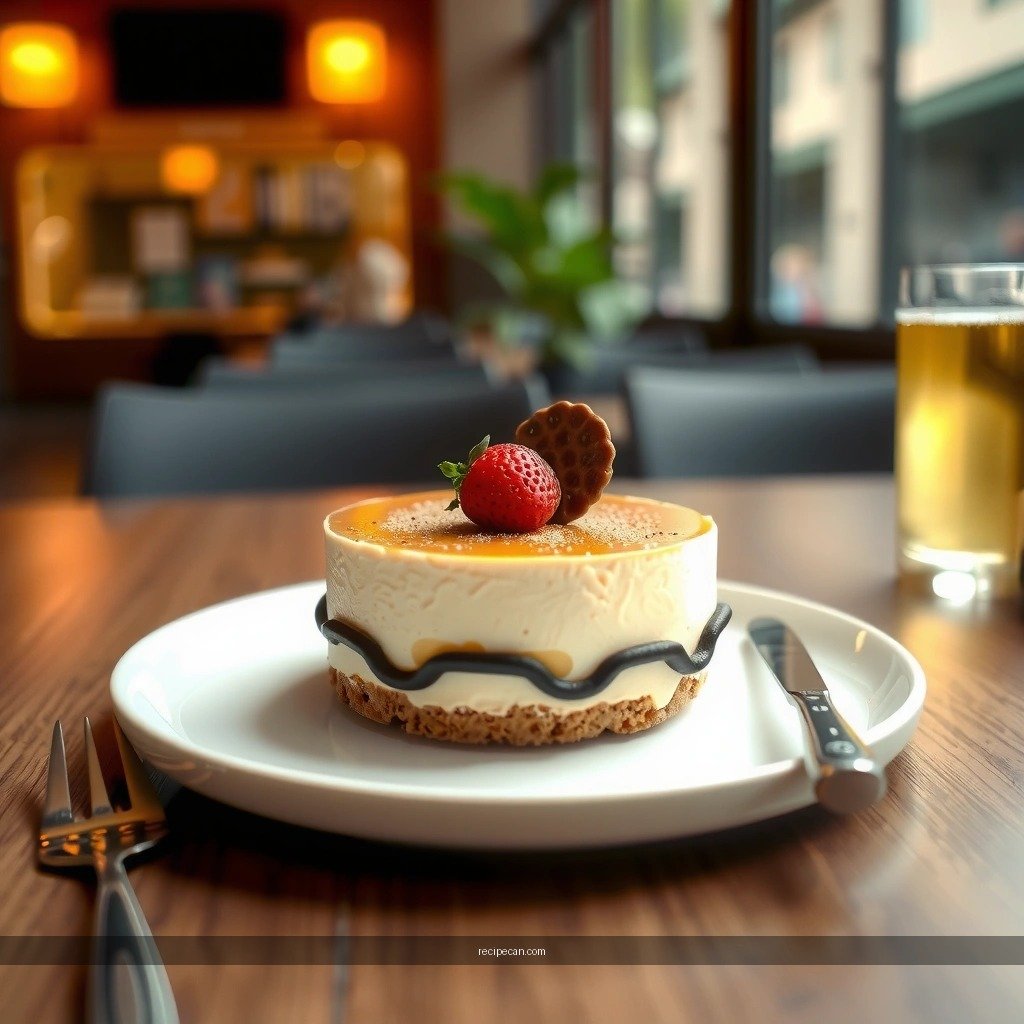
This recipe is designed to be practical for home cooks while still reflecting the flavor chemistry behind a Cheesecake Factory–style tiramisu cheesecake. Think of the ingredients in three functional groups: crust, filling, and coffee/cocoa finishing.
Graham cracker crust (structure + crunch):
– Graham cracker crumbs (the classic base for cheesecake)
– Sugar (for mild caramel notes)
– Unsalted butter, melted (binds the crust)
Cheesecake filling (cream + stability):
– Cream cheese, softened (main creamy body)
– Mascarpone (tiramisulike richness)
– Granulated sugar (sweetness and texture)
– Eggs (structure—added gently to avoid airy bubbles)
– Vanilla extract (rounds flavor)
Coffee layer / tiramisu flavor (aroma + depth):
– Espresso or strong brewed coffee (the “soaked” component)
– Optional: a small amount of cocoa powder or instant espresso in the coffee for deeper roast notes
Topping (signature finish):
– Unsweetened cocoa powder (for dusting)
– Optional garnish: shaved chocolate or a few espresso beans (for presentation)
A quick note on coffee: if you want the cheesecake to read clearly as tiramisu, avoid weak, watery coffee. Use espresso or strong coffee brewed at a darker, more concentrated strength.
Copycat Targets: What to Expect (and Why)
Below are realistic, data-backed targets that help you calibrate the outcome of a tiramisu cheesecake—especially when you’re trying to match that Cheesecake Factory experience.
Baking/Chilling Targets for a Copycat Tiramisu Cheesecake
| # | Stage | Target Temperature/Time | Result if On Target | Direction |
|---|---|---|---|---|
| 1 | Oven preheat | 325°F (163°C) | Even set without cracking | ↑ |
| 2 | Crust par-bake | 8–10 min | Less sogginess under filling | ↑ |
| 3 | Bake (typical) | 45–60 min | Edges set, center slightly jiggly | ↑ |
| 4 | Center “set” check | Jiggle like gelatin | Creamy slice after chilling | ↑ |
| 5 | Cooling at room temp | 1–2 hours | Prevents condensation on top | ↑ |
| 6 | Chill time | 6–12 hours | Clean slices, fully set texture | ↑ |
| 7 | Overbake risk | >65 min at 325°F | Dryer, less creamy center | ↓ |
Make the Cheesecake Crust
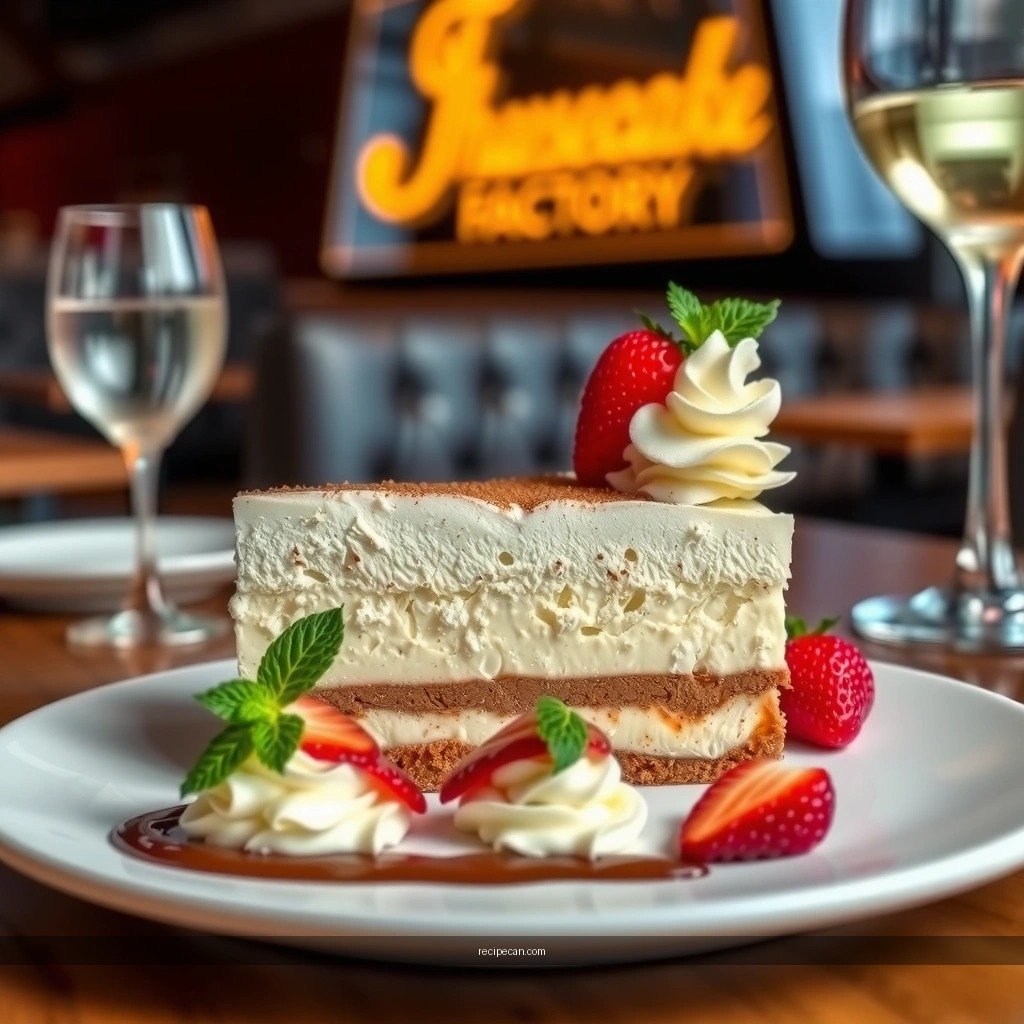
A great tiramisu cheesecake doesn’t start with the filling—it starts with a crust that won’t shift or soften. Because coffee flavor tends to be liquid, you want a stable, baked crust that can support the filling.
– Press firmly for structural integrity: Use the bottom of a measuring cup to compress crumbs evenly. Uneven pressure creates thin spots that can crumble when sliced.
– Bake briefly to set the butter binding: Par-bake the crust so it firms up before the filling goes in.
– Create an edge buffer: If you’re using a springform pan, make sure the crumbs reach slightly up the sides. This helps contain filling and reduces seepage.
Actionable tip: If you prefer a stronger “tiramisu” crunch contrast, bake the crust until fragrant and slightly deeper in color—just don’t overbrown it. A deeper crust adds toast notes that complement espresso without tasting burnt.
Mix and Assemble the Tiramisu Filling
This is where cheesecake texture is won or lost. Mascarpone and cream cheese must be smooth and fully combined before eggs go in, and eggs must be incorporated gently to avoid adding extra air.
– Beat cream cheese first, then add mascarpone: Start with softened cream cheese to reduce lumps. Add mascarpone and mix until homogeneous.
– Scrape the bowl often: Lumps typically hide on the bottom and sides; scraping improves consistency.
– Add eggs gently: Mix on low speed and incorporate one at a time. Overmixing can introduce air bubbles, which may lead to cracks or a spongier crumb.
– Vanilla for roundness: Vanilla doesn’t make it “taste like tiramisu,” but it improves perceived richness and makes the coffee flavor feel more complete.
Where the coffee goes (important for “tiramisu character”)
For a classic tiramisu vibe, you need more than coffee aroma—you need coffee presence. There are two common approaches:
1. Blend espresso into a portion of the filling for even distribution.
2. Add a coffee mixture layer (like a concentrated coffee mixture) to create a more pronounced tiramisu identity.
A well-balanced copycat cheesecake uses concentrated coffee while still preserving creaminess. If your coffee mixture seems too watery, reduce it slightly on the stovetop before using. Concentration is the difference between “light coffee flavor” and a true tiramisu echo.
Add the Coffee Layer and Bake
The coffee layer is the sensory “tiramisu” signal. Whether you swirl or layer, the objective is the same: espresso flavor should be noticeable in every slice, not only on top.
– Use espresso or strong coffee: You want intense roast notes that survive baking.
– Control sweetness: Too much sugar in the coffee can mute bitterness; tiramisu works because sweetness and bitterness are balanced.
– Bake low and slow: Cheesecake structure benefits from steady heat that sets gently.
Bake for restaurant-style texture
The Cheesecake Factory effect is largely about texture: creamy center, set edges, minimal dryness.
– Look for set edges, soft center: When the edges are set and the middle jiggles slightly, you’re done. The cheesecake continues to set as it cools.
– Avoid overbaking: Extra time dries the filling and reduces the smooth mascarpone-like melt.
Actionable tip: If your oven runs hot, start checking earlier than the recipe time. A few minutes can shift the texture from “creamy slice” to “custard that feels firm.”
Chill, Top, and Serve Like the Factory
Cheesecake is a cold dessert, and chilling isn’t optional. For tiramisu cheesecake specifically, chilling also lets coffee flavors integrate and gives the filling time to firm evenly.
– Chill thoroughly for clean slices: Plan at least 6 hours; overnight is best for the creamiest cut.
– Dust with cocoa right before serving: Cocoa absorbs moisture and can dull the look if left too long.
– Slice with precision: Warm the knife under hot water and wipe between cuts. This reduces crumbling and preserves the layered look.
Serving best practices
To replicate restaurant presentation:
– Serve cold (straight from the fridge).
– Add a final cocoa dusting in a light, even snowfall.
– Optionally add a few chocolate shavings or espresso grounds on top for visual “tiramisu” emphasis.
If you want your cheesecake to taste even more like tiramisu, let it sit at cool room temperature for only 5–10 minutes before serving—enough to soften the cream cheese, not enough to melt the texture.
This Cheesecake Factory tiramisu cheesecake recipe is all about the coffee-soaked flavor, smooth mascarpone filling, and proper chilling for the perfect slice. Gather your ingredients, follow the crust-to-bake steps carefully, then chill and finish with cocoa—then share or enjoy your copycat dessert right away.
Final note: if you dial in the two critical controls—(1) not overmixing the eggs and (2) baking until the edges are set while the center stays slightly soft—you’ll consistently get a creamy, restaurant-style tiramisu cheesecake that holds its shape and delivers bold coffee flavor in every bite.
Frequently Asked Questions
What makes the Cheesecake Factory tiramisu cheesecake different from traditional tiramisu?
The Cheesecake Factory tiramisu cheesecake is built like a creamy cheesecake base layered with coffee flavor and mascarpone-style filling, rather than being soaked ladyfingers layered in a baking dish. You still get the classic tiramisu notes—espresso/coffee and cocoa—but the texture is denser and richer because cheesecake uses cream cheese and a baked (or set) structure. It’s essentially a tiramisu-inspired flavor profile served as cheesecake.
How can I make a Cheesecake Factory tiramisu cheesecake recipe without lumps?
Use room-temperature cream cheese and beat it on medium speed until smooth before adding other ingredients. Avoid overmixing after you add eggs or heavy dairy to reduce texture issues and keep the cheesecake creamy. If you’re using mascarpone-style filling, make sure it’s well-combined and scrape down the bowl frequently so coffee and cocoa flavors distribute evenly.
Why does my tiramisu cheesecake recipe crack or sink in the center?
Cracks often happen when the oven temperature is too high or the cheesecake is overbaked; the center should still jiggle slightly when you turn off the heat. To prevent sinking, don’t open the oven door during baking and allow the cheesecake to cool gradually in the oven with the door cracked. Using a water bath can also help the Cheesecake Factory tiramisu cheesecake recipe bake more evenly and stay silky.
Which coffee should I use for the best flavor in a tiramisu cheesecake?
For the most authentic taste, use strong espresso or very concentrated brewed coffee, since the Cheesecake Factory tiramisu cheesecake flavor relies on bold coffee notes. Cold-brew or instant espresso powder works well too—just make sure it’s flavorful and not watery. Adding coffee gradually and tasting the batter helps you match the intensity you want without overpowering the mascarpone-style sweetness.
What’s the best way to serve and store a Cheesecake Factory tiramisu cheesecake?
For clean slices, chill the cheesecake at least several hours (or overnight) so the tiramisu-inspired filling sets properly and the layers hold. Store it covered in the refrigerator to keep the coffee and cocoa flavors fresh; it generally stays best for several days. If you want longer storage, freeze slices tightly wrapped and thaw in the fridge for a smooth, creamy cheesecake texture.
References
- Tiramisu
https://en.wikipedia.org/wiki/Tiramisu - Cheesecake
https://en.wikipedia.org/wiki/Cheesecake - Mascarpone
https://en.wikipedia.org/wiki/Mascarpone - Espresso
https://en.wikipedia.org/wiki/Espresso - Coffee
https://en.wikipedia.org/wiki/Coffee - Tiramisu | Meaning, Ingredients, Origin, Desserts, & Taste | Britannica
https://www.britannica.com/topic/tiramisu - Cheesecake | Dessert, Cream Cheese, Graham Cracker | Britannica
https://www.britannica.com/topic/cheesecake - Google Scholar Google Scholar
https://scholar.google.com/scholar?q=tiramisu+cheesecake+recipe+mascarpone - Google Scholar Google Scholar
https://scholar.google.com/scholar?q=cheesecake+gelatin+or+gelatinless+structure+science - Google Scholar Google Scholar
https://scholar.google.com/scholar?q=egg+free+or+pasteurized+tiramis%C3%B9+food+safety+mascarpone