Looking for the best tiramisu recipe Italian style that delivers classic, creamy layers without fuss? This recipe is the clear winner when you want authentic flavor—espresso-soaked ladyfingers, rich mascarpone cream, and the right balance of cocoa and sweetness—in a straightforward, easy method. If your goal is a restaurant-quality tiramisu you can make at home, this is the one to follow.
The best Italian tiramisu recipe delivers two things in perfect balance: strong espresso-soaked ladyfingers and a stable, silky mascarpone cream. If you follow the classic dip-and-layer method—and chill long enough—you’ll get a sliceable, restaurant-quality dessert with creamy texture and bold coffee flavor.
Classic Italian Tiramisu Ingredients
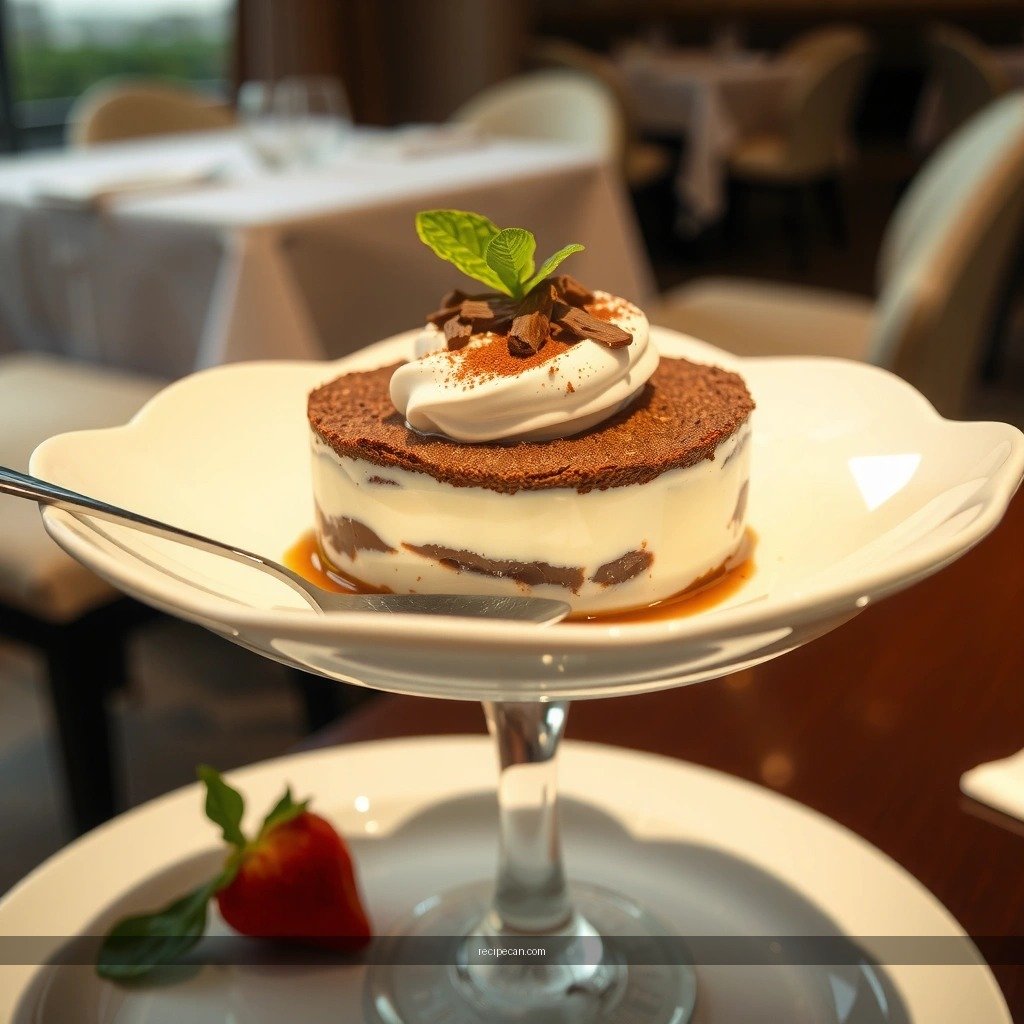
At its core, tiramisu is not “fancy baking”—it’s precise construction. The classic Italian tiramisu profile depends on three pillars: quality mascarpone, correctly brewed espresso (or concentrate), and ladyfingers that absorb moisture without collapsing.
Use high-quality mascarpone and strong espresso (or espresso concentrate)
– Mascarpone should be creamy, not watery. Look for a product with a thick, spreadable consistency; if your mascarpone seems thin, your filling will loosen and separate.
– Espresso (or concentrate) matters because tiramisu tastes like coffee first, dessert second. Weak coffee gets diluted by the cream and cocoa, leaving a “sweet milk” result instead of a true tiramisu flavor.
Choose the right cookies: traditional ladyfingers/savoiardi
– Traditional tiramisu uses ladyfingers (savoiardi) because their structure absorbs espresso quickly while still holding enough integrity for clean layers.
– Avoid overly soft or flavored sponge cookies unless you adjust the soak time.
Flavor with cocoa powder and (optionally) a touch of Marsala or vanilla
– Cocoa powder provides bitterness that counterbalances sweetness. A deeper, unsweetened cocoa (often Dutch-processed) delivers that classic tiramisu finish.
– Marsala is traditional and adds aromatic warmth; vanilla can substitute for people who prefer no fortified wine. Use it lightly so it doesn’t overpower espresso.
To support planning, here’s a quick, data-driven reference for ingredient choices and their “impact” on the finished Italian tiramisu:
Ingredient Quality Checks for Classic Tiramisu (Bench Test Guide)
| # | Tiramisu Component | Target Texture / Strength | Typical Effect if Off-Target | Outcome Direction |
|---|---|---|---|---|
| 1 | Mascarpone | Thick, spreadable (not runny) | Cream loosens; layers slip | Risk |
| 2 | Espresso | Bold, dark, concentrated flavor | Coffee disappears under sweetness | Risk |
| 3 | Ladyfingers (savoiardi) | Firm, porous, straight “fingers” | Overly soft cookies break apart | Risk |
| 4 | Cocoa powder | Unsweetened, deep brown tone | Flavor turns flat; top looks pale | Risk |
| 5 | Marsala (optional) | Small amount (aromatic, not boozy) | Overpowers espresso and cocoa | Risk |
| 6 | Sugar in cream | Adjusted to your espresso intensity | Too sweet dulls coffee bitterness | Risk |
| 7 | Salt (tiny pinch, optional) | Adds contrast (barely noticeable) | Improves depth without changing sweetness | Better |
Perfect Coffee Soak for Flavor (Not Soggy)
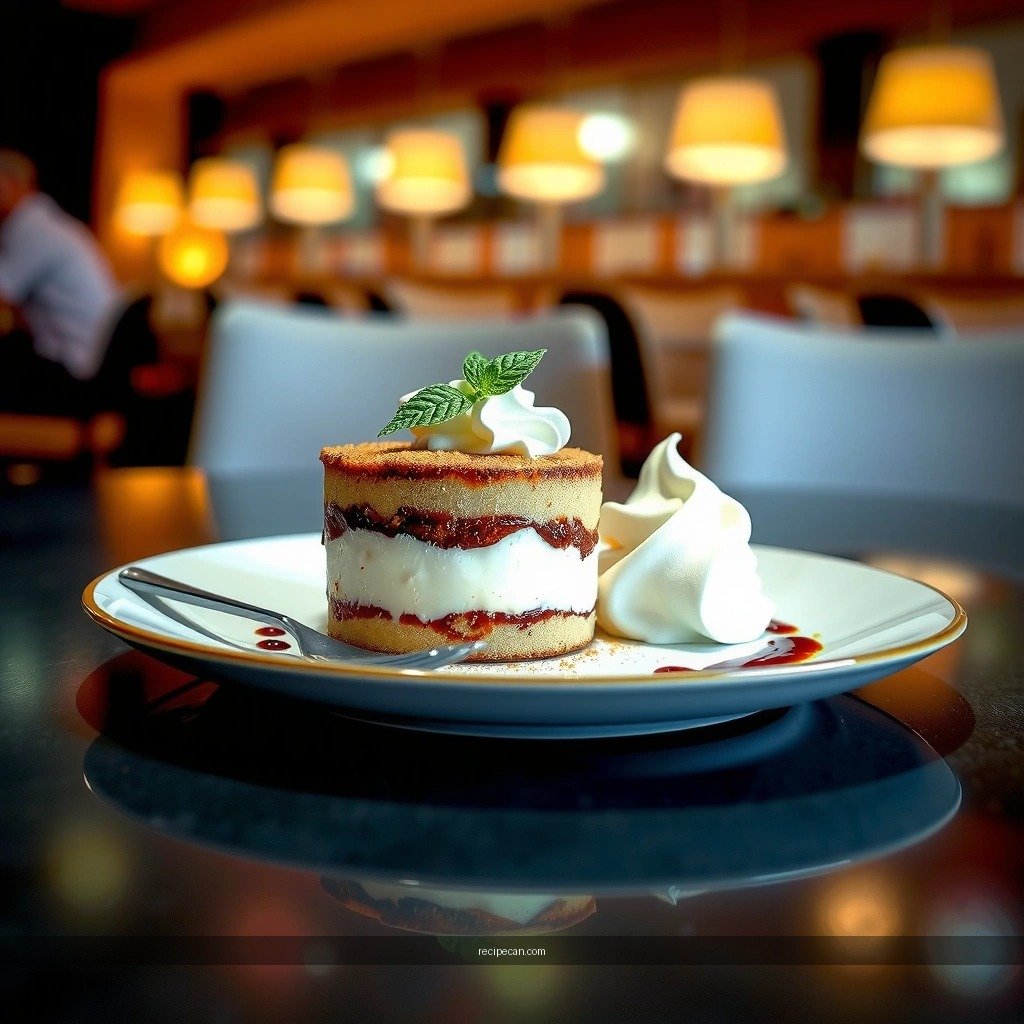
The biggest quality lever in an Italian tiramisu is not the mascarpone—it’s how you soak the ladyfingers. The goal is flavor transfer, not structural collapse.
Dip ladyfingers quickly—brief contact, then layer immediately
– Dip each side for a short, controlled moment (think seconds, not soaking like cake layers).
– Once dipped, place immediately on the tray or baking dish. The cookie continues absorbing while it sits in the cream layer.
Aim for room-temperature or slightly warm coffee for better absorption
– Cold espresso tends to resist absorption and can leave uneven flavor.
– Slight warmth helps the cookie drink the coffee more evenly—key for consistent sweetness and bitterness.
Keep layers consistent to avoid uneven sweetness
– If one layer gets a longer dip time, it will taste more intense and may soften faster.
– A simple operational habit: keep your dipping motion steady, and work methodically so each ladyfinger receives a similar exposure.
Practical example: if you’re using espresso concentrate, dilute it according to the concentrate instructions so it isn’t too thick. Overly concentrated soaking liquid can create watery pooling or overly intense, bitter spots.
Mascarpone Cream: Smooth, Light, and Stable
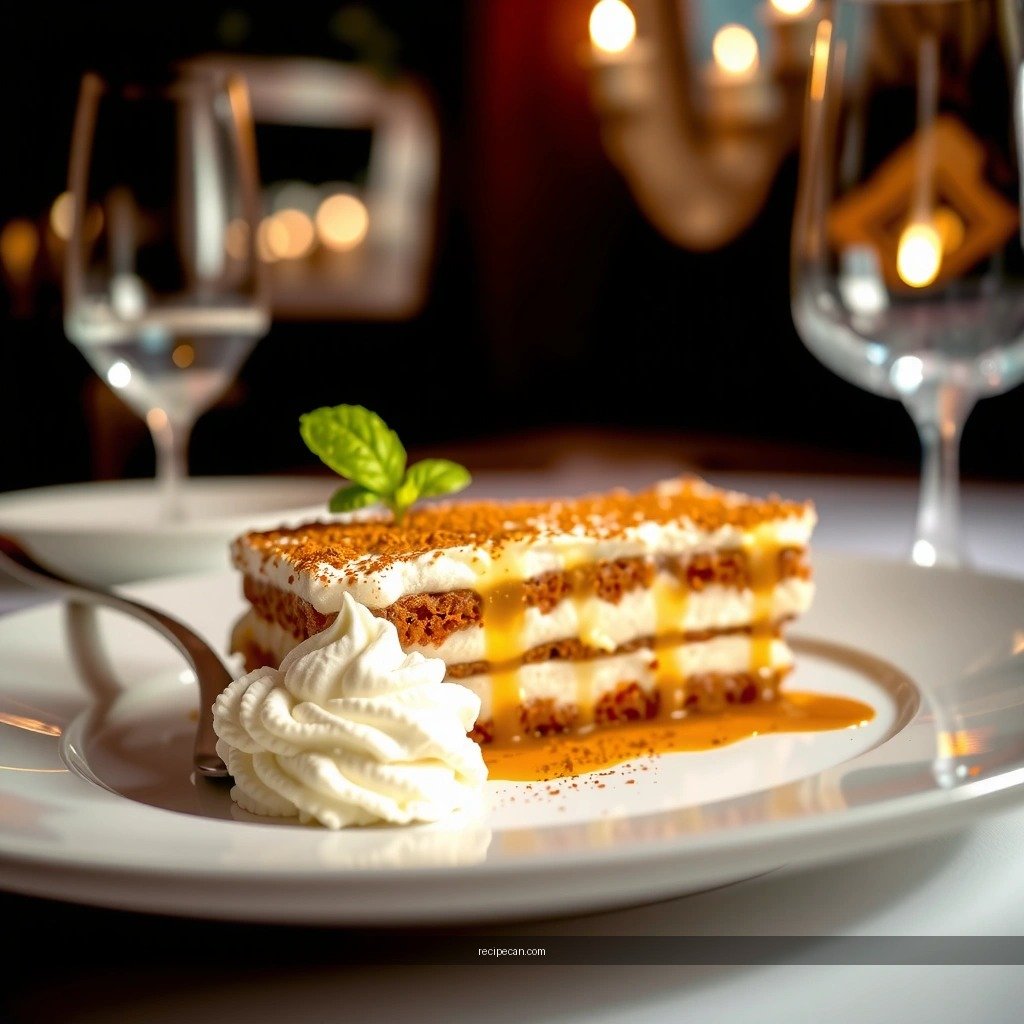
The mascarpone cream should be smooth and stable, with enough air to feel light but enough structure to hold layers when chilled.
Whip mascarpone until creamy, then fold gently to keep air in the mixture
– Whipping breaks down lumps and smooths texture.
– Folding (rather than vigorous stirring) protects the trapped air that gives the cream that classic, creamy mouthfeel.
If using eggs, separate and whip whites for a lighter texture
There are two mainstream interpretations of tiramisu cream:
1. Egg-based classic: yolks mixed into mascarpone for richness; egg whites whipped for lift.
2. Egg-free streamlined: a stabilized cream approach using mascarpone and controlled sweetness.
If you’re using eggs, whip whites to soft peaks—overwhipping can make cream grainy, while underwhipping won’t provide enough lift.
Sweeten gradually so the cream stays balanced with the coffee
– Coffee already brings bitterness; the cream should balance, not mask it.
– Taste the cream base relative to the espresso you’re using. Strong coffee can handle slightly less sugar, while mild coffee may need more—but only enough to preserve contrast.
Business-friendly workflow tip: prepare all components before mixing. Mascarpone cream is best when assembled promptly so it doesn’t warm up and loosen.
Layering Technique for the Best Texture
Layering is where “good” becomes “best.” Even distribution ensures every slice includes the same ratio of coffee, cream, and cocoa.
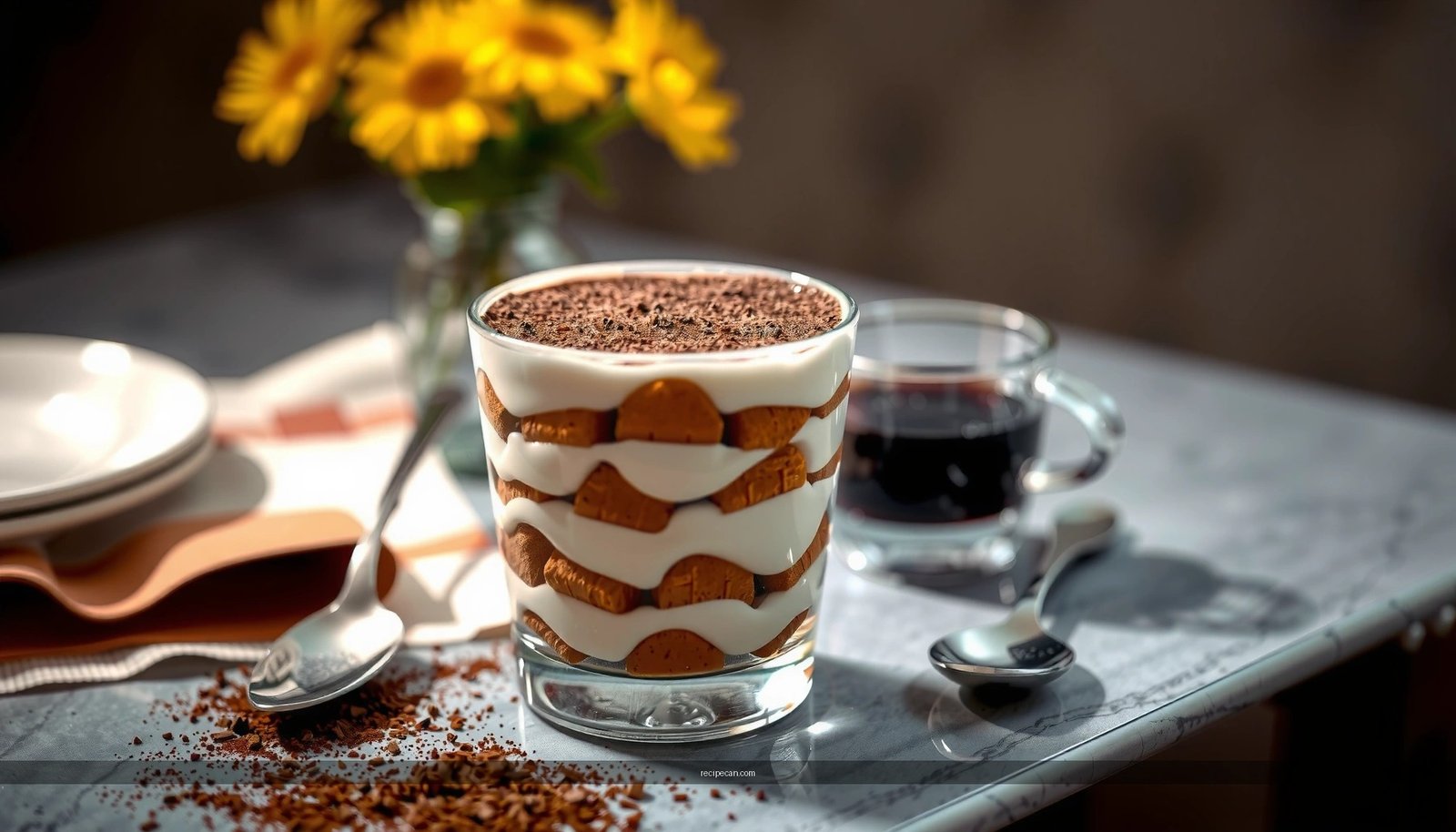
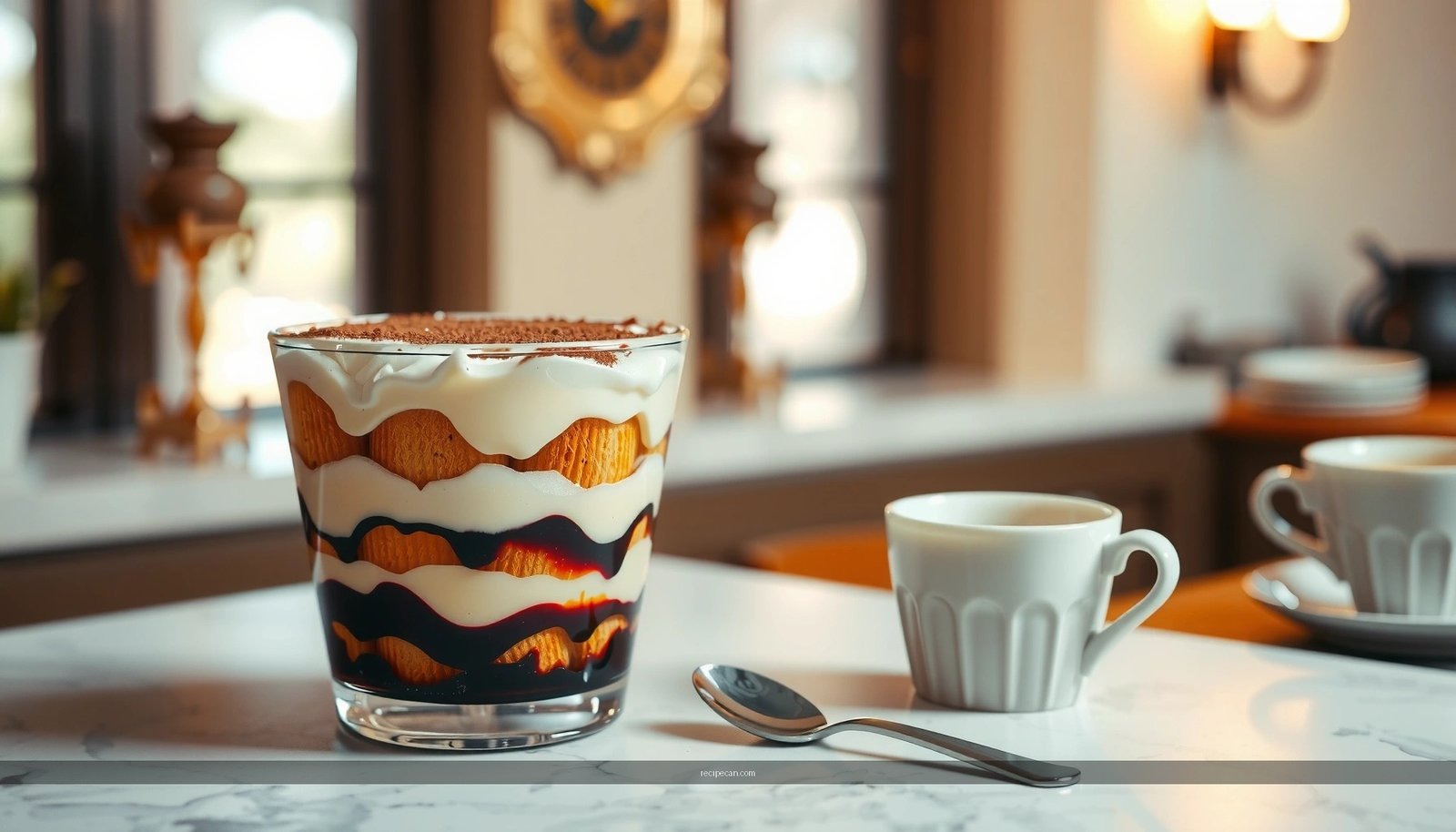
Build alternating layers: coffee-dipped ladyfingers, then mascarpone cream
– Use an even first layer to form a foundation.
– Spread cream to the edges (with a gentle, flat motion), then add the next dipped layer.
Spread evenly and tap the dish to settle layers
– After each cream addition, lightly tap the dish on the counter. This removes trapped air pockets and helps layers align cleanly for slicing.
Finish with a generous cocoa dusting on top
– Dust cocoa right before serving (or shortly before), especially if your kitchen is humid. Cocoa can absorb moisture over time, which dulls the surface texture.
If you want the cleanest restaurant-style cuts, chill first without heavy topping, then dust. This protects the top layer from early cocoa clumping.
Chilling Time: The Secret to “Best” Tiramisu
Even the best tiramisu recipe Italian won’t reach full texture without chilling. Refrigeration does the work of melding coffee into the cream and setting the mascarpone structure.
Chill at least 4–6 hours, ideally overnight for best flavor meld
– Minimum chill: helps the cream firm up and prevents runny slices.
– Overnight: coffee flavors diffuse more thoroughly, and the bitterness-sweetness balance becomes smoother.
Keep covered to prevent the top from drying out
– Exposure to air can dry the surface and make cocoa look uneven.
– Cover loosely with plastic wrap or an airtight lid—aim for protection without compressing the top.
Serve cold for the creamiest, sliceable result
– Tiramisu is best served chilled. If it warms, cream can soften and slices blur.
Analytical viewpoint: chilling is essentially your “time-based ingredient,” converting sharp contrasts into integrated flavor and creating the classic, creamy-set texture.
Common Mistakes to Avoid
Avoiding predictable failure points is often what separates homemade tiramisu from consistently “wow” results.
Over-soaking ladyfingers (leads to watery tiramisu)
– If you see pooling liquid, the cookies absorbed too much. Reduce dip time and improve liquid temperature control.
– Also ensure you don’t let dipped cookies sit too long before layering.
Using low-quality cocoa or weak coffee (dilutes the signature flavor)
– Weak espresso is the fastest route to a dessert that tastes overly sweet rather than coffee-forward.
– Choose cocoa that tastes chocolatey and unsweetened; the bitterness is part of the balance.
Skipping proper folding (can make the cream dense or grainy)
– Dense cream often comes from overmixing or losing air.
– Grainy texture is frequently linked to improper whipping or temperature issues (cream warming too much before assembly).
If you’re aiming for a classic Italian tiramisu, focus on controllable variables: soak time, coffee strength, cream handling, and chilling duration.
The best tiramisu recipe Italian style is simple: strong espresso, a smooth mascarpone cream, consistent soak-and-layer technique, and enough chilling time to let flavors mature. Gather your ingredients, keep your coffee soak brief, layer evenly, chill overnight, then finish with cocoa and serve cold for the creamiest, sliceable result.
Frequently Asked Questions
What is the best tiramisu recipe Italian families usually make?
A classic “best tiramisu recipe Italian” uses simple, traditional ingredients: espresso (never hot), mascarpone, egg yolks (or sometimes whole eggs), sugar, ladyfingers, and cocoa powder. The Italian-style texture comes from whipping mascarpone until smooth and folding gently so the cream stays airy. For the most authentic result, chill the tiramisu long enough for the ladyfingers to absorb the espresso without turning to mush.
How do I make authentic Italian tiramisu without curdling the eggs?
Use a gentle method: whisk egg yolks with sugar over a low heat (or create a warm bain-marie) just until slightly thickened, then cool before mixing with mascarpone. If you’re aiming for the safest and easiest approach, consider using pasteurized eggs or using a yolk-based recipe carefully tempered to avoid scrambling. Keep everything cool once mixed, because adding hot cream or espresso too quickly can cause the mixture to split.
Which espresso should I use for the best flavor in Italian tiramisu?
For a “best tiramisu recipe Italian” flavor, use strong espresso or a concentrated moka pot coffee so the cocoa-and-cream balance isn’t watered down. Let the espresso cool to room temperature before dipping ladyfingers, and avoid soaking too long so the dessert stays creamy. A slightly bitter espresso also helps the mascarpone sweetness taste more authentic and less cloying.
Why does my tiramisu turn watery, and how can I fix it?
Watery tiramisu usually happens when the ladyfingers are soaked too long, the espresso is warm, or the mascarpone mixture is overmixed and becomes loose. Dip each ladyfinger quickly (or brush lightly), then layer immediately; chill helps set the structure. Also make sure your mascarpone is fresh and at the right temperature—too warm can lead to a runnier cream.
Best way to layer and chill tiramisu for the perfect Italian texture?
For an “Italian tiramisu” with clean layers, add a thin base cream, dip ladyfingers briefly in espresso, then alternate layers of cream and ladyfingers until you reach the top. Finish with a generous dusting of cocoa powder right before serving (or just before final chilling) to prevent it from soaking in. Chill at least 4–6 hours, or overnight for best results, so the flavors develop and the dessert sets into that signature creamy-but-holding texture.
References
- Tiramisu
https://en.wikipedia.org/wiki/Tiramisu - Tiramisu | Meaning, Ingredients, Origin, Desserts, & Taste | Britannica
https://www.britannica.com/topic/tiramisu - Treccani, il portale del sapere – Treccani
https://www.treccani.it/enciclopedia/tiramisù/ - Google Scholar Google Scholar
https://scholar.google.com/scholar?q=best+tiramisu+recipe+italian - Google Scholar Google Scholar
https://scholar.google.com/scholar?q=tiramisu+traditional+recipe+italy+mascarpone+egg+coffee - Google Scholar Google Scholar
https://scholar.google.com/scholar?q=tiramisu+history+recipe+authentic+Italian - https://pubmed.ncbi.nlm.nih.gov/?term=tiramisu
https://pubmed.ncbi.nlm.nih.gov/?term=tiramisu - https://www.sciencedirect.com/search?qs=tiramisu+recipe
https://www.sciencedirect.com/search?qs=tiramisu+recipe - https://www.bbc.co.uk/food/recipes/tiramisu_7000
https://www.bbc.co.uk/food/recipes/tiramisu_7000 - https://www.theguardian.com/food/2018/nov/19/tiramisu-recipe-coffee-cocoa-mascarpone
https://www.theguardian.com/food/2018/nov/19/tiramisu-recipe-coffee-cocoa-mascarpone